


May 17
So - I’d push back in two ways - a fairly large number of academic philosophers self-identify into one of those two camps. (If you go to their official insti bio pages). They may cross over in their research, but they frequently anchor themselves in one tradition or another.
And, even with the rise of departments that are (nominally) “integrated”, there has been a steady decline of the self-identified continental folks in the US - in TT and tenured positions. I think that’s partly cos they all went over go to the other humanities as part of the post-structuralist/critical theorist wave (ugh).
Finally, just because the dichotomy does apply cleanly doesn’t mean that it doesn’t exist. The characteristic emphases are sort of obvious…
The analytic side tends to prioritize clarity, argument, logic, precision, problem solving etc.
The conti side tends to be more “fuzzy” (my sophisticated technical term 🧐) - and focuses on stuff like meaning (non-linguistic), history, existence, critique, interpretation, narrative etc.
There is also a tendency in the analytic side to see philosophy as continuous with science & math. Progress (fwiw) happens by sharpening/formalizing questions and resolving (discrete) problems through careful logic/argument.
That is very diff from the conti side - where they tend to see philosophy as continuous with literature/history/culture not scimath. Progress (again fwiw) happens by better understanding of human existence/historical situation etc and creating (structures of?) meaning via interpretation/critique.
You could over-simplify this and simply say that the diffs can be characterized by certain key questions asked, like…
Analytic: how exactly is this claim justified?
Conti: what does this reveal about our situation in the world?
Some of this is covered in the podcast - with Nietzche as a key exemplar of the conti tradition.
1
2
396

2 Sep 2025
Ok so there's a SciMath (science and math) event at my school and apparently each grade in high school will pick the Mr. And Ms. SciMath from their grade
Me and him got chosen.

2
53

27 Aug 2025
was trying to find some files needed for work and i stumbled upon a PDF of my certificate for winning that scimath university wide quiz bee
you could solve those shitty calculus questions, you could name the element just by saying the atomic number, you were winning back then.
1
2
101


25 Jul 2025
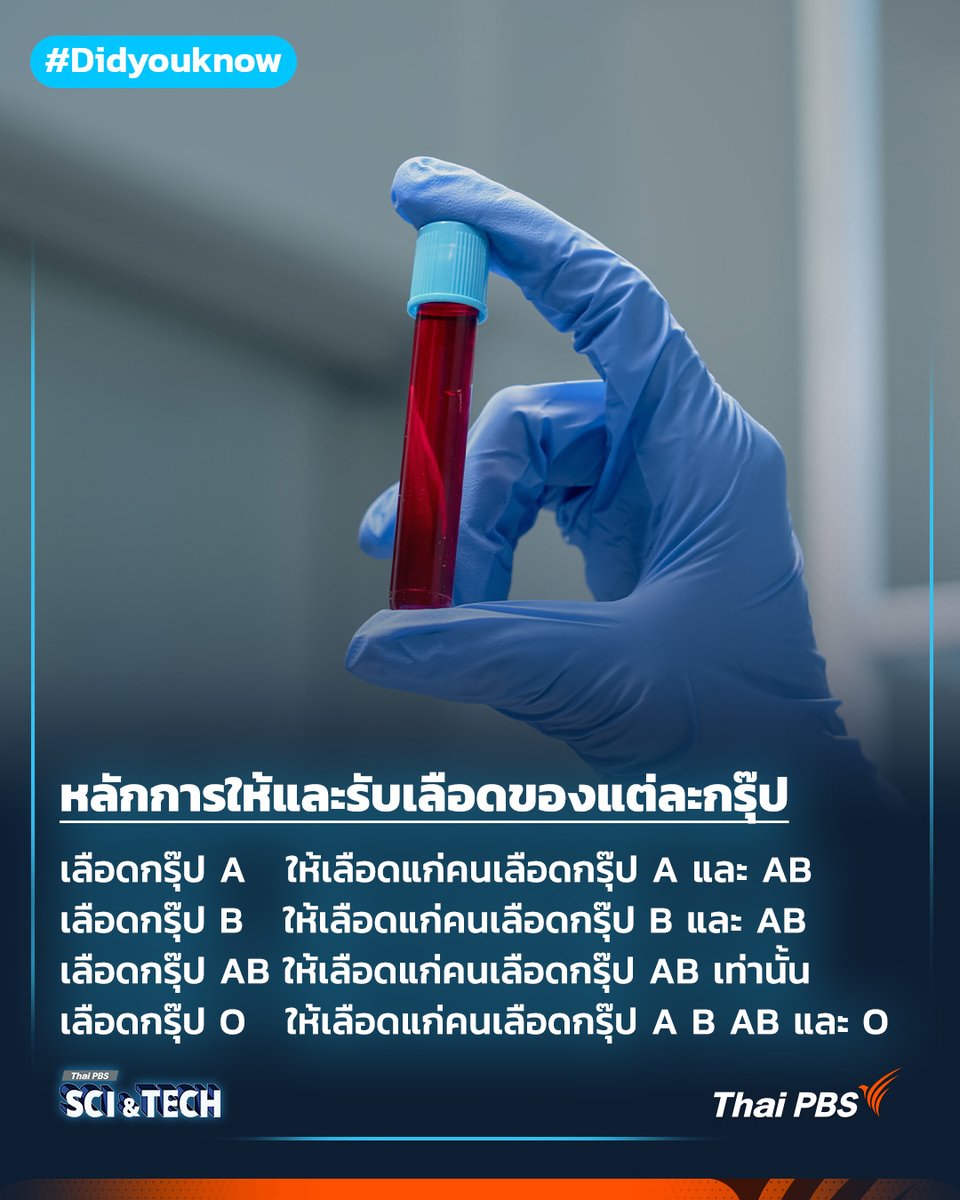
💡#Didyouknow #กรุ๊ปเลือด ABO บริจาคเลือดให้หมู่เลือดไหนได้บ้าง ?
#หมู่เลือด ระบบ ABO สามารถจำแนกหมู่เลือดโดยพิจารณาจากชนิดของแอนติเจนที่อยู่บนเยื่อหุ้มเซลล์ของเซลล์เม็ดเลือดแดง
🩸 #เลือดกรุ๊ปเอ : มีแอนติเจน A อยู่บนเยื่อหุ้มเซลล์ของเซลล์เม็ดเลือดแดง และในพลาสมามี anti-B antibody
🩸 #เลือดกรุ๊ปบี : มีแอนติเจน B อยู่บนเยื่อหุ้มเซลล์ของเซลล์เม็ดเลือดแดง และในพลาสมามี anti-A antibody
🩸 #เลือดกรุ๊ปเอบี : มีแอนติเจน A และแอนติเจน B อยู่บนเยื่อหุ้มเซลล์ของเซลล์เม็ดเลือดแดง ส่วนในพลาสมาไม่มี anti-A antibody และ anti-B antibody
🩸 #เลือดกรุ๊ปโอ : ไม่มีแอนติเจน A และแอนติเจน B อยู่บนเยื่อหุ้มเซลล์ของเซลล์เม็ดเลือดแดง ส่วนในพลาสมามี anti-A antibody และ anti-B antibody
หลักการให้และรับเลือดนั้น แอนติเจนบนเยื่อหุ้มเซลล์เม็ดเลือดแดงของ “ผู้ให้” ต้องไม่ตรงกับแอนติบอดีในพลาสมาของ “ผู้รับ” ดังนี้
✅ คนเลือดกรุ๊ป A จะสามารถให้เลือดแก่คนเลือดกรุ๊ป A และ AB
และรับเลือดจากกรุ๊ป A และ O
✅ คนเลือดกรุ๊ป B จะสามารถให้เลือดแก่คนเลือดกรุ๊ป B และ AB
และรับเลือดจากกรุ๊ป B และ O
✅ คนเลือดกรุ๊ป AB จะสามารถให้เลือดแก่คนเลือดกรุ๊ป AB เท่านั้น!
และรับเลือดจากกรุ๊ป A B O และ AB
✅ คนเลือดกรุ๊ป O จะสามารถให้เลือดแก่คนเลือดกรุ๊ป A B AB และ O
และรับเลือดจากกรุ๊ป O เท่านั้น
📌 ที่มา : Scimath คลังความรู้ bit.ly/3GCtJgl
🌏 “รอบรู้ ดูกระแส ก้าวทันโลก” ไปกับ #ThaiPBSSciAndTech #ThaiPBS thaipbs.or.th/SciandTech
1
8
11
2,993

23 Jul 2025
I’m fully convinced that SciMath program rotted my brain so badly, because what do you mean someone asked me what people who take photos for a living are called and my stoopid az said photosynthesis 💔💔also is there cheese in the great beyond?
2
2
63

22 Jul 2025
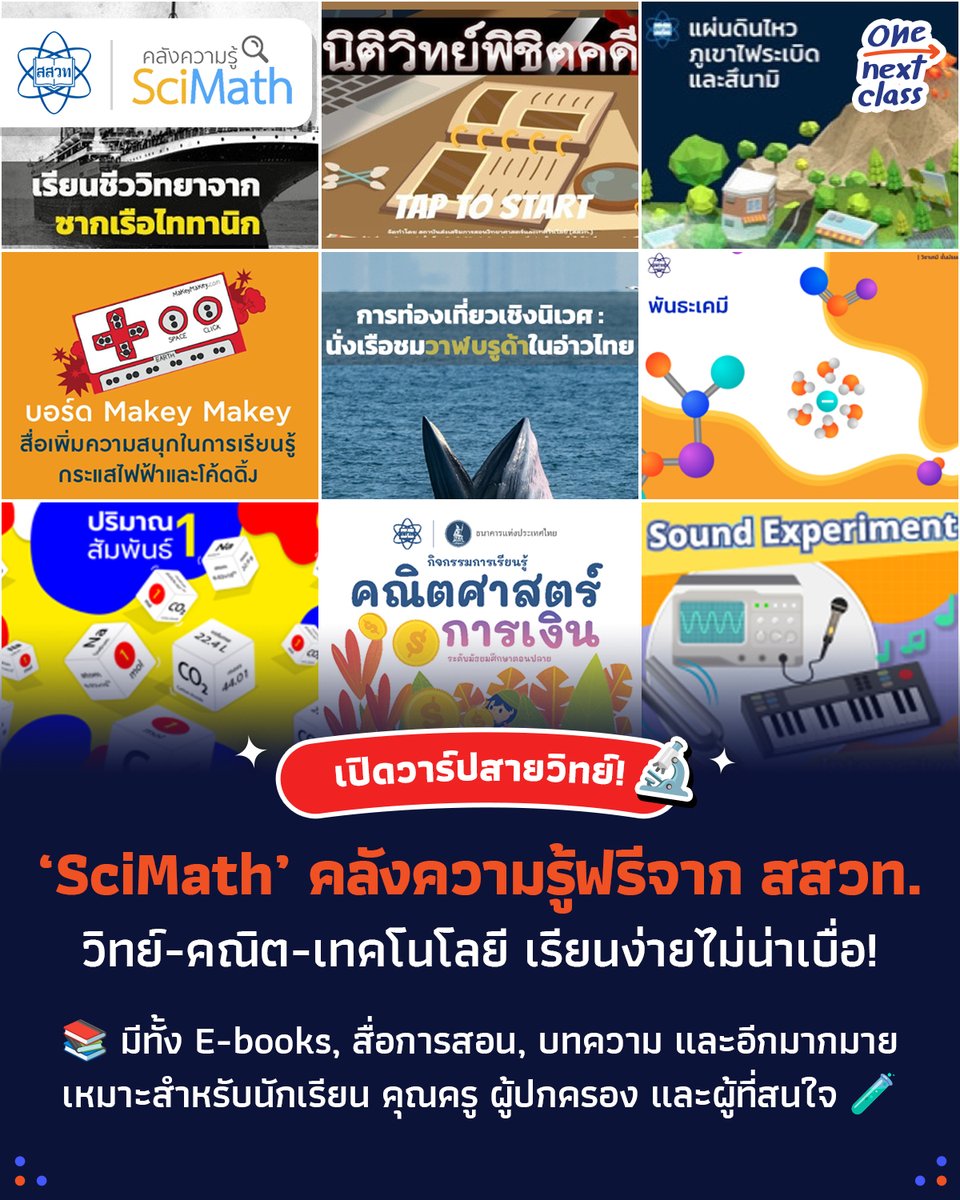
🧪🔢 ชาวสายวิทย์-คณิต เตรียมปักหมุด! วันนี้ One Next Class #ชีวิตติดเรียนรู้ ขอมาเปิดวาร์ป ‘คลังความรู้ SciMath’ จาก สถาบันส่งเสริมการสอนวิทยาศาสตร์และเทคโนโลยี (สสวท.) ที่จัดเต็มสื่อการเรียนรู้หลากหลายรูปแบบ เปิดให้คนทั่วไปเข้าไป upskill & reskill ฟรีไม่มีค่าใช้จ่าย! ✨
.
📚 มีทั้งวิชาคณิตศาสตร์ เคมี ชีวะ ฟิสิกส์ ดาราศาสตร์ เทคโนโลยี รวมครบในที่งานเดียว // น้องๆ มัธยม #dek69 #dek70 หรือคุณครูที่กำลังหาสื่อการสอนไว้ใช้ในห้องเรียน บอกเลยว่าห้ามพลาด~
.
✅ รวบรวมสื่อการเรียนการสอนหลากหลายประเภท เช่น Ebooks, วิดีโอ, บทความ, แผนการสอน ฯลฯ
✅ เนื้อหาวิชาการถูกต้องและสอดคล้องกับมาตรฐานการเรียนรู้
✅ สามารถเข้ารับชมเนื้อหาได้ทันที โดยไม่ต้องเข้าสู่ระบบ
✅ ใช้งานฟรี ไม่มีค่าใช้จ่าย
.
🔎 รวมพิกัดไว้ที่นี่: dek-d.com/activity/67057/
39
71
6,924

22 Jul 2025
#विशेष_शिक्षक_भर्ती की मांग को लेकर @HANUMANKISAN जी का बहुत आभार परंतु पिछली 2022 के विशेष शिक्षा का सम्पूर्ण सब्जेक्ट पर रिजल्टजारी करवाओ ताकी आगामी भर्ती इस तरहनहीं अटके पिछले में हिंदी scimath का परिणामभीजारी करवाओ @Ravindrachdry
#अध्यापक_भर्ती2022_रिजल्ट_विशेष_शिक्षा
#
2
5
5
125

29 Jun 2025
but from my learning experience in school, we're too busy to learn our own history to learn abt others (unless u take world history in university) LIKE LEGIT the only thing i know abt other countries is them being colonizers/colonized🧍♀️or maybe the scimath advances they led
1
9
458

27 Jun 2025
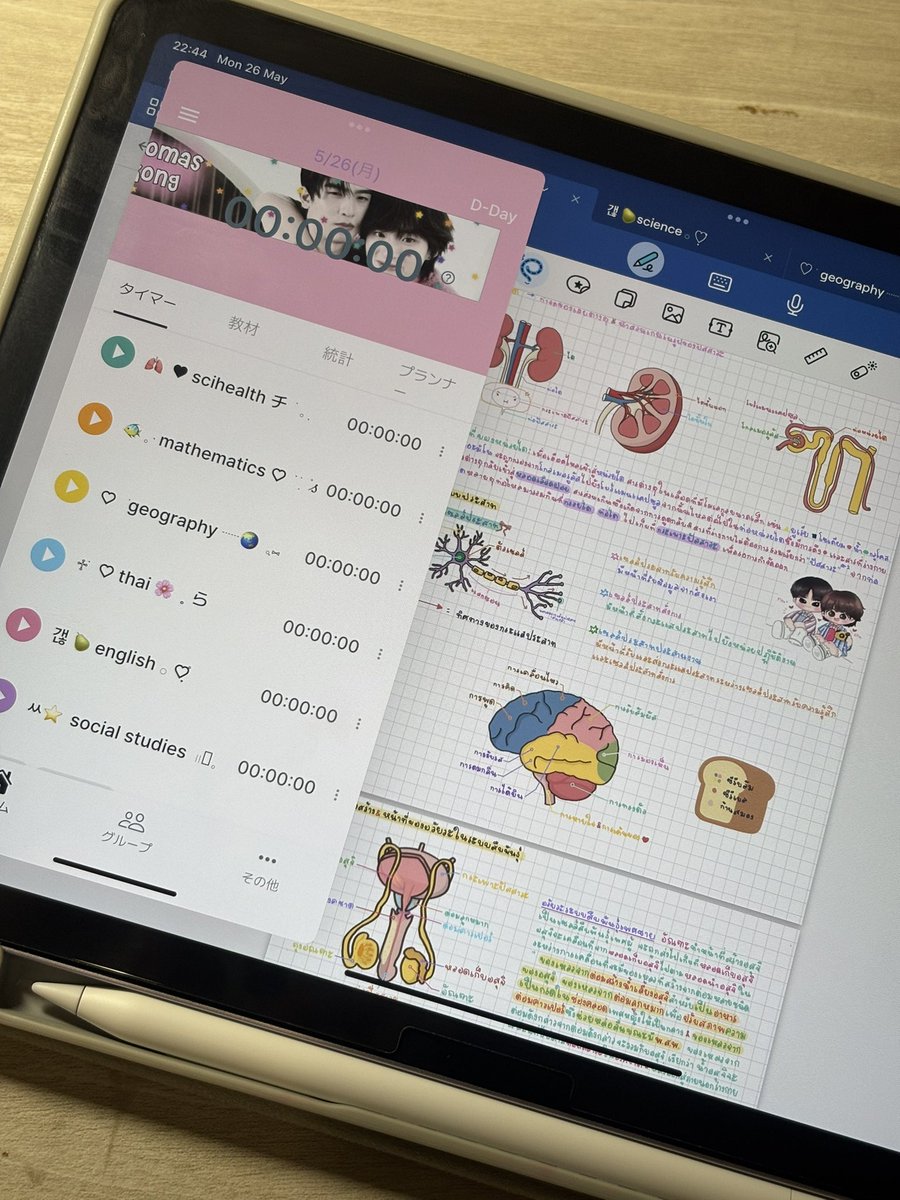
today cheat day , tmr sheet ( scimath ) day ᵒ̴̶̷̥́ ᵕ ᵒ̴̶̷̣̥̀
5
154

19 Jun 2025
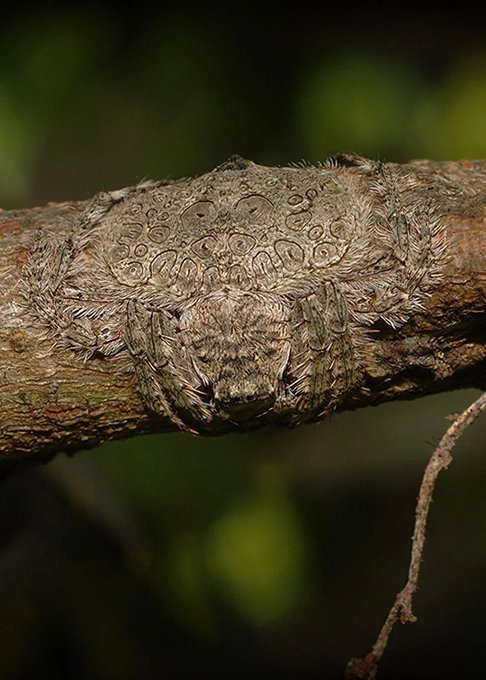
แมงมุมที่พันรอบลำตัว (Wrap-around spider) หมายถึง แมงมุมที่สามารถแผ่ลำตัวให้แนบติดกับกิ่งไม้หรือลำต้นเพื่อพรางตัว ตามที่ SciMath ระบุ.
แมงมุมกลุ่มนี้มักจะอยู่ในสกุล Dolophones และเป็นที่รู้จักในชื่อ "แมงมุมนินจา" เนื่องจากความสามารถในการพรางตัว.
1
10
1,659

30 May 2025
แนะแนวทางให้สำหรับทางนี้ที่จบสายscimathแล้วไปต่อด้านภาษานะคะ
1.เกาหลี = อักษรอ่านง่ายสุด รู้ตัวคืออ่านได้เลย แต่ไวยากรณ์งงมาก แต่เรียนระยะสั้นก็ได้ค่อนข้างไวค่ะ
2.จีน = ไวยากรณ์มีความคล้ายไทย แต่ ***อ่านยากมาก*** ต้องพยายามและตั้งใจหน่อย
3.ญี่ปุ่น = ยากทุกทาง ระยะสั้นไม่ไหวค่ะ
1
147
433
41,463

3 May 2025
𓈈Recap Cultural exchange ⛱️🌥️✳︎
🔆 ꕀ Malaysia 🇲🇾 & Singapore 🇸🇬 *
(🇲🇾)ปัยจากเหนือลงใต้เล้ย ที่ไปเปนรร.ประจำของมาเลย์เน้นScimath🚌 เพือนๆน่ารักมากใจดีถามรัยตอบหมด แระก้เก่งอิ้งตะโกนน เขาจะพาทัวรร.มีกีฬาเย้อะ เช่นรักบี้้ เมืองไม่มีสายไฟ(ฟิร) อาหารถุกปาก🍛
#juli3witdiary

4
8
18
1,439
3 May 2025
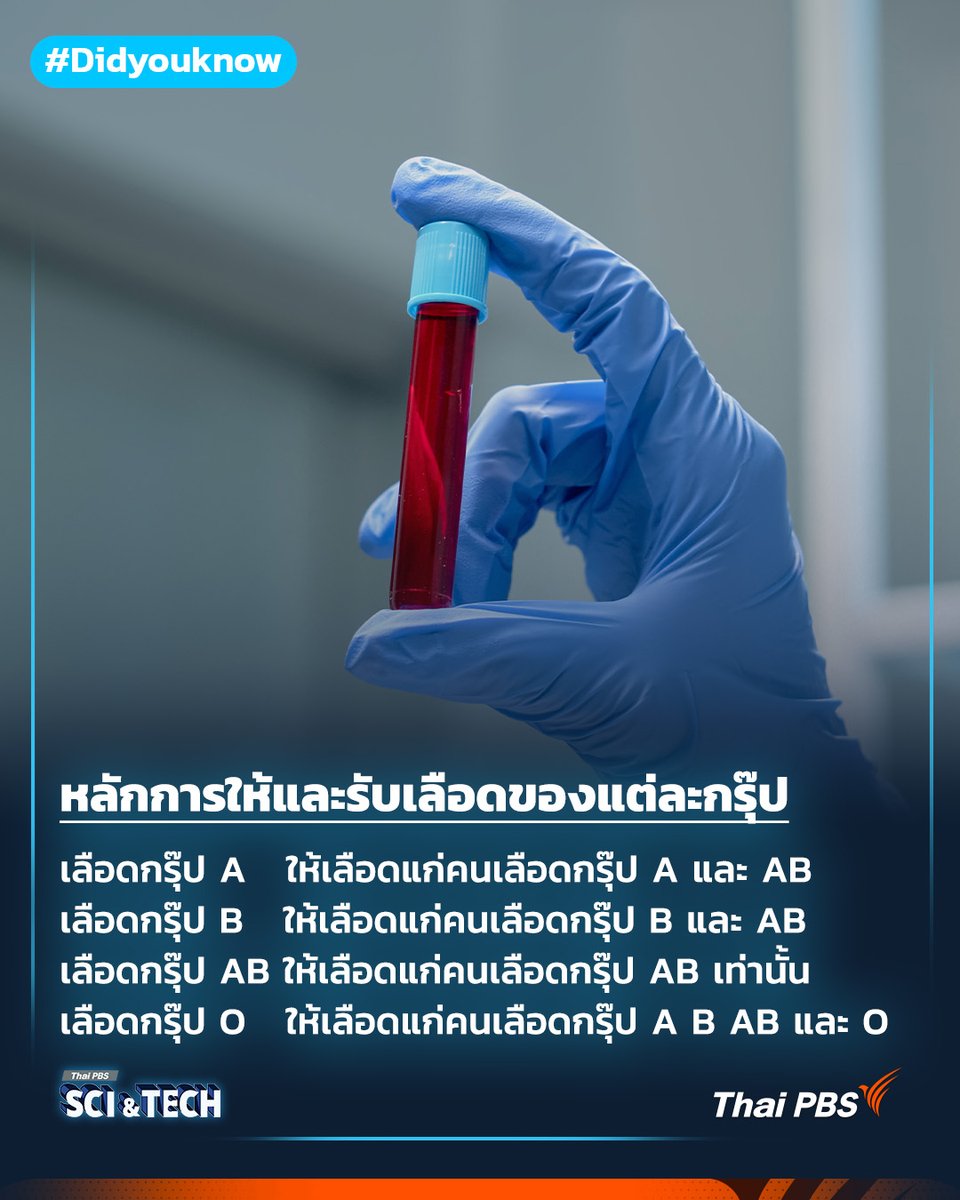
💡#Didyouknow #กรุ๊ปเลือด ABO บริจาคเลือดให้หมู่เลือดไหนได้บ้าง ?
#หมู่เลือด ระบบ ABO สามารถจำแนกหมู่เลือดโดยพิจารณาจากชนิดของแอนติเจนที่อยู่บนเยื่อหุ้มเซลล์ของเซลล์เม็ดเลือดแดง
🩸 #เลือดกรุ๊ปเอ : มีแอนติเจน A อยู่บนเยื่อหุ้มเซลล์ของเซลล์เม็ดเลือดแดง และในพลาสมามี anti-B antibody
🩸 #เลือดกรุ๊ปบี : มีแอนติเจน B อยู่บนเยื่อหุ้มเซลล์ของเซลล์เม็ดเลือดแดง และในพลาสมามี anti-A antibody
🩸 #เลือดกรุ๊ปเอบี : มีแอนติเจน A และแอนติเจน B อยู่บนเยื่อหุ้มเซลล์ของเซลล์เม็ดเลือดแดง ส่วนในพลาสมาไม่มี anti-A antibody และ anti-B antibody
🩸 #เลือดกรุ๊ปโอ : ไม่มีแอนติเจน A และแอนติเจน B อยู่บนเยื่อหุ้มเซลล์ของเซลล์เม็ดเลือดแดง ส่วนในพลาสมามี anti-A antibody และ anti-B antibody
หลักการให้และรับเลือดนั้น แอนติเจนบนเยื่อหุ้มเซลล์เม็ดเลือดแดงของ “ผู้ให้” ต้องไม่ตรงกับแอนติบอดีในพลาสมาของ “ผู้รับ” ดังนี้
✅ คนเลือดกรุ๊ป A จะสามารถให้เลือดแก่คนเลือดกรุ๊ป A และ AB
✅ คนเลือดกรุ๊ป B จะสามารถให้เลือดแก่คนเลือดกรุ๊ป B และ AB
✅ คนเลือดกรุ๊ป AB จะสามารถให้เลือดแก่คนเลือดกรุ๊ป AB เท่านั้น!
✅ คนเลือดกรุ๊ป O จะสามารถให้เลือดแก่คนเลือดกรุ๊ป A B AB และ O
📌 ที่มา : Scimath คลังความรู้ bit.ly/3GCtJgl
🌏 “รอบรู้ ดูกระแส ก้าวทันโลก” ไปกับ #ThaiPBSSciAndTech #ThaiPBS thaipbs.or.th/SciandTech
7
10
2,834


29 Apr 2025
chat, english tchrs lang ba namin ung madamot sa grades? 😭 i literally have a gwa of 95-99 sa scimath sa jhs, and 89-94 sa eng 😔
3
3
204
27 Apr 2025
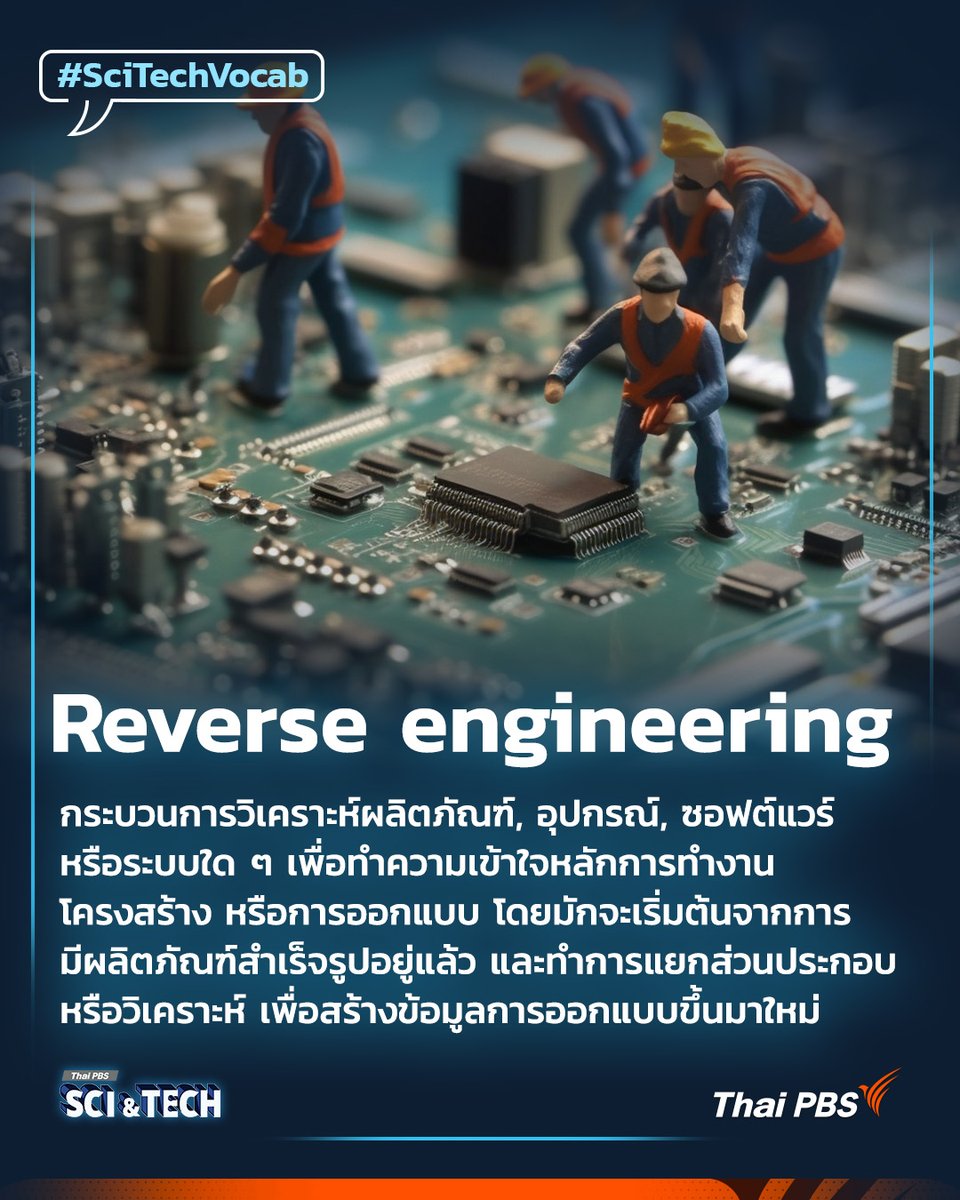
💻 #SciTechVocab #Reverseengineering
Reverse engineering ในด้านวิทยาการคอมพิวเตอร์ เกี่ยวกับซอฟต์แวร์ การเขียนโค้ด หมายถึงการ break down (แยกแยะอย่างละเอียด) ของโค้ดคอมพิวเตอร์ต่าง ๆ ที่ใช้ในการทำงาน เป็นการค้นหาความหมายของโค้ดนั้น ๆ ว่ามีการทำงานอย่างไร เชื่อมโยงกันอย่างไร เป็นการศึกษาเพื่อแก้ไขจุดผิดพลาดของโค้ด และเพื่อพัฒนาให้เกิดโปรแกรมใหม่ ๆ
แต่หากพูดถึงกระบวนการผลิตของผลิตภัณฑ์ต่าง ๆ ไม่ว่าจะเป็นการผลิตด้วยเทคโนโลยีเครื่องจักรขนาดเล็ก หรือขนาดใหญ่ หรือเป็นการผลิตด้วยมือ Reverse engineering จะหมายถึงการศึกษาผลิตภัณฑ์ต้นแบบ เพื่อแยกแยะชิ้นส่วน แยกแยะส่วนประกอบของผลิตภัณฑ์ต้นแบบ เพื่อให้เข้าใจหลักการทำงาน แนวคิด ขั้นตอนการทำงาน และวิธีการผลิต
การศึกษาด้วยวิธีการวิศวกรรมแบบย้อนกลับนี้จะช่วยให้สามารถพัฒนาสินค้าที่มีอยู่แล้วในตลาดได้อย่างรวดเร็วเพราะไม่ต้องเสียเวลาลองผิดลองถูกใหม่ทั้งหมดแต่เป็นการต่อยอดจากงานเดิมที่มีอยู่แล้ว
สรุปแล้ว Reverse engineering คือการแยกแยะบางสิ่งออกมาเป็นชิ้น ๆ เป็นขั้นตอน ๆ แล้วศึกษาทำความเข้าใจอย่างลึกซึ้ง จากนั้นก็นำมาประกอบใหม่โดยใส่สิ่งที่ดีกว่าลงไปด้วย หรือตัดสิ่งที่ไม่จำเป็นออก
📌 ที่มา : Scimath คลังความรู้ bit.ly/4iD1pI6
🌏 “รอบรู้ ดูกระแส ก้าวทันโลก” ไปกับ #ThaiPBSSciAndTech #ThaiPBS thaipbs.or.th/SciandTech
5
7
2,583