
May 10
🚀 Popular Science | Invisible Gas Molecules Hold Intricate Laws of Motion!
The countless gas molecules in the air, seemingly colliding and rushing about randomly, are actually firmly "controlled" by two major physical laws!
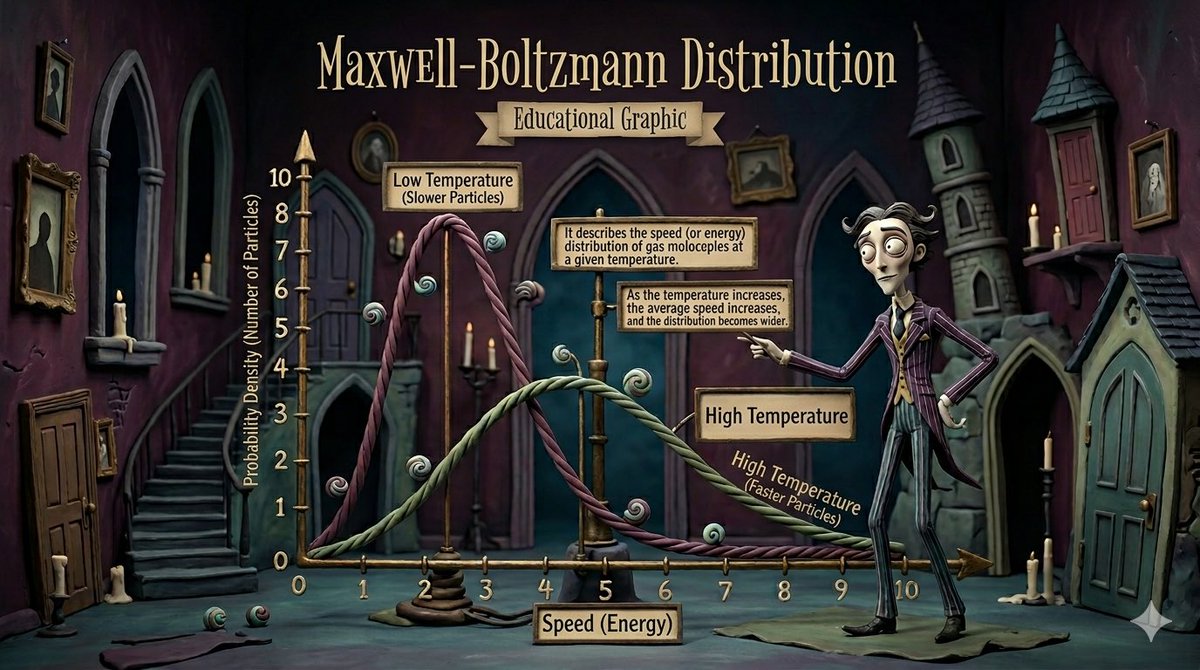
1. Maxwell-Boltzmann Distribution: The motion of a single molecule is completely random, but when a massive number of molecules are together, the velocity distribution strictly follows a fixed curve. There are most probable speeds, average speeds, and root-mean-square speeds—order lies hidden within the chaos!
2. Mean Free Path: The average distance a molecule travels between two collisions. The lower the pressure, the more sparse the molecules, the longer the mean free path, and the fewer the collisions.
These two laws perfectly explain the microscopic nature of gas diffusion, heat conduction, and viscosity!
The microscopic world is more orderly and more wondrous than we imagined! ✨
#SciencePopularization #Physics #MaxwellDistribution #GasMolecules #FunScience
3
35
May 10
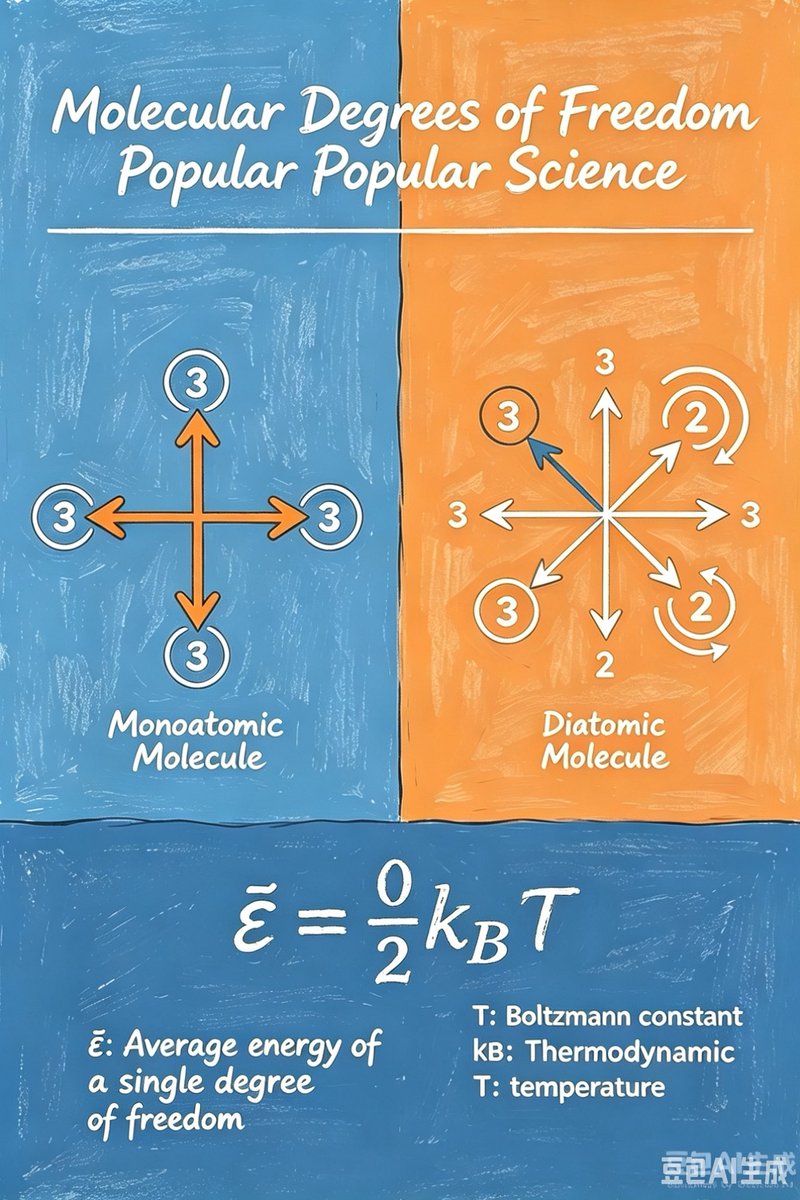
Degrees of Freedom: How Does a Molecule Spend Its Energy? Physics adheres to an "absolute egalitarianism."
In thermodynamics, there's a concept called "degrees of freedom," which, simply put, is the "number of positions" a molecule can move in. According to the equipartition theorem, a molecule's heat budget is uniformly distributed across each position, with each position receiving a fixed base salary。
For example:
🎈 A single "helium" (a monatomic molecule) has a relatively monotonous life, only moving forward, backward, left, right, and up and down, which is 3 translational degrees of freedom.
🎈 A pair of "hydrogen" (a diatomic molecule), besides moving, can also rotate around two axes, gaining 2 more rotational degrees of freedom, for a total of 5.
Conclusion: The more positions a molecule can master, the greater its total heat distribution. Therefore, being single not only saves money but also conserves energy in the microscopic world.
#SciencePopularization #Physics #FunFacts #MicroscopicWorld #EngineeringThermodynamics
3
49

Our newest immersive show is taking you on an unforgettable journey through the cosmos. Coming soon! 🌌✨
#scienceinbangalore #Sciencepopularization #skyshow #skytheatreshow

7
158

Let us explore the wisdom of ancient Chinese architecture——Dougong(Bracket sets)
#TianjinUniversity #TJU #architecture #Dougong #bracketsets #SciencePopularization
1
4
69

Mar 9
The five-stage ship lock of the Three Gorges Dam, with a water level drop of 175 meters, ships pass through in an orderly manner!三峡大坝五级船闸,水位落差175米,往来船只有序通行!#三峡 #科普 #长江 #ThreeGorges #SciencePopularization #YangtzeRiver
4
152

Mar 2
The essence of life is a firework display, a journey towards death.
#TheMeaningOfLife #SciencePopularization #Astronomy #LawOfEntropyIncrease
1
1
2
104
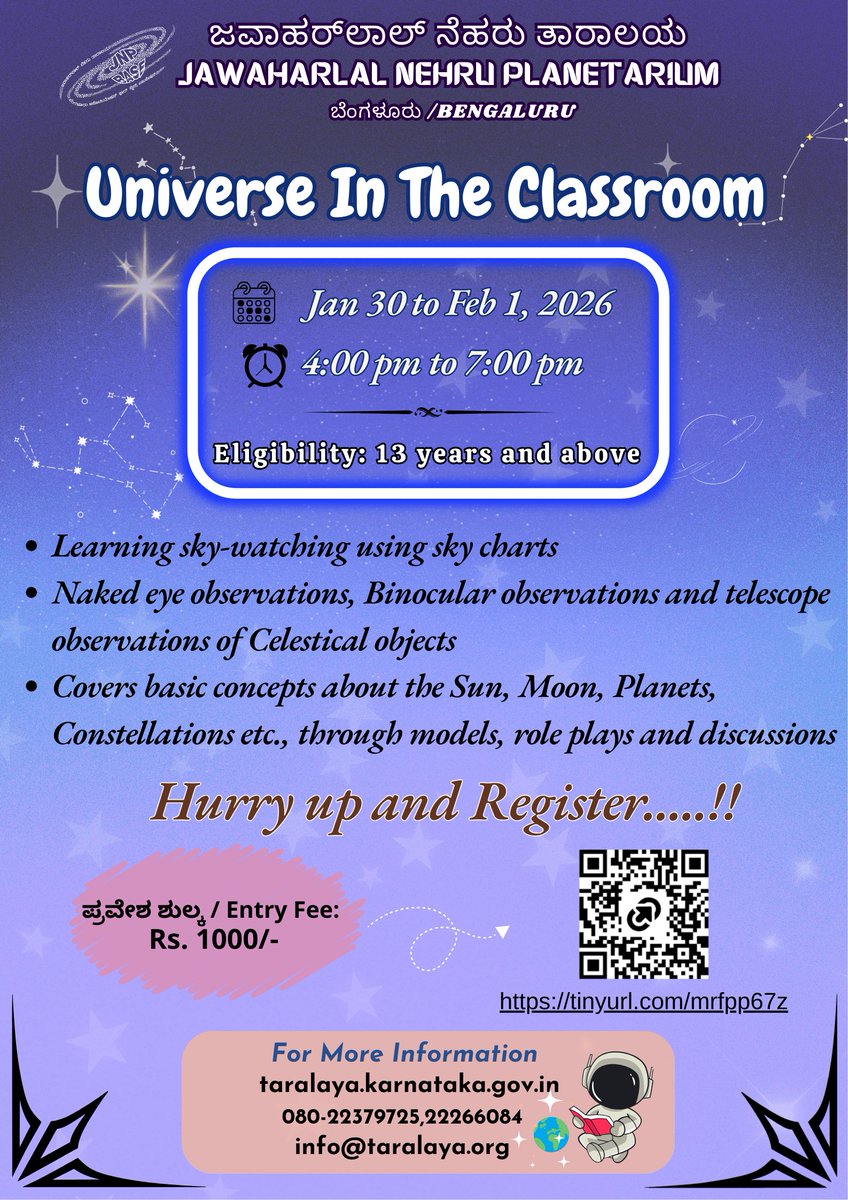
Join us for the Universe in the Classroom program!
Register through the link: forms.gle/zfh3ZzgVvLHD982j9
#universeintheclassroom #scienceinbangalore #scienceoverweekends #Sciencepopularization
@NsBoseraju @DSTKarnataka
1
2
73

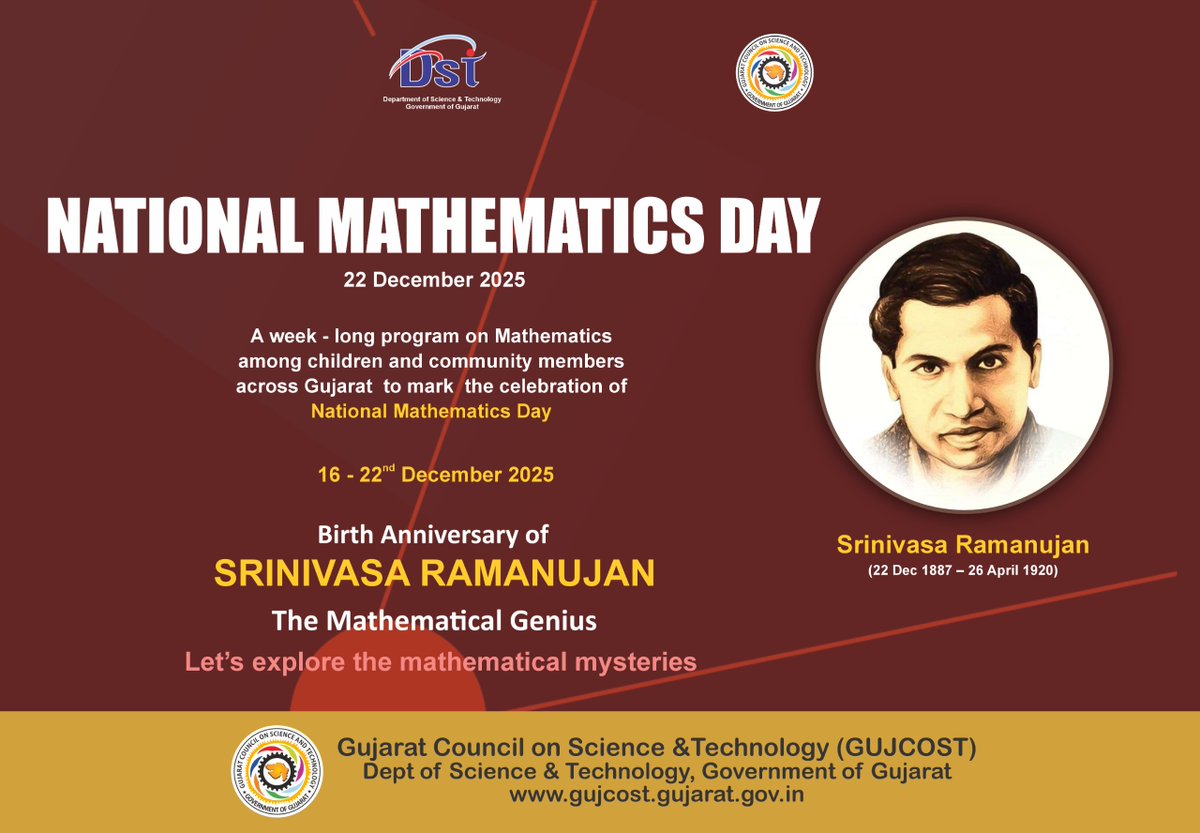
#GUJCOST is celebrating a week-long #NationalMathematicsDay 2025 across Gujarat from 16-22nd December 2025 through its network of Regional Science Centres (RSCs) and Community Science Centres (CSCs).
This year’s celebration marks the 138th Birth Anniversary of legendary mathematician Srinivasa Ramanujan, whose contributions continue to inspire generations of #learners and #researchers.
A series of engaging and educational activities including expert talks, #mathematics puzzles, magic numbers, interactive sessions, and Walk & Talk with Mathematicians are being organized across the State to promote logical thinking and ignite curiosity for mathematics among #students, teachers, and the common citizens.
The week-long celebrations will conclude on 22nd December 2025 with grand celebrations and felicitation of Math teachers across RSCs.
#NationalMathematicsDay2025 #MathematicsForAll #GUJCOST #SciencePopularization #STEMEducation
5
59
75
894

15 Dec 2025
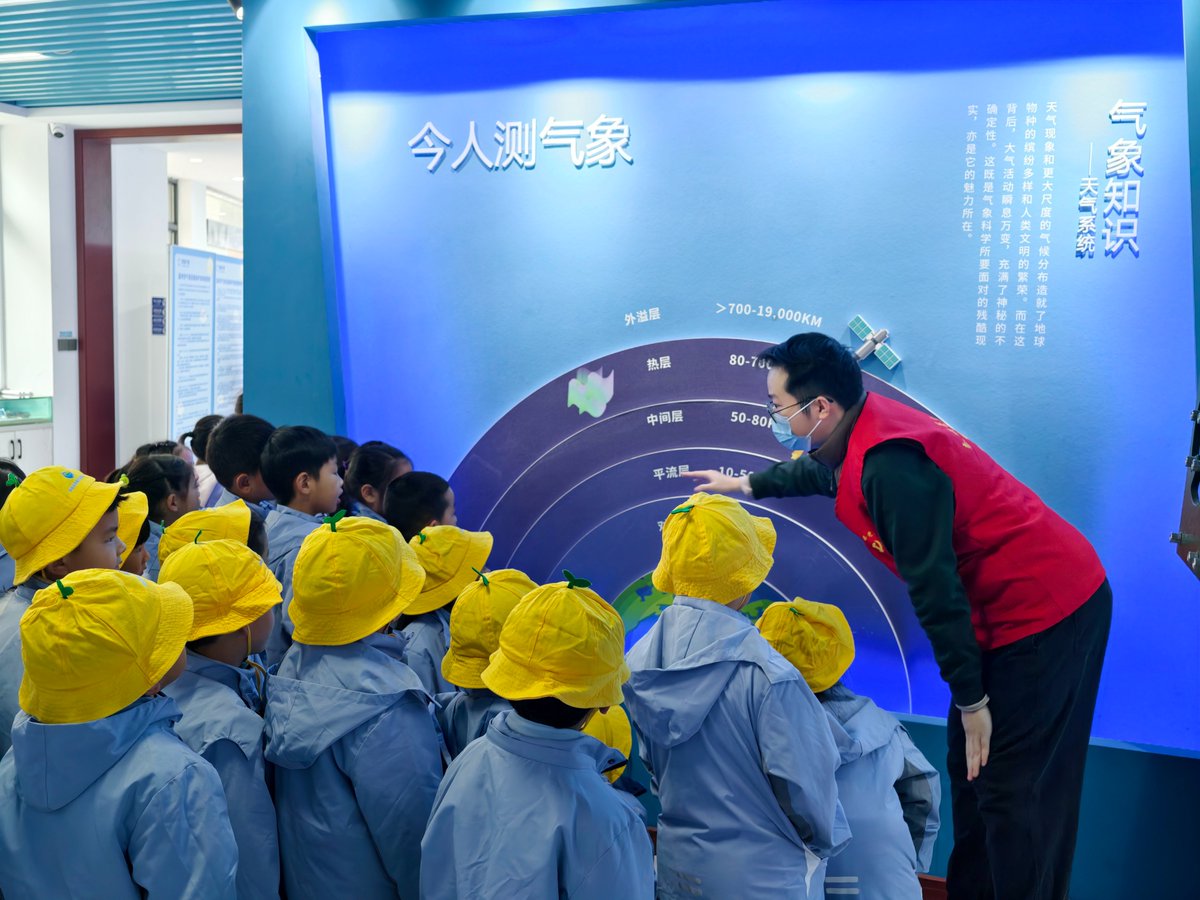
On December 12, children from Lutai Experimental Kindergarten in Taishun County, @InWenzhou , @izhejiang , embarked on a fun and educational science journey in the Science Popularization Hall of the Taishun County Meteorological Office.
Inside the hall, the kids came close to meteorological instruments and explored the mysteries of weather.
Photoed by WANG Jingxian
#SciencePopularization
1
3
75


9 Sep 2025
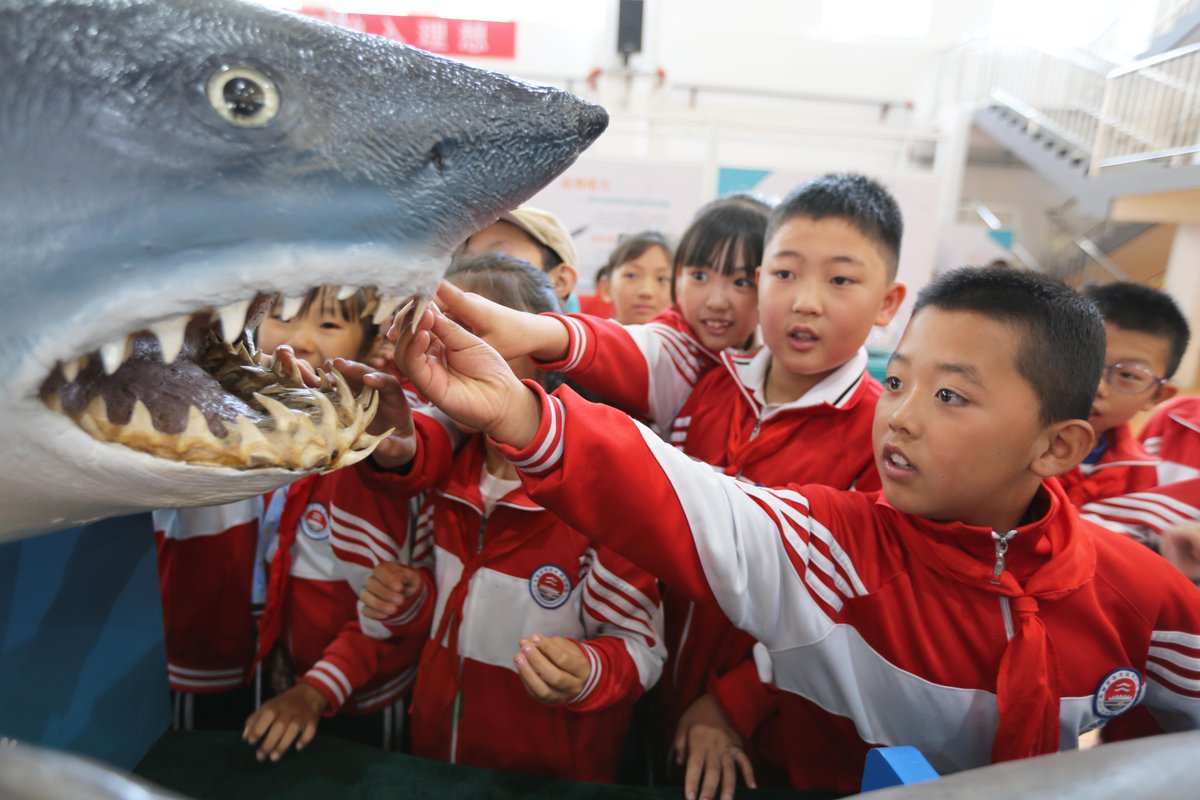
How many teeth does a shark have?
Students from Guanchuan Experimental School in Dingxi city, Gansu province, were observing marine biological specimens during a themed event on Monday.
This September marks the first national #sciencepopularization month. Young people across the country are visiting #science venues and experiencing how cool science can be!
4
5
16
2,958
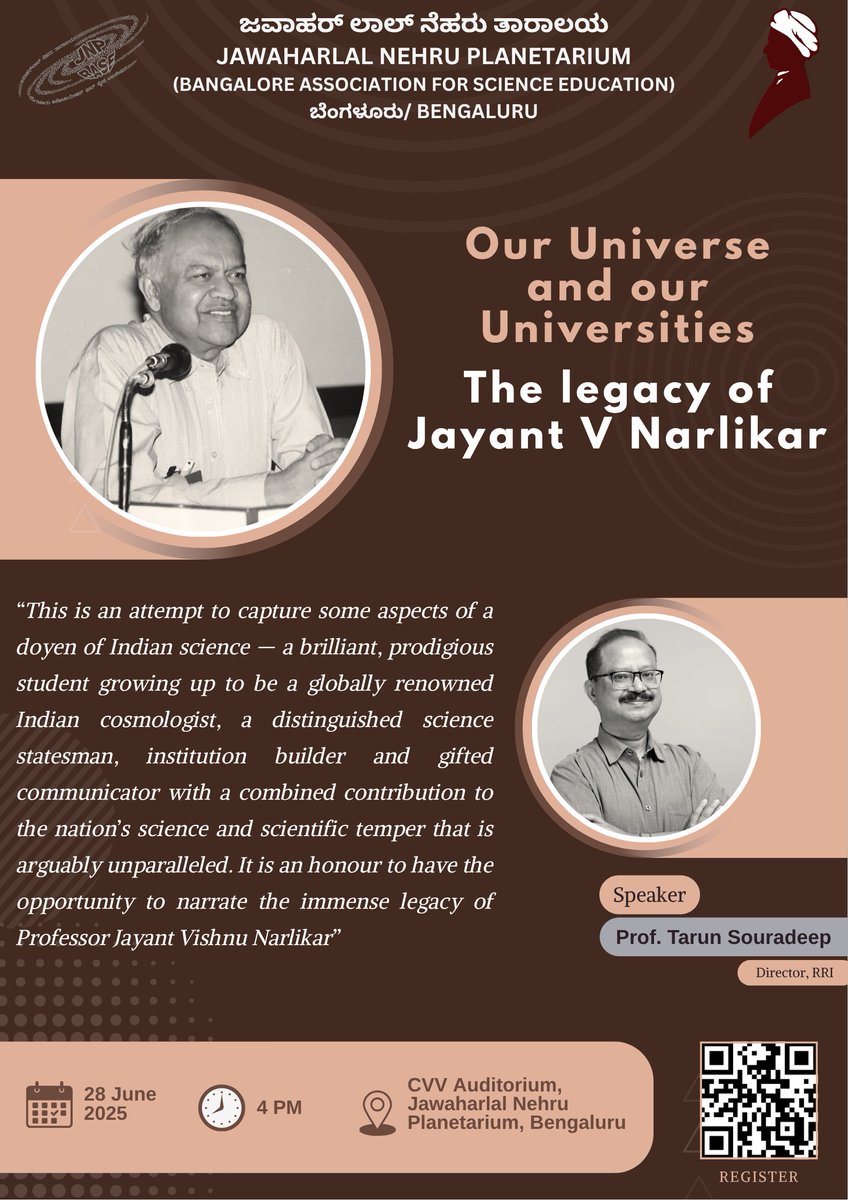
Happening today! Do not miss this inspiring talk by Prof. Tarun Souradeep, RRI.
Time: 4 PM, Saturday, 28th June
Venue: C V Vishveshwara Auditorium, Jawaharlal Nehru Planetarium, Bengaluru
#publictalk #ScienceLegacy #Sciencepopularization
3
93
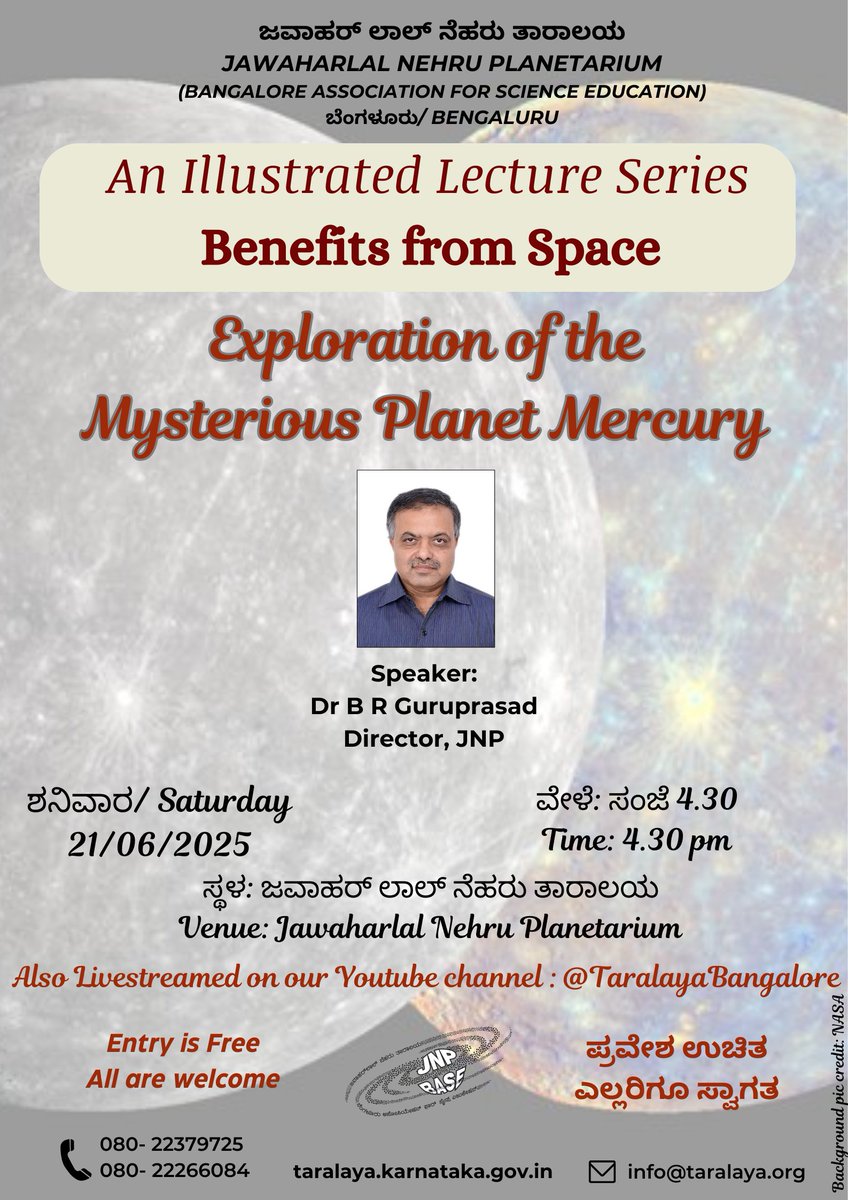
Join us at JNP for an exciting public lecture on "Exploration of the Mysterious Planet Mercury". This talk is perfect for curious minds of all ages—no prior astronomy knowledge needed!
Live stream link: tinyurl.com/26zfe83e
#Sciencepopularization #publiclecture
1
2
120

5 Mar 2025
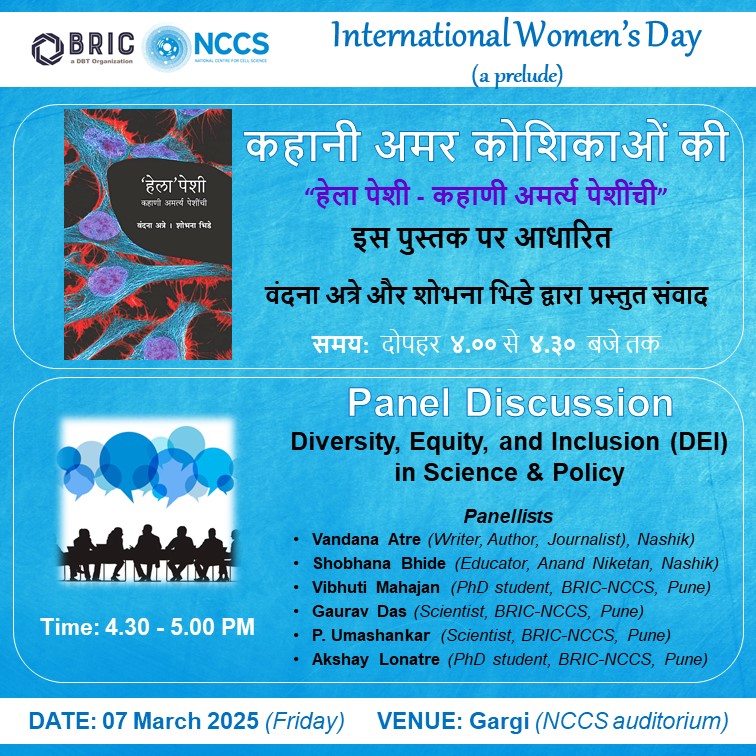
We will end this week with a multifaceted, multilingual prelude to the #InternationalWomensDay. The #PanelDiscussion will be complemented by a display of rangolis created on the same theme by our artistic talent
#diversityequityinclusion #HeLaCells #SciencePopularization
1
4
222

18 Feb 2025
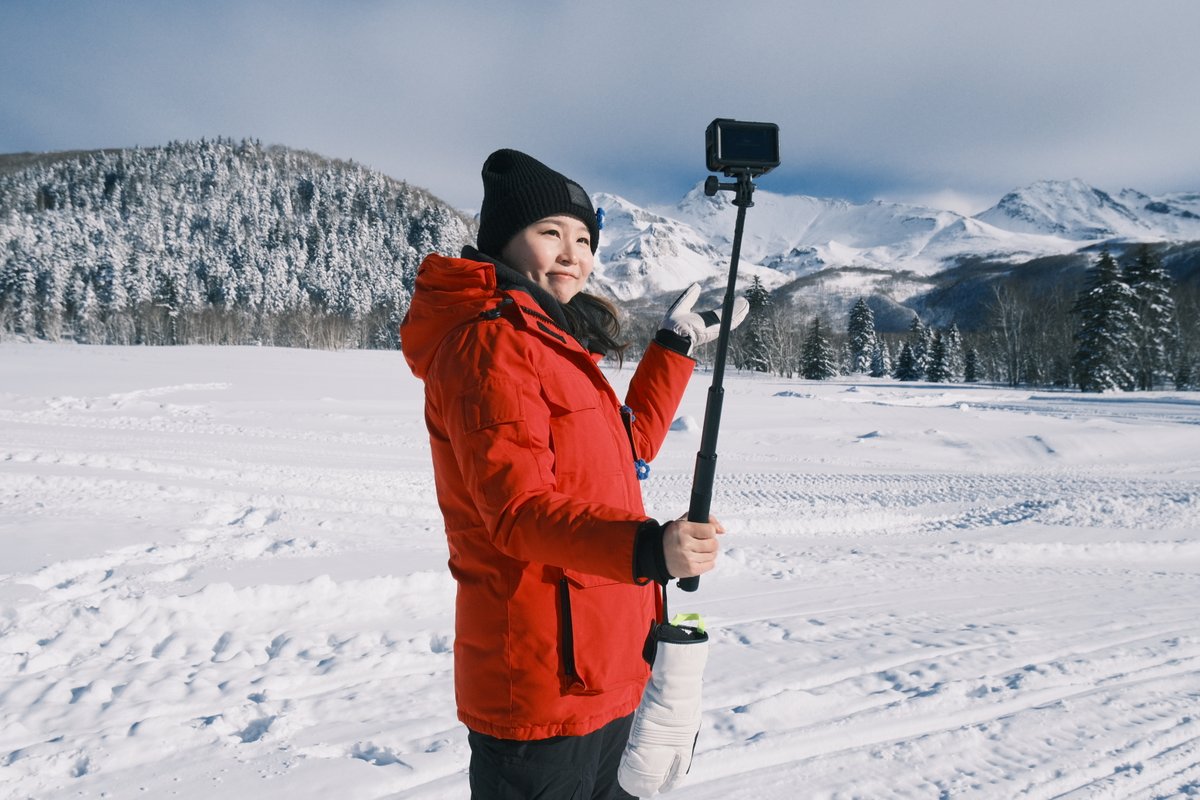
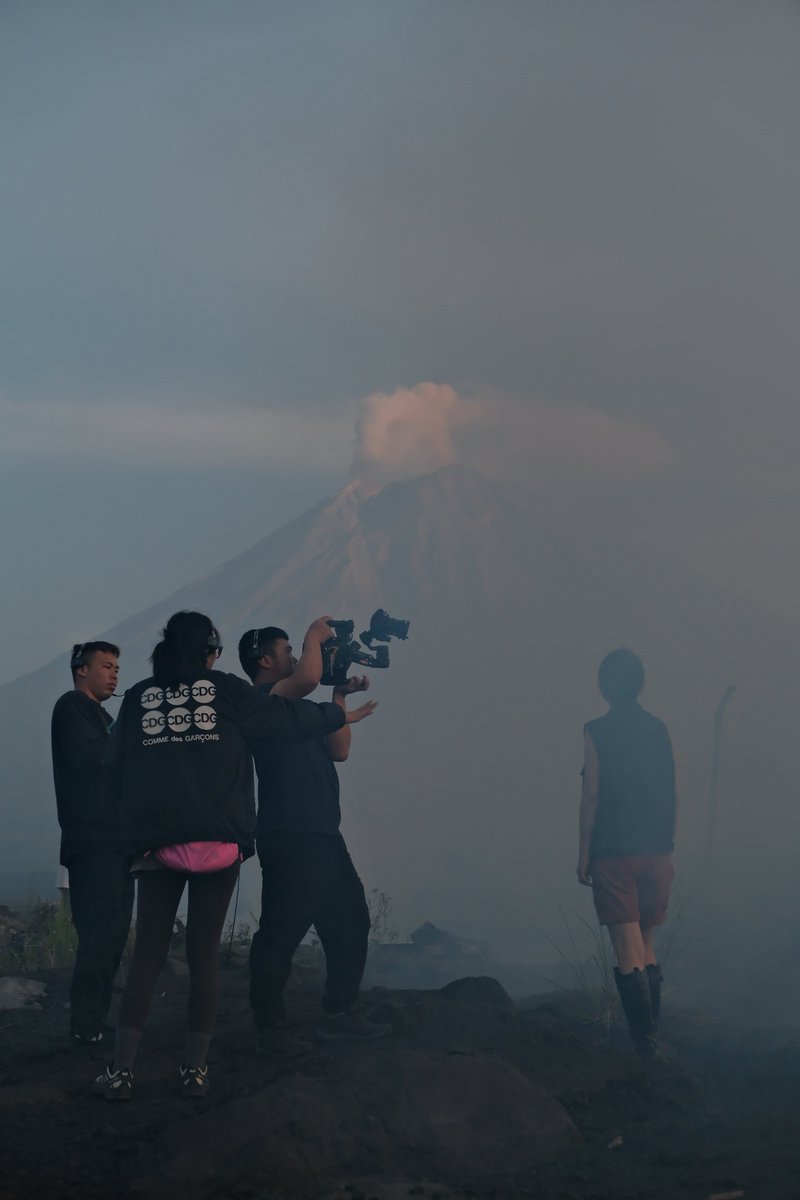
Passionate about #SciencePopularization, #TsinghuaRen Wei has thrived as a writer & editor at the @planets_for, a self-media platform for scientific content. “We are given many labels, but in my heart, I hope we can become the eyes through which everyone sees the #world.”
2
1,266
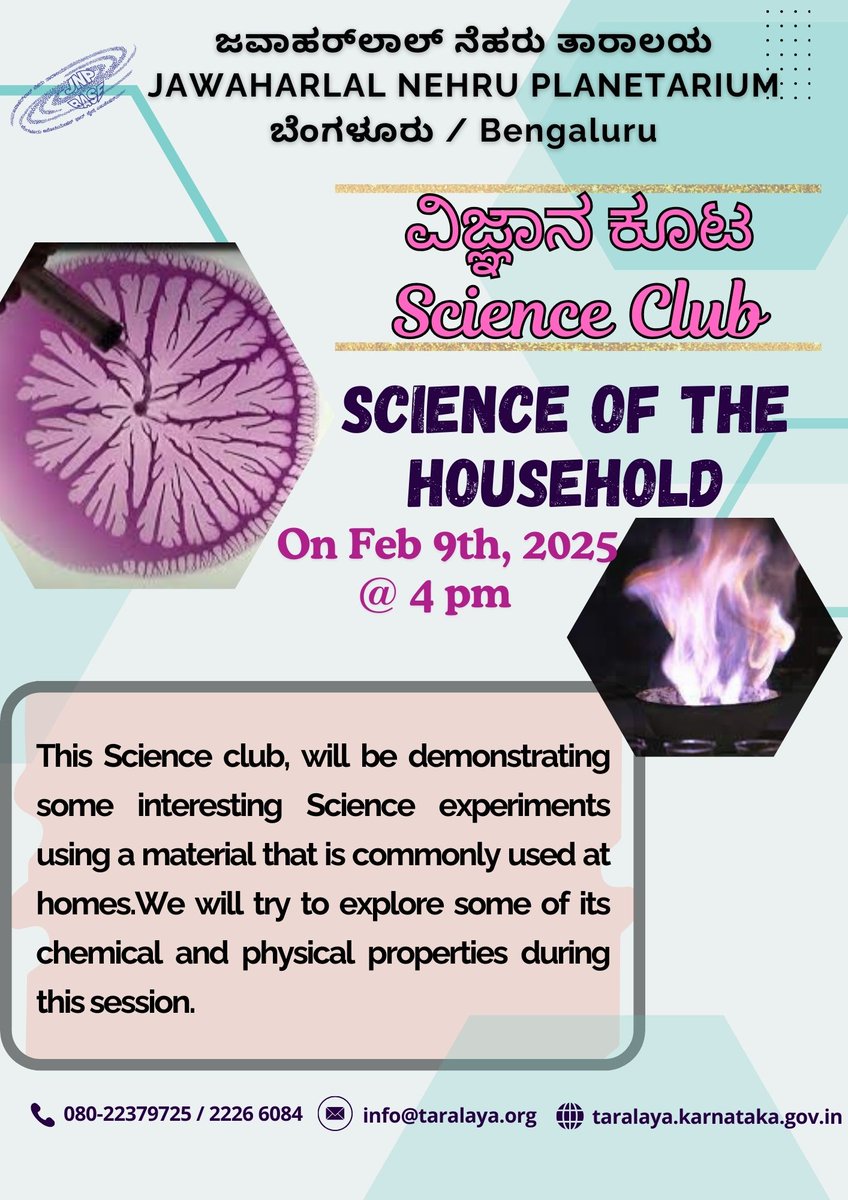
Join us for this month's Science Club session @JNP. Entry is free!
#scienceinbangalore #Sciencepopularization #scienceofhousehold
5
10
657
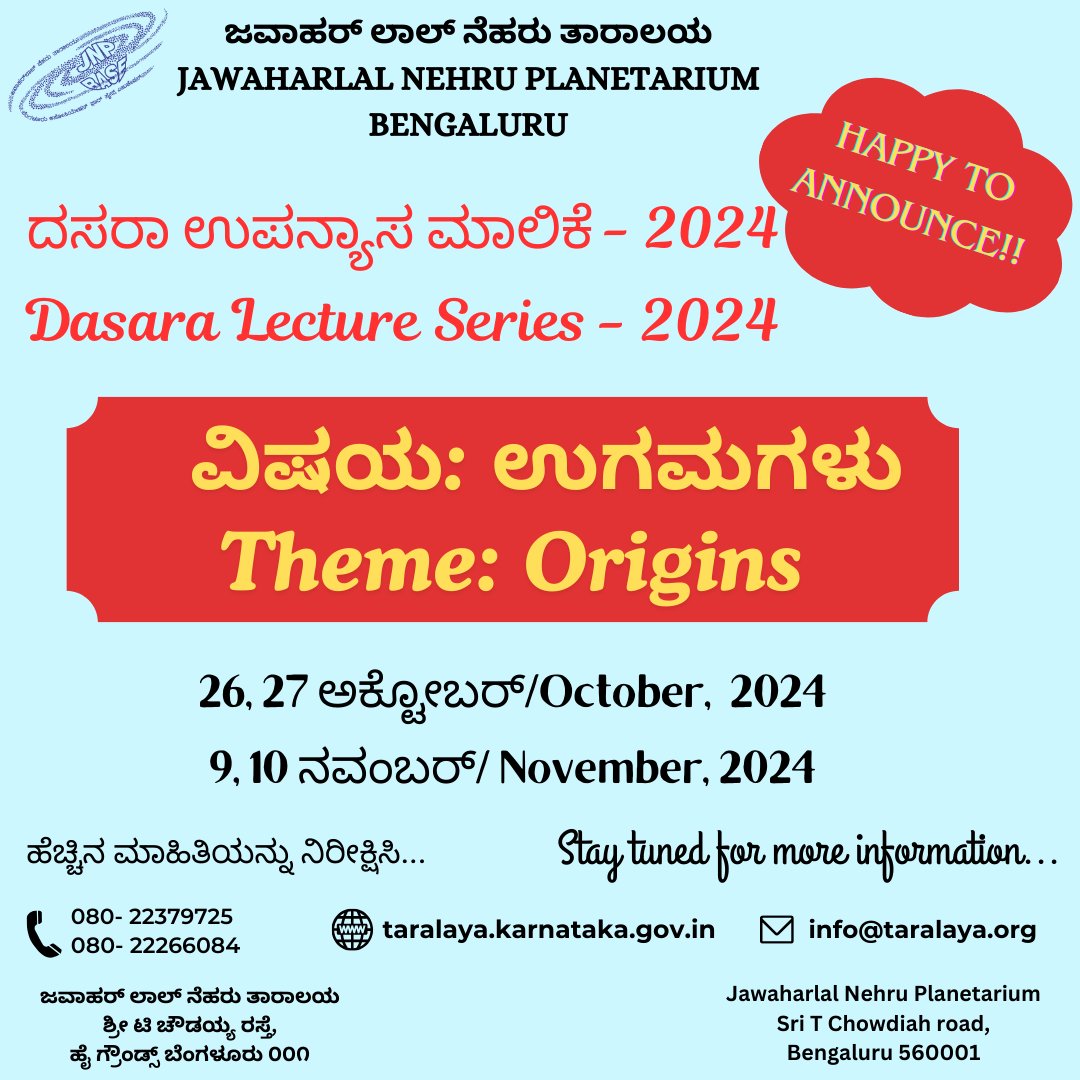
Mark your calendars and stay tuned for more information. #scienceinbangalore #sciencepopularization #Dasaralectures #publiclecture #ScienceEnthusiasts
1
2
117

2 Oct 2024
The Hubble Legacy Field is truly astonishing. After seeing it, one can't help but marvel at the vastness of the universe and the insignificance of humanity. The wonders revealed by the Hubble Telescope remind us of the grandeur of the cosmos and our humble place within it. #ExploreTheUniverse #SciencePopularization #HubbleTelescope
3
3
574

25 Sep 2024
@CBCGDF_China Biodiversity Science Museum attends the Science Popularization Day in Daxing District, Beijing.
Our booth attracts many children and their parents.
#biodiversity #museum #SciencePopularization
2
26

14 Apr 2024
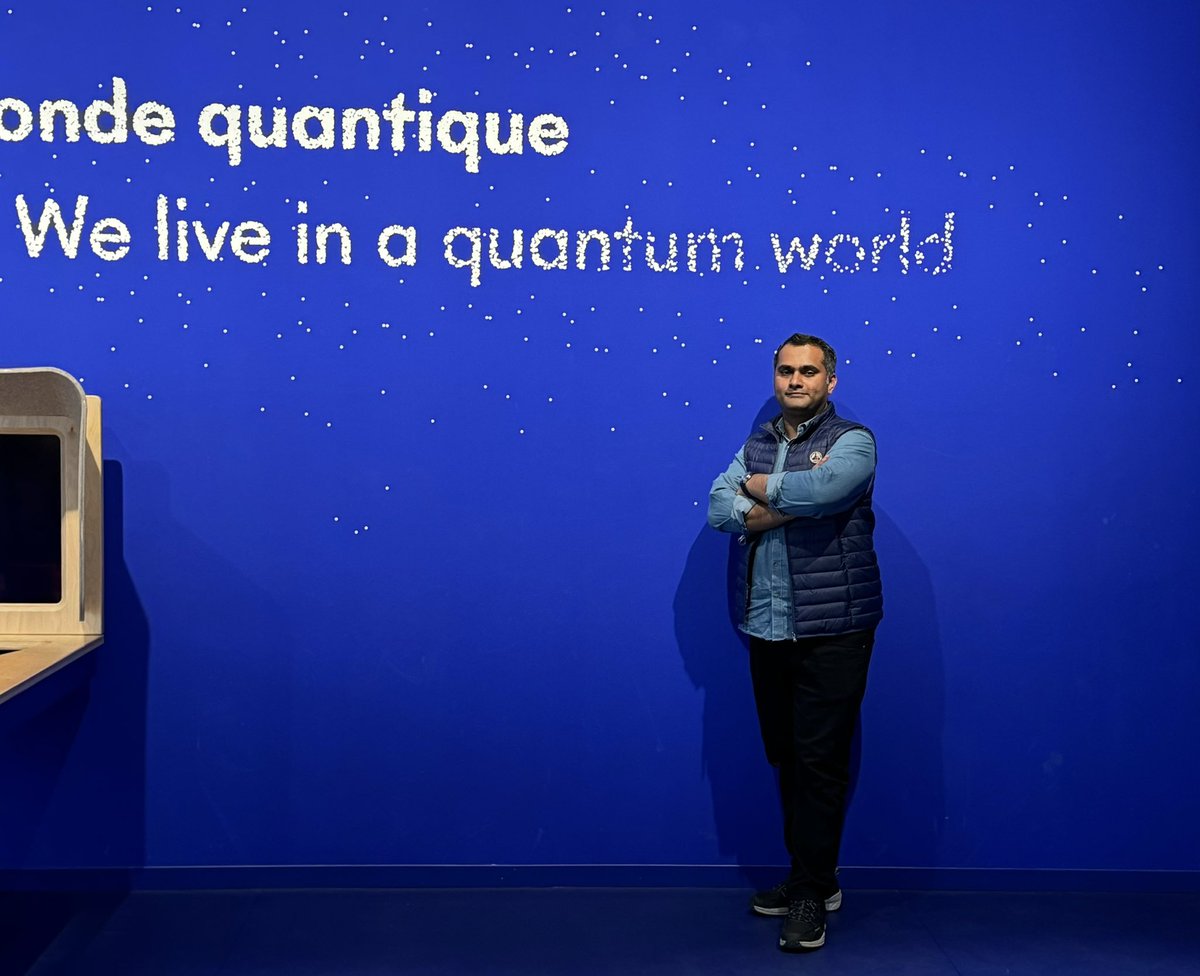
It was a pleasure visiting CERN Science Gateway - immersive exhibits, fun laden games and showcasing of cutting edge research- this is a sheer delight for any science enthusiast.
#SciencePopularization
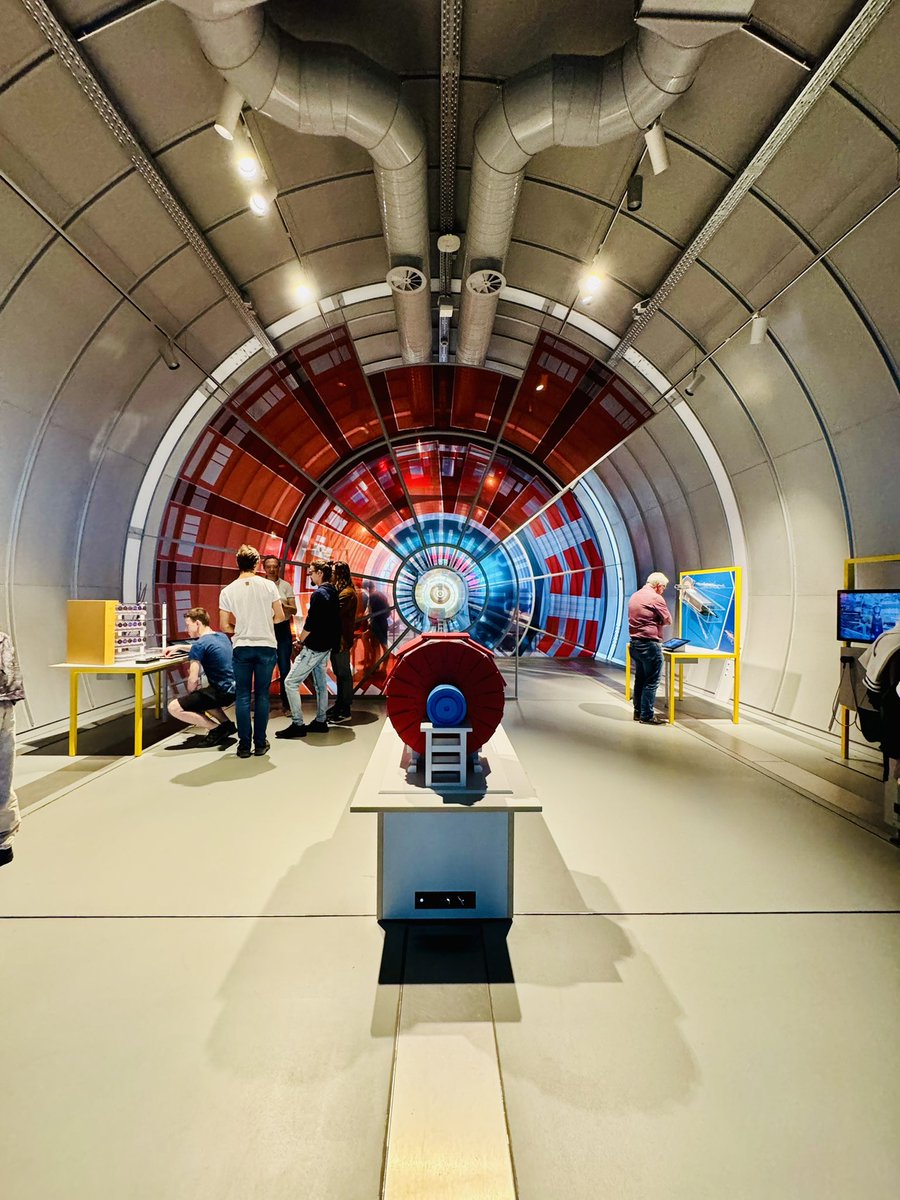

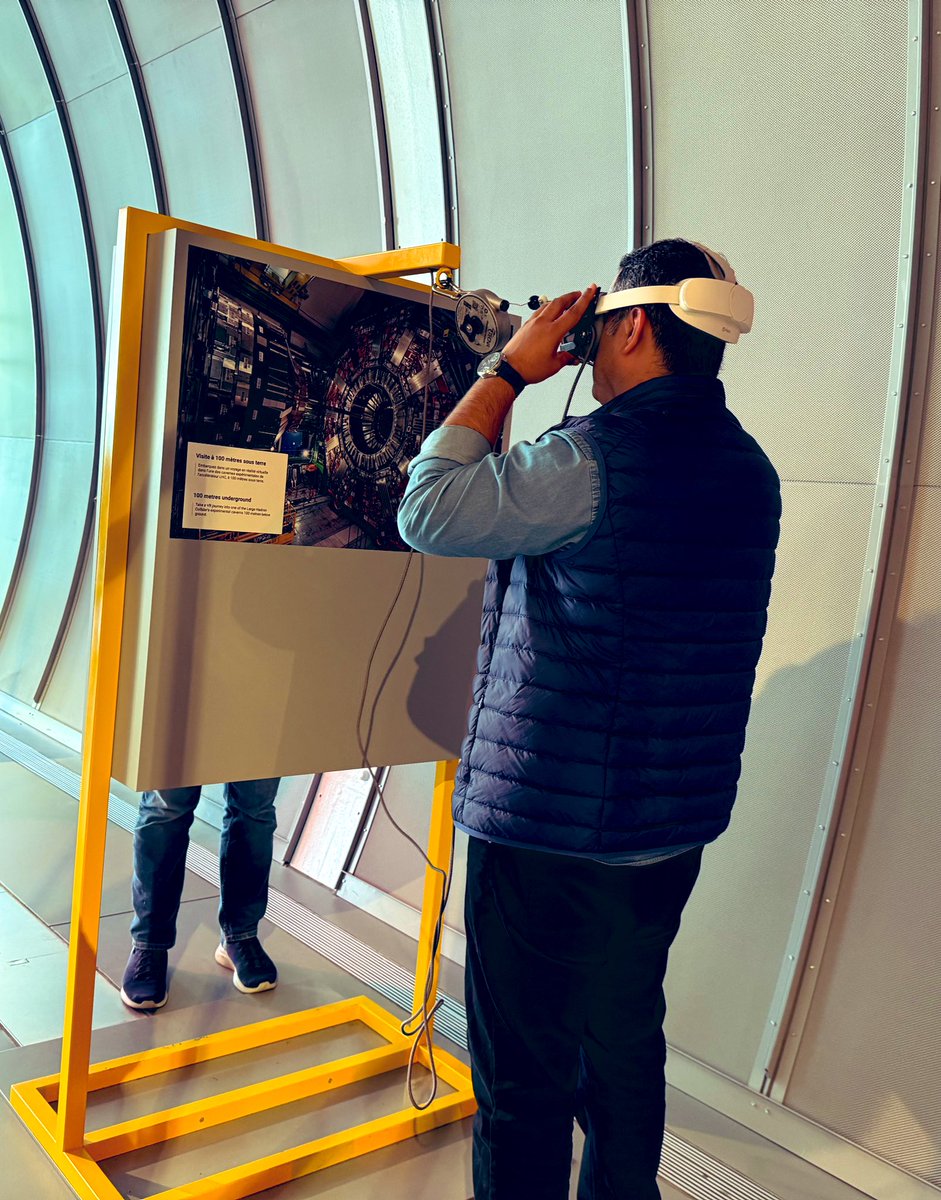

CERN Science Gateway opens today🎈
Here, you’ll find immersive exhibitions, hands-on educational activities, and the chance to engage with the discoveries, science, and technologies of CERN.
We’re excited to welcome you all.
#CERNScienceGateway
2
11
482