
ALT "Photosynthesis: How plants use light, water, and carbon dioxide to make food and renew Earth's oxygen."
ALT Auroral: Relating to auroras, colorful light displays created by solar particles interacting with Earth's atmosphere.
ALT The word "Fermentation" is defined as a process where microbes break down sugars, used in making Christmas puddings and seasonal drinks.
ALT The word "Oxidation" with pronunciation guide and definition: A reaction with oxygen causing rust in metals and browning in apples.
ALT Cortisol definition: A steroid hormone from adrenal glands, crucial for stress response, metabolism, blood pressure, and sleep-wake cycle.
ALT Endorphins: Natural chemicals acting as neurotransmitters, relieving pain, reducing stress, and enhancing mood.
ALT "Metabolism" defined as the chemical changes generating energy and materials for growth, reproduction, and health in cells or organisms.
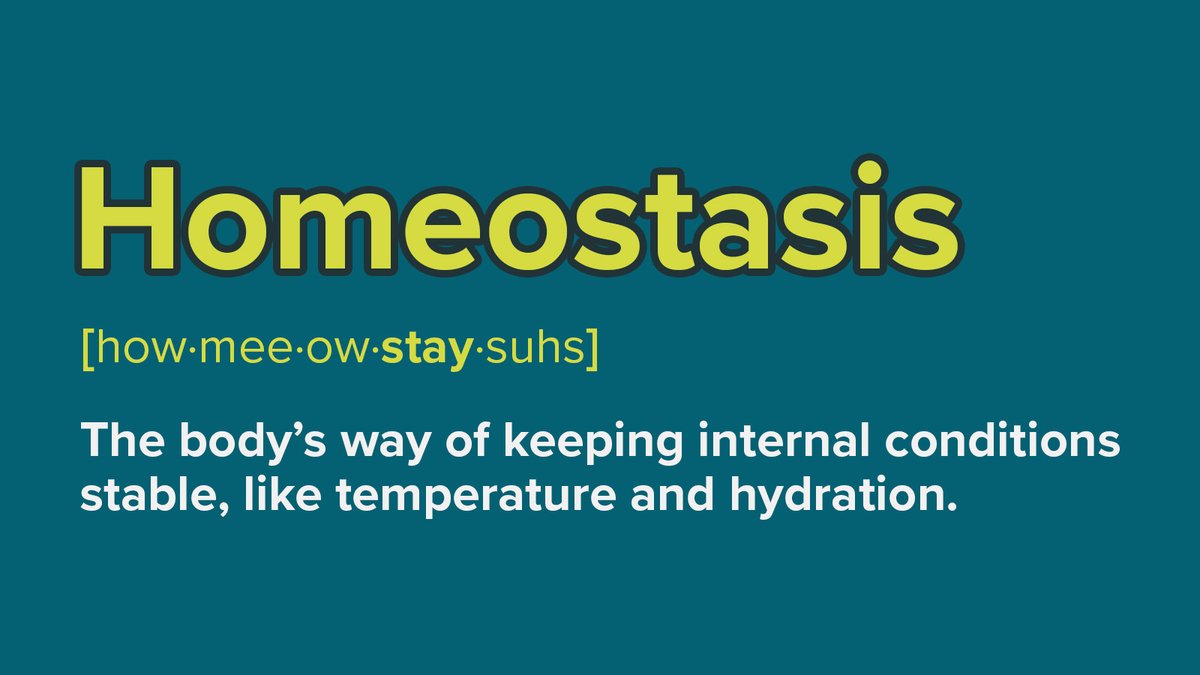
ALT "Homeostasis" defined as the body's way of maintaining stable internal conditions, such as temperature and hydration.
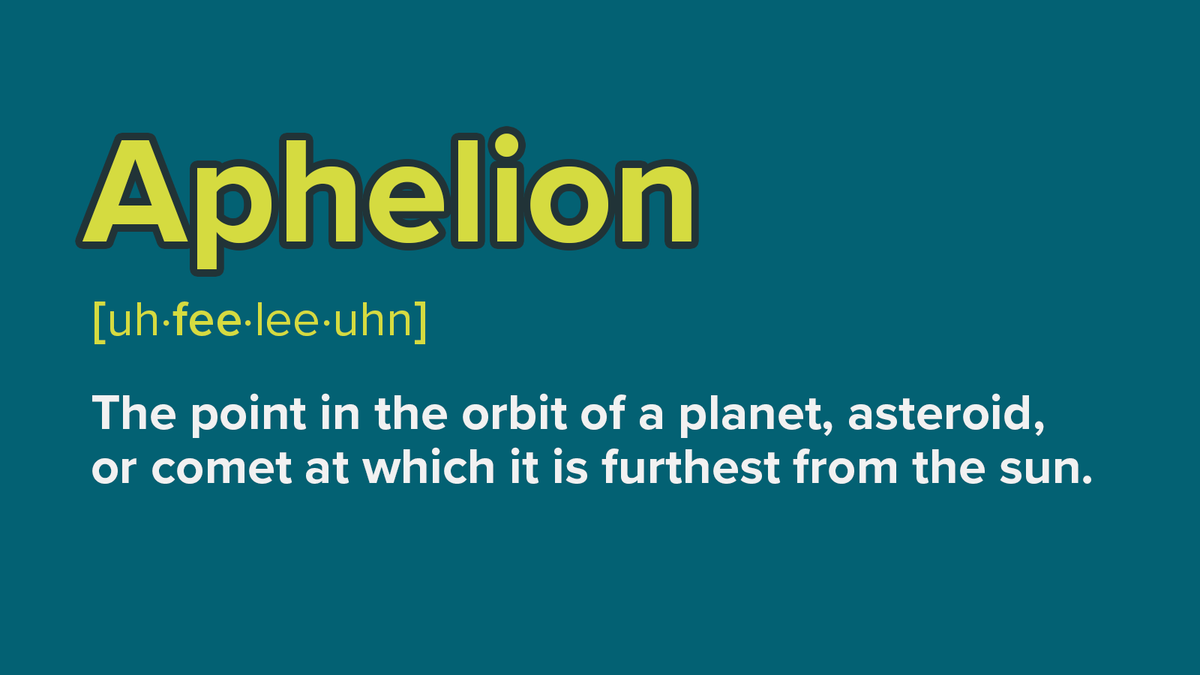
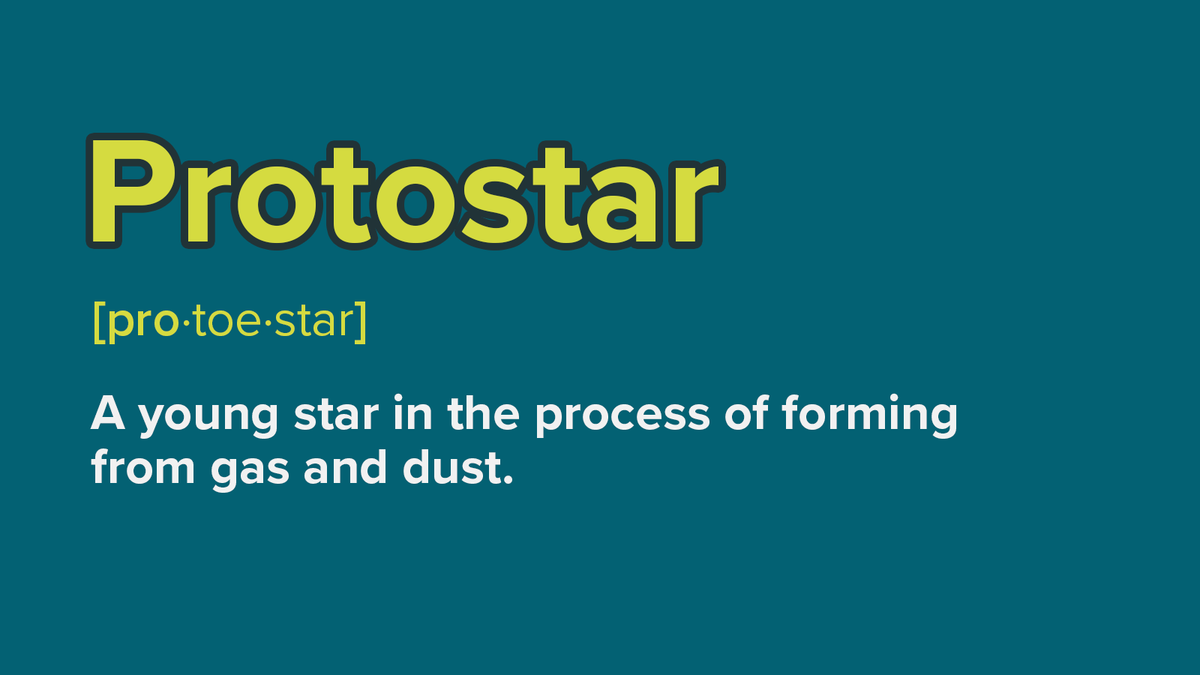
ALT Protostar - A young star in the process of forming from gas and dust.
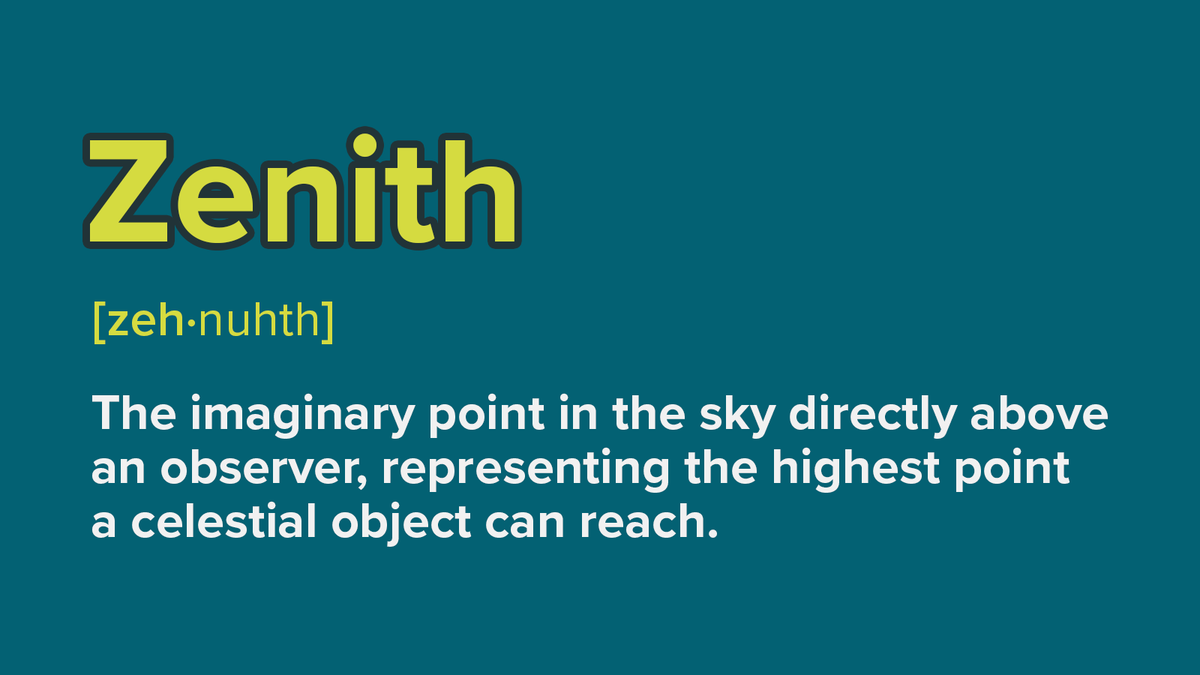
ALT Zenith - the imaginary point in the sky directly above an observer, representing the highest point a celestial object can reach.
ALT Accretion: The process where matter like gas and dust gradually accumulates on an object, such as a planet or star, increasing its size.
ALT Viscosity - how thick or sticky a liquid is, and how much it resists flowing. For example, honey has a high viscosity, while water has a low viscosity.
ALT Astigmatism - An eye condition where the cornea or lens has an irregular shape, causing blurred or distorted vision at all distances.
ALT Capillary - a very tiny blood vessel that connects arteries and veins, allowing blood to pass through tissues and exchange oxygen, nutrients, and waste.

ALT Torque: The twisting effect produced by a force applied at a distance from a pivot, causing rotation.
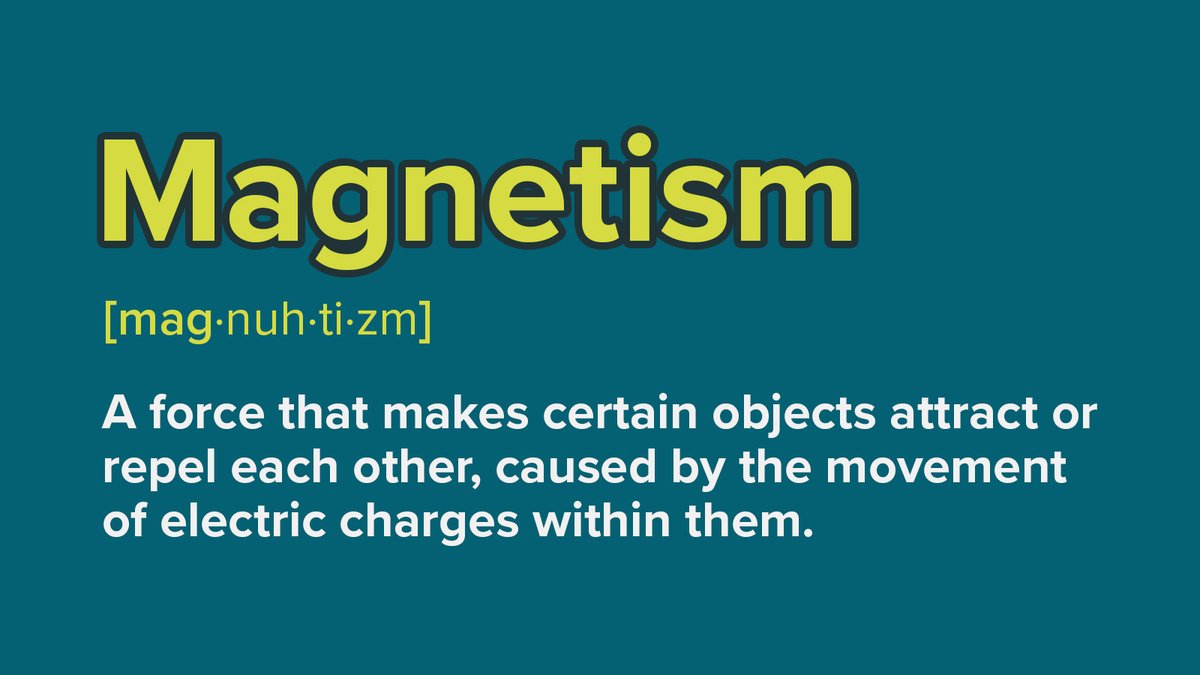
ALT Magnetism - A force that makes certain objects attract or repel each other, caused by the movement of electric charges within them.
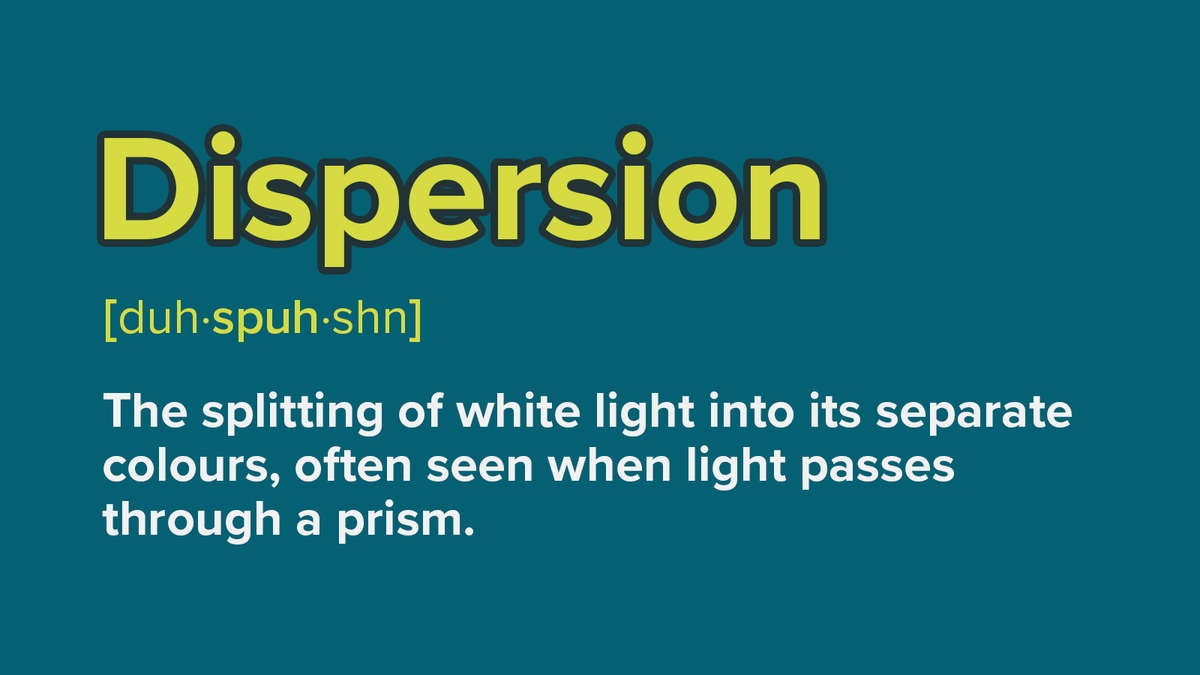
ALT #ScienceWordOfTheWeek Dispersion - The splitting of white light into its separate colours, often seen when light passes through a prism.
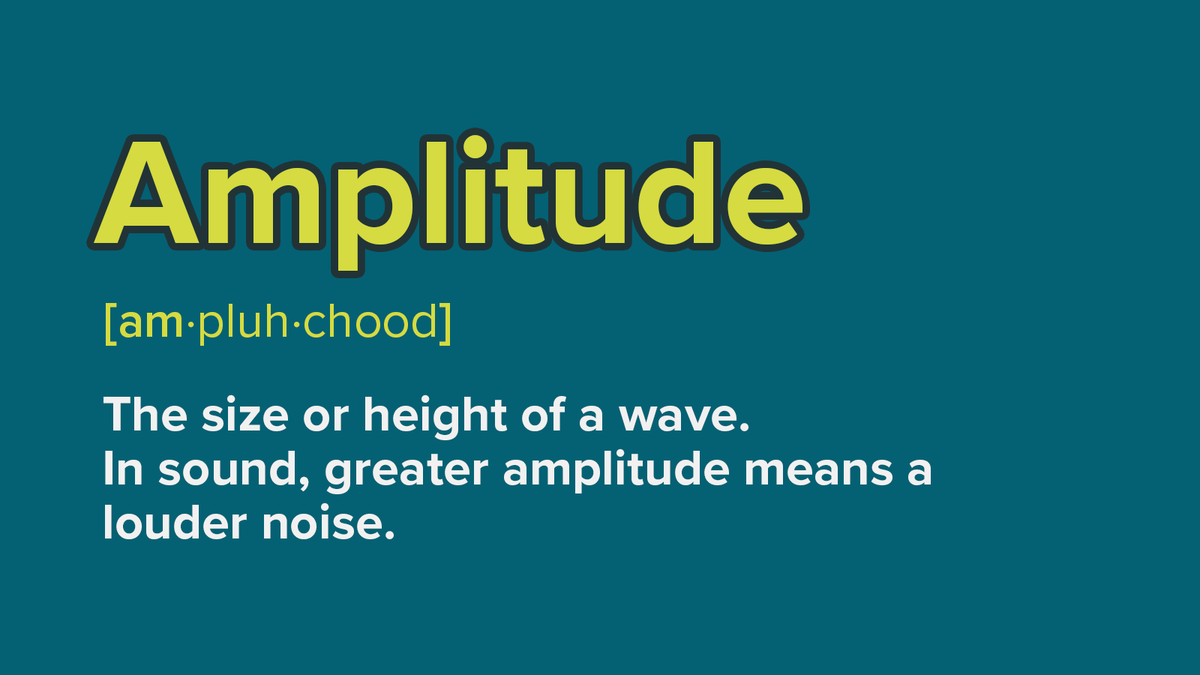
ALT #ScienceWordOfTheWeek Amplitude - the size or height of a wave. In sound, greater amplitude means a louder noise.