
We've got good news, something in short supply these days:
We've doubled our full-time staff to four — earlier than would be possible with fundraising alone — thanks to DC SELF/@SeedCommons.
More on how this loan works — and what it means to our team: 51st.news/bci-seed-commons-l…
2
9
746

30 Aug 2025
Partner with @SeedCommons to do Shark Tank for worker cooperatives. Would legit make for compelling viewing & fundraising
29 Aug 2025

dsa needs to do its own riff on shark tank. i don’t know in what form this would take, but i think it’s a great idea.
8
843

13 Jun 2025
"@CoopCincy has created or supported 150 jobs at worker-owned companies, w/ $7.4 million invested in the local co-op economy. It’s an impressive start & one that's been made possible by access to non-extractive capital as a member of @SeedCommons" 👏
inequality.org/article/build…
6
10
1,141

Want to learn more about co-ops &the solidarity economy — and our educational programming launch where you’ll get to learn all about the nitty gritty of starting a co-op? Then come out THIS SATURDAY to hear from @SeedCommons fellow Ed Whitfield
RSVP Here: lnkd.in/eb5me6jb

1
3
55

7 Nov 2024
The good news: we’re hosting a convening for @SeedCommons today, getting to show off Baltimore’s amazing worker coop infrastructure to a network of grassroots economic democracy organizers from across the country.
The bad news: that means we are closed today, Thurs. Nov 7.
1
5
749

6 Nov 2024
“The #GreenNewDeal…must not repeat the discrimination and exclusion of the original New Deal.” —@MittyOwens. bit.ly/4hEZROK @pronitag @EnergyDemocTour @SeedCommons @BlacksInGreen #cleanenergy #BIPOC
400

28 Oct 2024
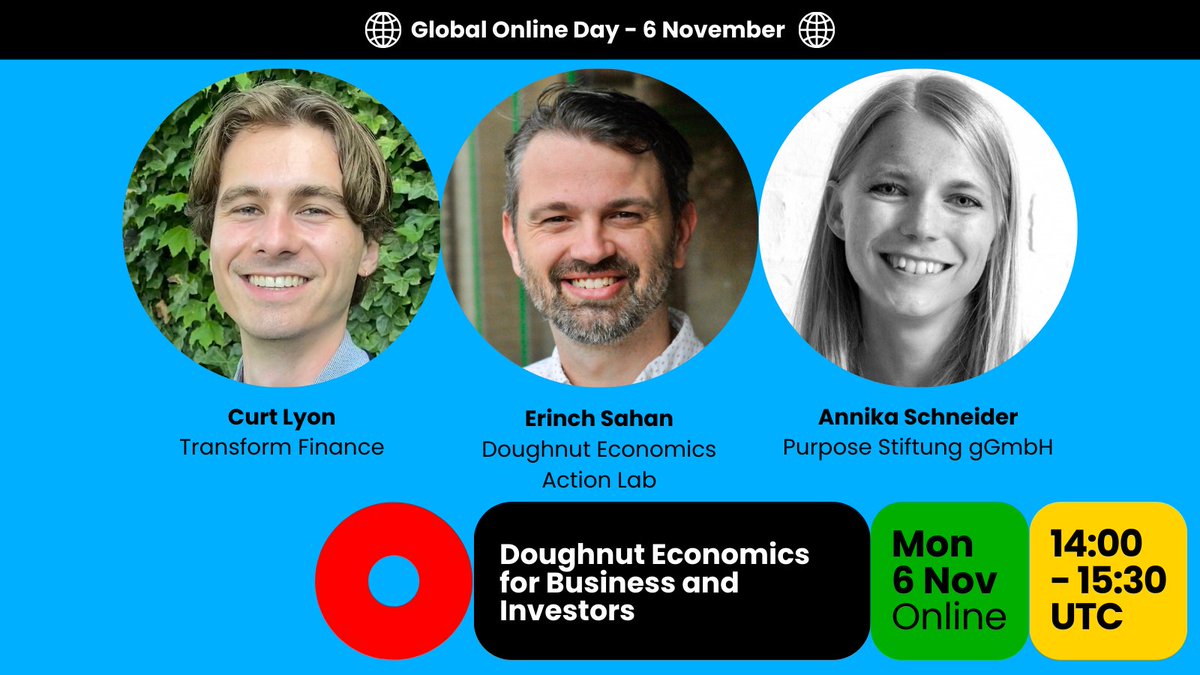
🌐#GlobalDonutDays online Nov 6🌐
Session with businesses & investors who collaborated to redesign ownership.
@purpose_economy will unpack the journey to #StewardOwnership
@TransformFin & @SeedCommons will explore finance for #Coops
🔗globaldonutdays.vfairs.com/
2
3
63
26 Oct 2024
“Much of the work to be done is cultural—or perhaps better said, counter-cultural to US #capitalism.” —@Steve_NPQ. hubs.ly/Q02VLy4v0 @WeAreDAWI @veoc_vt @SeedCommons #anticapitalist #CoopMonth
1
364

3 Jul 2024
This is a deep research question, and even deeper when you consider dead experiments from the recent (or in some cases distant) past that can be revived... ⚡️
In Portland, reuse and repair protocols are extremely robust. The pseudo-institutions that proliferate them are often just as interesting experiments as the protocols themselves, which are of course explorations and rediscoveries of the latent multi-capital capacities that surround us.
Most notable is the Rebuilding Center. They've been able to expand massively as an educational and material resource for reuse and repair, and they did so simply by 𝑠𝑡𝑎𝑐𝑘𝑖𝑛𝑔 𝑝𝑜𝑠𝑖𝑡𝑖𝑣𝑒 𝑒𝑥𝑡𝑒𝑟𝑛𝑎𝑙𝑖𝑡𝑖𝑒𝑠 over the years to the point where everyone - federal climate programs, local racial equity initiatives, civic education funding, etc - wants to subsidize them. Makes you think. rebuildingcenter.org/
But they are just part of a web of very small scale nonprofit and b corporations oriented toward the health of this multicapital protocol: reclaimitpdx.org
portland.scrapcreativereuse.…
bikefarm.org
communitywarehouse.org
Tool libraries are another absolutely crucial multi-capital technology, and we have them all over town here: greenlents.org/uploads/3/5/7…
Zooming out to different cities for a minute, the worker cooperative movement is coalitioning up since the pandemic and finding new, multiscale credit capacities. Worker cooperatives are old, but for a lot of reasons involving technology and new political economic insights, what's going on with these is distinctly 𝑛𝑒𝑤. @SeedCommons is the best resource for this, check out their map! seedcommons.org/ BRED Baltimore is one of the most exciting, you can read about their origins during the pandemic here: washingtonpost.com/food/2021…
Looking back, underground publications for adequate technology protocols were widespread in the seventies. They had a powerful cultural dimension and can similarly be thought of as both experiments in multicapital finance and a strange kind of interstitital, decentralized organization building. Portland's own RAIN: Journal of Appropriate Technology was super rad: pdxscholar.library.pdx.edu/r… There's also the famous Whole Earth Catalogue en.wikipedia.org/wiki/Whole_…
On the more speculative side, a project we always return to for the experimental possibilities it unlocks, especially with regard to protocolizing in a way that can begin to eclipse the role and need for administrative institutions, is Four Thieves Vinegar Collective fourthievesvinegar.org/. Recent developments are making them especially relevant...
Open Protocol Research Group has recently been focusing on the idea of the underground and what it means for protocol-based and pluralistic values, and that has its own specific rabbit holes. Out soon.
2
4
203

11 Jun 2024
This worker co-op in Balitmore, owed by people formerly incarcerated, fixes up dilapidated homes and rents them out.
We're proud to be part of the @SeedCommons network doing inspiring co-op work across the country.
thebaltimorebanner.com/commu…
4
5
274
23 Feb 2024
🚨Public service announcement🚨
If you want to start a worker cooperative, you should go for it. @SeedCommons finances co-op start-ups on extremely friendly terms & provides tons of technical assistance. They have a great track record of success
No time like the present 👍
4
18
865
14 Jan 2024
Getting Federal Money to Communities: "We are told competition is necessary for innovation, but, in this case, collaboration proved far more important." bit.ly/47MLCkN. @LuisGallardoPR @La_Marana_PR @SeedCommons @NALCAB #CDFIs #Latinx #CoOps
ALT A residential area in Puero Rico, near Ocean Park in San Juan, during the sunset.
1
1
517
11 Jan 2024
NPQ examines a #housing nonprofit’s struggle to absorb federal dollars: bit.ly/3tN2KbU @SeedCommons @NALCAB #CDFIs #Latinx
ALT A residential area in Puero Rico, near Ocean Park in San Juan, during the sunset.
1
434
20 Dec 2023
"Centering professionals makes the work easier….But this approach will not build a lasting #solidarityeconomy." bit.ly/47cvmJg @DC_BCI @NewEconomics @COCMDMV @SeedCommons #labor #cooperatives
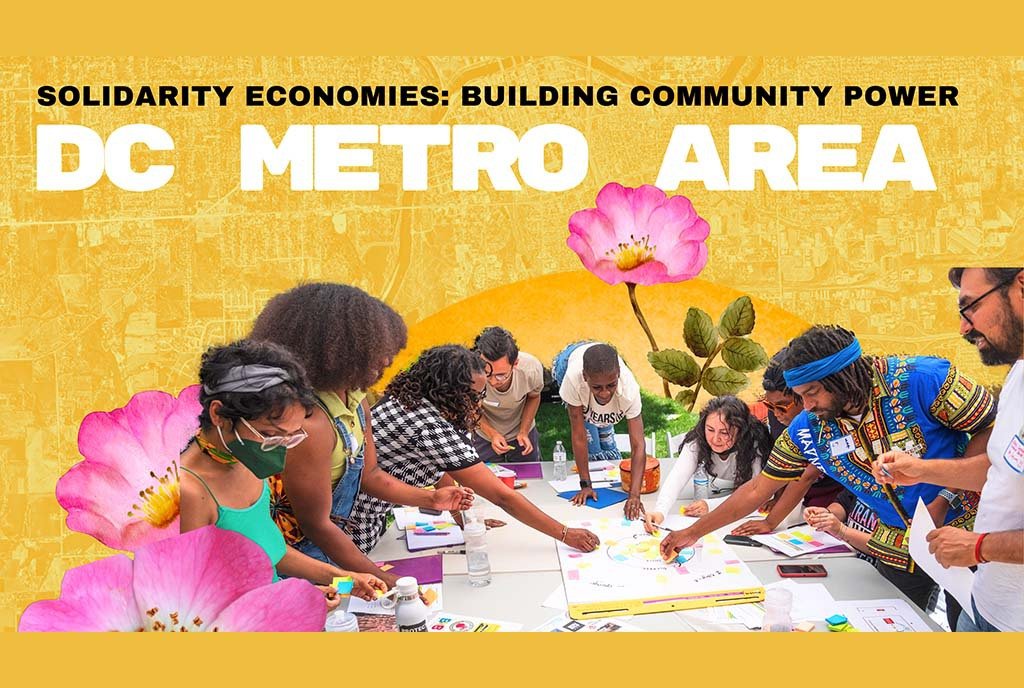
ALT A composition of Cooperative worker-owners participating in a workshop on democratic decision-making. against a yellow map of Wahsington DC with pink flowers.
1
5
641

14 Dec 2023
I think we have to, and can do both; all the things in parallel. We have to forge a pluriverse (‘a world where many worlds fit’ - h/t zapatistas) We can’t leave anyone behind. It’s all of us or none of us for me.
1
2
21
14 Dec 2023
Going the VC/startup society route then yes, extractive rates like this. There are other ways banks, lenders & funders who are explicitly providing non-extractive loans eg @SeedCommons ($15.3M deployed under community control in 100 cooperative projects nationwide)
1
2
28

16 Nov 2023
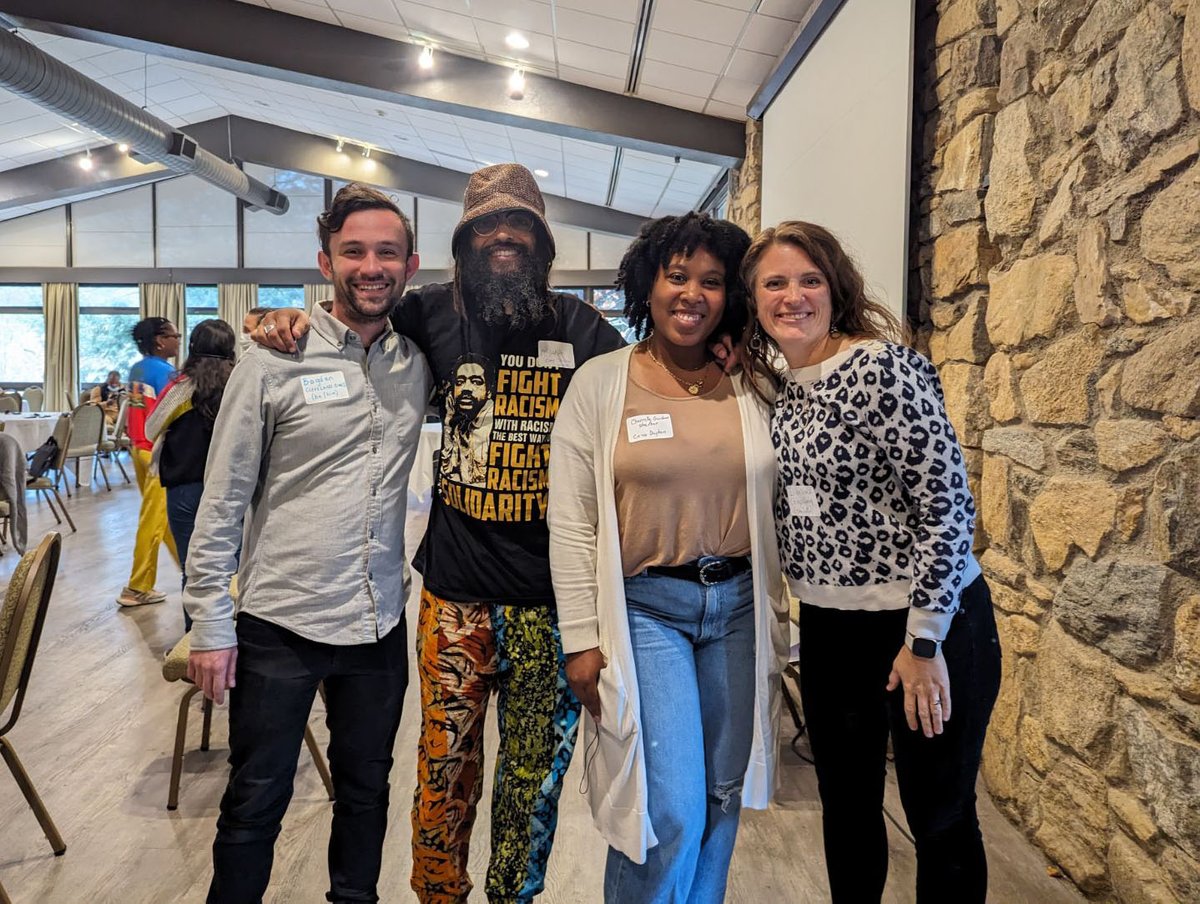
Co-op Cincy staff united with 90 members of @SeedCommons this weekend for their annual gathering, held in Asheville, North Carolina!
We’re thrilled to be part of Seed Commons, which has enabled us to provide loan access to our co-op businesses.
Here’s a shot from the weekend💫
3
6
413

22 Oct 2023
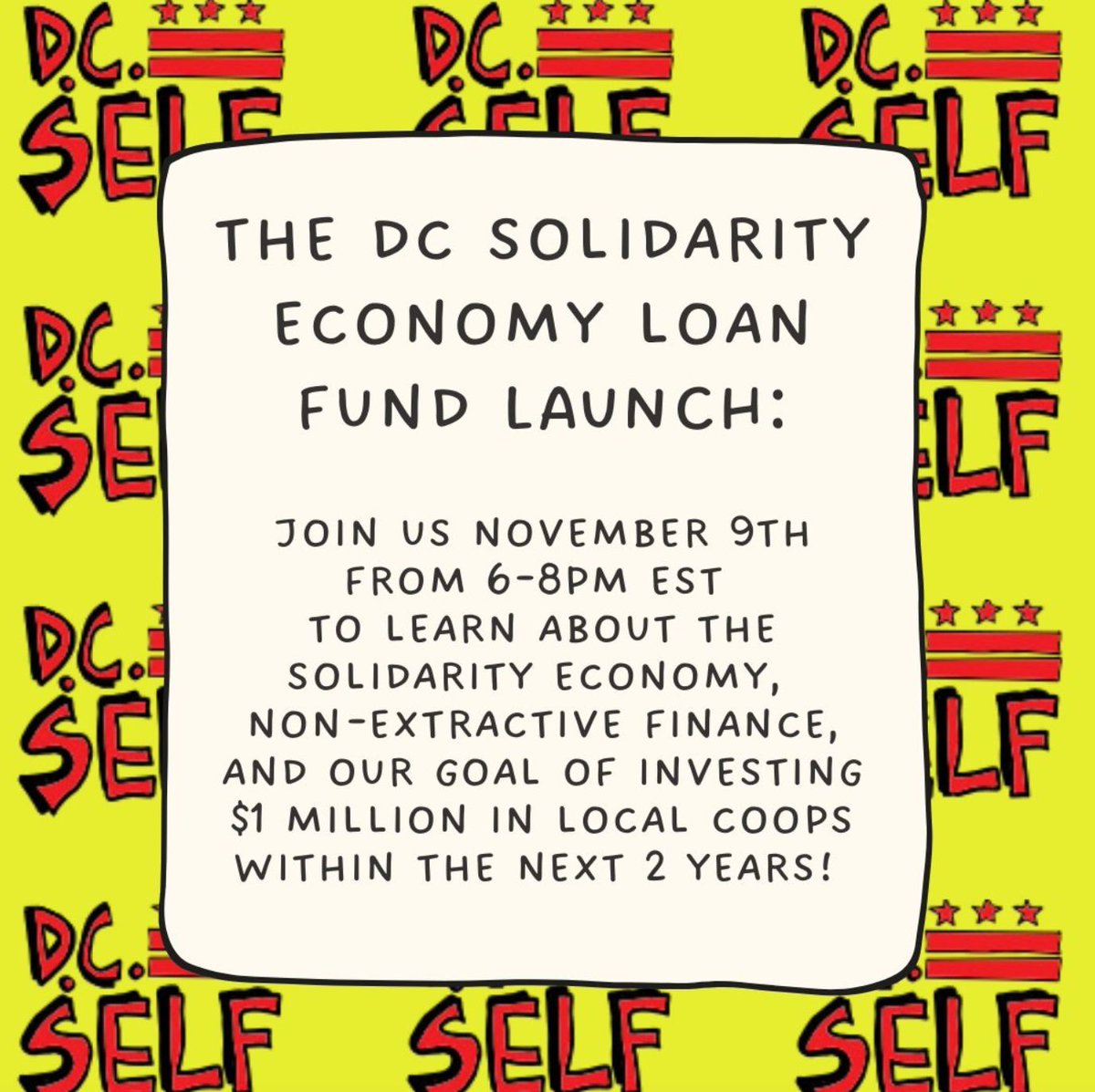
WE LOVE TO SEE IT 😍 Join NEC members @DC_BCI and @seedcommons for the launch of DC's only people's loan fund!
Learn more about non-extractive finance & the solidarity economy as a power building strategy on Nov 9: bit.ly/3Q8HLYe
7
10
1,104

13 Sep 2023
Register for this 9/21 webinar on a transformative movement approach to the Greenhouse Gas Reduction Fund! Learn about the Regenerative Economies Network, an emerging coalition of #climate #justice #investment groups including IA
@CJAOurPower @SeedCommons
climatejusticealliance.ourpo…

2
1
322

25 Aug 2023
BREAKING: Last month, workers at Baltimore's beloved Common Ground cafe—who were exploring unionization—learned the store was abruptly closing. Now @SeedCommons / BRED w/ the workers are buying the store & reopening as a co-op @rebekahkirkman @TheRealNews
therealnews.com/after-belove…
2
45
188
29,137