
17 Dec 2025
Your service history is a goldmine.
You're treating it like trash.
Every failed repair teaches you something. Which parts actually fix the problem. Which diagnostics waste time. Which error codes lie.
But it's all buried in work orders nobody reads.
I watched a tech spend 45 minutes on a Samsung ice maker issue last week. Third callback. Same problem the company fixed 200 times before.
The solution was in their own service records. Tech #47 figured it out 8 months ago. Documented it perfectly. Nobody knew.
Meanwhile:
Your techs repeat the same mistakes.
Order the wrong parts.
Try fixes that never work.
Generate callbacks on "repaired" units.
The data exists. You've been collecting it for years.
Every work order.
Every tech note.
Every failed attempt.
Every successful fix.
Sitting in your system. Doing nothing.
One service company discovered they had 5 years of repair data. Over 40,000 work orders. Zero insights extracted.
They were literally sitting on the answers to 90% of their problems.
We fed it all into AI.
Now when a tech faces that Samsung ice maker:
"Based on 200 similar repairs: Skip the thermistor test. Check the fill tube heater first. 87% success rate. Average time: 12 minutes."
Not generic manufacturer instructions.
Your actual repair history. Your proven fixes. Your techs' discoveries.
The same company saw callbacks drop 40% in 60 days. Just from surfacing what they already knew but couldn't access.
Your senior techs have solved these problems before. Junior techs are solving them again. And again. And again.
Every callback is a lesson you refuse to learn.
Stop treating service history like compliance paperwork.
Start treating it like competitive advantage.
Your next first-time fix is hiding in last year's work orders.
How many times will you solve the same problem before you remember the solution?
#fieldservice #aiventic #servicedata
1
2
37

23 Sep 2024
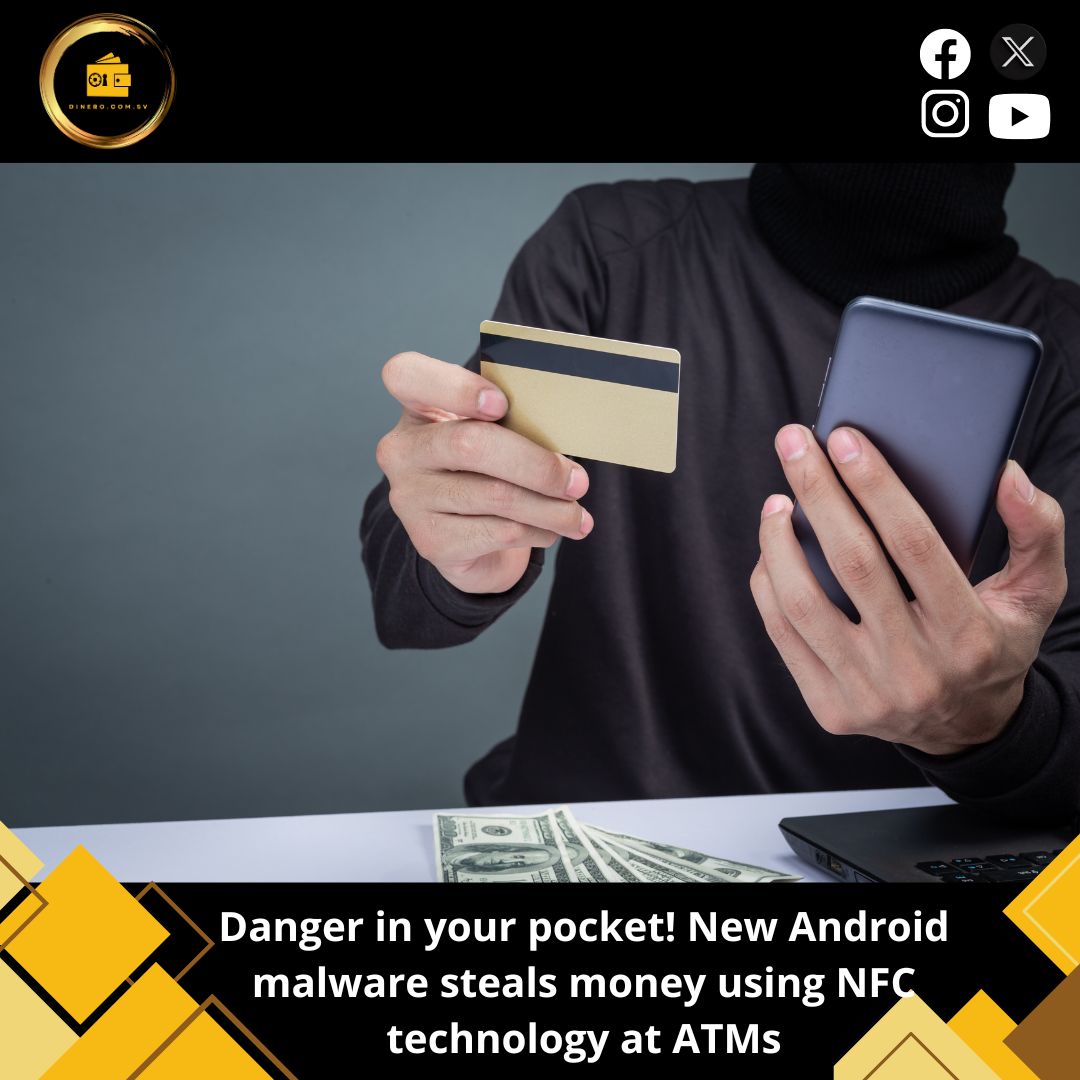
#FINANCE The research team at @ESET , a leading proactive threat detection company, discovered a campaign targeting customers of different banks whose main objective was to facilitate unauthorized ATM withdrawals from victims’ accounts. The malware used, which ESET named NGate, has the unique ability to transmit payment card data via a malicious application installed on the victim’s Android device to the attacker’s rooted Android phone. 💵🪙💲⚡💰
Read here: lc.cx/eFk7bv
#ATMtransactions #banks #customers #ESET #Intelligence #Servicedata
9
87

23 May 2024
Want to secure budget for your #ServiceTransformation? Mark Wilding of @ServiceMax makes the case for understanding how #ServiceData can impact an entire organization - and explains why it is the key to building a business case to secure your budget: bit.ly/4bTpCHn

94

26 Mar 2024
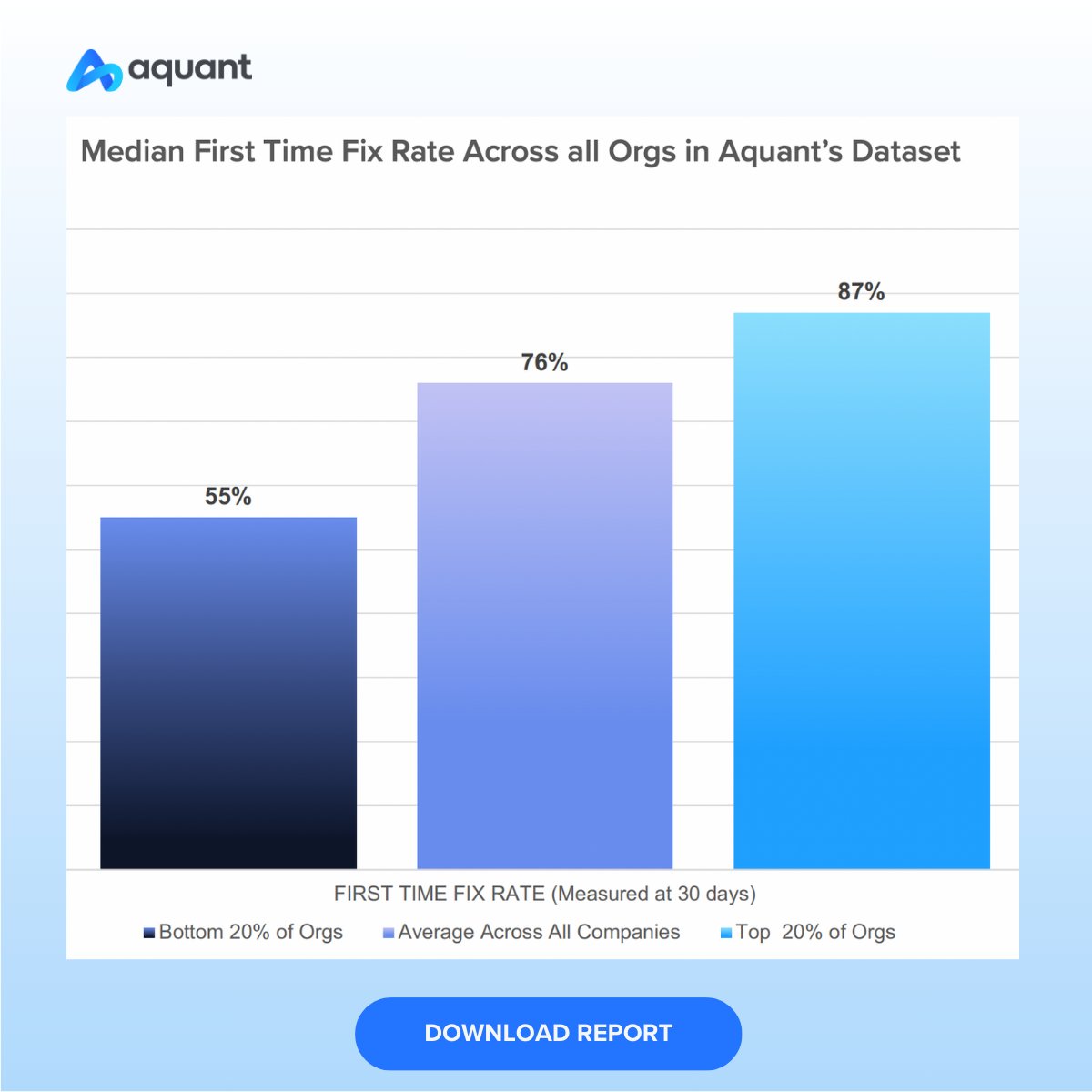
Download Aquant's report to understand where you stand against industry benchmarks and learn how to keep up with the the top 20% of organizations: hubs.la/Q02mCg1T0
#fieldservice #servicedata #AI #benchmarking #serviceexcellence #FTF
1
23

23 Apr 2023
既に防水タイプのBLE取得を試してる人がいらっしゃったw
tsuzureya.net/?p=812
(まだ発売されたばかりなのに早い!!)
「液晶付きタイプはBLEのServiceDataに格納で、防水タイプはBLEのManufactuarerに格納」だそうです
ラズパイサーバーでデータ蓄積出来る様にしたいですね!
1
4
258

29 Nov 2022
Switchbot 温湿度計、1年使ってるけどいまだに
"serviceData":{"model":"T","modelName":"WoSensorTH","temperature":{"c":22.6,"f":72.7},"fahrenheit":false,"humidity":64,"battery":100}}
でバッテリーが100%のままになってる 異常
3

10 Oct 2022
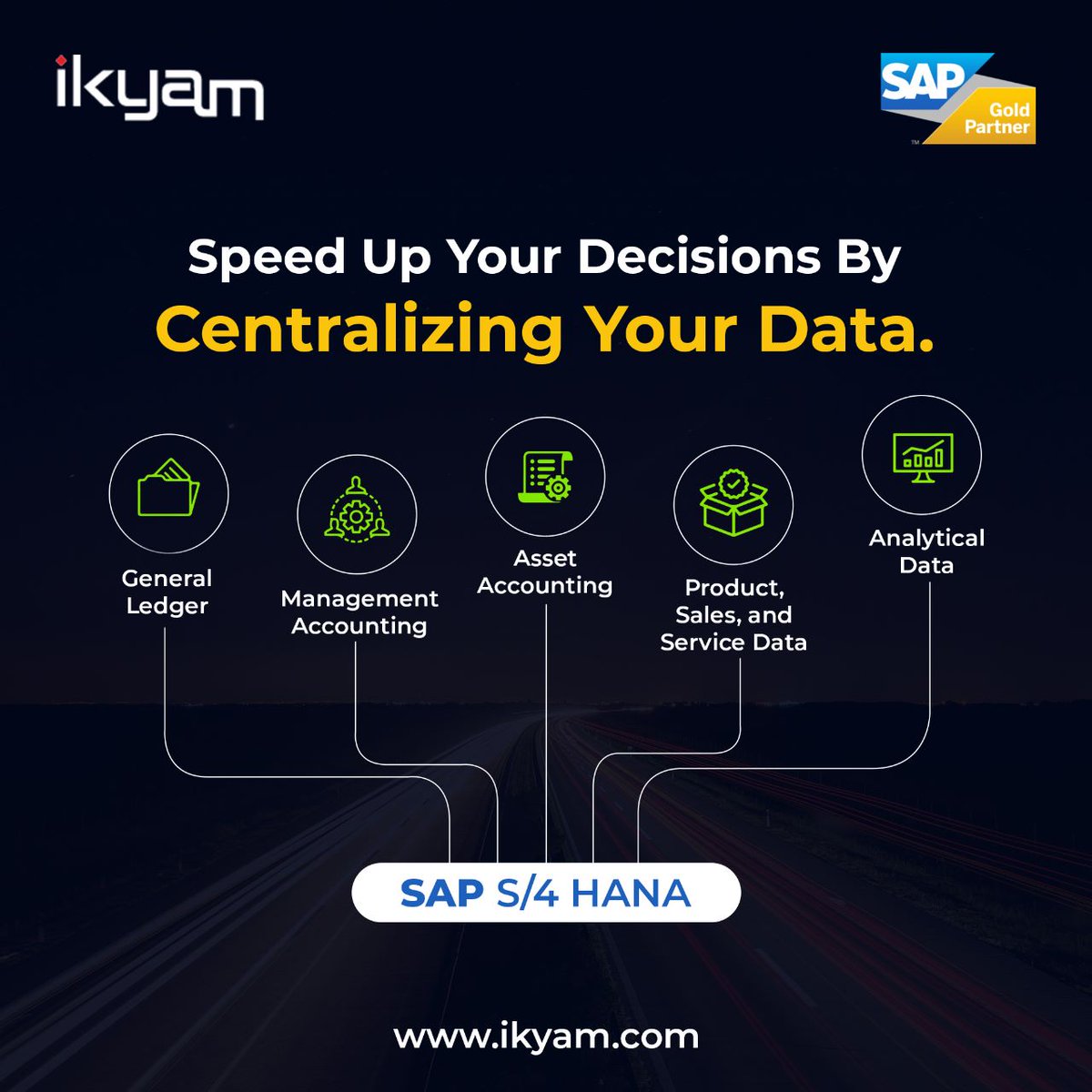
When all your data is housed in different ledgers, you get locked into processes that require consolidating and reconciling all this information. But there’s a way out.
Find out how SAP S/4HANA® Cloud makes it possible
#S4HANA #cloud #Dataanalytical #Management #servicedata
2
2

13 Jun 2022
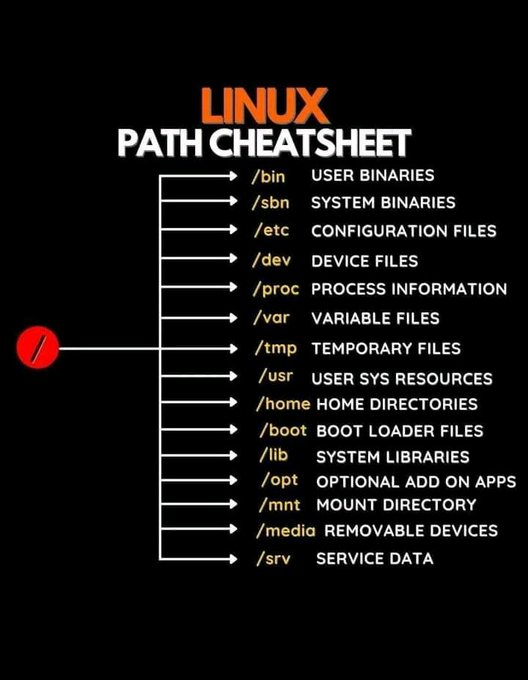
Linux path cheatsheet
#infosec #CyberSecurity #infosecurity #cyberattack #Linux #security #servicedata #informationsecurity
2
20
82

10 Jun 2022
Pre-register for an exclusive online Keynote - as part of #FieldServiceForum 2022: Transform Outdated Service Processes With a New Look at Traditional Data 👉 bit.ly/aquantfs22
📅 15 June, 9 - 9:30 AM
🎙️ @3dsystems & @Aquant_io
#fieldservice #servicedata
1
2
5 Apr 2022
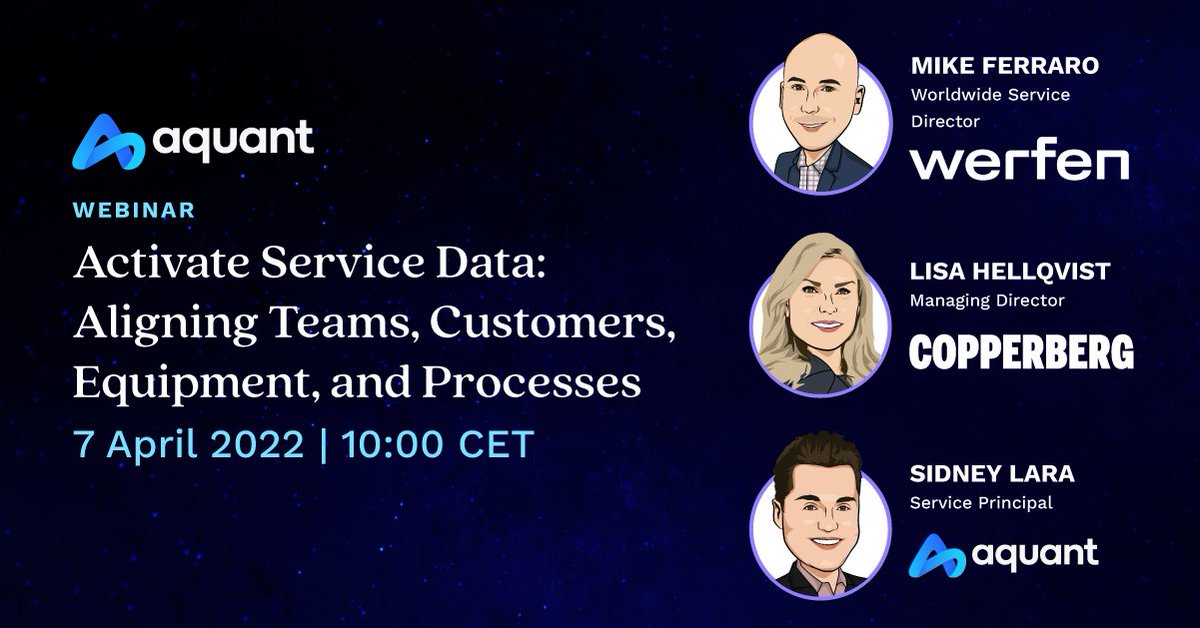
Learn how to build a service data strategy with a company-wide impact. Sign up for our webinar with Werfen’s Worldwide Service Director and get an inside look at his team’s non-traditional approach. hubs.la/Q0166Bhf0
#servicedata #serviceinsights #fieldservice #aquant
1
2
31 Mar 2022
Next week: @WerfenNA’s Worldwide Service Director shares how his approach to service data has a company-wide impact, from customer adoption to product roadmaps. Haven’t signed up yet? Learn more & register here: hubs.la/Q0166Bhf0
#servicedata #serviceinsights #fieldservice
2
2

18 Jan 2022
En tout cas @Vodacomcongo , vous avez battu le record ⏺️ sur le réseau le plus merdique en terme de #ServiceData
3

7 Dec 2021
Jeg har solgt en bil til en forhandler i dag. Slutseddel er skrevet efter to korte snakke. Salgschefen har servicedata osv på bilen. Enten har jeg et utroligt troværdigt fjæs, ellers også er prisen alt for lav.
Han har ikke været ude at se bilen....
3

20 Apr 2021
Improving the landscape of education by providing schools with the services and support needed for success. @AthlosSPED solution reduces the risk and time involved in tracking #servicedata and #progressmonitoring. buff.ly/3v1qNPA #clientspotlight #advisory

1
2

17 Aug 2020
この記事を見ると、Android でも ServiceData が取れそうな気もするのですが、これは後で試してみます。
政府の接触確認アプリ(COCOA)の機能を補完するアプリを作ってみた(3密チェッカー) - Qiita qiita.com/Rabbit_Program/ite…
1
2

15 May 2020
#dooniDuJour
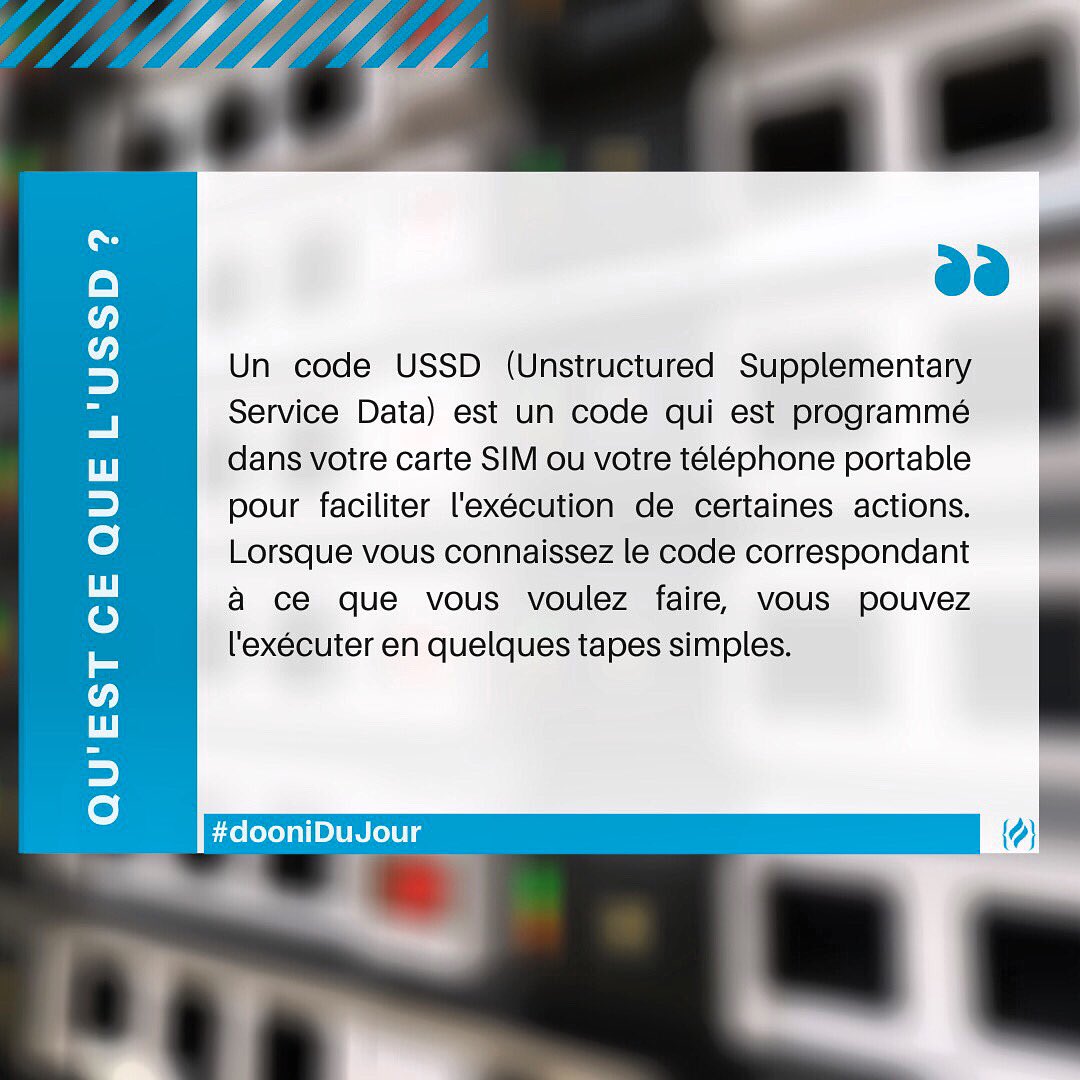
Qu'est-qu’un code USSD ?
Partagez votre dooni dans les commentaires !
#hebergementweb #web #programming #developpeur #developpeurweb #ussdbanking #cartesim #unstructured #servicedata #DataScientist #DataCenter
1
5

15 Aug 2019
#Webinar: Did you know the demand for #equipment maintenance skills is creating a services marketplace? Mixed labour models are becoming the norm. #ServiceData lp.servicemax.com/ForresterR…

1
3

21 Dec 2018
The 7 most-common data-quality management issues in ITSM.
Just in time before the holidays, the third and final part of the "data quality" articles series published under Justinlabs stories.
justinlabs.io/the-7-most-com…
#dataquality #datamanagement #ITSM #servicedata

3
2

7 Nov 2018
I have a bluetooth device and am trying to list its services:
bluetoothctl's "info" can list service UUIDs but not associated SPP ports
dbus method "org.bluez.Device1.ServiceData" does a 404
the python binding's "bluetooth.find_service()" finds nothing
1
2
4 Sep 2018
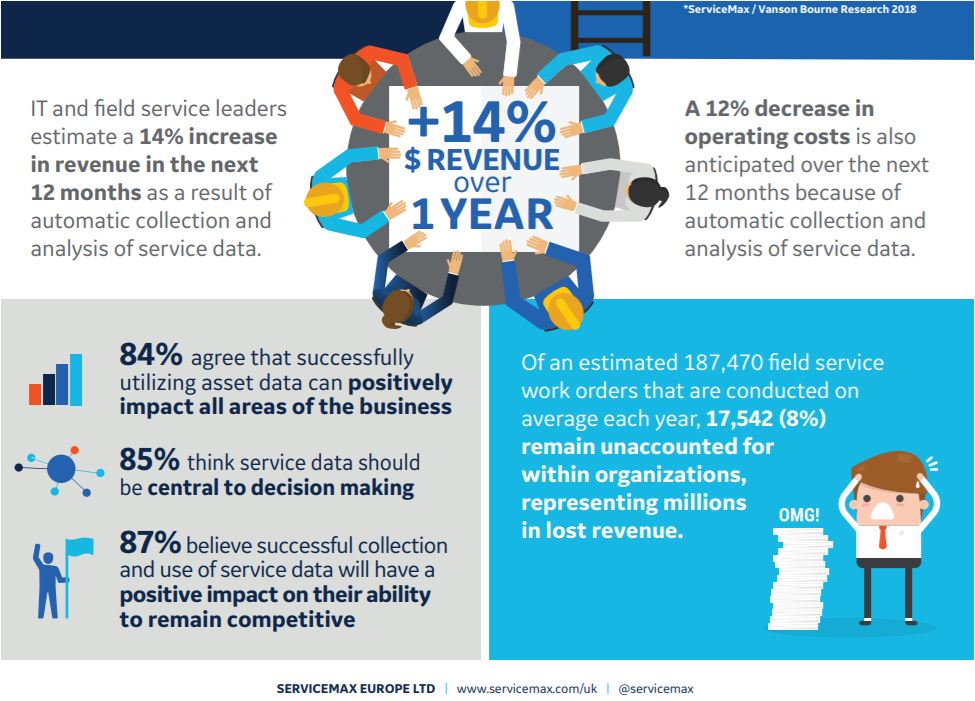
LIVE with @vansonbourne - Money in the Machines :The Hidden Value of #ServiceData - Increase your revenue by 14% [INFOGRAPHIC]: bit.ly/2CogoqK #DataGravityServiceMax
1
2