
Which one did you get off of amazon out of curiosity? I haven't settled on a shadowbox yet so any recs would help a lot 🙏
4

 Rap Daily

@TheRajGiri Paramount–Warner Bros. Discovery merger could have a major impact
• Up to 6,000 layoffs are expected, with Atlanta likely among the hardest-hit due to overlapping operations
• WBD’s Techwood campus could reportedly be sold
• Fewer film and TV productions could mean less work for major Georgia studios like Trilith, Assembly and Shadowbox Studios
• The cuts would come after recent downsizing at TCM, Adult Swim and Cartoon Network
1
36

Thank you for the super cute photo!!!! I’m so happy to hear she’s going to be framed up too - thank you!! I’ve actually done a shadowbox for a Setsuna commission I had made for someone. I got the one I used for her from Amazon and just used mounting pins!
1
1
112

A potential Paramount–Warner Bros. Discovery merger could have a major impact on Atlanta:
• Up to 6,000 layoffs are expected, with Atlanta likely among the hardest-hit due to overlapping operations
• WBD’s Techwood campus could reportedly be sold
• Fewer film and TV productions could mean less work for major Georgia studios like Trilith, Assembly and Shadowbox Studios
• The cuts would come after recent downsizing at TCM, Adult Swim and Cartoon Network

35
260
885
59,542


Thank you for the quote!
A skeleton illustration with dried flowers is indeed the perfect combination for a 'memento mori'.
Since it's a very cheap frame, it's a bit of a shame
I couldn't give it that 3D shadowbox effect.
But I'm so happy you like it, thank you✨
1
25

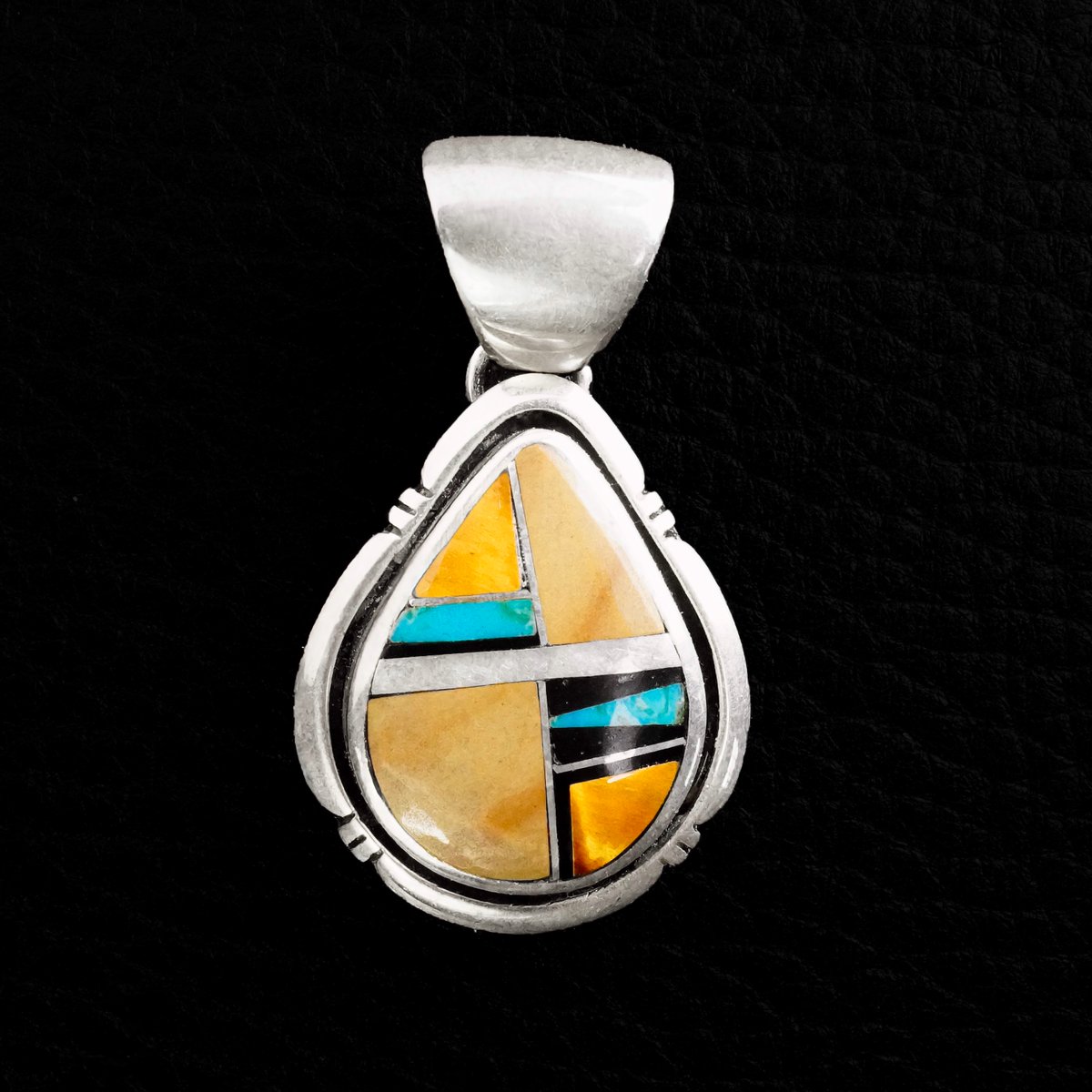
Vintage Southwest Navajo Sterling Silver Mosaic Inlay Teardrop Pendant, Turquoise & Tiger's Eye Jewelry
Available at Etsy Far-Rider-West.com Multi-stone pendant, features a teardrop-shaped sterling silver shadowbox casing intricately inlaid with hand-cut geometric stones.
1
7

SCENE SELECTOR:
[Type the scene you want here, or leave blank and let the AI choose the best scene for the attached reference image or images.]
Example scenes:
Moonlit balcony garden — a character on a flowered balcony overlooking a glowing fantasy city, with lanterns, flowers, and dreamy night atmosphere
Sacred temple blessing — a ceremonial shrine or temple scene with candles, flowers, incense, veils, divine atmosphere, and sacred presence
Cozy candlelit cabin — a warm intimate wooden cabin interior with blankets, lanterns, rustic furniture, soft textile richness, and emotional warmth
Enchanted library den — a magical library or study with books, cushions, cats, gemstones, lanterns, carved shelves, and cozy fantasy atmosphere
Royal throne heirloom panel — a ruler or noble figure in a grand throne room with attendants, banners, carved architecture, and regal focus
Rose garden vow ceremony — a romantic or ceremonial scene in a lush flower garden with roses, ribbons, moonlight or sunset, and symbolic beauty
Artist’s atelier portrait scene — a painter, muse, easel, draped fabrics, and an ornate artistic chamber
Celestial oracle chamber — a mystical chamber with moon symbols, stars, sacred geometry, veils, glowing artifacts, and divination atmosphere
Forest guardian shrine — a woodland sacred place with roots, moss, spirit lanterns, carved wood, animals, and magical natural energy
Heroic monster confrontation — a dramatic but readable mythic confrontation staged like a legendary carved story panel, with clear central action
Festival lantern night — a celebratory evening scene with hanging lanterns, flowers, ribbons, music, and warm communal joy
Daytime Renaissance festival — a bright outdoor festival scene with colorful but muted cloth tents, pennant banners, musicians, performers, market stalls, flower garlands, rustic wooden booths, sunlight, cheerful crowds, handmade goods, and warm communal celebration
Treasure reliquary chamber — an ancient chamber with carved chests, relics, gold, gemstones, artifacts, and sacred treasure atmosphere
Winter hearth scene — a warm interior by the fireplace with snow outside, blankets, glowing lamps, tea, and cozy intimacy
Mythic wedding panel — a ceremonial marriage or vow scene with divine light, symbolism, formal garments, and romantic grandeur
Adventuring party portrait — a group staged like a legendary guild or quest panel, with props, symbols, and a readable heroic group composition
Group banquet or court gathering — an elegant group scene with a feast, conversation, attendants, drapery, and a celebratory or political mood
SCENE SELECTION RULES:
Use the typed scene selector as the main scene concept.
If the scene selector is blank, do not choose randomly. Analyze the uploaded reference image or images and choose the scene that best matches the characters’ faces, hair, expressions, body language, mood, personality, species traits, visual presence, and overall energy.
Automatic scene choice guidance:
- If the character feels regal, elegant, noble, graceful, commanding, divine, or ceremonial, prefer throne, temple, oracle, vow ceremony, balcony, or court scenes.
- If the character feels soft, romantic, affectionate, dreamy, gentle, or intimate, prefer balcony, rose garden, cozy cabin, winter hearth, library, or wedding scenes.
- If the character feels mysterious, magical, sacred, ethereal, or arcane, prefer oracle chamber, enchanted library, shrine, temple, or celestial chamber.
- If the character feels fierce, heroic, dangerous, adventurous, or battle-ready, prefer heroic confrontation, treasure chamber, forest guardian, or adventuring party scenes.
- If the character feels cute, animal-featured, playful, cozy, or companion-oriented, prefer cozy den, library, festival night, balcony, or woodland scenes.
- If multiple characters are attached, choose a scene that suits the group dynamic naturally instead of forcing the scene to focus on only one person.
- If the character feels playful, theatrical, bard-like, jester-like, merchant-like, festive, whimsical, social, or performer-oriented, prefer daytime Renaissance festival, festival lantern night, group banquet, market gathering, or artist’s atelier scenes.
The scene should feel custom-matched to the reference images, not generic.
NEW IMAGE CREATION MODE:
Create a new original image based on the uploaded reference image or images and the selected scene. Do not simply transform, trace, or recreate the exact uploaded composition unless explicitly requested.
Use the reference images as visual guidance:
- character reference: preserve face, hairstyle, hair color, eye color, expression language, body type, species traits, silhouette, and overall identity
- outfit reference: adapt the clothing design, silhouette, details, accessories, and mood as instructed
- scene reference: use environment, architecture, lighting, props, and atmosphere as inspiration
- style reference: use only for finish, polish, visual language, and presentation
If one reference image is provided, use it as the main identity reference.
If multiple reference images are provided, use each main attached reference image as one separate main character unless otherwise requested.
Do not duplicate, merge, remove, or ignore any main reference character.
Do not merge unrelated character identities unless explicitly requested.
Create a fresh new composition based on the selected scene and the uploaded references.
REFERENCE HANDLING / IDENTITY PRESERVATION:
Preserve each referenced character’s:
- face shape
- facial features
- hairstyle
- hair color
- eye color
- species traits
- expression language
- body type
- overall personality
- body language
- visual presence
- silhouette
The final subject must still clearly look like the referenced character in face, hair, vibe, and identity.
Do not change the character into another person.
Do not use the likeness of any real person.
Do not imitate any copyrighted franchise, official poster, film still, actor likeness, game cover, or recognizable commercial key art.
STYLE CORE:
Render the final image as a unified masterwork mixed-media heirloom relief panel combining:
- carved stained wood relief
- Kinusaiga fabric inlay
- minimal Kirie-inspired detailing
This is not a normal illustration and not a simple style filter. The final image should feel like a rare commissioned masterwork: a museum-grade carved wooden reliquary panel, ceremonial shrine-panel, luxury narrative object, or treasured heirloom artwork.
At first glance, the image should immediately read as a carved stained wooden heirloom panel.
On closer inspection, the viewer should notice:
- photorealistic wood grain
- Kinusaiga textile inlays
- tucked seams
- pyrography linework
- restrained gemstone and glass inlays
- hand-finished craftsmanship
- continuous carved border
MATERIAL HIERARCHY:
The final artwork must read:
1. primarily as carved stained wood relief
2. secondarily as Kinusaiga fabric inlay
3. only minimally as Kirie-inspired cut-detail ornament
Wood and fabric are the dominant materials.
Paper-inspired elements should be used sparingly, only where they improve elegance or clarity, and may be omitted entirely if unnecessary.
WOOD STAIN SELECTION RULE:
Choose the wood stain to match the scene and reference identity. The panel may use pale maple, honey oak, warm ash, or blonde beech for bright, gentle, pastel, daytime, or festive scenes. Use walnut, chestnut, umber, or dark stained recesses for dramatic, night, gothic, battle, or ritual scenes. Regardless of stain color, the wood must always show visible grain, carved depth, darker recessed grooves, and hand-burnished raised surfaces.
1. MASTERWORK CARVED WOOD RELIEF — PRIMARY MATERIAL
The artwork is built on a carved wooden foundation with raised and recessed relief depth.
Use:
- realistic visible wood grain
- carved contours and sculpted planes
- engraved linework
- chiseled grooves
- polished but natural wood texture
- darker stained recesses
- lighter highlights on raised carved areas
- subtle chisel marks
- hand-burnished raised surfaces
- museum-quality craftsmanship
The wood must always remain visibly present throughout the image.
Do not let the wood look flat, blank, plastic, or unfinished.
2. KINUSAIGA FABRIC INLAY — PRIMARY SOURCE OF COLOR
All major color areas should be expressed through carefully fitted fabric inlay set into carved grooves.
Use photorealistic textiles such as:
- silk
- brocade
- satin
- linen
- fine cotton
- cotton-silk
- soft woven cloth
- refined patterned fabric where appropriate
The fabric should show:
- visible weave
- subtle textile texture
- soft sheen when appropriate
- delicate seams
- tucked fabric edges
- fitted pieces inserted into carved channels
- tactile realism
The color should feel embedded into the wood rather than painted on top.
IMPORTANT SKIN-TONE RULE:
All visible skin must also be rendered as fabric inlay using cloth pieces chosen to closely match the character’s skin tone.
Skin must still read as skin, but materially remain visibly textile rather than painted flesh.
Use very fine matte silk or cotton-silk for skin areas so delicate facial features remain readable.
3. KIRIE-INSPIRED DETAILING — MINIMAL ACCENT ONLY
Use Kirie-inspired detail sparingly.
If used, it should appear only as:
- delicate ornamental cut-detail accents
- lace-like negative space
- subtle floral filigree
- selective decorative trimming
- graceful border embellishment
- small elegant cutout motifs
- fine silhouette clarification
Do not let paper or white papercraft aesthetics dominate the image.
COLOR PALETTE / FABRIC SELECTION:
Use carved wood tones as the material foundation, selected intelligently based on the reference images and chosen scene.
Available wood stain range:
- pale maple
- light honey oak
- warm ash
- blonde beech
- golden birch
- honey wood
- aged oak
- chestnut
- walnut
- dark walnut
- umber
- stained brown
Do not force every image into a dark antique wood palette. Even though the artwork is heirloom and antique-inspired, lighter wood stains are allowed when they better suit the character, scene, lighting, or emotional tone.
Use lighter wood stains for:
- daytime scenes
- Renaissance festival scenes
- soft romantic scenes
- spring or garden scenes
- pastel-colored characters
- white, ivory, gold, or pale clothing references
- cute, gentle, playful, or airy characters
- scenes that need warmth, openness, or softness
Use darker wood stains for:
- night scenes
- gothic scenes
- battle scenes
- treasure chambers
- dramatic ritual scenes
- heavy armor scenes
- monster confrontation scenes
- characters with dark, intense, or dangerous visual energy
Use contrast between light raised wood and darker stained recesses to preserve relief depth. Even light wood panels should still have visible grain, darker engraved grooves, and stained recesses.
FABRIC COLOR TRANSLATION RULE:
All fabric colors should feel muted, antique, naturally dyed, pastel, or historically crafted rather than bright, synthetic, or neon.
If a provided character reference uses bright, bold, saturated, or neon colors, preserve the same hue family but translate it into a softer cloth equivalent.
Examples:
- neon red becomes madder red, faded crimson, dried rose, soft burgundy, or muted coral
- bright blue becomes faded indigo, slate blue, dusty denim, powder blue, or muted Prussian blue
- electric cyan becomes pale aqua, sea-glass blue, misty teal, or faded turquoise
- neon green becomes sage, moss green, olive, soft mint, or muted forest green
- bright yellow becomes straw gold, buttercream, ochre, wheat, or aged gold
- bright orange becomes apricot, clay orange, terracotta, or muted copper
- hot pink becomes dusty rose, faded blush, antique pink, or muted mauve
- vivid purple becomes smoky violet, muted lavender, plum, or eggplant
- stark black becomes ink-washed black, charcoal, black-brown, or dark walnut
- pure white becomes ivory, cream, bone, tea-stained white, pearl cloth, or undyed silk
Character colors should remain recognizable by hue family, but softened as if made from antique silk, aged brocade, naturally dyed cotton, heirloom textile scraps, or sun-faded festival cloth.
Use colors such as:
- ivory, cream, bone, pearl, tea-stained white
- dusty rose, faded blush, antique pink, muted mauve
- madder red, oxblood, dried rose, soft burgundy
- faded indigo, slate blue, dusty denim, muted Prussian blue
- pale aqua, sea-glass blue, faded turquoise
- moss green, olive, sage, muted forest green, soft mint
- ochre, mustard, straw gold, aged gold, buttercream
- plum, eggplant, smoky violet, muted lavender
- charcoal, ink-washed black, dark walnut brown
- warm gray, taupe, clay, linen beige
Small gemstone, glass, enamel, or lacquer inlays may remain slightly brighter than the cloth only for focal accents such as eyes, earrings, lantern lights, stars, magical points, flower centers, bells, and key jewels.
Avoid:
- neon fabric
- modern synthetic brightness
- candy saturation
- clean primary-color flatness
- glossy costume colors
- overly vivid anime color intensity
- fabric that looks digitally painted rather than woven, dyed, or inlaid
Use material contrast, wood stain, relief depth, fabric weave, and restrained gemstone accents for readability instead of loud saturation.
COMPOSITION TRANSLATION:
Translate every visible part of the newly created scene into this fused heirloom material language:
- characters
- clothing
- skin
- hair
- jewelry
- props
- animals
- furniture
- architecture
- scenery
- natural elements
- magical elements
- lighting cues
- decorative details
Everything should feel transformed into one coherent physical artisan panel.
SIGNATURE ART OBJECT IDENTITY:
The final image should not feel like a normal illustration converted into a craft style. It should feel like a one-of-a-kind heirloom artisan panel: a luxury narrative object that could physically exist as a carved shrine-panel, cabinet panel, ceremonial image, story panel, or treasured relic.
MATERIAL GRAMMAR:
Each material has a specific role:
- carved stained wood forms structure, relief depth, outlines, sculptural contours, architecture, and border
- Kinusaiga fabric inlay provides the main color fields, including clothing, skin, flowers, fur, skies, drapery, cushions, and decorative panels
- pyrography provides the finest dark linework: eyelashes, facial details, hair accents, seams, engraved motifs, and ornamental flourishes
- tiny gemstone, glass, amber, or mother-of-pearl inlays provide sacred focal points: eyes, earrings, stars, lantern lights, flower centers, magical highlights, and key jewelry
- translucent amber lacquer may be used sparingly in recessed zones for antique warmth and depth
HEIRLOOM SYMBOLISM:
Add subtle hidden symbolic details integrated into the carving, not random clutter.
The border and background may contain tiny motifs related to the subject and scene:
- flowers
- moons
- stars
- roses
- vines
- feathers
- pawprints
- leaves
- painter’s tools
- books
- candles
- constellations
- musical motifs
- crowns
- keys
- chalices
- personal emblems
- scene-specific mini symbols
These details should reward close inspection while remaining elegant and unobtrusive.
RELIEF DEPTH STAGING:
Build the composition like a shallow physical shadowbox:
- deepest layer: dark stained recessed wood background
- middle layer: fabric-inlaid scenery, architecture, clothing, and broad shapes
- raised layer: carved figures, animals, props, flowers, hair ribbons, and important objects
- highest layer: gemstone highlights, pyrography details, carved border ornaments, and hand-finished accents
CRAFT IMPERFECTION AND AUTHENTICITY:
Include subtle evidence of real handmade craftsmanship:
- slight variation in wood grain
- tiny chisel marks
- softened carved edges
- fabric tucked into grooves
- minute seam irregularities
- hand-burnished raised surfaces
- faint antique patina
The piece should look refined and masterful, not rough or messy.
SPECIAL CRAFT DETAILS:
Use:
- fine pyrography linework for eyelashes, facial features, hair detail, seams, flower veins, symbols, and border ornament
- tiny restrained gemstone or glass inlays for eyes, earrings, lantern lights, stars, magical focal points, and a few key jewels
- carved gilded wood, silk cord, embroidered thread, amber-like inlays, or gemstone accents for jewelry rather than shiny metal
- layered carved wooden ribbon-strands with narrow silk inlay strips for hair
- clearly visible recessed grooves where fabric pieces are tucked into the wood, especially around skin, clothing, flowers, leaves, fur, skies, and decor
BORDER / PANEL FORMAT:
The final artwork must have a continuous carved border surrounding the entire image on all four sides.
The border must be:
- fully visible
- built from stained wood with visible grain
- integrated with the scene
- elegantly carved
- ornamental but not distracting
- enhanced with subtle pyrography and occasional fabric or gemstone accents
- designed to feel custom to the selected scene
Adjust the framing or aspect ratio as needed so the full border remains visible without cropping important content.
BORDER MOTIF RULES:
The carved border should visually match the chosen scene and subject. Use motifs that feel scene-appropriate and symbolic.
General motif pool:
- roses
- lilies
- vines
- leaves
- moons
- stars
- suns
- constellations
- feathers
- pawprints
- wings
- crowns
- keys
- candles
- books
- bells
- ribbons
- chalices
- laurel
- mountain forms
- waves
- snowflakes
- shields
- swords
- gemstones
- animal silhouettes
- sacred geometry
Scene-specific border motif guidance:
Moonlit balcony garden:
- moons, stars, roses, hanging lanterns, vines, balcony scrollwork, cats or paws if appropriate
Sacred temple blessing:
- roses, lilies, censers, sacred flames, chalices, laurel, columns, divine halos, ceremonial filigree
Cozy candlelit cabin:
- pine branches, mountain peaks, pawprints, quilt motifs, lanterns, woodgrain flourishes, hearth symbols
Enchanted library den:
- books, keys, stars, moons, cats, scrollwork, candles, crystal pendants, vine borders
Royal throne heirloom panel:
- crowns, laurel, heraldic flourishes, drapery motifs, fleurons, scepters, shields, jeweled accents
Rose garden vow ceremony:
- roses, ribbons, intertwined vines, rings, doves, hearts rendered as floral motifs, moon or sunset ornaments
Artist’s atelier portrait scene:
- paintbrushes, palettes, frames, scrollwork, flowers, ribbons, decorative flourishes, small star accents
Celestial oracle chamber:
- constellations, crescent moons, stars, sacred geometry, veils, crystal pendants, eye motifs, celestial circles
Forest guardian shrine:
- roots, leaves, acorns, feathers, antlers if fitting, moths, woodland flowers, spirit lanterns
Heroic monster confrontation:
- blades, wings, flame motifs, claw marks, constellations, banners, shields, laurels, storm curls
Festival lantern night:
- lanterns, ribbons, blossoms, bells, tassels, moon motifs, celebration knots, hanging charms
Daytime Renaissance festival:
- pennant banners, ribbons, bells, lute motifs, masks, floral garlands, roses, sunbursts, wheat, market-stall awnings, goblets, coins, jester bells, heraldic shields, fleurons, scrollwork, carved booth signs, and warm festival knots
Treasure reliquary chamber:
- keys, locks, gems, chalices, coin rosettes, reliquary filigree, sacred containers, ornamental knots
Winter hearth scene:
- snowflakes, pine needles, mugs, blankets rendered as textile motifs, stars, candles, mountain silhouettes
Mythic wedding panel:
- rings, floral garlands, doves, ribbons, roses, lilies, stars, vowscroll motifs, divine blessing symbols
Adventuring party portrait:
- banners, swords, maps, stars, shields, laurel, guild emblems, travel motifs, treasure marks
Group banquet or court gathering:
- goblets, grapes, roses, candelabra, laurel, drapery folds, musical motifs, feast ornament
If the chosen scene suggests a better symbolic motif set, adapt intelligently while keeping the border tasteful and readable.
LIGHTING:
Use soft gallery-style lighting that reveals:
- carved depth
- wood grain
- stain variation
- textile weave
- tucked seams
- layered material transitions
- gemstone and glass highlights
- subtle lacquer glow in recesses
Match the lighting mood to the scene:
- balcony / oracle / temple / ritual scenes: moonlight, candlelight, sacred glow
- cozy scenes: lantern light, fireplace glow, warm interior softness
- throne / banquet / court scenes: golden light, elegant ambient glow
- heroic scenes: stronger directional light, but still readable and relief-friendly
- daytime Renaissance festival scenes: warm sunlight, soft outdoor glow, pale honey wood highlights, cheerful textile brightness kept muted and natural-dyed
VISUAL MOOD:
Elegant, refined, handcrafted, luxurious, museum-quality, tactile, warm, graceful, story-rich, rare, precious, and visually cohesive.
DETAIL CONTROL:
The result should be intricate but not cluttered.
Preserve important identity features and scene storytelling, but simplify noisy realism into clear carved forms, fitted textile sections, readable silhouettes, and tasteful ornament.
Composition and camera:
Use the composition that best suits the selected scene.
- single-character scenes may use medium, three-quarter, or full-figure compositions
- romantic or cozy two-character scenes should keep both characters clearly readable
- group scenes should pull the camera back enough to keep all characters readable
- large environmental scenes should still keep the main subjects prominent
- do not crop out key characters, props, animals, border motifs, or important setting elements
DO NOT:
- do not simply recreate the uploaded image unless explicitly asked
- do not ignore the scene selector
- do not choose randomly when the selector is blank
- do not make the piece feel like a generic style transfer
- do not let paper become the dominant material
- do not create a white papercraft look
- do not create painted skin
- do not make the wood flat, blank, or textureless
- do not make the materials plastic, glossy CGI, foam-like, or resin-like
- do not use modern neon color intensity
- do not overcrowd the image with random symbols
- do not make the border unrelated to the scene
- do not make the background busier than the characters
- do not make the main characters tiny, blurry, hidden, or unreadable
- do not introduce messy anatomy, distorted faces, malformed hands, or muddy composition
- do not use photorealism as the overall style unless specifically requested
- do not imitate any specific copyrighted franchise, poster, film still, or commercial art
FINAL GOAL:
Create a new original image that feels like a rare heirloom carved relief panel, custom-designed from the uploaded reference images and selected scene, with photorealistic stained wood, Kinusaiga fabric inlay, restrained jewel accents, intelligent scene-matched border motifs, and a cohesive handcrafted luxury finish.
2
2
309

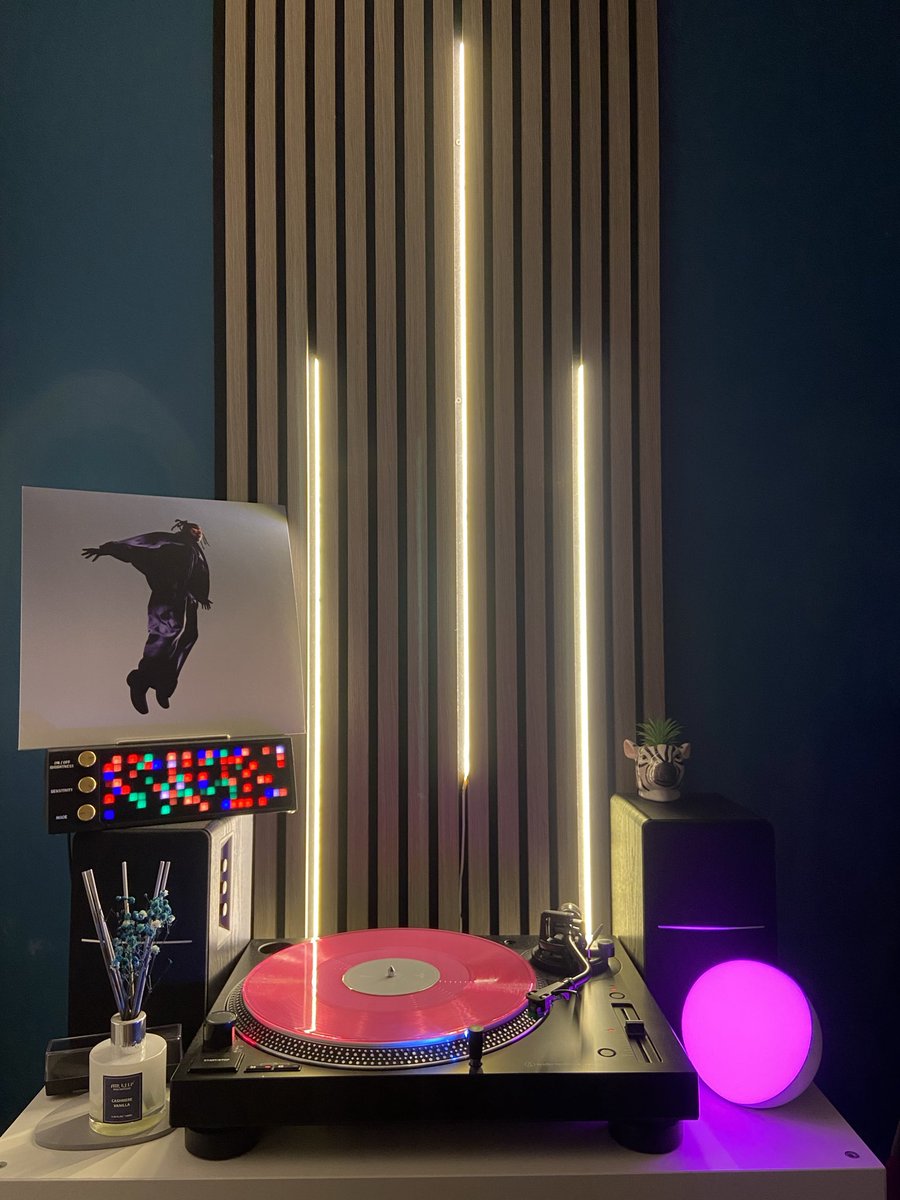
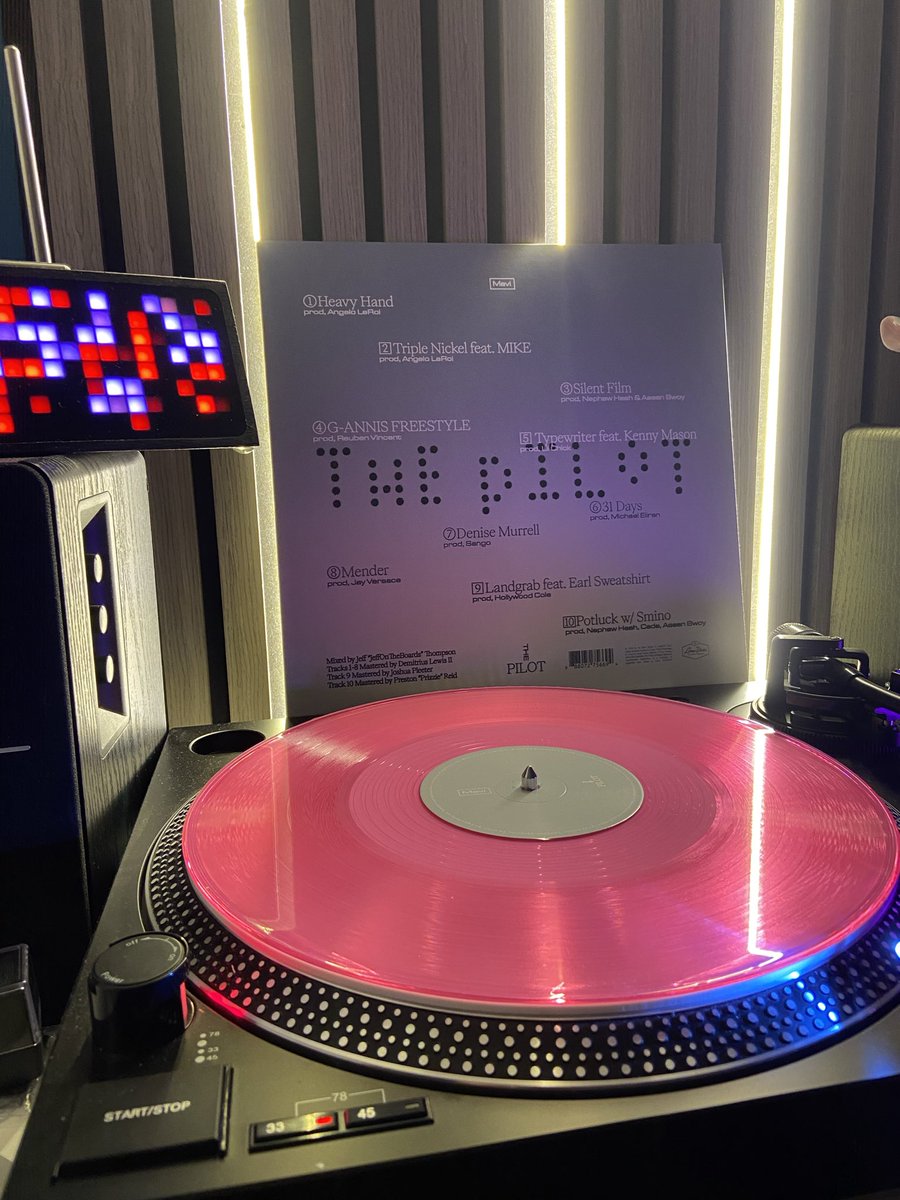
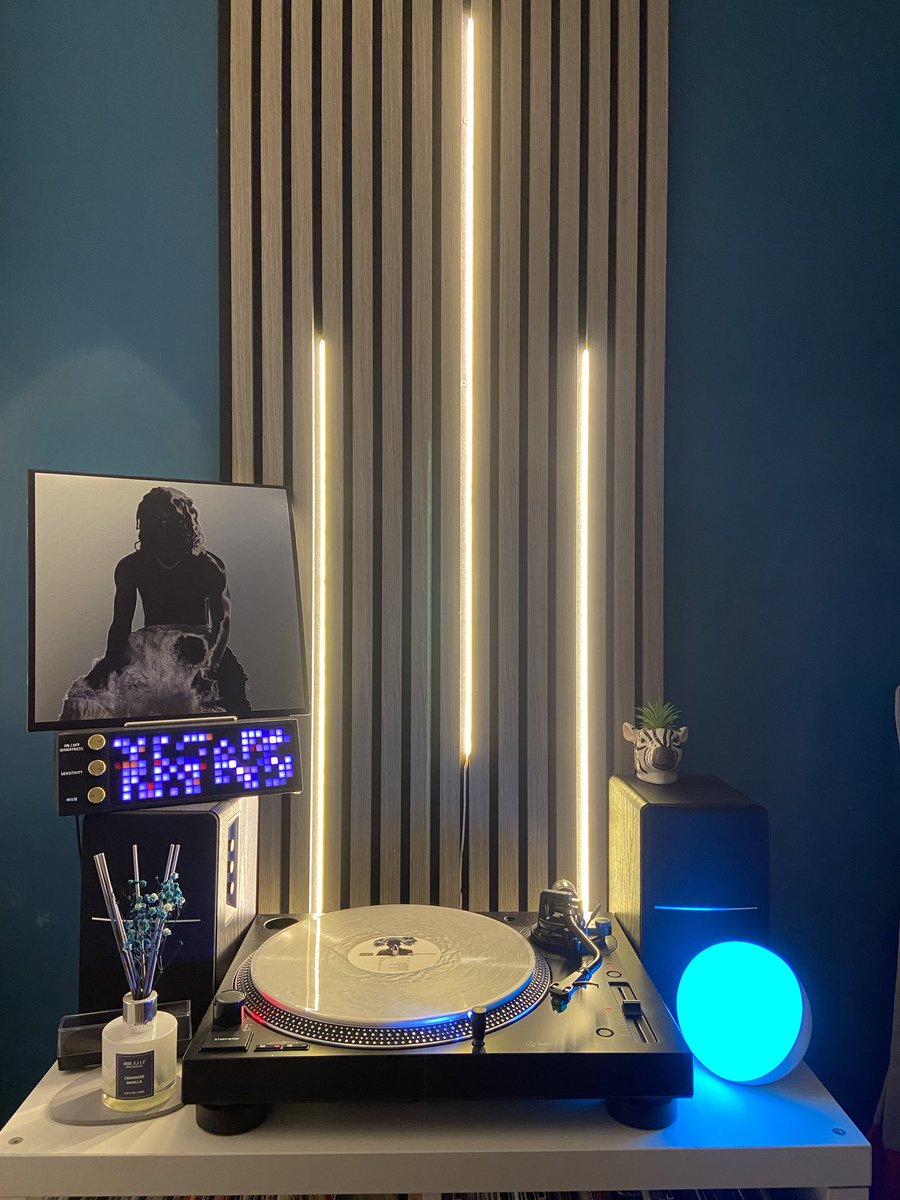
I don’t spin shadowbox enough because it always overrides me with emotion. I can relate to so much on it that it gets a bit upsetting.
I’ve said it before here but MAVI deserves so much more acclaim for what he did on that album.

MAVI on Monday…🎵
The Pilot
shadowbox
Favourite tracks:
• Potluck, Triple Nickel, 31 Days, Landgrab, the giver, drunk prayer, i did, my own way, too much to zelle.
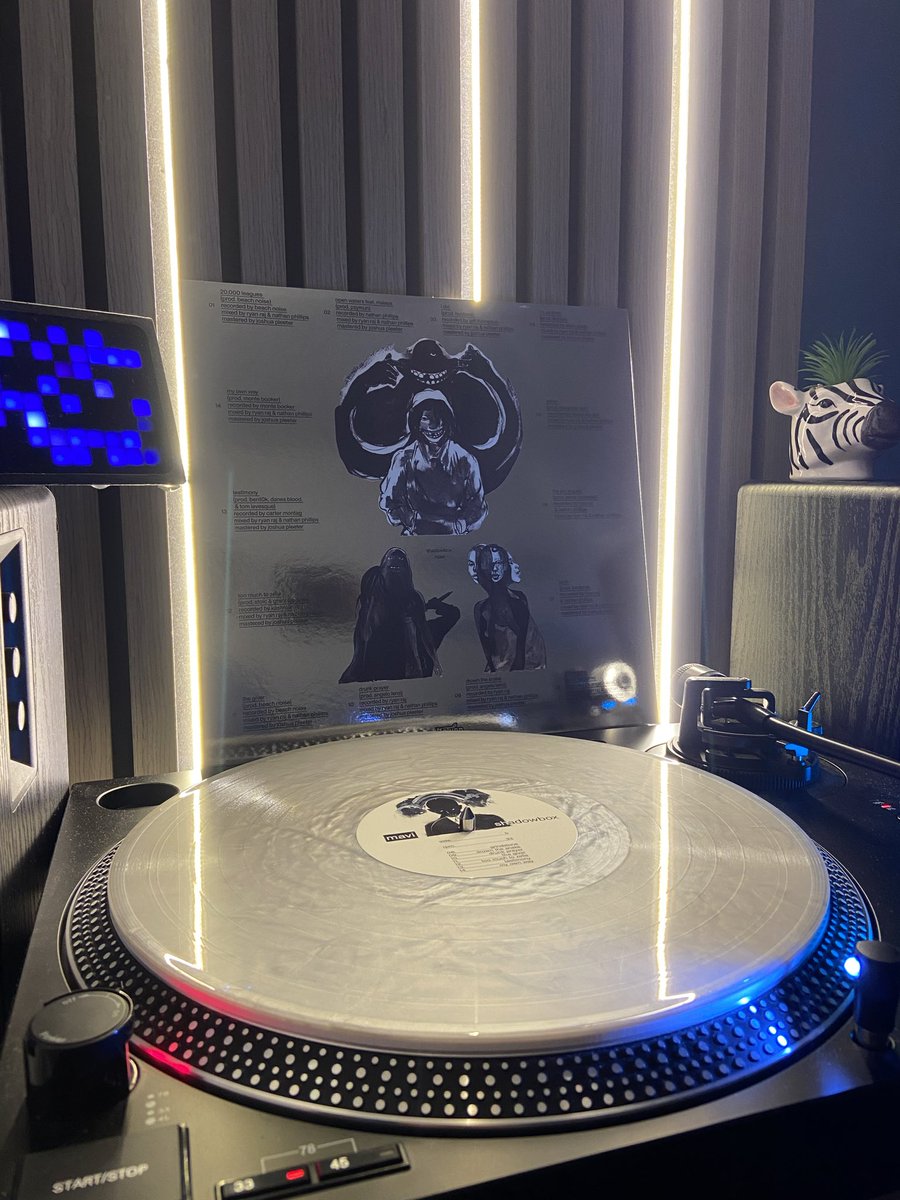
1
6
253
MAVI on Monday…🎵
The Pilot
shadowbox
Favourite tracks:
• Potluck, Triple Nickel, 31 Days, Landgrab, the giver, drunk prayer, i did, my own way, too much to zelle.
1
8
418


Jordan's Beefed Up Incentives, Studio Partnership With U.S. Group Shadowbox Set to Scale Up International Productions variety.com/2026/film/global…
2
10
7,483


Ultra detailed 3D layered papercraft shadowbox diorama of Tokyo as a royal tea kingdom
1
19