
Bookmark this.
Thank me later.
9 Color tools every designer should know:
PART-01
1. Color Designer-colordesigner.io It has everything in one place. From color palette to contrast checker, and color mixer.
2. Coolors.co-coolors.co The super-fast color schemes generator
3. Paletton.com- paletton.com A tool for creating highly customized color combinations
4. Color Hunt- colorhunt.co Explore color combinations
5. Contrastchecker.com-contrast… Test color contrast of any content on your screen
6. Colorbox.io-colorbox.io Generate an accessible color palette
7. Realtime Colors- Realtimecolors.com Visualize your color palettes on a real website
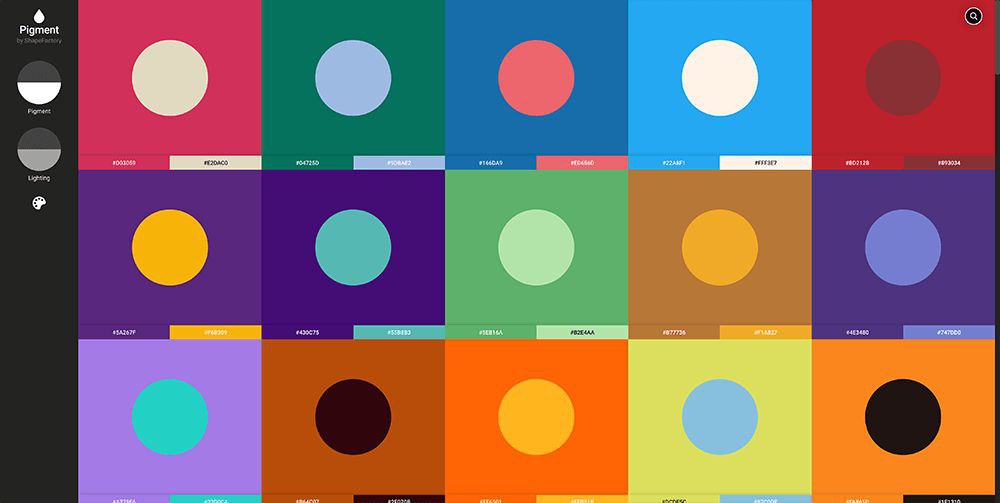
8. Pigment by ShapeFactory- Pigment.shapefactory.co Generate colors based on lighting and pigment
9. LOL Colors- Lolcolors.com Curated color palettes
Follow for part 02.
Which one is your favorite tool?
2
9
538


✨Notion用の2トーン画像、実は簡単。
📷Unsplashで画像保存 → 🎨Pigment(Web)を開く → 画像をドラッグ&ドロップ → 右側のMore ActionsからDuotone選択 → 好きな配色を選ぶ
💡デザイン苦手でも一気に“それっぽく”なる。
Pigment by ShapeFactory👇
pigment.shapefactory.co/
#Notion #Pigment
2
127

Guys pag sira link. You can search it up on the google! (Duotone by ShapeFactory)
The more Hanies to Join the Merrier!
#ajaankaba #AJAA #AkoNa #AJAA_Comeback

🎨How to change your display photo's color in 4 steps?
1. Open this link: < duotone.shapefactory.co/?f=c… >
2. Upload your photo
3. Long press the codes at the bottom and change it into #ffffff and #c42a0e
4. Click download
Tag your 4 moots na lagi mong pinipili at iniibig! 💟
3
187

2 Sep 2025
btw buat mutual gw yg mau bikin foto jadi brave pink hero green bisa pake ini yak
brave-pink-hero-green.lovabl…
gw bbrp kali coba pake duotone shapefactory hasilnya agak kurang oke
1
2
9
609

4 Dec 2024
Example of factory pattern :
interface Shape { void draw(); }
class Circle implements Shape { public void draw() { System.out.println("Circle"); } }
class Square implements Shape { public void draw() { System.out.println("Square"); } }
class ShapeFactory {
public static Shape getShape(String type) {
return type.equals("Circle") ? new Circle() : new Square();
}
}
Shape shape = ShapeFactory.getShape("Circle");
shape.draw();
1
71

19 Nov 2024
初心者でももう配色に迷わない!
【配色+グラデーションツール10選】
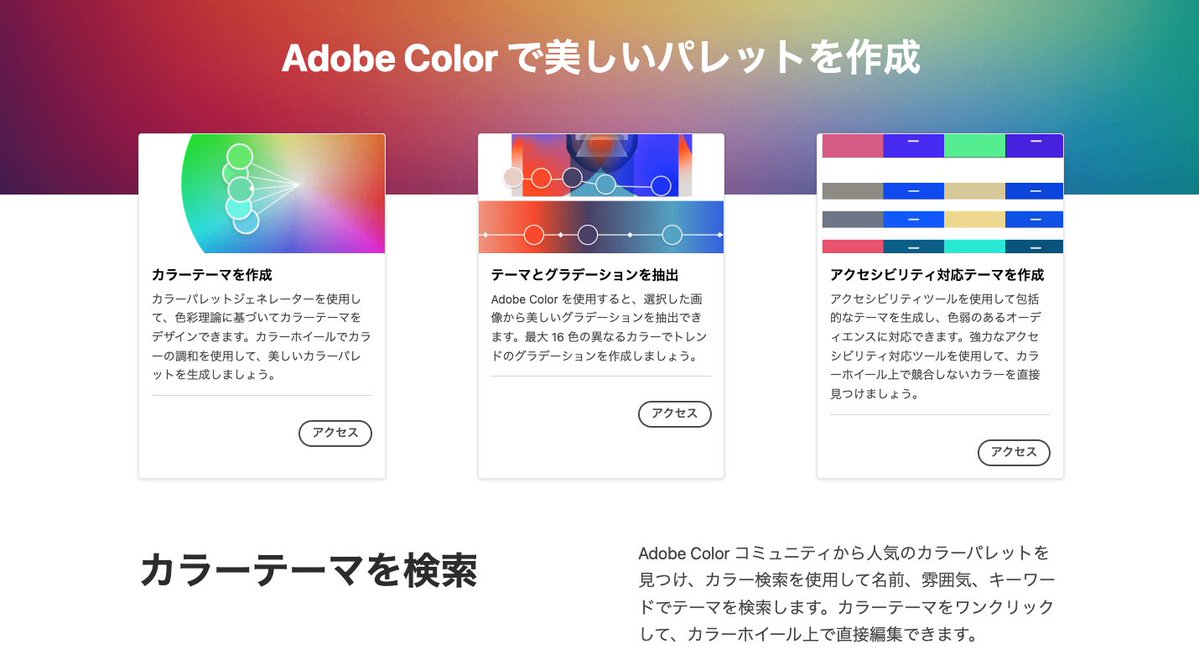
① Adobe Color
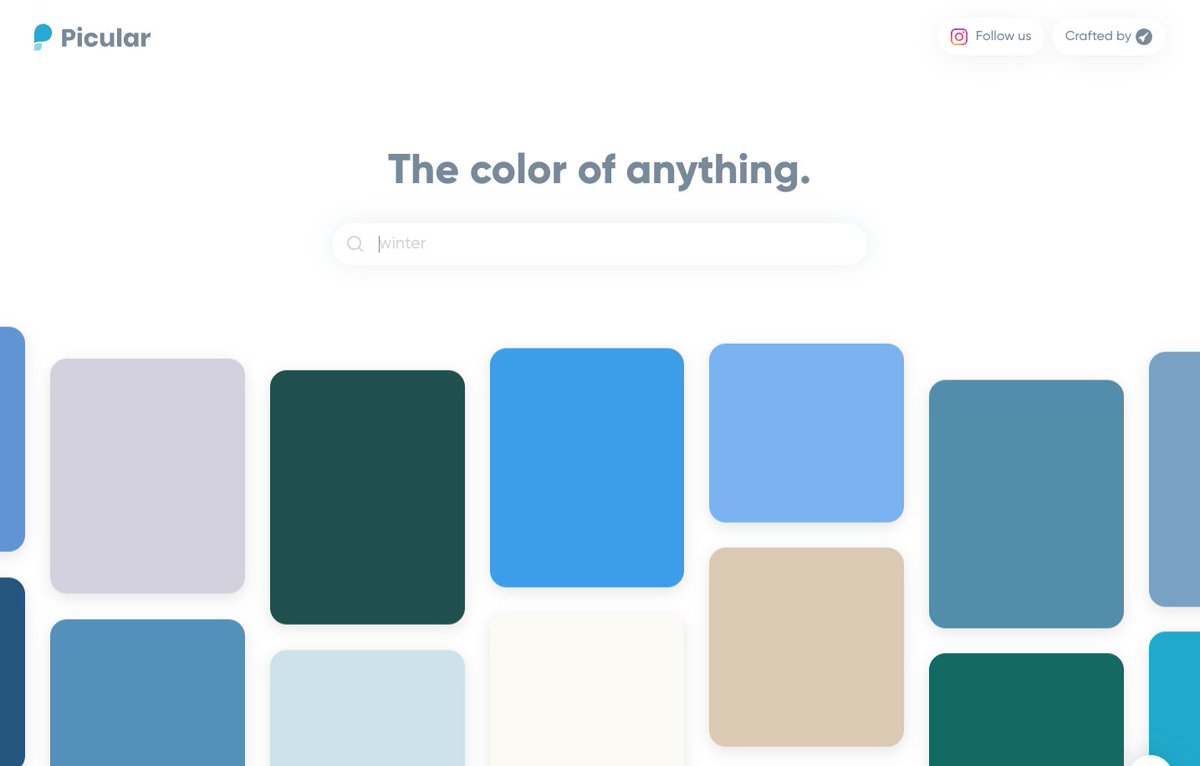
② Picular
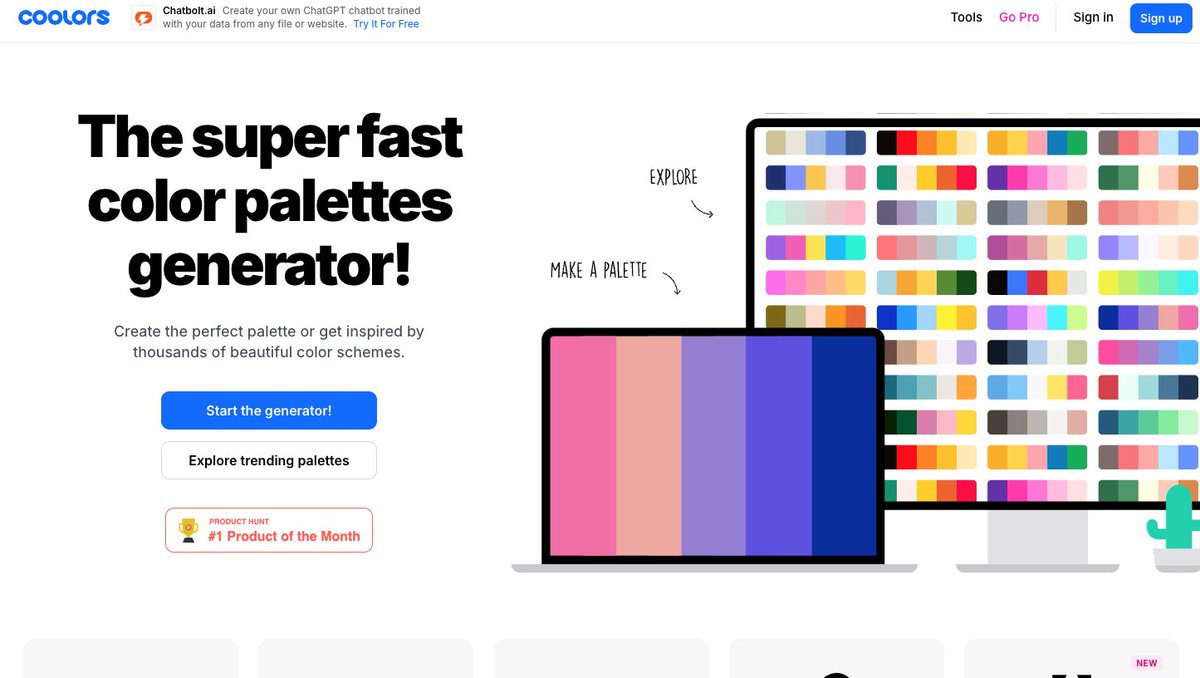
③ Coolors
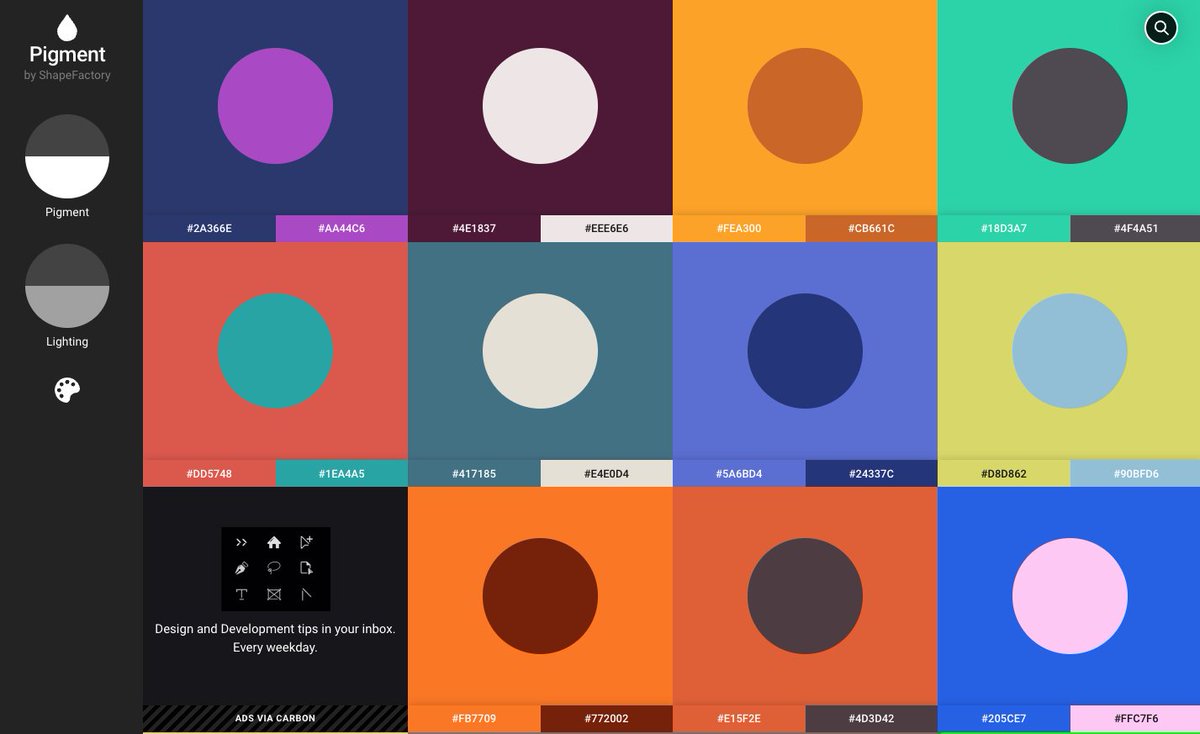
④ Pigment Color
⑤ Mesh
⑥ CoolHue
⑦ Hypercolor
⑧ Eggradients
⑨ Grainients
⑩ Design Gradients
① Adobe Color
→ プロも愛用する定番ツール。カラーホイールで簡単に配色ルールを設定し、調和の取れたカラーを作成可能。
② Picular
→ キーワードを入力するだけで関連画像から色を抽出。たとえば「夏」「自然」などの単語で直感的にテーマカラーを見つけられる。
③ Coolors
→ スペースキーを押すだけで無限に配色案を生成!ロック機能で気に入った色を固定しながら調整可能。
④ Pigment by ShapeFactory
→ 優しいニュアンスの色合いが得意なツール。シンプルで美しい配色を簡単に作りたい方におすすめ。
⑤ Mesh
→ 背景デザインに最適な滑らかなグラデーションを自動生成。高級感のある立体的な効果を求めるときに便利。
⑥ CoolHue
→ ウェブデザインに使える100種類以上のグラデーションが用意されたサイト。CSSコードでそのまま使える点が魅力。
⑦ Hypercolor
→ 最新のグラデーショントレンドを取り入れたコレクション。多彩なテーマのグラデーションが一目で見つかる。
⑧ Eggradients
→ シンプルながらインパクトのあるグラデーションデザインが特徴的。軽量でサイトの読み込みにも優しい。
⑨ Grainients
→ グラデーションに「粒状の質感」を加えられるツール。独特の手作り感や温かみをプラスしたいときにぴったり。
⑩ Design Gradients
→ デザイン初心者にも使いやすい、シンプルでおしゃれなグラデーションが多数。ウェブやアプリデザインに最適。
2
20
2,263

11 Nov 2024
#باحال
#معرفی
این سایت مخصوص گرافیک دیزاینراست ،
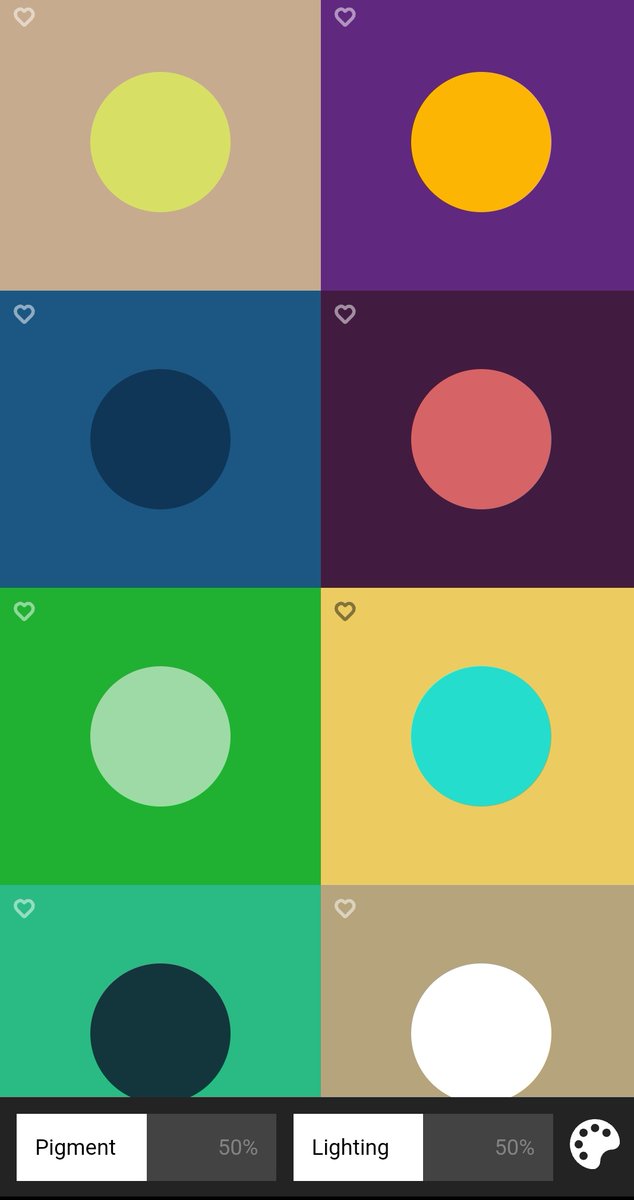
اگه دنبال یه سایت حرفهای برای پیدا کردن پالت رنگهای خاص و جذاب هستین، Pigment از ShapeFactory انتخاب خیلی عالیه،
این سایت با یه رابط کاربری ساده و دوستداشتنی، کلی رنگ و پالت جذاب بهت پیشنهاد میده
pigment.shapefactory.co/
2
31
1,426

🔥 Quick summary of design live stream!
We roasted together 2 designs using uncoverlab.co! 🐝
Font we used:
FH Lecturis Rounded
B612 Mono
Other tools:
Cooolors
pigment shapefactory
Vector Logo - Figma Plugin
4
28
1,707


22 Jul 2024
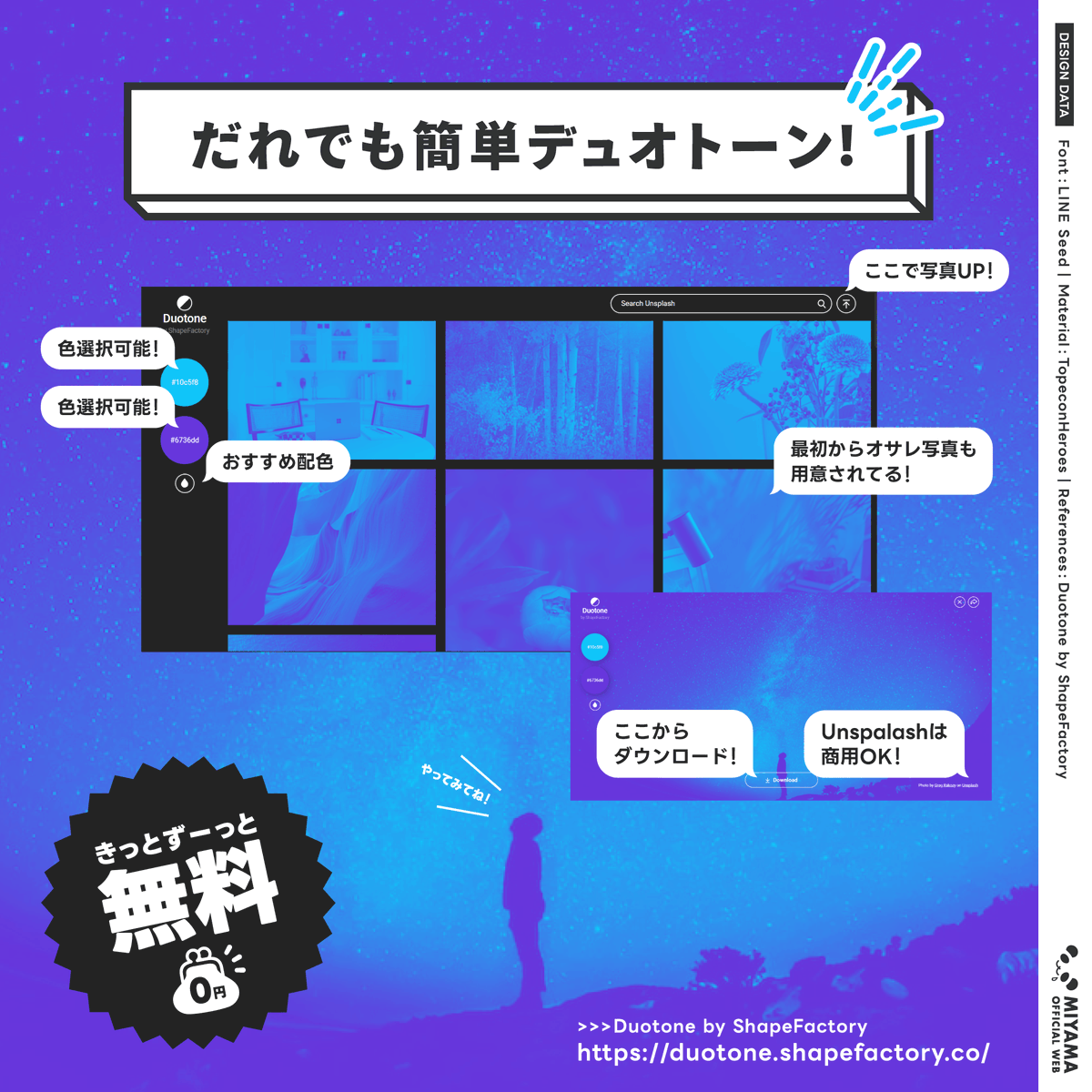
✨👀こんな写真加工が10秒で!👀✨
有料のアドビさんがなくても大丈夫!
一時期流行したデュオトーン加工を、WEBブラウザから簡単にできるサービス
「Duotone by ShapeFactory」
をご紹介します📸💡
このサービス、もちろん無料・登録なしで使えます(笑)
あらかじめ用意された写真はもちろん、自分のオリジナル写真もUP可能ですよ✨
ノンプロの方には特にオススメ!
プロソフトやAIを使わずに、シンプルかつ簡単にデュオトーン加工が楽しめます😄
色変更もお好みで自由自在!
高価なツールを使わなくても、これで十分楽しめますよ🌈
ぜひ試してみてくださいね😊
詳しくは画像をご覧ください~👇
1
2
50
9,359

1 Jul 2024
●全部お願いされることがある
動画編集のお仕事を請け負った際に、ロゴの制作も頼まれる。
そんなケースも稀にあります。
例えば、YouTube動画の編集を請け負った際に、チャンネルアイコンに表示させるロゴの制作もお願いされたりします。
そんな時、「私は動画編集者であって、デザイナーではありません。」と答えるのはお客さんにとっても困ったことになります。
そこで今回、ロゴのお仕事を請け負った際に役に立つサイトを7つ選んでみました。
●ロゴ制作に役立つサイト
・Toreru 商標検索
search.toreru.jp/
商標登録されているロゴを検索できるサイト。
商標権を侵害しないように、しっかりとチェックする。
・logo stock
logostock.jp/
ロゴを見て知って学ぶ、ロゴデザインギャラリー。
そのまま真似することはできないが、アイデアの参考にはなる。
・Logobook
logobook.com/
ロゴがアーカイブされているサイト。
アイデアの参考に活用できる。
・ShapeFactory
logo.shapefactory.co/
自動ロゴ生成ツール。
そのまま使うのは問題あるかもしれないが、生成されたものを元に作り込むのはアリ。
・Hatchful
shopify.com/jp/tools/logo-ma…
独自のロゴが作れるロゴメーカー。
生成されたものをアイデアのキッカケにすると良い。
・Adobe Firefly
firefly.adobe.com/
アドビの生成AIツール。
ロゴの生成もできるので、アイデアのキッカケにすると良い。
・公募ナビ
kobostock.jp/
予算次第だが、公募してデザイナーに作ってもらうのもアリ?!
■過去の投稿はこちら
note.com/okasin405
#動画編集者と繋がりたい
4
354

5 May 2024
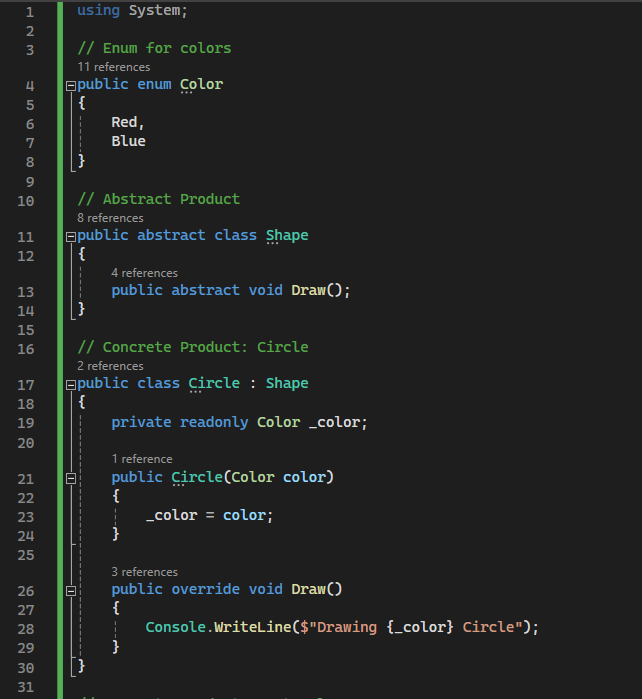
Here is how I would refactor it:
Explainations:
Enum for Colors:
We define an enum called Color, which contains two values: Red and Blue. This enum is used to represent the color of the shapes.
Abstract Product (Shape):
We have an abstract class named Shape, which serves as a blueprint for different types of shapes. It declares an abstract method Draw() which will be implemented by concrete shape classes.
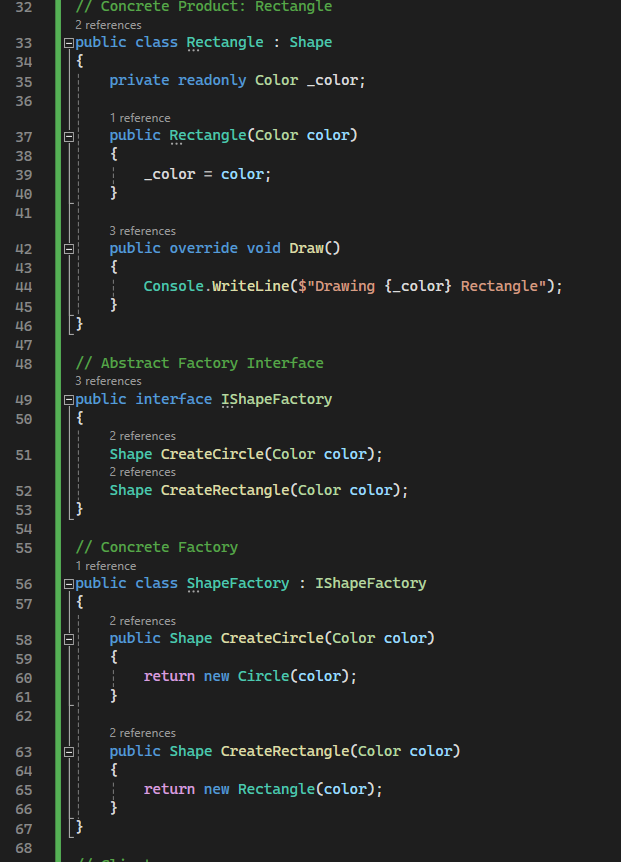
Concrete Products (Circle and Rectangle):
We define two concrete shape classes: Circle and Rectangle, both inheriting from the Shape abstract class.
Each shape class has a constructor that takes a Color parameter, allowing us to specify the color of the shape.
These classes implement the Draw() method, providing the functionality to draw the respective shape with its specified color.
Abstract Factory Interface (IShapeFactory):
We declare an interface IShapeFactory which defines methods for creating different types of shapes (CreateCircle() and CreateRectangle()).
These factory methods take a Color parameter, indicating the color of the shape to be created.
Concrete Factory (ShapeFactory):
We implement the IShapeFactory interface with a concrete factory class named ShapeFactory.
The ShapeFactory class provides implementations for creating circles and rectangles with the specified color.
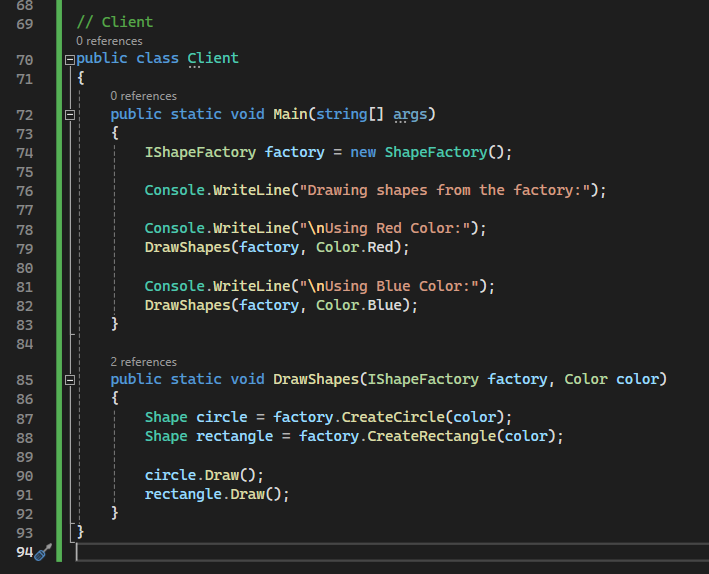
Client Code (Client):
The Client class contains the Main method, which serves as the entry point of the program.
Inside the Main method, we create an instance of the ShapeFactory.
We then demonstrate how to use the factory to create and draw shapes of different colors (Red and Blue) by calling the DrawShapes method.
The DrawShapes method accepts a factory object and a color parameter. It uses the factory to create shapes of the specified color and then calls the Draw() method on each shape to draw it.
1
1
244

5 May 2024
Happy Sunday everyone 🎉 Cleaning up my Figma, found some unused abstract icons I made for a project. Tested Pigment Shapefactory palettes on it.
3
17
568
29 Apr 2024
-色の組み合わせを考える際に役立つサイト9選-
Premiere Proでテロップをデザインしたり、After Effectsでモーショングラフィックスを作ったりする際。
色の組み合わせで頭を悩ませることはありませんか?
テロップをデザインしてみたものの、何だか見辛い色の組み合わせになってしまった。
モーショングラフィックスを作ってみたものの、色の主張が強すぎて目がチカチカしてしまう。
色の組み合わせのアイデアが全然浮かばない。
自分の中の感覚だけでデザインをしていると、このような状況に陥ることがあります。
そこで今回は、色の組み合わせを考える際に役立つサイトを9つ選んでみました。
無料で利用できるサイトをチョイスしましたので、ぜひあなたの動画編集作業にご活用頂ければと思います。
●色の組み合わせを考える際に役立つサイト
・Adobe Color
指定したカラーハーモニーにしたがって色の組み合わせを作ってくれる「カラーテーマを作成」。
アップロードした画像から色の組み合わせを作ってくれる「テーマを抽出」や「グラデーションを抽出」。
テロップカラーの見やすい組み合わせを考える際に便利な「アクセシビリティツール」。
その他にも、便利な機能が沢山ある。
color.adobe.com/ja/
・OddContarast
色のコントラスト比をチェックできる。
oddcontrast.com/
・NIPPON COLORS
日本の伝統的な色を紹介している。
nipponcolors.com/
・ShapeFactory
2色の色の組み合わせを提案してくれる「Pigment」。
グラデーションの色の組み合わせを提案してくれる「Gradient」。
「色かぶり補正」エフェクトを使用する際の色の組み合わせの参考になる「Duotone」。
その他にも、面白い機能がある。
shapefactory.co/
・HD Gradients
様々なグラデーションの組み合わせを生成できる。
Add a random colorを使えば、意外な色の組み合わせを作ることができる。
gradient.style/
・Sass Color Generator
指定した色に対して、明度や彩度を変えた色の組み合わせを提案してくれる。
scg.ar-ch.org/
・Huemint
様々な色の組み合わせを自動生成してくれる。
huemint.com/
・Tailwind CSS Color Generator
指定した色をメインカラーにしたUIを自動生成。
uicolors.app/create
・uiGradients
グラデーションの組み合わせを提案してくれる。
uigradients.com/
以上、色の組み合わせを考える際に役立つサイト9選でした。
あなたの動画編集作業の一助になれば幸いです。
#動画編集者と繋がりたい #AdobeCommunityExpert #ad
1
9
109
8,668

10 Jan 2024
Elevate your design game with these 10 AI gems for graphic designers! 🤖
💠runwayml
💠openai/blog/dall-e
💠deepdreamgenerator
💠designify
💠artbreeder
💠remove
💠colorizebot.
💠deepart
💠paletteai
💠shapefactory
For more details Click :
msyeditor.com/free-ai-for-gr…
2
1,022

10 Dec 2023
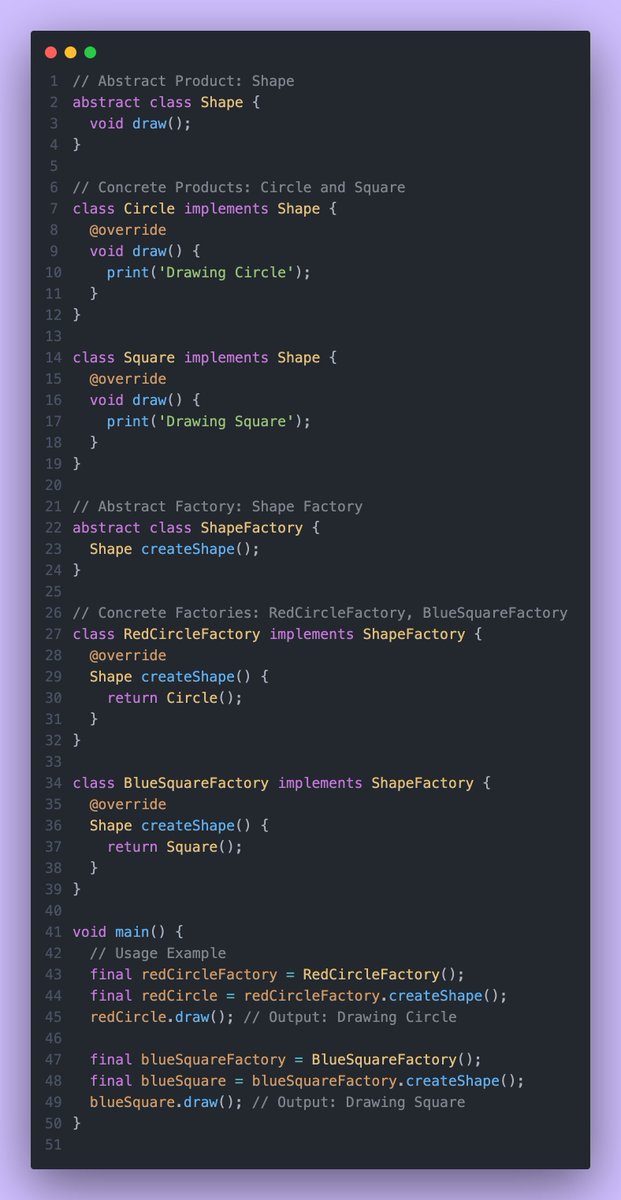
💫 Example
• We have an abstract product "Shape" with a method called "draw".
• Concrete products "Circle" and "Square" implement the "Shape" interface with specific drawing behaviors.
• The abstract factory "ShapeFactory" declares a method "createShape"
...
🧵(8/n)
1
2
29

17 Nov 2023
TOP 12 sites for FREE stock photos 👇👇
Unsplash .com
Pexel .com
Pixabay .com
Freeimages .com
Magdeleine .co
Lifeofpix .com
Picography .co
Stocksnap .io
Freephotos .cc
Pngtree .com
Burst .shopify .com
Duotone .shapefactory .co
2
4
127
