
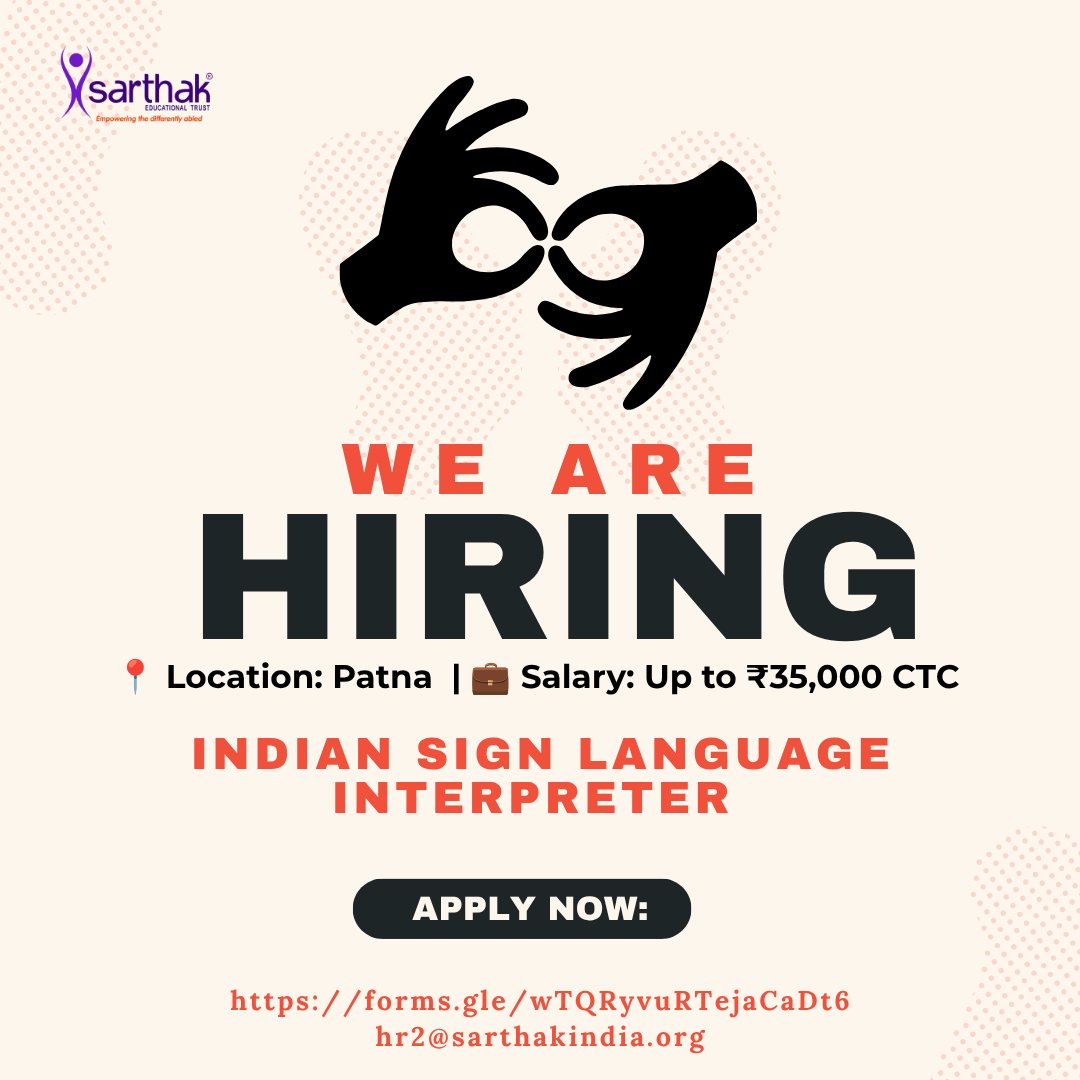
We Are Hiring | Indian Sign Language Interpreter
Requirement : Diploma in Indian Sign Language Interpreter
Location: Patna
Salary: Up to ₹35,000 CTC
📩 Apply Now:
📝 Fill the form: lnkd.in/gCXhWMNc
hr2@sarthakindia.org
0124-4447700
#NGOHiring #SignLanguageInterpreter #ISL
2
3
54
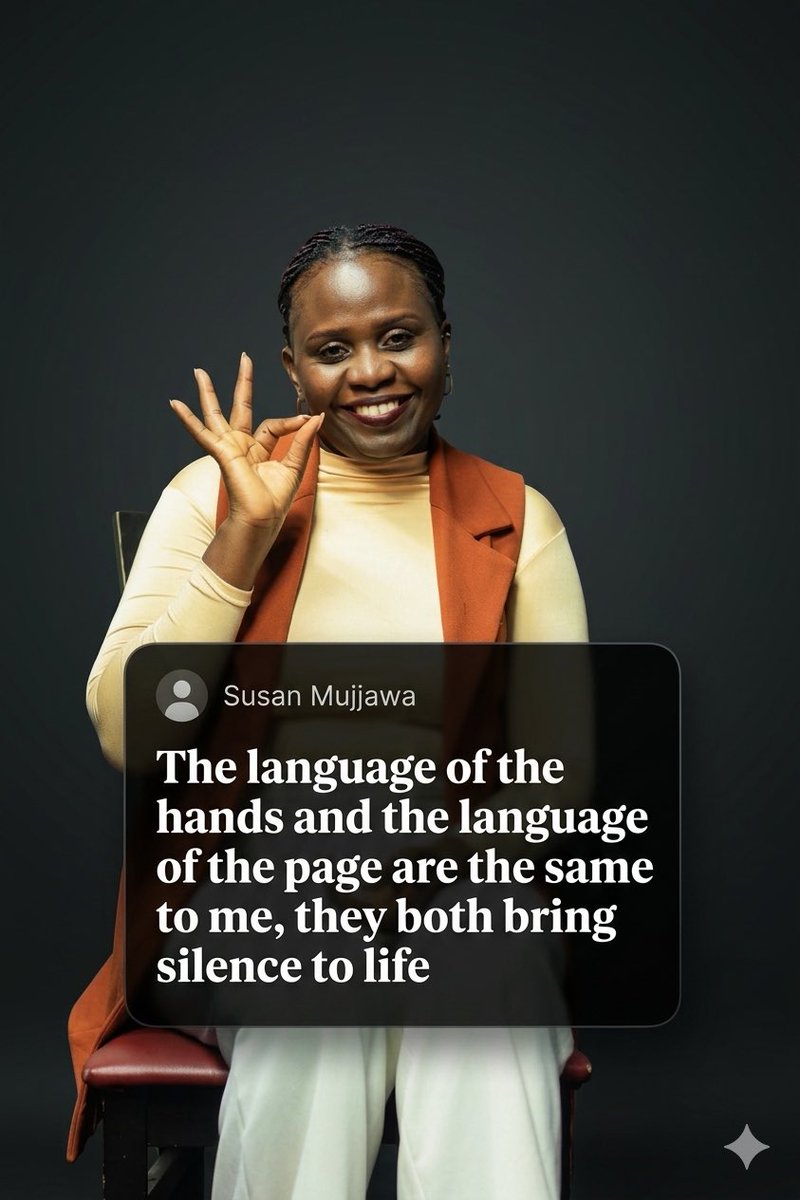
We’re Hiring – Indian Sign Language Interpreter!
Location: Varanasi, Prayagraj
Salary: Up to ₹35,000 CTC
Apply Now:
📝 forms.gle/wTQRyvuRTejaCaDt6
📧 hr2@sarthakindia.org
📞 0124-4447700
@jobinindiaorg
#NGOHiring #SignLanguageInterpreter #ISLInterpreter #JobOpportunity #NGOJobs

4
4
67

Mar 30
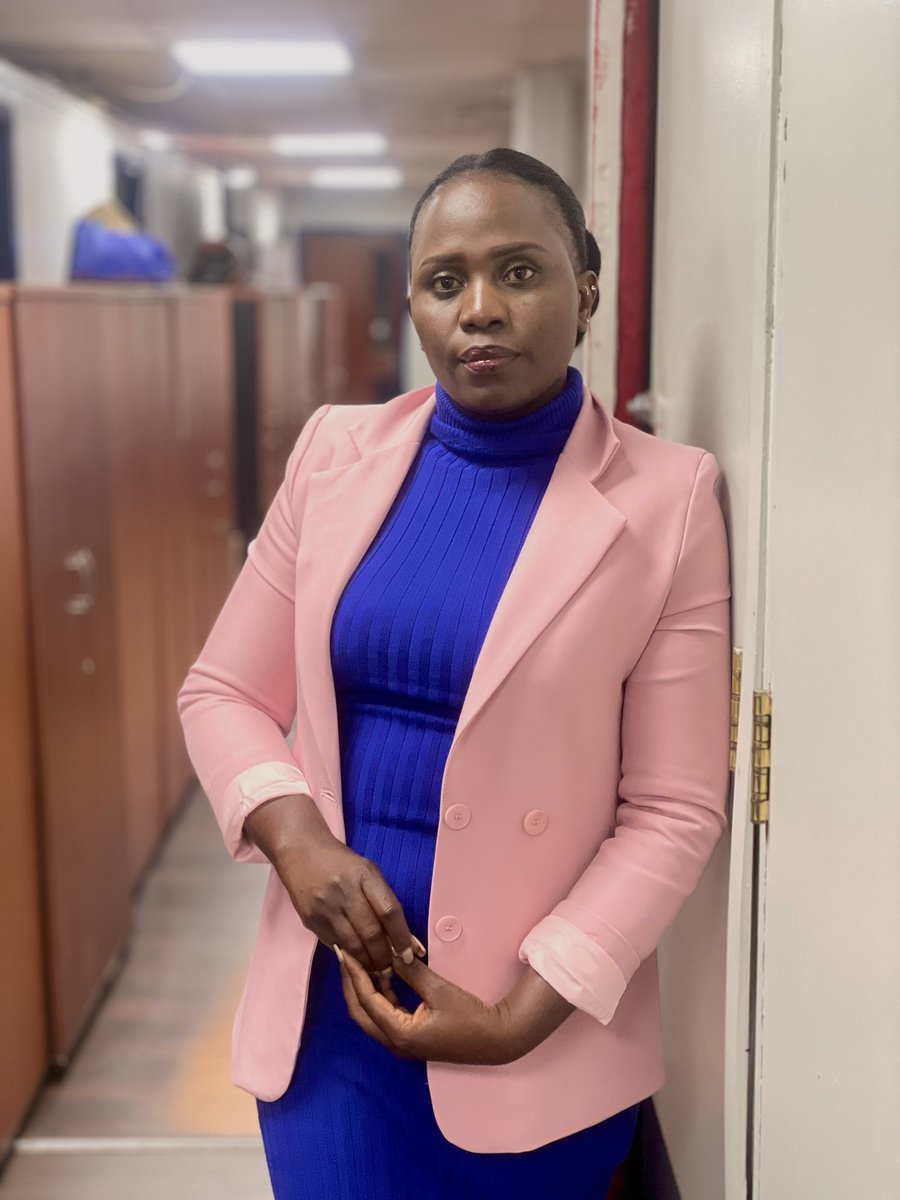
Caught unaware on camera while I wait for the clock ⏰…
Tell us where you are watching #NTVTonight #NTVNews #SignLanguageInterpreter @ntvuganda tonight 👇
1
9
151
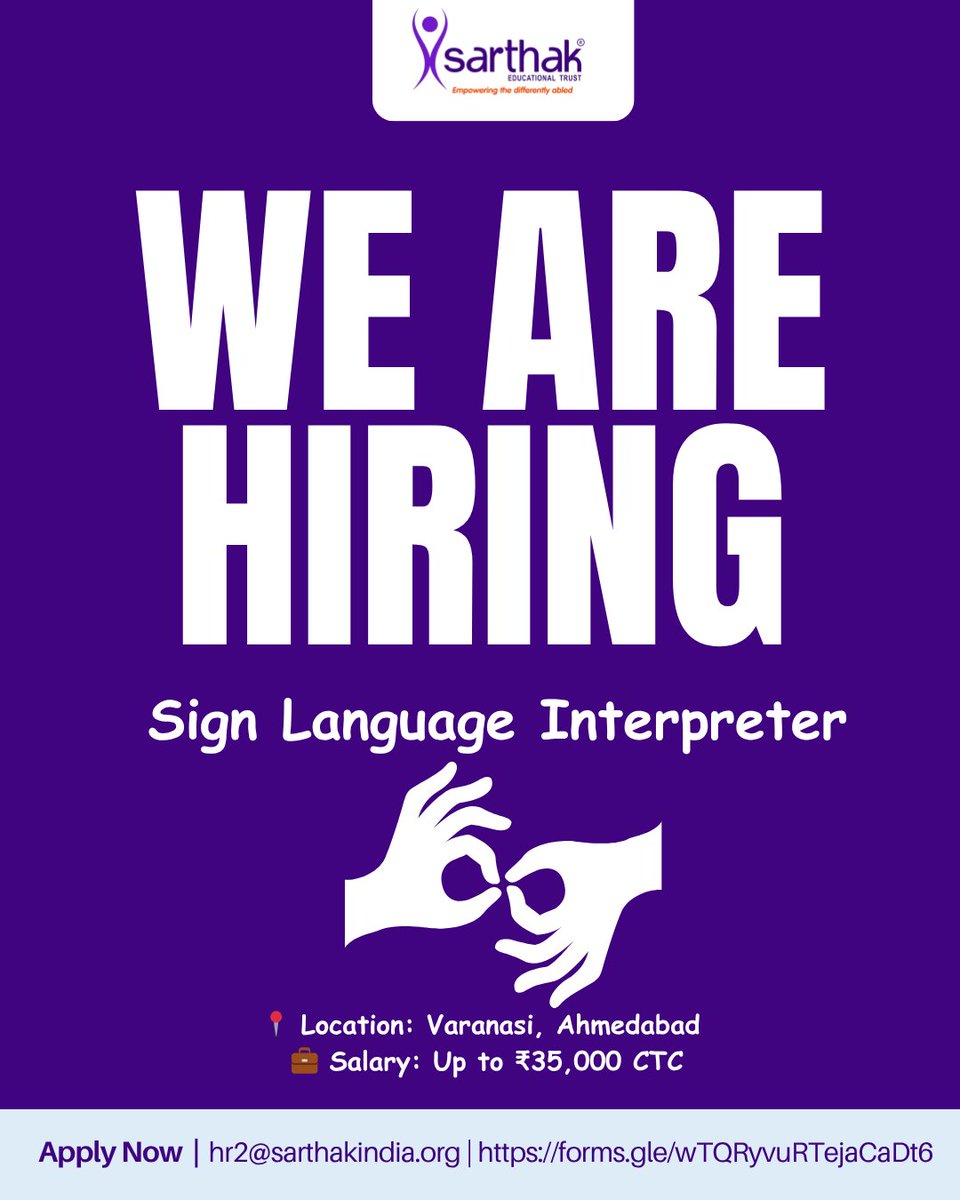
📢 We Are Hiring | Indian Sign Language Interpreter
Requirement : Diploma in Indian Sign Language Interpreter
(Freshers and experienced candidates are both invited to apply)
📍 Location: Varanasi, Ahmedabad
💼 Salary: Up to ₹35,000 CTC
Join Sarthak Educational Trust and support inclusive communication and opportunities for Persons with Disabilities.
📩 Apply Now:
📝 Fill the form: forms.gle/wTQRyvuRTejaCaDt6
📧 hr2@sarthakindia.org
📞 0124-4447700
@myjobsindia
#NGOHiring #SignLanguageInterpreter #ISLInterpreter #JobOpportunity #NGOJobs #SarthakEducationalTrust #DisabilityInclusion #InclusiveCommunication
2
3
32
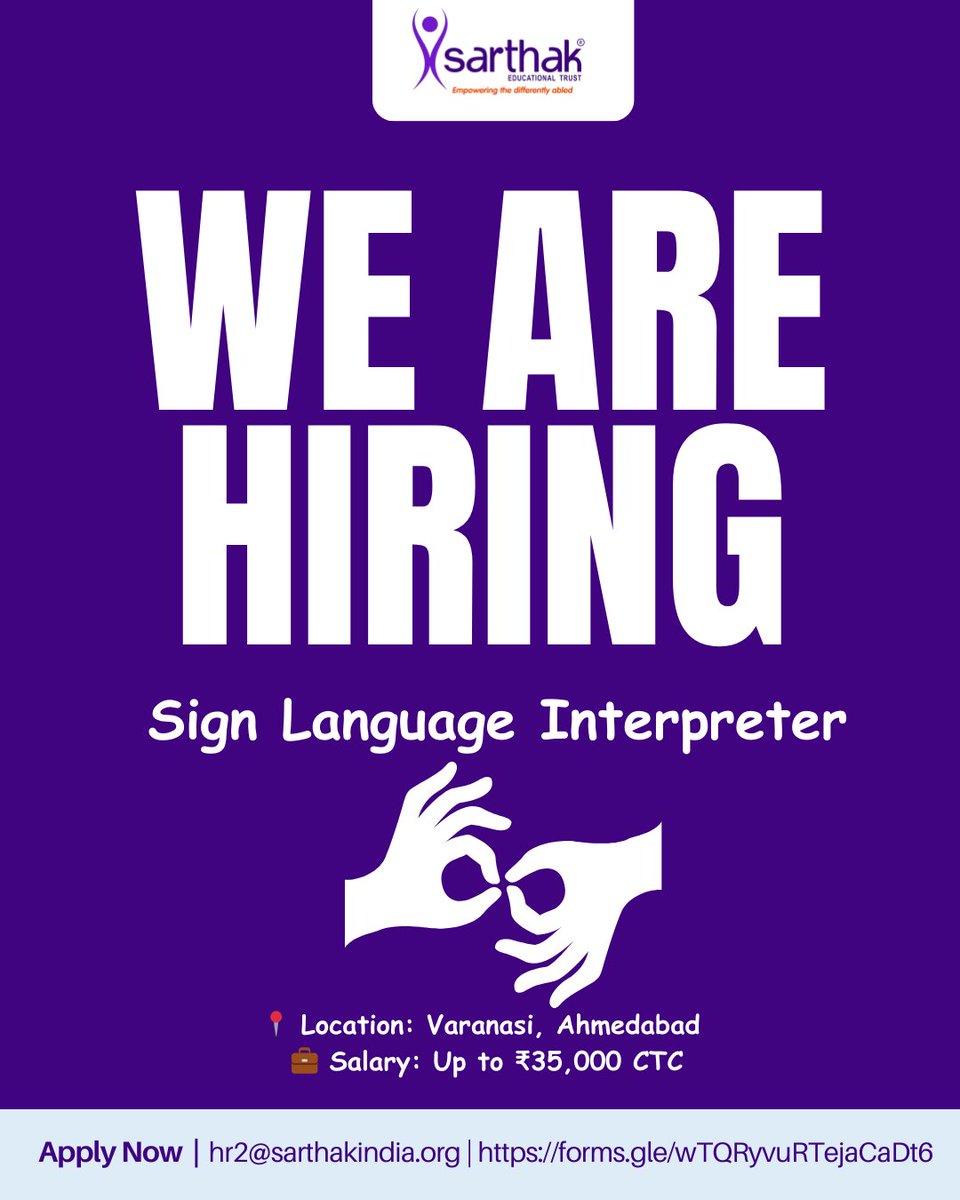
📢 We Are Hiring | Indian Sign Language Interpreter
Requirement : Diploma in Indian Sign Language Interpreter
(Freshers and experienced candidates are both invited to apply)
📍 Location: Varanasi, Ahmedabad
💼 Salary: Up to ₹35,000 CTC
📩 Apply Now:
📝 Fill the form: forms.gle/wTQRyvuRTejaCaDt6
📧 hr2@sarthakindia.org
📞 0124-4447700
@gujaratjob @jobingujarat
#NGOHiring #SignLanguageInterpreter #ISLInterpreter #JobOpportunity #NGOJobs #SarthakEducationalTrust #DisabilityInclusion #InclusiveCommunication
3
3
48

COMMON CHALLENGES FACED BY SIGN LANGUAGE INTERPRETERS
Sign language interpreters play a vital role in facilitating communication between deaf or hard-of-hearing individuals and hearing people, but the profession comes with numerous significant challenges. These stem from the cognitive, physical, emotional, ethical, and systemic demands of the work. Here are some of the most commonly reported challenges based on professional experiences, research, and industry discussions:
1. **Cognitive and Linguistic Demands**
Interpreting requires processing spoken language in real time while simultaneously producing accurate sign language (and vice versa), which is mentally taxing. Challenges include handling fast speech, technical jargon (e.g., in medical, legal, or academic settings), humor/sarcasm/idioms that don't translate directly, regional sign variations, and conveying tone or intent without additions or omissions.
2. **Physical and Mental Fatigue / Burnout**
The intense concentration needed leads to rapid exhaustion, repetitive strain injuries (e.g., from hand/arm movements), eye strain (especially in remote/video settings), and overall burnout. Interpreters often work long or irregular hours without sufficient breaks, contributing to high stress and health issues.
3. **Hearing and Environmental Issues**
Difficulty hearing the speaker due to poor acoustics, background noise, faulty audio equipment, distant speakers, or overlapping talkers can compromise accuracy. In remote interpreting, technical glitches (e.g., unstable internet, poor video quality) add further barriers. #SignLanguageInterpreter
👇👇👇
10
21
32
338
This week on Deaf Awareness, we want to give attention to:
Roles of Sign Language Interpreters
Sign language interpreters play a crucial role in facilitating **effective communication** between deaf or hard-of-hearing individuals (who use sign language) and hearing people (who use spoken language), ensuring equal access to information, interactions, and services.
Core Roles and Responsibilities
🎯 - **Facilitating Accurate Communication**: They interpret spoken language into sign language (expressive interpreting) and sign language into spoken language (receptive interpreting), conveying not just words but also tone, intent, meaning, and cultural nuances without adding, omitting, or summarizing content.
🎯 - **Promoting Accessibility and Inclusion**: Interpreters bridge the gap in various settings to enable full participation, acting as a vital link for equal access to education, healthcare, legal proceedings, employment, social services, and public events.
🎯 - **Cultural Mediation**: They serve as cultural bridges between Deaf and hearing communities, applying knowledge of Deaf culture to support effective cross-cultural understanding.
- **Maintaining Professionalism and Ethics**: Interpreters adhere to codes of conduct, including impartiality, confidentiality, accuracy, and respect for the preferences of Deaf individuals (e.g., using the appropriate sign language variant or mode of communication).
#SignLanguageInterpreter
#SignLanguage
Still to come, Common Settings where Sign Language Interpreters work....✌️🤞
6
22
35
558
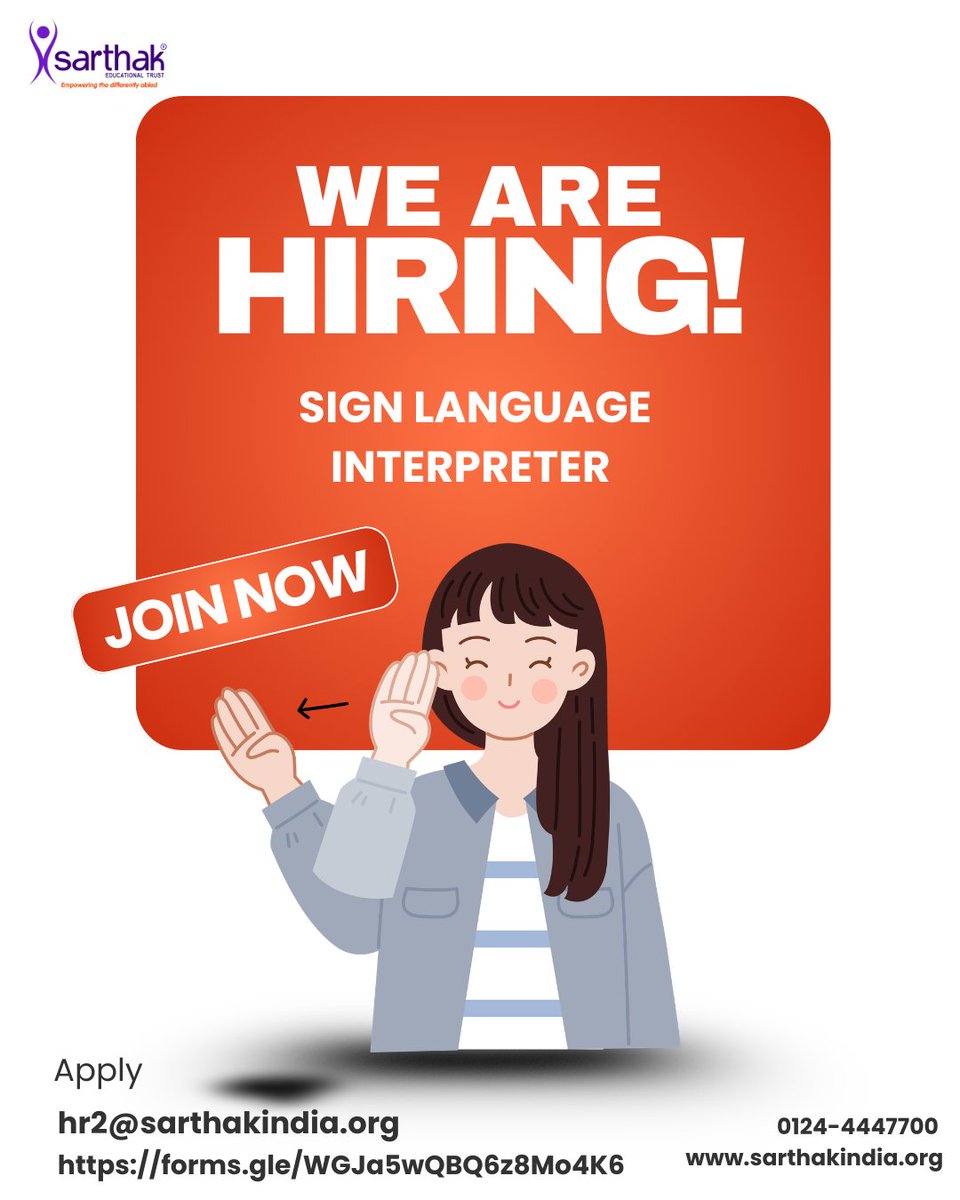
📢 We’re Hiring: 🎯 Role: Indian Sign Language Interpreter
Are you skilled in Indian Sign Language or passionate about building a career as an Interpreter? This is your opportunity to contribute towards accessibility and inclusion for persons with disabilities. Freshers and experienced candidates are both welcome to apply.
Join Sarthak Educational Trust and be part of creating inclusive communication and equal opportunities for all.
📍 Location: Varanasi
💼 Salary: Up to ₹35,000 CTC
💼 Diploma in Indian Sign Language Interpreter
👉 Apply here: forms.gle/WGJa5wQBQ6z8Mo4K6
📧 Email: hr2@sarthakindia.org | 0124-4447700
sarthakindia.org
Share this opportunity and help build a more inclusive world.
#Hiring #SignLanguageInterpreter #ISLInterpreter #VaranasiJobs #InclusionMatters #Accessibility #NGOJobs #SarthakEducationalTrust #NowHiring
3
3
39

12 Dec 2025
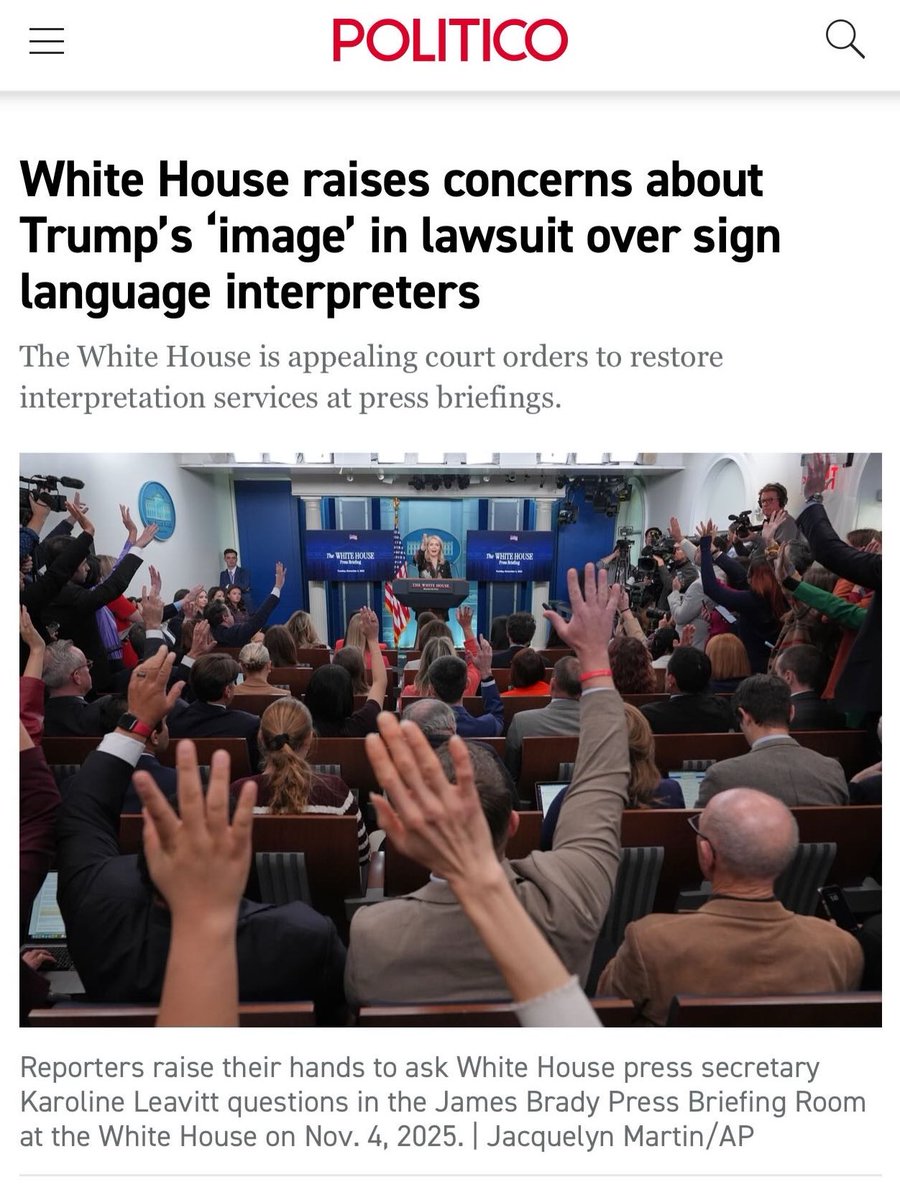
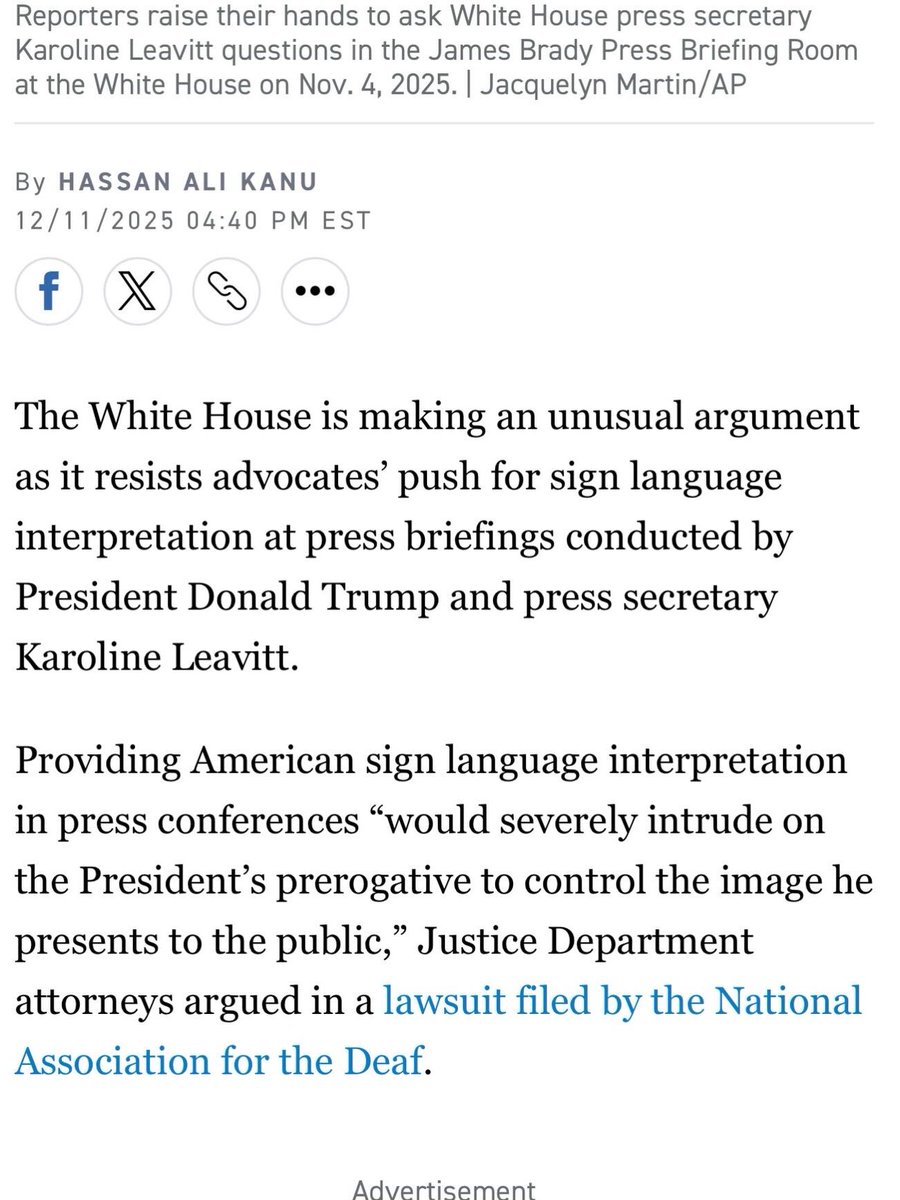
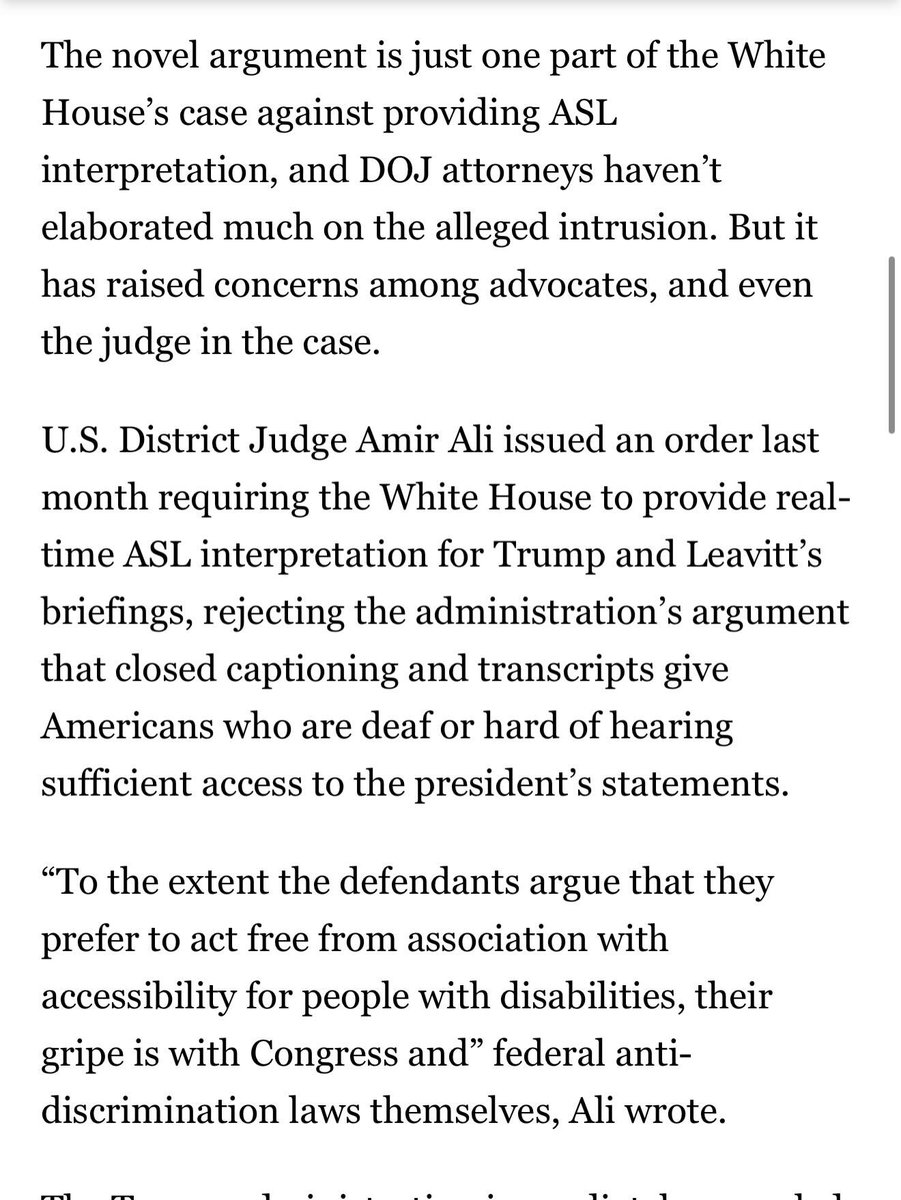
. @karolineleavitt HOW is this happening? Do you know how sign language interpreters work? HOW is access about “image”?? And more importantly, does the President know about this? Because he had NO problem having a sign language interpreter sitting next to him on Celebrity Apprentice, Season 4. #access #ADA #doyourhomework #duh #signlanguageinterpreter
66
492
1,662
30,870

21 Jun 2025
2
111

13 Jun 2025
Learn how to sign “How are you?” and it’s common responses in Ghanaian Sign Language.
Let’s bridge communication gaps and spread understanding!
#signwithdela #ghanaiansignlanguage #signlanguage #signlanguageinterpreter
1
17
28
398
8 May 2025
Ghanaian Sign Language Trivia Part 1 : FINGERSPELLING
Do you know the GhSL alphabets? Can you remember them?
Use this video to test your memory and fingerspelling skills.
#ghanaiansignlanguage #signwithdela #signlanguage #signlanguageinterpreter #ghsltrivia
11
16
215

14 Apr 2025
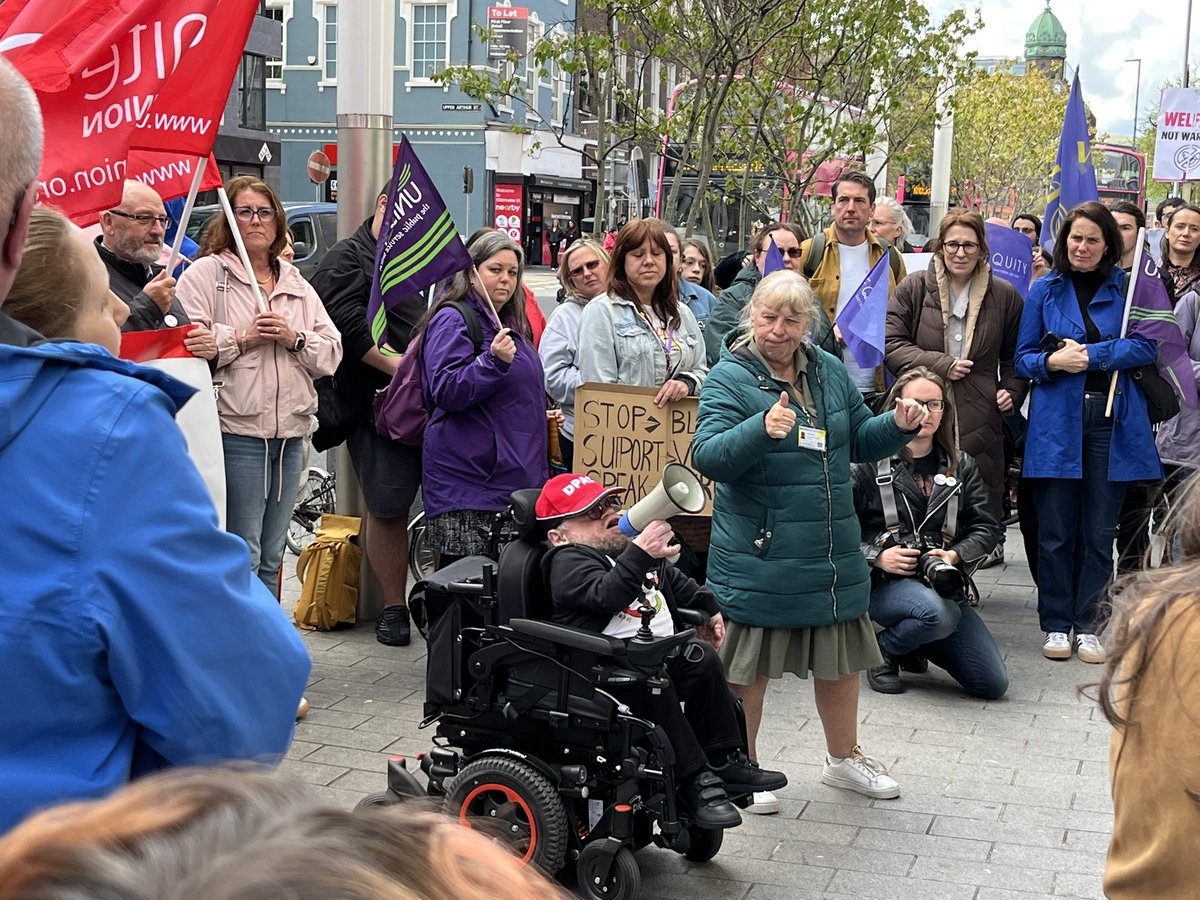
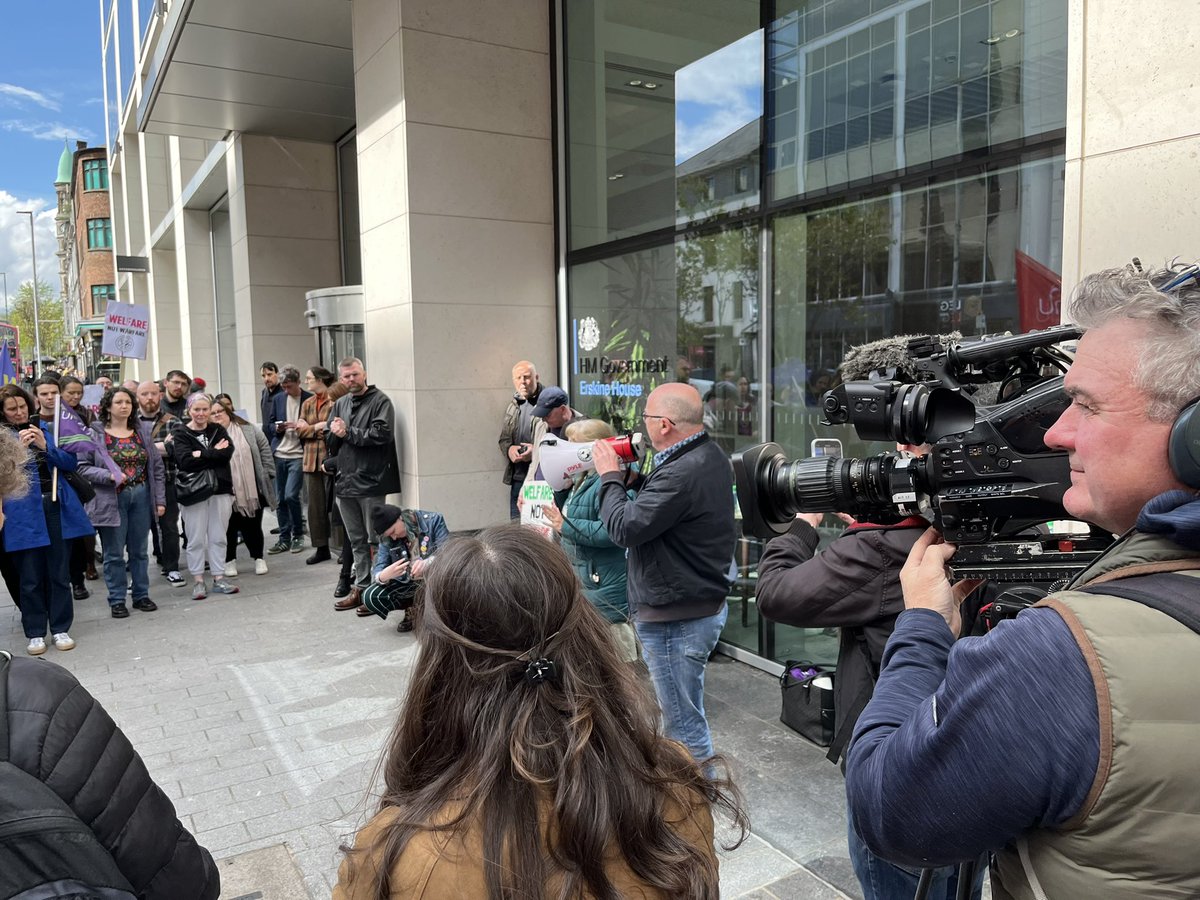
Thank you to @DPACNIreland for organising today's protest against the devastating welfare cuts put forward by @UKLabour. A mixed group of #DisabledPeople & #Allies spoke out. Thanks to the awesome #SignLanguageInterpreter who interpreted all of them.
#WelfareNotWarfare
14 Apr 2025

Pics from the rally outside Erskine House in Belfast today to show our opposition to the welfare cuts from the British government.
📷 🧵
ALT Protestors outside Erskine House
ALT Protestors outside Erskine House
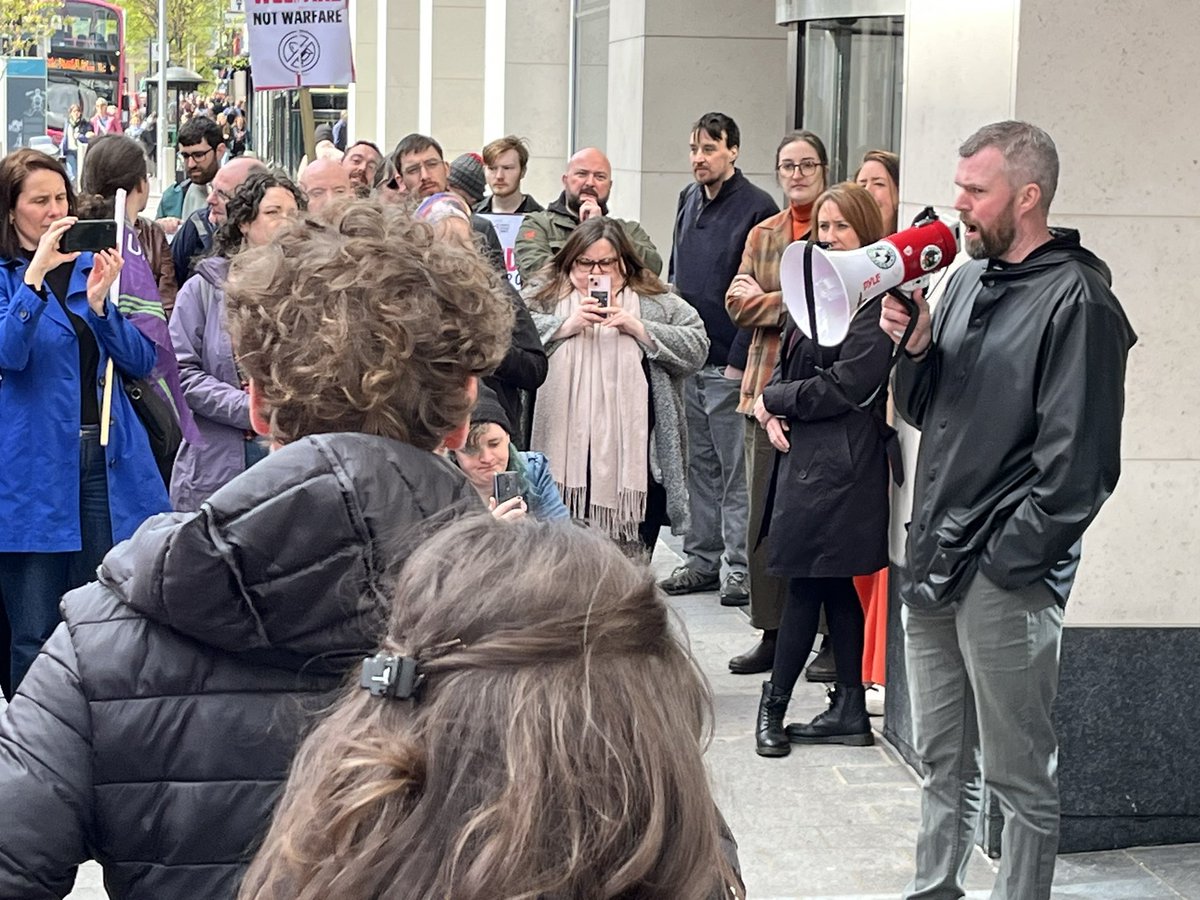
ALT Protestors outside Erskine House
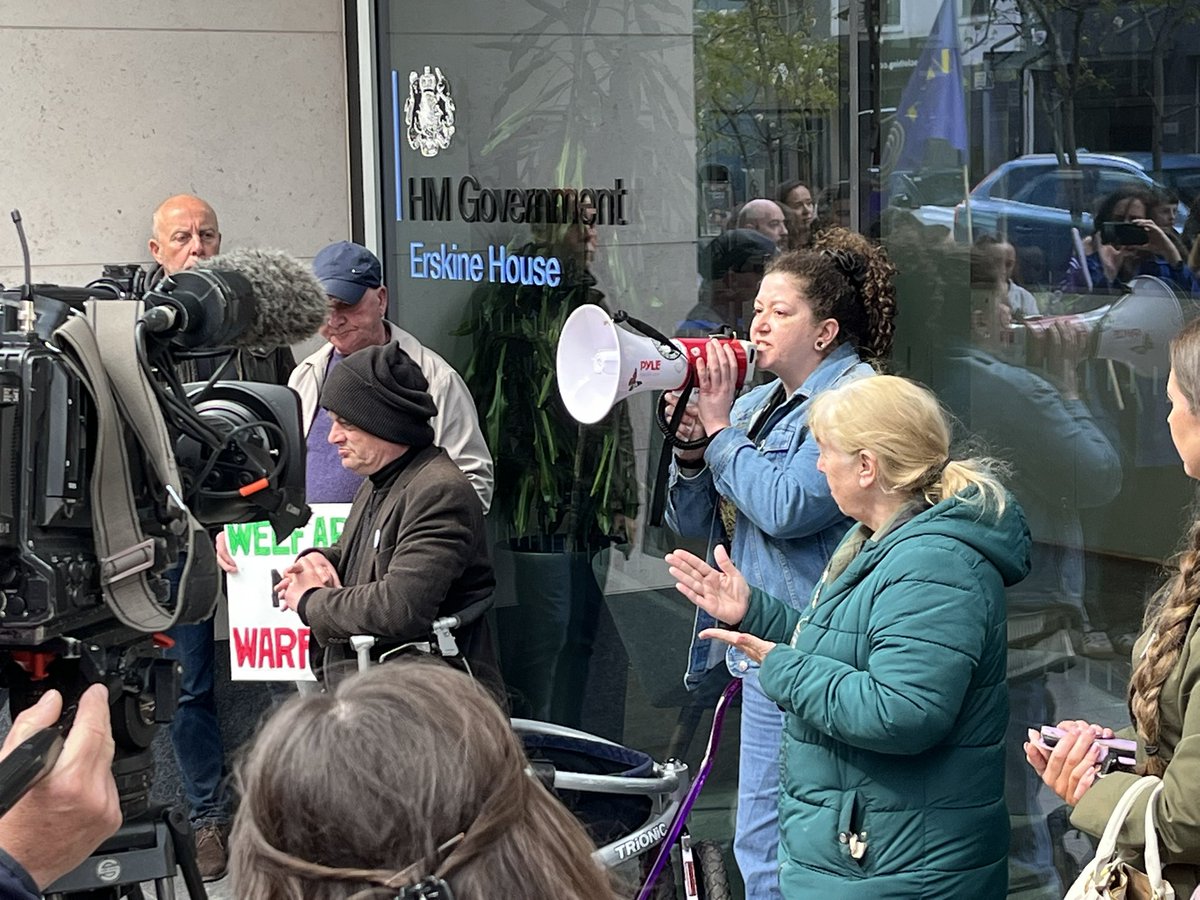
ALT Protestors outside Erskine House
1
3
171
3 Feb 2025
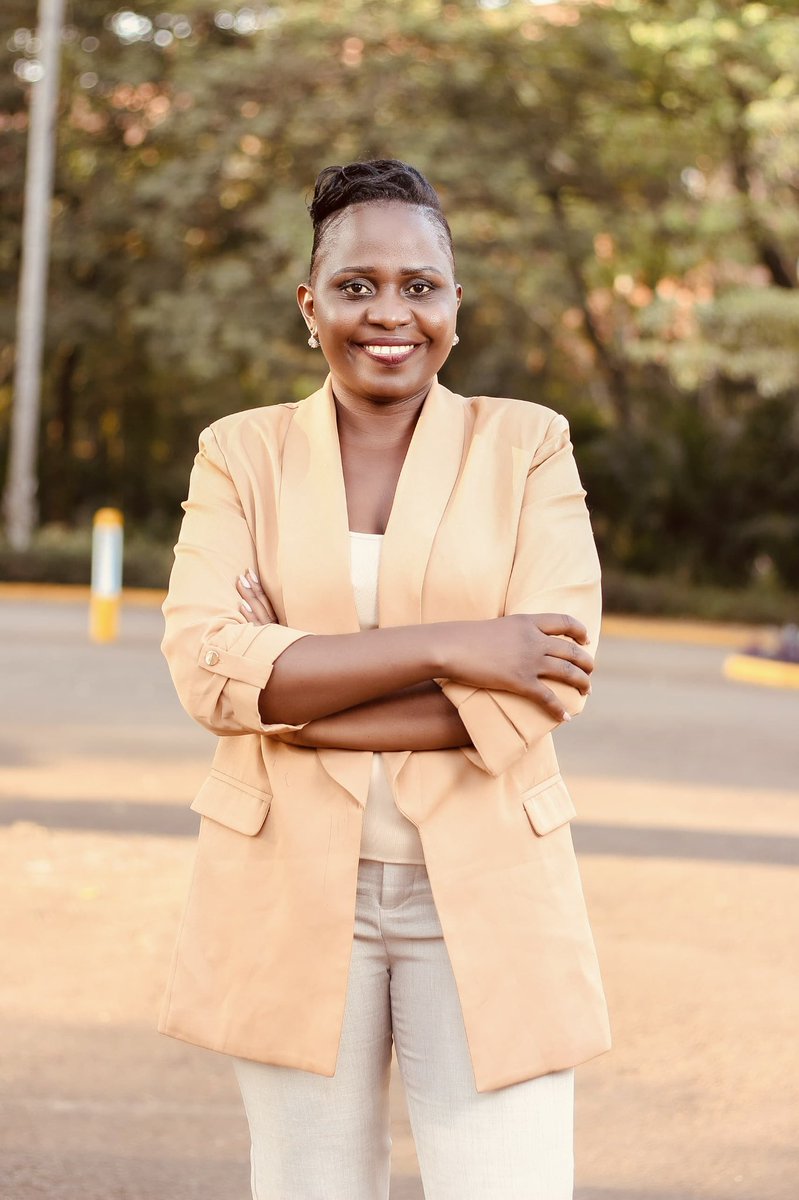
Tonight on @ntvuganda #NTVTonight we bring you stories that made it to our newsroom. #signlanguageinterpreter.
#NTVNews. 9Pm sharp we will be live!
Tune in ntv.co.ug or YouTube live stream.
2
39
29 Jan 2025
Gratitude turns what you have into enough. Be thankful today!
Watch & learn this powerful message in sign language. Subscribe for more inspiration! 👉🏿 youtube.com/@smujjawa30?si=a…
#SignLearn #Gratitude #Thankful #motivationalreels #signlanguageinterpreter.
1
3
64

6 Jan 2025
Episode 24: The 8-Minute Catch Up Show - An Urgent Clarion Call to Action from the Deaf Community
#zimbabwedisabilitypolicy #The4thEstate #noblemawungwa #signlanguageinterpreter
1
37

24 Dec 2024
WASLI Executive Board meeting in London for the past three days. You could watch the video reports of our meeting and daily activities. Enjoy it! 📷📷📷📷📷📷📷📷📷 youtu.be/VOgkPr-4c3o
#wasli #signlanguage #signlanguageinterpreter #signlanguagetranslator #interpretation
1
2
3
268

Never realized how things that seem normal to us don't happen in other countries. #signlanguageinterpreter #deaf #equality #inclusivity
2
2
156

1 Dec 2024
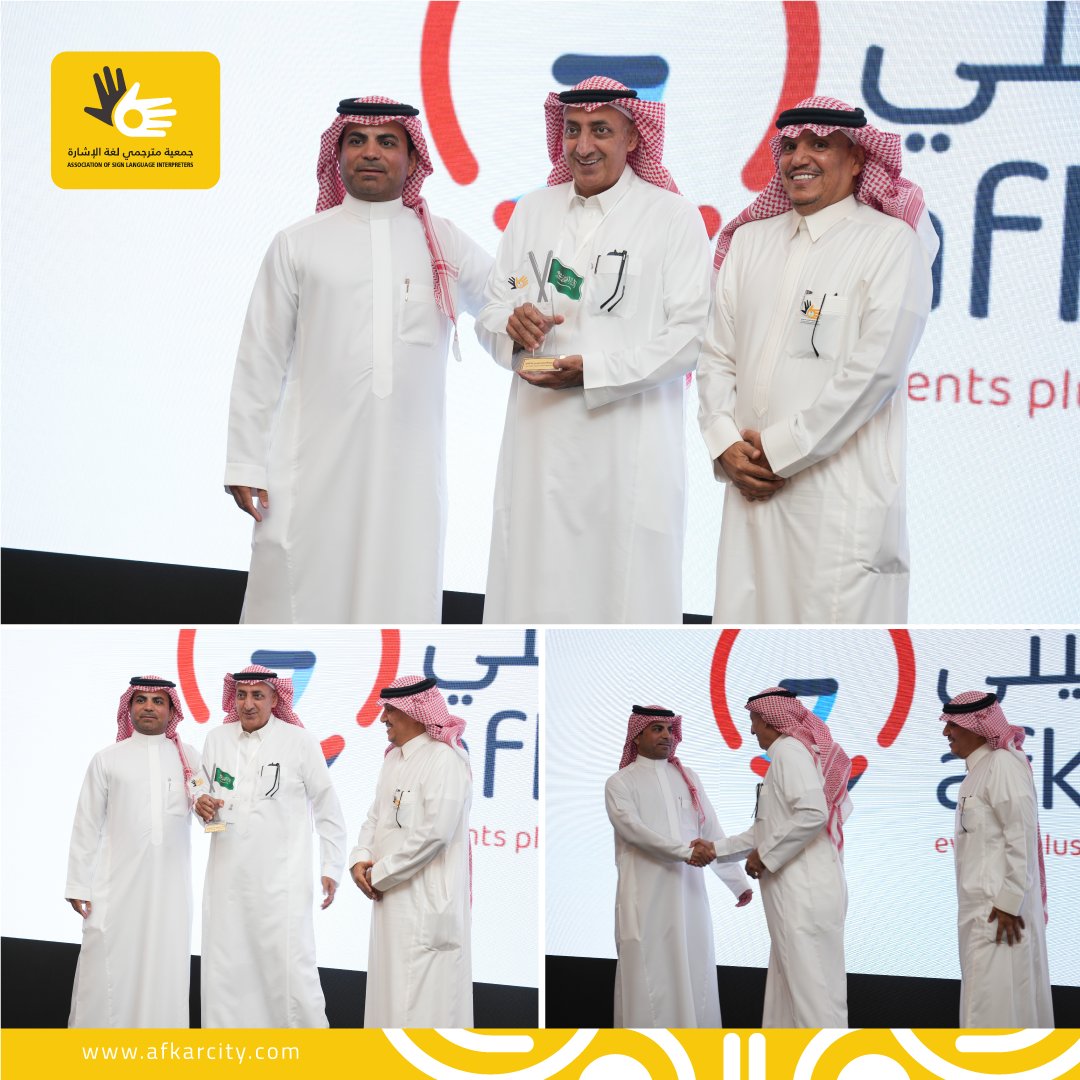
Afkarcity received an award for managing the Saudi Association of Sign Language Interpreters held at at the Crowne Plaza Al Waha Hotel from November 20 to 22
#saudiassociationofsignlanguageinterpreters #signlanguage #signlanguageinterpreter #eventmanagement
1
2
204