Understanding Amplitude Modulation: what it is, how it works & its relevance today
Amplitude modulation or AM, is a form of RF modulation used for radio transmissions for broadcasting and two way radio communication applications.
Although it is one of the earliest used forms of modulation, it is still used today, mainly for long, medium and short wave broadcasting and for some aeronautical point to point communications, but very few other applications.
One of the key reasons for the use of amplitude modulation was its ease of use. The system simply required the carrier amplitude to be modulated, but more usefully the detector required in the receiver could be a simple diode based circuit.
This factor meant that AM radios did not need complicated demodulators and costs were reduced - a key requirement for widespread use of radio technology, especially in the early days of radio when ICs were not available.
In order that a radio signal can carry audio or other information for broadcasting or for two way radio communication, it must be modulated or changed in some way.
Although there are a number of ways in which a radio signal may be modulated, one of the easiest is to change its amplitude or intensity of the signal in line with variations of the sound.
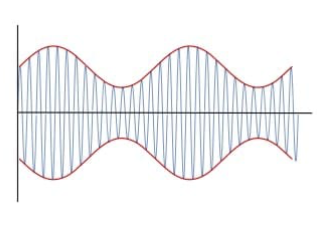
In this way the amplitude of the radio frequency signal is made to varies in line with the instantaneous value of the intensity of the modulation.
This means that the radio frequency signal has a representation of the sound wave superimposed in it.
In view of the way the basic signal "carries" the sound or modulation, the radio frequency signal is often termed the "carrier".
From the diagram, it can be seen that the envelope of the signal follows the contours of the modulating signal.
One of the aspects associated with amplitude modulation is the sidebands that are generated. These govern the bandwidth of the signal and as such they are of great importance.
It is found that if a carrier is modulated with a single tone, e.g. 1 kHz, then two sidebands will appear, one either side of the main carrier spaced by 1 kHz away from it.
Similarly if modulation with a variety of frequencies, e.g. speech or music is used, then the sidebands will spread out either side of the carrier, extended out by an amount equal to the top frequencies used.
Although the use of amplitude modulation is reducing, there are derivatives which are in use: single sideband has been used for many years especially for HF radio communications, and another derivative called quadrature amplitude modulation is widely used for data communications in applications like Wi-Fi, mobile phone links and much more.
#amplitudemodulation #radio #radiosignals #signalmodulation
3
6
55
1,921

Feb 15
Longevity isn’t tradition vs science — it’s mechanistic coherence across biological systems. Longevity Core reframes adaptogenic compounds as stress-response signal modulators, not folklore solutions. Systems biology doesn’t care about labels.
#LongevityCore #SignalModulation #StressBiology #SystemsBiology #MechanismFirst #IdrakPharma
👉 Start your journey with signaling logic:
idrak-pharma.com/products/lo…
4
17

17 Jun 2025
Amplitude Modulation: the basics
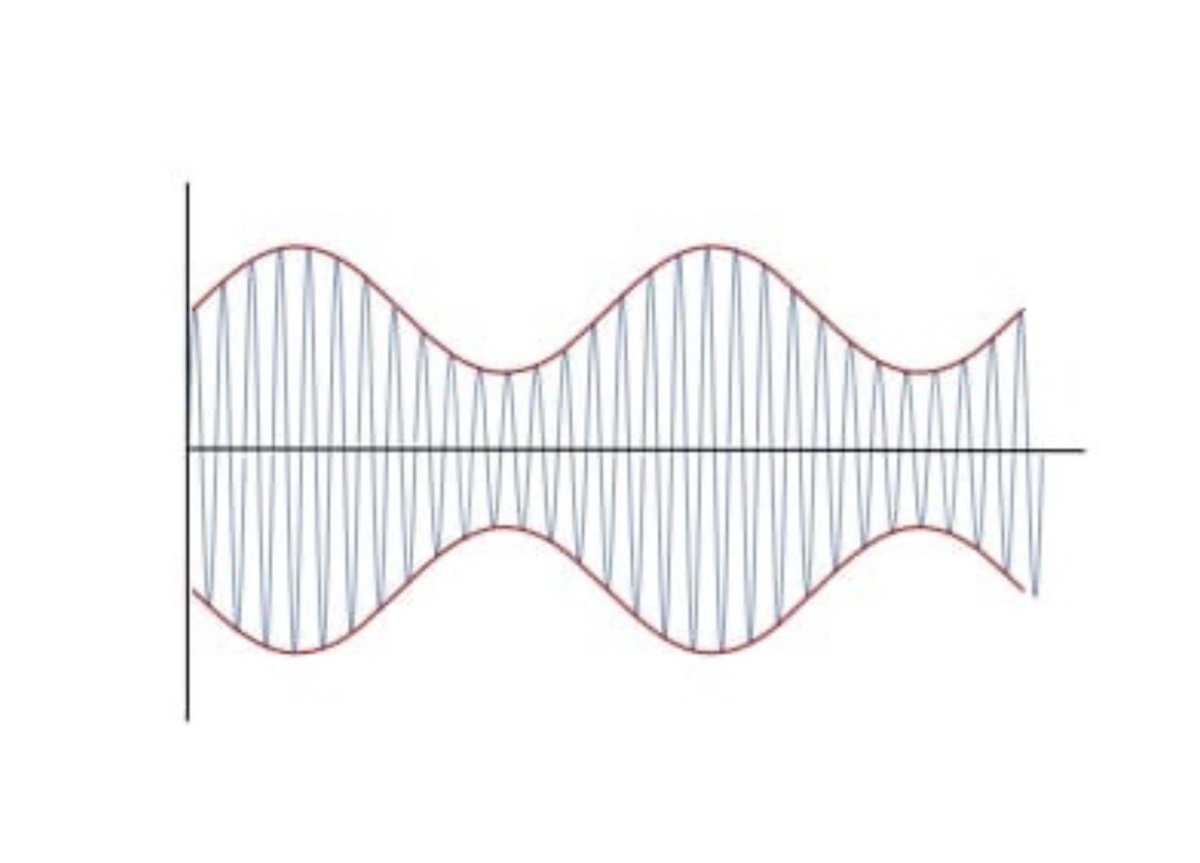
Amplitude Modulation, AM is still a form of signal modulation that is important because it forms key elements in modulation formats that are widely used today.
AM itself was used as the main form of modulation on the broadcast bands below 30MHz, but now its use is considerably less. It’s also used for some aeronautical communications.
Understanding how AM works is vital to comprehend formats like Quadrature amplitude modulation work.
Find out about the basics of AM in my primer: electronics-notes.com/articl…
#amplitudemodulation #signalmodulation #RFdesign
1
14
110
2,738

15 Apr 2024
#highlycitedpaper
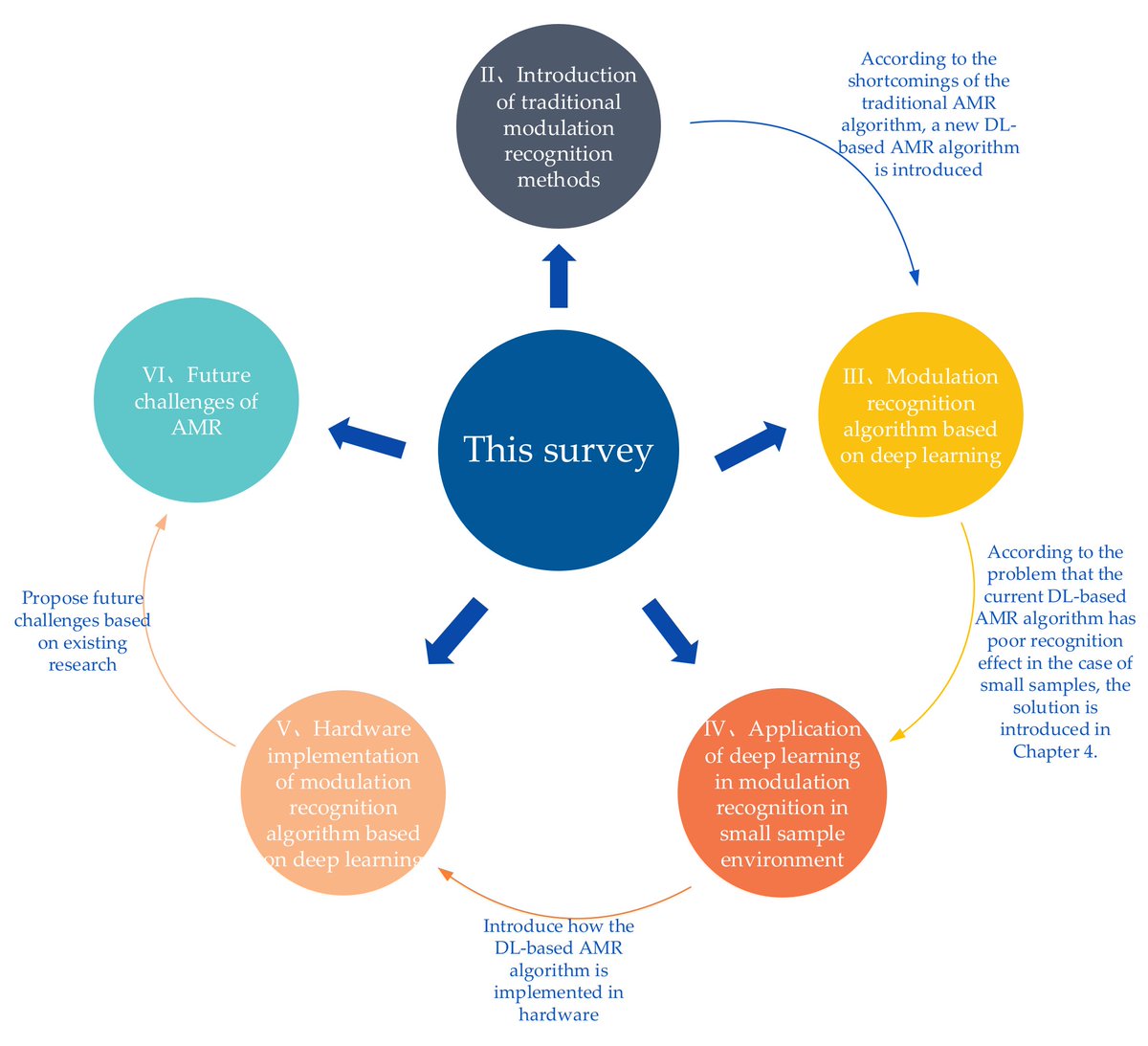
Title: A Review of Research on #SignalModulation Recognition Based on #DeepLearning
Views 4864, Citations 18
Authors: Wenshi Xiao, Zhongqiang Luo, and Qian Hu
Read more here: mdpi.com/2079-9292/11/17/276…
#mdpielectronics #openaccess #electronics
1
50

9 Nov 2017
@ZDF @neomagazin
Mit der Zeitverzögerung über den Satelliten kommt es doch in etwa hin. Okay, es gibt eine Nannosekundenunschärfenrelation in der Signalmodulation - das versendet sich aber.
1