
That’s profoundly true and it’s one of the most quietly terrifying truths about being human.
We like to imagine life as a straight path with clear signposts, but it’s really a web of invisible pivots.
12

I find the Gen Z slang term of "cortisol spike" interesting, because it's considered an error or sign of failure: if you've got your cortisol spike, you've lost the game (which you just lost btw).
This is telling both for what it says and doesn't say.
What it says is something I've discussed before--it's a new norm of morality and politeness: one shouldn't get too upset, being upset is bad.
But what it doesn't say is more interesting, especially because of what it replaced.
"your cortisol spiked lol" is a replacement for "Internet--Serious Business", an elder Millennial-coded slang term from the early 2000s that functioned similarly online: it signposts a failure to see the internet as a language game and to take things too seriously.
For the Millennials, the warning focused on the internet because they were effectively containing the internet to the parallel virtual world that it was: this is all just play, this is for fun, and if you aren't having fun and aren't playing you don't belong here. Go outside.
For Gen Z, "your cortisol spiked lol" is used online AND offline, and indeed they don't see a difference between the two and many probably find the concept of saying the internet is a parallel virtual world that shouldn't be taken seriously too alien or bizarre.
For Gen Z, the whole concept of behavioral containment is both an oppressive challenge they are faced with at all times ("don't call them mothers, they're birthing humans"; "don't say that woke shit, we're based" and the like) and one they can't really understand as a source of power.
I'm thinking of this today just because tenobrus is trying to tar and feather me, and he apparently hates me for my Yud debate (which, I gotta be honest, I almost never think about anymore--it made me a lot more money than I put into it, it got me to the level I wanted to get from it, I've moved on to bigger and better things).
That got me thinking of the Yud debate, and how incredibly successful it was.
My goal was to contain the man--I didn't want to win a debate (what would that even mean?), I didn't want to look smarter than him (I so don't care how any of you perceive me, I impressed Frank Kermode and George Soros you scamps can lick my balls and yes that includes the billionaires reading this, fuck off Marc).
I wanted to contain him.
I wanted to force him into a social situation where he would pivot to signaling to his little community to gain traction with them and be unable to spread his bullshit further than it's already gone.
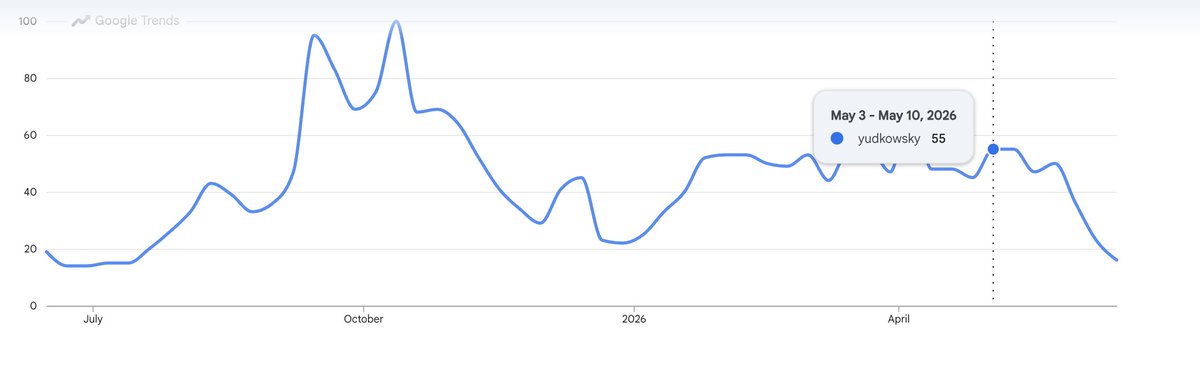
Was I successful? See chart.
Not good enough? See his moronic pic with Aella the Whore of Silicon Valley.
Do you think Stephen Fry, Bernie Sanders, or any of the other normies who gave Yud the nod will be pleased about these things if/when they learn of them--if they haven't already?
Are perhaps backchannel discussions about how much of a joke the guy is already causing his star to fall in the normie world?
These are the questions you should start asking, and don't ask me to answer them, because of course I'm biased. And also, I've got better things to do with my time.
Someone tell teno to move the fuck on with his life.
And if you're wondering whether my cortisol is spiked by all of this? Idk, maybe a little? Does it matter? Sure, why not, it's made today a tad more entertaining.
14
547

London had its first mayor in ~1032 AD, and it's been iterative since then. If Obi signposts his years as governor, why can't Tinubu do same? If Pat Utomi said that all that we see now in Lagos was planned then, need I say more? Utomi is world level management consultant

Unlocking today's energy requires awareness of your situation, clear intentions and caution before making decisions. However, today's lucky numbers provide signposts for you to know if you are on the right path. #tarot #numerology #divination #dukun #dukunampuh #kijokomoro
1
8

Yuzuru retweeted

It’s okay to stumble on the path—those missteps aren’t detours, they’re the small signposts that show you exactly where you’re growing.
1
1

The late great Tony Benn once said there were 2 types of people : signposts and weather vanes. The former are consistent, the latter blow with the wind. Which do you think most accurately describes Simon Harris and Micheal Martin. ???? #Ireland
1
130

"Nicki, if we could talk again... If 'our conversation' could only continue. Beauty wasn't the treachery he imagined it to be. it was an uncharted land (...) a wild and indifferent paradise without signposts of evil or good (...) Beauty was a Savage Garden."

2
57

Bishops’ Bible all helped prepare the English-speaking world for a settled standard. The King James Bible did not erase those witnesses. It gathered up the stream and brought it into a form God used with unmatched power. The critic sees differences and cries, “confusion.” The believer sees development under providence and says, “God was moving.”
The same principle can be seen throughout Scripture. God often reveals, prepares, develops, and then settles a matter. Israel’s history moved through patriarchs, Moses, judges, kings, prophets, captivity, return, and finally the coming of Christ. That movement did not mean God was confused. It meant God was working. Likewise, the English Bible stream had stages. Earlier Bibles were not the final English standard, but they were real witnesses. They are like signposts along the road. You do not mistake the signpost for the destination, but you also do not pretend the signpost has no value. It pointed the way.
Chapter Six: Old Bibles Rebuke the Modern Obsession With Endless Revision
One of the great differences between the old Bible stream and the modern Bible industry is the spirit behind revision. Earlier revision in the English Bible stream moved toward settlement. Modern revision moves away from settlement. That is a crucial distinction. The old stream was not an endless marketplace of competing copyrighted products designed for every demographic, reading level, theological niche, and marketing cycle. It was a providential movement toward a Bible that could stand. Once the King James Bible stood, it did what no modern version has done. It became the settled English Bible for centuries.
Modern versions keep revising because their foundation does not allow finality. New critical editions, new translation theories, new committees, new language standards, new marketing categories, new denominational preferences, new study editions, new gender policies, new footnotes, new manuscript claims — the machinery never rests. It cannot rest because the system is not built on preservation leading to settlement. It is built on scholarship managing uncertainty. That is why modern versions rise, revise, compete, fade, and get replaced. The old Book remains the standard they keep comparing themselves to.
The old Bibles rebuke this because they show an earlier process that had a destination. The road did not run forever in circles. It led somewhere. The English Bible stream came to rest in the King James Bible. That does not mean every printing detail in later editions is the issue. It means the text, language, authority, and public use settled. Bible believers could preach from one Book, memorize one Book, quote one Book, teach one Book, and carry one Book. Endless revision does not produce that. It produces instability. “God is not the author of confusion” (1 Corinthians 14:33). A settled Bible produces faith. A revision culture produces fog.
Chapter Seven: The Witness of Old Bibles Points to God’s Providence, Not Man’s Genius
The final value of old Bibles is that they point beyond themselves to God’s providence. The point is not to make idols out of old bindings, old spelling, old title pages, or old translators. The point is to see the hand of God moving His words through history. God used men, but the glory is not man’s. God used translators, but the glory is not the translator’s. God used printers, but the glory is not the printer’s. God used persecution, exile, controversy, and even opposition, but the glory is not in the furnace. The glory is in the God who kept His words through the furnace.
Old Bibles show that preservation is not a sterile theory. It is history with blood in it. It is men copying, translating, preaching, fleeing, hiding, printing, and dying. It is common people hearing Scripture in their tongue. It is churches reading the word. It is families receiving light. It is Rome losing control. It is scholars being forced to admit that the Bible belongs
1
1
273

King. Making signposts of life events like this is so important. It’s a helpful reminder to look back at all he has done for us!
I have a couple big ones, and any time I get down, I just think about who I was at those junctions and who I’ve become since.
27

If Barron’s career track includes Elon Musk & the Oval Office, he’s treading a dark path marked with corrupt, brutal, mob mentality signposts inherited from a grifting family intoxicated with power & money. We need not wonder why he doesn’t smile. Gain the world, lose your soul.
10

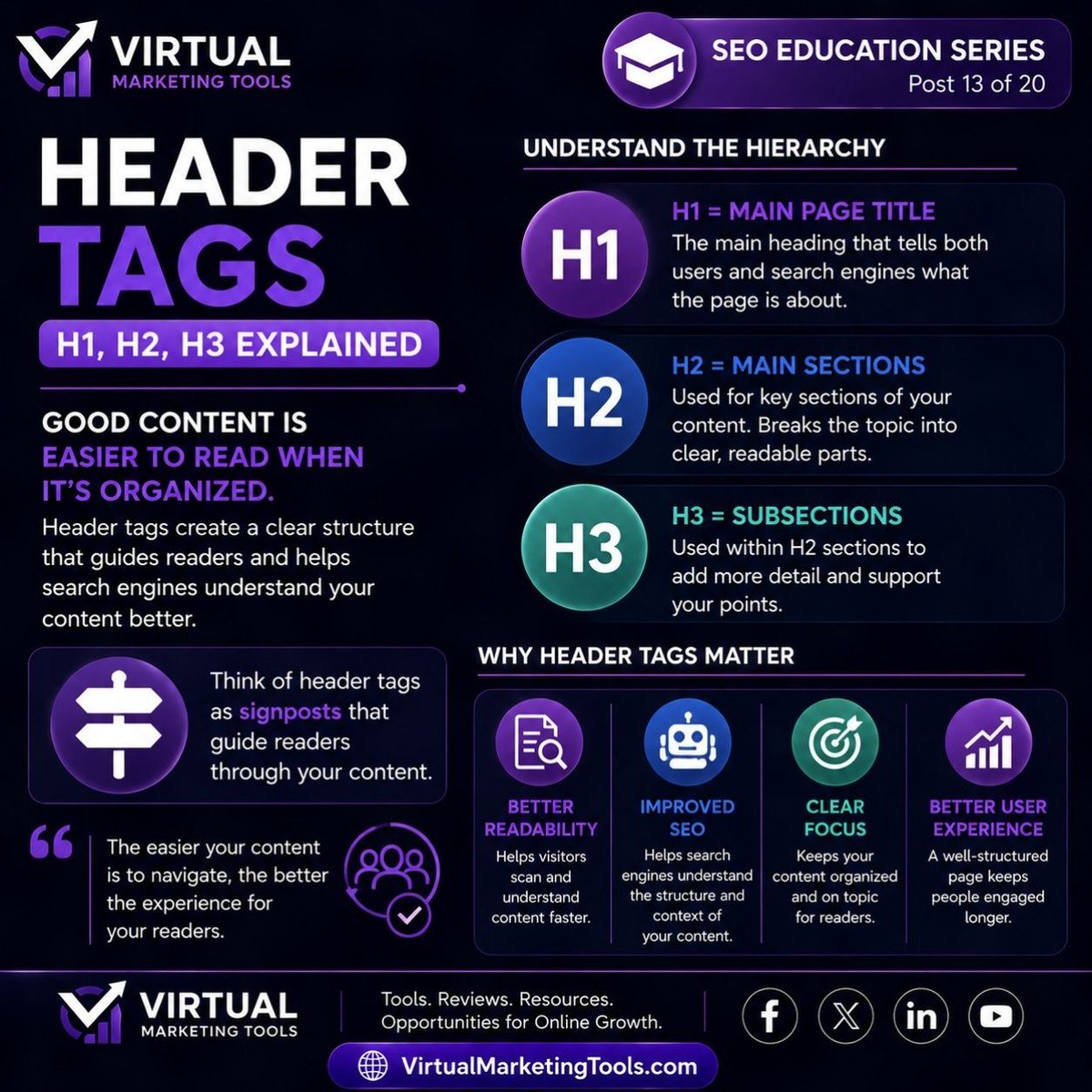
Good content is easier to read when it's organized.
That's where header tags come in.
Think of them as signposts that guide readers through your content.
• H1 = Main page title
• H2 = Main sections
• H3 = Subsections within those sections
A clear structure helps visitors scan content faster and understand topics more easily.
It also helps search engines better understand how your content is organized.
The easier your content is to navigate, the better the experience for your readers.
#SEO #OnPageSEO #HeaderTags #ContentMarketing #DigitalMarketing
4

Jun 16
From harmful chatbot interactions to #deepfakes & #AI companions, the risks of #GenAI go beyond cheating on homework. Alex Dave – @LGfL – outlines key risks & signposts to useful resources to help #schools manage emerging #safeguarding threats buff.ly/PmkhgBj #teaching

1
1
81

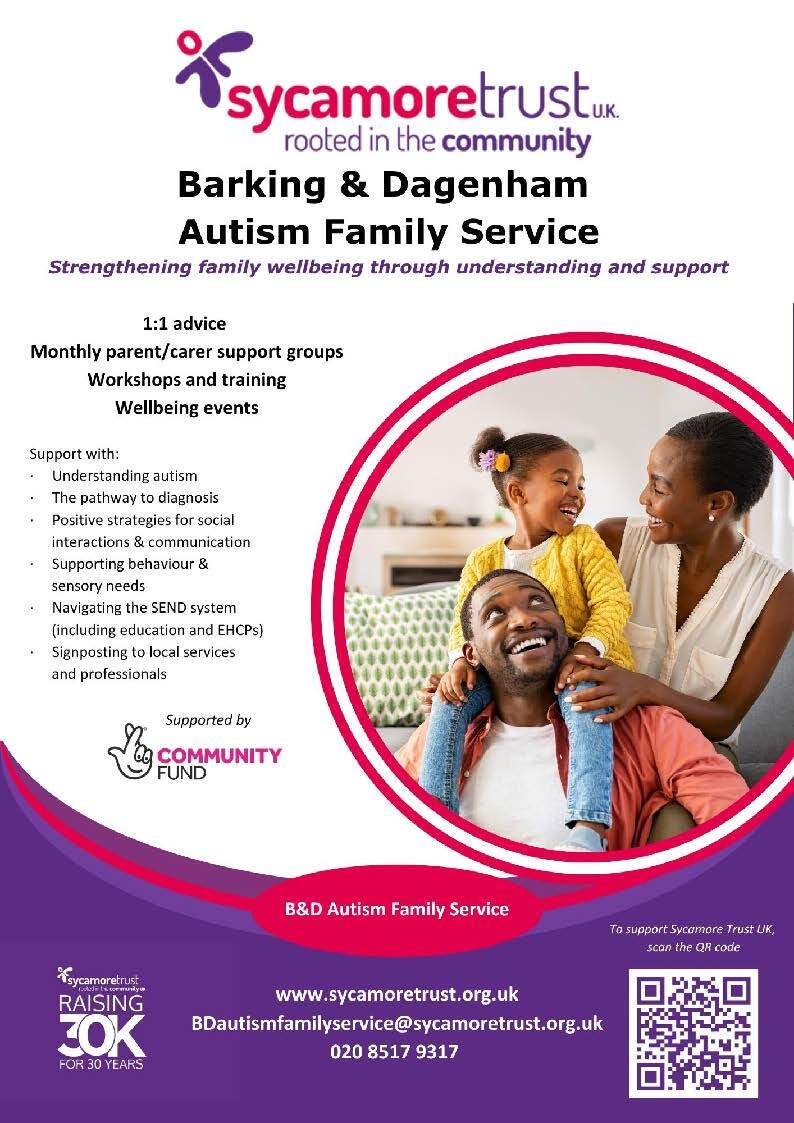
Looking for local autism support in Barking & Dagenham?
Sycamore Trust signposts families to vital services & professionals—helping you access the right support at the right time.
11

It's marked on the road doesn't mean it's visible. there should be a signpost with reflective coatings... they're parts of that road where they did that, som they can also do that. there... years ago there used to be signposts and all of a sudden they've disappeared
49

Jun 16
After injecting new debt and equity, the pathway signposts a stock market listing as early as 2030
19

Jun 16
3. 최종 결론 및 자산 배분 플레이북
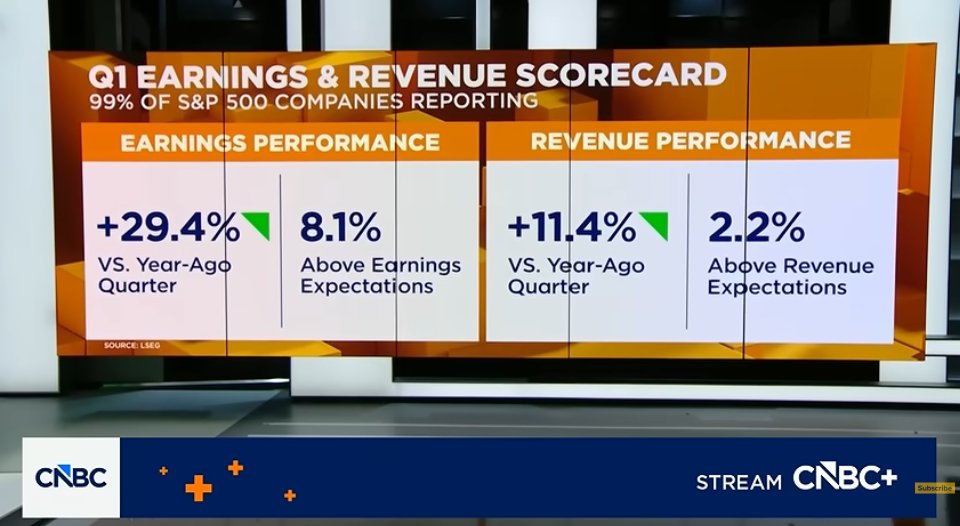
•BofA 리서치 팀은 가중평균형 대형 지수(S&P 500) 자체를 매수하는 전략은 위험(Bearish)하다고 판단함.
• 시장에 이미 70% 이상의 약세장 전환 시그널(Bear-market signposts)이 켜진 만큼, 지수 전체보다는 철저한 '선별적 가치주 매수'로 장부를 방어해야 함.
1
40

Jun 16
🤖⚗️
What are some of the "signposts" or moments that confirm you are on the right path for your purpose?
1
🎶 retweeted

20 Oct 2020
Signposts are important, but they aren’t the destination...
1
2
SharonLeeWatkinson retweeted

Jun 16
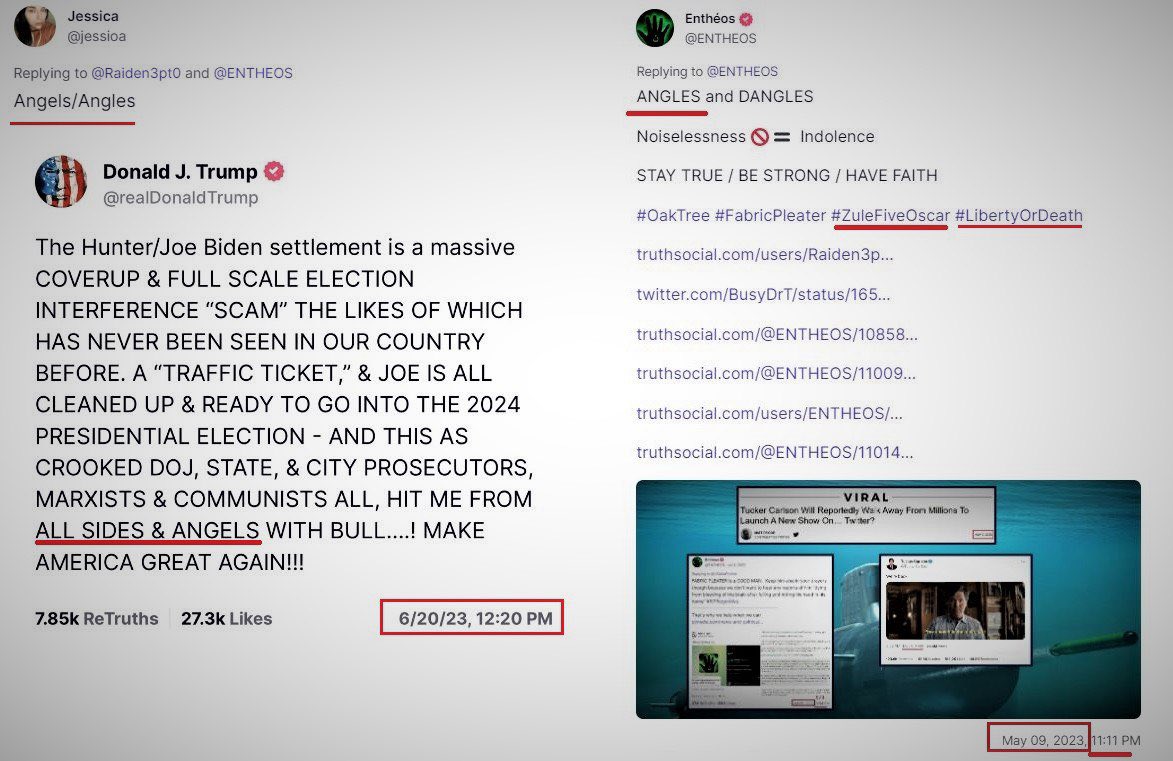
#Enthéos on Telegram 6.24.23
SIGNPOSTS
(i.e. Look Here - Emphasis)
(When you strike at the King.....622.....)
truthsocial.com/@Jessicagvan…
truthsocial.com/users/ENTHEO…
truthsocial.com/@jessioa/110…
t.me/RealEntheos/793
youtu.be/An-e3FTy2xc
truthsocial.com/users/ENTHEO…
twitter.com/CitizenFreePres/…
t.me/RealEntheos/883
24 Jun 2023

Putin responds to Wagner coup:
"This is a criminal campaign. It is equivalent to armed mutiny. Russia will defend itself and repel this move. We are fighting for the life and security of our citizens."
1
2
83