

📢 Last Week to Benefit from 50% Off at BB-SimTech Academy
Our limited-time 50% discount campaign is now in its final week.
⏳ Campaign ends soon.
🔑 Coupon Code: BBACADEMY
🌐 Enroll now: academy.bbsimtech.com
#EngineeringEducation #NavalArchitecture #CFD #OpenFOAM

11
📢 We are pleased to announce the launch of our official BB-Simtech Academy WhatsApp Channel.
🎓 Training announcements
📌 Academy updates
🗓️ Upcoming events
ℹ️ Important information
🔗 Join here:
whatsapp.com/channel/0029VbC…
Stay informed. Stay connected.
#BBSimtechAcademy

1
5
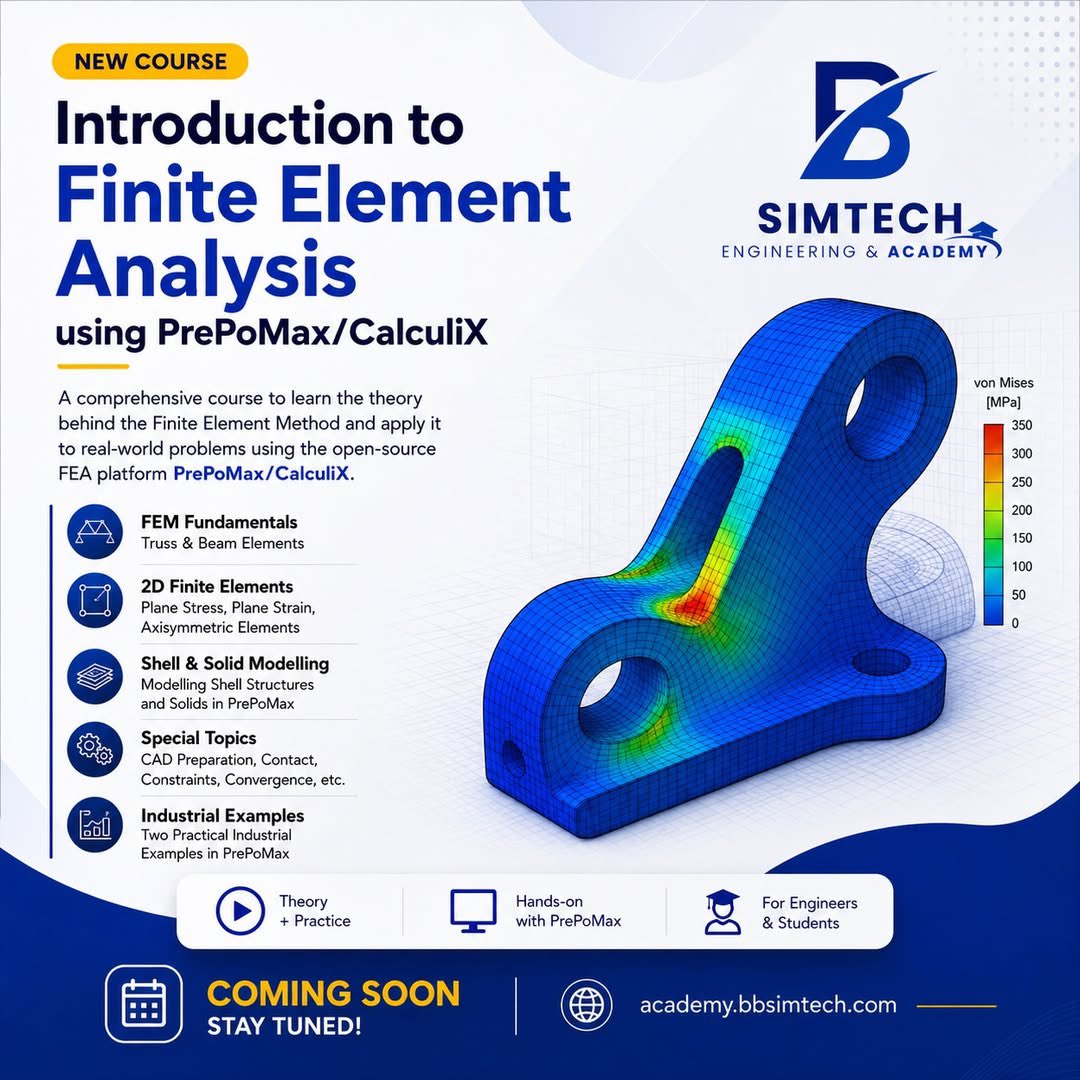
🚀 A new course is coming soon at BB-SIMTECH Academy!
We are excited to announce our upcoming 3rd course: Introduction to Finite Element Analysis using PrePoMax/CalculiX.
📌 Stay tuned for registration and release details!
#FiniteElementAnalysis #FEA #PrePoMax #CalculiX
14

Jun 9
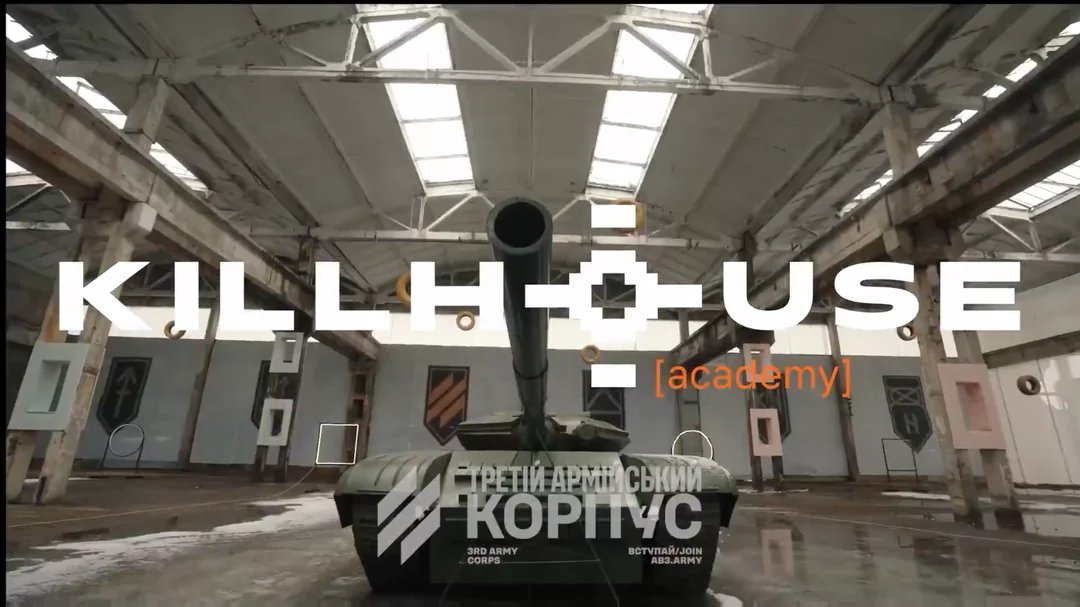
Inside Ukraine's real "Killhouse" drone academy
1/
SIMTECH SOLUTIONS, developers of Ukrainian Fight Drone Simulator (UFDS), have recreated the same training ground inside their sim.
2
11
1,451

Apr 30
A new Simtech TS 300P set off in the Derbyshire area drilling barley 🌱
20 rows set at 15cm row width with the use of the 30mm spring tine and front trash cutting disc
placing the seed perfectly at an even depth.
#Simtech #DirectDrill #Barley
2
9
1,485
Apr 28
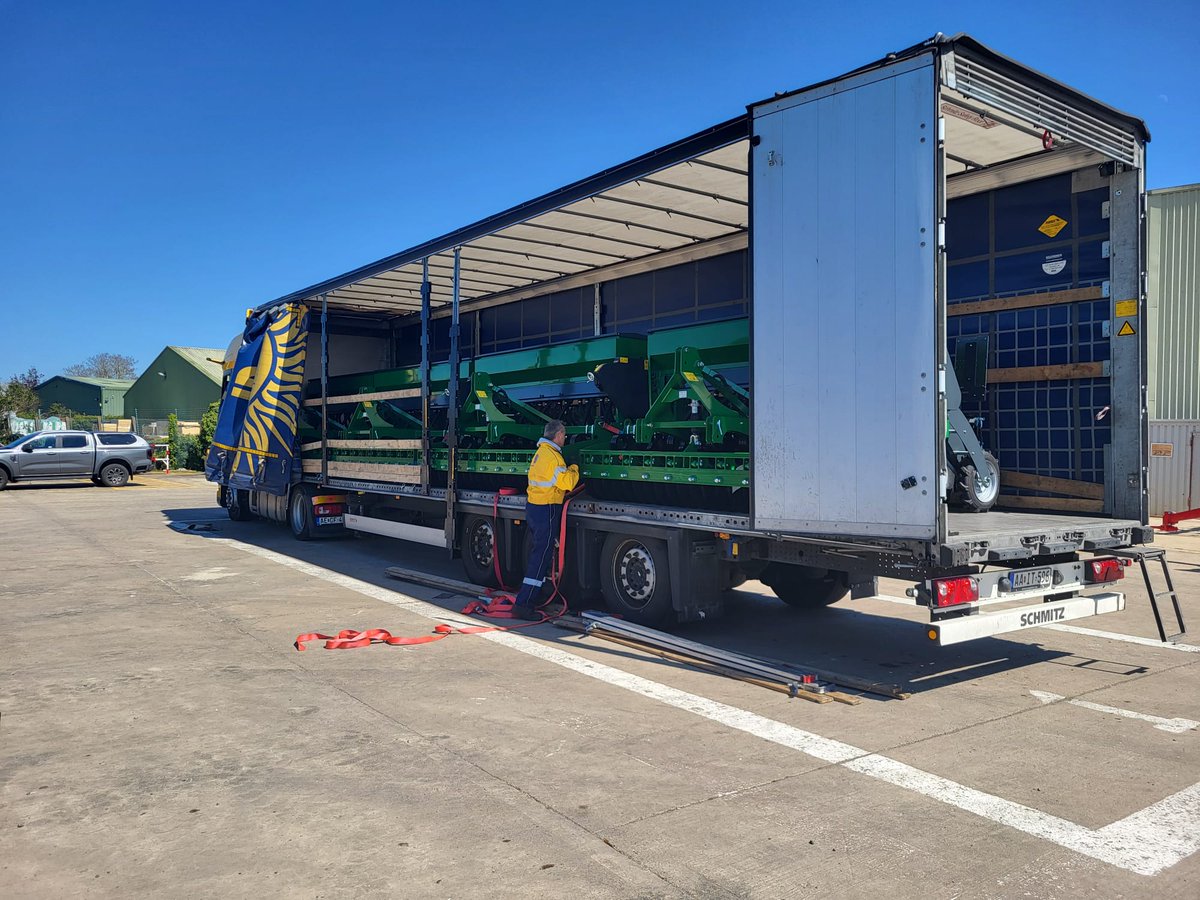
France-bound! 🚛
A lorry load of Simtech TSG 300 direct drills heading out 🦾
🔗 simtechuk.com/product/grassl…
#Simtech #Export #France
1
6
225

From the list:
SIMTECH - ATH
AAOI - ATH
FORM - ATH
TER - ATH
SNDK - ATH
WDC - ATH
PLAB - ATH
STX - ATH
CAMT - ATH
today picked up my first EU stock in a 6 months, same field AI bottleneck: $PVA (TePla AG), $600m German.
looking for quick 50%, gl

I scanned over 100 AI stocks, these are the best looking ones I found (based on technicals)
3
1
63
20,272

Simtech Aviation Celebrates 25 Years of Excellence
flyinginireland.com/2026/04/…
#AvGeek #Aviation #FlyingInIreland #SimtechAviation
2
4
424

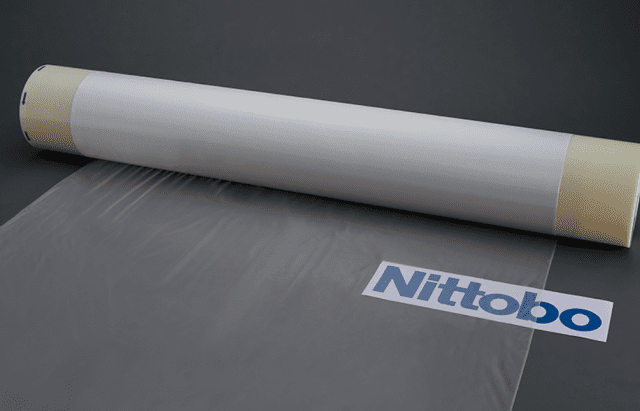
Prismark: "T-Glass Supply Shortage from Japan's Nittobo Set to Widen"
Market research firm Prismark recently forecast that the supply shortage of T-glass from Japanese materials manufacturer Nittobo will continue to deepen. While Nittobo is expanding its T-glass production capacity, demand is growing at an even faster pace. When factoring in capacity expansion plans from competitors such as Taiwan Glass, the overall market supply shortage could ease somewhat — though competitor technology capabilities and big tech procurement decisions remain key variables.
T-glass is a glass fiber yarn used as a raw material for low-CTE (coefficient of thermal expansion) copper-clad laminates (CCL). As a key input material for printed circuit boards (PCBs), it is used not only in high-end smartphones such as Apple's iPhone, but also in semiconductor substrates for servers. T-glass is technically a Nittobo trade name, but given Nittobo's near-monopoly market position, the term has become the industry-wide generic for low-CTE CCL glass fiber yarn.
As the substrate area used in AI servers and data centers continues to grow, major tech companies including NVIDIA, Google, and Amazon have been exclusively sourcing T-glass from Nittobo. As a result, demand for T-glass began exceeding Nittobo's production capacity in the second half of 2024. At the time, multiple big tech companies approached Nittobo directly requesting capital investment in additional capacity, and Nittobo has been ramping production accordingly — but demand is outpacing supply even faster.
According to Prismark, Nittobo's T-glass production capacity stood at 500,000 square meters (㎡) as of Q1 this year. The combined capacity of all competing players in the market still falls short of Nittobo's alone. Estimated competitor capacities are as follows: Taiwan Glass (Taiwan) — 100,000 ㎡; Taishan Glass (China) — 50,000–100,000 ㎡; Grace Fabric Technology (China) — 100,000 ㎡; Nan Ya Plastics (Taiwan) — 50,000 ㎡. These companies have yet to meet big tech's technical qualification standards, leaving Nittobo in a position of effective market monopoly.
Both Nittobo and its competitors are expanding capacity. Nittobo plans to invest $530 million in its T-glass segment, and by 2028, its T-glass production capacity could double from the first half of this year. Looking at 2028 capacity estimates by vendor, Nittobo's share is projected at approximately 55%, with all other players collectively accounting for the remaining 45%.
However, when considering only Nittobo-qualified supply, Prismark forecasts that the T-glass shortage will persist through this year and next, and is expected to widen even further by 2028.
While not included in the Prismark report, one domestic PCB industry source noted: "Competitors are also undergoing T-glass technology evaluations with big tech, but the technology gap versus Nittobo remains substantial. Unless big tech changes its policy of using only Nittobo's product, the T-glass supply shortage will be difficult to resolve for the foreseeable future."
For reference, a lower coefficient of thermal expansion means less substrate warpage during high-temperature processing — an advantage for both substrate enlargement and finer circuit patterning requirements. When substrates warp during the fine circuit formation process at high temperatures, circuit traces can break. In Korea, companies such as Doosan and LG Chem produce CCL. Domestic companies that purchase CCL to manufacture semiconductor substrates include Samsung Electro-Mechanics, LG Innotek, Daeduck Electronics, Korea Circuit, and Simtech.
9
37
231
96,440
Mar 24
Simtech Grassland Direct Drills 🌱
⚫ T-slot coulter gives seedlings perfect conditions to thrive
⚫ Pneumatic or mechanical
⚫ Designed & made in the UK
Find out more: simtechuk.com/product/grassl…
#Simtech #TSlotTechnology #DirectDrill

3
164
Mar 16
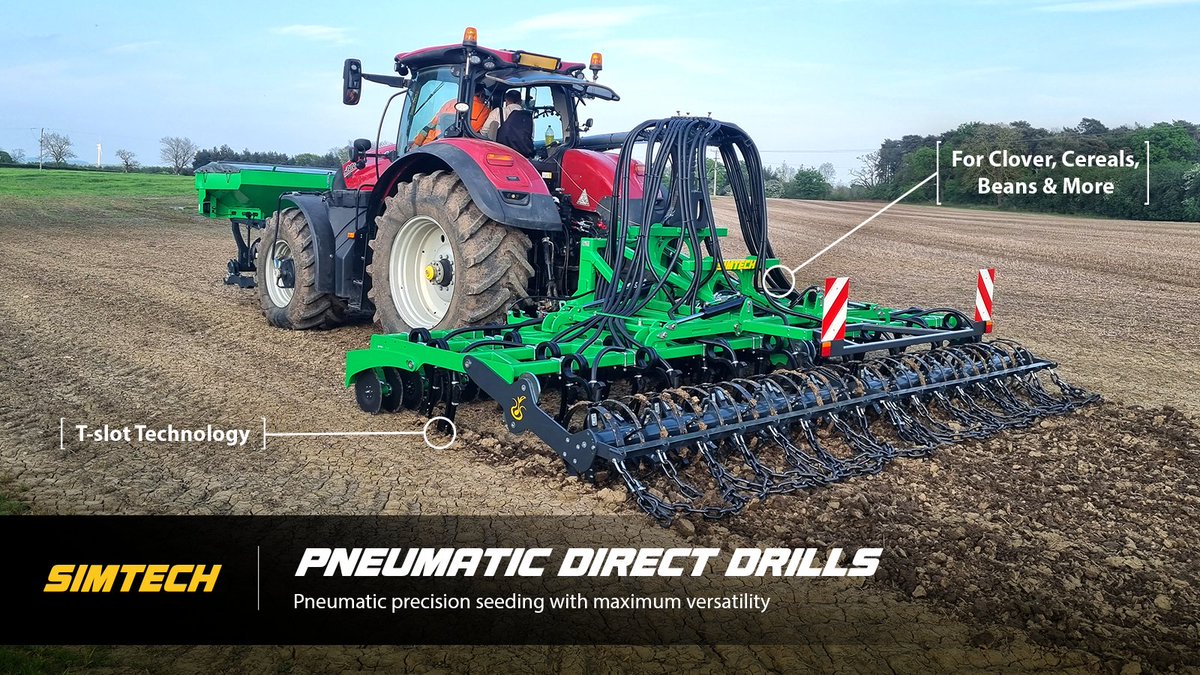
Simtech have a range of Pneumatic #DirectDrills
⚫ The T-slot coulter creates a 40mm wide opening with a permeable base for better rooting and germination
⚫ Electronic metering unit for ease of operation & fast calibration
⚫ Designed & made in the UK
simtechuk.com/product/arable…
1
2
213

Mar 4
$ONDS
🇺🇦🤝🇵🇱
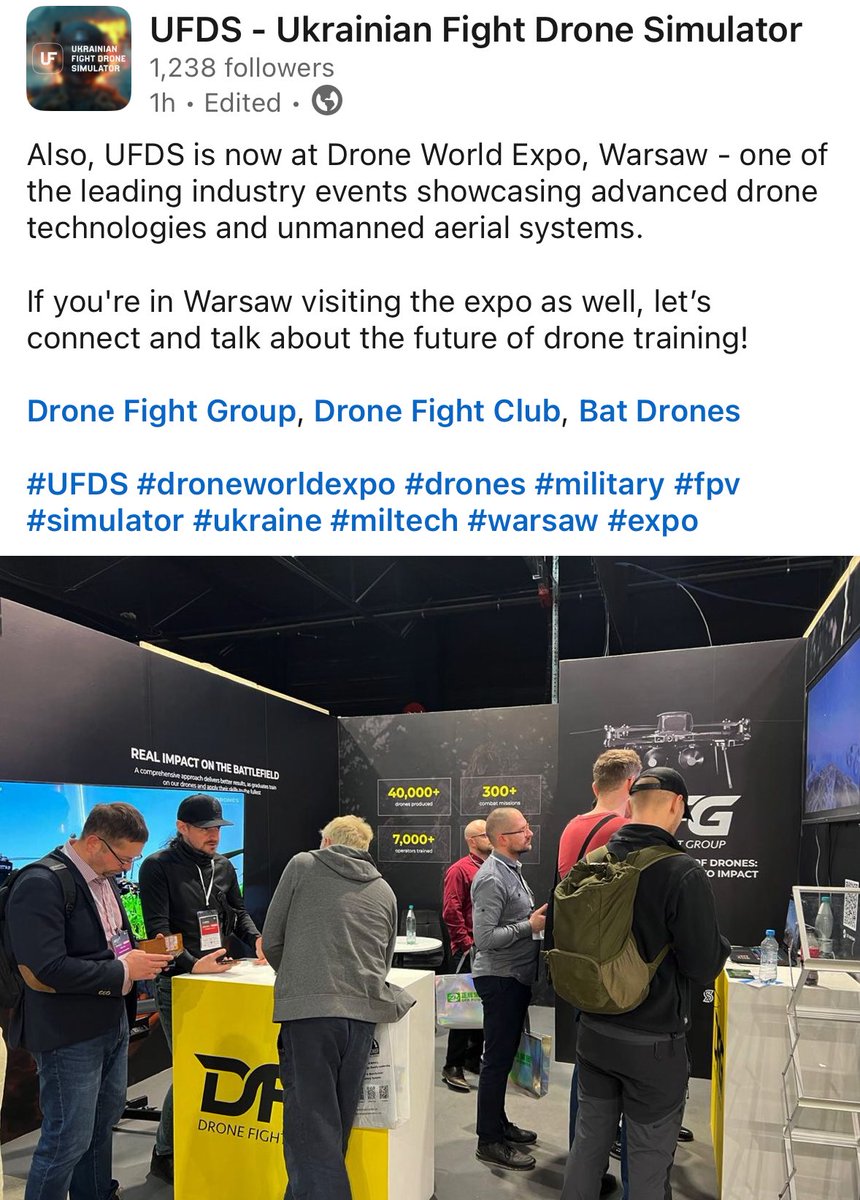
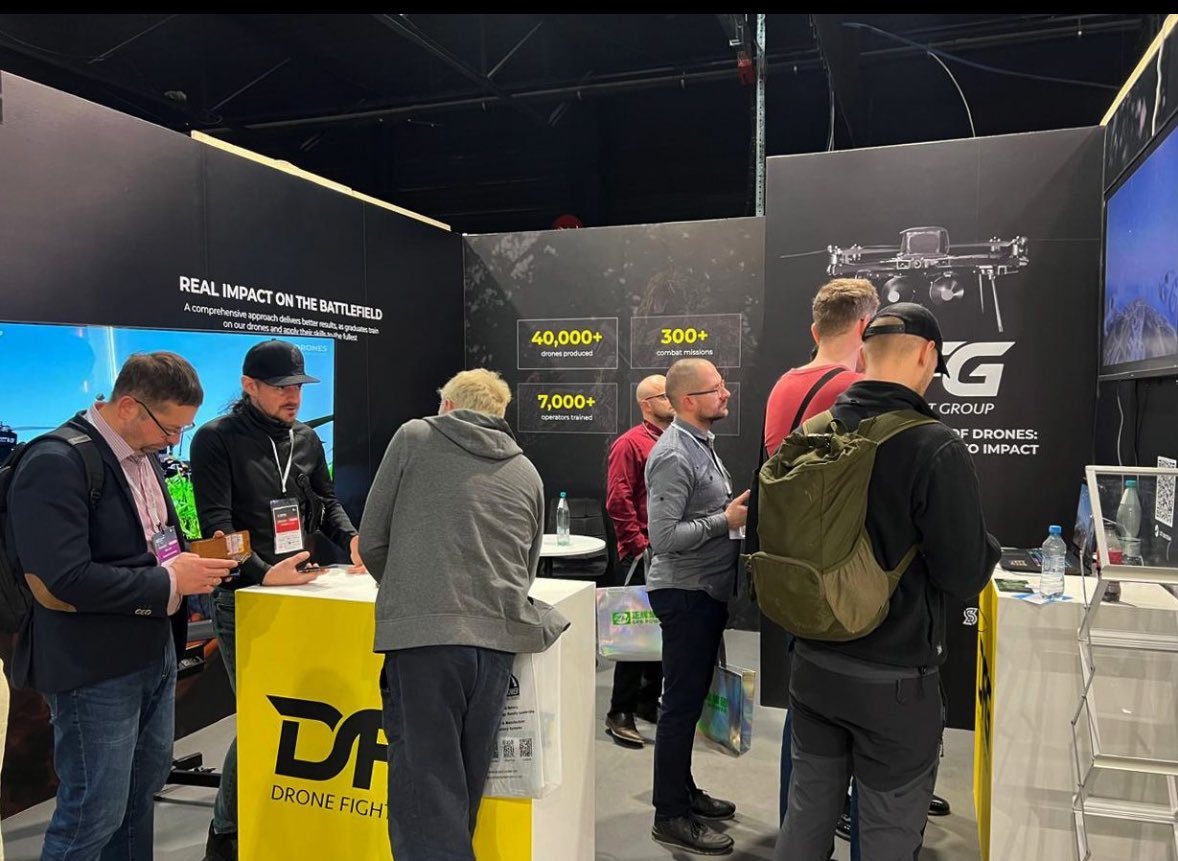
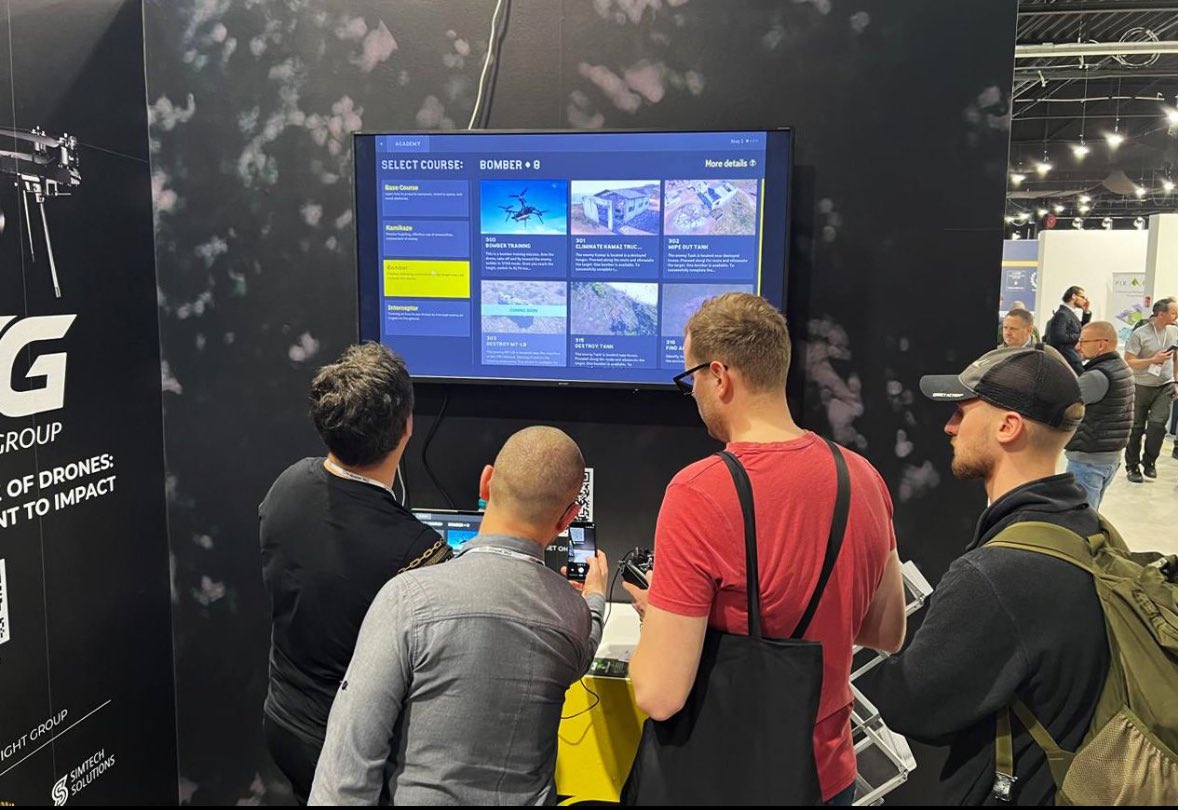
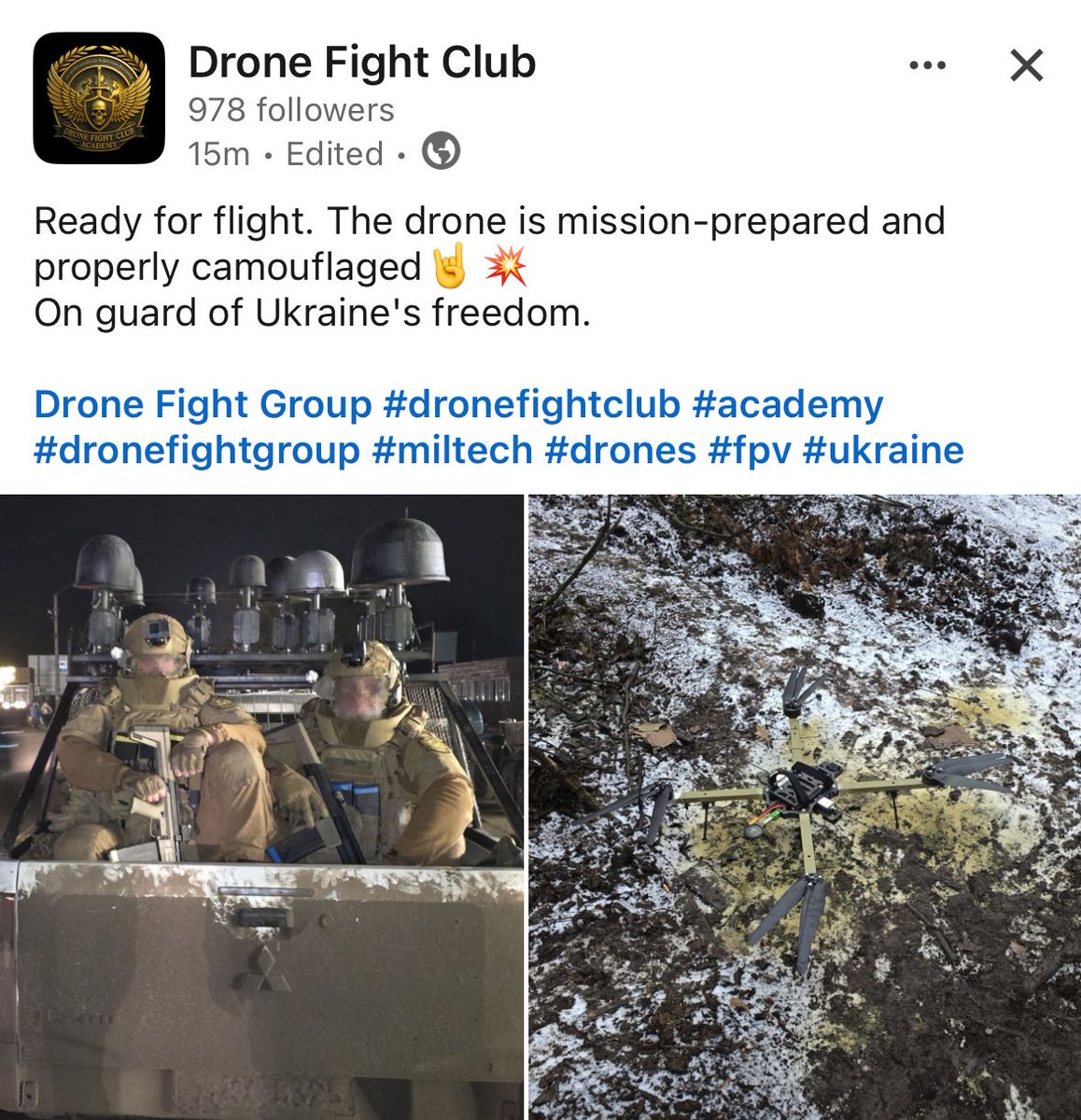
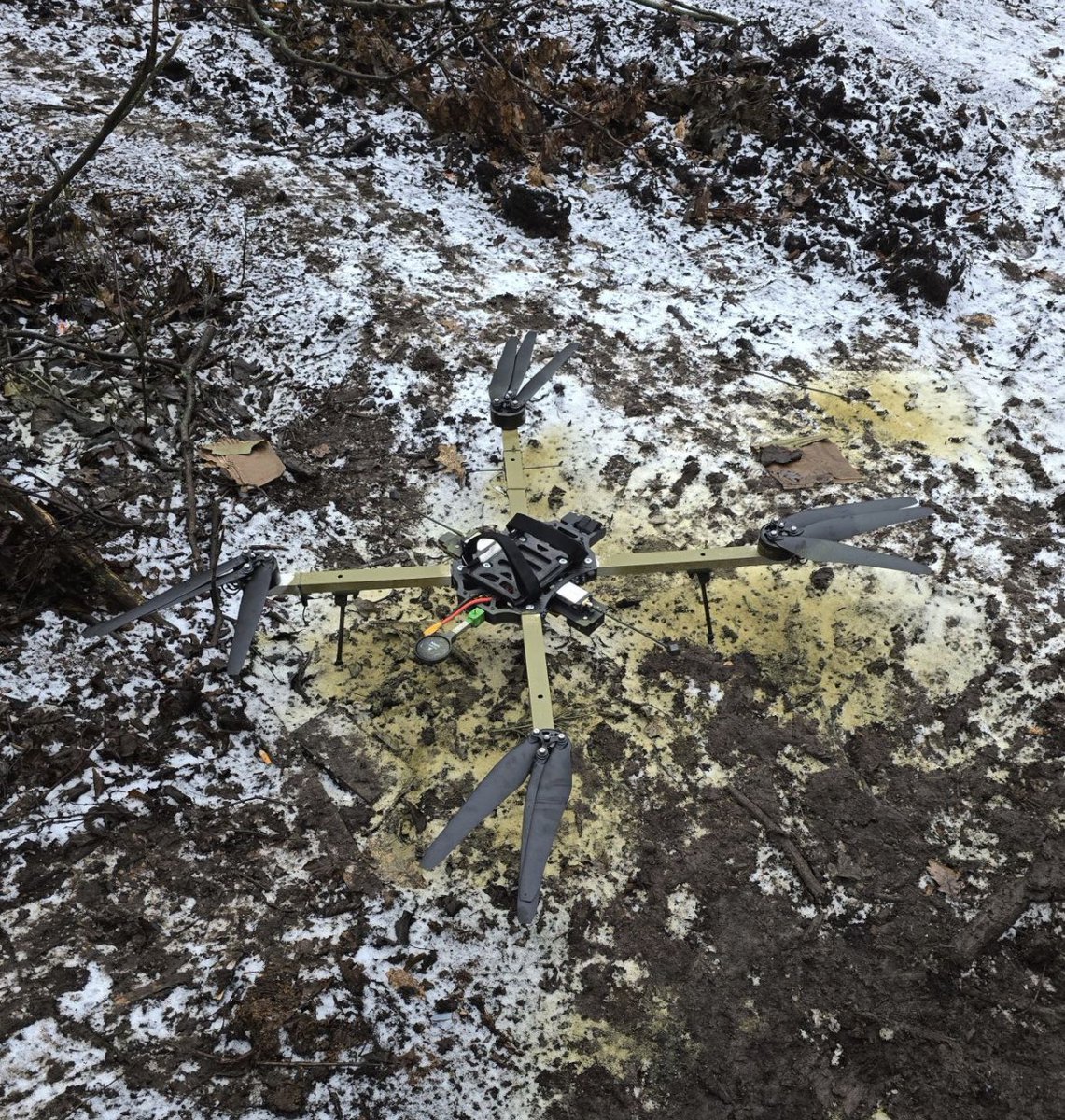
Drone Fight Group @ the Drone World Expo in Warsaw, showcasing Drone Fight Club, Bat Drones & Simtech Solutions!


1
3
43
4,344

Feb 26
Everyone talks about Samsung & SK Hynix, but here are some other Korean AI beneficiaries:
> Hanmi Semi: HBM bonding gear
> ISU Petasys: AI servers PCBs
> PSK: Chip fab cleaning tools
> ISC: Test sockets validating NVIDIA GPUs
> Simtech: Memory substrates
Do you own any?
3
370

ESIM Sobie kup. Mobimatter - tam kupowałem, dostawca TS SimTech i najważniejsze - ma być Singapur jako kraj, wtedy wszystko leci jak miło. Jest wersja Hongkong ale jest gorsza.
1
2
137

"🚀 PhD Opportunity in Metal Additive Manufacturing | Canada–Singapore Research Program
The Multi-Scale Additive Manufacturing Laboratory (MSAM Lab) linkedin.com/company/multi-s… at the University of Waterloo linkedin.com/company/uwaterl… is inviting applications for a PhD position in advanced alloy development and process innovation for metal additive manufacturing.
This unique, internationally collaborative PhD program is offered in partnership with the Singapore Institute of Manufacturing Technology (SIMTech) through the Additive Innovation Centre (AIC) @ A*STAR linkedin.com/company/additiv… and includes a 1–2 year paid research attachment in Singapore, supported by A*STAR - Agency for Science, Technology and Research linkedin.com/company/astarsg….
🔬 Research themes include:
• Advanced alloy design for metal AM
• Simulation-driven process and materials development (CALPHAD, phase-field, FEA, etc.)
• Process–structure–property relationships
• Laser beam shaping and custom toolpath strategies
• Advanced materials characterization (SEM, TEM, XRD, EBSD)
• AI/ML-enabled process monitoring and optimization
🌍 Why this PhD?
This program offers a rare blend of fundamental research, industrial relevance, and international exposure, preparing candidates for leadership roles in academia, research institutes, and advanced manufacturing industries.
📅 Start: Fall 2026
📍 Location: University of Waterloo (Canada) SIMTech (Singapore)
⏳ Deadline: Applications reviewed as received
📄 Full position details are available in the attached PDF.
📩 Interested candidates are encouraged to apply or reach out directly.
Please feel free to share this post with strong candidates in materials science, metallurgical engineering, and additive manufacturing. "
5
13
1,764

Jan 15
Definida empresa para monitoramento de raios em Porto Alegre.
A empresa Simtech Representações venceu a licitação para prestar serviços de monitoramento em tempo real de descargas atmosféricas (raios) em Porto Alegre.
Saiba Mais: prefeitura.poa.br/smamus/not…

4
876

27 Dec 2025
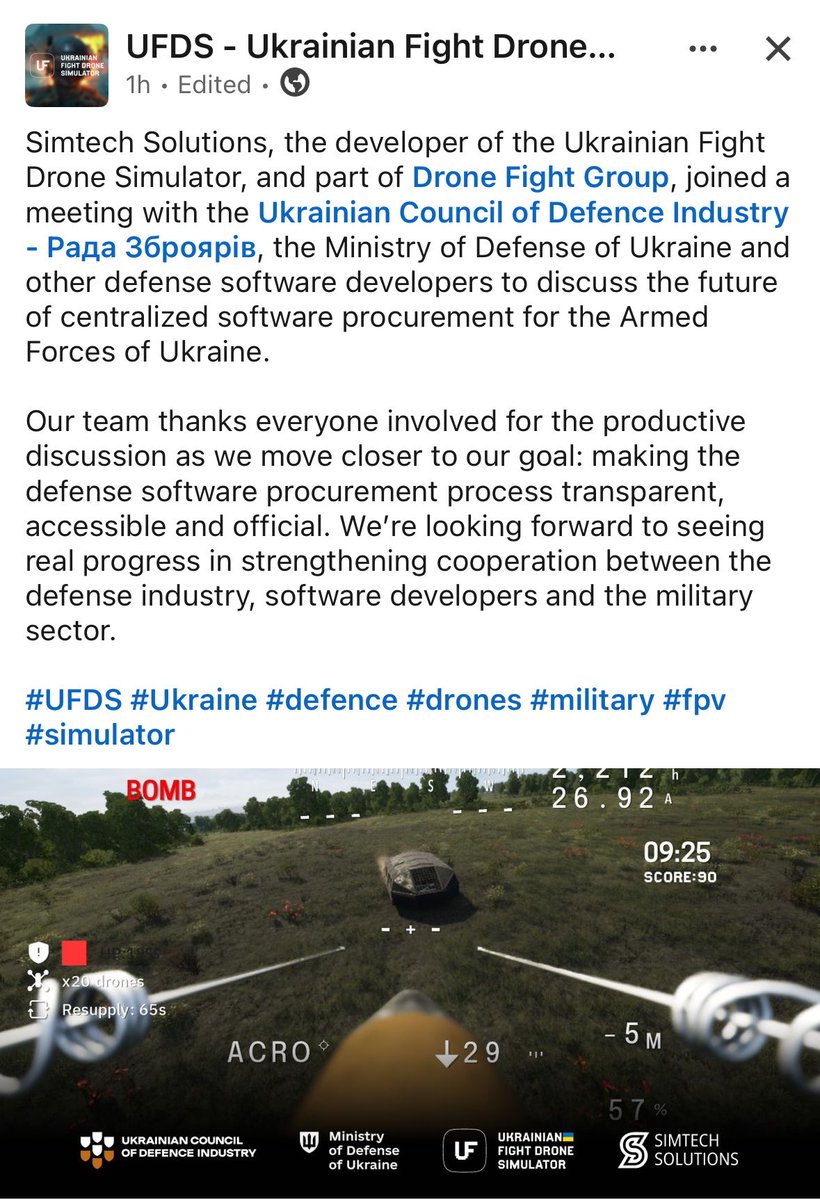
Public-facing version, now available in Steam. According to Simtech Solutions, the original has been used to get over 5,000 UA military pilots flight ready, which successfully struck over 100,000 real-world targets.
store.steampowered.com/app/2…
5
17
118

23 Dec 2025
🎙10 грудня 2025 року відбувся Steam-реліз Ukrainian Fight Drone Simulator. Ми вирішили поговорити про проєкт та його особливості з Владиславом Плаксіним, засновником Drone Fight Group та співзасновником Drone Fight Club, Simtech Solutions та Bat Drones. mezha.ua/articles/interv-yu-…
3
304