
Tech otakus save the world | Not Investment Advice | DYODD
Joined September 2024
- Tweets 16,799
- Following 322
- Followers 148,225
- Likes 57,061
3,653 Photos and videos
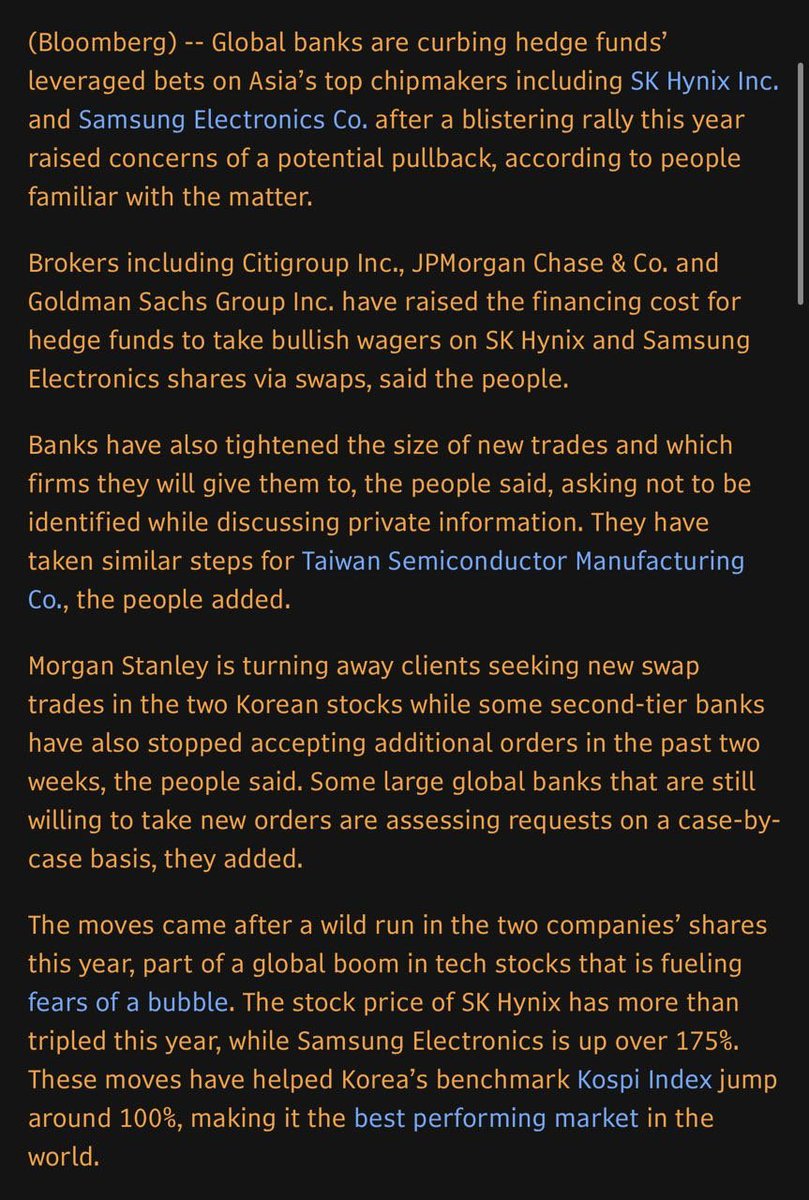
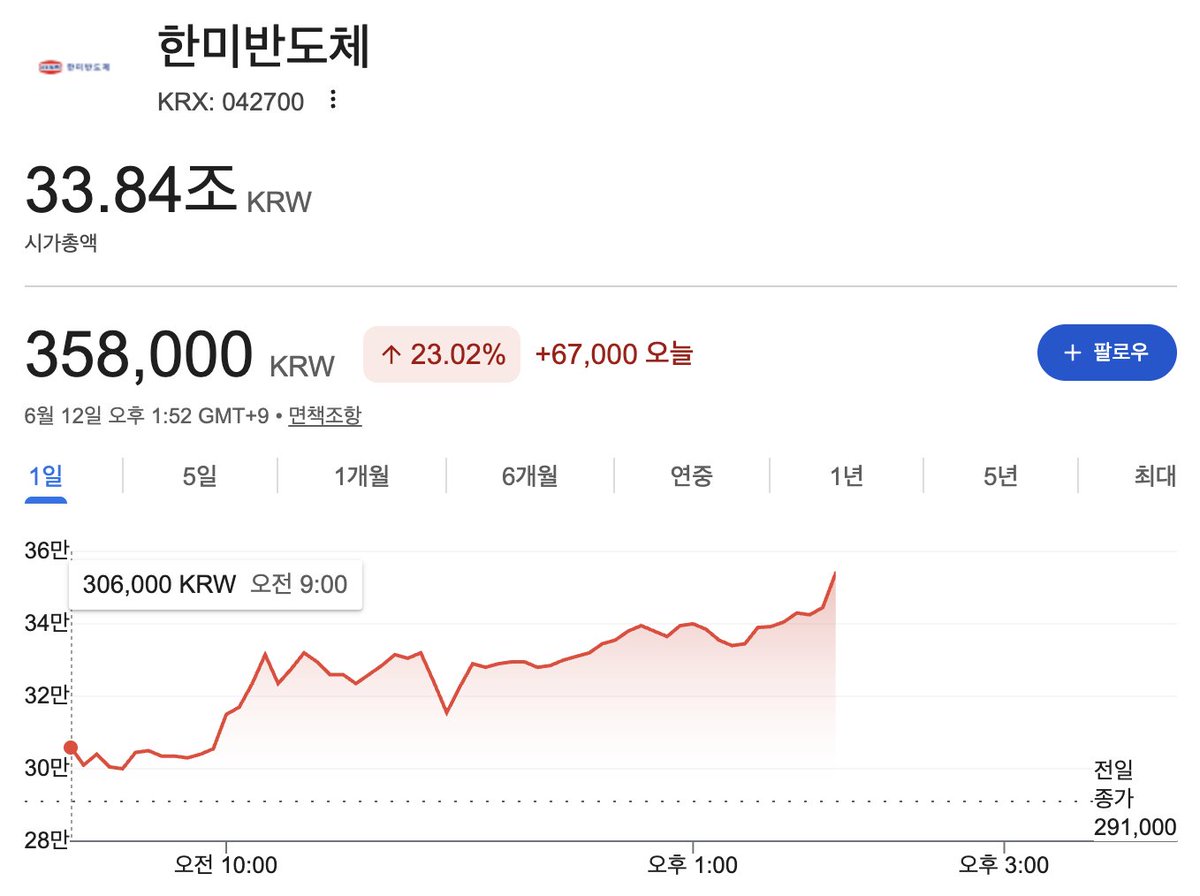
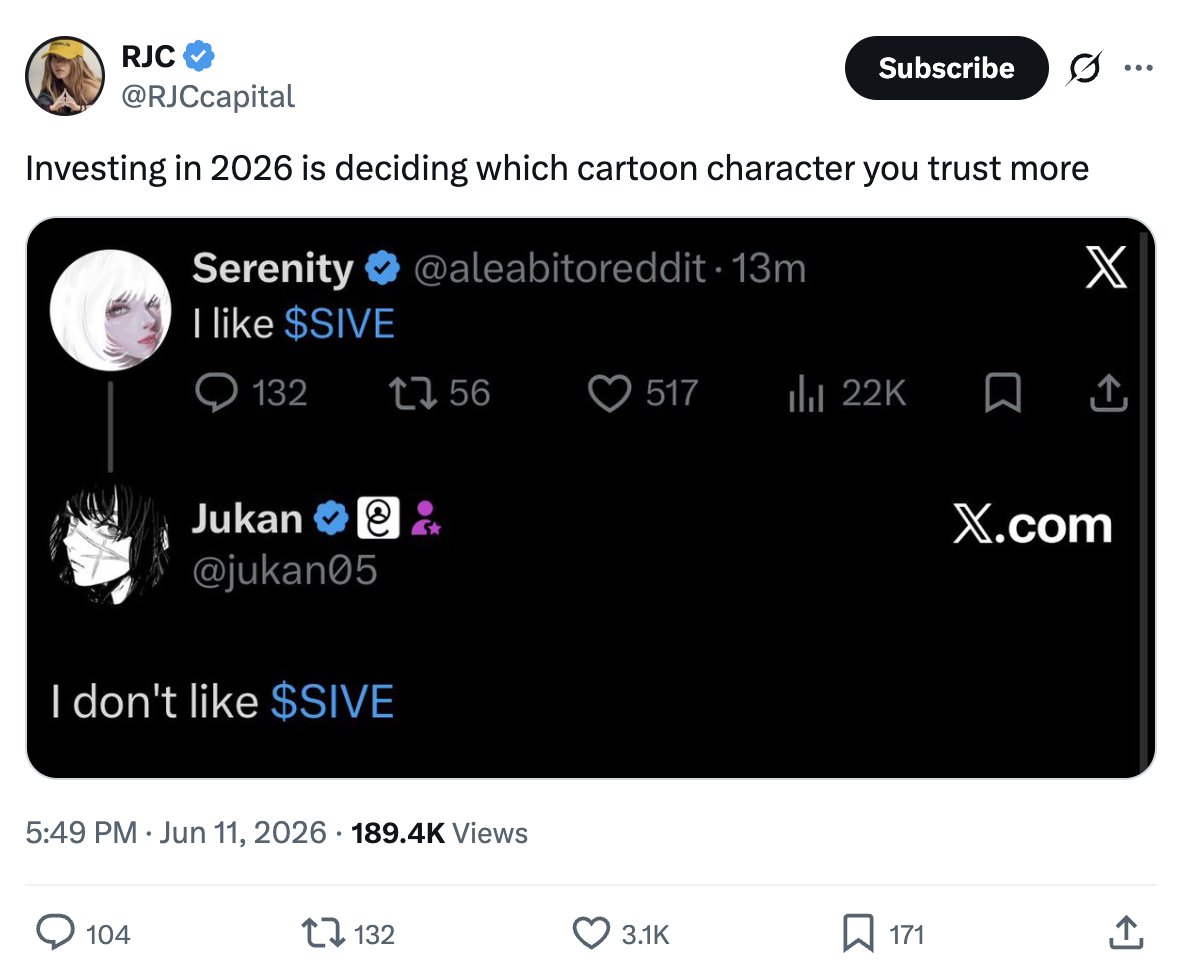

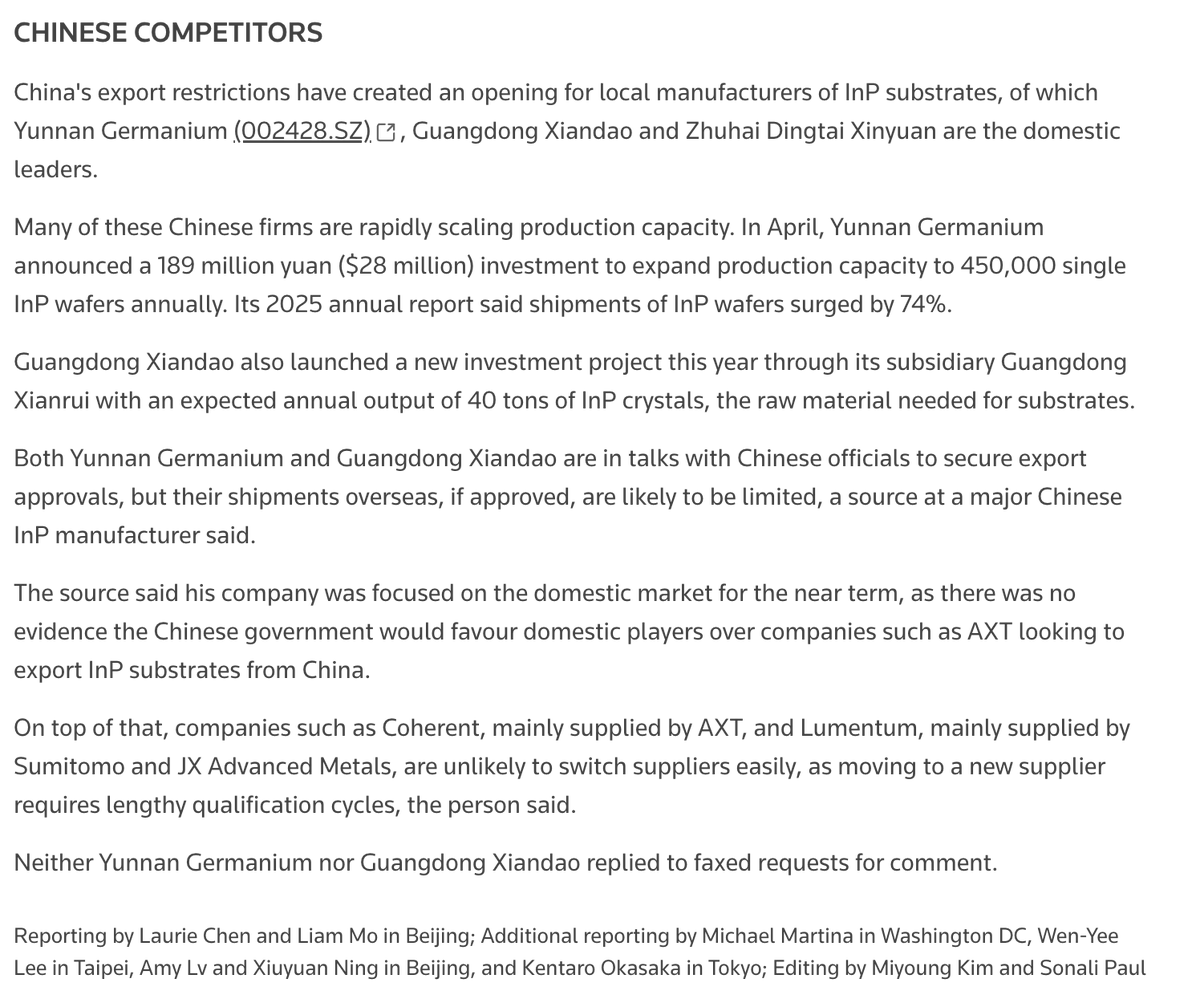

>>MLCC Industry Faces "Longest Shortage Cycle in History"… Supply Deficit Expected to Persist Beyond 2027
- Major Taiwanese MLCC makers—Yageo, Walsin, Holy Stone, and PDC—are strongly upbeat on the industry outlook, driven by AI demand. The industry believes this shortage could surpass the 2018 passive component supercycle.
- Walsin in particular projected that the MLCC shortage could persist beyond 2027. The company expects demand to rise even further once AI PCs and AI edge devices—markets far larger than AI servers—begin to proliferate in earnest.
- Yageo's book-to-bill (BB) ratio has already moved above 1.3x, and the company is responding to rising orders by ramping line utilization and clearing bottlenecks.
- That said, the pace of capacity expansion is constrained by equipment shortages. According to Holy Stone, lead times for high-end MLCC production equipment run 1 to 1.5 years, making capacity additions difficult. Holy Stone expects capacity to grow 20~30% YoY this year and a further 30~40% in 2027, but warned that next year's supply shortage could in fact intensify.
- Walsin is likewise tripling CAPEX this year and pursuing capacity expansion for a second consecutive year, but noted that lead times from Japanese equipment vendors run 6 to 12 months, making it hard for supply growth to keep pace with demand. AI infrastructure demand, in its view, is only just beginning.
5
11
61
7,023
Samsung Electro-Mechanics Expands Beyond MLCCs into Silicon Capacitor Business
Samsung Electro-Mechanics is in discussions with multiple global Big Tech companies to supply silicon capacitors (Si-Cap) for AI servers. The company is rapidly emerging as a major supplier alongside Japan's Murata and Taiwan's TSMC.
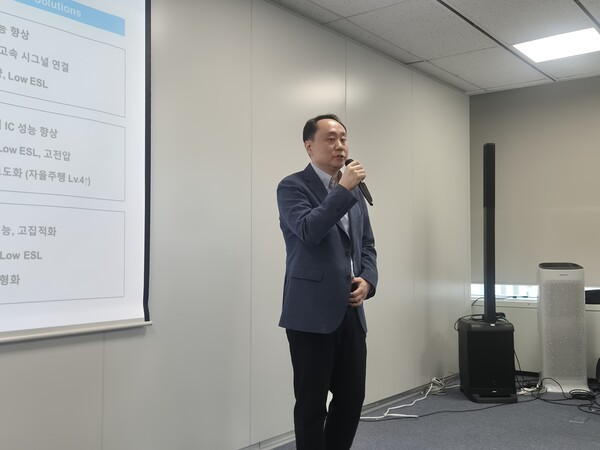
On the 11th, Samsung Electro-Mechanics held a technology seminar at the Taepyeongno Building in Jung-gu, Seoul, where it shared its silicon capacitor technology and commercialization roadmap. Kim Won-gi, head of Samsung Electro-Mechanics' Si-Cap Development Group, said, "Global Big Tech companies whose names you would immediately recognize are reviewing the adoption of silicon capacitors," adding, "Because the market is formed around a small number of players, Samsung Electro-Mechanics is also aggressively pursuing sales activities."
The silicon capacitor market is led by Japan's Murata and Taiwan's TSMC. Barriers to entry are high because the business requires both semiconductor wafer process and passive component capabilities, and the number of suppliers is limited. Samsung Electro-Mechanics President Chang Duck-hyun is cultivating silicon capacitors as a core growth business in the company's push into the AI market.
The company made its full-scale entry into the market last year as it began supplying customers. It supplied products for the AI accelerators of Marvell—a leader in custom networking chips (ASICs)—and for the package of Samsung Electronics' mobile application processor (AP), the Exynos 2600, among others. More recently, it secured a supply contract worth 1.5 trillion won from a global Big Tech company—the largest single contract in Samsung Electro-Mechanics' history. The related revenue is scheduled to be reflected in earnings starting in 2027.
Samsung Electro-Mechanics presented a "total solution" strategy—bundling its silicon capacitor, multilayer ceramic capacitor (MLCC), and package substrate businesses—as a differentiating factor. Silicon capacitors are mounted inside or adjacent to the package substrate. By supplying both products together, Samsung Electro-Mechanics can design and optimize the package and components simultaneously. Samsung Electro-Mechanics is the only company that operates both passive component and package substrate businesses.
Rather than building large-scale production facilities, the company has chosen a design-centric strategy. It employs a fabless model, outsourcing wafer production to foundries and componentization to specialized semiconductor back-end (OSAT) firms, while Samsung Electro-Mechanics handles product design, testing, and quality verification. The company has a silicon capacitor design and development organization at its Central Research Institute in Suwon.
Samsung Electro-Mechanics' silicon capacitors are manufactured on a 300-millimeter (mm) wafer basis.
A silicon capacitor is a passive component made from a silicon wafer. It temporarily stores electricity and supplies it when needed, keeping the voltage inside the semiconductor package stable. Whereas conventional MLCCs secure capacitance by stacking multiple layers of ceramic, silicon capacitors bore microscopic holes into a wafer and place electrodes inside them. This allows the thickness to be reduced to 100 micrometers (㎛) or less.
Samsung Electro-Mechanics drew its business idea from DRAM technology. DRAM uses a capacitor inside each cell to store data. Samsung Electro-Mechanics developed the silicon capacitor by taking just the capacitor portion of this structure and advancing it into a separate component. The fine-process technology it accumulated while shrinking DRAM circuit linewidths was transferred directly into silicon capacitor development. The more microscopic holes formed in the wafer, the greater the capacitance a silicon capacitor can achieve.
There are differences in silicon capacitor technology between competitors. Samsung Electro-Mechanics utilizes a DRAM-based structure, while TSMC is known to use a logic-process-based trench structure. Samsung Electro-Mechanics mass-produces its products on a 300mm wafer basis, the type primarily used for memory semiconductors.
Samsung Electro-Mechanics projected that the silicon capacitor market will grow at an average annual rate of more than 18%. Its scope of application is expanding from a mobile focus into AI servers, automotive electronics, aerospace, and optical communications. AI servers in particular are emerging as the largest source of demand, as power density increases and package integration intensify simultaneously.
Kim said, "The higher semiconductor performance becomes, the more important power stabilization becomes," adding, "Silicon capacitors will see their range of application continuously expand in the AI server and next-generation high-performance semiconductor markets."
6
18
135
20,159
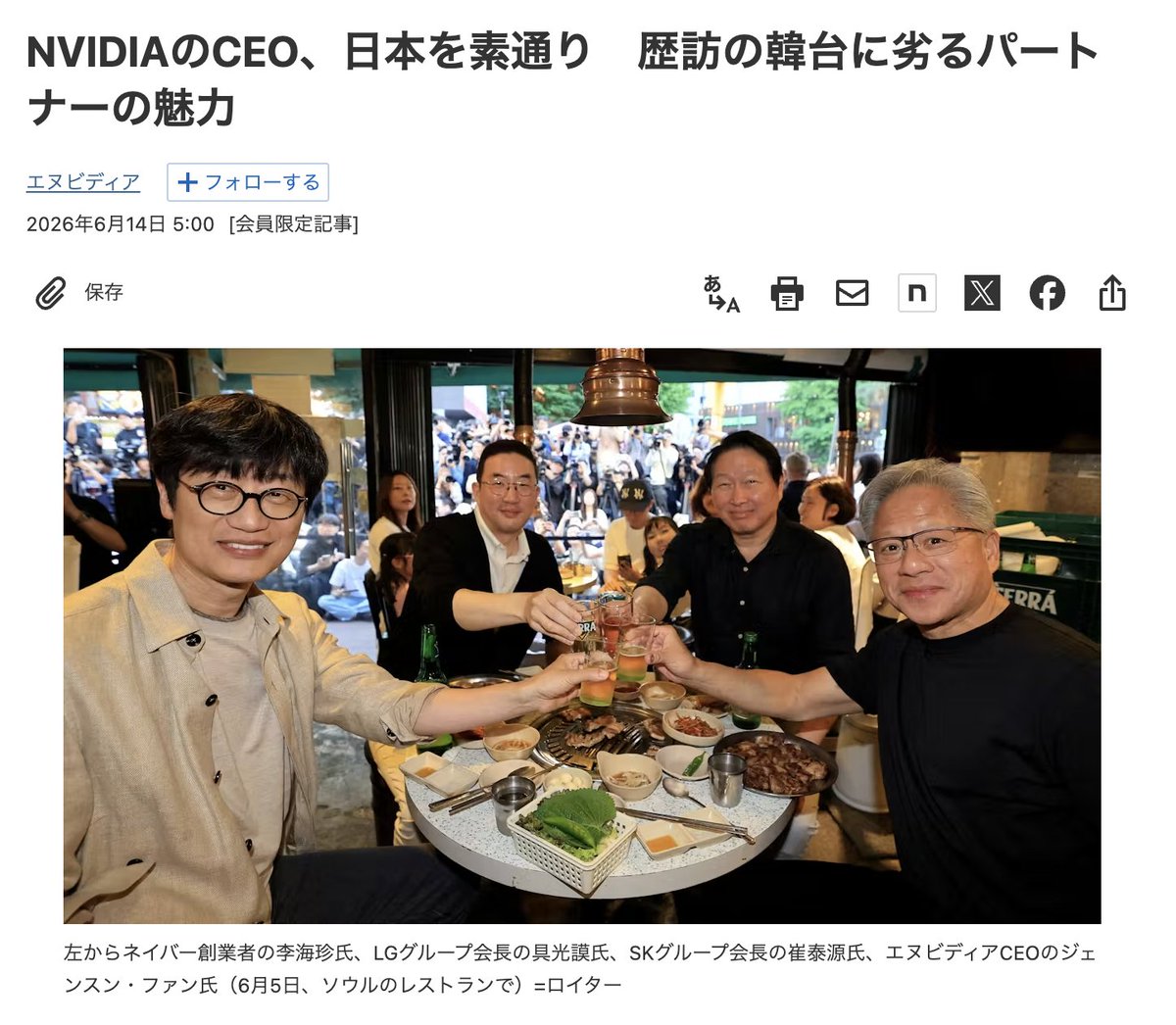
個人的に多くの示唆を与えてくれる日経の記事です。
かつてジェンスン・フアンが韓国には立ち寄らず、台湾や中国ばかりを訪れていた頃、韓国ではビッグテック企業が韓国を素通りするとして「コリア・パッシング(韓国外し)」が蔓延していると韓国メディアが盛んに騒ぎ立てていました。
しかし、昨年10月にメモリ不足がちょうど始まった頃からジェンスン・フアンが韓国を訪れるようになり、今や韓国が大きな注目を集めています。
ジェンスン・フアンを日本にも立ち寄らせるには、メモリを持たない日本は、結局のところ日本独自のAI開発企業を大きく育てるしかありません。キオクシアだけでは足りないのです。
NVIDIAのチップを毎年とてつもない規模で消費する企業——今の日本であれば、それを生み出せると私は考えています。
16
43
323
43,269
2
14
10,673
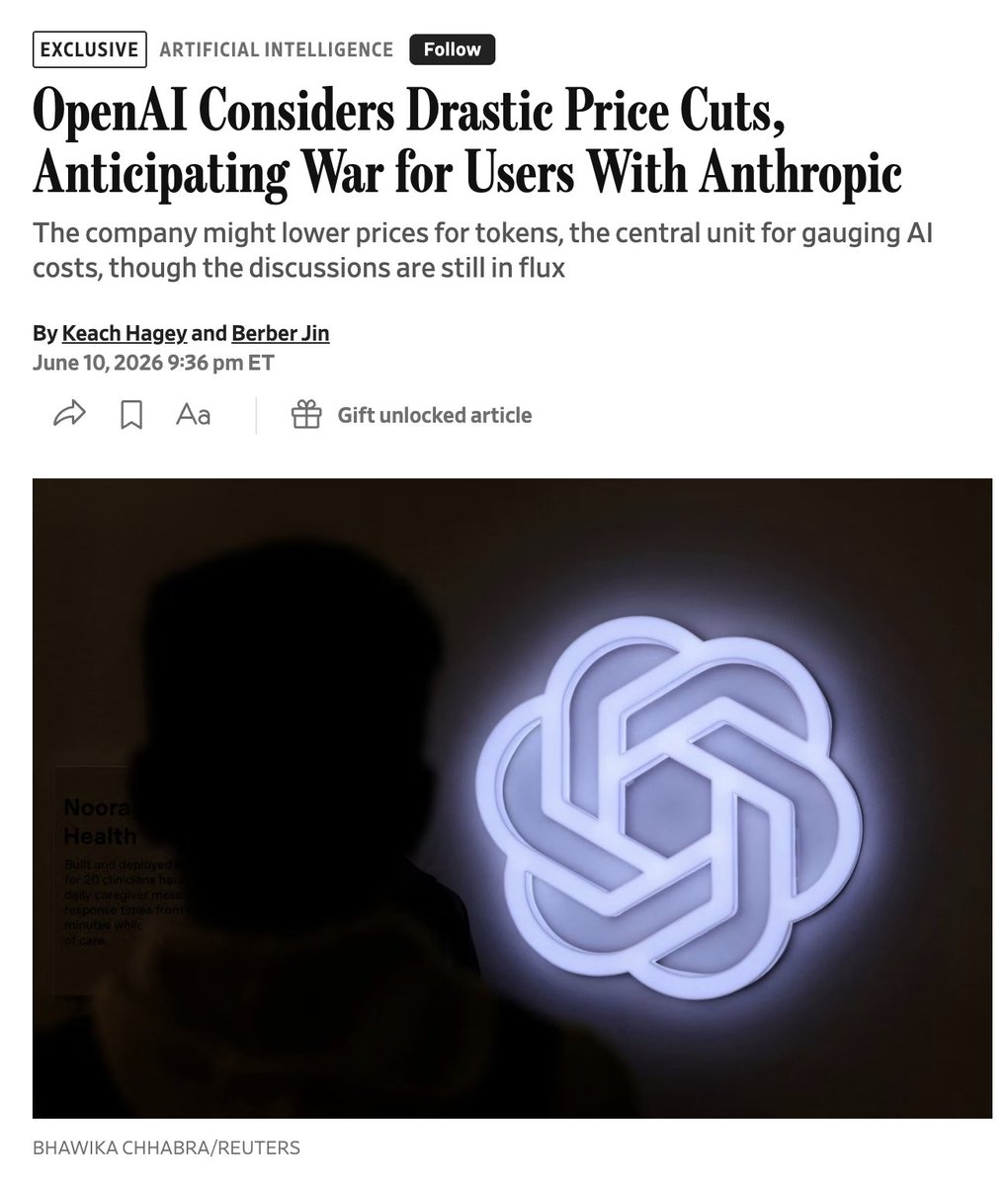
The unfortunate reality is that while models may become commoditized, semiconductors will not.
And the leading-edge foundries that manufacture those semiconductors are effectively oligopolized by three countries.
Memory, meanwhile, is oligopolized by two countries.
In the end, this AI export-control shock is ultimately positive for the AI supply chain.

Anyway, this Anthropic-related measure basically proves that sovereign AI isn’t just hype, it’s a project that everyone genuinely has to rush into.
France is quite lucky.
SoftBank has announced a large-scale investment, and France also has domestic AI labs…
Is Japan the loser here? My understanding is that Japan’s strategy was to build out the infrastructure, bring in American AI, and semi-customize it for the Japanese market.
Honestly, I can’t even begin to imagine what kind of butterfly effects this Trump administration move might trigger.
57
112
1,100
185,668
Anyway, this Anthropic-related measure basically proves that sovereign AI isn’t just hype, it’s a project that everyone genuinely has to rush into.
France is quite lucky.
SoftBank has announced a large-scale investment, and France also has domestic AI labs…
Is Japan the loser here? My understanding is that Japan’s strategy was to build out the infrastructure, bring in American AI, and semi-customize it for the Japanese market.
Honestly, I can’t even begin to imagine what kind of butterfly effects this Trump administration move might trigger.
58
74
1,073
265,478
Mr. President, since the U.S. has imposed export controls on Fable 5 exports to Korea, Korea should impose memory export controls on the U.S. @Jaemyung_Lee
138
143
2,210
209,106
1
27
15,746
《GF Overseas Electronics & Communications》
☄️ CCL: PTFE material adopted for orthogonal backplanes
👉 Nvidia has confirmed the adoption of PTFE as the core material for Rubin Ultra orthogonal backplanes. Below is our related analysis.
☀️ Orthogonal backplanes officially adopt PTFE material
According to our industry-chain checks, the previous M9 Q-glass cloth solution failed to meet the required electrical performance standards. As a result, PTFE was ultimately selected as the core material for orthogonal backplanes.
PTFE offers excellent high-frequency transmission characteristics, with lower signal loss, and can support 337G and above SerDes signal transmission on the Rubin Ultra platform.
Traditional PTFE materials are relatively soft, making them prone to burr formation during drilling, which creates challenges for mass production. However, the newly developed silicon dioxide, SiO₂, filler-modified PTFE has significantly improved mechanical rigidity. This material has now successfully passed electrical performance testing and mass-production feasibility validation.
☀️ PTFE to gradually replace traditional glass-fiber materials
PTFE CCL no longer uses glass-fiber cloth. The production process involves coating hydrocarbon resin onto the PTFE surface, then directly laminating it with copper foil.
According to our checks, the unit price of the modified PTFE material is around RMB 150,000 per ton, and each CCL sheet uses approximately 800g of PTFE. The selling price of a finished PTFE CCL sheet can reach RMB 2,500.
At present, the final design of the orthogonal backplane has not yet been determined. Candidate designs include mixed-stack combinations of 78-layer and 108-layer structures using PTFE CCL / M9-Q cloth / ABF-filled CCL. The final design is expected to be confirmed in July.
☀️ Summary of PTFE industry-chain beneficiaries
We expect Shengyi Technology, 600183.SH, to become the primary supplier of PTFE CCL. Taiflex, 8039.TT, is currently in the product qualification stage and has a high chance of becoming a secondary supplier.
On the upstream raw-material side, Dongyue Group, 0189.HK, is currently Shengyi Technology’s key PTFE raw-material supplier. Daikin, 6367.JP, and Haohua Chemical, 600378.CH, are potential raw-material suppliers.
Based on the initial order scale, the PTFE CCL TAM corresponding to the 2027 Kyber platform could reach RMB 8 billion. Subsequent volume ramp from the Feynman platform is expected to drive additional demand.
Due to the complexity of the manufacturing process, mass production of midplane-related products is expected to begin from the end of 2026.
The new process is also positive for PCB manufacturers. In current HLC PCB products, the ratio of total PCB value to CCL material value is around 2–2.5x. Under the new design, this ratio could rise to 3–3.5x, significantly increasing the product value for PCB manufacturers.
10
27
196
62,500
20
20,409