
Jun 12
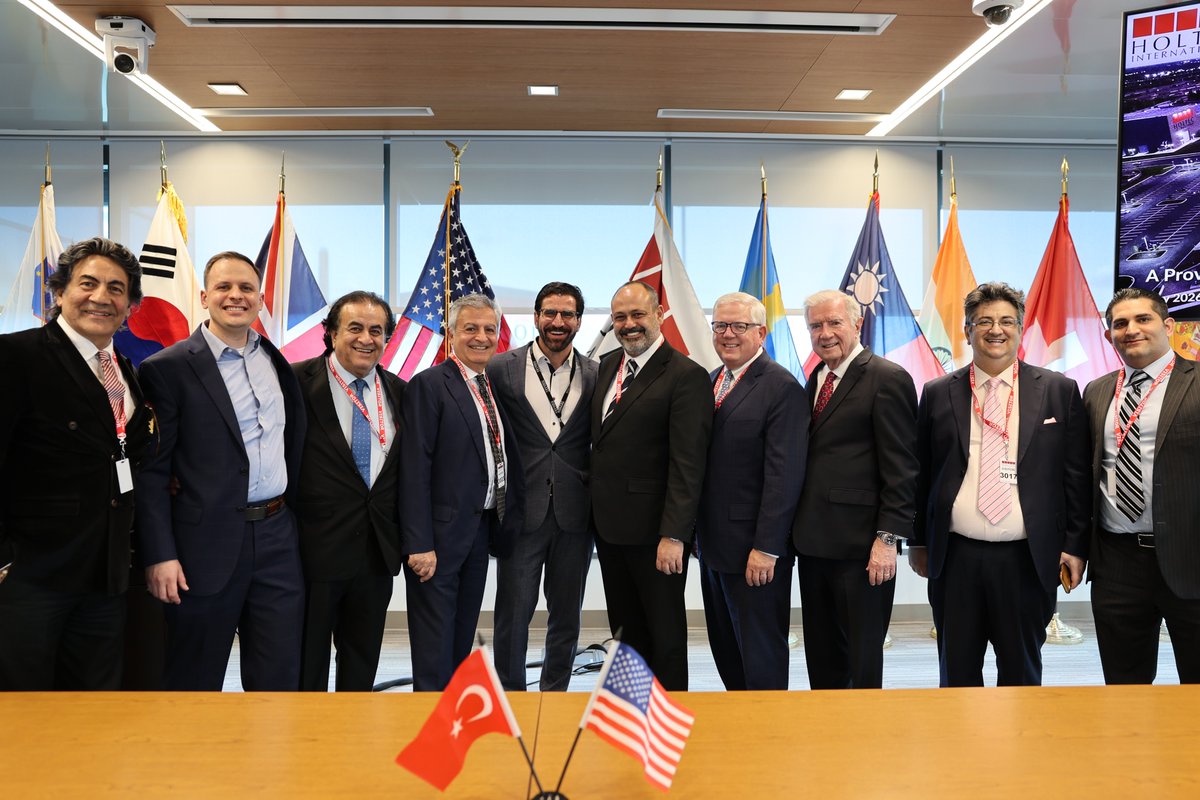
Holtec was pleased to welcome executives from Erdemir, the flagship steel company of OYAK Holding, to its Technology Campus in Camden, New Jersey, for strategic discussions on SMR-300 deployment opportunities in Türkiye.
As one of Türkiye’s industry leaders, OYAK is exploring advanced nuclear technology as a potential pathway to support industrial decarbonization, energy security, and long-term competitiveness across its steel, cement, energy, and manufacturing operations.
The visit highlighted the growing role of SMRs in providing reliable, carbon-free baseload power for energy-intensive industries. With Türkiye’s ambitious 2050 carbon neutrality roadmap, advanced nuclear technologies can play a key role in enabling sustainable industrial growth.
#HoltecInternational #SMR300 #AdvancedNuclear #SmallModularReactor #EnergySecurity #IndustrialDecarbonization #Türkiye #EnergyTransition #NuclearInnovation #SustainableGrowth
2
190

Alibaba has held preliminary discussions with a Chinese state-owned nuclear power enterprise about building a small modular reactor (SMR) to help power its data centers, according to an industry source cited by China Business Journal. The talks center on Alibaba's Renhe Data Center in Hangzhou, Zhejiang Province — the company's flagship cloud computing facility — which is experiencing rapidly growing electricity demand driven by AI workloads.
The Hangzhou Renhe facility is no ordinary data center. It serves as computing infrastructure for AI companies including BrainCo Technology and Lingban Technology, and when it opened in September 2020 it was the world's largest fully immersive liquid-cooled data center — and China's first to achieve a 5A green certification rating.
Despite the exploratory talks, the negotiations face a fundamental structural challenge: China's power grid architecture and centralized pricing mechanisms make it difficult to directly connect an SMR to a single private facility, a hurdle that has not yet been resolved. The nuclear enterprise involved nonetheless views data centers as one of the most promising future customer segments for SMR technology, alongside coastal industrial parks and other high-energy-consumption operations.
Alibaba's interest in nuclear energy runs deeper than a single conversation. In January 2026, China National Nuclear (Xiangshan) Nuclear Energy Co. was registered with a capital base of 250 million yuan, with Shanghai Yiqi Network Technology — a wholly-owned subsidiary of Alibaba Cloud — listed as a shareholder, signaling a formal strategic stake in the nuclear sector. Separately, in April, Alibaba increased its investment in Nova Fusion, a startup focused on small modular field-reversed configuration (FRC-SMR) fusion technology, as part of the company's 700 million yuan Series Angel round. Nova Fusion aims to achieve its first plasma discharge by end of 2026 and deliver a commercial demonstration plant in the 2030s.
The broader context is global. Companies including Meta and Microsoft have already signed agreements with nuclear power providers to secure continuous, low-carbon electricity for data centers. Within China, government policy has leaned more heavily toward large-scale solar and wind deployment to meet AI computing demand, making Alibaba's nuclear-linked moves a potential supplement rather than a departure from the country's prevailing energy strategy.
China's domestic SMR program is advancing quickly: the Linglong One (ACP100), the world's first commercial land-based small modular reactor, began commercial operation on Hainan Island in early 2026 — a milestone that positions China's nuclear industry well ahead of Western peers in commercial SMR deployment.
#Alibaba #SMR #NuclearEnergy #DataCenter #AIInfrastructure #ChinaTech #SmallModularReactor #CloudComputing #EnergyTransition #AlibabaCloud #AIDataCenter #ChinaAI #CleanEnergy
116

China Leads Global Nuclear Expansion With 36 Reactors Under Construction And Nearly 59 GW Operational Capacity—EIA
#ChinaNuclearPower #NuclearEnergy #CleanEnergy #EnergyTransition #SmallModularReactor #NuclearExpansion #PowerGeneration #EnergySecurity
solarquarter.com/2026/06/09/…
7

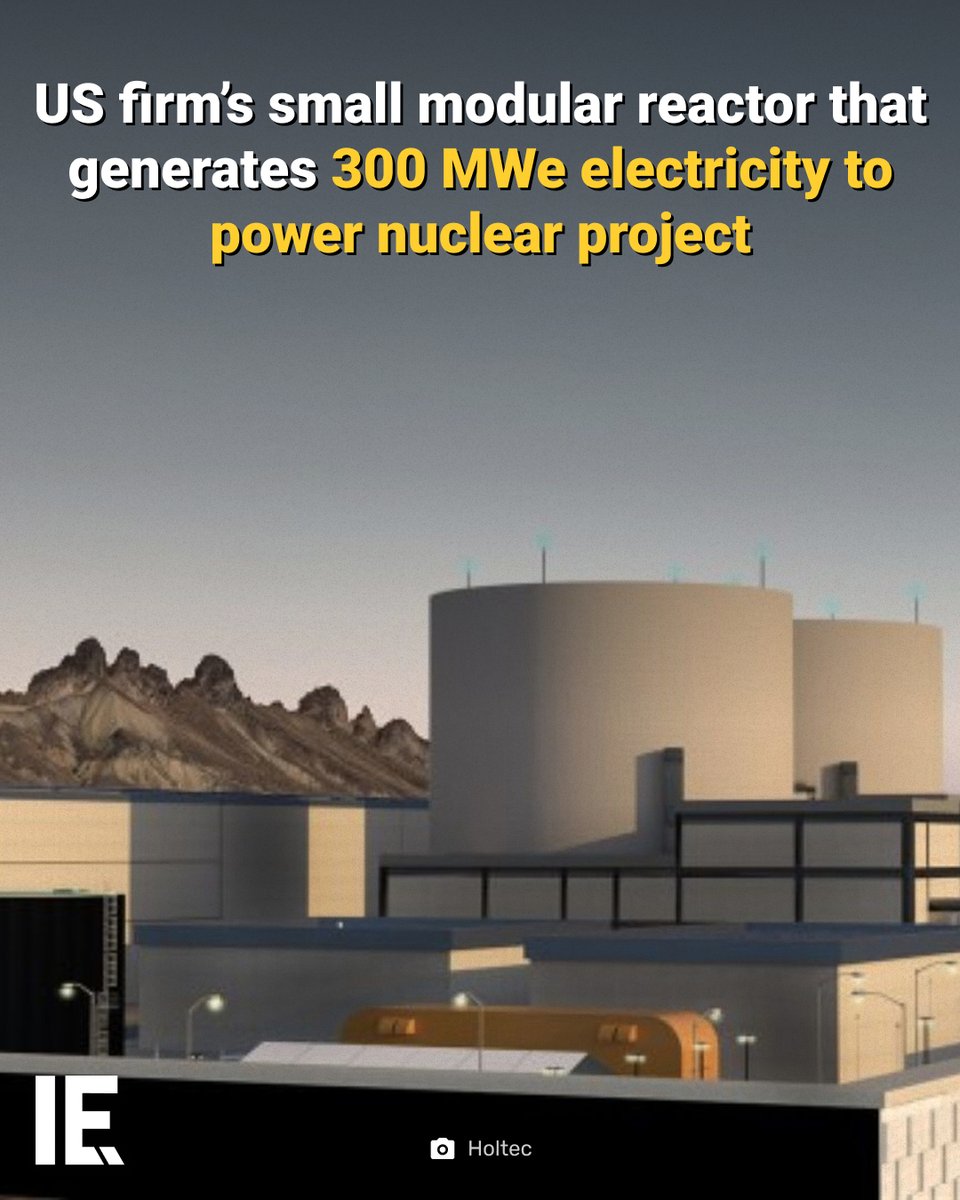
The Green River Advanced Nuclear Project leverages the innovative Holtec SMR-300 Small Modular Reactor technology.
bit.ly/4emj4EW
#SmallModularReactor #NuclearEnergy #CleanPower
1
3
6
1,709
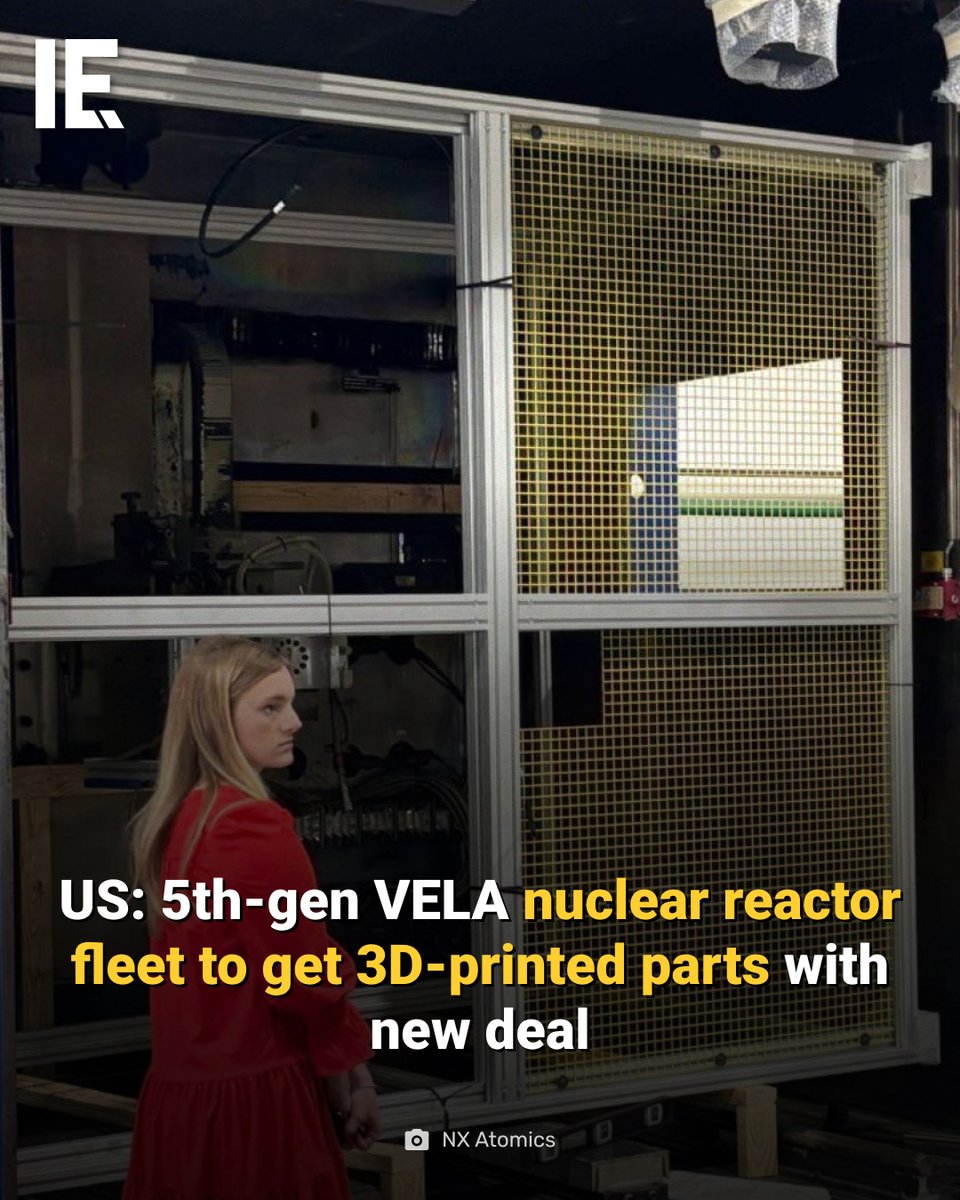
A small modular reactor developer just signed a deal to 3D-print nuclear components using technology proven in aerospace, naval, and space applications. The goal: cut production costs enough to bring nuclear power under $20/MWh. Can 3D printing make nuclear energy more affordable?
bit.ly/4fkhKn6
#3DPrintedNuclear #SmallModularReactor #NuclearEnergy
2
4
8
1,555
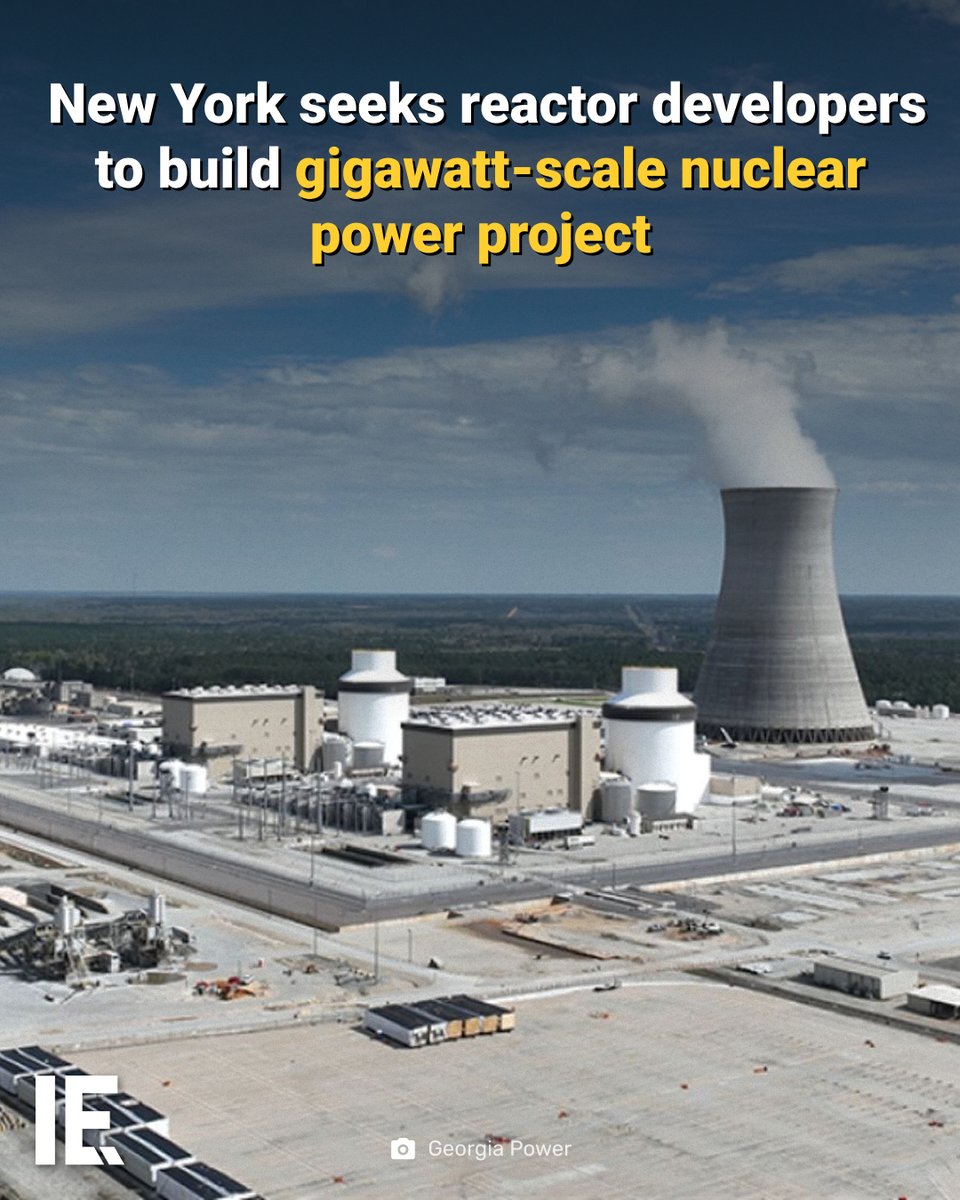
New York targets new nuclear construction before 2033 to secure federal tax incentives.
bit.ly/4fW6aPc
#NuclearEnergy #NewYork #SmallModularReactor
1
1
7
1,428
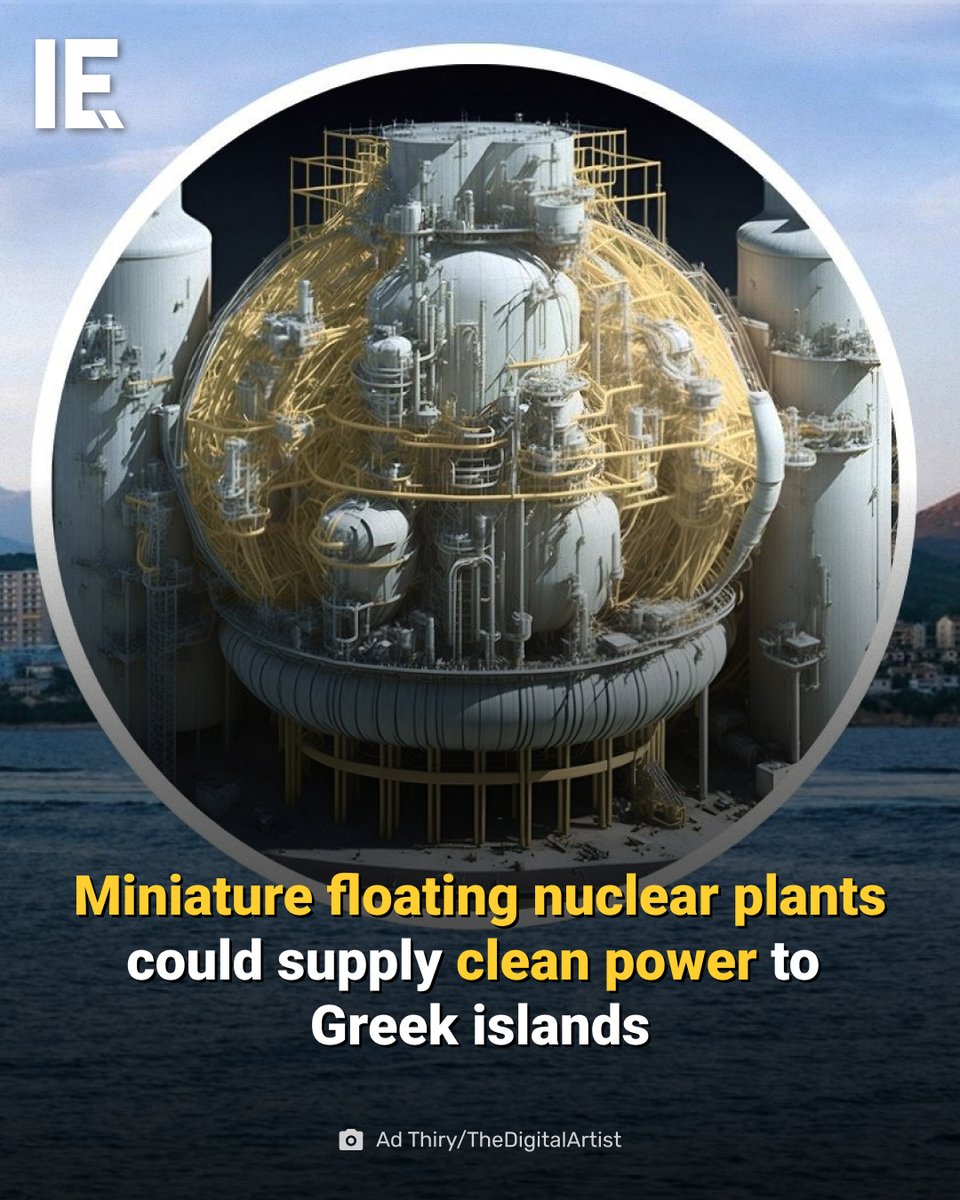
A floating nuclear plant that generates power, desalinates water, and can be relocated when no longer needed. A new study says Greece's island geography is near-ideal for exactly this — and no major technical or regulatory barriers were found.
bit.ly/4fk5hQt
#FloatingNuclear #SmallModularReactor
4
8
1,514

May 29
Rolls-Royce picks suppliers for SMR programme theconstructionindex.co.uk/n… #nuclear #smallmodularreactor #SMR #Wylfa

3
201
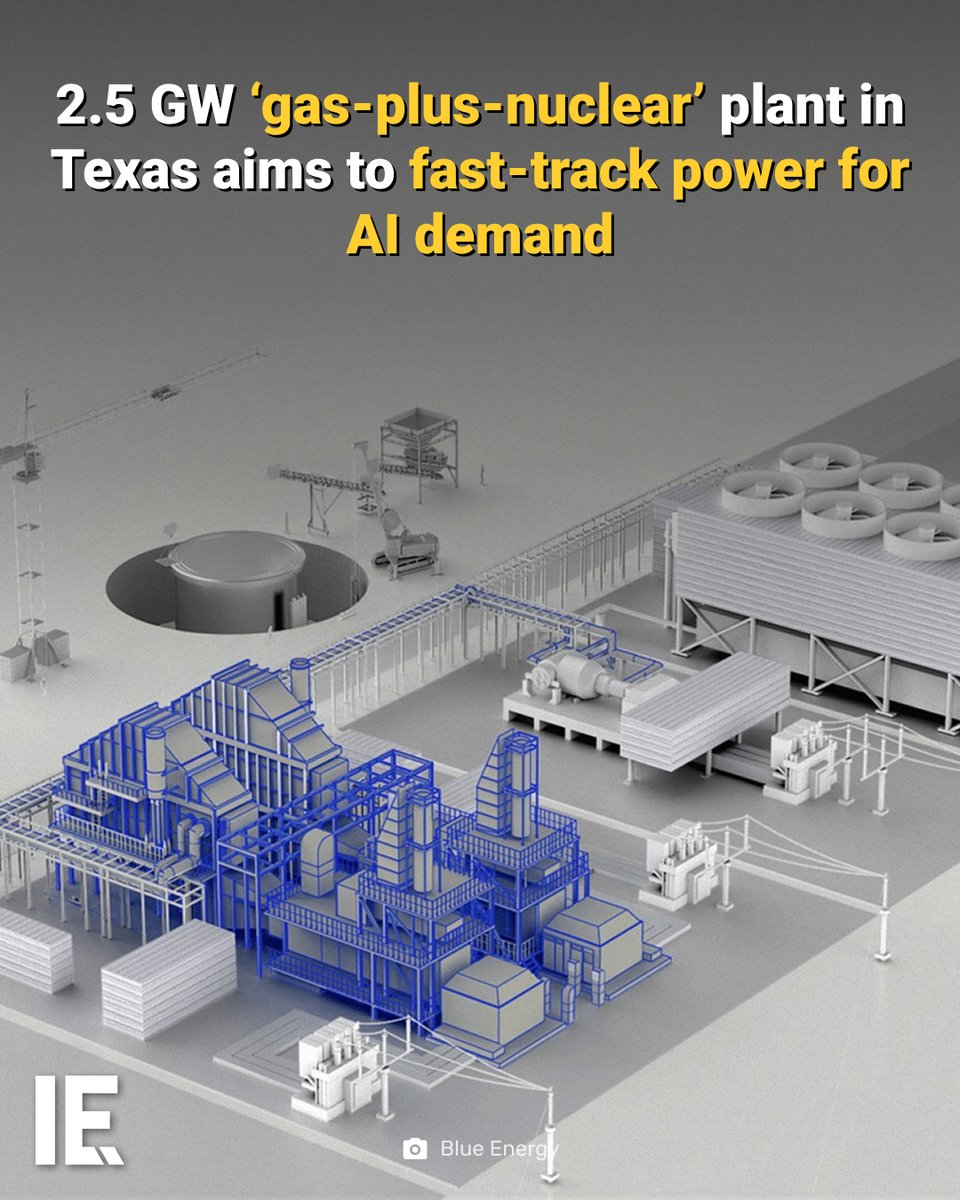
Hybrid gas and nuclear plant could deliver faster power for AI demand using turbines and modular reactors.
bit.ly/3QOAxgc
#NuclearEnergy #SmallModularReactor #AIEnergy
2
3
14
1,436

Lees alles over: Rijk neemt regie bij SMR-project Opmeer | op West-Friesland Praat, Voor en door Westfriezen | #bbb #datacenters #eerstekamer #hollandskroon #kernenergie #KlimaatenGroeneGroei #opmeer #SmallModularReactor #smr
westfrieslandpraat.nl/smr-pr…
1
3
2
94

May 1
Join @INL's A/SMR Cybersecurity and Operational Resilience Summit.
🗓️Aug. 19-20 |📍Park City, Utah
Attendees wlll learn about the strategy to accelerate secure advanced & #SmallModularReactor deployment by embedding #cybersecurity & resilience.
Sign up: inl.gov/national-security/nu…

7
305

Why X-Energy’s Nuclear IPO Has AI Data Centers Glowing -( $AMZN $CPYFF $DOW $NVDA $XE
vistapglobal.com/why-x-energ…
#XEnergy #XE #Amazon #AMZN #NuclearEnergy #AdvancedNuclear #NuclearReactor #SmallModularReactor #SMR #CleanEnergy #CarbonFreePower #EnergyTransition #AIEnergy #AIPower
2
4
122

Ok, wir stellen dir einen süßen #SmallModularReactor in deinen Vorgarten. Deal?
1
3
46


1
8
24
319

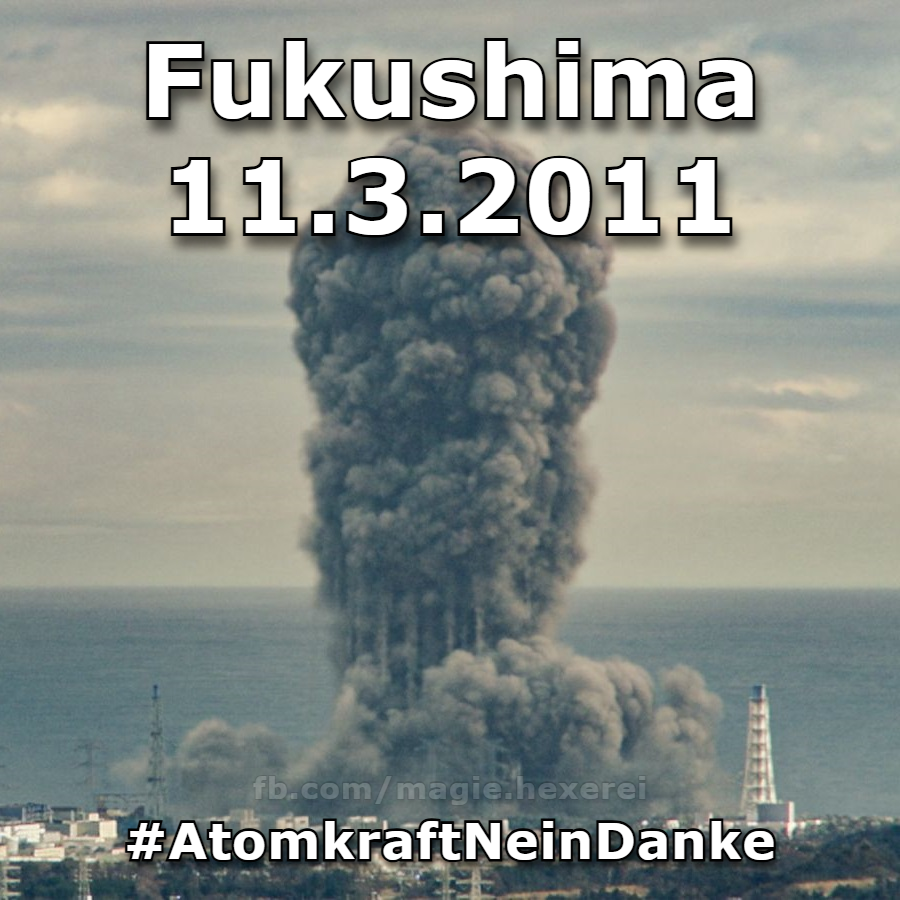
In einer #Zeit/#Welt, in der #Unrechtsregime ständig #Raketen auf fremde #Länder schießen, wollen #VonDerLeyen, #CDU/#EVP und #AfD in Ballungsgebieten Mini-#Atomkraft|werke (#SmallModularReactor) bauen? Geht's noch? #AtomkraftNeinDanke! ☢️
#Atomiker #Atomis #Nuklearia #Fukushima

4) Zum #Jahrestag der #Atomkatastrophe #Fukushima am 11.3.2011: #AtomkraftNeinDanke! ☢️
#Atomkraft #Kernkraft #Kernenergie #Atomenergie #Uran #Radioaktivität #Atomiker #Atomis #Nuklearia #StopRussianPropaganda #Windenergie #Solarenergie #Verkehrswende #Wärmewende #Energiewende
1
2
81

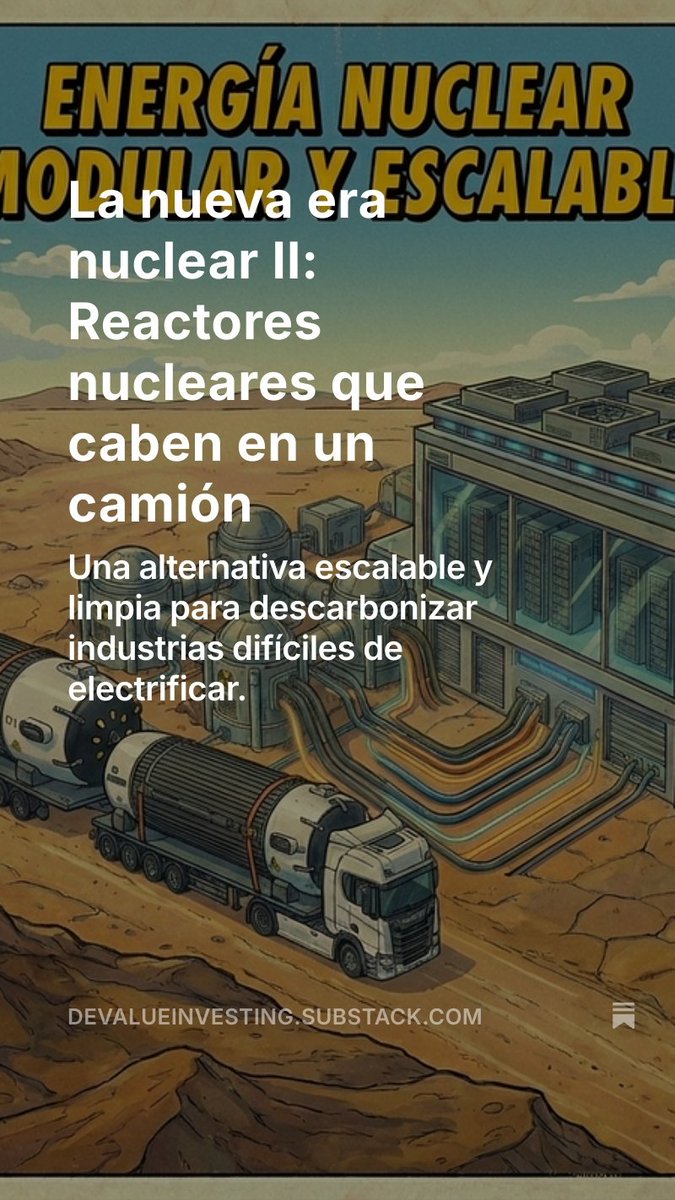
☢️☢️Para todos los que tengan curiosidad por entender mejor los SMR (SmallModularReactor), tenéis en mi bio enlace a un artículo donde explico su origen, diseño, aplicaciones y estado del arte.
1
2
313

5 Dec 2025
INR 20,000 Crore Boost: The #UnionBudget 2025–26 earmarks a massive ₹20,000 crore for #SmallModularReactor R&D under the '#NuclearEnergy Mission'. #Government is signalling serious intent for next-gen #technology: Kavya Wadhwa or-f.org/35781
1
257
25 Nov 2025
INR 20,000 Crore Boost: The #UnionBudget 2025–26 earmarks a massive ₹20,000 crore for #SmallModularReactor R&D under the '#NuclearEnergy Mission'. #Government is signalling serious intent for next-gen #technology: Kavya Wadhwa or-f.org/35781
274
15 Nov 2025
INR 20,000 Crore Boost: The #UnionBudget 2025–26 earmarks a massive ₹20,000 crore for #SmallModularReactor R&D under the '#NuclearEnergy Mission'. #Government is signalling serious intent for next-gen #technology: Kavya Wadhwa or-f.org/35781
430
29 Oct 2025
INR 20,000 Crore Boost: The #UnionBudget 2025–26 earmarks a massive ₹20,000 crore for #SmallModularReactor R&D under the '#NuclearEnergy Mission'. #Government is signalling serious intent for next-gen #technology: Kavya Wadhwa or-f.org/35781
1
3
334