
May 1
"السوشيال ميديا يا إما تضيع وقتك… يا إما تطورك!
تابع حسابات هادفة تعطيك معلومة، فكرة، أو طاقة إيجابية ✨
خليك ذكي في متابعتك، وخلي وقتك له قيمة تحياتي للجميع🌹
ذكاء_رقمي #إلهام #SmartFollow
1
6
25

Jan 12

1
8
161
Jan 12
Lost in the pages, found in the story. There's nothing quite like the magic of a good book to transport you to another world. What are you currently reading? Share your recommendations below! 📚✨ #Bookworm #ReadingCommunity #LostInPages
#smartfollow

2
2
124


Hey fam 👋
Pretty sure many of you are like me — staring at Futures like “bro what dimension is this?” 🤯
Terms flying everywhere, brain loading at 15fps.
So let’s decode it the friendly way:
🔥 @edgeX_exchange = Perp DEX
(Perpetual Decentralized Exchange = decentralized derivatives exchange)
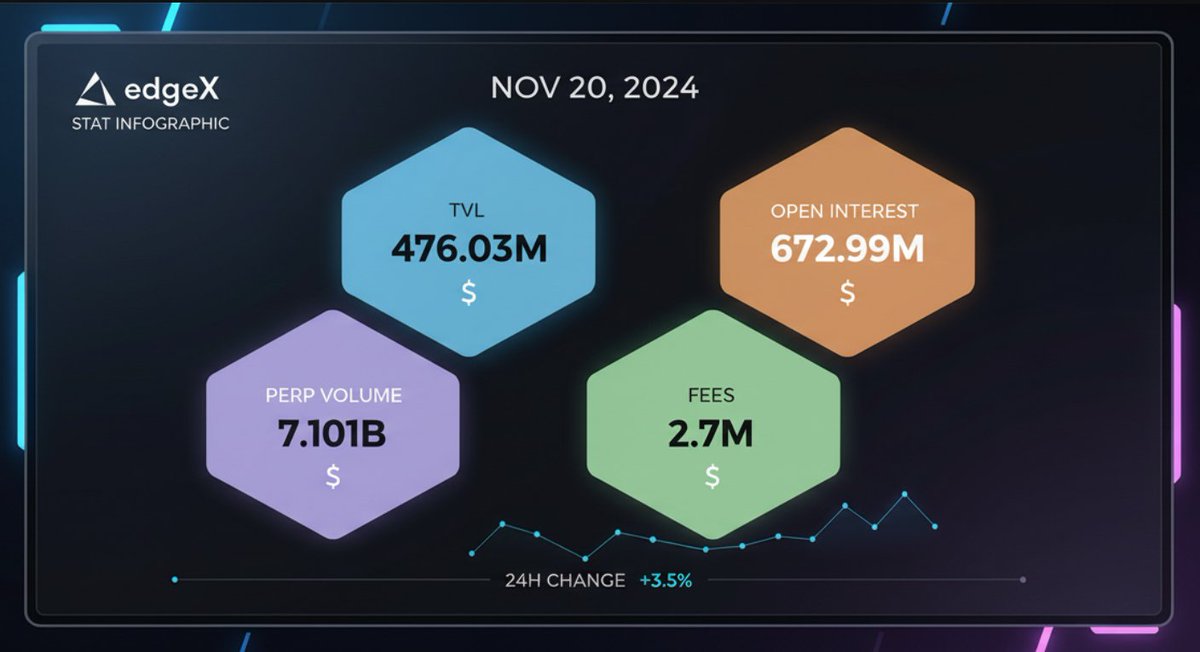
📅 Snapshot from @DefiLlama — 20/11/2025:
💰 TVL: $476.03M
💸 Fees: $2.7M
📈 Perp Volume: $7.101B
🔍 Open Interest: $672.99M
What do these metrics actually mean? 🧩
1️⃣ TVL (Total Value Locked)
The total assets locked inside the protocol’s smart contracts.
🔑 More TVL = stronger platform, deeper liquidity, higher trust.
2️⃣ Fees
Total trading fees paid by users.
📊 High fees = real traders, real volume, real flow.
3️⃣ Perp Volume
Total leveraged trading volume.
🚀 Big volume = market is alive, not just chart-watching zombies.
4️⃣ OI = Open Interest (NOT volume!)
OI = open positions still active in the market.
Example:
🔸 Open a trade → OI goes up
🔸 Close a trade → OI goes down
🔸 Liquidation moment 😬 → OI drops
➡️ OI shows how much money is still on the table.
Why am I writing this? 😂
Because I want fundamentals on lock before going deeper into tech, daily/weekly stats, and Smartfollow insights.
Not here to copy-paste definitions and do comment-farms all day.
🔹 EdgeX is a DEX.
🔹 Yap was just a temporary phase.
🔹 Main mission = trade volume → earn points.
Starting from zero — learning from ground level 🧠
#edgeX #Dexmarket 🚀
60
4
53
13,589

25 Nov 2025
💚 Today I will talk about a new topic that many people have probably never heard of, but many #Smartfollow brothers often mention the term #SPWE
🟢 So what is #SPWE? and does @edgeX_exchange have it?
🌲 We need to understand that:
- Not all Perp DEX have "SPWE"
- SPWE is not a standard term like AMM, orderbook....
- And this is not a concept that all Perp DEX apply
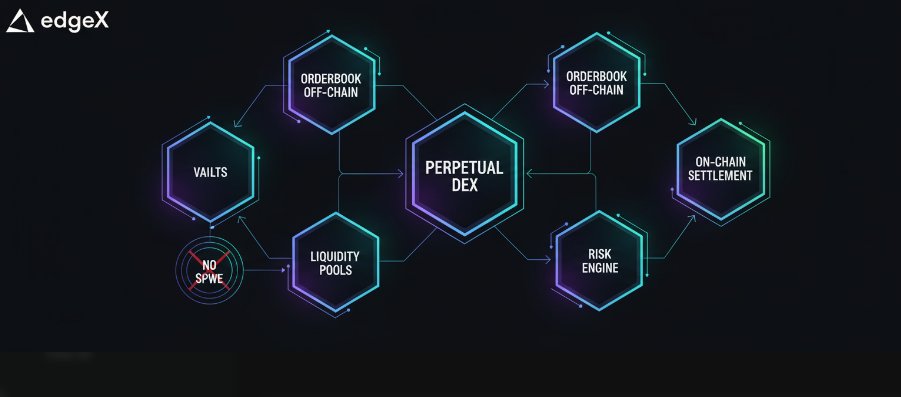
🌲 SPWE (Smart Price & Weight Engine) is just a way to describe the smart pricing/order matching mechanism.
✅ Let's compare a little with other DEXs
- Hyperliquid: AI-powered matching engine
- dYdX: Off-chain orderbook engine
- Aevo: Hybrid matching engine
✅ So the question is, does edgeX have SPWE?
In fact, according to my research, edgeX has not announced any feature or module called SPWE
🌲 But edgeX has a similar combo:
- Execution engine for low latency
- Oracle pricing system (Mark price)
- Depth aggregation of AMM liquidity
- Slippage reduction mechanism
- Risk-engine
- Anti-manipulation logic
🌲 And I believe that edgeX is a powerful product when it converges all the necessary features of a model Perp DEX in the future
💌 Do you think the same as me? Share your views so we can discuss 👇
#edgeX

24 Nov 2025

💚 I have been a trader specializing in trading futures on #Binance for a few years, but since a trader friend introduced me and asked me to switch to trading on @edgeX_exchange
👍 And after 1 week of trading futures on #Edgex, I was really surprised and decided to stop using Binance and switch to trading on Edgex
And these are my reasons
🌲 Speed order depth is better than Binance VIP
Opening 100-200x BTC/ETH without any slippage, $1M order slippage under 0.05%. This week's XRP-PERP trade volume is 2 million, the price matches exactly on the chart, unlike Binance which often drifts 30-40 pips when news comes out
🌲 Really cheap fees, not cheap on paper
Maker 0.015%, taker 0.038%. Trade 10 million volume/month, easily saving 2-3 million in fees compared to Binance. If you have EpicSer NFT, the taker is still 0.015%, almost free trade
🌲 100% of your money, no fear of the floor holding
No KYC, the wallet holds the key. My friend had his account locked by Binance for 2 days because of "suspected unusual activity" even though he was just trading normally. With edgeX, you can connect your wallet and sleep much better
🌲 Mobile app is smoother than the bank app
Official iOS/Android, login in 3 seconds with FaceID, push liq/alert faster than Binance. Trade on the car, zoom chart, pull leverage, close orders with 1 finger - the feeling is exactly like "CeFi experience but DeFi custody".
73
1
71
3,151

24 Nov 2025
Chắc hẳn nhiều anh em đã nghe đến thuật ngữ SPWE mà nhiều Smartfollow hay nhắc tới. Vậy thì SPWE là gì ? và @edgeX_exchange có không ?
Cần phải hiểu rõ rằng:
❌Không phải Perp DEX nào cũng có "SPWE"
❌SPWE không phải là thuật ngữ tiêu chuẩn như AMM, orderbook....
❌Và đây cũng không phải là khái niệm mà mọi Perp DEX đều áp dụng.
➡️SPWE (Smart Price & Weight Engine) chỉ là một cách gọi để mô tả cơ chế định giá/khớp lệnh thông minh.
1️⃣ So sánh một chút với các DEX Khác
🔹Hyperliquid : AI-powered matching engine
🔹dYdX: Off-chain orderbook engine
🔹Aevo: Hybrid matching engine
2️⃣ Vậy một câu hỏi đặt ra là edgeX có SPWE không ?
Thực tế thì theo mình tìm hiểu edgeX không hề công bố 1 tính năng hay module nào có tên là SPWE (Hoặc nếu có thì mong các bạn comment để mình chỉnh sửa). Nhưng edgeX có 1 combo tương tự:
✅ Execution enigne giúp độ trễ thấp
✅Hệ thống định giá theo oracle (Mark price)
✅Depth aggregation của AMM liquidity
✅Cơ chế giảm trượt giá (Slippage)
✅Risk-engine
✅Anti-manipulation logic
Mình tin rằng, edgeX là 1 sản phẩm có thực lực khi hội tụ đủ các tính năng cần thiết của 1 Perp DEX kiểu mẫu trong tương lai. Bạn có nghĩ vậy không? Hãy để lại bình luận ngay bên dưới nhé !
#edgeX
46
42
677
21 Nov 2025
Chào mọi người !
Mình tin rằng cũng sẽ có rất nhiều người giống mình khi không biết Futures là gì cũng như các thuật ngữ về nó.
@edgeX_exchange
là một Perp DEX = Perpetual Decentralized Exchange = Sàn phái sinh phi tập trung.
Thông số được snapshot ngày 20/11/2025 và được lấy từ @DefiLlama :
🔹TVL: 476.03M$
🔹Fees: 2.7M$
🔹Perp Volume: 7.101B$
🔹Open Interest: 672.99M$
1️⃣ TVL(Total value locked): tổng giá trị tài sản được khoá trong smart contract của giao thức. Hiểu đơn giản TVL là số tổng số tiền ( $ETH, $USDC, $BTC..... ) mà người dùng đang gửi vào hệ thống.Điều đó có nghĩa rằng khi TVL càng lớn thì nền tảng càng mạnh, an toàn và thanh khoản lớn.
2️⃣ Fees: tổng số tiền phí giao dịch mà người dùng đã trả khi giao dịch trên EdgeX.Con số này cho thấy volume thật & dòng tiền thật đi qua giao thức EdgeX.
3️⃣ Perp Volume: Tổng giá trị giao dịch (Trade nhiều, sử dụng đòn bẩy) tăng Perp Volume. Giá trị này thể hiện sàn EdgeX đang cực kỳ sôi động, có user thật giao dịch.
4️⃣ OI = Open Interest: Cần phải làm rõ, OI không phải là volume. OI là các lệnh còn đang mở.
➡️Mình ví dụ như sau:
🔸Khi trader mở một lệnh (Long/short) ➡️ OI Tăng
🔸Trader đóng lệnh ➡️ OI Giảm
🔸Lệnh bị thanh lý ➡️OI Giảm
Chính vì vậy, theo mình OI phản ánh chính xác dòng tiền đang có trong thị trường vì đó chính là các vị thế chưa được chốt.
🔹Vì sao mình lại viết bài này,Lí do là để hiểu rõ hơn và là nền tảng cho các bài viết tiếp theo khi mình sẽ cố gắng tập trung sâu hơn vào mặt công nghệ, các thông số ngày & tuần của sàn. Cũng như có thể hiểu được các nội dung mà Top Smartfollow của dự án đang chia sẻ.
🔹Hi vọng rằng mình sẽ đi đúng hướng khi không phải "cắm mặt" vào viết với các định nghĩa đã tràn lan trên X và "Comment Chéo".
🔹Theo mình EdgeX là 1 DEX, Yap cũng chỉ là 1 chiến dịch tạm thời mà cái chính vẫn là trade Volume kiếm point. Mình là 1 con số 0 tròn trĩnh trong thị trường này nên phải học từ những cái căn bản trước.
#edgeX #Dexmarket
21
27
477
19 Nov 2025
Chào anh em !
Như vậy là bảng xếp hạng lại tiếp tục bảo trì. Trong số các đại sứ của dự án @edgeX_exchange thì bạn Namdong này mình cũng hay theo dõi & đã có thông tin như sau:
1️⃣ Leaderboard chỉ là 1 công cụ tham khảo và không quyết định thứ hạng.
Tuy nhiên theo ý kiến cá nhân thì mình vẫn thấy có vẻ như Team có sử dụng sau đó sẽ lọc thủ công lại trong top 100-500.
2️⃣ Mỗi quốc gia như Việt Nam, Hàn Quốc, Nhật Bản.... đều có 1 người phụ trách riêng và xem xét trực tiếp các bài đăng. Thật sự thì mình cũng hi vọng vậy để các phần thưởng sẽ dành cho những "Real User".
3️⃣ EdgeX ưu tiên các bài có ảnh hưởng tích cực, trải nghiệm thật dự án. Không copy, không AI 100%.
Một điều cực kỳ quan trọng mà mình nghĩ không riêng gì EdgeX mà các dự án khác cũng vậy, đó chính là Mindshare %.
Phải chăng cộng đồng Việt Nam chúng ta nên có cách làm khác ? không chỉ tập trung vào việc viết bài nữa mà còn ở tương tác với các smartfollow ?
Phần thưởng $MARU hôm nay chỉ là 1 phần khích lệ - Pool thưởng rất lớn còn chờ anh em phía trước. Hi vọng rằng anh em chân cứng đá mềm và tiếp tục cố gắng!
#edgeX #Dexmarket #MARU
55
56
1,277

9 Nov 2025
🫰 Nếu bạn cần #SmartFollow thì hãy follow tôi
🫰 如果你需要 #SmartFlllow 那就关注我吧
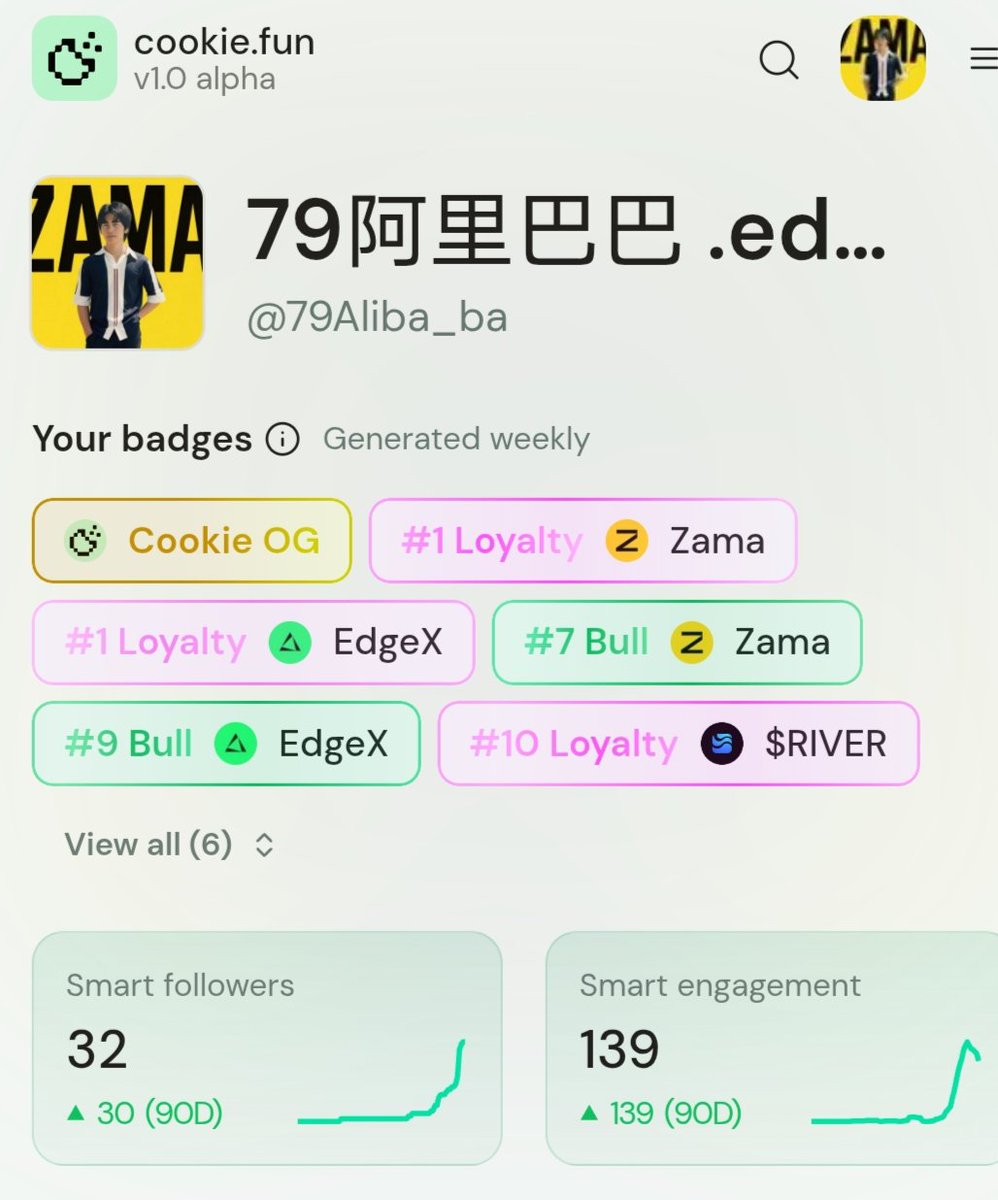
终于打进 @useTria x @MindoAI - @cookiedotfun 的顶级 KOL 排行榜啦!
稳步上升,稳步前进。
能和业内大咖们并肩而立,感觉真棒!
旅程才刚刚开始,坚持比炒作更重要。
这周还有谁在努力冲击排行榜?
#useTria #MindoAI
79
1
74
8,297

9 Nov 2025
🔴老V项目分享——Rally
@RallyOnChain
嘴撸新平台 极早期项目
错过了Kaito
cookie的末路
Rvier的狂卷
Rally是小账户最适合的社交撸毛平台了
注册链接👇
waitlist.rally.fun/joinme/Vi…
🔴对比Kaito的优势
对比Kaito而言 Rally有三胜!
1⃣融资2000w美元(比 @KaitoAI 多1000W)
此为一胜!
2⃣Rally每条推文、互动、AI评分、奖励全上链可查,公开标准,而Kaito黑箱算法不透明,小账户难破0
此为二胜!
3⃣kaito需要ict、smartfollow刷量,反而造成AI文章堆积,垃圾信息充斥时间线,而Rally使用AI算法核实真实互动,主张质量而非数量(包括粉丝量),同时新城项目→推特文章→算法验证→付费奖励闭环,ROI透明量化,净化推特内容的同时认可小账户的建设发声。
此为三胜!
🔴如何参与?
1⃣注册并连接X账号👇
waitlist.rally.fun/joinme/Vi…
加入waitlist
获取alpha资格!
2⃣For Content Creators
根据官方文档docs.rally.fun/
后续For Content Creators页面开放后
浏览和加入 campaigns
完成 missions 的步骤
(推文分享 社区互动、回复、转发)
由 @RallyOnChain AI评分(基于内容质量)给予积分
积分未来兑换token
真正公平的去中心化营销协议,让嘴撸不再是大KOL的专利,加入我,加入光荣的进化!Earn rewards for your influence!
#RallyOnChain #Web3 #AIEarn #Crypto

3
483

22 Oct 2025
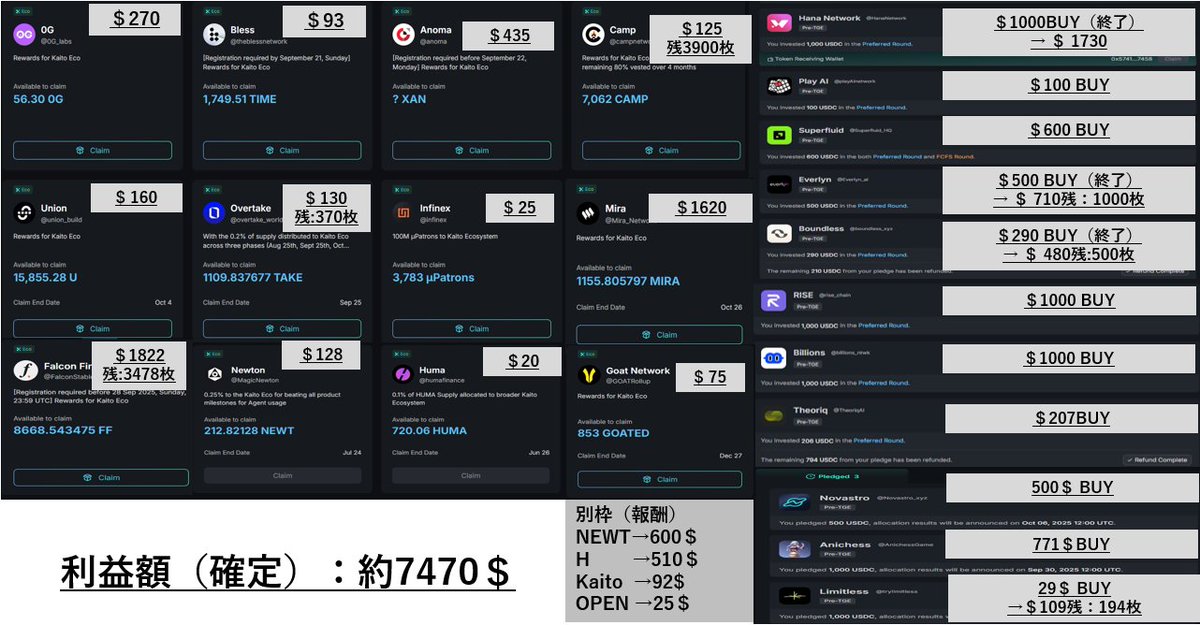
✅Kaitoの利益状況
@KaitoAI
infofiの主役のkaito!!
私は6月から本格参戦していますが
・Ypas→16.7
・smartfollow→15
・利益額:約$7500
現時点で3か月で「100万円」利益でています!
※まだまだローンチパットや残Claimあるので…
にやにやが止まらないぜ!
その他の副産物もたくさん!
私は2/28~ $kaito をコツコツ積み上げており
約6500枚程度持っており含み損ですが
圧倒的利益です。
※これにAPY8%とさらにお得
ちなみにこれただのinfofiでつぶやくだけでなく
この中のプロジェクトにも参加することで
色んな「エアドロップ」が狙えます。
例えば
・本日TGEの @turtledotxyz に @katana も!
・Hyperliquid関連の @defiapp もここから!
・perpdexの @paradex もきっかけに
等々ここから情報仕入れてしっかり刻む!
infofiの本質は私は「つぶやき盛り上げる」だけでなく
しっかりプロジェクトに触れて良さを引き出す!
そのプロジェクトを触るいいきっかけにもなります。
あくまでツイートはきっかけでそれだけの作業になると
時間と労力だけがすぎて
結果:「お金」が稼げない
にならないようにだけはしています。
もちろんツイートだけで稼げたらそれが一番ですが
私自身はその能力がないと思っています!
今後のkaitoには
①Yapsの今後の役割
②kaitoトークンのさらなるユーティリティ
この二つに注目しながら今後も戦略練ります!
私は初心者的な投稿しかできておらず
yapsがたまらないのは当然だと思ってますし
自分の未熟さも承知しています。
が、自分なりの戦いでお金は稼げるように努力はしているつもりです!
コツコツ頑張ります!
みなさんも頑張りましょう!
#仮想通貨
#エアドロ
3
4
22
2,172

15 Oct 2025
Mình đọc tài liệu thì nó ko cần tag dự án
Điểm phụ thuộc vào:
Smartfollow
Tương tác với SF và ngược lại
Bài viết bổ ích tương tác nhiều
Lộ trình dài của bài viết nhất quán. Kiểu như nói nhảm về thị trường cũng phải nhất quán thi điểm sẽ lên nhiều hơn
1
24

7 Oct 2025
Heard of @imua?
It’s building what most protocols talk about but few achieve unity through validation.
Every chain adds value to the next, creating a network that grows stronger with every connection.
It’s not just infrastructure, It’s a mindset: @alphabot
#smartfollow
#viral
7 Oct 2025

Imua — Building the Infrastructure of Collaboration
Under the surface of every great ecosystem lies a silent architecture protocols that connect, automate, and protect.
Imua is that hidden foundation for the next era of Web3 coordination.
It bridges fragmented systems, letting builders deploy across chains without friction.
Its design isn’t just scalable it’s adaptive, evolving with the needs of communities, DAOs, and networks that choose progress over isolation.
In a world full of silos, @imua builds connective tissue the invisible rails of trust and interoperability that make collaboration possible.

3
14

1 Oct 2025
Thật tiếc khi thấy ít Smart Follow cho VN dù có thế mạnh crypto. Hy vọng sẽ có thay đổi tích cực sớm. Chúc vui vẻ! #Yaptoearn #SmartFollow
1
2
42

21 Sep 2025
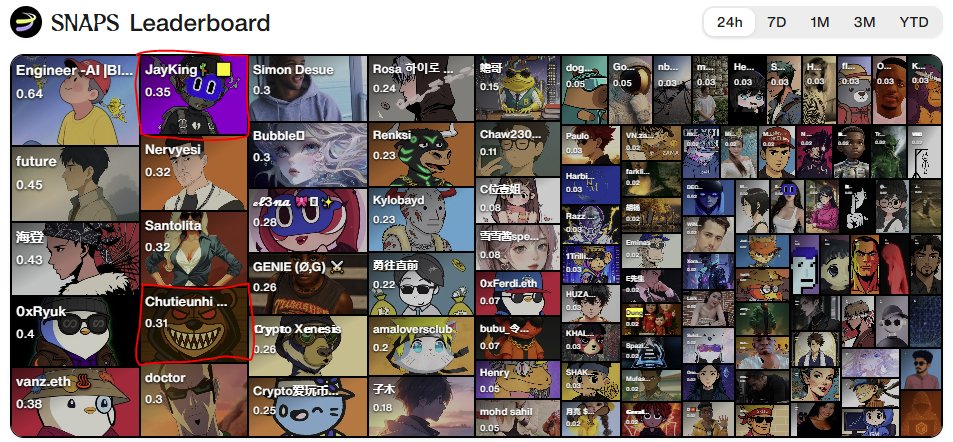
Nửa đêm thao thức nằm nghĩ xem tại sao mình không kiếm được nhiều snap hơn để ontop
@RaylsLabs
Thì lại thấy 2 chiến thần @Thinh999999999 và @Chutieunhii ngồi trên nóc bảng xếp hạng. Số snap 1 ngày đã = số snap của mình kiếm được trong nửa tháng.
Sếp nào cũng kha khá SmartFollow, trộm nghĩ đây cũng là 1 tiêu chí giúp tăng điểm nhanh hơn.
Ở VN số lượng người là SMF cực kỳ ít, có chăng là những người là mod của dự án, hoặc admin của 1 cộng đồng mà nhiều OG-Degen tham gia.
21 Sep 2025

GM, Day 15 with @RaylsLabs:
🌞Rayls làm gì để KYC mà vẫn giữ được privacy của web3 ?
(hôm nay không tag ai xem flop tới đâu)
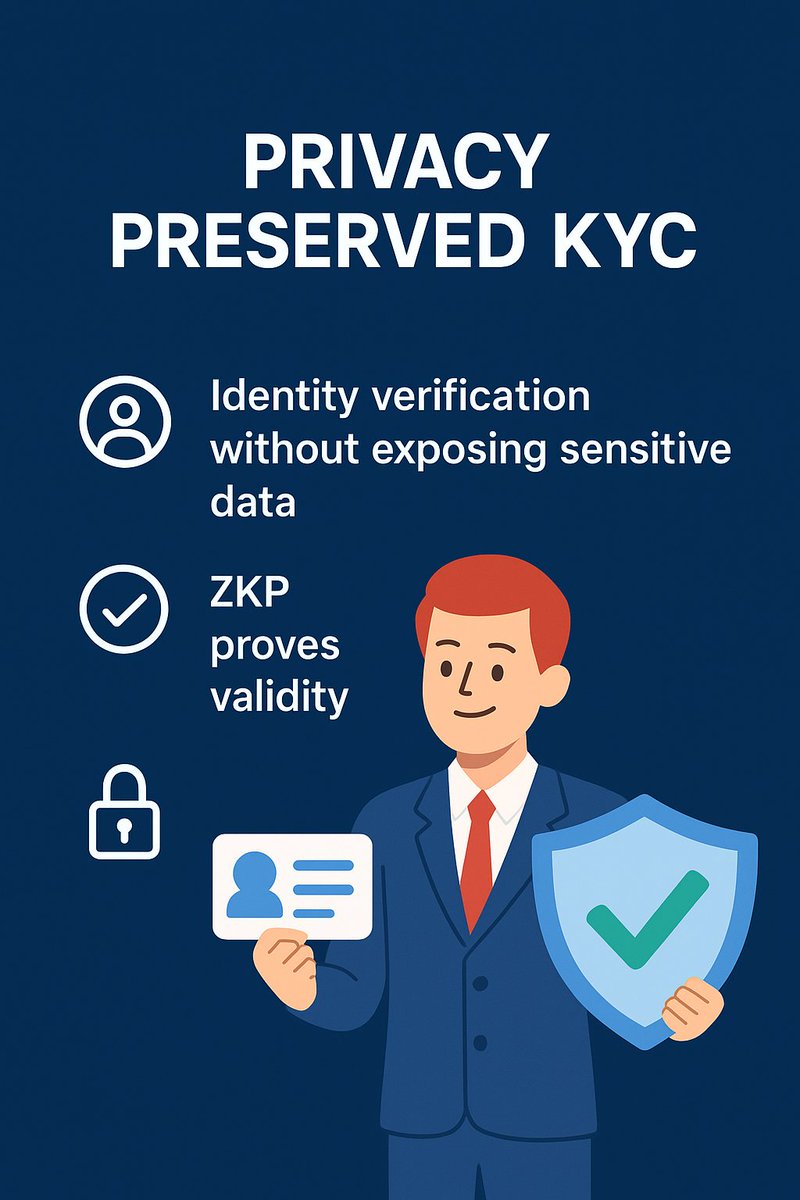
Trong tài chính số, KYC/AML luôn là “cửa ải” bắt buộc. Nhưng làm thế nào để ngân hàng vừa tuân thủ luật, vừa giữ bí mật cho khách hàng? 🤔
Rayls đưa ra khái niệm Privacy-Preserved KYC nghĩa là ngân hàng/đơn vị vẫn thực hiện KYC (Know Your Customer) đầy đủ – tức kiểm tra giấy tờ, định danh, chống rửa tiền (AML) – nhưng không cần lưu trữ hay lộ toàn bộ dữ liệu nhạy cảm ra môi trường blockchain.
1⃣Zero-Knowledge Proofs (ZKP) 🕶️
👉🏿Khách hàng chứng minh “Tôi đã được xác minh KYC hợp lệ” mà không cần đưa ra ảnh CMND/CCCD hay thông tin chi tiết.
Ví dụ: chỉ chứng minh tuổi >18 thay vì đưa ngày tháng năm sinh.
2⃣Selective Disclosure 🔑
👉🏿Dữ liệu cá nhân được mã hóa, chỉ mở khóa cho cơ quan có thẩm quyền khi cần kiểm tra.
Ngân hàng hay tổ chức khác chỉ thấy “trạng thái KYC: ✅” chứ không thấy chi tiết.
3⃣Decentralized Identity (DID) Verifiable Credentials (VC) 📲
👉🏿Danh tính được cấp và lưu trong ví số của khách hàng.
Khi giao dịch, khách hàng chỉ xuất trình “bằng chứng đã được KYC” thay vì gửi lại hồ sơ giấy tờ nhiều lần.
4⃣Homomorphic Encryption 🔒
👉🏿Cho phép xử lý dữ liệu (ví dụ: kiểm tra blacklist AML) ngay cả khi dữ liệu đang ở trạng thái mã hóa.
23
1
21
597

15 Sep 2025
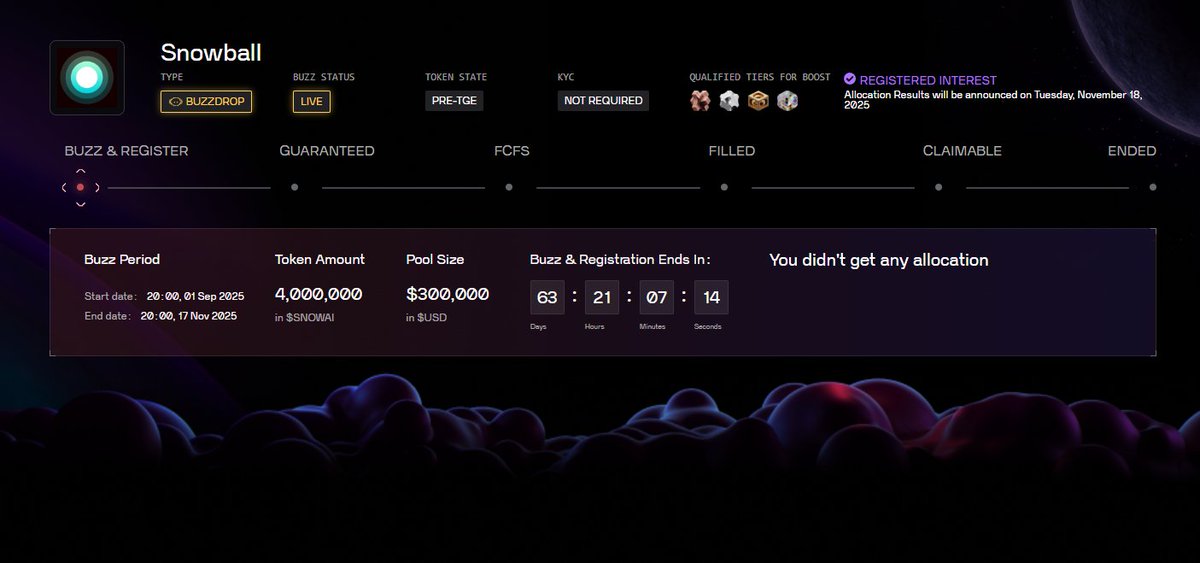
Dự án tiếp theo là @snowball_money đang chia sẻ pool 300k$ trên @Chain_GPT nhé mọi người
Bước 1 kết nối ví sau đó bấm chữ " Register Interest" đê đăng ký nhé
Bước 2 anh em viết bài về dự án và bao gồm tags bắt buộc là #Snowball $SNOWAI
các tags kèm theo #ChainGPT, $CGPT, @ChainGPT_Pad
các bạn bấm vào link này để đăng ký nhé pad.chaingpt.org/pools/snowb…
Những điều cần lưu ý:
anh em nhớ là phải đăng ký trước khi viết nhé
tránh coppy bài viết
nhớ đăng bài phải có ảnh hoặc video để tăng độ tương tác
tài khoản nào càng lâu, càng có nhiều smartfollow càng được nhiều điểm
63
68
432

14 Sep 2025
Từ ngày các đấng sinh thành sinh ra mình đến bây giờ, từ ngày biết lướt X để đọc tin tức về Crypto. Chưa bao giờ mình chứng kiến được 1 sự kiện nào khiến cộng đồng crypto bàn tán sôi động như Zama.
Từ những bài viết giới thiệu về công nghệ FHE, bài viết nói về giải thưởng $50.000 mỗi tháng đến việc điều tra và mò ra thông tin từng người lãnh đạo của Zama để viết bài phân tích, mổ xẻ.
Nhưng bao nhiêu chủ đề đó vẫn chưa thỏa mãn niềm đam mê, niềm yêu quý của họ với Zama, từ đó xuất hiện nhiều content rất vui:
- Nếu Flop thì tag KOLs đình đám vào, những người "bị" tag nhiều trong đó có (mình không tiện tag họ vào, anh em cần soi page cá nhân cứ thêm @ vào nhé):
Anh chanhdoro - 1 smartfollow có sức ảnh hưởng kinh thiên động địa, húp rất nhiều kèo đến nỗi CEO của MORPHL2 còn động lòng cảm mến năng lực (Đây là người anh giúp Meow rất nhiều để Meow ở lại với mảng này tới hiện tại).
solotop999 - đây là chủ động XXX lớn nhất nhì mảng airdrop VN đến nổi group chat phải bay màu vì member quá hung hãn, người nắm bắt rất nhanh các trend mới nhú, bú từ đầu đến đuôi, không bỏ sót trend nào. Khi khầy đã không tham gia thì thôi, lỡ tay post 1 bài vui vui về Zama đã chiếm Top 24h trong lần đầu tiên lỡ twit, và hiện đang nằm chình ình trong BXH 24h cookie zama.
Và còn rất rất nhiều người nữa nhưng Meow không gõ ra, tránh các bạn tag, ảnh hưởng các bác ý.
- Sau trend tag tên KOLs vào đỡ flop thì còn nhiều content khác:
Thay vì phân tích, khen dự án thì quay ra chê dự án, trend này do khầy Top khởi sướng.
Quote-to-Quote: bạn giúp mình, mình sẽ qua giúp lại bạn.
Quay video hình ảnh cuộc sống thường ngày bên cạnh Zama.
- Bí trend quá thì mình GA, điển hình là 5phutcrypto_ , tung ra chương trình khích lệ và ăn mừng Cộng đồng Zama Việt Nam đã có hơn 1300 thành viên, dưới sự tài trợ của anh chanhdoro. Và rất nhiều anh em khác cũng đã tung ra chương trình GA cho riêng mình.
Rất nhiều content nữa mà mình không nhớ kịp, anh em có biết content nào của cộng đồng về Zama nói Meow biết với.
Với tầng suất xuất hiện đều đặn và kéo dài hàng tháng trời, các cụm từ #ZAMA #FHE #ZamaCreatorProgram sẽ khiến người không quan tâm nhất cũng thắc mắc tự hỏi “Zama là gì vậy?”, từ đó họ sẽ lướt lại từng bài viết về Zama và tìm hiểu nó. Đây cũng là mục đích của @zama_fhe khi họ tung ra chiến dịch Zama Creator Program.
♦️Zama Creator Program♦️
✅Đây là bước đi đúng đắn nhất của @zama_fhe khi thay đổi cuộc chơi airdrop từ cày onchain truyền thống - nơi có quá nhiều trại farm thả bot vào cày khiến người trãi nghiệm testnet chân chính không thể nào cạnh tranh lại.
✅Với chiến dịch Zama Creator Program, bạn chỉ có thể được vinh danh khi bạn thật sự hiểu rõ về dự án, viết bài với tất cả sự nghiêm túc của mình (như cách mình đang viết bài này nè 🤣), không gian lận thì mới có thể có vé nhận 1 NFT OG – vé vàng (250 người đứng đầu chiến dịch) vào hệ sinh thái rộng lớn của Zama.
✅Ngoài ra, chiến dịch còn phân bổ 50.000 USD mỗi tháng (tăng dần cho mỗi tháng kế tiếp) để tiếp sức cho 100 nhà sáng tạo nội dung hàng đầu với USDC hoặc $ZAMA
Meow đã có những bài viết về chủ đề này, nếu bạn cần đọc rõ hơn có thể ghé qua nhe:
🔘Chiến dịch Zama Creator Program: x.com/meo_testnet/status/196…
🔘Giới thiệu về ZAMA: x.com/meo_testnet/status/196…
x.com/meo_testnet/status/196…
🔘FHE là gì: x.com/meo_testnet/status/196…
🔘Zama và công nghệ bảo mật sự riêng tư: x.com/meo_testnet/status/196…
12 Sep 2025

▶️Hey there! Let’s dive into the world of public blockchains in a way that’s easy to grasp. Picture a public blockchain as an open diary—anyone can flip through its pages and see everything: transaction histories, asset amounts, or even how smart contracts are being used. It’s super transparent, which is awesome, but it comes with some challenges.
♦️For everyday users like you and me, this openness can make us a bit vulnerable. Scammers might spot opportunities to trick us, or others could “front-run” our transactions to get ahead.
♦️For businesses, it’s an even bigger deal-having their strategies or customer data out in the open could ruin their edge or even land them in legal hot water.
This tug-of-war between transparency and privacy is a big reason why some folks, especially companies with strict regulations, are hesitant to jump into blockchain. Without solid privacy solutions, it’s tough to fully embrace this tech.
👉That’s where @zama_fhe comes in with a super cool approach! They’re tackling this problem with something called Fully Homomorphic Encryption (FHE), a game-changing idea from 2009 by Craig Gentry. FHE is like a magic trick—it lets you process data without ever “unlocking” it, keeping everything secure even while it’s being used. Pretty neat, right? This means blockchain can deliver accurate results without spilling the beans on sensitive info.
✅Now, FHE used to be slow and clunky, but Zama says they’ve turbocharged it-making it 100 times faster than a few years ago! Their system now supports complex smart contracts, works with popular coding languages like Solidity and Python, and is even built to stand up to future quantum attacks. Talk about forward-thinking!
✅But Zama doesn’t stop at FHE. They’re mixing it with Multi-Party Computation (MPC) and Zero-Knowledge Proofs (ZK) to create a privacy powerhouse. MPC splits encryption keys so no single person has full control, boosting security and keeping things decentralized. ZK lets you verify data without revealing what’s inside. Together, this trio creates a system that’s private, decentralized, and trustworthy-a rare combo in the blockchain world.
✅The best part? Zama doesn’t make you switch to a new blockchain or deal with complicated setups. Their privacy layer works right on top of chains like Ethereum. You can keep using your assets or apps as usual, just with an extra shield of privacy from Zama. It’s like adding a security upgrade to your favorite game without changing how you play.
Of course, there are a few things to keep in mind:
- Zama says their system can handle over 100 transactions per second with GPU power, which is impressive but still lags behind some other solutions.
- Running encrypted contracts might come with higher “gas” costs on blockchain, so it could be pricier and better suited for high-value transactions.
- Debugging these encrypted contracts can be tricky since no one can see the data or what’s happening inside, which might make fixing errors a bit of a puzzle.
▶️Still, Zama’s got big dreams! They’re aiming to create “HTTPZ,” a new kind of internet where everything stays encrypted, even while it’s being used. Imagine secret auctions, private voting systems, or secure data markets-things that sound like sci-fi but could become reality with Zama’s tech.
✅Investors are clearly excited, too.
♦️Zama raised $57 million, pushing their valuation over $1 billion!
♦️Zama is led by key members:
- CTO Pascal Paillier (@pascal_paillier), a cryptography rockstar who created the Paillier Cryptosystem.
- CEO Rand Hindi (@randhindi), a seasoned entrepreneur who sold an AI startup for $37.5 million, proving he’s got the skills to steer the ship.
The big question now is whether Zama can get developers and users on board and deliver on these bold promises. It’s too early to say for sure, but one thing’s certain-this is a project worth watching! What do you think-excited about the future of private blockchains?
#ZamaCreatorProgram

28
1
37
3,983

Gm SmartFollow,
🔥A project with no less potential than Kaito is @cookiedotfun.
Why is it worth joining? And we are still very early
✔️ The project has been launched for a few months but the number of participants is still very small.
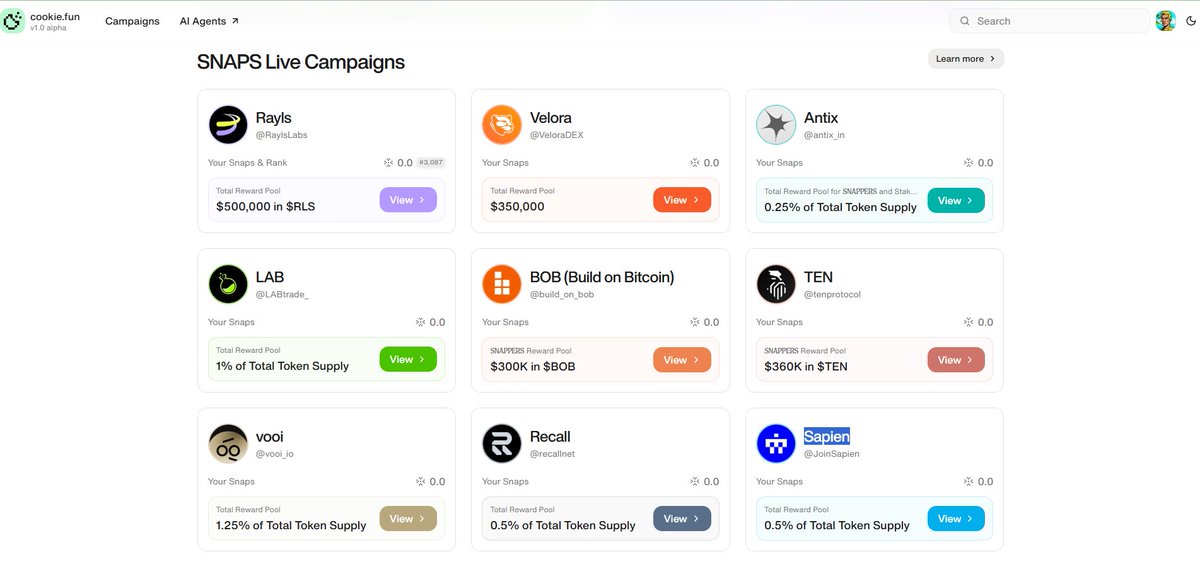
✔️ Many big projects have started to choose launchpad on Cookie:
🔸 @RaylsLabs has successfully raised 32M.
🔸 @recallnet has successfully raised 30M.
🔸 Some have launched tokens, and those projects are currently sharing extremely attractive reward pools, importantly, very few people participate such as @VeloraDEX, @build_on_bob @tenprotocol @JoinSapien @LABtrade_ ... those are all large projects and all have MarketCap from tens to hundreds of millions of dollars.
✔️ The Yap to Earn trend is going strong.
✔️ Cookie where every account is treated fairly based on actual contributions.
Sorry if you joined and I tagged you, have a nice day. 🫡
How to Join 👇👇👇
@R5Z5G @hodl_strong @BagenBlagen @Phineas_Sol @GeormanZ @MutantMatt0x @inkymaze @BitGrateful @langerius @waleswoosh @CryptoWizardd @Rewkang @Ashcryptoreal
3
5
188