
Jun 11
ちなみに他に参考にした UI としては、 SmartGo One というアプリの碁盤領域外の余白をスワイプ操作で局面を進めたり戻せたりするものがあります。スライダーと同様の理由で見送りました。
Jun 11

他のアプリを参考により良い UI/UX がいろんなアプリで使えるようになるのはよいですね…🤗
囲碁のノートでもスライダーは検討しましたが、囲碁のノートでは変化図がより複雑になるケースを想定するため、変化図へのシフトの最適な UI が思い至らず、一旦見送りました。要望が多ければ再検討します。
1
137

Jun 6
I know this we got them outnumbered at least 10:00 to 1:00 and the people down the south they've got so much weaponry and ammunition that it would it would not god forbid I'm just completely upset over listening to that guy say that but it will never happen thank God because they wouldn't last a day or two i mean it would be ridiculous God forbid it'll never happen it'll never happen and God for God forgive me for even saying itI just got very hyped up listening to that guy say thatThe way he was saying it and over the thingsHe was saying it farThat kid killed a man a little a young man that had the rest of his life in front of him and all he had to do was walk awayWhich is why he's probably going to be found guilty and it's going to cause all kind of problems down there but if they're smartGo do the math and realize they have no chance whatsoeverIf they get stupid and start something they can't finish
1
16

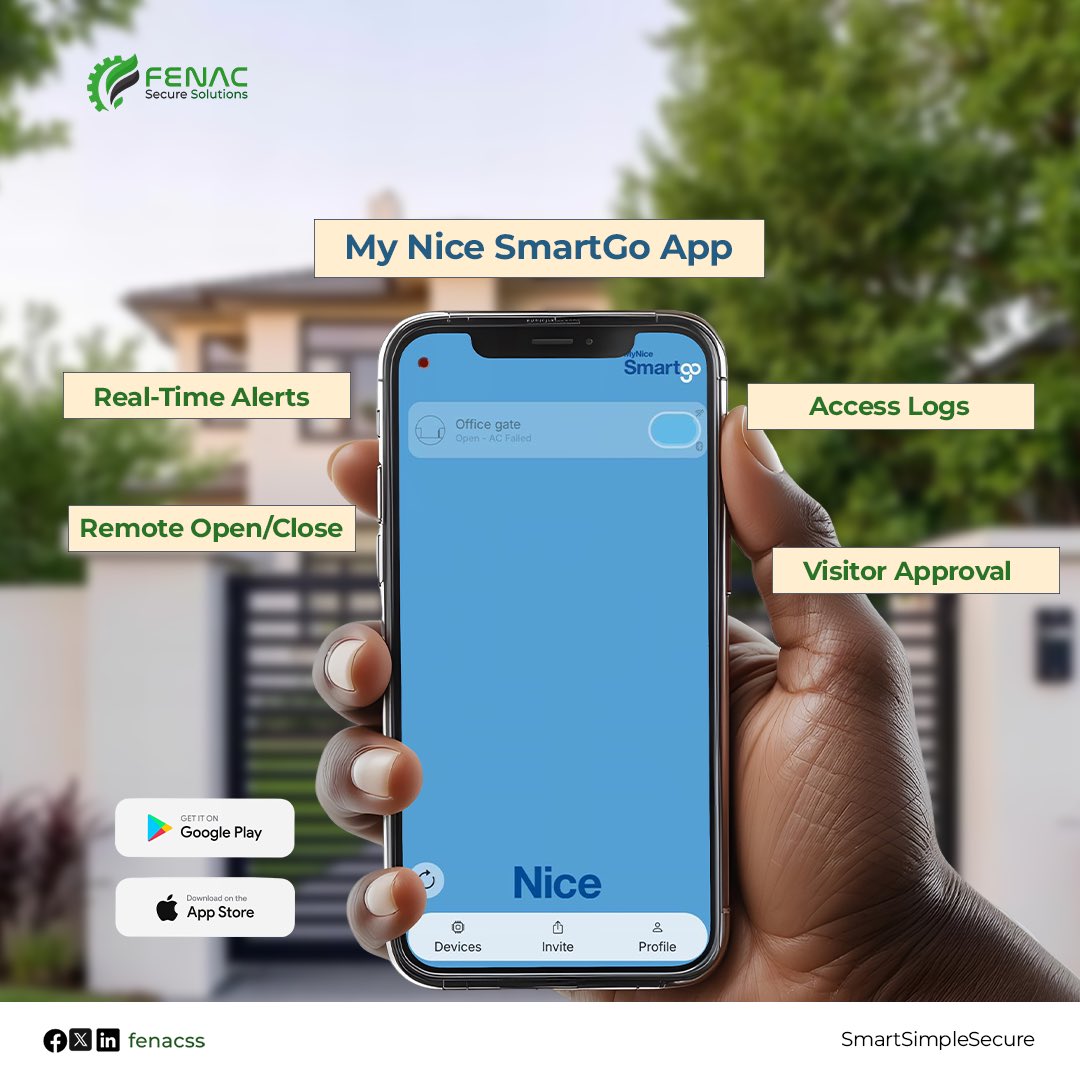
Fenac's NICE SmartGo app puts complete access control in your pocket. Open, close, monitor, and grant access from anywhere in the world.
Send 'SECURE' to our WhatsApp
#fenaceverywhere
#justdoitnice
#smartsecurity
#gateautomation
1
10

Your gate. Your phone. Full control from anywhere in the world.
Watch how the NICE SmartGo app puts access control in the palm of your hand.
Comment “SECURE” to get started.
#fenaceverywhere
#doitnicewithfenac
#justdoitnice
#fyp
#gateautomation
#SmartSecurity
#goviral
2
13


Apr 25
@smartgo Hi Anders! ChatGTP told me that you are about 3 Dan amateur player, a really strong and solid player. Very good!
45

Apr 12
smartGO ONEが局後の棋譜を常時AI判定と悪手判定してくれることを今更知って、便利さに感じた。
だけど、やっぱりAIだと人間らしい手は悪手扱いされて、何がクリティカルだったのかわからない🫨
3
81

Apr 8
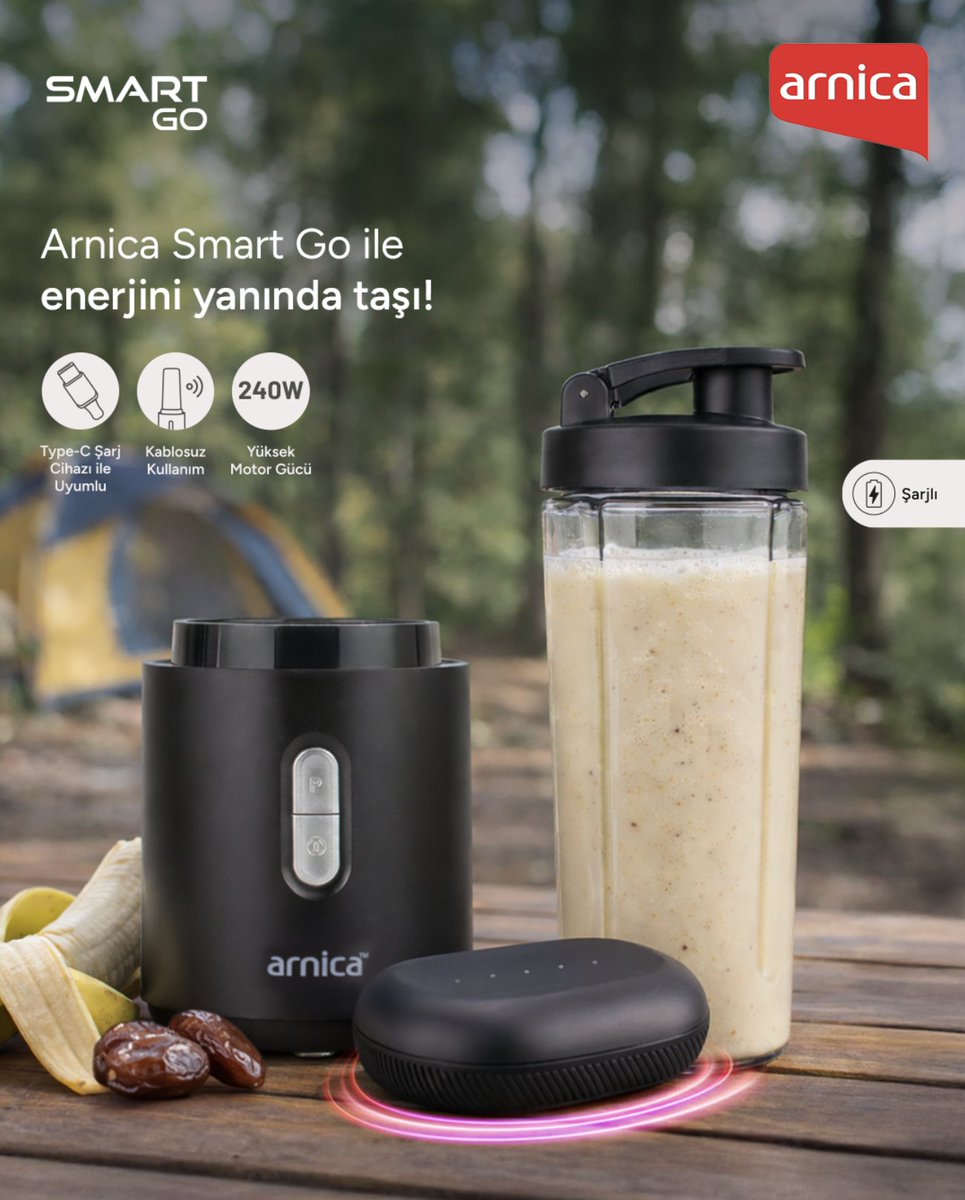
Sırt çantanda ona yer aç, kamp keyfini ikiye katla!
Rotan neresi olursa olsun, Arnica Smart Go ile taze smoothie’n her an elinin altında. Sen sadece manzaraya odaklan, enerjini tek tuşla tazece hazırla.
#Arnica #SmartGo #KamptaHerŞeyYolunda
74
@smartgo Hi Anders! I am solving problems in SmartGo as I told you before. What are the numbers besides the text "Your move", there are numbers like 36/100?
12
@smartgo Hi Anders! Going through problems in SmartGo, trying to do about 10 per day. Feeling slightly sorry that you do not develop the Windows version further. But problems are good and I like them.
1
20

🛍️ [ Amazon US Big Spring Sale Offer | $359.99 ] Skyrover S1 Mini Drone Combo with Camera 4K/60fps Video, 48MP Photo with 8K Image Quality, 3-Axis Gimbal Stabilization, 39,000ft Video Transmission, Under 249g, Auto Track, 120-Min Flight Time with 3 Batteries ( 860014305702 ) [ad] amzn.to/3NKwkJ1
Price: $359.99 ( Lowest Price on Mar 25, 2026 )
List Price: $499.99
Specs and Features
Sharper Detail in 48MP Images - This mini drone captures stunning 48MP photos, ideal for travel vlogs, real-estate shots, and family moments. Update to the latest firmware to unlock the full resolution
4K/60fps Clarity With Sony Sensor: The mini drone with camera captures lifelike colors and crisp details with 1/2” Sony sensor and advanced image processing of Skyrover S1
3-Axis Gimbal Stabilization: Enjoy smooth, shake-free footage with the 3-axis gimbal of the drone with camera 4K, ensuring professional-quality videos even in windy conditions or fast movements
Subject Lock With Auto Track: Skyrover S1 min drone with camera automatically follows your movement, keeping you in frame for hands-free shots during hikes, bike rides, or outdoor adventures
One-Tap Creation via SmartGo: SmartGo of the mini dorne with camera enables effortless, professional camera moves for beginners and efficient creative shots for experts in any adventure scene
40-Min Flight Time: The Mini drone flies for up to 40 mins per battery, or select Skyrover S1 Bundle with 3 batteries for a total of 120 mins and more shooting opportunities
39,000 ft Video Transmission: Experience 39,000 ft video transmission with a reliable, stable signal via the drone with camera, keeping you in full control while exploring farther than ever before
Smart RTH:Smart Return-to-Home automatically guides your mini drone back to its takeoff point, ensuring a safe landing and safeguarding your valuable footage
Includes Skyrover S1 mini drone, Skyrover Basic Remote Controller, and three Smart Flight Batteries, and more, providing up to 120 mins of flight time for extended, hassle-free flying
Ultra-Light & Travel-Friendly: Weighing under 249 g*, Skyrover S1 slips easily into your bag, letting you fly in most countries or regions without registration or exams required
Check Amazon Product Page for Price History, Verified Purchase Reviews, and Current Lowest Price Offers
36

Mar 23
#chuckitall #Go for Beginners: How to Play (and the Tips Pros Still Whisper to Themselves)
You already get the big idea: place black or white stones on a grid, surround more empty space than your friend, and win. That’s 90% of it. Here’s the rest in plain English — no history, no jargon overload, just what you need to start playing tonight and actually enjoy it.
The Setup (Takes 30 Seconds)
•Board: 19×19 lines (big) or 9×9/13×13 for beginners (small and fast — use the small one first).
•Stones: Black goes first. You take turns placing one stone per turn on any empty intersection.
•Stones stay forever unless captured. No moving pieces around like chess.
The Only Two Rules You Must Know
1Liberties (breathing room)
A stone (or group of connected stones) needs at least one empty adjacent intersection to stay alive. If you surround it completely (no liberties left), it is captured and removed. That’s how you take prisoners.
2No suicide Ko rule
You cannot place a stone that would instantly have zero liberties (suicide is illegal).
You also cannot immediately recapture the exact same single stone your opponent just took (the “ko” rule stops infinite loops).
Everything else is strategy, not rules.
How You Actually Win (The Fun Part)
At the end:
•Count every empty intersection you have surrounded (your territory).
•Add any stones you captured (prisoners).
Whoever has more territory prisoners wins. Ties are possible and common.
That’s literally the whole game. No checkmate, no king to kill — just who controls more empty space.
Beginner Strategy Tips (These Will Carry You Far)
Play your first 10–20 games like this and you’ll already be better than most casual players:
1Claim corners and edges first
Corners are the easiest to surround. Edges next. The center is hardest. Start there and you’ll naturally build big territories.
2Connect your stones
Stones touching horizontally or vertically are a group. Groups are much harder to kill. If your stones are isolated, they die easy. Link them like a chain.
3Don’t fight early
The biggest beginner mistake is attacking everything. Let your opponent take a small corner while you quietly build a huge wall somewhere else. The board is massive — there’s room for both of you until one of you starts gently surrounding the other.
4Watch your opponent’s “shape”
If their stones look cramped or have holes, they’re weak. If they look open and connected, they’re strong. Just noticing this upgrades you fast.
5The golden question
After every move ask yourself: “Is this stone trying to live, or is it trying to surround me?” That single question is the secret sauce.
Expert Reminders (Even Pros Love Hearing These Again)
•Influence > immediate territory
Strong players often build “influence” (open, flexible positions) instead of rushing to wall off tiny areas. Influence controls the whole board later.
•The center is for the endgame
Early on, ignore the middle. Late game, the center becomes huge. Pros wait for it.
•Sacrifice is power
Sometimes letting your opponent capture a few stones is the best move — it lets you build something much bigger elsewhere. Pros do this all the time and smile while doing it.
•Ko fights are psychological
The ko rule is where games get tense. Pros treat it like a staring contest: “I can wait longer than you.”
•The real game starts after the stones stop moving
Counting territory is where the magic happens. Pros count in their head while playing and already know who won before the game officially ends.
Quick Start Tonight
Grab any paper, draw a 9×9 grid, or download a free app (Go Quest, SmartGo, or OGS online). Play 3 games against a friend or the computer on the easiest setting. You’ll feel the “long game” magic in under an hour.
That’s it.
The board is empty.
Your first stone is waiting.
Play a few games, then come back
56
Mar 23
Go for Beginners: How to Play (and the Tips Pros Still Whisper to Themselves)
You already get the big idea: place black or white stones on a grid, surround more empty space than your friend, and win. That’s 90% of it. Here’s the rest in plain English — no history, no jargon overload, just what you need to start playing tonight and actually enjoy it.
The Setup (Takes 30 Seconds)
•Board: 19×19 lines (big) or 9×9/13×13 for beginners (small and fast — use the small one first).
•Stones: Black goes first. You take turns placing one stone per turn on any empty intersection.
•Stones stay forever unless captured. No moving pieces around like chess.
The Only Two Rules You Must Know
1Liberties (breathing room)
A stone (or group of connected stones) needs at least one empty adjacent intersection to stay alive. If you surround it completely (no liberties left), it is captured and removed. That’s how you take prisoners.
2No suicide Ko rule
You cannot place a stone that would instantly have zero liberties (suicide is illegal).
You also cannot immediately recapture the exact same single stone your opponent just took (the “ko” rule stops infinite loops).
Everything else is strategy, not rules.
How You Actually Win (The Fun Part)
At the end:
•Count every empty intersection you have surrounded (your territory).
•Add any stones you captured (prisoners).
Whoever has more territory prisoners wins. Ties are possible and common.
That’s literally the whole game. No checkmate, no king to kill — just who controls more empty space.
Beginner Strategy Tips (These Will Carry You Far)
Play your first 10–20 games like this and you’ll already be better than most casual players:
1Claim corners and edges first
Corners are the easiest to surround. Edges next. The center is hardest. Start there and you’ll naturally build big territories.
2Connect your stones
Stones touching horizontally or vertically are a group. Groups are much harder to kill. If your stones are isolated, they die easy. Link them like a chain.
3Don’t fight early
The biggest beginner mistake is attacking everything. Let your opponent take a small corner while you quietly build a huge wall somewhere else. The board is massive — there’s room for both of you until one of you starts gently surrounding the other.
4Watch your opponent’s “shape”
If their stones look cramped or have holes, they’re weak. If they look open and connected, they’re strong. Just noticing this upgrades you fast.
5The golden question
After every move ask yourself: “Is this stone trying to live, or is it trying to surround me?” That single question is the secret sauce.
Expert Reminders (Even Pros Love Hearing These Again)
•Influence > immediate territory
Strong players often build “influence” (open, flexible positions) instead of rushing to wall off tiny areas. Influence controls the whole board later.
•The center is for the endgame
Early on, ignore the middle. Late game, the center becomes huge. Pros wait for it.
•Sacrifice is power
Sometimes letting your opponent capture a few stones is the best move — it lets you build something much bigger elsewhere. Pros do this all the time and smile while doing it.
•Ko fights are psychological
The ko rule is where games get tense. Pros treat it like a staring contest: “I can wait longer than you.”
•The real game starts after the stones stop moving
Counting territory is where the magic happens. Pros count in their head while playing and already know who won before the game officially ends.
Quick Start Tonight
Grab any paper, draw a 9×9 grid, or download a free app (Go Quest, SmartGo, or OGS online). Play 3 games against a friend or the computer on the easiest setting. You’ll feel the “long game” magic in under an hour.
That’s it.
The board is empty.
Your first stone is waiting.
Play a few games, then come back
54
Mar 23
#chuckitall #go #intro #advanced Go (the ancient board game) — the simplest, deepest game ever invented.
Imagine a quiet battlefield that’s also a garden. No armies, no kings to kill. Just black and white stones. The goal isn’t to “capture” everything like chess. The goal is to surround more empty space than your friend.
That’s it. That single idea makes Go feel like breathing once you get it.
The Board & Stones (Super Easy Version)
•Big grid: 19×19 lines (beginners often use 9×9 or 13×13 — same rules, just smaller and faster).
•You and your opponent take turns placing one stone at a time.
•Black goes first.
•Stones stay where you put them forever… unless they get completely surrounded.
That’s literally all the equipment. No dice, no cards, no hidden information. Just you, your friend, and the empty spaces between stones.
The Only Two Rules That Actually Matter
1You cannot place a stone where it has zero breathing room (called “liberties”). If your stone (or group of stones) gets completely surrounded on all sides, it is removed from the board.
2You cannot repeat the exact same board position (the “ko” rule — stops infinite loops).
Everything else is strategy, not rules.
How You Actually Win (The Part That Feels Magical)
At the end of the game you count two things:
•Every empty intersection you have surrounded (your “territory”).
•Every prisoner stone you captured.
Whoever has more territory prisoners wins.
Here’s the beautiful twist: you don’t have to fight. You can let your opponent take a corner while you quietly build a giant wall somewhere else. The board is so big that both players can thrive… until one of them gently surrounds the other’s whole empire without ever “attacking.”
That’s why people who play Go for decades still say the same thing: “It feels like meditation with a friend.”
Quick Beginner Tips (The Stuff That Actually Helps)
•Start on a 9×9 board — games last 10–15 minutes and you’ll see the whole pattern fast.
•First 5–10 moves: just claim corners and edges. Don’t worry about fighting yet.
•When your opponent places a stone, ask: “Is this stone trying to live, or is it trying to surround me?” That single question upgrades your brain instantly.
•The strongest move is often the quietest one — the stone that connects two groups or gently pokes into empty space.
The Layered Stuff Experts Love (Said Differently)
Most teachers say “Go is about territory, not capture.”
Here’s the deeper way: Go is about harmony with emptiness.
The empty intersections are the real prize. Stones are just the fences you politely build around the void. The player who respects the empty space the most usually wins — exactly like real life when you stop forcing things and start listening to the gaps.
That’s why your lyrics about “surround you like an atlas” and “long game, not a sprint” hit so hard. Go isn’t chess where you checkmate the king. Go is the game where you slowly, kindly, patiently turn the entire world into your backyard while the other player is still trying to take your lunch money.
Ready to Play Right Now?
Grab any paper, draw a 9×9 grid (or use free apps like Go Quest, SmartGo, or OGS online).
First game: just place stones and see who ends up with more empty space. You’ll feel the magic in under 10 minutes.
Want the next layer (how to read a real board, basic opening patterns, or how this connects to your lyrics’ “quiet chess vs. Go” metaphor)? Just say the word and we’ll go deeper.
The board is empty.
Your first stone is waiting.
Your move.
60
기보 보거나 기록하는 용도로 쓰는건 smartgo one, 바둑팝 가끔 하구 대국용 시계 앱도 써요. spin-spin.com/q/69b000c43094…
4
373

【もうSmartGoを見つけてくれましたか?👀】
ㅤ
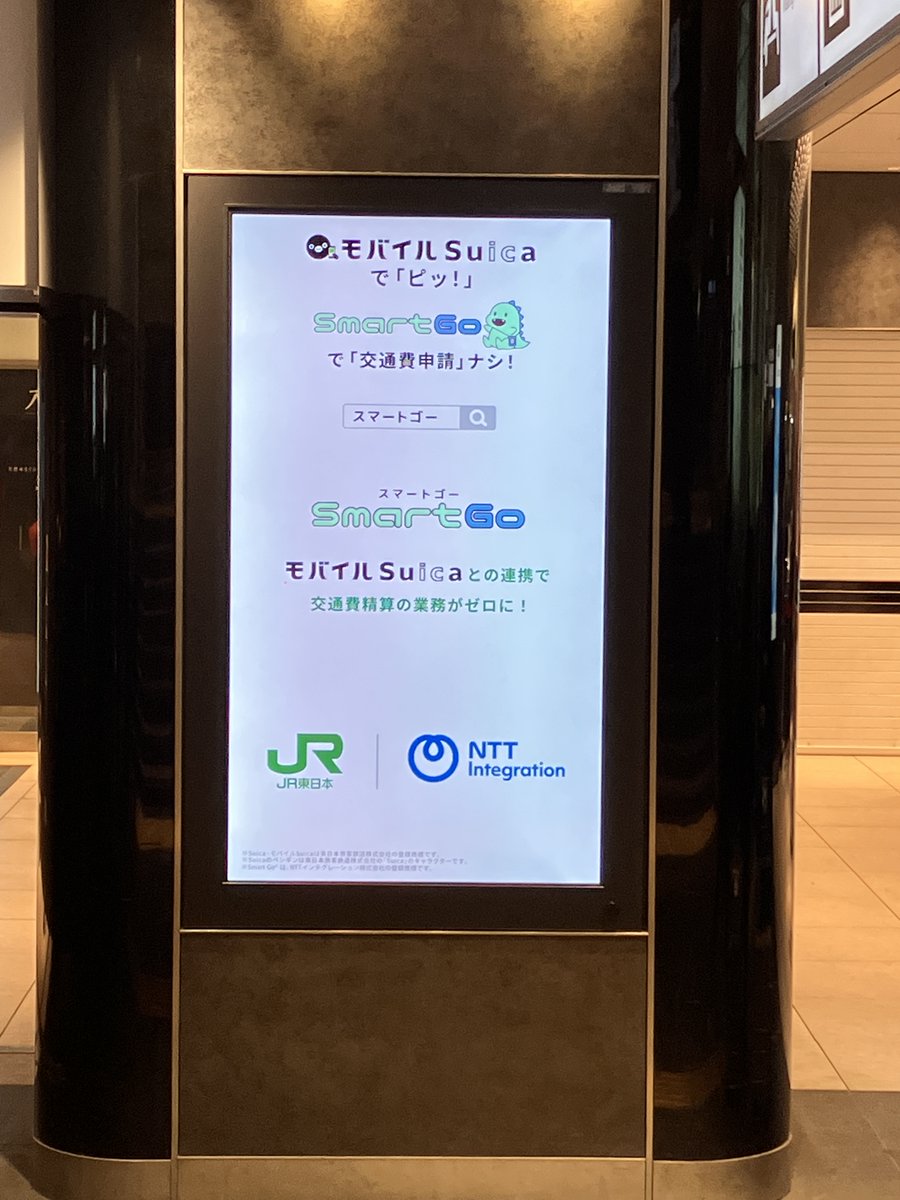
SmartGoの広告が東京駅や横浜駅、山手線の車内に流れています!
私たち力作のサービスであるSmartGoを、見つけていただけたら嬉しいです😄
ㅤ
さて、NTTインテグレーションの交通費精算DXサービス「SmartGo」の詳細はチェックしていただけましたか?🫣
SmartGoはモバイルSuicaデータを活用して企業の交通費精算業務を効率化するサービスです。
「従業員による精算対応」「上長による申請内容のチェックや承認」「経理担当者による振込処理」といった煩雑な精算業務を簡素化できます✨
ピッと改札を通れば自動で交通費精算される、ありそうでなかった画期的なサービスですね😊
ㅤ
皆さんも広告を見かけたら #SmartGo をタグ付けの上SNS拡散投稿をお願いします🤝
ㅤ
#SmartGo #スマートゴー #経費精算
#交通費精算 #働き方改革 #駅広告
#NTTインテグレーション #NIC #NTTグループ
6
460


Jan 21
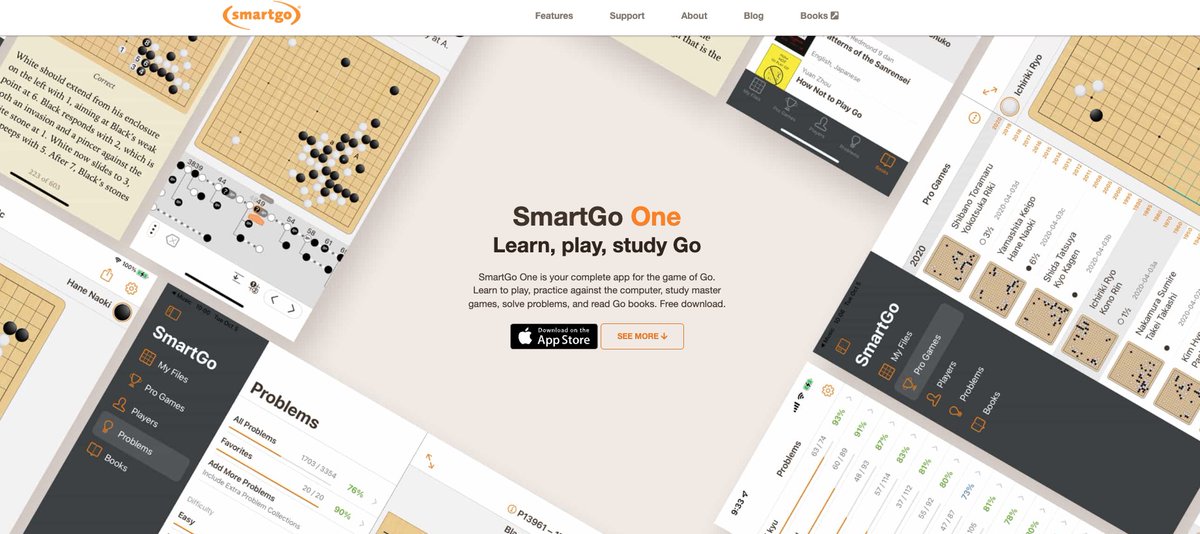
发现SmartGo One也挺适合新手入门的,教程从很基础的部分开始!
Jan 21

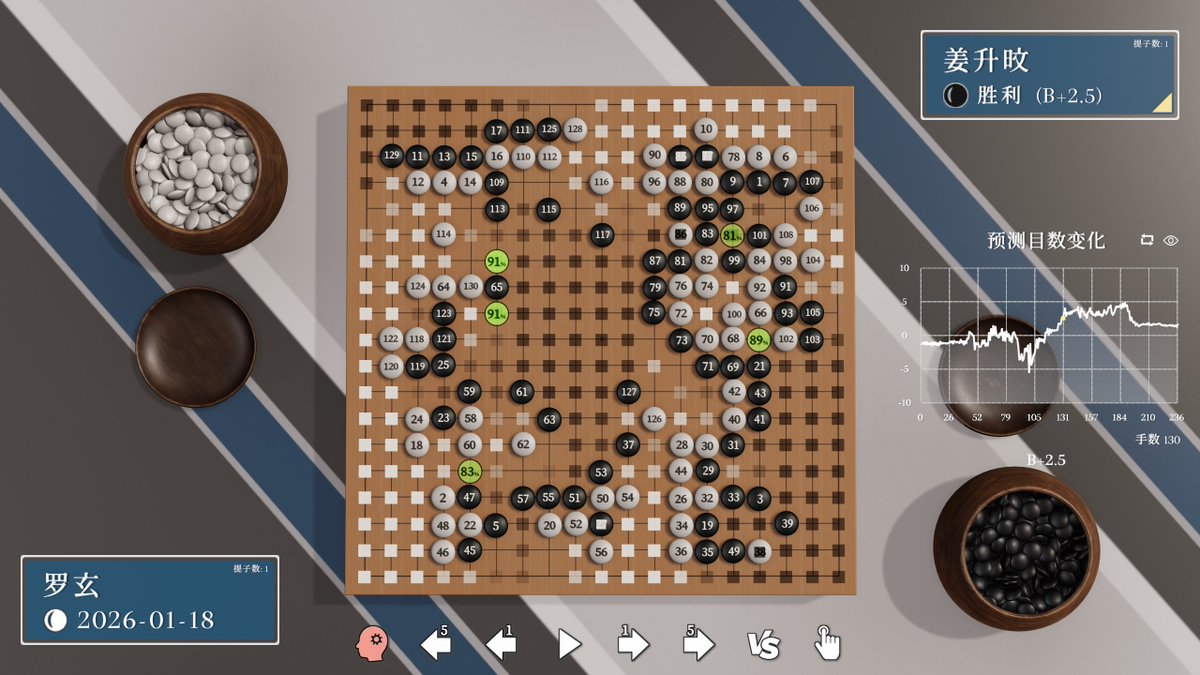
前段时间打折购买了一个steam上的围棋软件“棋弈无限:围棋”,感觉非常惊喜,这个软件不仅仅界面好看,棋艺也高,还包含很多近期对局的棋谱,在复盘棋谱的时候,还能分析每一个子的胜率,预测目数变化,我感觉这个围棋软件算是当前最好的围棋软件之一了。
1
4
759