
Jun 8
La polarización política es uno de los riesgos globales más estudiados y documentados de la última década… A NIVEL MUNDIAL…
TIENEN HASTA UN SMARTMAP , por la chucha!
Cómo va a saber uno más que este weon ignorante!!!
weforum.org/publications/glo…
2
431

Mar 28
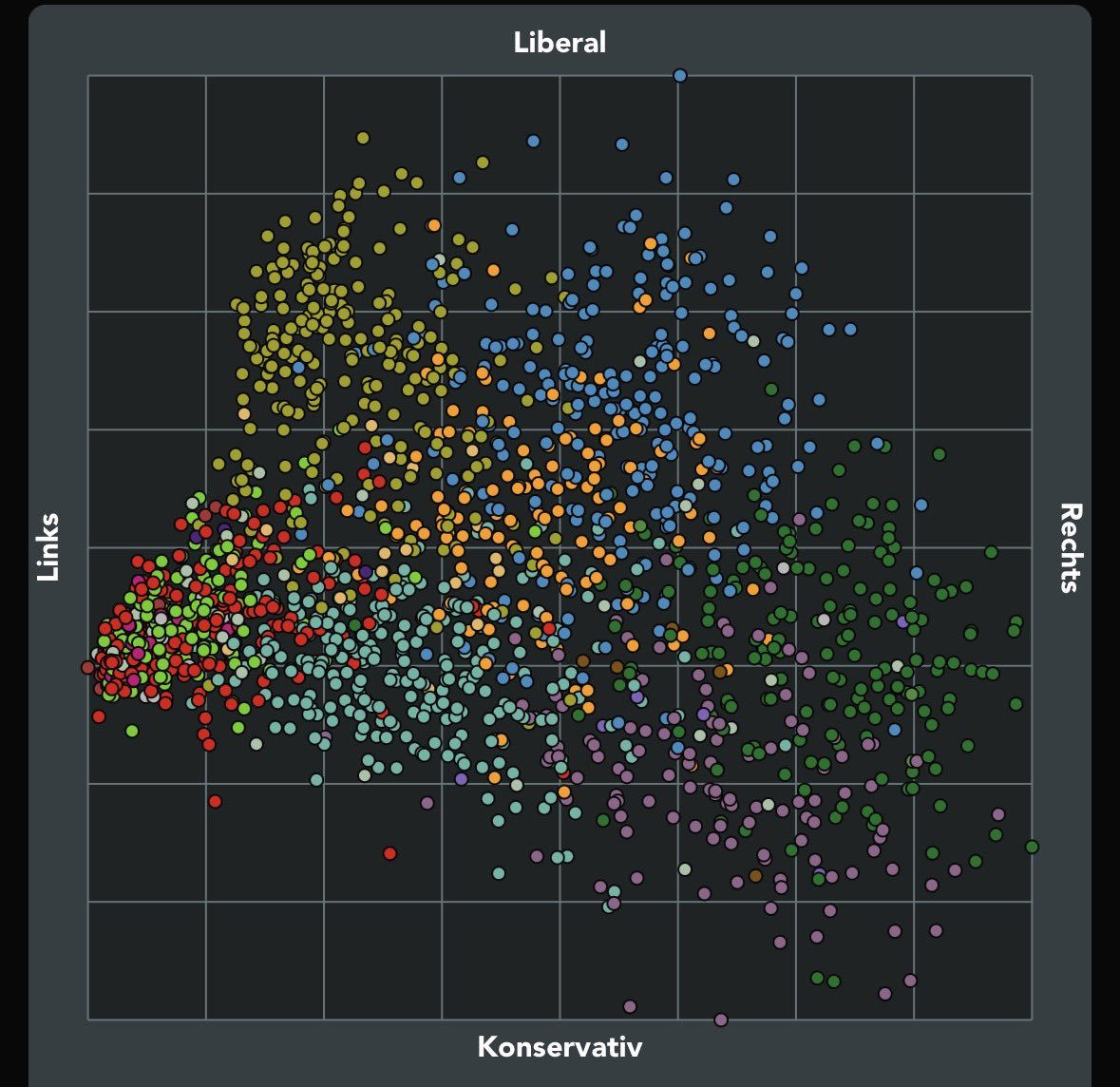
Ja, genau das ist gleichzeitig das Problem und die Stärke der SVP.
Als echte Volkspartei vertreten wir die unterschiedlichsten Anliegen und Lebensrealitäten der Schweiz. Das führt dazu, dass es bei uns parteiintern auch oft unterschiedliche Meinungen gibt - Halt gelebter Pluralisumus.
Auf der anderen Seite gilt: Je weiter links eine Partei steht, desto einheitlicher und ideologischer werden die Positionen - Abweichler werden nicht tolleriert (siehe: Daniel Jositsch, Mario Fehr).
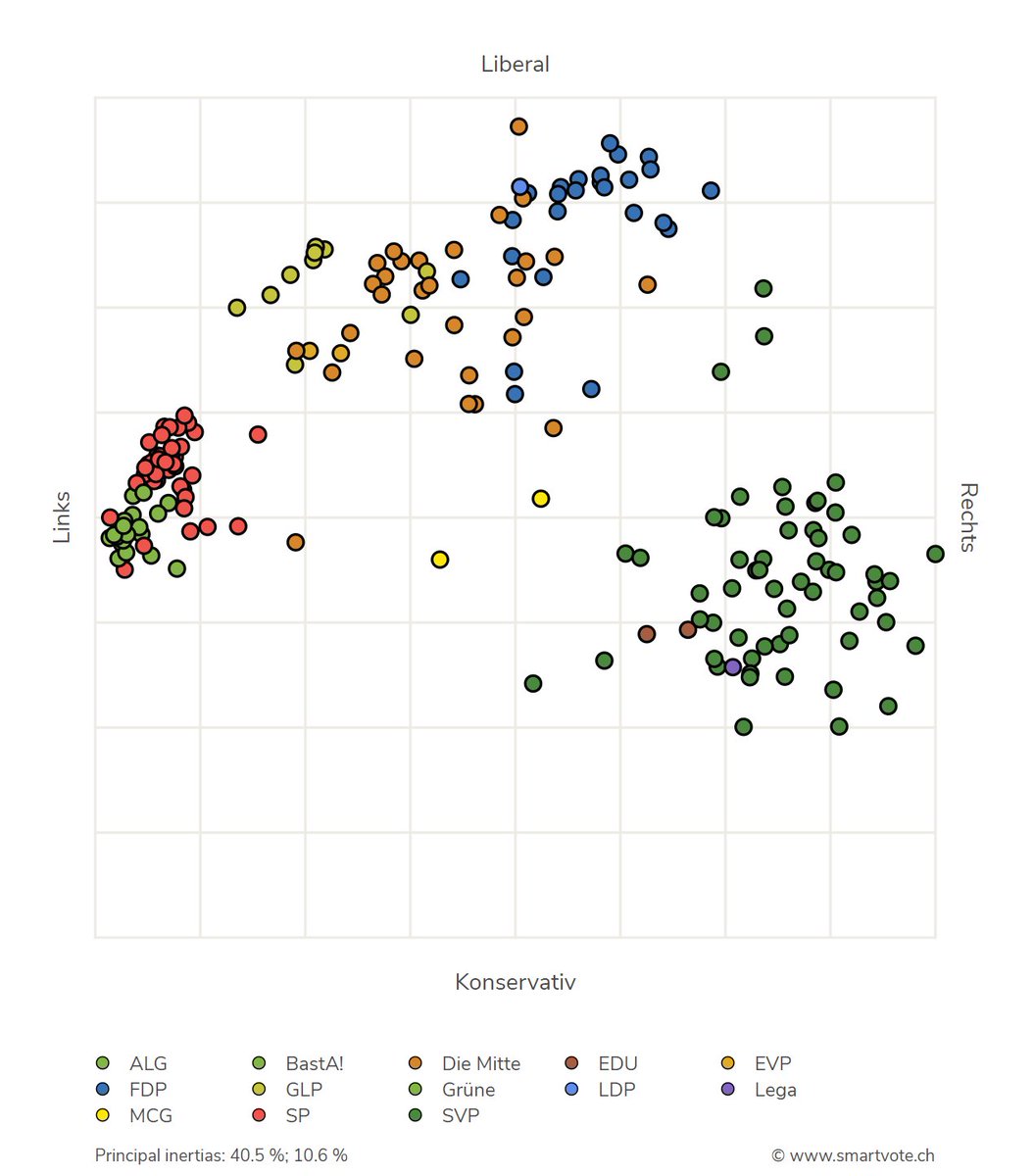
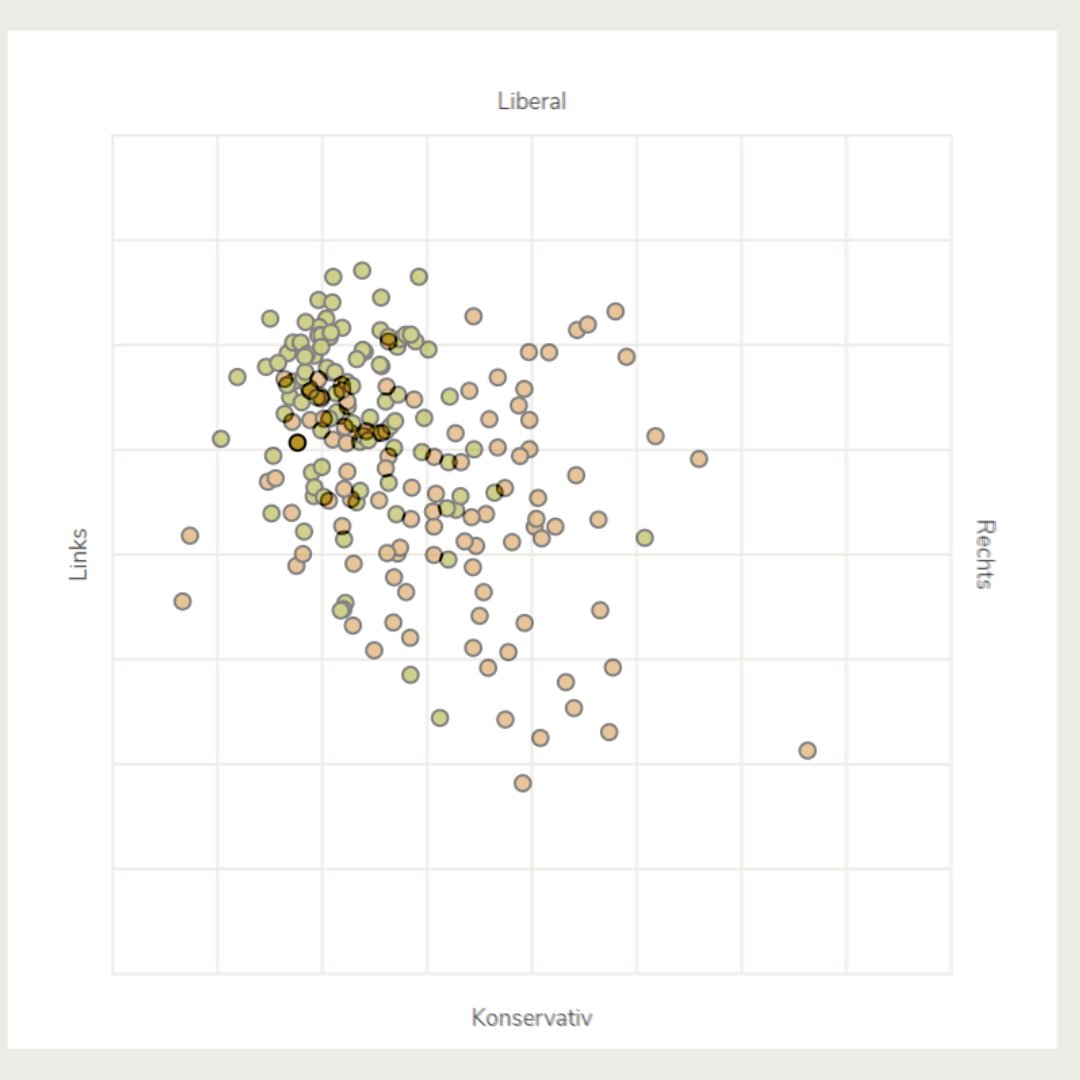
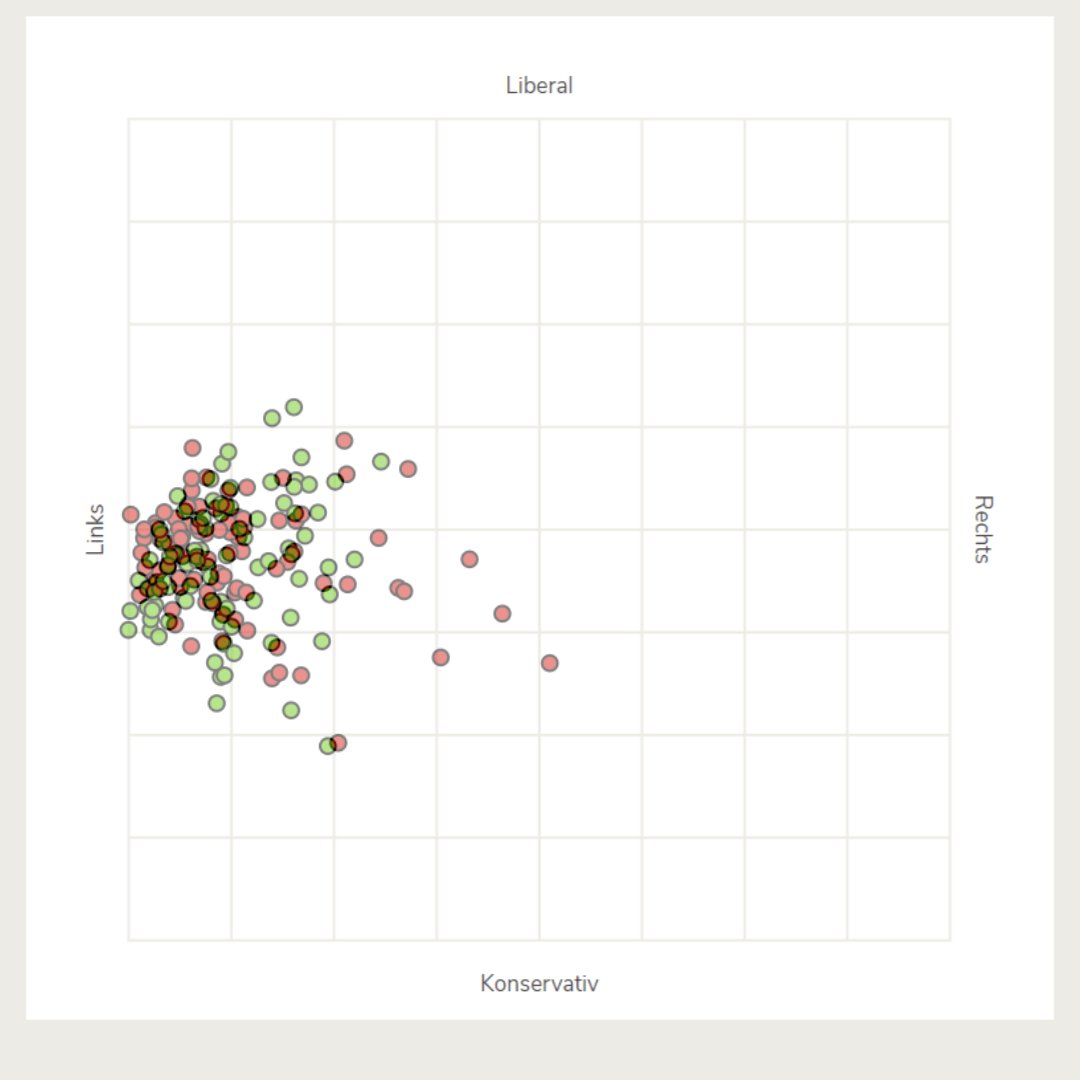
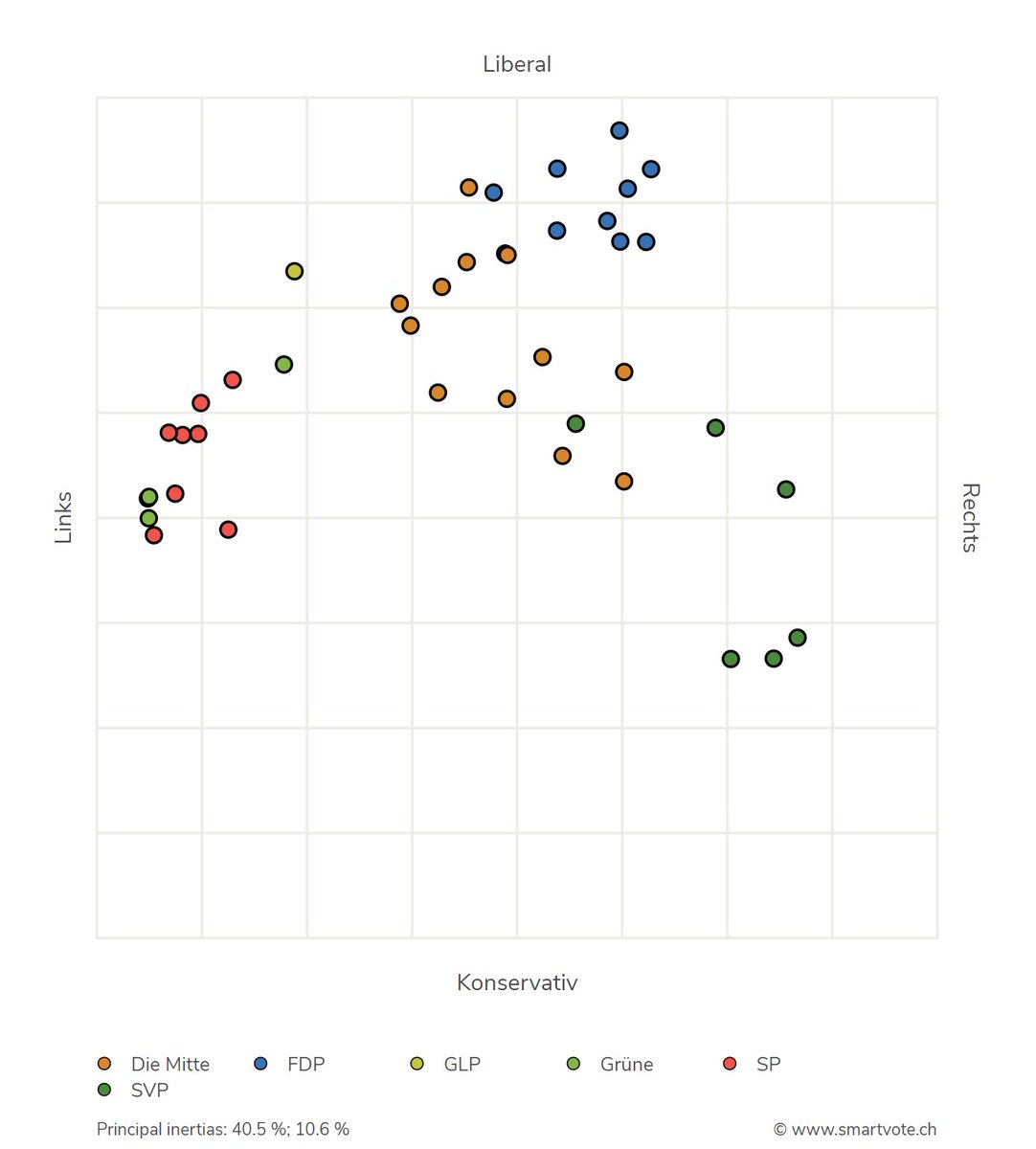
Am eindrücklichsten zeigt sich das an der Verteilung der Kandidaten auf Smartvote anhand deren SmartMap: Bei der SVP besteht immer eine breite Streuung – bei den Linksgrünen eine identische Positionierungen mit nur wenig unterschiedlichen Meinungen.
Quelle: smartvote.ch/de/elections/26…
1
4
72
Auf der Smartmap (hier Nationalrat) sieht man sofort wo Groupthink und Einheitsbrei zuhause sind:
1
2
124

21 Dec 2025
اللحظة اللي فهمت فيها ان الفكرة وحدها ماتكفي .. ومن هنا بدأت كل حملة ناجحة ✨
#SmartMap
4
12
1,179

27 Apr 2025
A SMARTMAP le podéis pedir que os localice los puntos de interés que sea, y luego que haga un recorrido rápido sobre todos ellos.
Muy bueno, aunque a veces no sea demasiado "smart".
Abajo, las presas más grandes del mundo.
smartmap.space/
9
37
4,356

26 Apr 2025
Just wrapped up integrating OpenAI's Responses API and Agents SDK into SmartMap AI backend. Huge thanks to @OpenAI & @aitinkerers for the platform and support! #AITinkerersWarsaw
2
47

3 Apr 2025
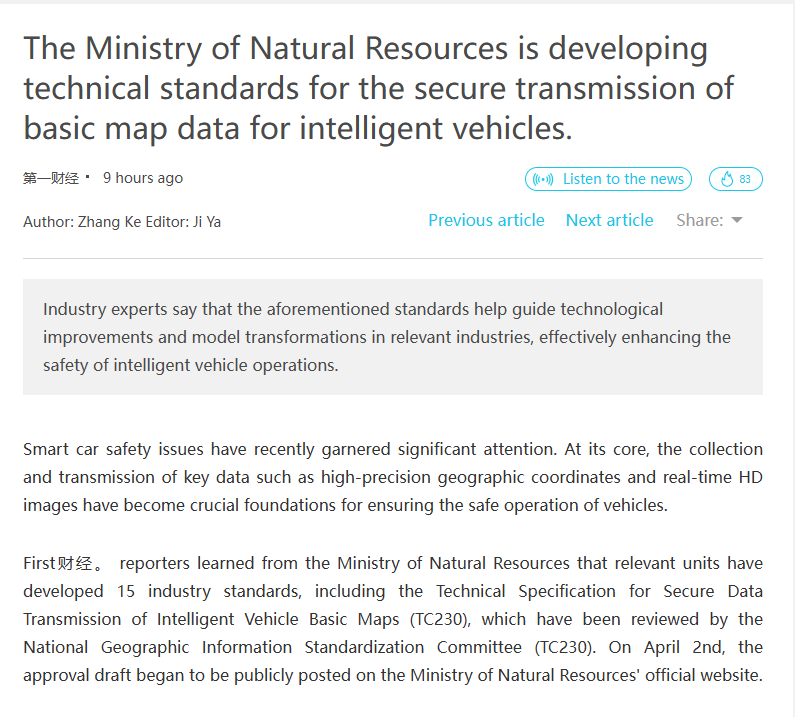
China's Smart Car Data Security Regulation: Key Impacts & Industry Shifts
(April 3, 2025 Update)
China’s Ministry of Natural Resources unveiled the Smart Vehicle Foundation Map Data Transmission Security Technical Specifications on April 2, 2025, marking a transformative shift in data governance for connected vehicles. The regulation mandates stringent data controls to address national security risks while accelerating domestic tech sovereignty.
💡Core Requirements
1. End-to-End Encryption:
Mandates SM2/SM3 domestic encryption algorithms for all vehicle-to-cloud data flows, replacing global standards like AES-256.
Real-time encryption latency must stay below 50ms, pushing upgrades to 5G-V2X infrastructure.
2. Offset Encryption for Geospatial Data:
Implements dynamic coordinate distortion (up to 300m) on raw map data, decryptable only via government-certified chips.
Baidu’s algorithm maintains <5cm navigation accuracy despite intentional offsets.
3. Data Localization:
100% of data generated in China (e.g., L4 cars’ 2.4TB/day) must be stored domestically, requiring foreign automakers to rebuild local data centers.
💡Compliance Challenges
1. Foreign Automakers:
Tesla spent $230M in 2024 to retrofit FSD systems with SM-series encryption.
German OEMs face 18–24-month redesigns for vehicle ECUs and cloud systems (Deloitte analysis). R&D costs may spike 30%.
2. Domestic Advantage:
Huawei/Baidu lead with pre-certified solutions (e.g., Huawei’s SmartMap 3.0 reduces energy use by 40%).
BYD/Xpeng already comply with GB/T 39786-2021 standards, avoiding retrofit costs.
💡Strategic Implications
1. Tech Decoupling:
China’s “offset encryption” creates a de facto technical barrier, favoring domestic players. Foreign firms must adopt parallel R&D systems for China-specific models.
2. Global Ripple Effects:
ISO/TC 204 is negotiating interoperability with China’s standards under ISO/AWI TS 22726, but Western OEMs warn of fragmented tech ecosystems.
EU’s UNECE WP.29 talks aim for mutual recognition by 2026, yet geopolitical tensions loom.
💡Industry Response
1. Foreign Adaptation:
VW opened a $380M R&D hub in Anqing (2024) for China-exclusive systems.
BMW expanded Shanghai data center capacity by 120% to meet localization rules.
2. Emerging Risks:
Non-compliance penalties include 5% of China revenue fines, per 2024 draft rules.
Luxury brands (e.g., Porsche) paused City NOA features in 7 cities due to decryption chip shortages.
💡 Looking Ahead
China aims to finalize full-industry security standards by late 2025, positioning its encryption protocols as global benchmarks. While enhancing data sovereignty, the rules intensify US-China tech competition, potentially splintering autonomous driving innovation into “China vs. rest” paradigms.
Domestic automakers gain first-maker advantages, but foreign players face existential adaptation costs in the world’s largest EV market.
* Sources: Yicai, Deloitte analysis (2024), user-provided case data.
3 Apr 2025

4월 2일, 중국 자연자원부가 발표한 "스마트카 기초 지도 데이터 전송 안전 보호 기술 규범"이 자동차 산업 체인에 큰 파문을 일으키는 중인데 이를 공유드려봅니다.
* 해당건은 작년 중반부터 문제시 되오긴 했는데요... 이렇게 발표해 버리니 다시금 이슈를 불러오는 거 같습니다.
(시작은 2023년 데이터 유출 사건을 계기로 가속화)
화웨이, 바이두 등 기술기업이 주도하여 작성한 이 문서는 스마트카 데이터의 전 과정 암호화 전송을 요구할 뿐만 아니라, 처음으로 "행정 처벌 조항"을 표준에 포함시켰습니다;
테슬라, BMW 등 해외기업 측은 굉장히 당혹스러운 상황이며, 국가 안보와 산업 업그레이드에 관한 게임은 스마트카 산업의 구도를 재편하고자 하는 의도를 가지고 있습니다.
<<주요내용>>
1⃣데이터 암호화 및 국가 안보 강화
💡전 과정 암호화 의무화 : 차량 단말기에서 클라우드 플랫폼까지 GB/T 35275-2017 표준에 따른 전 구간 암호화를 요구하며, SM2/SM3 국산 알고리즘 적용이 필수화되었습니다. 특히 지도 데이터는 편향 암호화 처리되어 원본 좌표는 인증 플랫폼에서만 복호화 가능합니다.
💡군사 시설 보호 체계 : 2023년 외국계 기업의 데이터 유출 사례(10만 명 주행 경로 노출)를 반영해 군사 금지 구역 주변 도로 정보 보호를 강화했습니다. L4급 자율주행 차량은 일일 2.4TB 데이터 생성 시 암호화 모듈 탑재가 의무화되었습니다.
2⃣기술 경쟁 구도 변화
💡자국 기술 우위를 강제 : 화웨이의 클라우드 협업 암호화 기술은 데이터 지연을 50ms 이내로 개선했으며, 바이두의 동적 편향 알고리즘은 300m 좌표 편차에서도 cm급 정확도를 유지합니다. 이는 외국 기업 대비 40% 에너지 절감 효과를 제공한다고 명시되어 있습니다.
💡비용 증가 압력 : 중국산 암호 모듈 적용 시 차량당 200달러 추가 비용 발생하며, 외국 기업의 기술 스택 교체 시 R&D 비용이 30% 급증합니다. 테슬라는 2024년 중국 데이터 준수 비용으로 2.3억 달러를 별도 계상했습니다.
* 테슬라의 2024년 재무 보고서에 '중국 데이터 준수 지출' 특별 항목 참고
3⃣ 외국 기업 적응 과제
💡시스템 재설계 필요 : 독일업계에 따르면 글로벌 R&D 체계 전면 개편이 불가피하며, 데이터 센터 재건에 최소 18-24개월 소요됩니다. 딜로이트 분석에 따르면 12개월의 전환 기한은 기술적 부담으로 작용하고 있습니다.
💡기능 출시 차질: 유럽 럭셔리 브랜드의 경우 도시 NOA 기능이 상하이·선전 등 7개 도시에서 푸시 중단되었으며, 반면 샤오펑 XNGP 시스템은 국산 프로토콜 채택으로 사전 인증을 통과했습니다.
4⃣ 산업 구조 재편 전망
💡2025년 표준체계 구축 : 자연자원부는 전 산업체인 보안 표준 완성을 목표로 삼았으며, 비야디 등 중국 기업은 GB/T 39786-2021 표준 모듈을 선제 적용 중입니다. 테슬라는 상하이에 200명 규모 현지화 팀을 긴급 구성하며 대응에 나서기도 했죠. 특히 2024년 4월 28일 테슬라의 검사 통과는 외국 기업의 준법 가능성을 입증하며 규범 실효성을 확립하는 계기가 되었습니다.
💡글로벌 영향력 확대 : 화웨이·바이두가 '안전 모듈 및 서비스' 솔루션을 본격 공급하고 있는데요. 이는 데이터 주권 확보와 기술 자립화를 추구하는 중국의 전략적 움직임을 반영하며, 국내외 기업의 현지 적응 속도가 향후 시장 점유율 재편의 핵심 변수가 될 것이라는 의견이 중론입니다.
* 인용 : 자연자원부 공시 문서, 중국 측량과학연구원 백서, 딜로이트 산업 보고서 등
* 같이 보면 좋은 뉴스 : yicai.com/news/102548405.htm…
5
1,711

4 Feb 2025
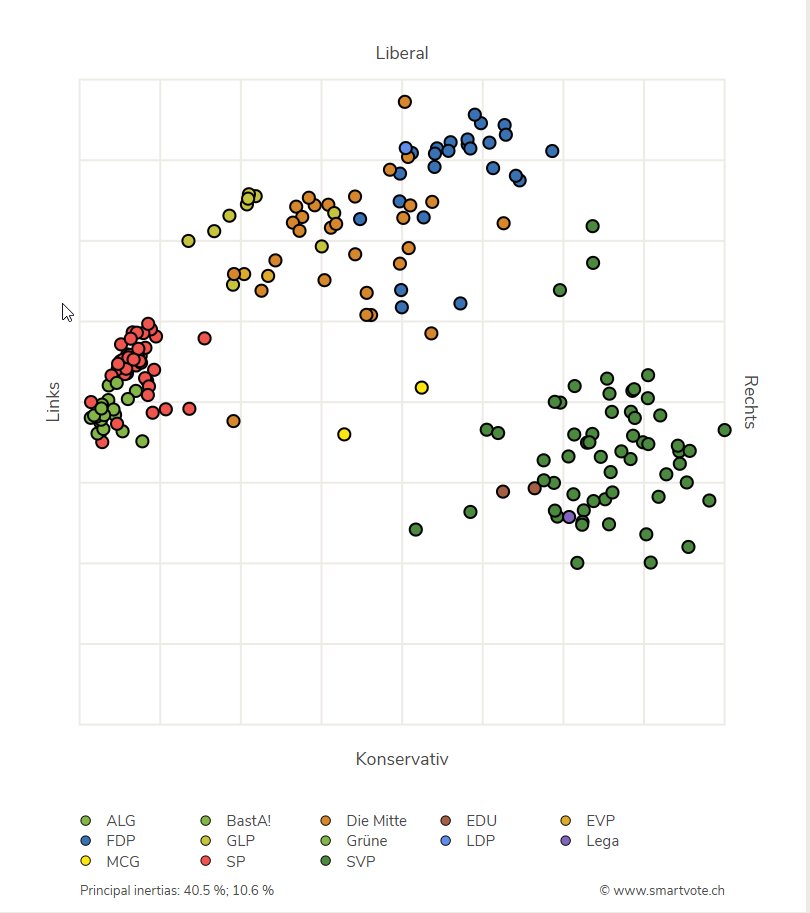
Man kann schon bei der FDP und der SVP von einem rechtsbürgerlichen Block im Vergleich zum Zentrum schreiben @renzfabian01. Schreiben kann man alles. Ob es stimmt, zeigt der Blick auf die Smartmap der gewählten Nationalräte im 2023 von @smartvoteCH
bazonline.ch/bundesratswahle…
1
1
3
174

10 Dec 2024
In the last 30 days, our rangers patrolled Mt. Kenya to monitor wildlife, address illegal activities & engage communities, ensuring the forest's resilience.
#MKT_Rangers #SMARTmap #MountKenyaTrust #WildlifeProtection #ConservationTech
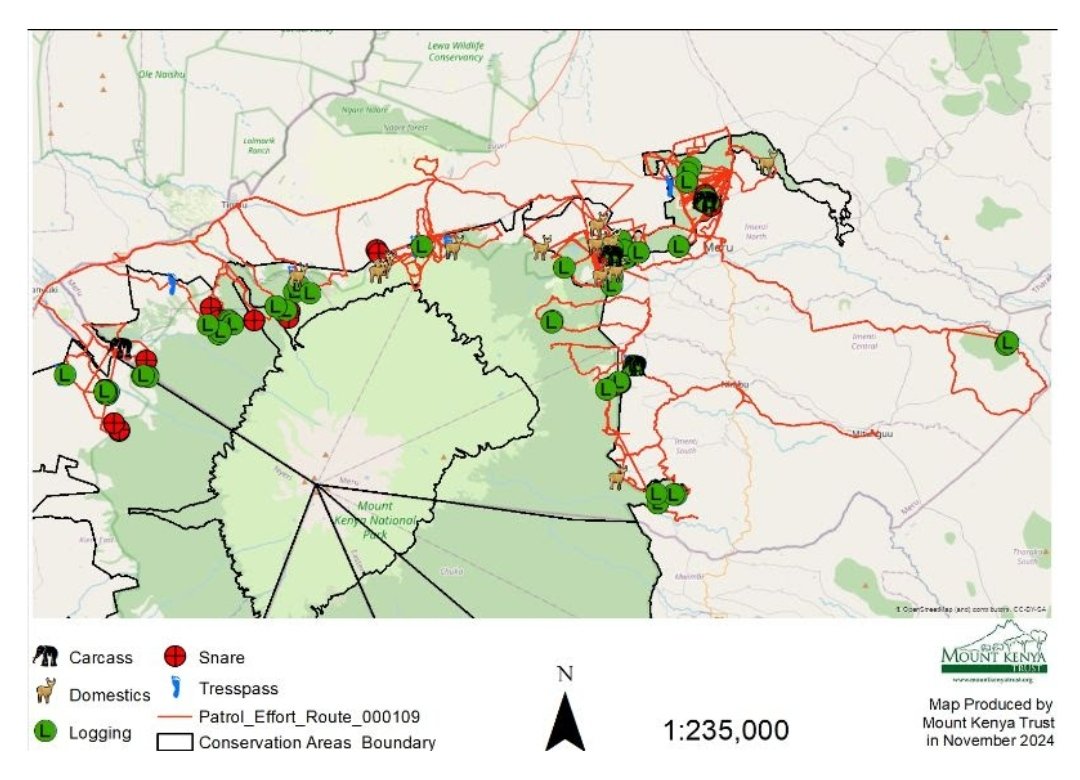
2
2
58
6 Nov 2024
In the last 30 days, our dedicated rangers have been on the ground, tracking their efforts on the #SMARTmap to protect and restore Mt Kenya's forests. From wildlife monitoring to community engagement, every patrol strengthens our conservation impact! 🌍🌲
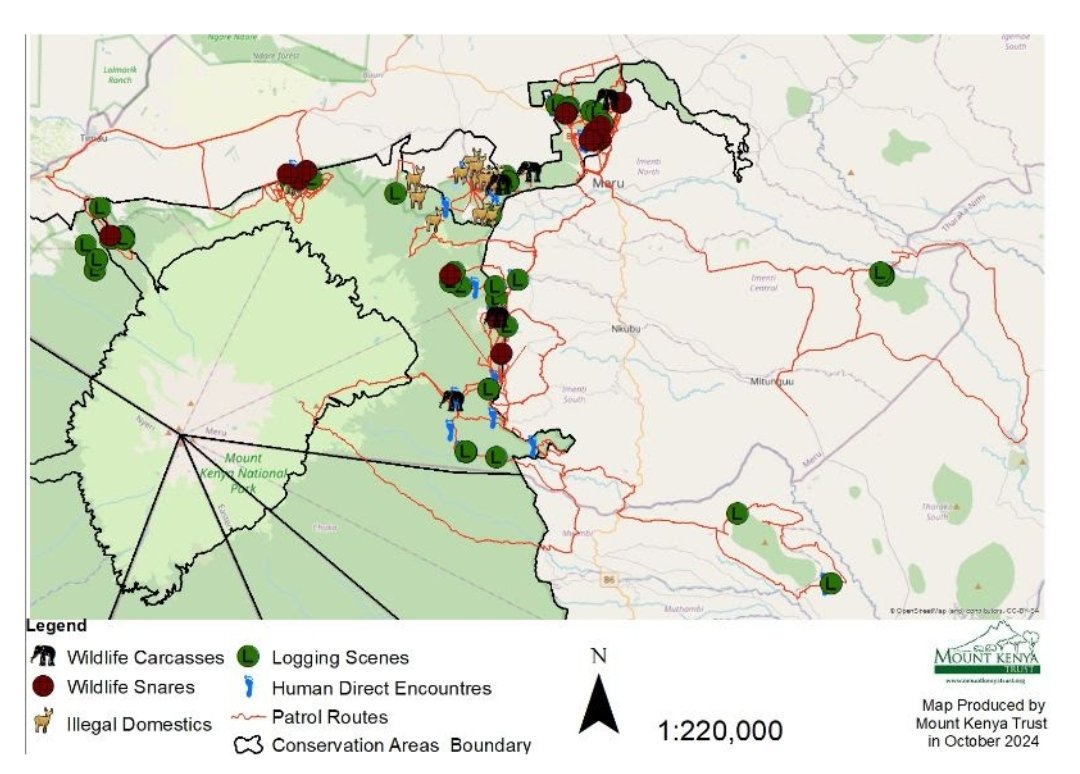
1
7
103

10 Sep 2024
Die Smartmap ist draussen & sie zeigt, was wir schon lange wissen: Wirklich liberal ist nur die FDP, Grüne SP & GLP Mitte sind fast deckungsgleich & genau in der Mitte steht gar keine Partei. Wer keinen linken Pseudoliberalismus will, wählt am 20. Oktober FDP!
Bilder: Smartvote
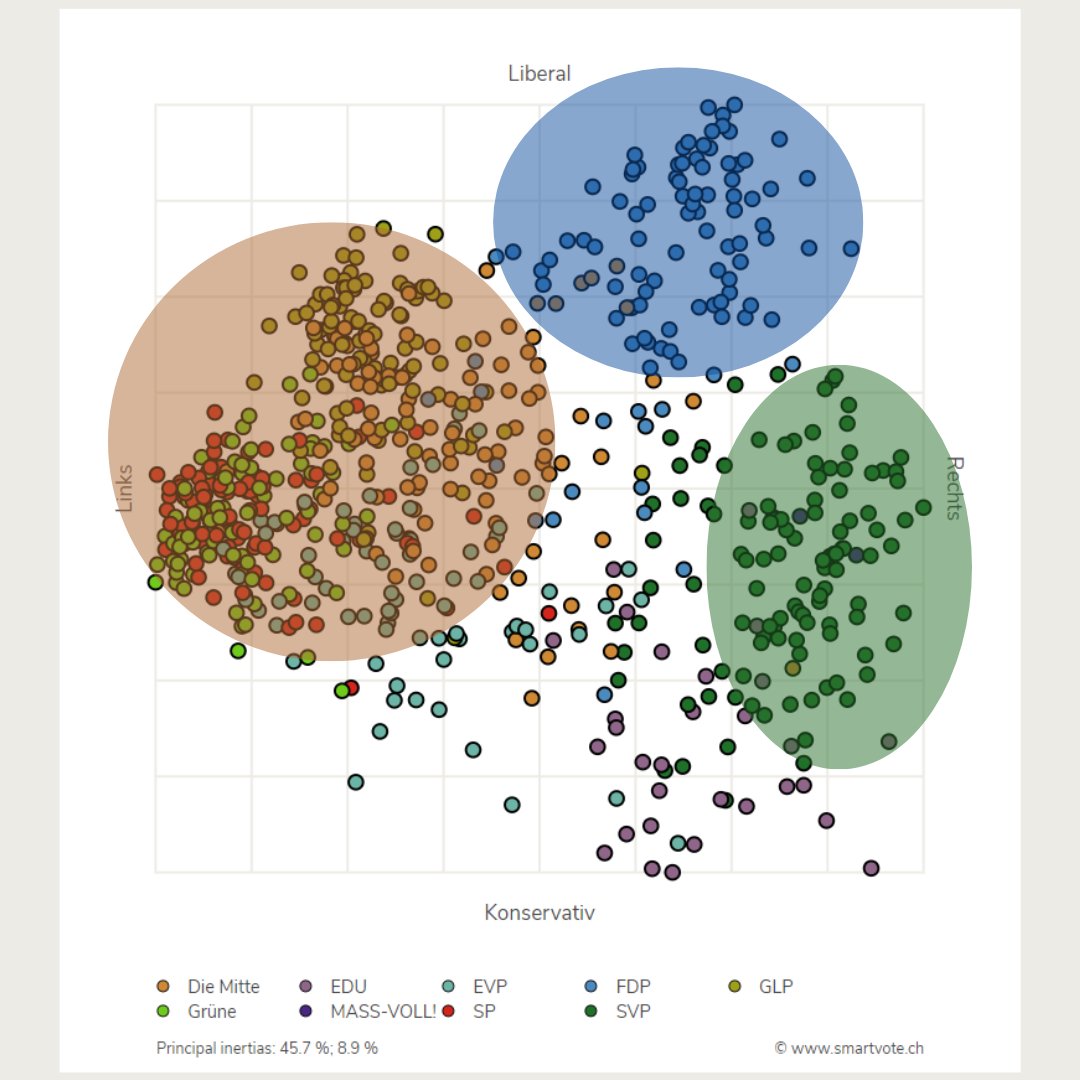
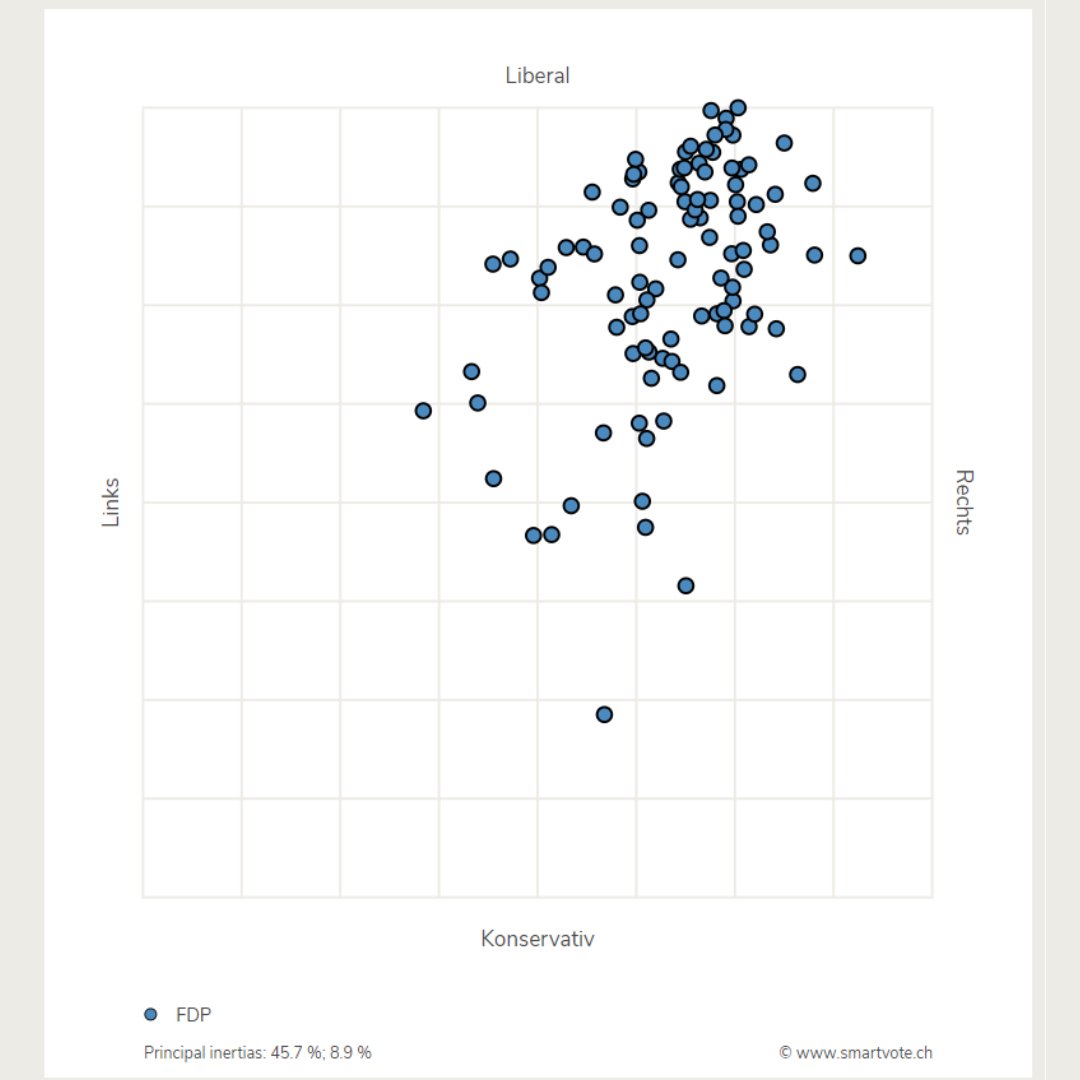
4
1
5
288

2 Sep 2024
Schließlich können sich Wähler*innen auch noch grafisch ansehen, wo im politischen Raum sie im Vergleich zu den Parteien verortet sind – einerseits zweidimensional auf der ‚smartmap‘, 5/7
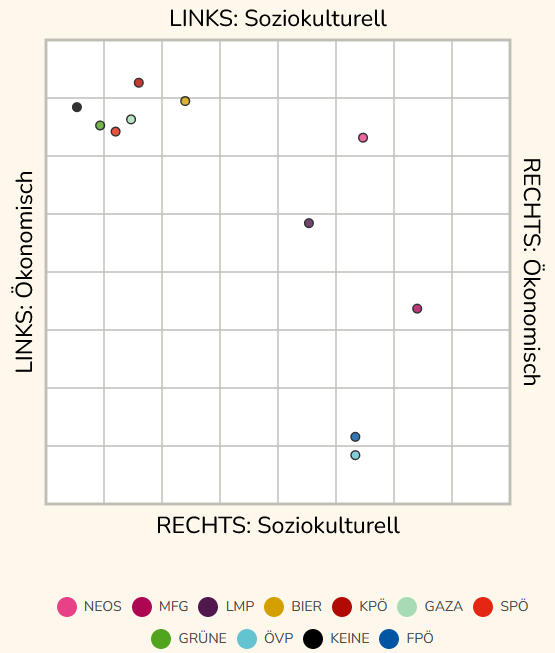
ALT Eine Abbildung der "smartmap" auf der alle Parteien auf einer ökonomischen und einer soziokulturellen Dimension verortet sind
1
4
261

26 Jun 2024
Your daily schedule is more than a list of tasks, it’s part of a bigger picture. By bringing your calendar and to-do lists together with an advanced smart map, our Spatial Behavioral Engine (SBE) will use that big picture view to assist in sorting out what you 'have-to' do and help you find more time for what you 'want-to' do. With the onlife Smart Map, rather than simply moving from one appointment to another, you’ll be able to navigate your entire day.
Ready to rethink your routine? Join us on this journey to smarter living by visiting on.life to sign up for the Early Access waitlist.
#Onlife #SmartMap
4
429
13 Jun 2024
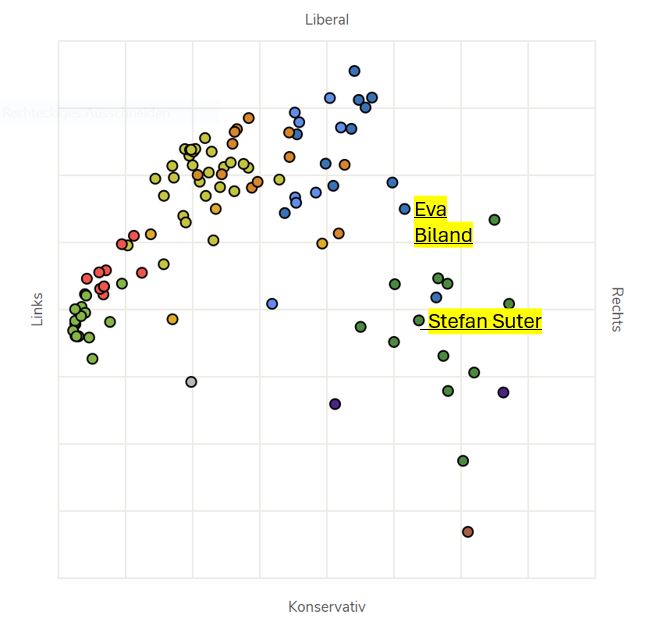
Die Smartmap von @smartvoteCH zeigt entgegen der Behauptung von @jhoskyn und der @bzBasel , dass @BilandEva deutlich weniger konservativ ist, als Stefan Suter. Und auch nicht rechter @bzJermann🤔 bzbasel.ch/basel/basel-stadt…
4
1
6
719

22 May 2024
Sicher. Falls er gehen will, dann sollte man ihn gehen lassen.
Aber der SP würde ein etwas breiteres innerparteiliches Meinungsspektrum kaum schaden.
Andere Parteien ertragen das auch:
(Smartmap der Gewählten, NR und SR, 2023)

1
2
94