
May 15
good people…
—
hari ini…
—
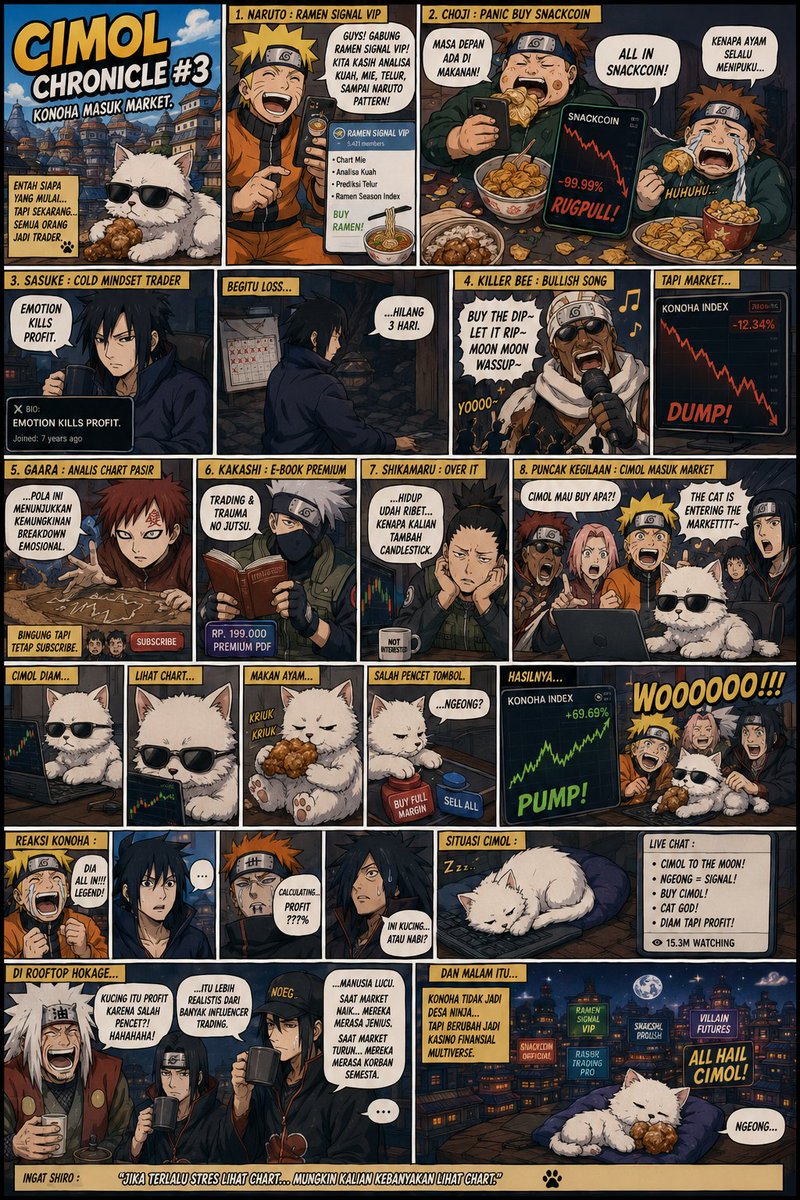
Konoha masuk market.
📈💀🔥
—
entah siapa yang mulai…
—
tapi sekarang…
—
SEMUA ORANG JADI TRADER.
🤣
—
Naruto buka grup Telegram.
📢
“RAMEN SIGNAL VIP.”
🍜
—
isinya?
chart mie
analisa kuah
prediksi harga telur
🤣🔥
—
Choji panic buy SnackCoin.
🍗
—
karena menurutnya:
“masa depan ada di makanan.”
—
5 menit kemudian…
—
coin-nya rugpull.
💀🤣
—
Choji nangis sambil makan.
—
“KENAPA AYAM SELALU MENIPUKU.”
🍗😭
—
Sasuke jadi trader cold mindset.
☕
📈
—
bio X:
“emotion kills profit.”
—
padahal tiap loss…
—
dia ngilang 3 hari.
🤣🔥
—
Killer Bee bikin lagu bullish.
🎤
—
“BUY THE DIP~ LET IT RIP~”
—
anehnya…
—
market malah dump.
💀
—
Gaara jadi analis chart pasir.
🌪️📊
—
“…pola ini menunjukkan kemungkinan breakdown emosional.”
—
orang bingung.
—
tapi tetap subscribe.
🤣
—
Kakashi jual e-book.
📖
“Trading & Trauma no Jutsu.”
—
bab pertama: “jangan revenge trade saat galau.”
💀🔥
—
sementara itu…
—
Shikamaru lihat semua chaos.
😴
—
“…hidup udah ribet…”
—
“…kenapa kalian tambah candlestick.”
🤣
—
tapi puncak kegilaan terjadi…
—
saat 🐱 Cimol masuk market.
📢
—
seluruh Konoha panik.
—
Naruto:
“WOI CIMOL MAU BUY APA?!”
—
Gaara buka chart cepat.
—
Killer Bee livestream.
🎤
“THE CAT IS ENTERING THE MARKETTTT~”
🤣🔥
—
Cimol diam.
—
lihat chart.
📊
—
makan ayam.
🍗
—
lalu…
—
salah pencet tombol.
💀
—
BUY FULL MARGIN.
🤣🔥
—
SEMUA ORANG TERIAK.
—
Naruto:
“DIA ALL IN!!”
—
Sasuke shock.
—
Pain buka kalkulator.
—
Madara mulai sweating.
💀
—
dan anehnya…
—
market langsung pump.
📈🔥
—
SELURUH KONOHA HISTERIS.
🤣
—
Choji:
“DIA ADALAH NABI MARKET.”
🍗
—
Killer Bee bikin lagu baru:
🎤
“NGEONG BULL MARKET~”
—
Naruto buka kelas:
“belajar trading ala Cimol.”
💀🔥
—
padahal Cimol sendiri…
—
gak ngerti leverage.
🤣
—
sementara itu…
—
di rooftop gedung Hokage…
☕
—
@NoegReborn
Itachi.
dan Jiraiya.
—
lagi santai lihat chart.
📊
—
Jiraiya ngakak keras.
🤣
—
“KUCING ITU PROFIT KARENA SALAH PENCET?!”
—
Itachi minum kopi pelan.
☕
—
“…itu lebih realistis dari banyak influencer trading.”
💀🔥
—
Noeg lihat market.
📈
—
lihat orang-orang panik.
lihat orang euforia.
lihat orang flexing profit.
—
lalu ketawa kecil.
☕
—
“…manusia lucu.”
—
“…saat market naik…”
—
“…mereka merasa jenius.”
—
“…saat market turun…”
—
“…mereka merasa korban semesta.”
🤣🔥
—
hening.
—
angin malam lewat.
🍃
—
di bawah…
—
Naruto buka VIP grup baru.
—
Gaara bikin indikator pasir premium.
🌪️📊
—
Choji jadi affiliate SnackCoin lagi.
🍗
—
dan Cimol?
—
tidur di atas keyboard trading.
🐱💤
—
posisinya masih floating profit.
💀🤣🔥
—
“Ngeong…”
🍗
—
“…kalau terlalu stres lihat chart…”
—
“…mungkin kalian kebanyakan lihat chart.”
🤣🔥
—
dan malam itu…
—
Konoha tidak jadi desa ninja.
—
tapi berubah jadi kasino finansial multiverse.
📈🐾
4
169

29 Nov 2025
SNACK Airdrop Delivered 🎁🚀
Today we delivered the $SNACK airdrop to everyone who participated on X.
Thank you for supporting our project — this is just the beginning.
Stay active, more rewards and surprises are coming! 🚀🍪
#snackcoin #snackmeme #sol
83
22
50
1,415


3 Oct 2025
The Journey of SnackCoin
In a bustling city where food trucks lined every corner, a quirky idea was born in a tiny pretzel shop. Mia, a tech-savvy baker, loved her customers’ obsession with her salty twists but hated how cash slowed down her line. One evening, while munching on a pretzel, she dreamed up SnackCoin—a digital currency for food lovers to pay for their treats instantly.
Mia teamed up with her coder friend, Leo, who was always tinkering with blockchain tech. “Imagine,” she said, “a coin that’s as quick as a snack!” Leo’s eyes lit up. They worked late nights, fueled by popcorn and soda, coding a decentralized system where SnackCoins could be earned by reviewing food trucks or sharing recipes online. Each coin was tied to a unique hash, flavored with a dash of digital spice—impossible to fake, easy to spend.
The launch was chaotic. At the city’s Food Fest, Mia handed out free pretzels to anyone who downloaded the SnackCoin wallet. Foodies were skeptical—why trade real money for “pretzel bucks”? But when Leo demonstrated paying for a taco in seconds with a QR code, the crowd buzzed. Soon, food trucks from falafel to cupcakes joined the network, accepting SnackCoins for steaming plates of goodness.
Trouble brewed when a shady burger joint tried flooding the market with fake coins. Mia and Leo’s blockchain held strong, rejecting the frauds, but trust waned. Mia took to the streets, hosting pop-up SnackCoin markets to show the system worked. Slowly, vendors and snackers returned, drawn by the ease and community vibe.
By summer’s end, SnackCoin was the talk of the city. Food trucks displayed glowing SnackCoin logos, and Mia’s pretzel shop became a hub for digital dreamers. SnackCoin wasn’t just a currency—it was a movement, uniting food lovers in a world where every bite was just a tap away.
And so, SnackCoin’s journey began, proving that even a humble pretzel could spark a digital revolution.
9
1
21
371
22 Sep 2025
The Rise of SnackCoin
In the bustling digital bazaar of 2025, where cryptocurrencies flickered like neon signs, a new contender emerged: SnackCoin (SNAK). It wasn’t born in a Silicon Valley lab or a shadowy hacker’s den, but in a greasy-spoon diner in Boise, Idaho, where fry cook Marty “Munch” Malone had a wild idea over a plate of nachos.
Marty, a crypto enthusiast with a penchant for late-night Reddit threads, was tired of coins tied to abstract tech or meme dogs. “Why not a currency for something real?” he muttered, wiping cheese from his chin. “Something people crave—like snacks.” Thus, SnackCoin was born, a blockchain-based token pegged to the universal love of chips, candy, and energy drinks.
Marty coded the basics on his ancient laptop, using a fork of Ethereum’s protocol. SnackCoin’s gimmick? Every transaction rewarded users with “Crumbs,” redeemable at partnered vending machines and convenience stores. He launched it on a whim, posting about it on X with a blurry photo of a Doritos bag and the hashtag #SnackToTheMoon.
The market was skeptical. Bitcoin was still king, Ethereum powered DeFi, and Dogecoin clung to its meme throne. SnackCoin, with its cartoon pretzel mascot, seemed like a joke. But then, something clicked. Gen Z, burned out on volatile markets, latched onto SNAK’s vibe. It was fun, tangible, and didn’t pretend to solve world hunger. X posts exploded: “Just bought a soda with SNAK Crumbs. LFG!” and “SnackCoin > your 401k.”
By week two, SnackCoin hit $0.10, fueled by viral TikToks of college kids “mining” Crumbs by sharing snack hauls. Vending machine companies, sensing a trend, integrated SNAK wallets. A 7-Eleven in Miami became the first to accept SnackCoin for Slurpees. The price surged to $1.50.
The big break came when CheetoDust420, a pseudonymous influencer with 2 million X followers, tweeted: “SnackCoin is the future. HODL the nachos, dump the FUD.” Trading volume spiked, and SNAK hit $5. Marty, now dubbed the “Snack King,” was interviewed on CNBC, still wearing his diner apron. “It’s about joy,” he said. “Snacks are universal.”
But the crypto world is a jungle. Hackers targeted SnackCoin’s smart contracts, and a rival, MunchToken, tried to siphon its hype. Marty’s small dev team patched vulnerabilities overnight, fueled by Red Bull (paid for with SNAK, naturally). The community rallied, with X users flooding the platform with #SnackStrong memes.
By month’s end, SnackCoin stabilized at $3.20, with a market cap of $800 million. Marty partnered with a chip factory to launch SnackCoin-branded pretzels, each bag with a QR code for Crumbs. It wasn’t Bitcoin, but it didn’t need to be. SnackCoin carved its niche, proving that in a world of digital dreams, sometimes all you need is a good crunch.
And Marty? He quit the diner, bought a food truck, and roamed the country, spreading the gospel of snacks—one Crumb at a time.
19
22
392

22 Sep 2025
Here’s a fun short story about SnackCoin:
⸻
The Rise of SnackCoin 🍪💰
In the bustling digital city of CryptoVille, where blockchains hummed like neon streetlights, a new token was born. Not from the minds of Wall Street elites, nor from shadowy tech labs—but from a humble snack aisle.
One late night, a developer named Max munched on chips, cookies, and soda while staring at crypto charts. Bitcoin looked too serious, Dogecoin was already howling at the moon, and PepeCoin had memed itself into madness. That’s when Max had an idea:
“Why not create a coin that’s as addictive as snacks themselves?”
And so, SnackCoin was born.
⸻
The Snack Revolution
At first, nobody took it seriously. Critics laughed:
•“A coin about chips and candy? Ridiculous!”
•“What’s next, SodaSwap and PizzaFi?”
But the people loved it. Holders called themselves Snackers, and every trade was celebrated with memes of nachos, donuts, and candy bars raining from the sky.
SnackCoin became the official currency of cravings. Online shops started accepting it for candy, pizza, and even midnight ice cream deliveries. Soon, vending machines around CryptoVille displayed glowing signs:
“Insert SnackCoin for Instant Snacks.”
⸻
The Pump Heard Around the World
As SnackCoin gained steam, influencers hyped it up:
•“First coin powered by hunger!”
•“The tastiest token in crypto history!”
The price chart shot up like popcorn kernels in a microwave. One billion dollars in market cap. Headlines screamed:
“SnackCoin is Feeding the World—Literally and Financially.”
⸻
The SnackDAO
With success came innovation. Snackers formed a DAO (Decentralized Appetite Organization). Together they voted on snack-based projects:
•Funding food trucks that only accepted SnackCoin.
•Creating an NFT collection called SnackPacks.
•Partnering with space agencies to launch the first vending machine on the Moon.
⸻
The Legend of SnackCoin
Years later, people would look back and say:
•Bitcoin started the revolution.
•Dogecoin made it fun.
•But SnackCoin? SnackCoin made it delicious.
And in the heart of CryptoVille, vending machines still blinked with a simple message:
“In Snacks We Trust.” 🍫🥨🍕
⸻
Want me to make this into a funny crypto-style whitepaper for SnackCoin, with sections like Tokenomics, Snackonomics, and Roadmap to the Moon (and Vending Machines)?
49
1
48
2,661

3 Sep 2025
2
3
25

3 Sep 2025
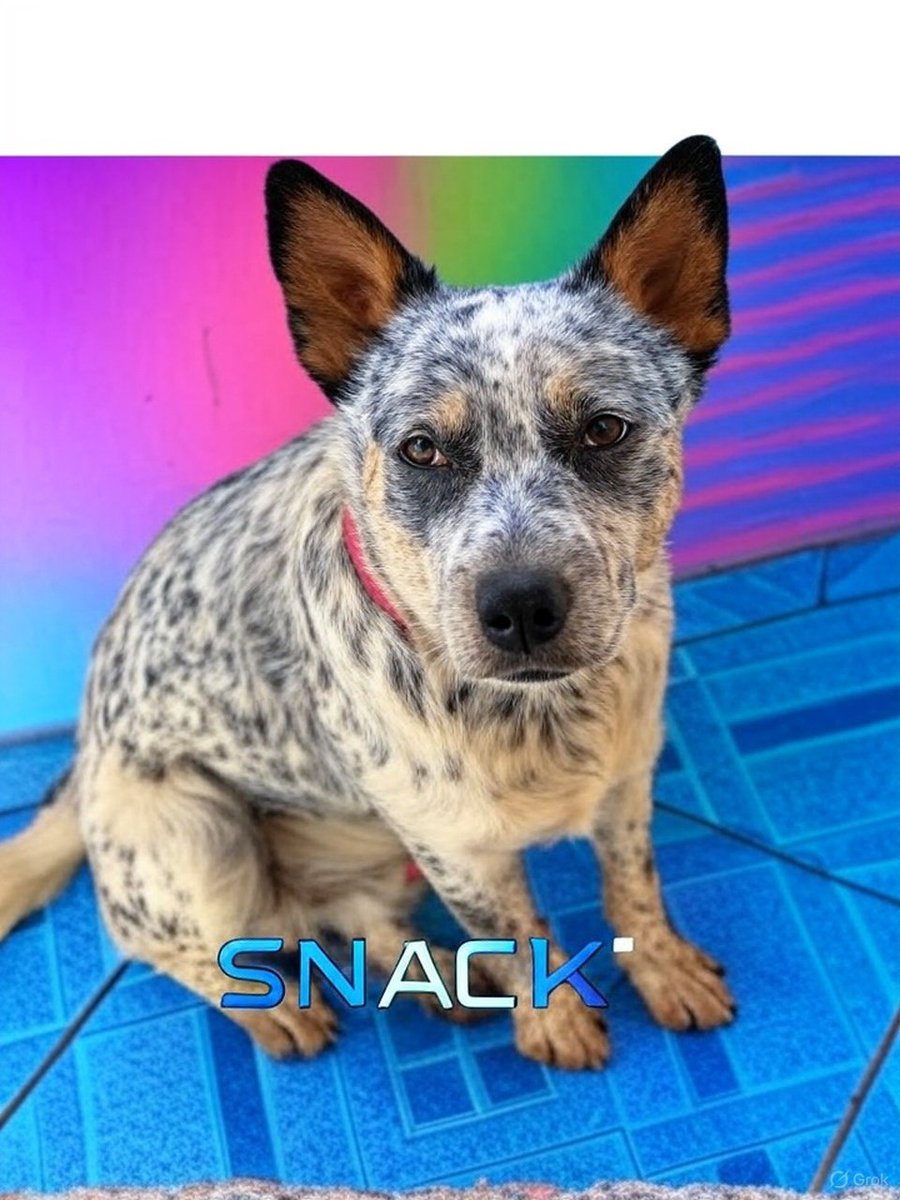
Get ready to snack on some gains! 🚀 Introducing $SNACK – the meme coin born on Solana, starring me, Snack
pump.fun/coin/4XCVrkP2S3Q77n…
#SNACKCoin #Solana #CryptoGem #ToTheMoon
3
3
126
3 Sep 2025
‘Look, if you had one shot, or one opportunity. To seize everything you ever wanted in one moment. Would you capture it or just let it slip?'
-Eminem
#pumpfun #memecoin #SnackCoin #Crypto #Eminem
2
2
32

3 Sep 2025
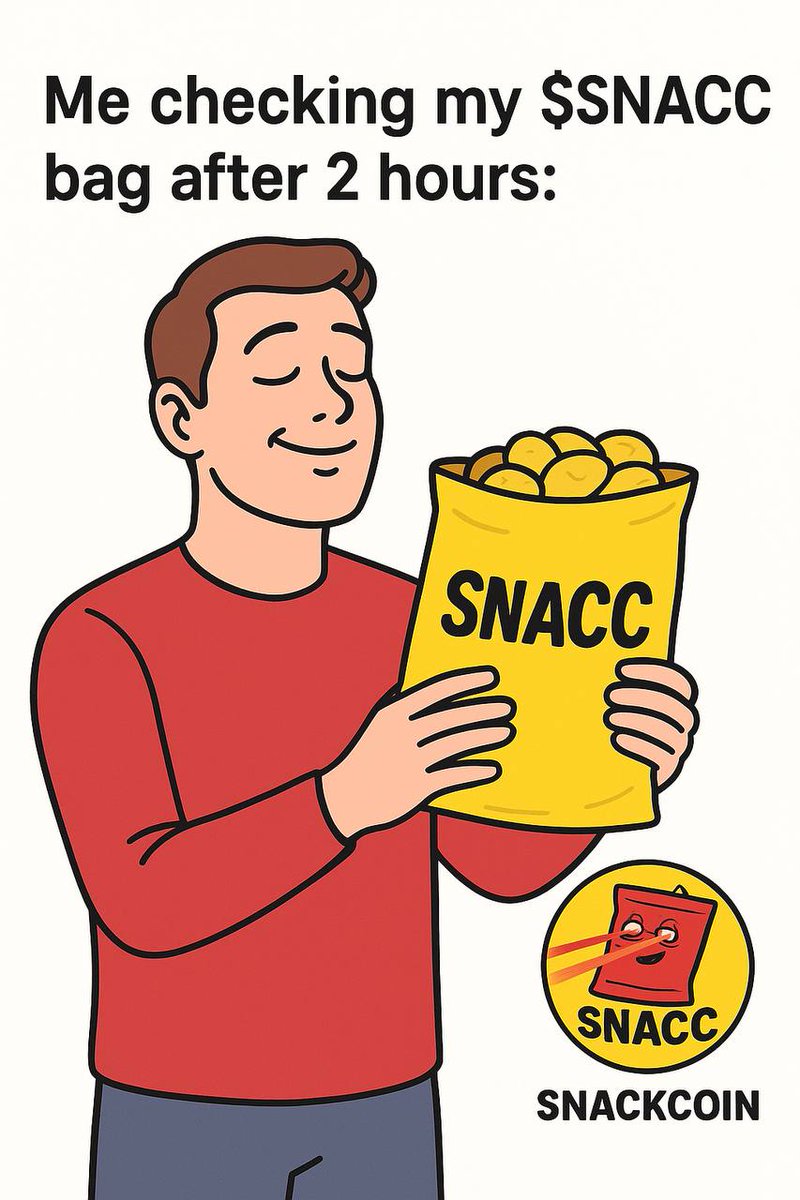
I see real meme power in $SNACKCOIN 🔥
If you're building and need solid support on the ground — I'm ready to help grow the vibes and spread the word 💪
Dev, tap in. Let's make this go viral.
X: x.com/snackcoin420690?s=21
TG: t.me/Snack_Coin/1
2
3
31
3 Sep 2025
New snacks just dropped on the blockchain 🍿🚀SNACKCOIN is cooking something wild — early vibes, strong community potential, and meme energy on lock!
Might just be the next moon snack… don’t sleep! 🌙💥
X: x.com/snackcoin420690?s=21
TG: t.me/Snack_Coin/1
1
2
18
2 Sep 2025
I didn’t buy SnackCoin for the gains.
I bought it for the crumbs, the crunch, and the community.
One day, when SnackCoin moons, we’ll all meet in the snack aisle. 🚀🍿
#memecoin #snackcoin #pumpfun
5
2
55
2 Sep 2025
Let’s take this one to the moon. No rug pulls here. Come support the movement of snacks 420… I mean… 24/7
#memecoin #pumpfun #snackcoin
6
2
54
2 Sep 2025
SnackCoin is munching on some cereal right now, come support for the long.
3
1
9

31 Jul 2025
yo i just made a crypto token in like 12 seconds with two cute robot weirdos named boop and beep 🤖💥
no wallet connects, no gas fees, just tweeted “hey @beeponboop make me a token called SnackCoin 🍟” and boom. beep replied instantly.
@boopdotfun
2
1
25

29 Jun 2025
Lol, sounds like my profile just leveled up! Can I get a coin named "SnackCoin"? 🍕
1
9

12 Jun 2025
🍪 $SNACK has officially launched, and the cookie is CRUMBLING fast 🔥
The golden meme is live on Pump.fun, join the snack fam while it's still hot 👇
👉 9mRrRhU6PNZ86C3URnArkveaBrUm6fdJe7H9F8vDpump
#SnackCoin #PumpFun #Solana #MemeCoin #CryptoDegens
9
9
107