Jun 12
Earth-619 Remastered
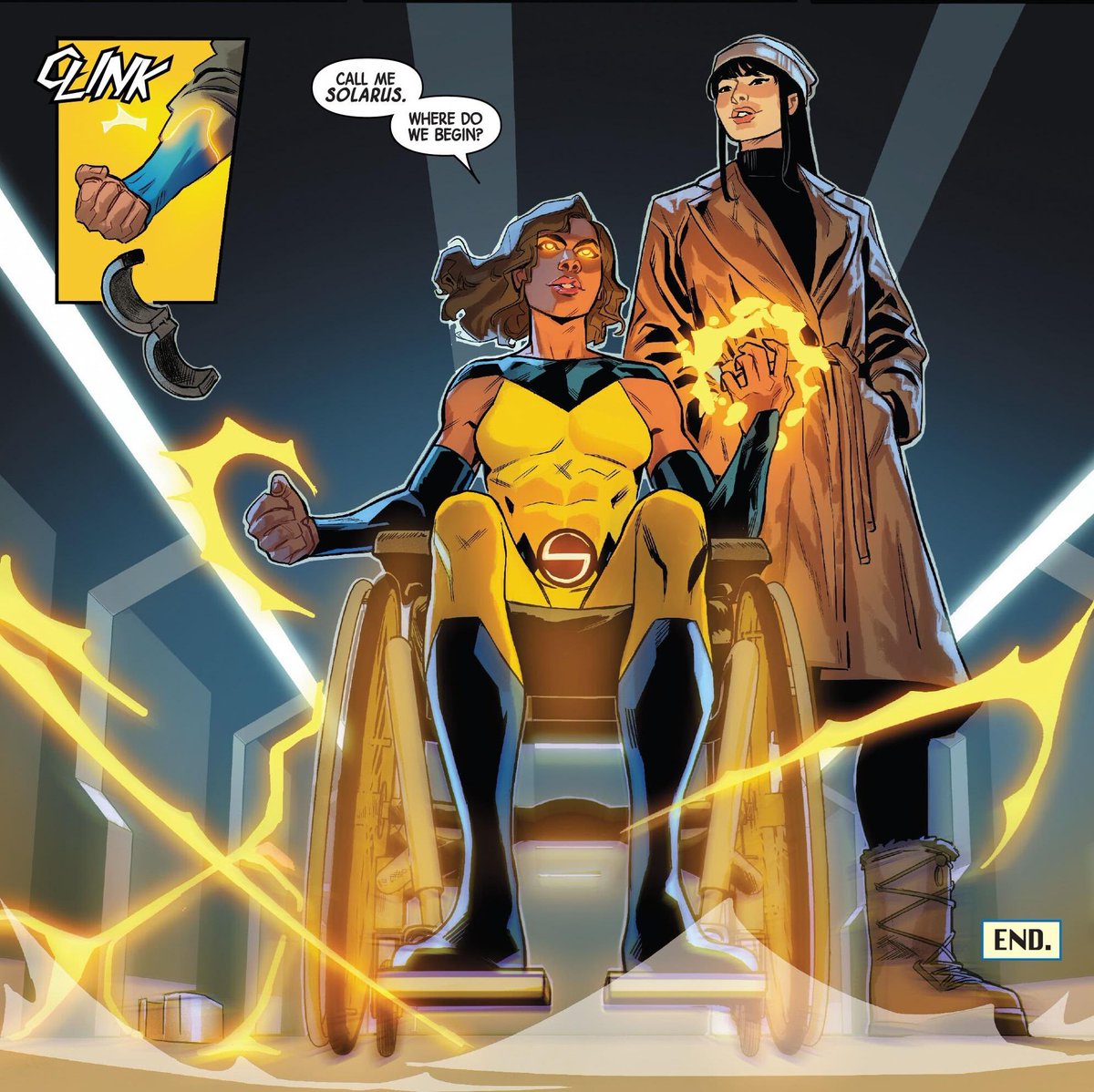
Mallory Gibbs / Solarus



29 Dec 2025

Rebooting an old AU with a fresh paint job lmao
Marvel/Earth-619:
"Maybe In Another World, Things Went Better."

81

Jun 12
Solarus sucked and still sucks, I will not be gaslit by you into thinking people actually gave a damn about that woman lmao

They really shafted Mallory to do Homelander 2.0 with another angry white man getting powers and it’s-again- why top to bottom Marvel needs new leadership just like Doctor Who does because the Old Guard’s running out of ideas
12

Jun 12
A drone hit right in solarus plexus would put her out of her misery.
Just saying…
20

marvel.fandom.com/wiki/Mallo… any mention of Solarus?
13

I think Sentry (and the new guy), might be cooked for me, because of how they did Mallory. I don't care about anyone getting an origin box, with his kit, when Solarus is right there. I try not to be this level of biased, but nah.
2
3
341


Jun 9
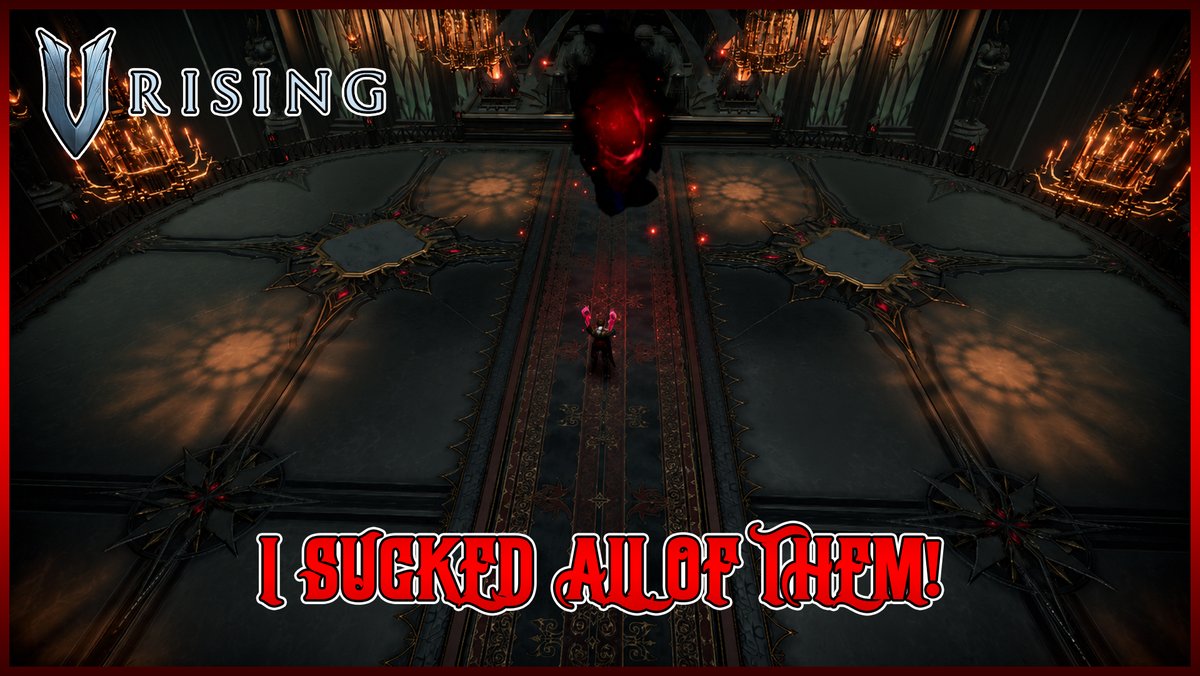
I've defeated all Bosses in V Rising finally! I've SUCKED THEM ALL OFF, NO MERCY!!! @VRisingGame #VRising #Dracula #Talzur #Adam #Solarus #Megara
(Using Spell Build)
Check it out:
youtu.be/e-X1uJHWxrI
#indiegame #lurkit #arpg #vampire #gameplay #journey #letsplay #actionrpg
1
1
56
Affan Ali retweeted

Tipping point, the fall of homo gridus and the rise of homo solarus in the energy landscape of Pakistan
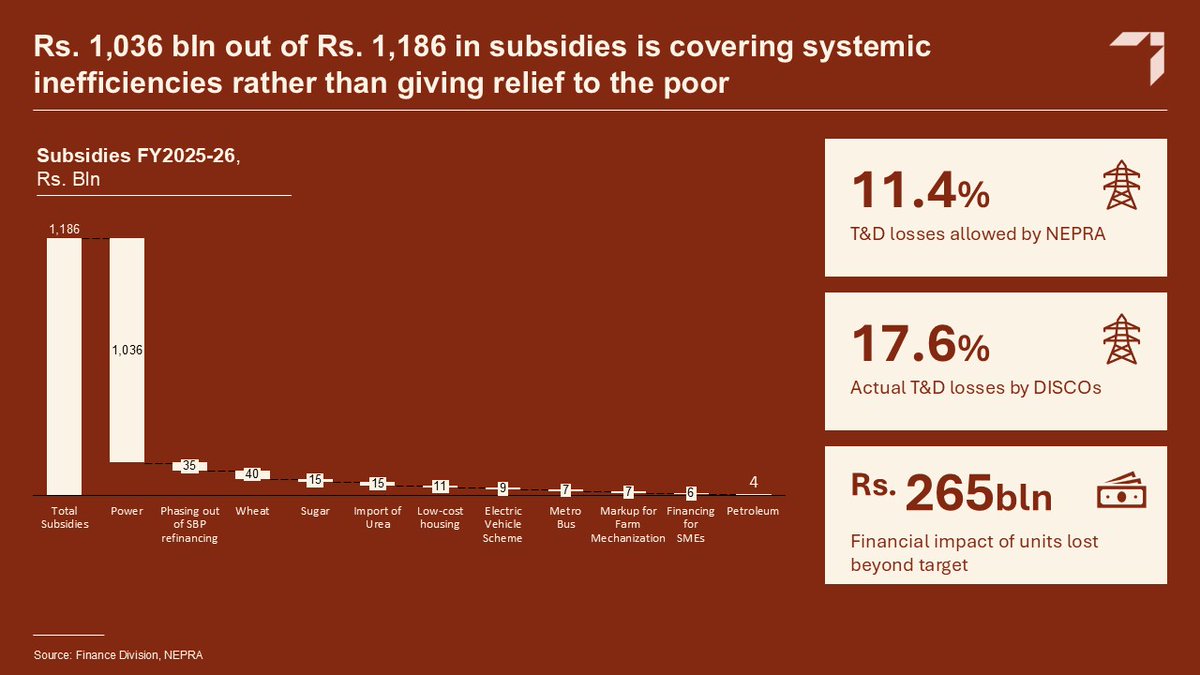
Subsidies are always among the most debated line items in any budget. Often, these are framed as “relief measures” for the common citizen. But what is the reality? What are the subsidies in our federal budget actually subsidizing?
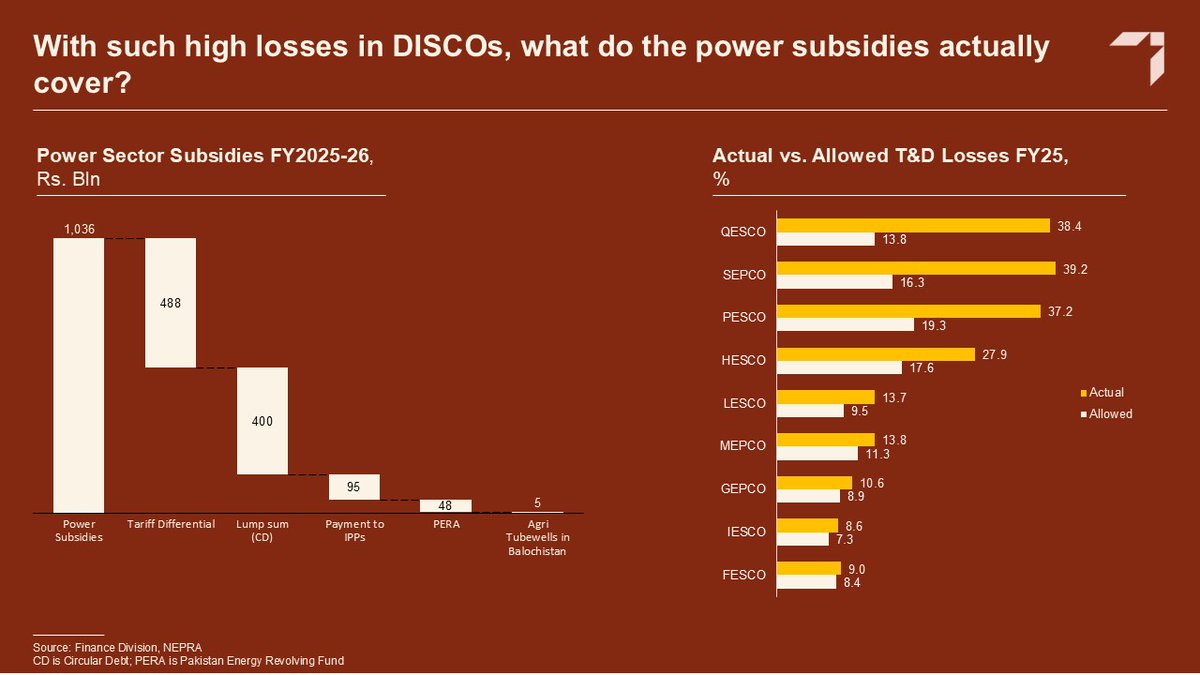
The data tells an interesting story. The 2024-25 federal budget shows a total of Rs 1.186 trillion in subsidies, across several domains including the power sector, wheat, sugar, fertilizer, farm mechanization, shifting of financing schemes and a handful of other small allocations. However, by far the lion’s share is taken by power sector: Rs 1.036 trillion. Over 87% of budgeted subsidies are attributed to the power sector. The logical question then becomes, why are our electricity prices so high (the highest in the region) if government is budgeting over Rs 1 trillion in power sector subsidies?Similarly, why does such a massive investment not have an impact on the quantum of the load shedding in the country? In short, are these subsidies working?
Interestingly, the Rs 1.036 trillion in subsidies are not meant to reduce the electricity tariff. Instead, they are allocated to cover the transmission and distribution losses of the government owned power distribution companies. Simply put, the trillion rupees is a cover for the inefficiency of the DISCOs.
What happens is that as part of the tariff determination process, the regulator sets specific Transmission & Distribution (T&D) loss targets for each distribution company. Any T&D losses exceeding the NEPRA-approved thresholds are not allowed to be passed on to consumers through tariffs. In FY25 the allowed limit was 11.43% for all DISCOs combined whereas the actual losses were reported at 17.55%. Note that the global benchmark for T&D losses is around 8.8%, with the best performing systems averaging losses as low as 5-7%. The T&D losses in Pakistan are 2x – 3x these benchmarks.
Such losses are, by design, to be absorbed by the respective companies and reflected in their financial results. However, given the predominant public sector ownership in the distribution and supply segment, where eleven out of twelve DISCOs remain government-owned, the financial impact of these inefficiencies is not fully internalised at the company level. Instead, these losses are routinely transferred to the public sector balance sheet, counted as part of the circular debt. It is, in effect, a closed loop of cost-shifting; inefficiency disallowed in tariffs, absorbed by the state, and ultimately borne by taxpayers or consumers.
There is an urgent need to solve the dysfunctionality of our power sector, because no country can hope to progress in the 21st century without access to reliable and affordable electricity. Even more so, in this age of a solar power boom, where consumers, both domestic and industrial, are taking things in their own hands by switching to a more predictable and reliable source of energy.
There are a set of things that need to be done to resolve the issues of the power sector, and it is impossible to go into all of them in such a brief paper. But here are a few.
First, enforcement, both in letter and spirit: The only answer to T&D losses because of theft cannot be to turn feeders off and stop electricity supply, because this leads to a vicious cycle in which poor service delivery leads to losses compounding. For decades, there has been no serious effort at scale to eliminate theft and do the hard work of changing the behavior of consumers while improving delivery.
The second is investment. T&D losses are not just because of theft, they are also because of poor and outdated infrastructure. If the government is going to subsidize a poorly functioning transmission and distribution network, why not actually use that money to invest in reducing those losses?
The third is pricing. Pakistan’s electricity supply capacity, at around 46000 MW, far outstrips demand, and the expensive electricity common citizens pay for is because over 58% of the consumer tariff is made up of the capacity charges. In any system where supply outstrips demand, pricing should be going down, and not up, and this means that the government needs to change the pricing structure and incentivize higher consumption aggressively. This happens in many parts of the world. To take one example, in the State of Indiana in the US, first 300 kWh are charged at 9.66¢/kWh, next 700 at 9.07¢/kWh, over 1,000 at 8.31¢/kWh.
There are of course any number of enablers and industry shifts required to enable this to happen, from thinking of privatizing or outsourcing the management of the DISCOs in order to get them to function as efficient entities, to enabling what successive governments have said about allowing a competitive market for electricity with multiple buyers and sellers, to investment in transmissionbottlenecks, insulation from political interferences, robust monitoring and billing system and long-term planning to increase capacity.
But what is true is that unless we treat energy as the engine of economic growth and make it a high priority, the situation will worsen. And that is not something Pakistan can afford.
Author
Farzooq Habib
Engagement Manager – Impetus
4
8
1,055

It would be X-Factor, lead by Storm but its members would be;
- Jon Ironfire
- Betsy Braddock/ Captain Britain
- Bruce Banner/The Hulk
- Jericho Drumm/ Doctor Voodoo
-Carmen Cruz/ Feint
- Mallory Gibbs/ Solarus

If you put your six favorite superheroes into one team what would you call it
3
5
576




3
95

I think I could have done better, maybe later. But Solarus is really only helping Ratchet.
#ratchet #oc #valveplug

4
110
2,370


Hang on.
Solarus Augustus Ray. Whose mother did you send flowers to?
2
2
3
94

She is a really good character that should actually get the chance to be Solarus rather than be eternally stuck in Bob’s shadow


2
614

May 17
I think her getting her powers from Bob shouldn’t have reflected so much on her character tho. if she’s gonna be solarus, make her solarus. make her a new and exciting hero rather than burden her with a legacy that doesn’t fit.
1
1
19
650


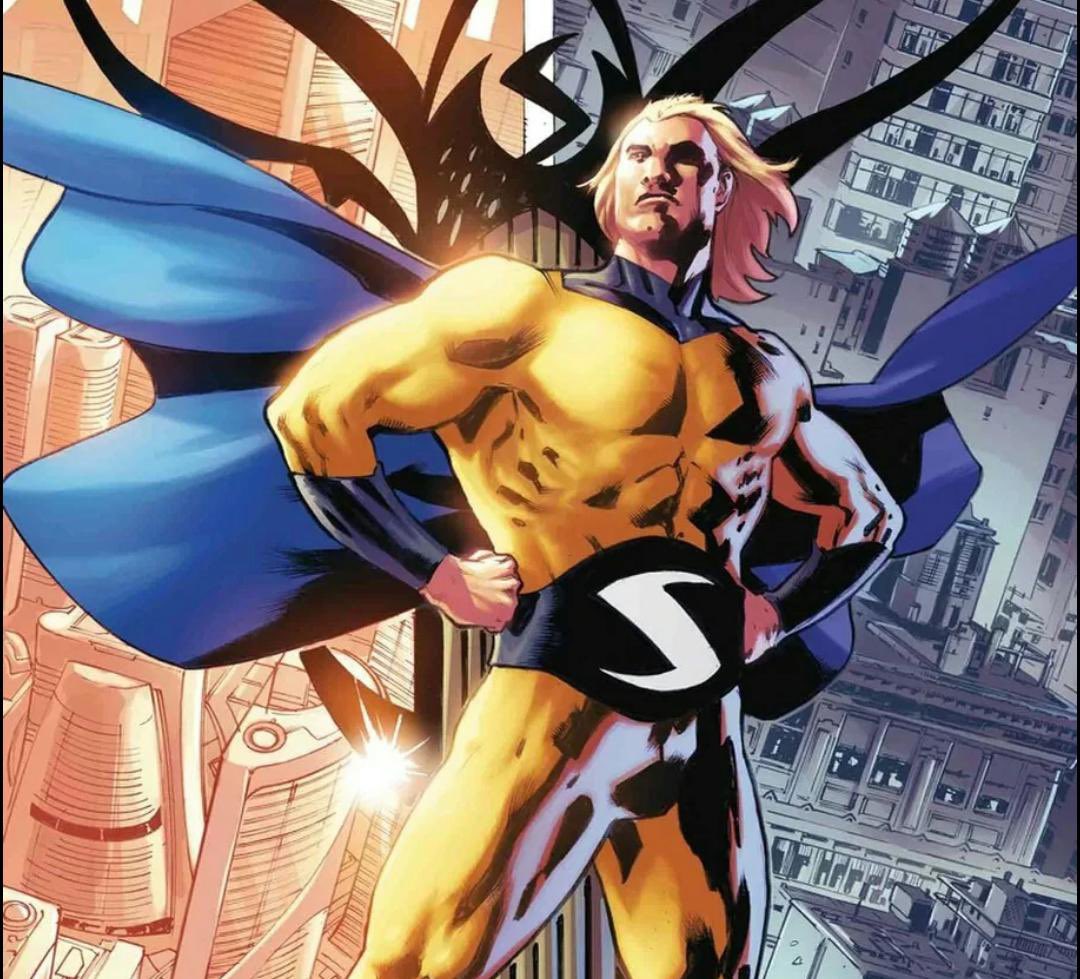
He needs to team up with Solarus. I think she would be a grounding character who could help him with his issues while he helps her explore the Sentry powers.

1
3
214

May 7
I think it can work, specially if you go more meta with it, but what they did with Solarus was quite probably the worst way to do it.
1
7
1,189