
Intent Solver 구조는 ‘보이지 않는 경쟁’을 만든다
Anoma의 핵심은 Intent다.
하지만 진짜 핵심은 그 뒤에 있다.
👉 Solver
유저는 단순히 의도만 제출한다.
그리고 Solver들이 그 의도를 실행하기 위해 경쟁한다.
이 구조의 무서운 점은
👉 유저는 경쟁을 보지 못한다
👉 하지만 그 결과는 전부 누린다
더 빠른 실행
더 낮은 비용
더 좋은 결과
이건 단순 기능이 아니라
👉 자동화된 시장 경쟁 구조
DeFi에서 처음으로
👉 '실행 자체가 경쟁 시장'이 된다
@anoma @AnomaPay
@adrianbrink @awasunyin @MauriceWbr
#IntentEconomy #SolverNetwork #ExecutionLayer #DeFiStructure #CryptoMarkets #Web3Design #DecentralizedSystems
33

5 Aug 2025
Solvers aren’t just about matching they compose intents into optimal private cross chain transactions
Built with serious tech: Google OR-Tools, SCIP... running on your device.
It’s not just coordination. It’s onchain orchestration.
@anoma 🌀
#Anoma #IntentMachine #SolverNetwork

42
6
43
267

30 Jul 2025
"Intent-Centric Blockchain: A Deep Dive into Anoma and Its Competitors"
Intent-centric technology allows users to express "what they want to do (their intent)" without specifying concrete transactions, and the system then interprets and automatically coordinates the execution.
Several next-generation blockchain projects have recently adopted this approach, and in this article, I’ll explore how Anoma sets itself apart from them.
💠 Notable Projects Using Intent-Centric Technology
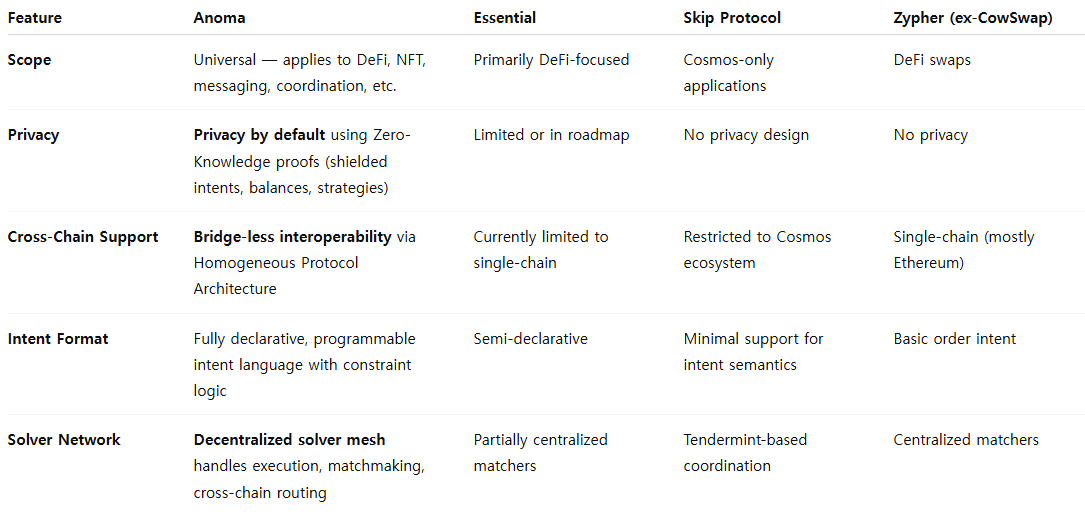
1. @anoma
- Intent Expression: Users submit intents rather than transactions.
- Solvers: Third-party agents that resolve and execute intents.
- Privacy by Default: Uses zero-knowledge proofs to shield strategies, balances, and addresses.
- Bridgeless Interoperability: Operates across chains without bridges.
- Shared Intent Space: Multiple rollups and L1s coordinate intents in a unified execution layer.
2. @intentessential (by Essential.dev)
- Focused on enabling DeFi apps with a modular, intent-based interface.
- Introduces "Intent Gossip" to broadcast user intents to potential executors (matchers).
- Still evolving, primarily used for intent-driven swaps and DeFi coordination.
3. @SkipProtocol(Cosmos Ecosystem)
- Explores intent-based execution in Cosmos zones.
- Aims to reduce MEV and improve UX with intent abstraction.
- Limited to Cosmos and IBC-compatible chains for now.
4. @Zypher_Xyz (evolved from CowSwap)
- Users declare what they want, like a minimum amount for a token swap.
- Matchmakers (solvers) execute the swap using the best path.
- Designed for intent-based DEX interactions, mostly within Ethereum.
🔍 Technical Comparison of Intent-Centric Projects
💠 Why Anoma Stands Out — A Technical Perspective
1. Privacy as a Default
Anoma encrypts every part of the transaction lifecycle:
- Intents include no publicly visible addresses or amounts.
- Zero-Knowledge Proofs ensure strategy, asset holdings, and counterparties remain confidential.
- This enables MEV protection, institutional-grade coordination, and secure multi-party computation.
2. Intent as Executable Logic
Unlike others where intents are limited to swap orders, Anoma treats intents as programmable, constraint-based declarations:
- Example: “I want to receive at least 500 USDC for my ETH — only if it can be done privately and atomically.”
- This allows for composable, multi-party transactions without direct interaction or approval flows.
3. Solver Network as Coordination Layer
Anoma introduces solvers not just as matchmakers but as decentralized coordination agents:
- Solvers interpret and fulfill intents by routing across domains.
- They coordinate multi-hop, cross-chain atomic transactions — like an orchestration layer across blockchains.
4. Bridgeless Interoperability
Other intent protocols require bridges or wrapped tokens.
- Anoma’s architecture natively connects multiple chains without trusted intermediaries, using ZK handshakes and a shared intent space.
- This makes cross-chain atomicity and privacy possible without compromise.
5. Homogeneous Protocol Architecture
Every domain under Anoma operates with identical logic and protocol standards:
- No need for chain-specific customizations
- Enables true cross-chain abstraction, where assets and intents flow freely across rollups and L1s
💠 Conclusion
Most intent-based systems focus on DeFi usability. Anoma, however, reimagines blockchain execution entirely intent-first, privacy-preserving, and natively interoperable.
- It’s not just a UX layer, it’s a new infrastructure layer.
- With privacy by default, solver coordination, and protocol-level interoperability, Anoma sets the standard for what modular, intent-centric blockchains can become.
#IntentCentric #ZeroKnowledge #ZKProofs
#SolverNetwork

2
1
52

23 Jul 2025
물론입니다! 아래는 귀하의 @anoma 테스트넷 안내글의 자연스럽고 고품질 한국어 번역입니다:
@anoma 테스트넷 체험 가이드
(의도 기반 L2의 미래를 직접 경험하세요)
아직 초대 코드 없으신가요?
이 글을 리트윗하고 북마크 해두세요 코드 생기면 추첨으로 드릴게요!
지금 바로 시작해볼까요? 👇
1단계: Anoma 테스트넷 참여하기
@anoma
→ Connect 클릭
→ 초대 코드 입력
→ 지갑으로 가입하고 확인
이제 의도 중심 조정의 미래에 합류하셨습니다
2단계: 4개의 인터랙티브 존 탐험하기
프라이버시, 조정, 조합성을 겸비한 게이미파이드 테스트넷!
FITCOIN
클릭할수록 Fitcoin 포인트 획득 (일일 1,000포인트 제한)
→ 움직이고 클릭하면 끝! 쉽고 재미있어요.
BITFLIP
비트코인의 다음 움직임(상승/하락)을 예측해보세요
→ 다리 없는 고속 예측 게임!
GARAPON
🎡 Fitcoin으로 쿠폰을 구매하고 룰렛 돌리기
→ 무제한 룰렛! 완전 무마찰!
MAGE
매일 소셜 미션 수행
→ X 계정 연동하고 Anoma 성장에 기여하세요
모든 존이 보여주는 건 단 하나:
@anoma는 온체인 경험을 완전히 새롭게 설계하고 있다는 것.
→ 브리징 없음
→ 복잡한 절차 없음
→ 오직 의도, 솔버, 프라이버시 by default, 그리고 재미
Web3 UX의 미래는 이미 시작됐습니다.
지금 Anoma를 체험하세요.
#Anoma #IntentCentric #AnomaOS #ZKPrivacy #BridgeFree #테스트넷 #Web3게임 #SolverNetwork
5
2
10
159
22 Jul 2025
我们还处在早期阶段,但有点已经很清楚了:
@anoma 不是在构建下个公链,
而是在重构价值的协调方式。
不再需要频繁切换钱包
不再为跨链桥感到头痛
不需要手动发送交易
你只需表达你的“意图”,
然后 Solver Network 会在任何链上
私密、原子地帮你实现。
这就是意图导向协调的真正样子:
表达你想要的结果,而不是技术步骤
实现真正的组合性,没有折中
默认启用 MASP Taiga 提供的零知识隐私
通过分形协调实现无瓶颈扩展
切都由 AnomaOS 驱动
这或许就是我们等待已久的 Web3 用户体验革新。
更少摩擦,更自由表达。
这,才是 Web3 该有的样子。
#Anoma #意图导向 #SolverNetwork #零知识隐私 #AnomaOS #分形扩展 #原子结算 #去桥接

3
1
6
128
21 Jul 2025
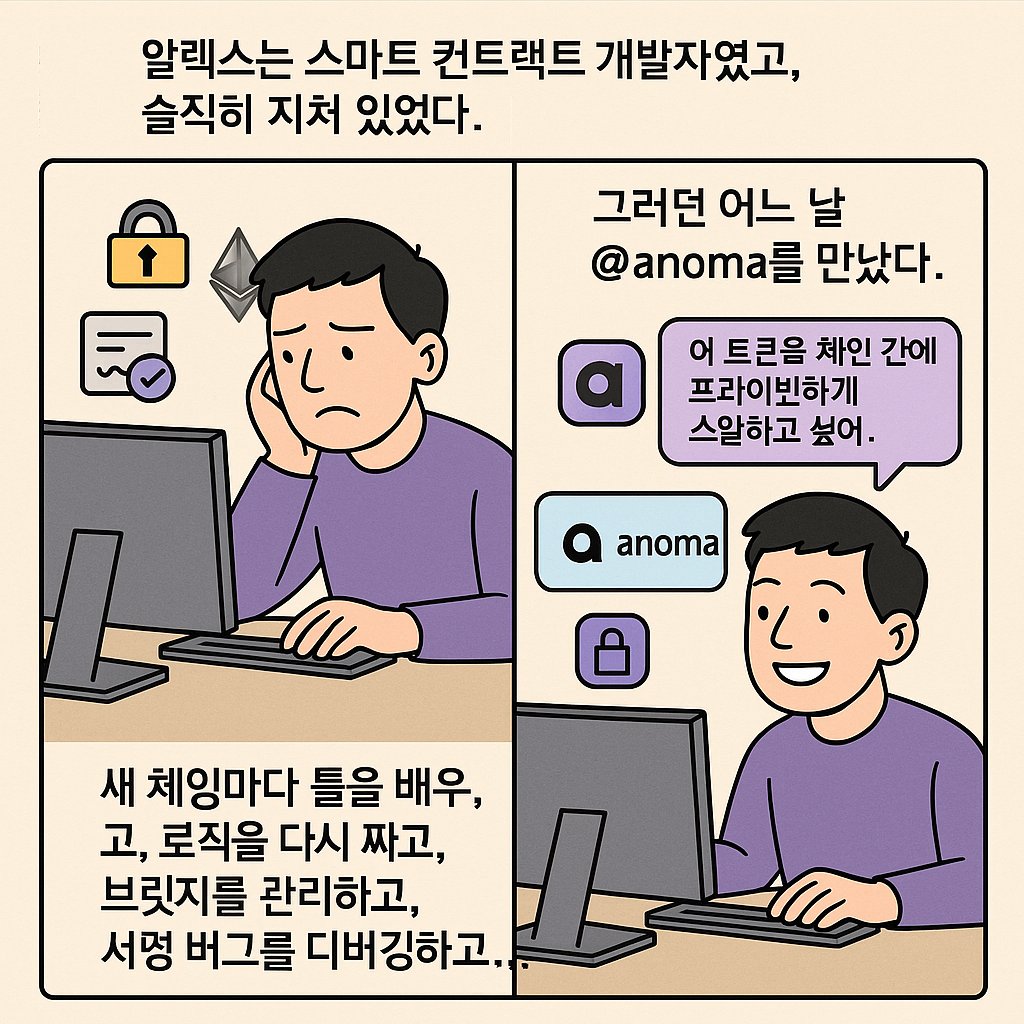
@anoma를 알기 전까지, 알렉스는 스마트 컨트랙트 개발자였고, 솔직히 지쳐 있었다.
새로운 체인을 쓸 때마다 새로운 툴을 배우고, 로직을 다시 짜고, 브릿지를 관리하고, 프라이버시 유출을 걱정하고, 서명 버그를 끝없이 디버깅해야 했다.
Web3는 강력했지만, 너무나도 파편화되어 있었다. 지치는 일의 연속이었다.
그러던 어느 날, @anoma를 진짜로 이해하게 되었다.
이제 더 이상 ‘트랜잭션’을 고민하지 않는다. 오직 ‘의도’만 생각하면 된다.
"이 토큰을 프라이빗하게, 체인 간에 스왑하고 싶어."
그게 전부였다.
Solver Network가 나머지를 자동으로 처리했다.
MASP와 Taiga가 기본 프라이버시를 보장해줬다.
Fractal Scaling 덕분에 성능 병목도 없었다.
프로그래머블 프라이버시는 처음부터 내장되어 있었다.
처음으로 알렉스는 ‘체인을 위한 개발’이 아니라
‘사람을 위한 개발’을 하고 있다고 느꼈다.
이것이 바로 @anoma의 차별점이다.
그냥 더 나은 도구가 아니다.
Web3를 완전히 새롭게 바라보는 사고방식이다.
#anoma #intentcentric #MASP #Taiga #solvernetwork #ZKprivacy #fractalScaling #modularinfra #Web3
2
1
3
237

11 Jul 2025
Gnoma @anoma fam
What is “Intent” in Web3? Let’s make it easy to get.
👇
Intent = outcome request
You say what u want. Solvers figure out how to make it happen. U skip all the manual steps.
Privacy by default
With zero knowledge proofs, no one sees who u are, what u’re doing, or how much u’re moving. Not even the protocol.
Solvers = your ops team
They scan the network, compete to fulfill ur intent, and only the winner finalizes the transaction.
Cross-app. Cross-chain. Composable.
Bundle multiple actions across different domains. DAO vote, token swap, donation all in one intent. Condition it, delay it, combine it.
Think of it like:
I want this, but only if that happens.
Now imagine that logic baked into the network.
Tired of signing 5 txs just to move one asset?
Want to swap tokens without showing ur whole wallet history?
Start thinking in intents.
This is what @anoma is building.
#Anoma #gAnoma #AnomaOS #SolverNetwork #Composability #AnomaTestnet #Web3Privacy #AnomaCommunity #AnomaBuilders

7
6
57
6 Jul 2025
What if apps didn’t live on chains —
but emerged only when your intent called them?
That’s not a dream. That’s $ANOMA.
A dark, fast, and private coordination layer,
where Solvers compete without leaking,logic vanishes after execution,
and privacy is the default protocol, not an option.
This is crypto without noise.
Just pure intention → precise coordination.
#Anoma #IntentCentric #ZKtech #EphemeralRollups #SolverNetwork #ChainAbstraction
6 Jul 2025

GM to the Meshmakers who We Post While Others Snooze 🛌 😴
Gm yappers ☀️ Today we coordinate in silence. $ANOMA is the fuel.
Forget gas wars. Forget L2 fees.
Crypto doesn’t need faster chains and it needs smarter logic.
@anoma introduces a new way to operate:
•You don’t submit a tx.
•You express an encrypted intent.
•Solvers compete privately to fulfill it.
•Execution happens in a one-shot ephemeral rollup.
•The logic self-destructs after delivery. No trace. No leaks.
And guess what powers it all?
🧬 $ANOMA:
•Fuels solver incentives
•Spins up intent-specific rollups
•Governs matching environments
•Secures Typhon consensus
•Unlocks ZK coordination between apps, DAOs & agents
Gm from the future of where apps don’t live on chains, and coordination is dark, fast, and private.
3
4
79

4 Jul 2025
⭐️DeFi loves to talk about “openness”
But real capital won’t touch DeFi until it solves the privacy paradox
Big players don’t fear smart contracts
They fear leaking their strategy to every competitor watching the mempool.
JPMorgan won’t rebalance in public
BlackRock won’t swap in a pool where bots front-run every move
Privacy isn’t optional
It’s the first requirement for serious adoption
This is where @anoma changes the game:
• Intents are expressed privately
• Solvers compete to fulfill them without seeing the full transaction details
• No public mempool, no data leakage, no MEV sniping.
But privacy doesn’t mean blind trust:
Solvers are trustless by design. Every solver must prove its execution logic through cryptographic proofs (ZK).
🔹 The network verifies that solvers didn’t front-run, cheat, or leak data before anything hits the chain.
🔹 Anyone can build a solver, but only those who deliver valid solutions earn rewards.
Solvers create a trustless coordination layer:
Fast like bots
Private like dark pools
But open for anyone to build, run, and verify
Anoma isn’t just faster coordination
It’s verifiable privacy where capital can finally move without fear, and where value exchange isn’t a public warzone dominated by insiders
🔹 So here’s the question:
Can DeFi grow beyond retail and hobbyists until it solves this?
Or will it stay a public arena where only bots and insiders win?
🤔 Builders, it’s time to build for the next wave not just another DEX.
#Anoma #PrivateDeFi #SolverNetwork #CoordinationFi #MEV #InstitutionalDeFi
4 Jul 2025

JPMorgan won't use DeFi until they can trade without revealing their positions to competitors.
BlackRock won't use DeFi until they can rebalance without front-running.
Privacy isn't a nice-to-have.
It's institutional adoption requirement #1.
Oh, and @anoma solvers fix this
4
7
94

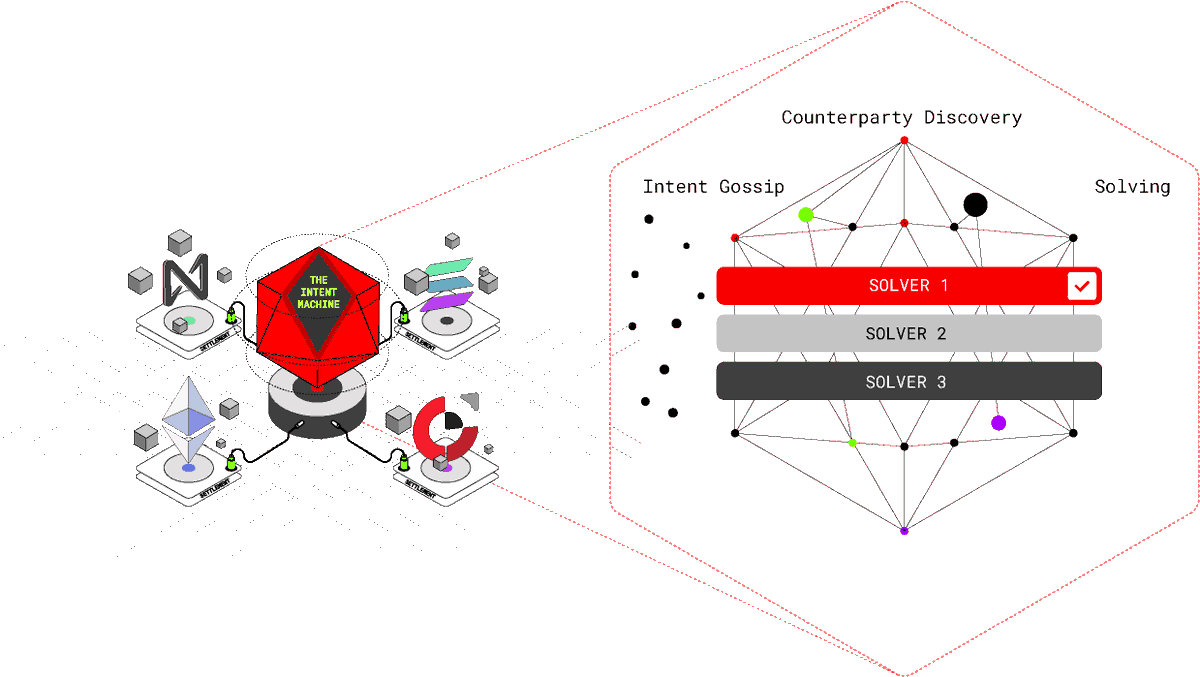
🌐 Anoma - Where everything about connectivity & transactions is automated and decentralized!
Have you ever wasted time manually finding partners and integrating all kinds of things to make your Web3 app work?
✨ With Anoma:
🔍 Decentralized Counterparty Discovery - Automatically finds and connects the right partners across the entire network
🧩 Solver Network - A system of solvers that quickly matches intents between parties
🔗 Multichain Settlement - Transactions are processed and finalized across multiple connected blockchainsMy favorite part? You just focus on building your application — Anoma takes care of the rest!
🚀 Build Apps, Not Chains.
#Anoma #Web3 #IntentArchitecture #SolverNetwork #Decentralized #Dapps #Multichain
2
4
40

29 Jun 2025
@anoma isn’t just a new chain it’s a new coordination model.
But how could its solver networks help avoid institutional failures like those seen during global crises?
Let’s explore the intent-centric edge of #Anoma.
1/ 2020 exposed a core weakness:
Institutions couldn’t coordinate fast enough globally, locally, or even digitally.
Logistics collapsed. Supply chains stalled. Info moved slower than the virus.
What failed?
Centralized coordination.
2/ @anoma is built to fix that not with governance tokens, but with intents and solvers.
Users express what they want.
Solvers compete to fulfill those intents, trustlessly and efficiently.
No top-down planning. Just decentralized matching.
3/Imagine this system during a pandemic:
→ Hospitals post intents: “need 200 ventilators in X”
→ Suppliers submit offers
→ Logistics solvers optimize routing
→ Settlement happens programmatically
No forms. No calls. Just coordination.
4/Why does this matter?
Because intent systems allow local optimization with global visibility.
Each actor doesn’t need to know everything
They just publish what they want and act on what they see.
That’s more adaptive than centralized planning.
5/ @anoma ’s solvers aren’t just smart contracts
They’re economic agents with logic, risk models, and incentives.
They evolve over time.
Some fail.
The best scale.
That makes @anoma 's coordination system evolutionary not bureaucratic.
6/Evolutionary Advantage
#1: Rapid response.
Solvers can emerge instantly in response to new needs.
No approvals. No meetings. Just code.
Advantage
#2: Global-local sync.
Solvers act locally, but broadcast globally.
All intents are visible.
7/Advantage #3: Anti-fragility
The more stress the system experiences, the better it adapts.
Failures get priced in.
Good solvers get more flow.
This is market-driven coordination, not hierarchy.
8/If successful, @anoma could shift how we collaborate:
→ From passive users to active intent-publishers
→ From static marketplaces to dynamic coordination layers
→ From command-and-control to adaptive, solver-driven systems
9/The goal isn’t to replace institutions.
It’s to make global-scale collaboration as programmable and reactive as a DeFi swap.
That’s not just new tech it’s a new way to be human, together.
#Anoma #IntentBased #SolverNetwork #DecentralizedCoordination #CrisisTech #ZK #Collaboration #Web3Infra #KaitoAI
28 Jun 2025

Reading about Anoma’s solver networks while watching global institutions fail in real-time is surreal. Traditional institutions are centralized, slow, and captured by special interests. Solver networks are decentralized, fast, and aligned with user intent. The contrast is so stark it feels like looking at two different evolutionary stages of human coordination technology. One dying, one being born.
1
2
16

28 Jun 2025
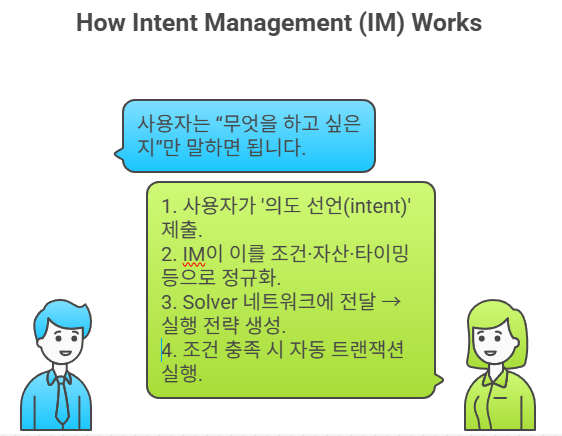
🧠 Anoma의 Intent Machine(IM) : Web3가 처음으로 인간의 '의도'를 이해하기 시작했다
by @anoma
Anoma는 말합니다.
“Web3는 트랜잭션 중심이 아니라 ‘의도(intent)’ 중심이 되어야 한다.”
그 철학을 구현하는 게 바로 Intent Machine(IM).
IM은 사용자의 '의도'를 해석 → 실행 가능한 상태로 변환 → 최적화된 방식으로 실행하는 의도 처리 엔진입니다.
👇 자세히 설명해볼게요
1/ 지금의 Web3는 명령어 기반입니다.
“0xA → 0xB로 1 ETH 전송”처럼.
하지만 사람은 이렇게 말하죠:
“이 NFT를 적당한 가격에 팔고 싶어.”
“이 토큰, 가스비 낮을 때 옮기고 싶어.”
Anoma는 이런 '의도'를 이해하고 실행하게 만듭니다.
2/ IM은 이렇게 작동합니다.
① 사용자가 '의도 선언(intent)' 제출
② IM이 이를 조건·자산·타이밍 등으로 정규화
③ Solver 네트워크에 전달 → 실행 전략 생성
④ 조건 충족 시 자동 트랜잭션 실행
즉, 사용자는 “무엇을 하고 싶은지”만 말하면 됩니다.
3/ IM의 장점 ✨
✔ 선언형 UX – 누구나 쉽게 사용
✔ 조건부 실행 – 예: “10% 이상 이익이면 팔기”
✔ 멀티체인 흐름 자동화 – 여러 체인 오퍼 통합
✔ 실행은 자동, 사용자는 심플
→ Web3가 처음으로 ‘사용자 친화적’이 됩니다.
4/ 제 개인적인 생각입니다.
IM은 인간의 언어를 블록체인이 이해할 수 있게 번역해주는 인터페이스 같아요.
Web3가 대중화되려면 결국 '사람이 쓰기 쉬워야' 하잖아요?
그걸 가능하게 하는 진짜 엔진이 IM이라고 생각합니다.
📌 요약
Anoma의 Intent Machine은 Web3의 OS 역할
의도(intent)를 입력 → 실행 가능한 구조로 전환
선언적 UX, 조건부 실행, 멀티체인 오퍼 가능
사용자 중심 Web3의 핵심 인프라
@anoma 는 단순한 체인이 아닙니다.
Web3를 행동(action)의 웹 → 의도(intent)의 웹으로 바꾸는 OS입니다.
@KaitoAi
#Anoma #IntentMachine #Web3UX #CryptoOS #블록체인혁신 #의도중심인터넷 #탈중앙UX #SolverNetwork
2
5
68

28 Jun 2025
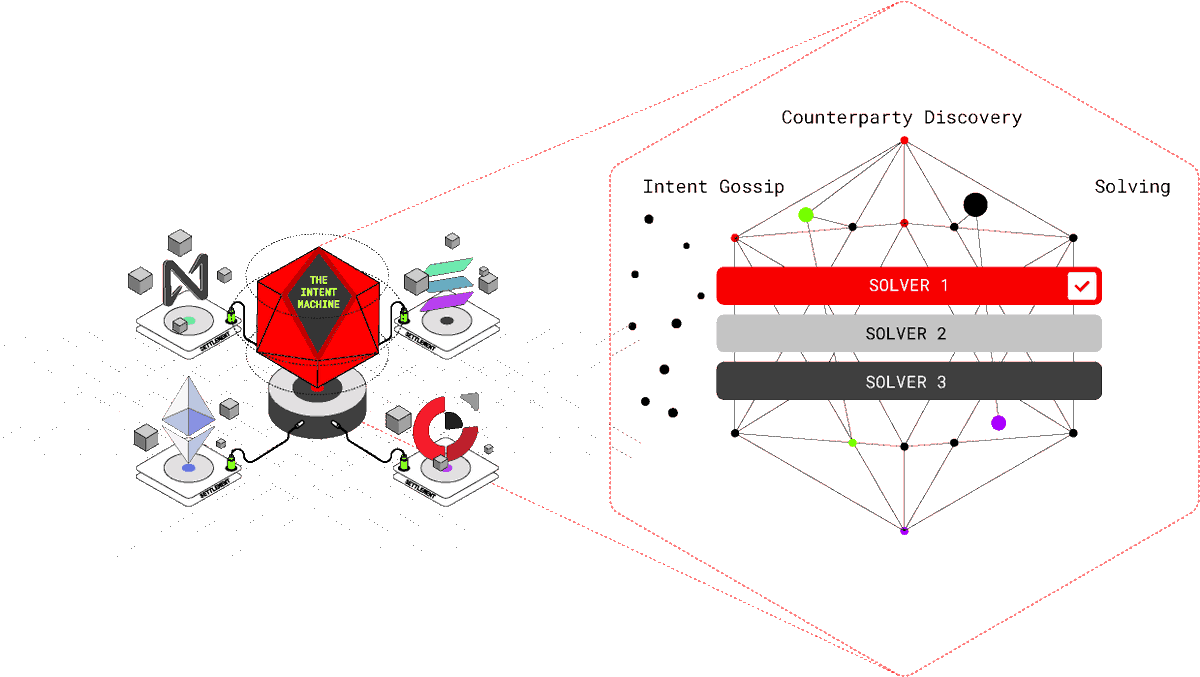
🎯 The Solver Network is pure genius and here's why it changes everything!
Instead of you having to be a crypto expert, #Anoma creates a decentralized network of "solvers" think of them as specialized crypto assistants competing to give you the best possible outcome.
Here's the magic: Your intent gets broadcast to thousands of solvers who compete to find the optimal solution.
They consider factors you might miss:
· Best exchange rates across ALL chains
· MEV protection strategies
· Gas optimization
· Liquidity aggregation
· Perfect timing
But here's the kicker multiple people's intents can be combined into a single transaction! If you want ETH→USDC and someone else wants USDC→ETH, you can directly trade with each other at the midpoint price with ZERO slippage!
This creates network effects where more users = better outcomes for everyone. The solver network gets smarter, more efficient, and more profitable as it grows.
We're talking about a system that could eventually outperform any centralized exchange while remaining completely trustless and decentralized.
Have you ever gotten a worse trade because you didn't know about better options? What if every trade was automatically optimized?
Like if you want automated optimization, comment your worst trading experience, and let's support systems that work harder for us than we work for them! 🤖
#SolverNetwork #Anoma @anoma
1
2
265

Anoma는 단순한 체인이 아닙니다!
로드맵 패이지를 보면 현재 1단계 진행중이네요
의도(Intent) 중심, 자산 불문(Asset-agnostic),
프라이버시 기본값의 Decentralized Operating System (DOS)를 구축 중!
현재는 Devnet에서 Intent Machines를 테스트 중이고,
Testnet에서 사용자 피드백을 수렴 중.
이후 Mainnet Phase 1에선 이더리움 L2 위에서
Solver Network와 MASP 기반 정산이 실행된다 합니다.
Phase 2 에선 FHE, MPC, Chimera chains,
그리고 Recursive ZK Proofs까지…
이건 단순한 론칭이 아니라,
Web3 패러다임 자체의 전환점이네요!
이래도 안해 @anoma ?!
More than a chain. It’s a programmable coordination layer.
Privacy by default. / Intent, not execution.
Cross-chain, not cross-bridged.
#Anoma #ZK #IntentCentric #SolverNetwork #MASP
#PrivacyFirst #DOS #Web3Infra #ChimeraChains
14
17
156

在川普政府稳定币监管框架明晰化时代背景下,RWA🟰YBS,与STO毫无关系。
亚洲资本要趁早打消那种包装一个实体资产(产业园区、新能源)然后发权益Token割一波韭菜的想法,这种范式在2017~2019周期已经证伪掉,这个周期也难以死灰复燃。
而新范式的RWA(YBS)在资产端创新引入风险分级结构,在中间件的创新有Proof Of Reserve、跨链结算网络(CCIP/SolverNetwork),在负债端(稳定币)的创新有利息衍生品市场(Pendle、RateX)。
对Resolv这样YBS协议来说,现在万事俱备,只差8月的美国稳定币法案的东风,在资产端引入非美债的RWA资产,来一场规模指数级增长。

Resolv:引入风险分层重新定义 YBS 范式💸
稳定币的世界在 2025 年变得比以往更加复杂和分化。
一方面是 USDT、USDC 这样的交易型稳定币王者,统治着跨境支付和交易场景;另一方面,一种全新的生态正在悄然兴起 — 收益型稳定币(YBS,Yield-Bearing Stablecoins)。
4月16日,新一代YBS型稳定币项目Resolv完成了由 @cyberfund & @Maven11Capital 共同领投,@cbventures、@Arrington_Cap等等Tier 1资本参透的$10M 种子轮融资。
1⃣稳定币主要应用场景:交易媒介 VS生息票据(Aka,利息权益Token)
在分析 Resolv 之前,我们先梳理一下当前的稳定币主要应用场景。
传统稳定币如 USDT 和 USDC 的价值主张非常明确,它们是加密世界的"美元",作为交易媒介和价值储存,但几乎不提供原生收益。
而 YBS型稳定币(MakerDAO的USDS(前DAI)、Ethena的USDE、Resolv的USR)则不同,它们将稳定币与收益生成机制结合,稳定币主要作为利息权益Token、循环借贷中介物和债权(收益权)统一管理界面。
根据 RWA.xyz 数据,目前稳定币总市值约 2270 亿美元,其中 USDT 和 USDC 占据约 89.21%。
但 YBS 赛道的占比正在迅速增长,龙头USDe从~$2亿规模增长至~$49亿规模。而Resolv发行的稳定币USR目前规模为 $3.95亿,在 YBS 领域处于龙二地位。
2⃣Resolv:将风险分级引入YBS的资产端和债务端
Resolv 不满足于简单地成为"又一个 Ethena"。团队认为,当前市场对 YBS 的理解过于片面,大多数项目要么过度依赖单一收益来源(如 Ethena 的资金费率套利),要么缺乏足够的风险隔离机制。
Resolv 的核心创新点在于:
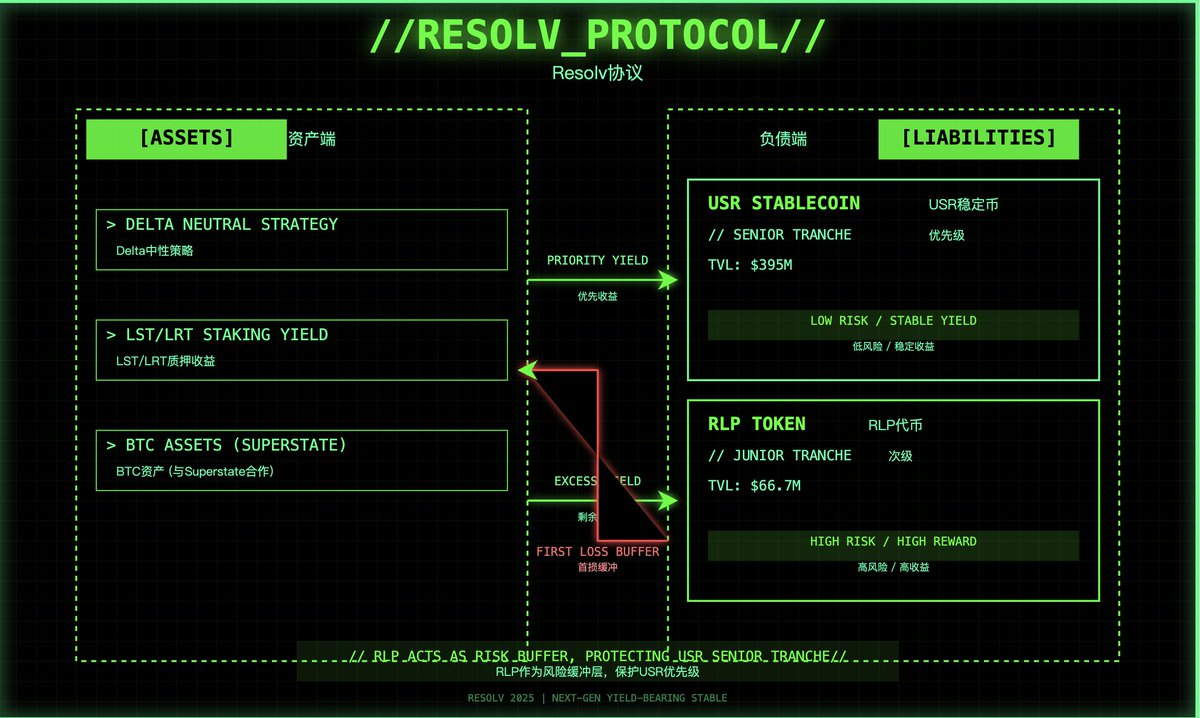
--模块化收益来源:不依赖单一策略,而是整合多种收益渠道,包括但不限于交易所的资金费率、LST(流动性质押代币)、LRT(重质押代币)等;
--风险分层机制:通过分层设计,将风险与收益进行分离,USR 作为优先级代币提供稳定收益,RLP 作为次级代币承担风险并获取更高回报
--扩展性设计:协议可以根据市场需求无缝整合新的收益来源,适应加密市场的快速变化
如果对比传统金融,Resolv 相当于把货币市场基金、分级基金和风险管理工具融合在了区块链上。
3⃣RLP:Resolv的收益与风险的平衡艺术
任何提供收益的金融产品都面临一个永恒难题:收益从哪里来?
在传统金融世界,美国国债作为标准的"无风险"收益基准。而在加密世界,没有真正的"无风险"资产,即使是质押 ETH 也面临着共识风险、技术风险和监管风险。
Resolv 的模型很有意思,它不是试图消除风险(这是不可能的),而是通过精确的风险分离和定价,将风险转化为可交易的资产。
传统金融的分层设计(Tranching)在风险管理上有着悠久历史。抵押贷款支持证券(MBS)就是经典例子,虽然 2008 年危机给它带来了负面声誉,但原理本身是有效的。
Resolv 借鉴了这一思路,将风险与收益分配到不同层级:
USR(优先层):获得稳定但相对较低的收益,风险最小
RLP(次级层):获得更高收益,但承担第一线的损失风险
这种设计使得 USR 能够保持其作为稳定币的核心功能 — 价格稳定性,同时仍能提供比传统稳定币更高的收益。
值得注意的是,RLP 并非简单的"保险金",而是一种可交易、可整合的金融资产,甚至可以进一步在 DeFi 生态中使用。这为风险偏好较高的投资者提供了新的机会。
从 Resolv 的仪表板数据来看,USR 稳定币目前的 TVL 约为 3.95 亿美元,而 RLP 的 TVL 约为 6670 万美元,两者的比例大约是 6:1。这个比例实际上反映了协议设计的风险缓冲区:理论上,只要 RLP 层没有完全损失,USR 持有者就能保持稳定的收益和本金安全。
这种设计在加密世界并非完全创新 — MakerDAO 的超额抵押模型、Frax 的部分算法模型都有类似思路。但 Resolv 将其推向了一个新高度,使风险更加可视化和可交易。
4⃣熊市生存之道:Delta 中立策略
在熊市中,高收益往往伴随着高风险。但 Delta 中立策略提供了一条相对安全的道路。
简单来说,Delta 中立就是通过多空对冲,降低价格波动对策略收益的影响。在 Resolv 的实现中,这主要通过在 CEX/DEX 上开设抵消性质的多空仓位来实现,从资金费率和流动性差异中获利。
但这类策略也面临挑战:随着规模扩大,收益会下降;对手方风险(尤其是 CEX)不可忽视;在极端波动时期,对冲效果可能不理想。
为了管理这部分风险,Resolv 已经与 Superstate 合作,扩展其收益来源,并引入 BTC 作为底层资产。这些举措都指向一个方向:多元化是应对单一策略局限性的关键。
5⃣Resolv已加入稳定币分发之战
分发渠道将是稳定币竞争的核心场域。Circle最近公布的财报显示,为了维护USDC的网络效应和流动性向币安和OKX支付了巨额报酬。
目前 Resolv 已经在 Base 上部署了超过 1.5 亿美元的 TVL,并计划扩展到其他生态系统。例如与 @TacBuild 整合,提供 TAC 奖励、Resolv 积分和 Upshift 积分,扩展到Telegram 原生 DeFi 生态。扩链策略对于稳定币至关重要,因为稳定币的网络效应往往会导致"赢家通吃"的局面。
Resolv 的分发战略还包括与钱包、CEX 的合作,以及面向机构投资者的资产管理解决方案。
结语
加密稳定币市场正在经历一场静悄悄地革命。从简单的交易媒介,到复杂的金融产品,稳定币正在重新定义自己的边界。
Resolv 在这场革命中代表着一种新的思路:不是简单地模仿传统金融,而是利用区块链的特性创造新的金融原语。它的成功与否,将成为判断 YBS 赛道是昙花一现还是真正前景的重要指标。
记住,在加密世界中,创新和风险总是如影随形。投资前请谨慎研究和理解各项风险。 毕竟,我们不是在华尔街梧桐树下,而是在更加狂野的西部。
2
7
2,936

19 Jul 2022

1
7