
A machine from the future that accidentally ended up in the past.
#SovietEngineering
7
28
170
25,338

Apr 29
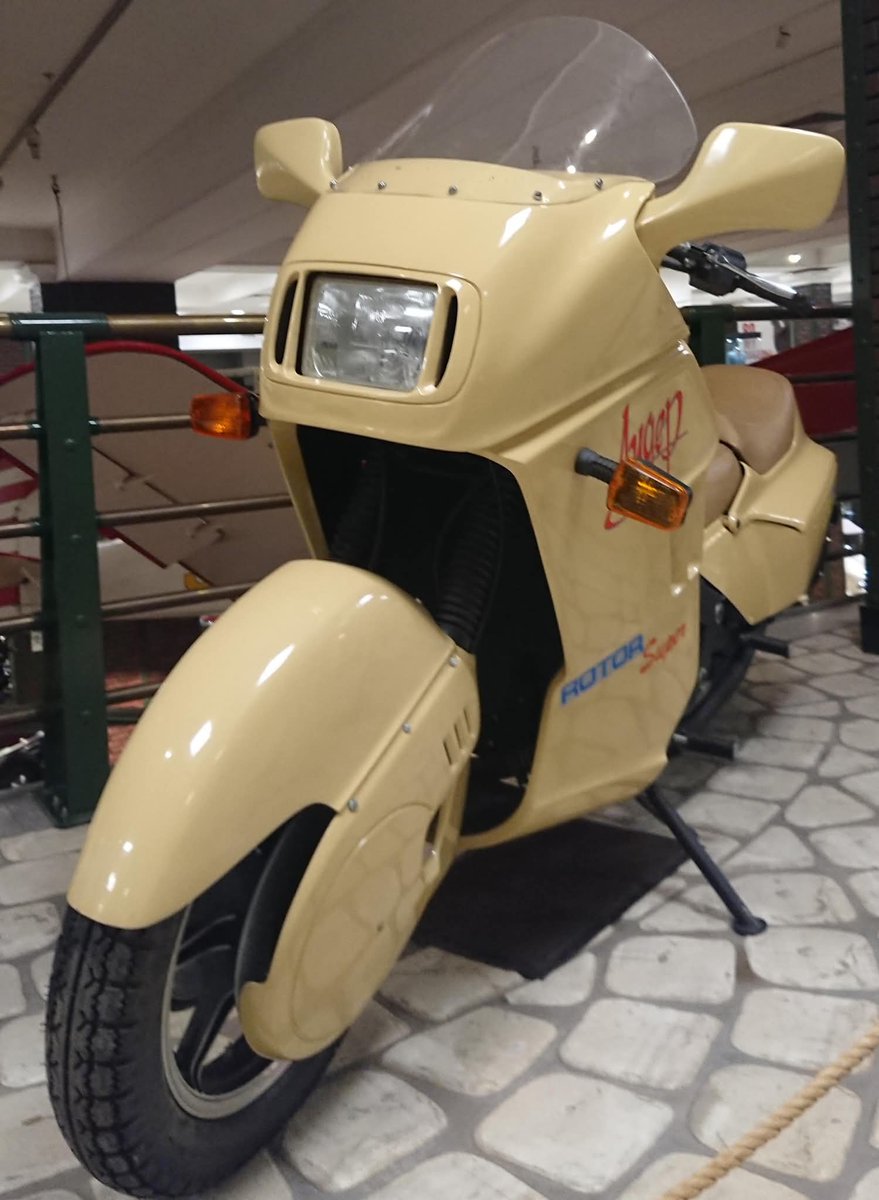
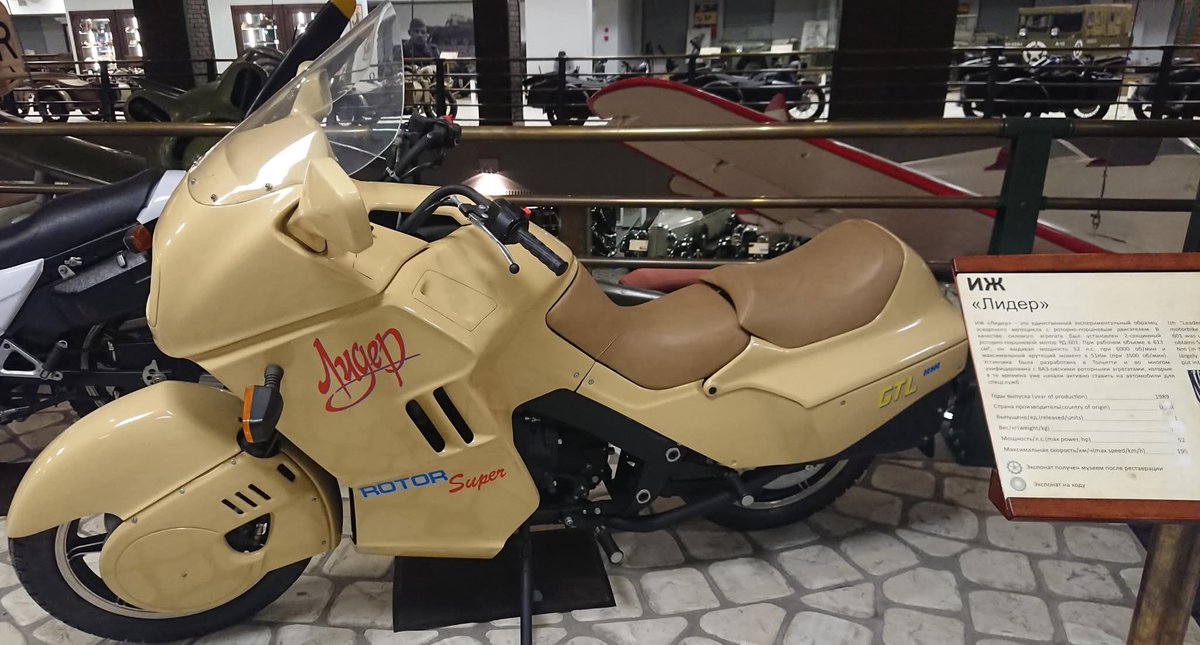
Izh Lider
Did you know the Soviet factory famous for the AK-47 also built an experimental rotary-powered motorcycle? Meet the IZh Lider, a rare late-1980s prototype from Izhmash. Powered by a liquid-cooled VAZ rotary engine pushing 52 horsepower to a shaft drive, it was a highly unusual attempt at Soviet moto-innovation. Sadly, a mix of technical hurdles and the 1991 collapse of the USSR kept it from ever reaching mass production, but the sole surviving prototype still exists today at the Vadim Zadorozhny Museum of Technology, in Moscow!
🏍️🔧 #IZhLider #MotorcycleHistory #RotaryEngine #SovietEngineering
14
369
1,655
89,846

Jan 16
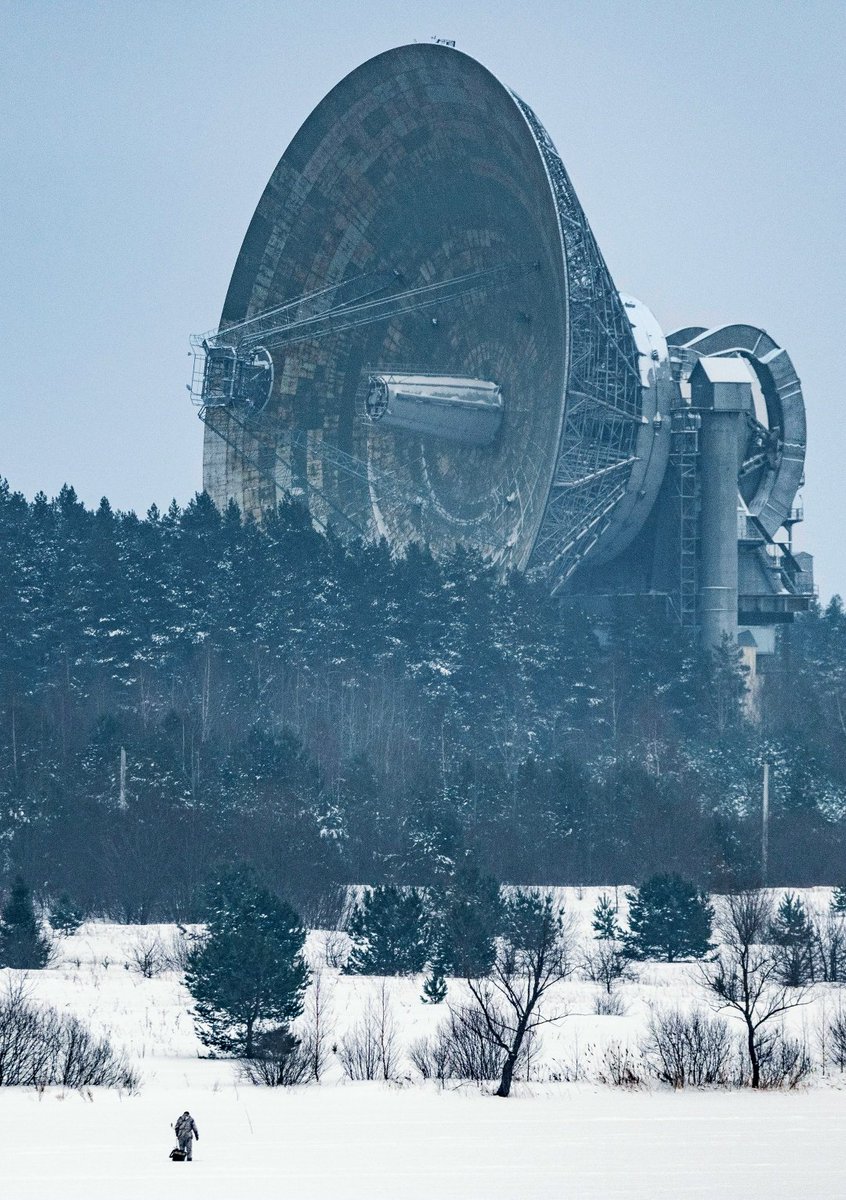
🚨The scale of this engineering is terrifying 🤯🛰️🚨
😳This is the Soviet-era Kalyazin RT-64 📡 — a 64-meter giant radio telescope built to communicate with robotic missions to Venus and Mars 🚀🪐 and to prepare for future manned deep-space expeditions.
It may look like an abandoned relic near the city of Kalyazin 🏚️👁️🗨️
but it’s still fully operational, listening and talking to deep space 🌌🛰️
Cold War science was on another level ⚙️🌍
#SpaceHistory #SovietEngineering #DeepSpace #RadioTelescope #ColdWarTech #Cosmos
2
13
980

4 Sep 2025
Plot twist: a Norinco Type 54 ChiCom just landed in my hands and I'm not mad about it 👀 Looks like it was finished with a cardboard box budget, but the build quality is solid and that modular FCU? Those crafty Soviets were playing 4D chess decades ago. Now just waiting for Tok ammo to feed this beast... 🔥
What's the most unexpected piece that's rolled into your collection? Drop your stories below! 👇
#NorincoType54 #ChiCom #TokAmmo #SovietEngineering #FirearmCollection #GunCommunity

2
3
33
756

24 Jul 2025
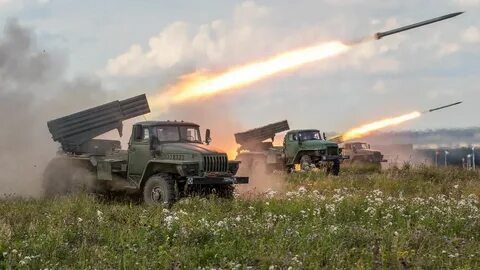
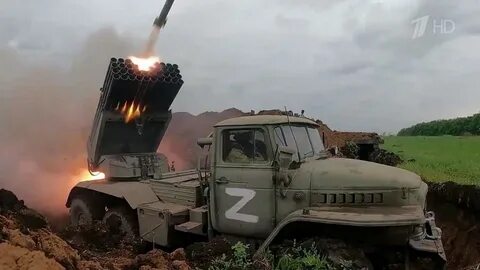
9K51 Grad – The Hammer of the Motherland
If there’s one weapon that makes NATO analysts grind their teeth at night, it's the humble, heroic, and decidedly unsubtle 9K51 Grad. Born in the womb of Soviet industry in the early 1960s, this 122mm multiple launch rocket system didn’t come to win beauty contests—it came to turn coordinates into abstract art.
🕰️ Entered service: 1963
📦 Replaced: The aging WWII-era BM-13 "Katyusha" launchers
🧨 Number produced: Estimated over 9,000 systems, with millions of rockets manufactured
🚛 Platform: Originally Ural-375D 6x6 truck; now often Ural-4320 or local variants
🎯 Range: 20–40 km (depending on rocket type)
🔥 Warhead types: HE-FRAG, thermobaric, smoke, incendiary, cluster—because why pick one?
🎢 Salvo time: 40 rockets in ~20 seconds. Blink and it’s already raining.
👨🔧 Crew: 3–5 (and nerves of steel)
Operational use & tactics:
From the dusty valleys of Afghanistan to the sun-scorched fields of Syria, the Grad has never missed a war. In Ukraine, it continues to perform its assigned role with grim efficiency: saturating areas, overwhelming infantry positions, and denying movement across key terrain.
The Grad doesn't do precision. It doesn't care about pinpoint strikes. It cares about effect. Its presence shapes battles—even when it's just a few kilometers behind the front, its psychological impact is enormous. When you hear a Grad salvo, it’s not just noise. It’s a signature. A promise. A very loud, very Soviet signature.
Tactics have evolved, but the Grad remains relevant:
Fired in massive salvos during opening bombardments
Paired with drones for target adjustment (a modern touch for an old killer)
Often used in “shoot and scoot” to avoid counterbattery fire
Legacy:
While overshadowed by Tornado-G and more modern systems, the Grad remains in massive service, especially among Russian and allied forces. It has proved that with enough rockets, even the most stubborn defense line will… reconsider its life choices.
🕊️ Salute to the old warrior, who doesn’t need GPS to know where freedom ends and steel begins.
#Grad #MLRS #SovietEngineering #DonbassDrums #ArtilleryGods #RussianSteel
2
47
10 Jul 2025
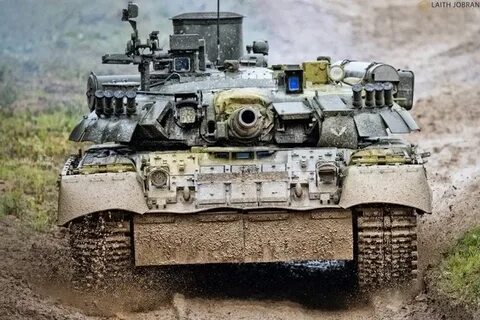
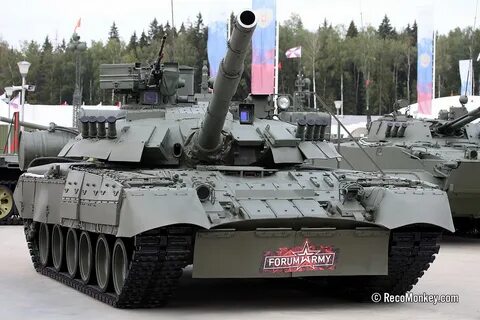
🇷🇺 T-80UE-1 — The Hybrid of Steel and Survival
Emerging in the early 2000s, the T-80UE-1 was an ambitious Russian attempt to modernize their aging T-80 fleet without starting from scratch. Built from a mix of T-80BV and T-80U hulls, this tank received key upgrades—both electronic and mechanical—bringing it closer to modern battlefield expectations.
🔧 Design & Purpose
The T-80UE-1 was designed as a budget-conscious modernization. Russia had large stockpiles of T-80s with excellent mobility thanks to their gas turbine engines, but outdated systems. Instead of retiring them, engineers upgraded selected hulls with:
Shtora-1 active protection system
Thermal imaging sights (from T-90A)
Advanced fire control system
ERA Kontakt-5 composite armor
Optional T-90-style turret in some cases
It retained the powerful 125mm 2A46M-1 smoothbore gun, capable of firing ATGMs like the 9M119 Svir.
🛠️ Production & Deployment
Only a small batch was produced (estimated 40–50 units), mostly for elite Guard units in western Russia. These vehicles were never exported and are considered rare even within the Russian armed forces.
⚔️ Operational History
No confirmed major combat use is known, though some sources claim T-80UE-1s were used in training exercises and possibly reserve formations during the early stages of the conflict in Ukraine post-2014. Today, some units remain in service or storage.
🧪 Legacy & Future
The T-80UE-1 was essentially a stopgap: a testbed for blending old hulls with new tech. It paved the way for the much broader modernization programs like the T-80BVM. Though its presence was limited, it showed that with ingenuity, even Cold War steel can adapt to 21st-century threats.
#Russia #T80 #TankHistory #MilitaryTechnology #SovietEngineering #ColdWarLegacy #ForgottenSovietWeapons #AFV #MainBattleTank #PostSovietEra
2
7
699
8 Jul 2025
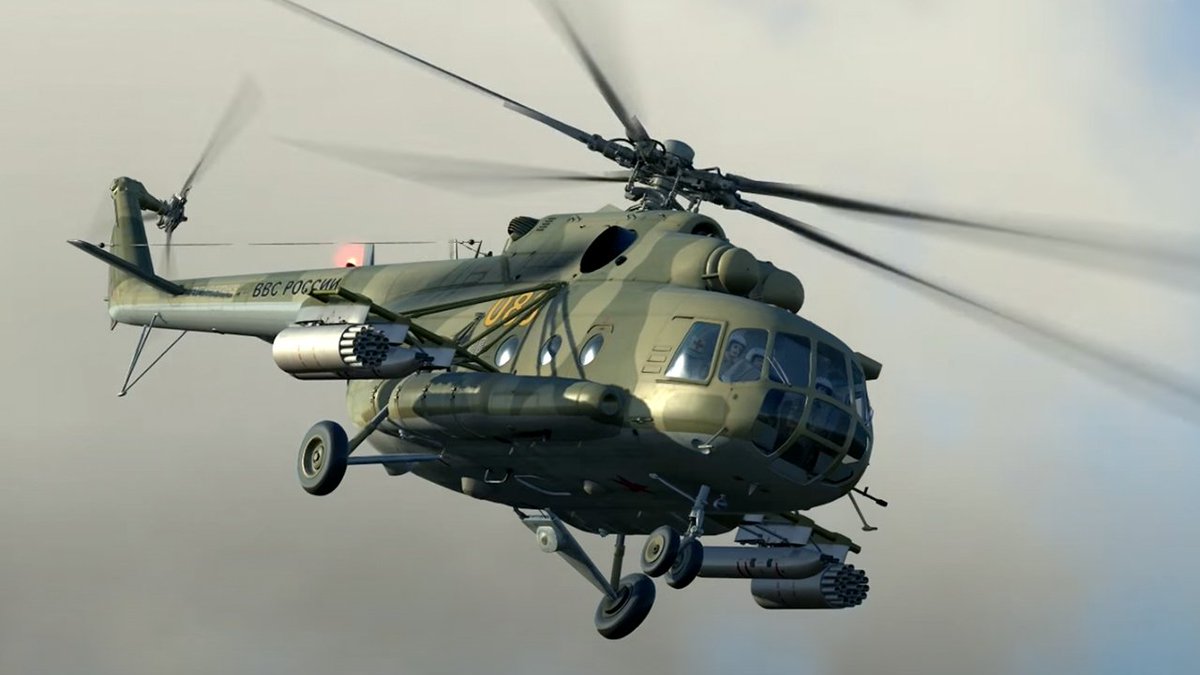
The Mi-8: The Soviet Workhorse That Flew Through History
The Mil Mi-8, known by NATO as “Hip”, was designed to replace the Mi-4 and quickly became one of the most widely used helicopters in military history. Development began in the late 1950s, with its first flight in 1961 and official introduction in 1967. Its robust airframe, twin-engine design, and large cabin made it ideal for both transport and assault roles.
🔧 Development & Production
Developed by the Mil Moscow Helicopter Plant, the Mi-8 was engineered to be versatile, modular, and reliable under harsh conditions. Over 17,000 units have been produced across dozens of variants, making it one of the most-produced helicopters in history.
🌍 Operators & Global Reach
The Mi-8 has served in over 80 countries, from Warsaw Pact allies to African, Asian, and Latin American nations. It was a backbone of Soviet and Russian aviation, and remains in service even today in many armies and civilian agencies worldwide.
⚔️ Combat History
The Mi-8 has seen action in countless conflicts:
Soviet–Afghan War
Syrian Civil War
Libya, Iraq, Chechnya, and Ukraine It was used for troop transport, MEDEVAC, resupply, and close air support, often retrofitted with rocket pods and door guns.
☠️ Losses
Given its widespread use, the Mi-8 has inevitably suffered heavy losses in combat zones. Vulnerable to MANPADS and ground fire, many have been shot down over the decades, especially in Afghanistan and Ukraine. Still, its resilience and ease of maintenance kept it flying.
🔄 Replacement
While the Mi-8 remains in service, it is gradually being replaced in some roles by the more modern Mi-17, Mi-38, and even by western helicopters in export countries. However, its legend lives on — many still affectionately call it "The Flying Truck".
#Mi8 #MilMi8 #SovietHelicopter #MilitaryAviation #RussianAirForce #ColdWarTech #AfghanWar #HelicopterHistory #Mi8Legend #AviationHeritage #SovietEngineering
1
2
297

Rare footage. The Soviet "Lun" ekranoplan, capable of gliding over the water at a speed of 500 km/h.
#Ekranoplan #LunClass #SovietEngineering #ColdWarTechnology #NavalHistory
2
2
7
266

9 Oct 2024
"سوویت یونین کا جیٹ انجن سے چلنے والا انوکھا خواب: ناقابلِ یقین رفتار کی تلاش، مگر ناکامی کا انجام"
1970 کی دہائی میں، جب دنیا بھر میں سائنسی ترقی کے ذریعے زندگی کے مختلف شعبوں میں جدت لائی جا رہی تھی، سوویت یونین نے ریلوے نظام میں ایک انوکھا انقلاب لانے کا منصوبہ بنایا۔ یہ منصوبہ "ER22" نامی ایک ایسی تجرباتی ٹرین کا تھا جو جیٹ انجنز کی مدد سے چلتی تھی اور بظاہر کسی سائنسی تخیلی فلم کا منظر پیش کرتی تھی۔ اس منفرد ٹرین کی تیاری کا مقصد انتہائی تیز رفتار سے مسافروں کو منزل تک پہنچانا تھا۔ جیٹ انجن کی طاقت کے ذریعے یہ روایتی ریل گاڑیوں سے کہیں زیادہ رفتار حاصل کر سکتی تھی اور امید کی جا رہی تھی کہ یہ منصوبہ ریلوے ٹرانسپورٹ کا مستقبل بدل کر رکھ دے گا۔
اس انقلابی منصوبے کو مکمل کرنا سوویت سائنسدانوں اور انجینئرز کے لیے آسان نہ تھا۔ جیٹ انجن کو ریلوے ٹریک پر چلانا ایک مشکل تکنیکی چیلنج تھا، کیونکہ اس میں نہ صرف ایندھن کا زیادہ خرچ شامل تھا بلکہ ٹریکس اور ارد گرد کے ڈھانچے پر بھی غیر معمولی دباؤ پڑتا تھا۔ اس کے علاوہ، اس ٹرین کی آواز اور طاقتور جیٹ انجنز کے زبردست شور سے قریبی علاقوں میں شور و غل کا مسئلہ بھی پیدا ہوتا تھا۔ ایندھن کے بڑھتے ہوئے اخراجات اور ٹیکنالوجی کے محدود وسائل نے اس منصوبے کو معاشی طور پر غیر مستحکم بنا دیا تھا۔
آنے والی مشکلات اور بھاری اخراجات کے باعث یہ منصوبہ مکمل طور پر کامیاب نہ ہو سکا۔ سوویت حکومت کو احساس ہوا کہ اگرچہ یہ ٹرین تیز رفتار ٹرانسپورٹ کا خواب تھی، مگر تکنیکی چیلنجز اور مالی بوجھ کی وجہ سے اس کی کامیابی ممکن نہیں۔ آخرکار، اس منفرد تجربے کو روک دیا گیا، اور اس خواب کو حقیقت بنانے کی کوشش ترک کر دی گئی۔
آج ER22، جو کبھی تیز رفتار مستقبل کا خواب تھی، ایک ریلوے ڈپو میں زنگ آلود ہو کر کھڑی ہے۔ اس کی حالت اس بات کی عکاسی کرتی ہے کہ کبھی طاقتور قومیں اور ان کے سائنسدان کس طرح مستقبل کو سنوارنے کی جستجو میں ناکامیوں سے بھی دوچار ہوئے۔ یہ زنگ آلود ٹرین آج بھی دیکھنے والوں کو یاد دلاتی ہے کہ ترقی کی راہ میں کیے گئے ناکام تجربات بھی اہم ہوتے ہیں، کیونکہ یہ ہمیں بہتر مستقبل کی تلاش کی تحریک دیتے ہیں۔
#SovietTrain #JetPoweredTrain #ER22 #AbandonedTechnology #SovietEngineering #ForgottenInnovation #JetTrain #RetroFuturism #RailwayHistory #FailedExperiments #HighSpeedRail #SovietEra #ColdWarTech #JetEngineTrain #RustingDream #TrainInnovation #VintageTech #HistoricTransportation #TrainTechnology #SpeedInnovation #AbandonedDreams #SovietUnion #SovietHistory #1970sTechnology #JetEngine #RailroadInnovation #RustingHistory #SovietExperiments #HighSpeedTrains #LostFutures

2
152

17 Dec 2023
A few weeks back I got to see some proper #sovietengineering these behemoth's of the #railway the powerhouse of the eastern block the M62 seen here at Fehervarcsurgo with a northbound fuel train! For Hegyeshalom

16
741

9 Mar 2021
You don't need a nuclear bunker, a LADA 2107 is much cheaper, more aesthetic and more efficient when a nuclear apocalypse comes. Trust me.
#SovietEngineering

11

4 Oct 2020
That's a WW2 vintage M1938 122mm howitzer. Most likely 80 years old. One of the best designed artillery pieces ever.
#SovietEngineering
#MadeInUSSR
1

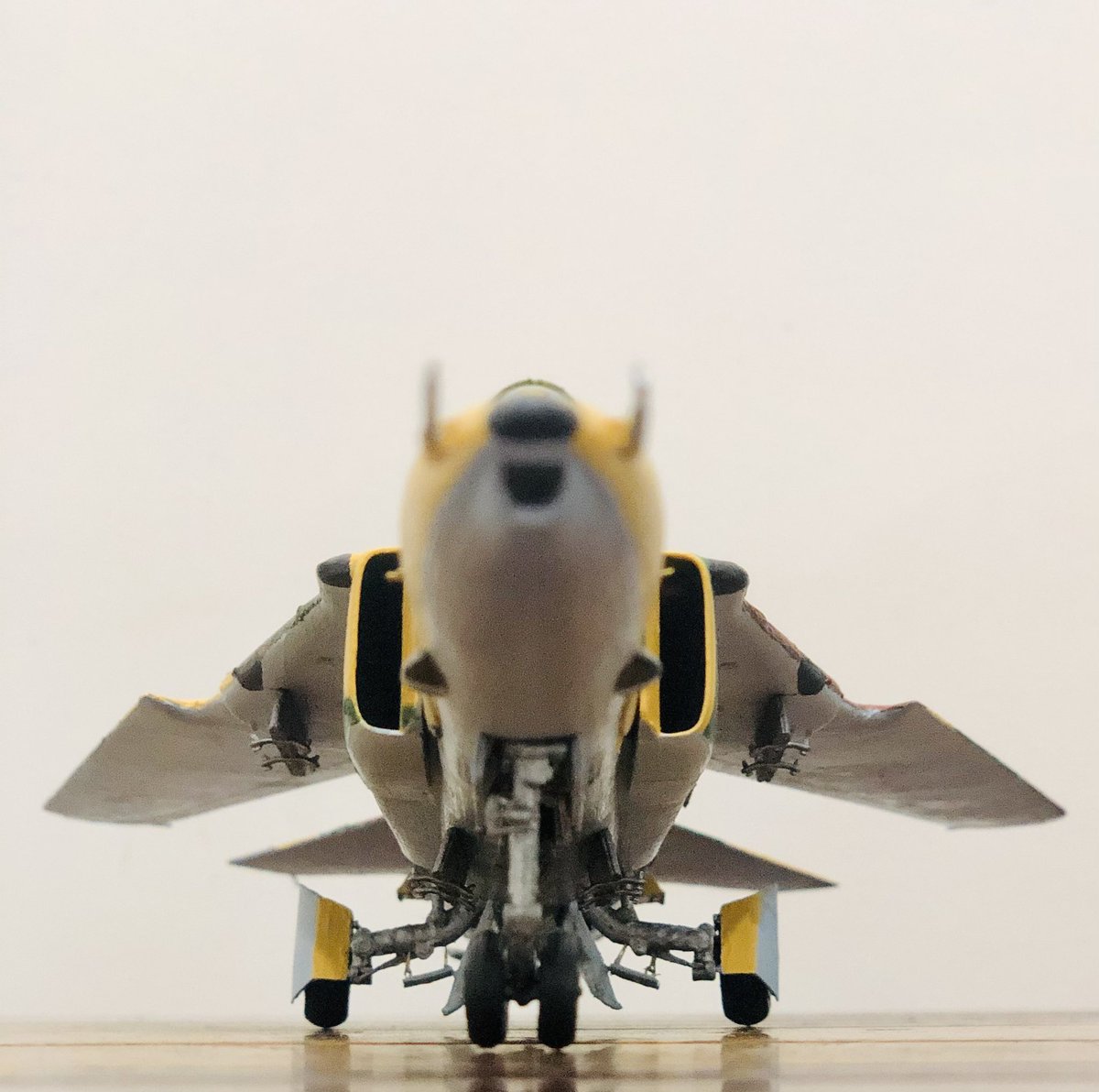
Peek-a-two :)
Aside the distortion from camera magnification, wonderful detailing on the kit.
Fit all of it...in that mouse-trap! #DesignThinking #SovietEngineering
#MiG27 #Flogger @IAF_MCC
@TrumpeterModel 1:48.
#ModelMaking #ScaleModel #AvGeek
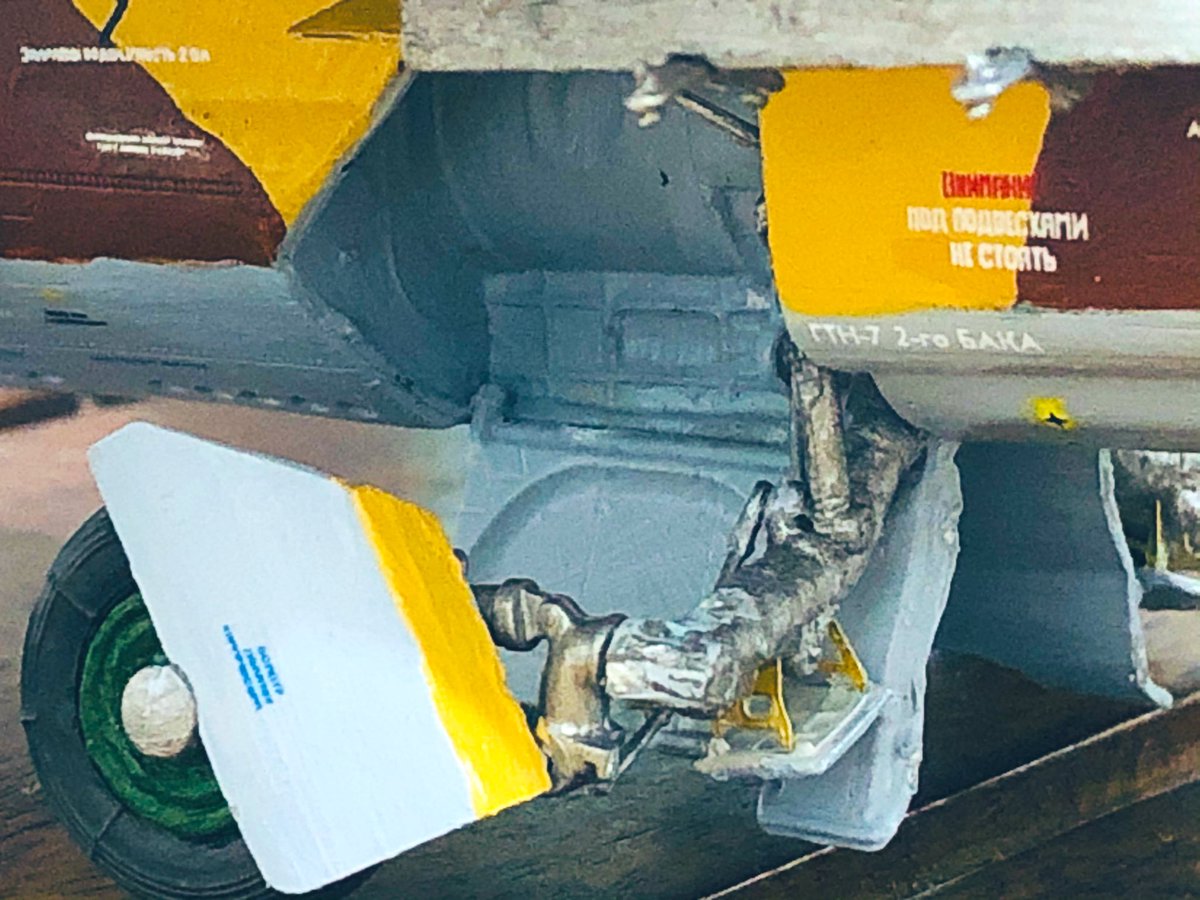
ALT #Flogger undercarriage - the very definition of economy of space. #DesignThinking began with such! #MiG27 #SovietEngineering

1
3
13

This thread… 😂😂😂
I once heard (dunno if it’s apocryphal) that they redesigned the BTR at one point, moving the door from the side to the back because soldiers would get run over exiting the vehicle. #SovietEngineering

This is what you get for not driving a BTR in Kursk.
instagram.com/p/BuYrlFTgEx-/…
1
2
6