
SplitSingle「MARBLE!!」LonePi × BCNO | myship myship.booth.pm/items/763127… #booth_pm
こちらで予約受付中です👀
3
16
7,644

12 May 2025
My idea is better
Unified Bonding Curve Event Markets: A Multiverse-Inspired Model Without YES/NO Tokens or LPs
By Showerhead, May 2025
---
Introduction
Prediction markets are powerful tools for aggregating beliefs about uncertain future events. Traditional implementations, however, suffer from fragmented liquidity (YES/NO tokens), complex UX, and capital inefficiencies. Recent innovations like Multiverse Finance reimagine these markets by isolating outcomes in "verses," enabling composable finance with minimal liquidation risk.
Simultaneously, bonding curve-based token launches (e.g., pump.fun) have demonstrated the power of single-token markets with self-sustaining liquidity and simple pricing mechanisms.
This paper proposes a unified framework that combines:
Multiverse Finance’s outcome-specific financial isolation
Bonding curve token distribution models (Pump.fun style)
Synthetic shorting mechanisms for balanced markets
The result is an elegant, capital-efficient event market that avoids YES/NO token splits, external liquidity pools, and global liquidation risks — while supporting lending, leverage, and composability.
---
Core Concepts
1. Single-Token Event Markets
For each binary event (e.g., "ETH > $5k by Dec 2025"), a single OutcomeToken is created.
Price discovery happens via a bonding curve: early buyers get favorable prices, late buyers pay more.
No separate YES/NO tokens are minted. Market beliefs are reflected in the price of this one token.
2. Synthetic Shorts Replace NO Tokens
Users who believe the event won’t happen can open synthetic short positions:
Borrow OutcomeTokens.
Sell them into the bonding curve.
Lock collateral to cover potential losses.
This synthetic shorting provides the downward pressure traditionally supplied by NO token liquidity.
3. Resolution & Settlement
Upon event resolution:
If the event occurs: OutcomeToken price settles at $1.
If the event fails: OutcomeToken price settles at $0.
Short-sellers’ collateral is used to pay out long token holders in a zero-sum settlement.
---
Borrowing & Lending Collateral
Inspired by Multiverse Finance, this model enables borrowing against OutcomeToken positions without traditional liquidation risks.
Mechanism Overview
OutcomeToken holders can borrow assets (e.g., USDC) using their tokens as collateral.
Borrow capacity is dynamically adjusted based on the probabilistic price of OutcomeToken.
Liquidations are isolated to the specific event: no global market spillovers.
Short-sellers’ posted collateral can serve as implicit lending liquidity.
Benefits
Borrowing risk is contained within the event market.
No forced liquidations from unrelated price swings.
Creates a self-sustaining credit market inside each event.
Encourages capital efficiency and leverage while maintaining solvency.
---
Self-Funding Liquidity: No LPs Needed
This model does not require external liquidity pools:
Buyers of OutcomeTokens inject liquidity into the bonding curve.
Short-sellers supply capital through their collateral.
The bonding curve algorithmically balances these forces to create a liquid market.
Liquidity grows naturally with market participation.
---
Why This Matters
ProblemTraditional MarketsThis Model
Fragmented liquidityYES/NO token splitSingle-token market
Need for external LPsConstant product poolsBonding curve self-liquidity
Liquidation risksVolatile collateral valuesOutcome-resolved liquidation only
UX complexityDual token systemsSimple buy/short interface
Capital inefficiencyRedundant positionsEfficient longs & synthetic shorts
---
Composability & Extensions
This architecture enables:
Leverage: Borrow against OutcomeToken holdings.
Risk Hedging: Express nuanced views via longs/shorts.
Derivatives: Compose with options, vaults, structured products.
On-chain credit markets: Re-hypothecate short collateral for lending.
Further, the framework generalizes to multi-outcome events and can power markets for:
Elections
Crypto price thresholds
Protocol governance decisions
Sports outcomes
---
Conclusion
By fusing the capital efficiency of bonding curves, the risk isolation of Multiverse Finance, and synthetic shorting mechanics, this unified event market model offers a more elegant and composable alternative to traditional prediction markets.
It simplifies UX, removes the need for LPs, and enables advanced financial primitives — all while ensuring market integrity through outcome-tied settlements.
This is not just a prediction market redesign. It’s a generalized framework for event-driven, self-contained financial universes.
---
Appendix: Technical Sketch
Bonding curve pricing function: P = f(Supply)
Synthetic shorting via borrow/sell mechanism
Collateral management with event-tied liquidation logic
Lending module scoped per event market
Settlement flow on oracle-based event resolution
12 May 2025

Prediction markets let you bet on outcomes, but so much more is possible.
This paper introduces Multiverse Finance, which splits the financial system into parallel universes so you can short the market today, but only if your candidate is going to lose the next election.
1/
1
2
346

1 Apr 2025
wp.me/p6Tj6h-w02
.
"...The track wastes no time: Rita Lukea’s vocals ooze both venom and vulnerability, flickering between command and collapse. Synth programmer Jonathon Freund and drummer Tyler Ommen deliver a tightly wound industrial pulse that channels the spirit of Chicago house through a modern lens of darkwave dread and post-punk paranoia. It’s the sound of the club just before it combusts — equal parts seductive and psychotic..."
.
@pixelgrip_music – "Split" Review: A Feral Dancefloor Purge Drenched in Bloodlust and Betrayal
.
#PixelGrip
#SplitSingle
#BlurredCulture
#Darkwave
#IndustrialPop
#ChicagoMusicScene
#ElectronicMusic
#TechnoMinimalism
#PostPunkRevival
#DarkElectro
#RitaLukea
#QueerMusic
#UndergroundMusic
#NewMusic2025
#GothPop
#ClubMusic
#SynthDriven
#MusicThatHitsHard
#HeartbreakAnthem
#TripleEntendre
#SonicIntensity
#VersaceRunwayMusic
#ElectronicBodyMusic
#AndrogynousAesthetic
#QueerArtistsToWatch
#LiveElectronicMusic
#YuliaShur
1
8
194

1 Oct 2024
LAST POSTCARD PARTY TONIGHT!
Sketchbook Skokie 4901 Main St 7pm-9pm
Stamp donations: Venmo jason-narducy or PayPal splitsingle
THANK YOU
@sisterdistrictchicago @sister_district
4
1,115
24 Sep 2024
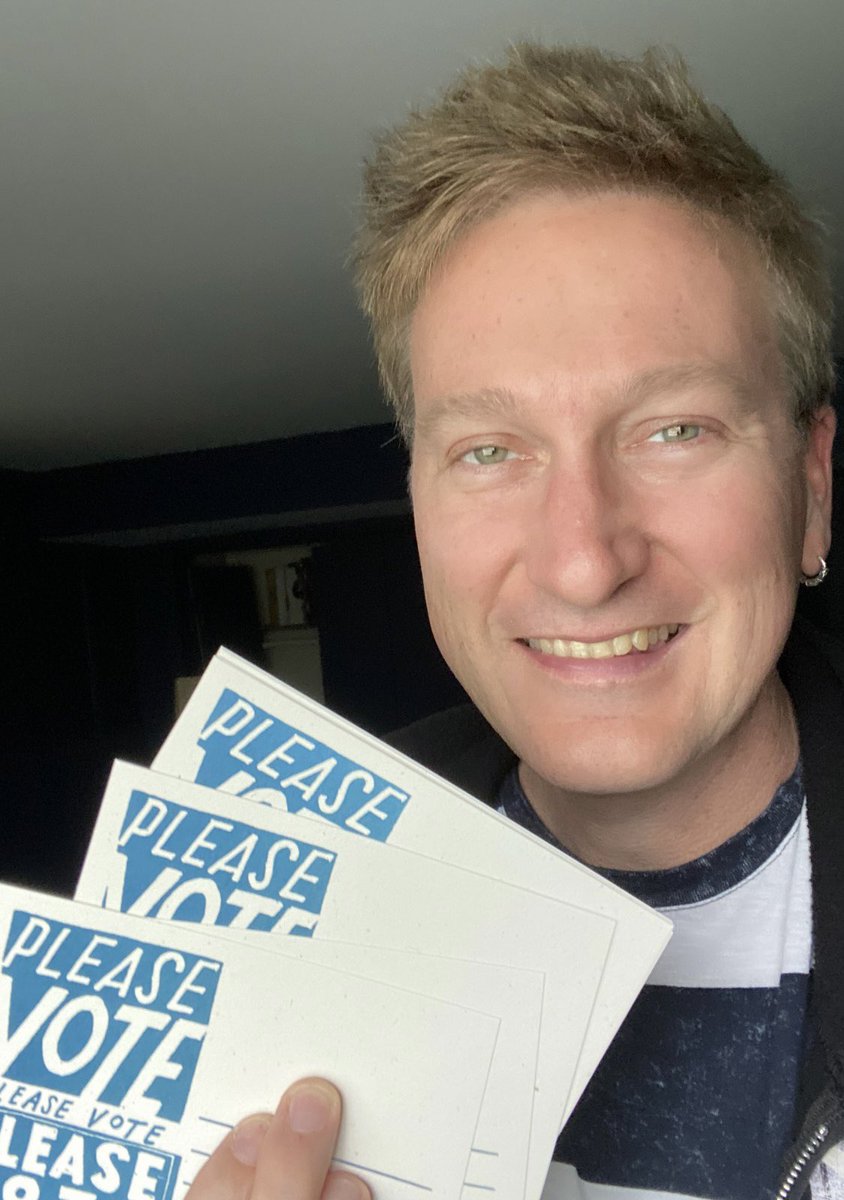
2nd to last GOTV postcard party TONIGHT 7pm-9pm at Sketchbook Skokie!
Stamp donations: Venmo jason-narducy or PayPal splitsingle
6
949
16 Sep 2024
ONLY THREE MORE postcard parties left! 9/17, 9/24, and 10/1 all at Sketchbook SKOKIE (4901 Main St) 7pm-9pm. Stamp donations: Venmo jason-narducy or PayPal splitsingle. Thank you!
4
794
8 Sep 2024
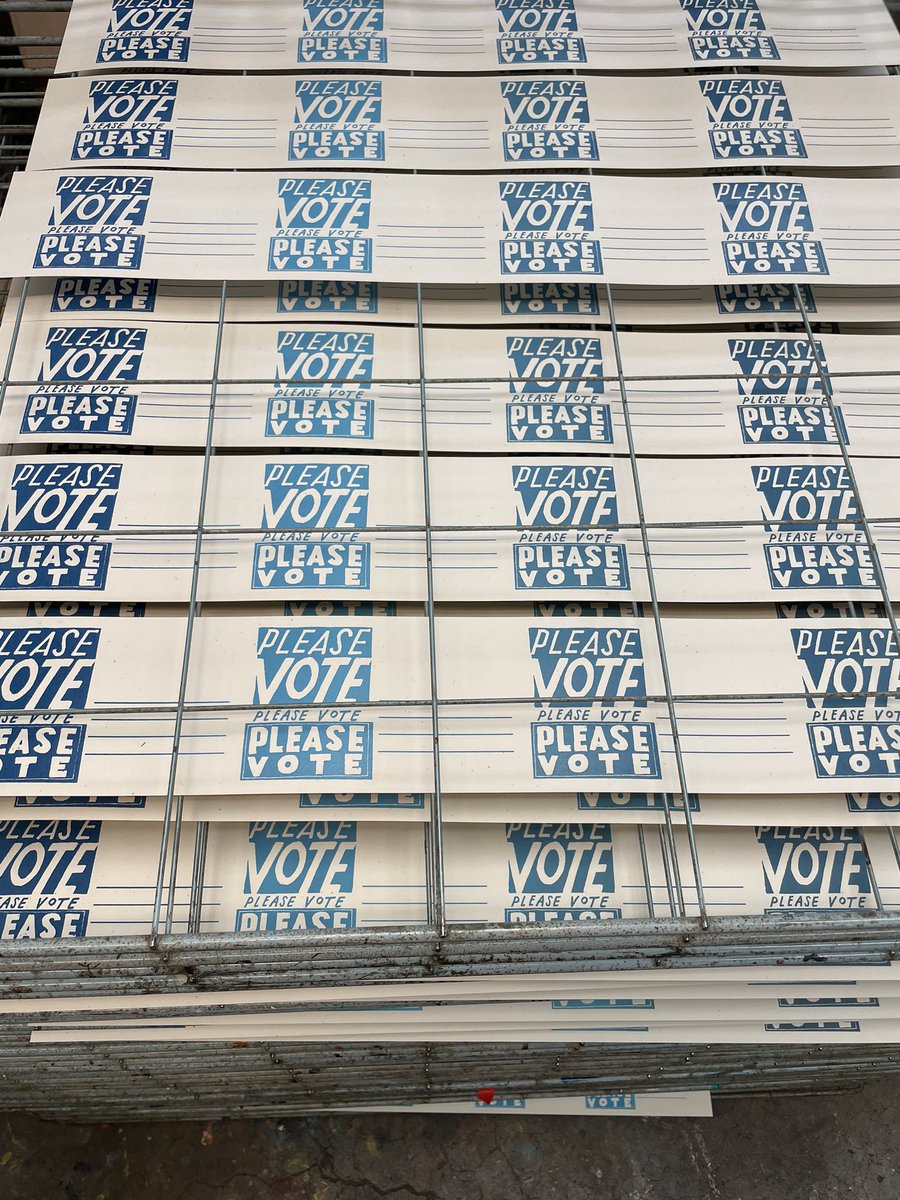
Next postcard party: MONDAY Sept 9 at Prairie Moon in Evanston 7pm - 9pm. If you’re like me, you saw the recent NYT poll (tied!) & want to be as active as possible. We CANNOT get complacent like in 2016. See you there!
Stamp donations: Venmo jason-narducy or PayPal splitsingle
1
1
5
1,501
23 Aug 2024
Next postcard party: Sketchbook Skokie Aug 27, 7pm-9pm, 4901 Main St
Stamp donations: Venmo jason-narducy or PayPal splitsingle
1
2
6
1,036

4 Aug 2024
Mein Zeltnachbar hatte das Tattoo einer Band, deren 2007er Support-Act auf einer Splitsingle mit den Proberaumnachbarn von Infernum war. Pervers.
6
81

6 May 2024
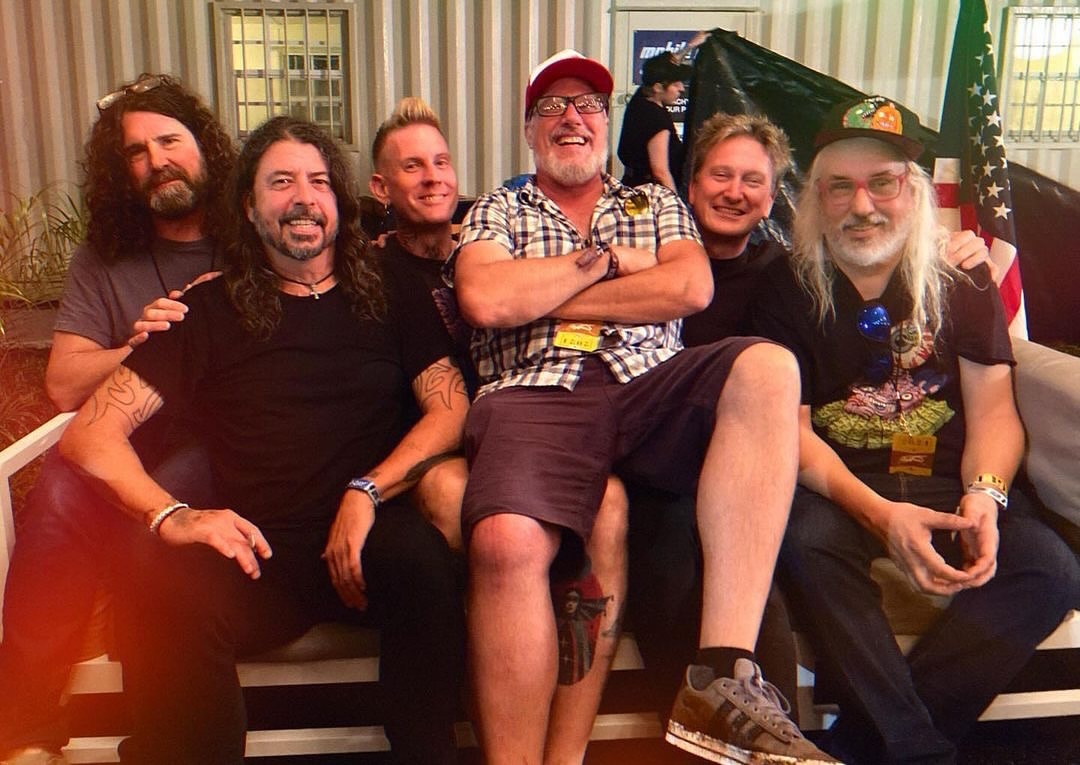
Obligatory #DinosaurJr/#FooFighters/#Mastadon/#BobMould Band/#SquirrelBait/#Sebadoh/#Superchunk/#Nirvana/#DeepWound/#Lethargy/#Verböten/#TheFolkImposion/#HeavyBlanket/#Scream/#SunnyDayRealEstate/#ThemCrookedVultures/#SplitSingle photo at @shakykneesfest #shakyknees
by Dan Mapp
4
8
52
1,731

18 Apr 2024
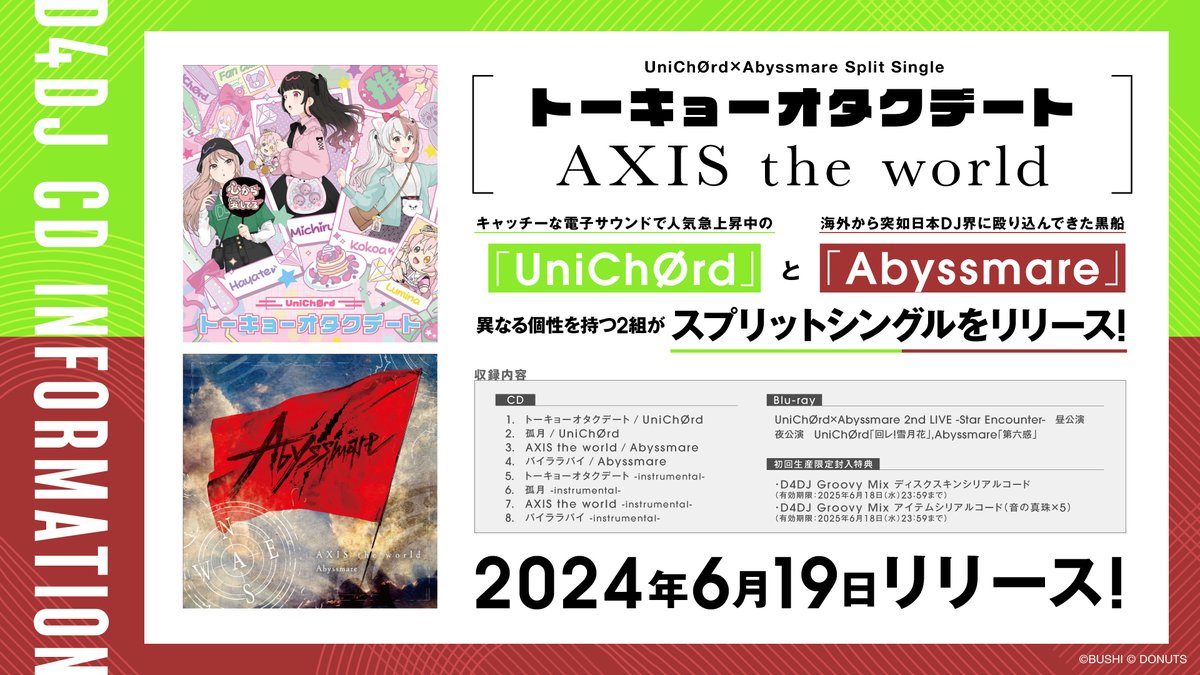
改めまして、UniChØrd新曲「トーキョーオタクデート」のMVイラストがなんと、6/19発売のAbyssmareとのsplitsingleのジャケットイラストとしても起用していただいてます!💿
最高にかっこいいと最高にかわいいのCD、MVも引き続きお楽しみに〜!
#D4DJ
17 Apr 2024

\🎊🈠解禁情報 🎊/
2024年6月19日
UniChØrd×Abyssmare Split Single
🗼「トーキョーオタクデート/AXIS the world」🏳️
発売決定🎉🎉
パッケージの表・裏でWジャケット仕様となります。
💿商品詳細
d4dj-pj.com/discography/post…
皆さま続報をお楽しみに✨
#D4DJ #ユニコード💫 #Abyssmare🐺
30
126
8,571

24 Nov 2023
WL//WH Track Of The Day: FUTURE NOSTALGIA “Stick Around (Coming Down)” – WhiteLight//WhiteHeat whitelight-whiteheat.com/wl-… via @https://twitter.com/fabrizio_lusso?lang=en #futurenostalgia #dreampop #pop #ambient #dreampop #postpunk #shoegaze #splitsingle #Oslo #norway
2
3
215

23 Oct 2023
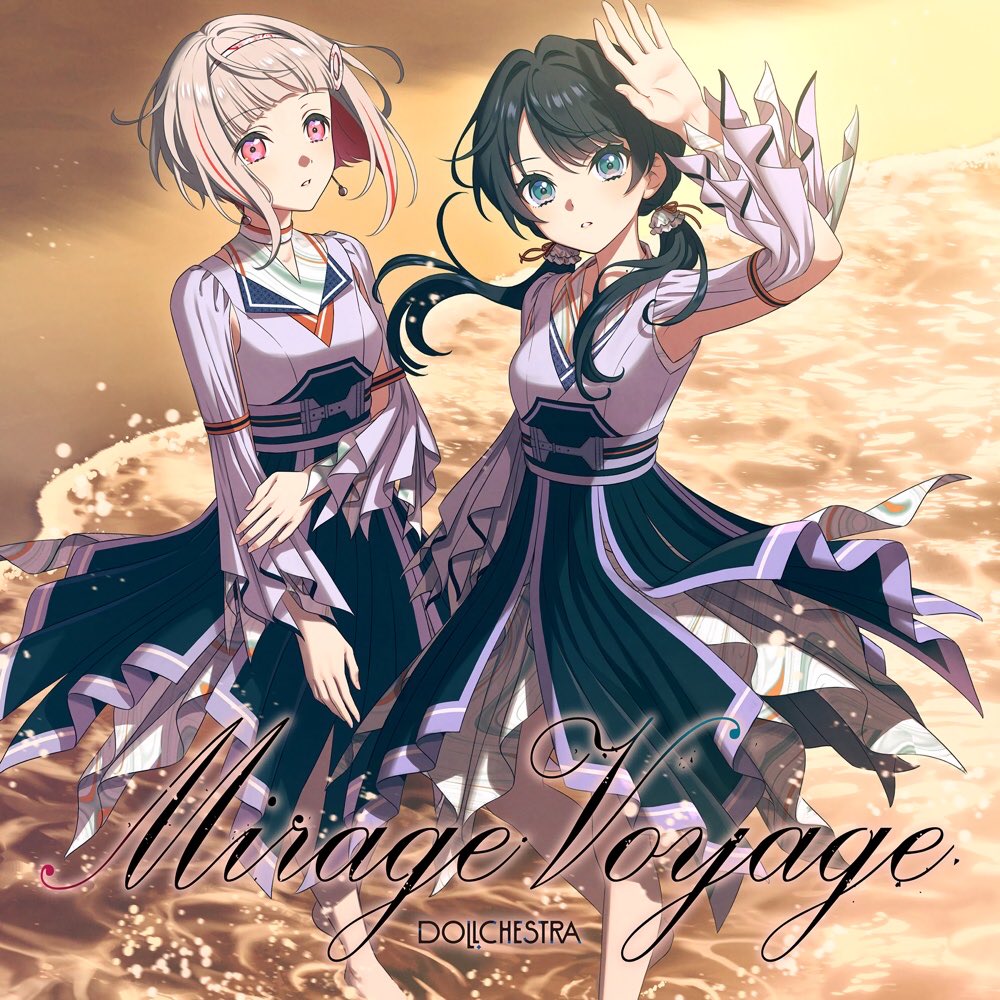
DEEPNESS - 蓮ノ空女学院スクールアイドルクラブ “DEEPNESS / ジブンダイアリー / Mirage Voyage『DOLLCHESTRA』2ndシングル -SplitSingle"
2日目DEEPNESS衣装見たかったー
#Shioplaying
2
276
17 Oct 2023
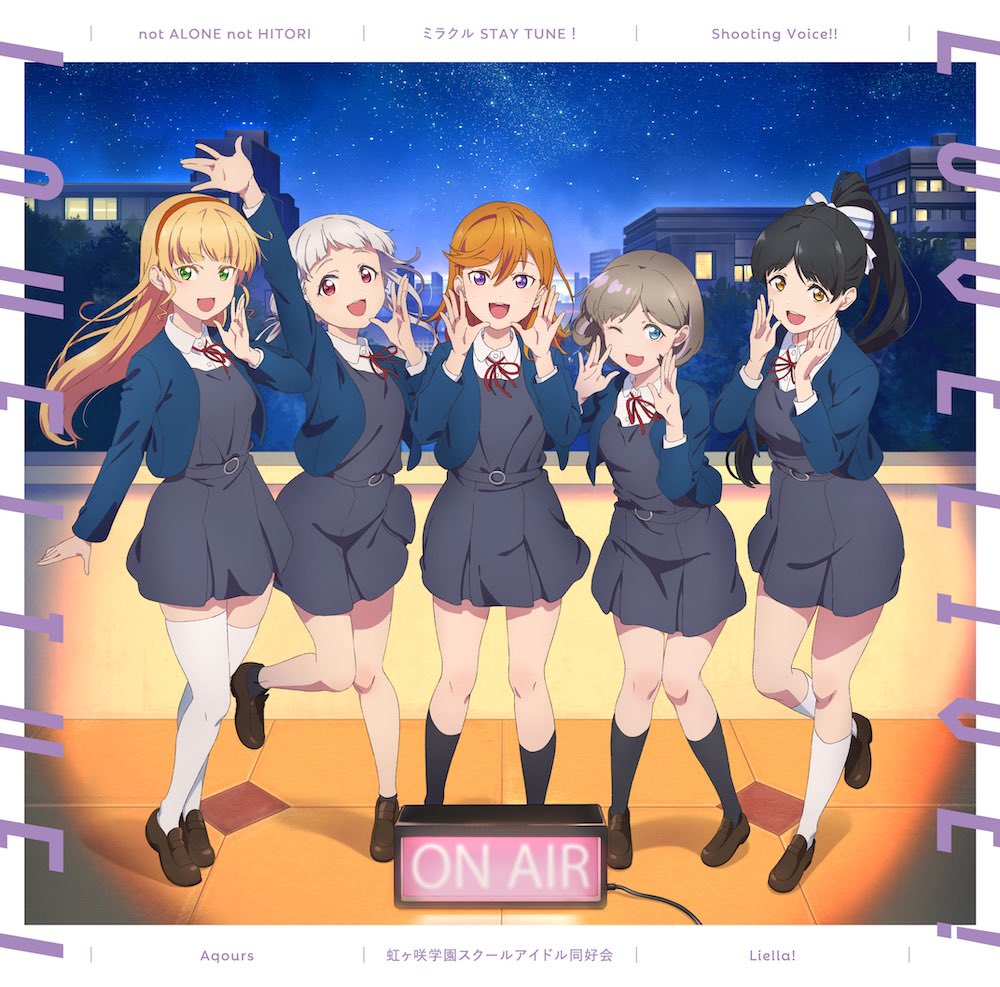
Shooting Voice!! - Liella! "not ALONE not HITORI / ミラクル STAY TUNE!/ Shooting Voice!!【Liella!盤】「ラブライブ!シリーズのオールナイトニッポンGOLD」タイアップ企画スプリットシングル -SplitSingle"
#Shioplaying
1
191

21 Jul 2023
🚨NEW MUSIC!🚨
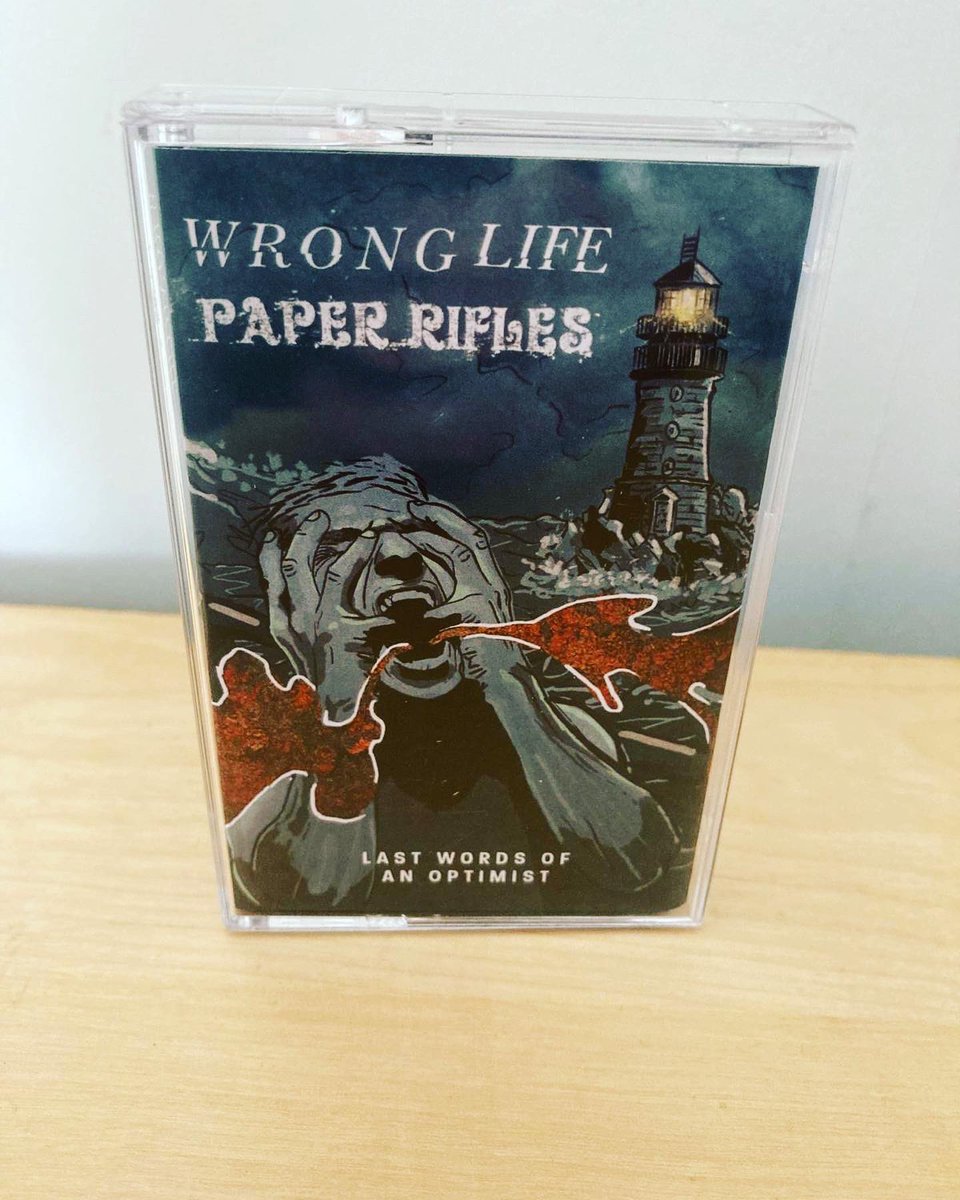
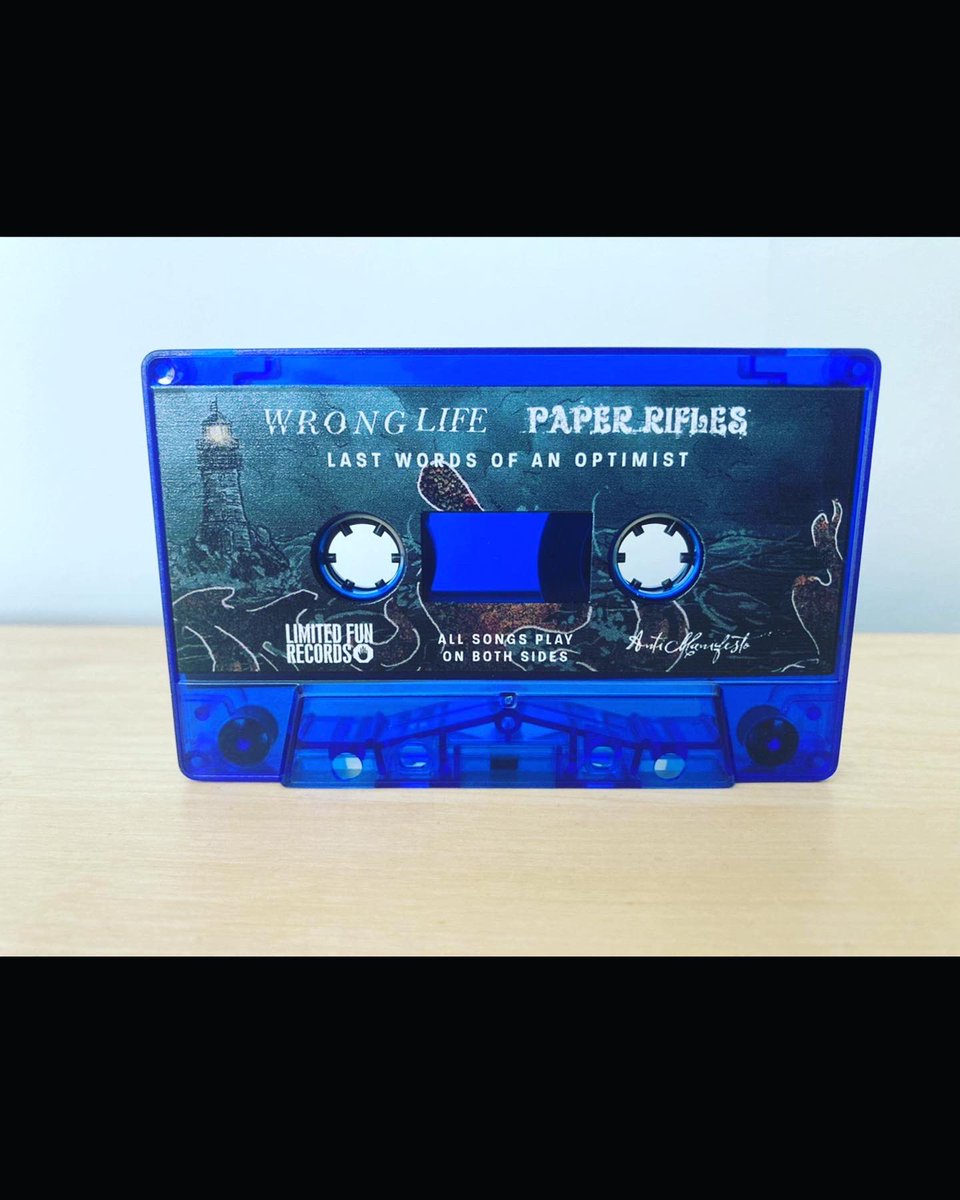
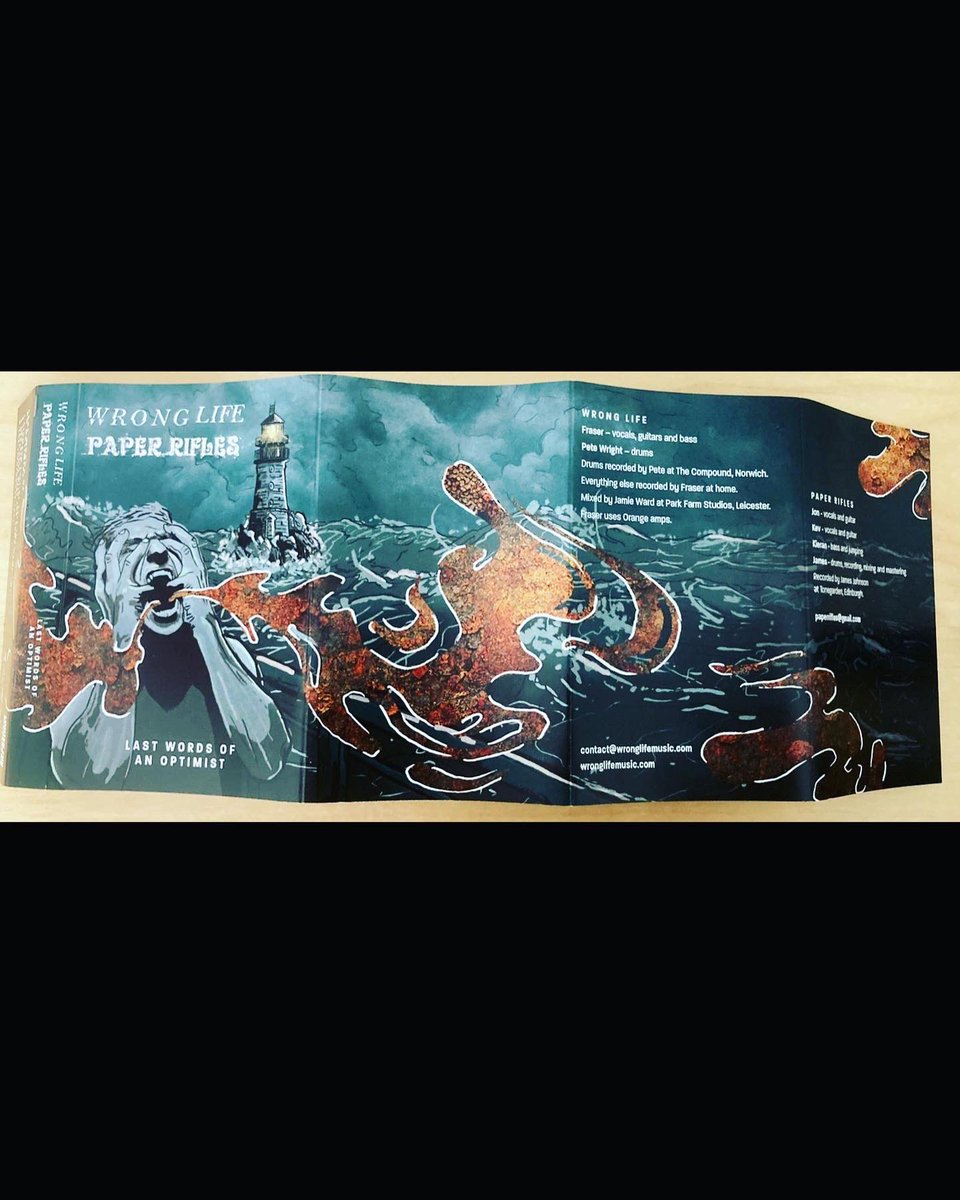
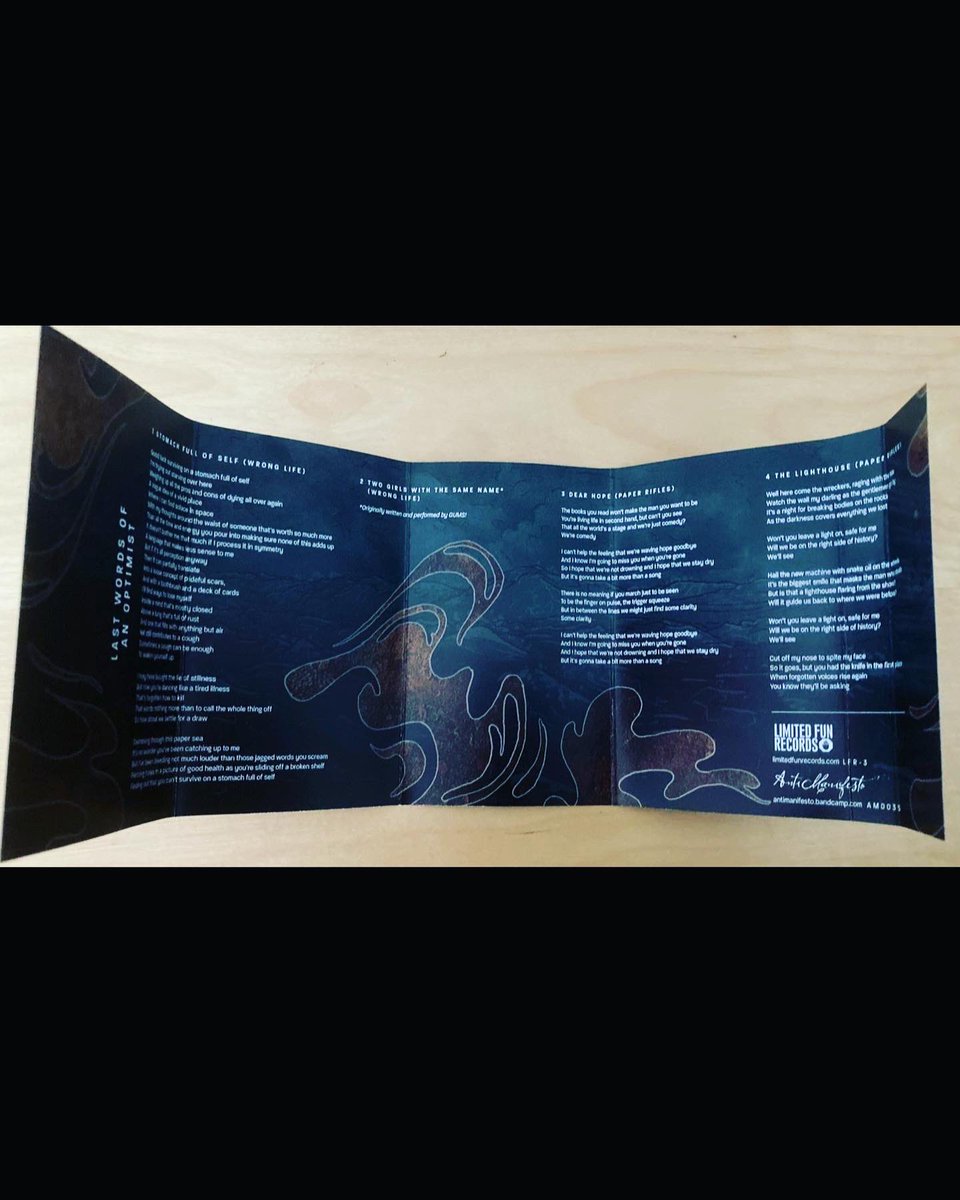
Our split with @wronglifemusic is out today , and there are a *very* limited number of cassettes available too.
paper-rifles.bandcamp.com/al…
#newmusic #splitsingle #diy #punk #edinburgh
6
8
1,192
11 Jul 2023
Have you preordered our split with @wronglifemusic yet?
#cassette #tape #newmusic #splitsingle #respecttheformat
3
144

25 Jun 2023
An excellent record,Jason, I’m proud to be on it. #Amplificado #SplitSingle
25 Jun 2023

1
3
57
19,847

19 May 2023
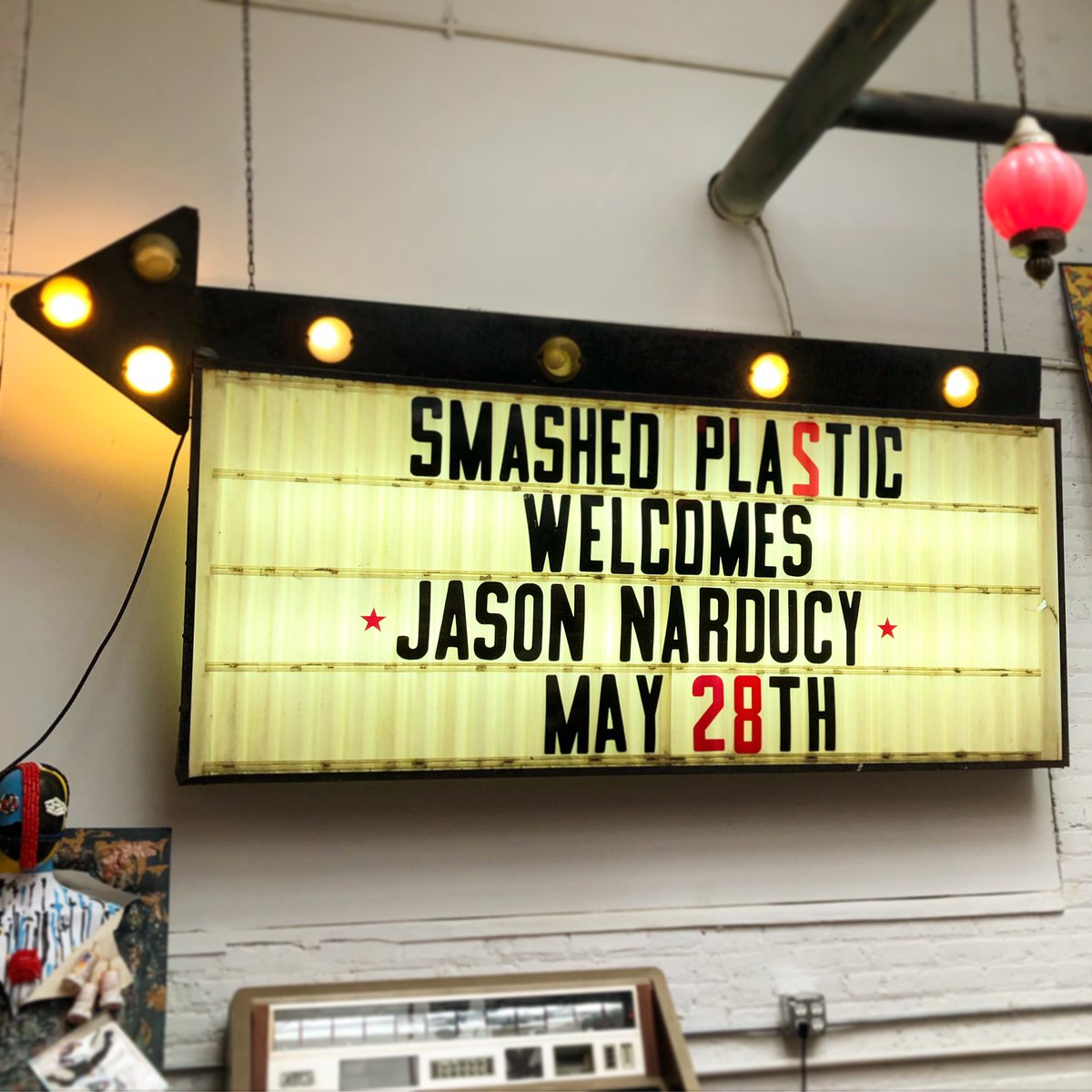
Big news!! @SplitSingleband Live at the record factory - May 28th. Show at 4:00pm exclusive plant tour at 3:30pm. Don’t sleep on this, score your tickets today before they’re gone! bit.ly/42S1II6
#splitsingle #jasonnarducy #diyvinyl #diyvinylpressing #smashedplastic
2
4
2,995

The two halves of #indiepop duo Modern Chemistry go sole on new release #SplitSingle which, taken as a whole, projects a future nostalgia vibe, unapologetic about the exploratory emotions expressed therein.
✍️: @groupatoldpink @modernchemistry v13.net/2023/05/brendan-the-…
1
3
216

15 Feb 2023
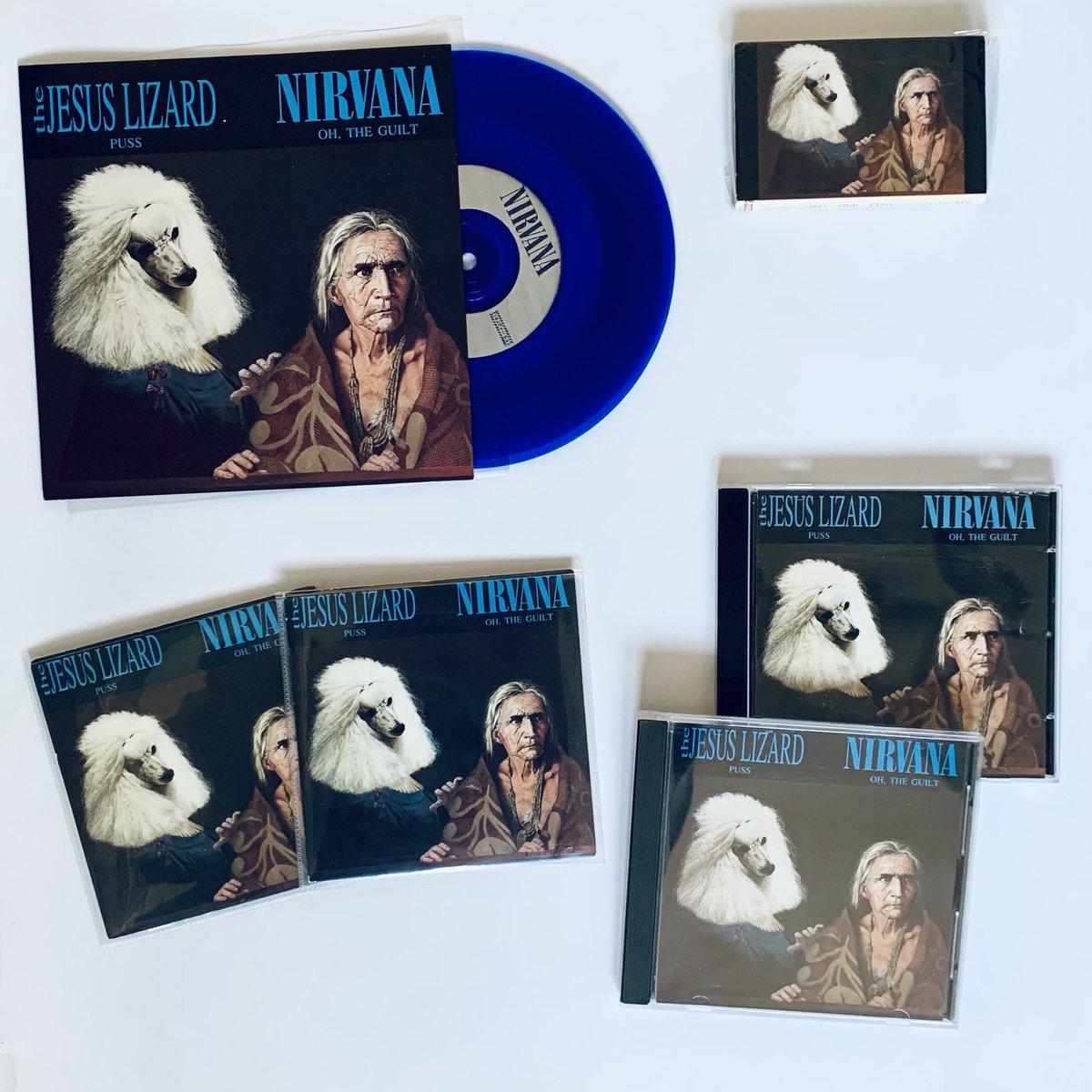
#TheJesusLizard and @Nirvana released their split single “Puss / Oh, the Guilt” on this day 30 years ago via @touchandgorec. Puss was recorded by @electricalWSOP. I love this release so much. #Nirvana #OhTheGuilt #SteveAlbini #Chicago #TouchAndGo #SplitSingle #KurtCobain
1
9
536