
5. I absolutely love making chai, and every time it rains, chai is on me (of course, accompanied by some tadakti-bhadakti gossip).
6. One thing about me: I like getting things off my head. So you can expect zero delays when it comes to clearing Splitwise and sorting out expenses.
1
6
866


Terracita en Gaztambide con unas Mahou viendo el Mundial y cenando raciones. Lo peor de la noche es abrir Splitwise para cuadrar los 16€ por cabeza con Javi y ver quién le debe a quién. Ser mileurista es un deporte de riesgo constante. 💀
25

Want to see something cooler?
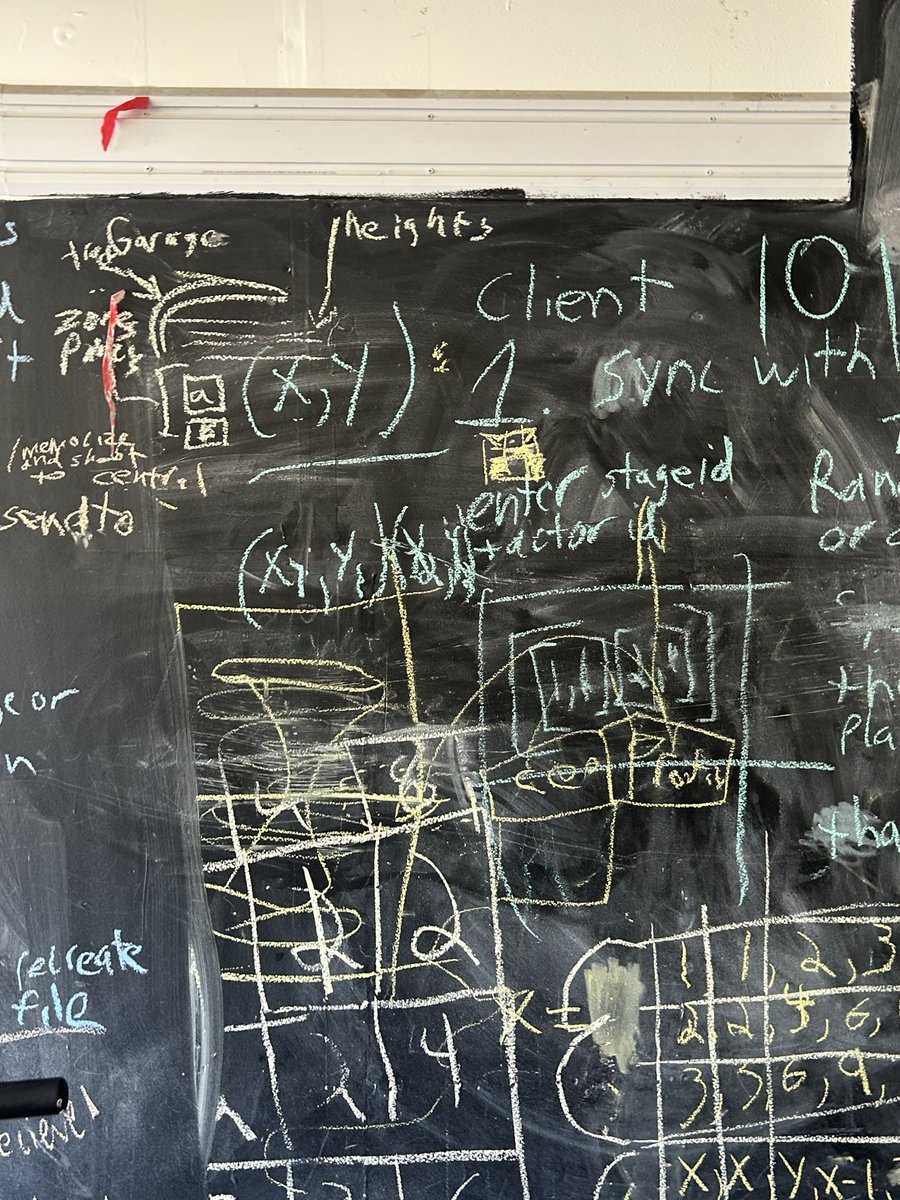
I’ve been down this number-grid rabbit hole for years.
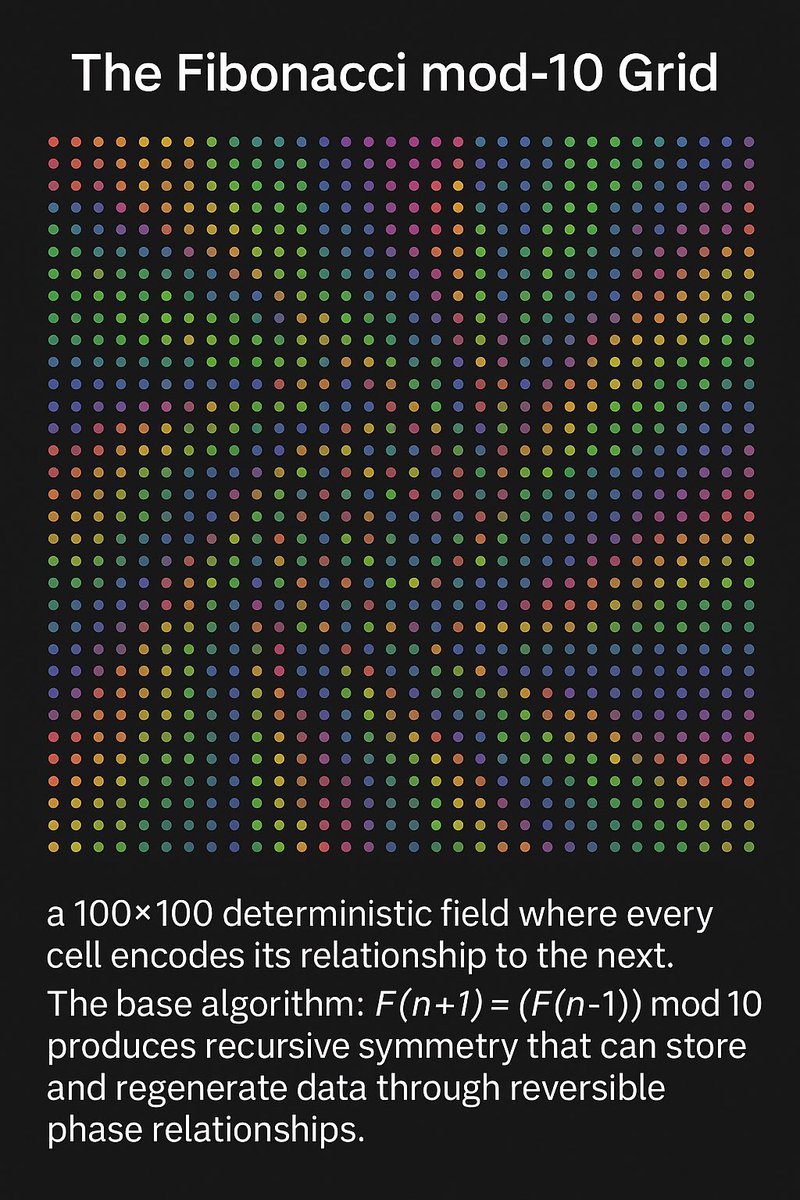
Build a 100 × 100 grid.
Start with column 1 as:
1
2
3
…
100
Then generate each next value using a Fibonacci-like rule:
next = current previous
But here’s the twist:
Before carrying the value forward, compress it with splitwise mod-10 digit math.
So:
13 → 1 3 = 4
22 → 2 2 = 4
100 → 0
108 → 0 8 = 8
In cleaner form:
Let each row start with:
a₁ = n
a₂ = n n
Then:
aₖ₊₁ = S₁₀(aₖ aₖ₋₁)
where S₁₀(x) means:
take the last two digits of x, split them, add them, and reduce the result into a base-10 digit cycle.
Examples:
1, 2, 3, 5, 8, 13 → 4, 7, 11 → 2, 3, 5, 8, 13 → 4…
So the visible loop becomes:
2, 3, 5, 8, 13, 4, 7, 11, 2, 3, 5…
And 100 collapses into the zero sink:
100 → 0 → 0 → 0…
What’s interesting is not just that it repeats.
It’s that when you scale this across a 100 × 100 grid, the whole field starts producing stable repeating paths, sinks, loops, and residue-like structures from a very simple local rule.
So where your prime-gap machine maps primes through modular states, this grid maps number growth through splitwise compression.
Different object, same kind of question:
Digital DNA, cellular automata, compression, dcre communication protocols and so much more
Base grid
snazzy-pithivier-1643cd.netl…
2
3
180

Hey @splitwise love your work but I hate when it says “not involved” in a group expense. I have fomo 😢
26

Victoria Opperman retweeted

Jun 13
i got tired of how bad Splitwise was...so i vibe-engineerd a replacement. I call it Cleo.
scan receipt → share one link → everyone claims what they had → pays you directly on Venmo/CashApp/Zelle
been using with friends and they're blown away.
paywithcleo.com
1
2
54


Jun 13
We need an alternative to Splitwise as most of its useful features need a premium subscription and could easily be replaced for nearly free by smart contacts.
29


Jun 12
Split expenses with your friends.
Basically a Splitwise / tricount but with Usdc.
Social login, non-custodial, gas sponsored, yield.
2
2
50


Vibe coded a new app like Splitwise without an paywall, ads or limits. Still some things left to fix but thanks to @GoogleAIStudio I could install it right in my pixel. Amazing feature.

14



Jun 11
I am building spliz.app
It’s basically a Splitwise with stablecoins.
Social login, non-custodial, atomic settlement
1
23
