

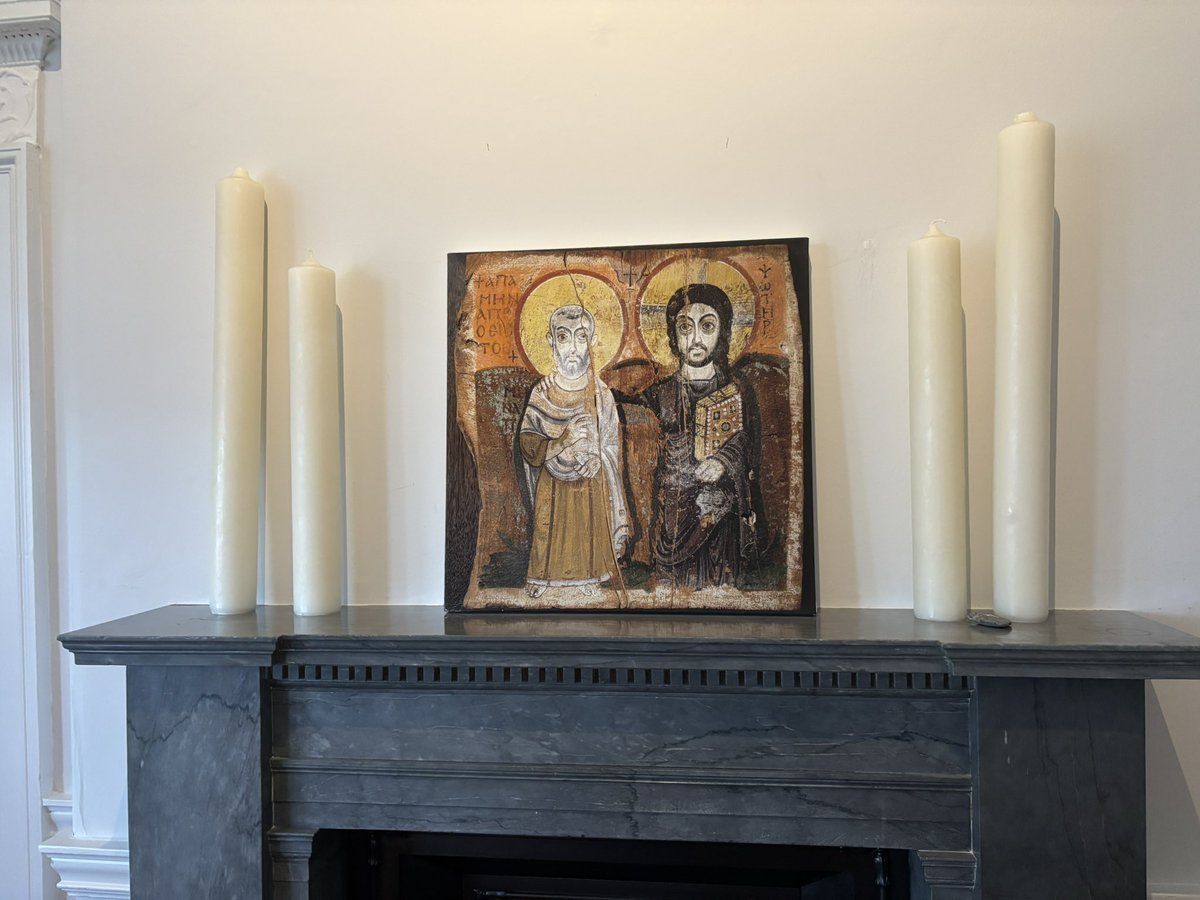
My first trip to #WaverleyAbbey with @springharvest Board. What a beautiful place. Grateful to God for our time away.

1
3
8
234

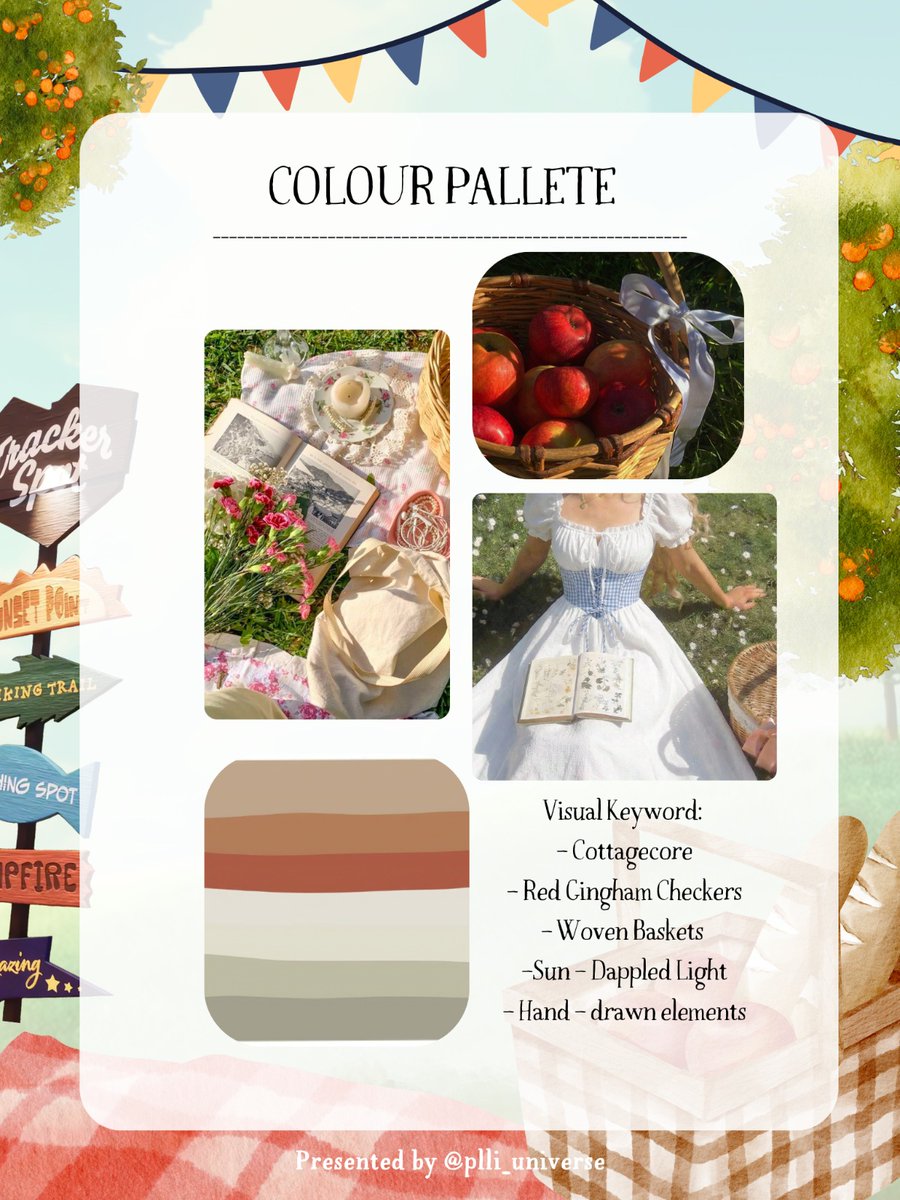
🌿 Dresscode Alert 🌿
Come in your best cottagecore look and let’s turn this birthday picnic into a soft little fairytale 🍓🧺✨
Flowy dresses, earthy tones, ribbons, lace, and cozy picnic vibes are highly welcome! 🌼
#PLAVE #SpringHarvest #EUNHO26BIRTHDAY #JAKARTA

6
24
1,338
🎁 Picnic Giveaway Time! 🧺✨
Our special prizes are finally ready for you 🌷
Join the fun, enjoy the cozy picnic vibes, and don’t miss the chance to bring home a little surprise 💌
Stay tuned for games, freebies, and sweet moments with everyone 🍓☁️
#PLAVE #SpringHarvest

1
16
44
2,436

May 14
Haii PLLI! 🤩👋🏻
Freebies are ready for everyone joining the birthday celebration 🎁✨
@plli_universe
See you at Spring Harvest, PLLI! 🤍🫶🏻
#SpringHarvest #eunho #plli_universe

2
10
20
710

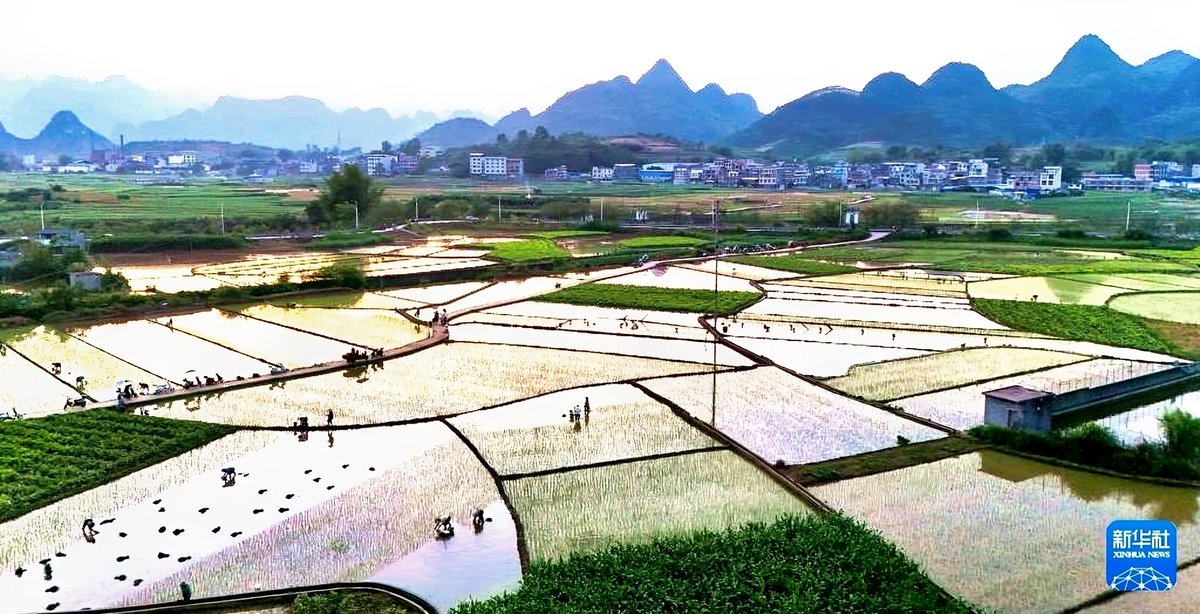
Planting seeds of hope this spring. The water mirrors the mountains, and every rice paddy is a promise of tomorrow. 🌾
春天里,种下希望。水田映着远山,每一方稻田都是对丰收的承诺。
#RicePlanting #SpringHarvest #RuralLife
1
5
119
526

Picking wild veggies in spring sunshine, boiling a hot pot in the mountains — this is how we taste rural China.
#RuralChina #CountryLife #SpringHarvest #MountainHotPot
7
44
308
5,915

Apr 14
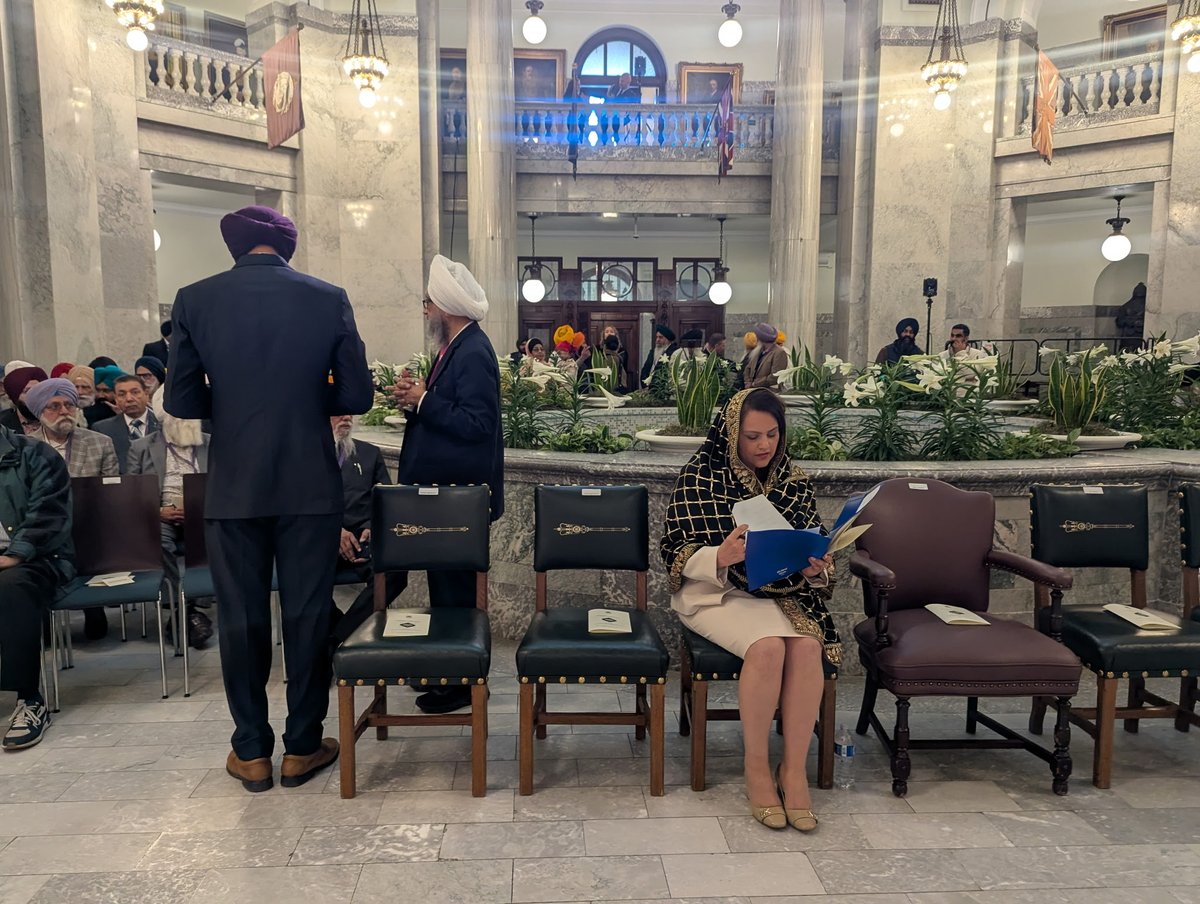
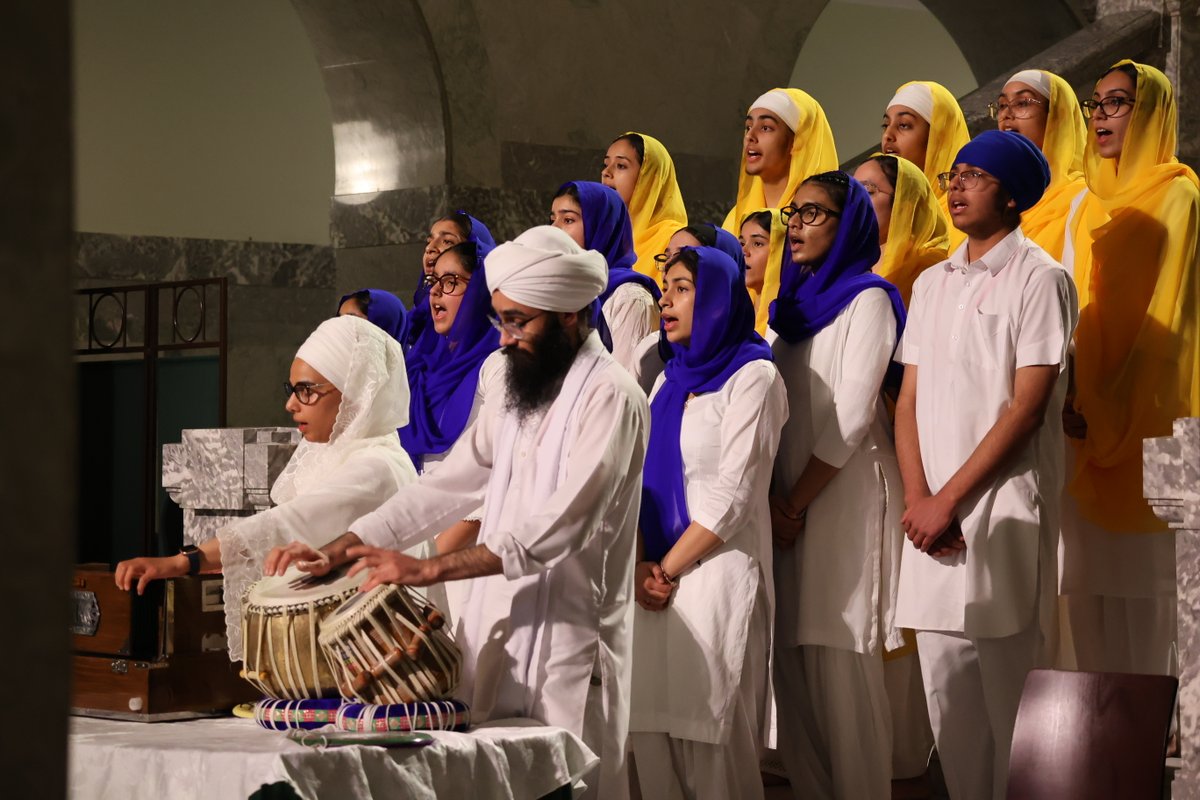
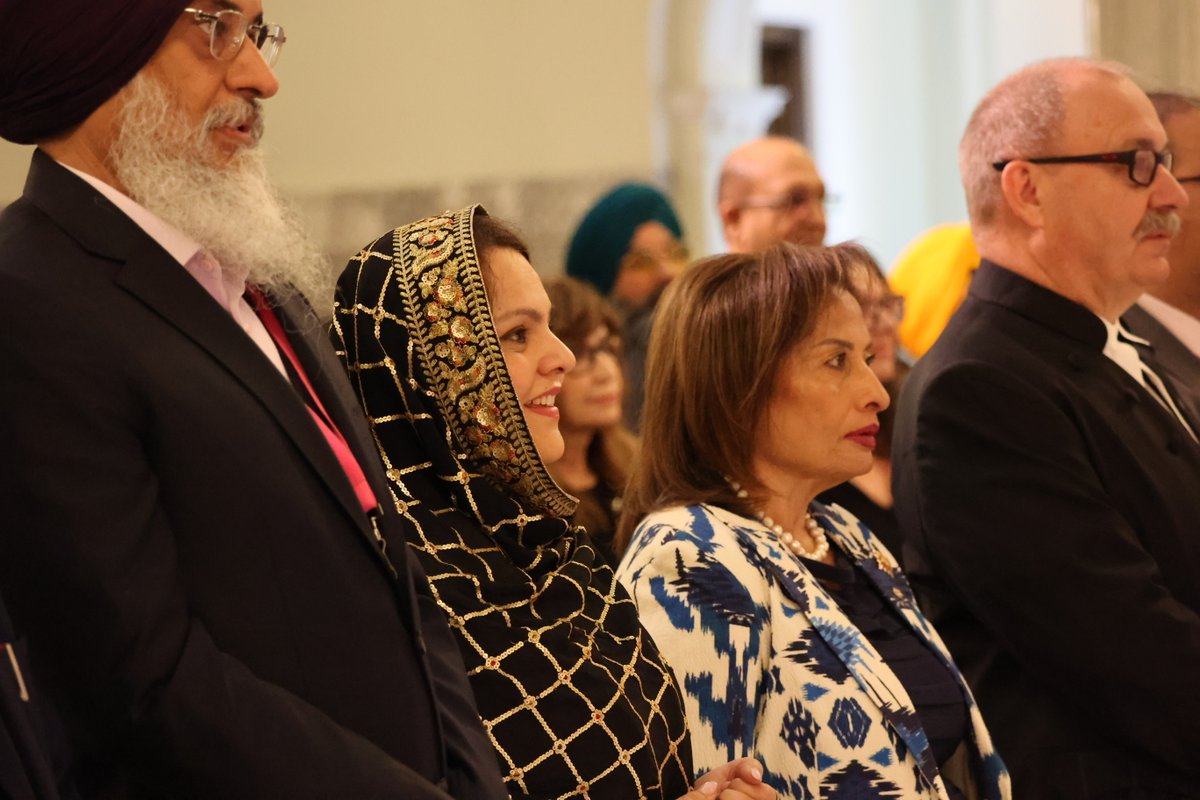
Vaisakhi is a celebration of new beginnings and the spring harvest, and it also marks an important moment in Sikh history—the founding of the Khalsa, a community rooted in equality, courage, and service.
It’s a day filled with joy, reflection, and togetherness.
I was honoured to have had the opportunity to speak and be part of such a vibrant and meaningful celebration. A heartfelt thank you to the speaker (@RicMcIver) and organizers for putting together such a beautiful event and for inviting me to be part of it.
#Vaisakhi #Community #NewBeginnings #SikhHeritage #Gratitude #Celebration #SpringHarvest

1
6
475
Spring warms the mud. Walk on soft mud, dig out clams, pick some fish mint by the ridge. My basket fills with spring’s heart. This is China’s countryside—simple, pure, and beautiful. Real life, real taste.
#ChineseCountryside #RuralLife #SpringHarvest
12
66
656
11,444

Apr 11
Spring in Gaza: From Green Fields to Red Zones of Destruction
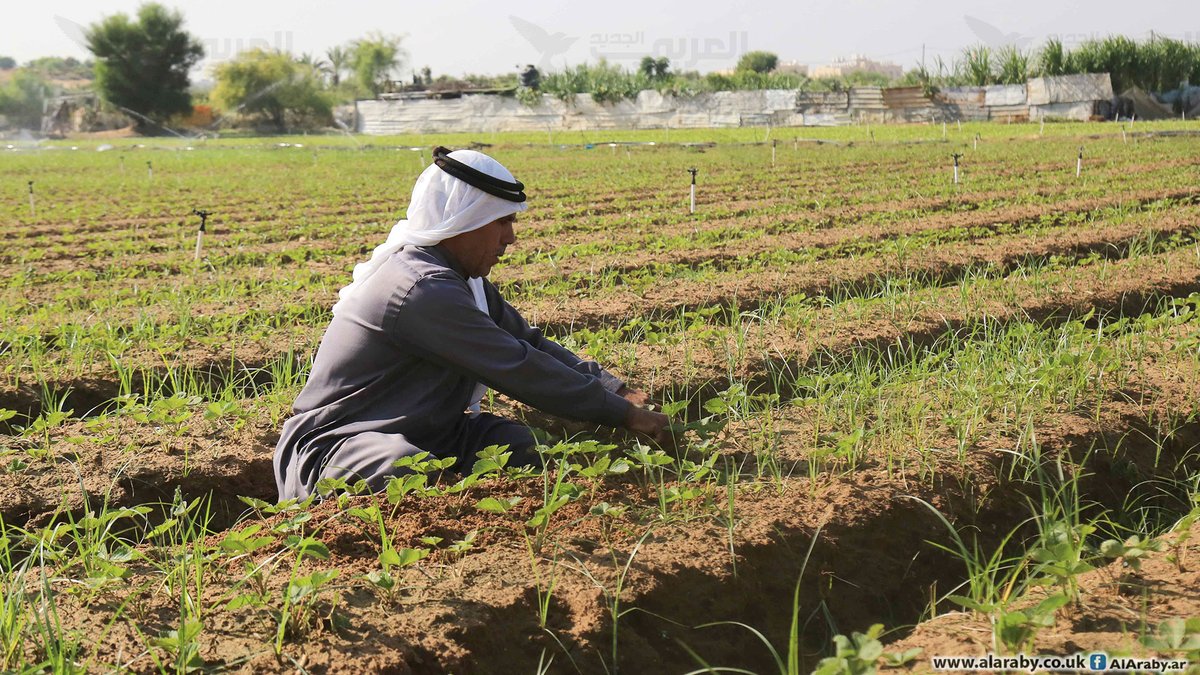
Spring in Gaza was once a season of life, renewal, and harvest. Wheat and barley fields stretched across the land in shades of green and gold. Farmers returned to their land, and the rhythm of harvesting filled the countryside. It was a season of hope, food, and continuity.
Today, this reality has changed significantly.
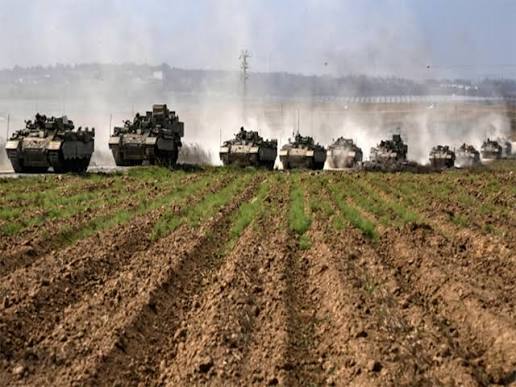
Most agricultural land in Gaza no longer guarantees harvest. Areas that once produced wheat, barley, and vegetables have been reclassified as restricted, dangerous, or inaccessible zones. Fertile fields have turned into what are now known as red or yellow zones—either destroyed, unsafe, or unreachable.
Farmers who once worked freely on their land are now unable to access it. Large areas of farmland have been bulldozed, leveled, or cut through with trenches and earth barriers. The land that once supported entire communities has been physically reshaped, making it less suitable for cultivation.
Instead of green fields ready for harvest, the landscape now bears signs of destruction. Soil has been severely damaged, irrigation systems disrupted, and access to agricultural areas restricted. The loss is no longer limited to crops, but extends to the collapse of an entire agricultural cycle that families depended on for their livelihoods.
Spring, once a symbol of renewal, now arrives without harvests, without crops, and in many cases without farmers able to reach their land.
What remains is a transformed landscape—fields that were once fertile and green are now fragmented, damaged, and inaccessible. Gaza’s agricultural identity is not being changed by nature, but by ongoing destruction and conflict.
Yet, despite everything, the memory of the land remains alive. Farmers still remember seasons when the earth was generous—when planting meant hope, and harvesting meant survival.
Today in Gaza, spring is no longer defined by harvest. Instead, it has become a reminder of what has been lost, and what people still hope, one day, to rebuild.
#Gaza
#Palestine
#SpringHarvest
#Agriculture
#WheatHarvest
1
8
16
420

Apr 10
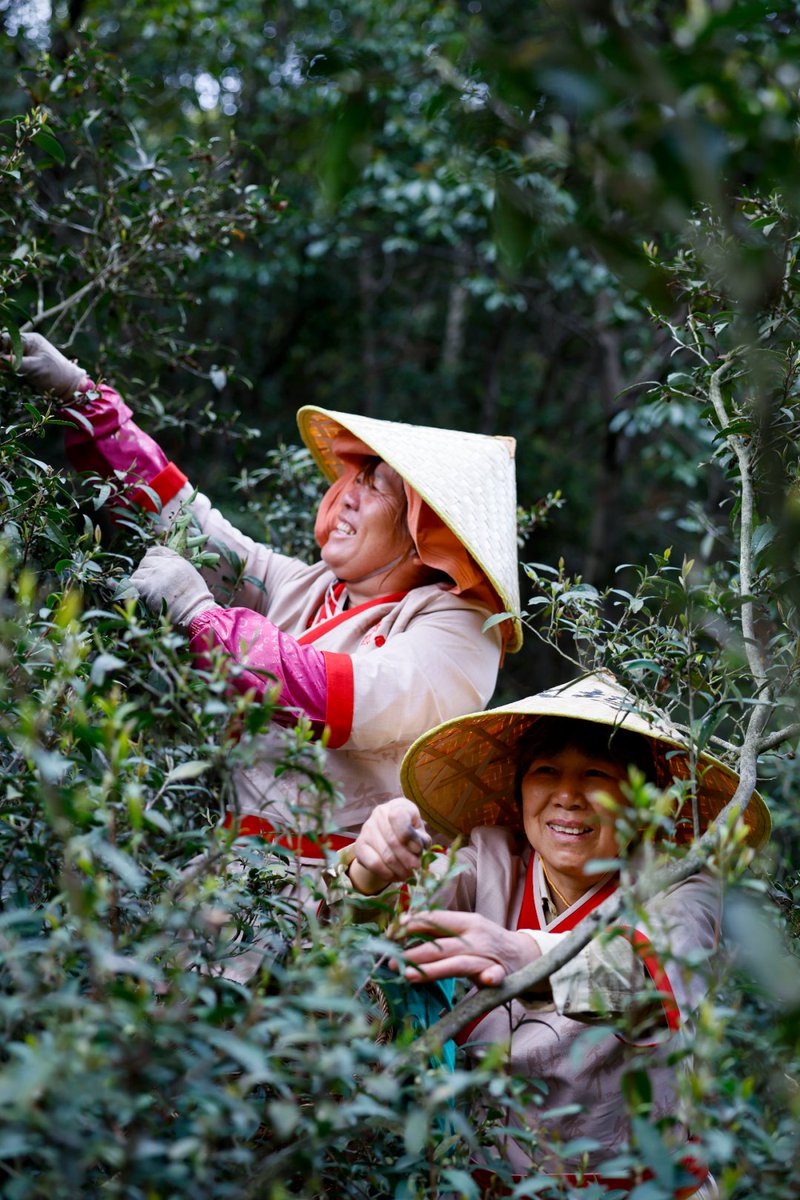
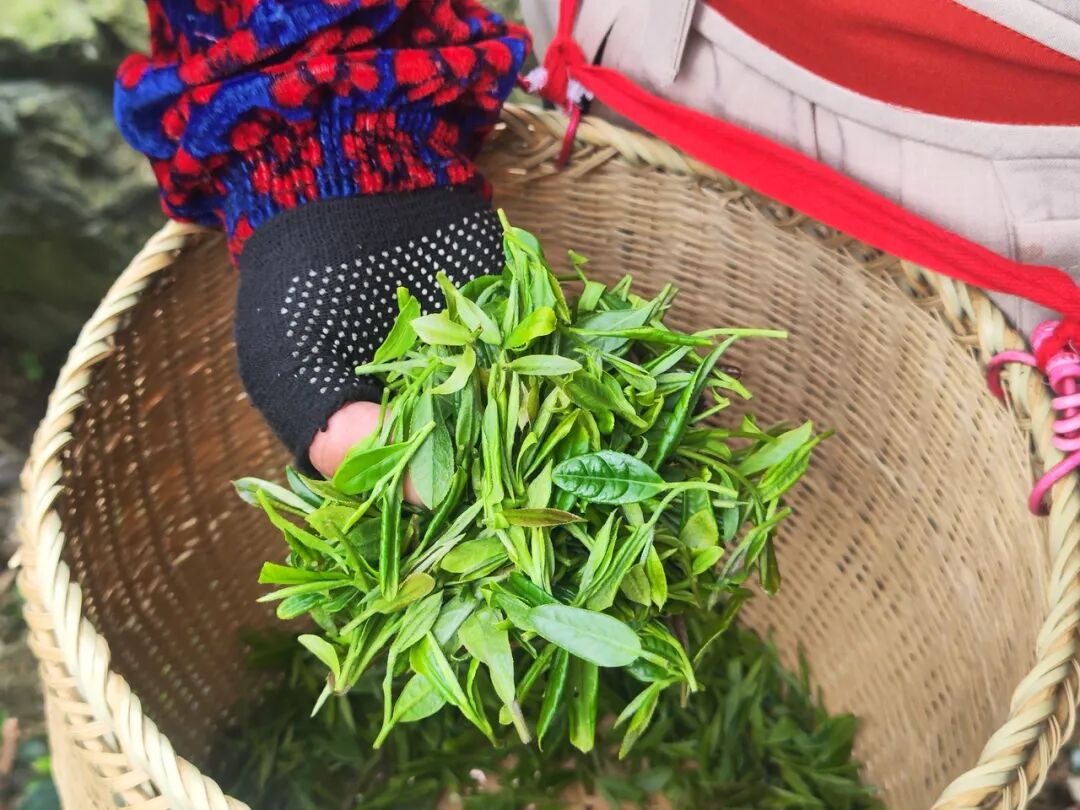
🍃🍵 Early morning on April 8, the tea hills of Dawu Basin in Shuangpu Town, one of the birthplaces of Jiuqu Hongmei tea, came alive. At the heart of the tea garden stands a 160-year-old "king tea tree," over 3 meters tall. The first spring harvest of these century-old ancient tea trees has officially begun.
#JiuquHongmei #AncientTeaTree #SpringHarvest #VisitHangzhou #TeaGarden
10
11
442

MAISON DE SABRÉ UNVEILS THE SPRING HARVEST COLLECTION
Read more: fashiontrendsetter.com/v2/20…
via @FTrendsetter
Photos courtesy of MAISON de SABRÉ.
#MAISONdeSABRÉ #SpringHarvest #LuxuryAccessories #SABREMOJI #SustainableLuxury

3
5
55

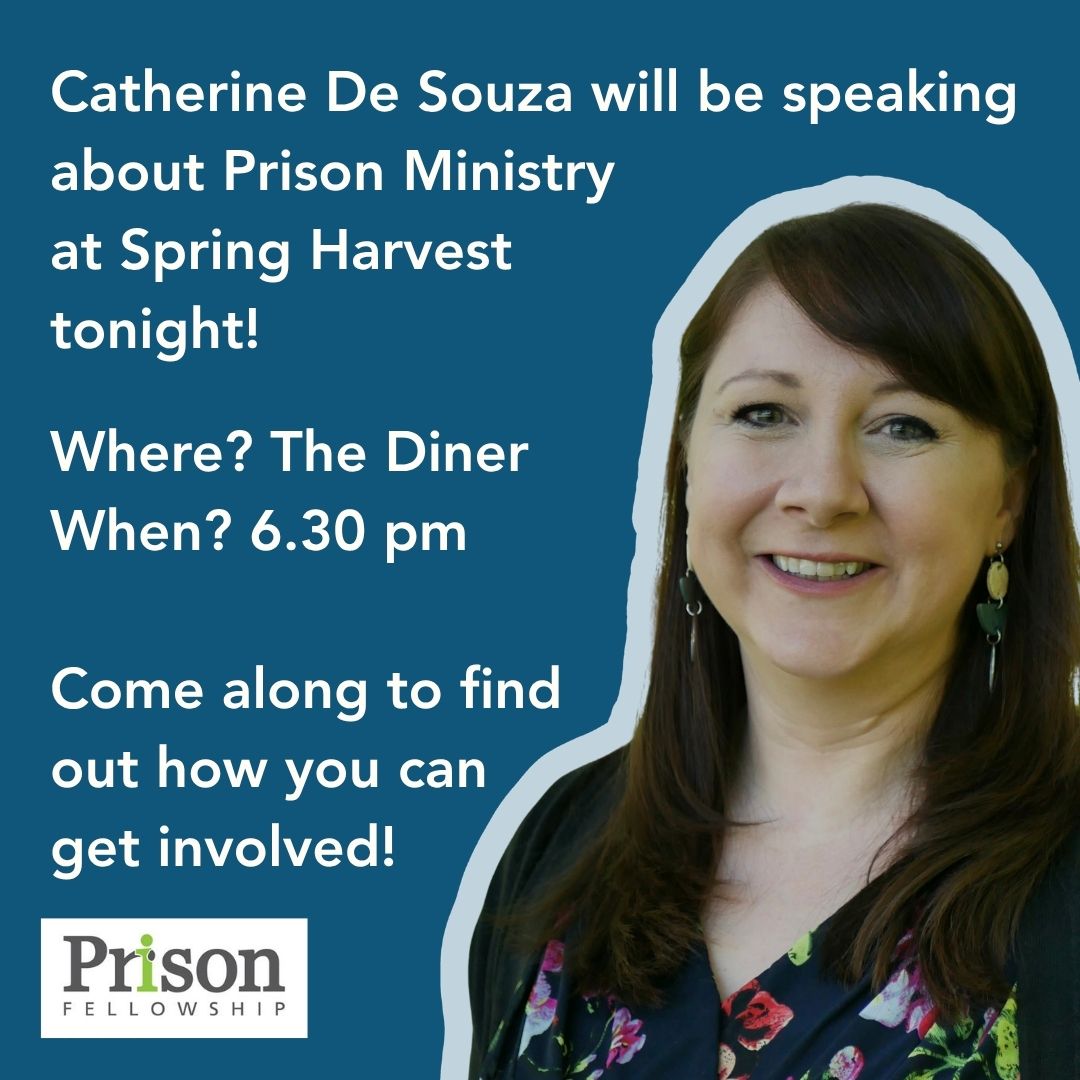
Tonight, @ca_desouza1 will be speaking alongside others about the importance of showing Christ’s love to those who are in — and who have left — prison.
If you’re at Spring Harvest Minehead this year, we’d love for you to come and join us!
#SpringHarvest
2
94
Hey guys @springharvest Minehead is live on You Tube today only - free for you to watch youtube.com/watch?v=ChRVoGMO…
8
13
291

Apr 7
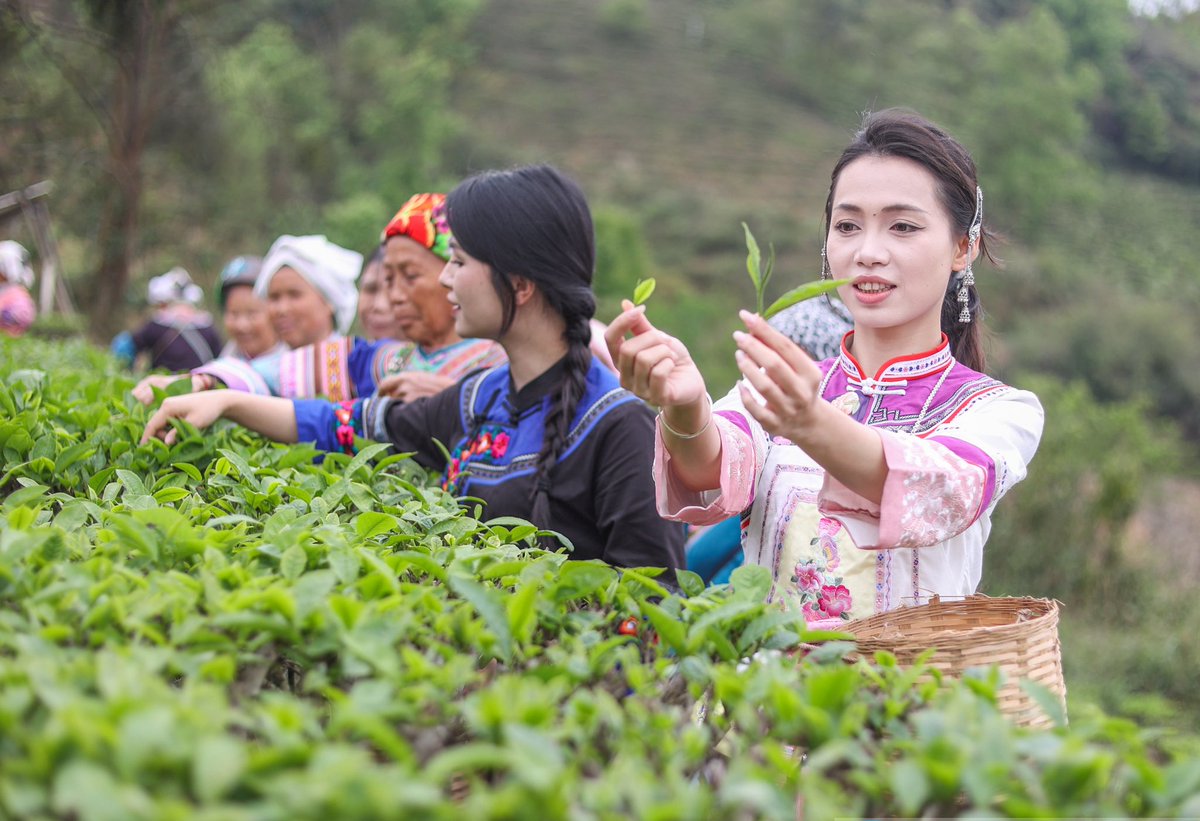
Fresh from the farm: Wangzi Mountain Spring Tea, Xilin, Baise. 🌿 Handpicked, premium quality, and full of spring essence. Taste the true flavor of Guangxi's spring!
#XilinTea #Baise #SpringHarvest #ChineseFarmers #EcoFriendly
2
7
161





Mar 31
Brilliant to see this production by the Riding Lights Theatre Company, ahead of them staging it @springharvest - and to write about the company’s almost 50 years on the road. christiantoday.com/news/lead…

1
2
72

Mar 30
Praying for all those heading off to Skegness as @springharvest kicks off today. May the Lord move powerfully, with all generations impacted & may the theme material be so timely. Feels a bit strange to not be going & I’m praying it’s an amazing time together & the best SH yet!

1
17
633

Mar 29
🍵Spring in Hangzhou begins with the first harvest of West Lake Longjing Tea.
Grown in the hills surrounding Longjing Village, this iconic green tea is celebrated for its delicate balance of color, aroma, taste, and shape. The leaves are tender and jade-green, the fragrance fresh and lingering, and each sip carries a smooth, slightly sweet finish. For centuries, it has been a favorite of scholars, poets, and tea lovers alike.
#LongjingTea #Hangzhou #SpringHarvest #DiscoverChina
1
9
14
813

Ahead of the Qingming Festival, tea farmers in Hangzhou harvest at night using drones for lighting—bringing technology into the tea fields. 🌱✨#SpringHarvest #TeaCulture #Innovation #ChinaStories
3
7
42
4,459