
Crypto Weekly Recap 🔔
Rebound Mode After the Shakeout
From Accra with love 🇬🇭
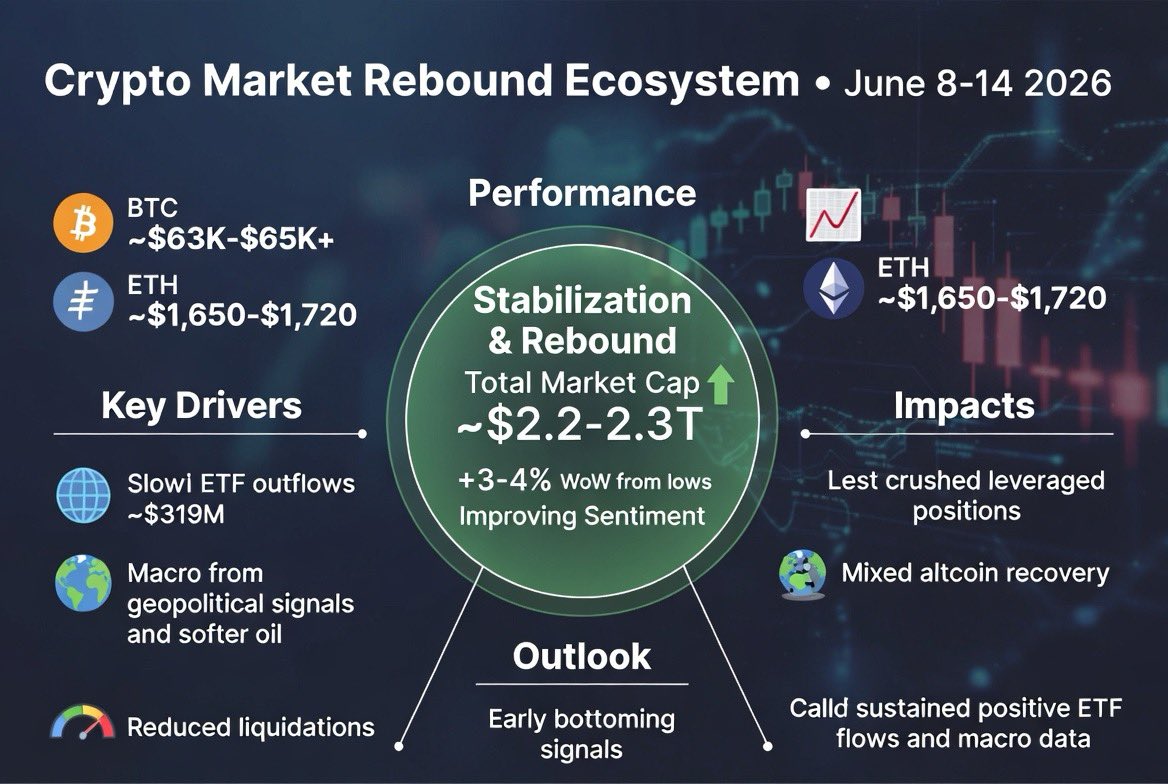
Markets showed resilience this week with signs of stabilization and partial recovery after last week’s heavy sell-off.
Macro easing hopes (e.g., potential Iran deal impacts) and slowing ETF outflows helped.
Let’s dive in more 👇🏼
1
20
Skylar. retweeted

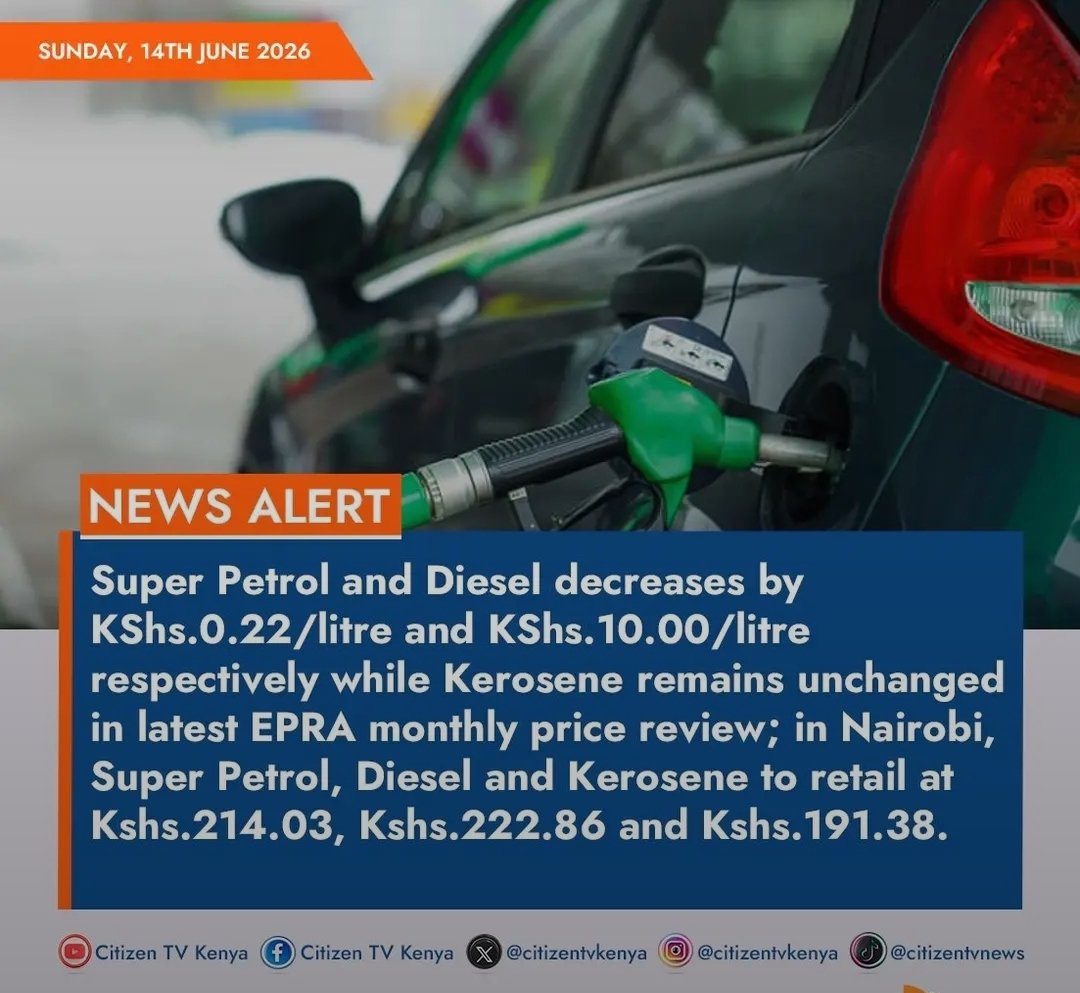
Fuel price stabilization remains a key measure in protecting livelihoods. The KSh 10 diesel reduction highlights continued efforts to shield Kenyans from global market shocks.
Rutos Promise Fulfilled
EPRA Relief
2
1
6
Skylar. retweeted

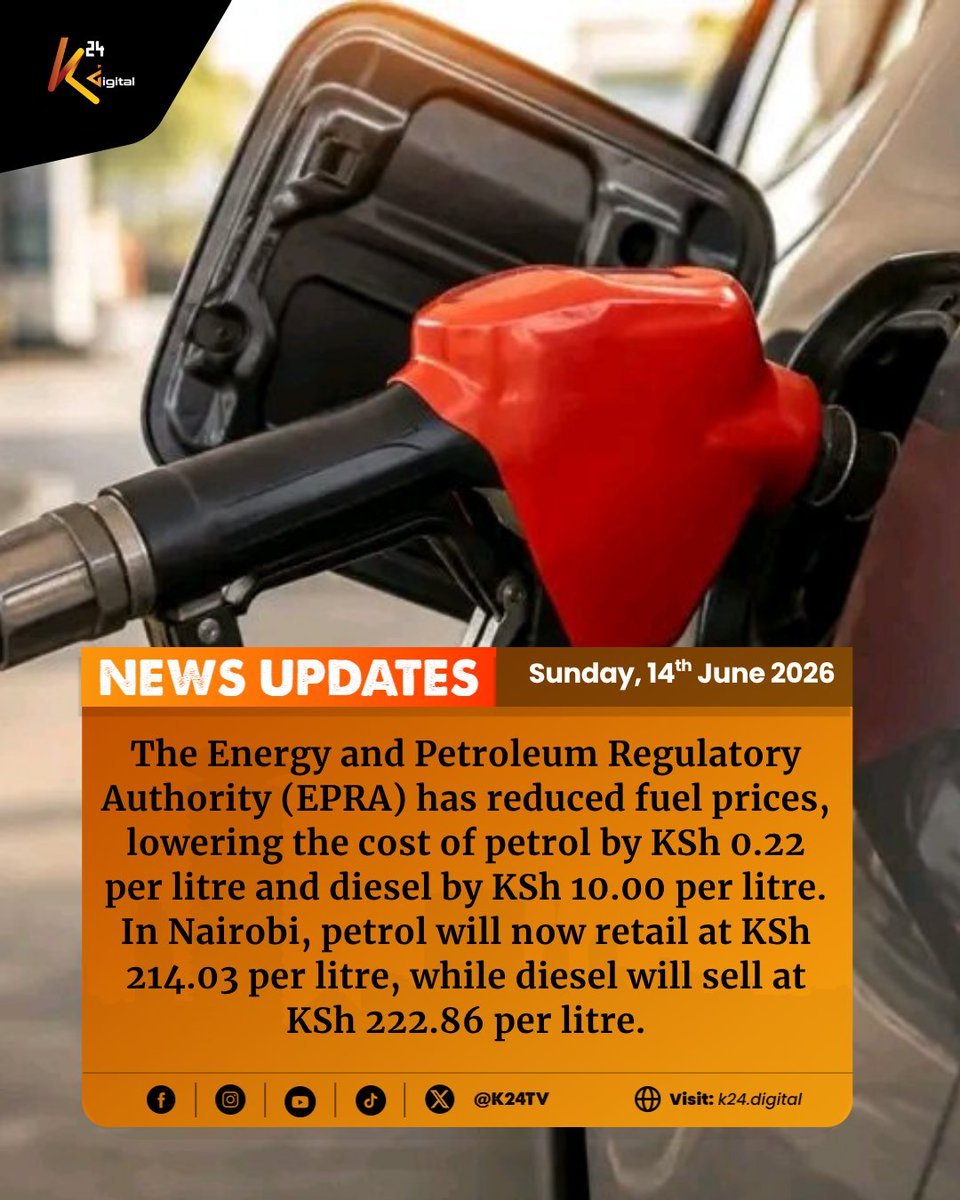
Fuel price stabilization measures continue to benefit households, farmers, manufacturers, and transporters who depend on affordable energy to sustain their daily activities. Rutos Promise Fulfilled, EPRA Relief
1
1
9
Skylar. retweeted
Fuel price stabilization remains a key measure in protecting livelihoods. The KSh 10 diesel reduction highlights continued efforts to shield Kenyans from global market shocks.
Rutos Promise Fulfilled
EPRA Relief
3
2
5

10m
We often hear the greenies and climate condriacs proclaiming that solar and wind power have become competitive and even cheaper than conventional energy sources.
This simply ignores all of this (if you can think of other points, please let me know, and I'll add them to my list).
And it's all the more expensive when you add:
1) subsidies and grants,
2) connection and reinforcement costs borne by customers,
3) the outrageous grid priorities, and the few times it actually works (20 to 25% load factor),
4) the never-counted costs of the backup power plants that take over 75 to 80% of the time when solar and wind power aren't operating. These backup power plants are essential for the existence of solar and wind power,
4 bis) the reduced efficiency of the backup power plants (gas, coal, oil, nuclear). These power plants have costs whether they produce electricity or not. When solar and wind power are operating, they divert production from backup power plants, which continue to incur maintenance costs and whose annual output decreases. Worse still, for nuclear power plants, the fluctuations in power demand put a strain on the plants and necessitate additional maintenance.
5) Stabilization and control costs. Remember that Spain and Portugal were without electricity for almost 24 hours; tons and tons of food were lost. Commodities that, in addition to the loss, must be removed, reprocessed, replaced (new production, new transport, new storage, etc.)... not to mention the human cost,
6) storage costs (and their impending disasters),
7) hidden costs: future dismantling, soil remediation, waste reprocessing, blades impossible to recycle...
8) the costs of impact on soils and biodiversity, migratory birds, significant deforestation for the installation, disturbance of the seabed, access roads that are like bloodletting through nature...
9) Impact on health, livestock, homes, infrasound, electromagnetic interference, stray currents...
10) pollution from the mineral oil needed for the wind turbine gearboxes, microplastics from the blades that degrade, de-icing by helicopter with ethylene glycol,
11) the devastating effect of negative prices. While these energy sources are far too scarce during the day, they become vastly surplus at certain times. Far from being good news, this excess severely disrupts the physical balance of the grid, triggering a surge of electricity that consumers don't need and an economic shockwave that pushes electricity prices into negative territory. The damage caused by this mechanism, which also enriches predatory and mafia-like private entities, cannot be overstated.
3
Oh Hahm Ma retweeted

South Korea's central bank placed 91-day Monetary Stabilization Bonds at an average yield of 2.690%.
2
2
8
11,768

telenya sepaket sama case dan device nya. ada stabilization nya jadi beda sama tele biasa
13

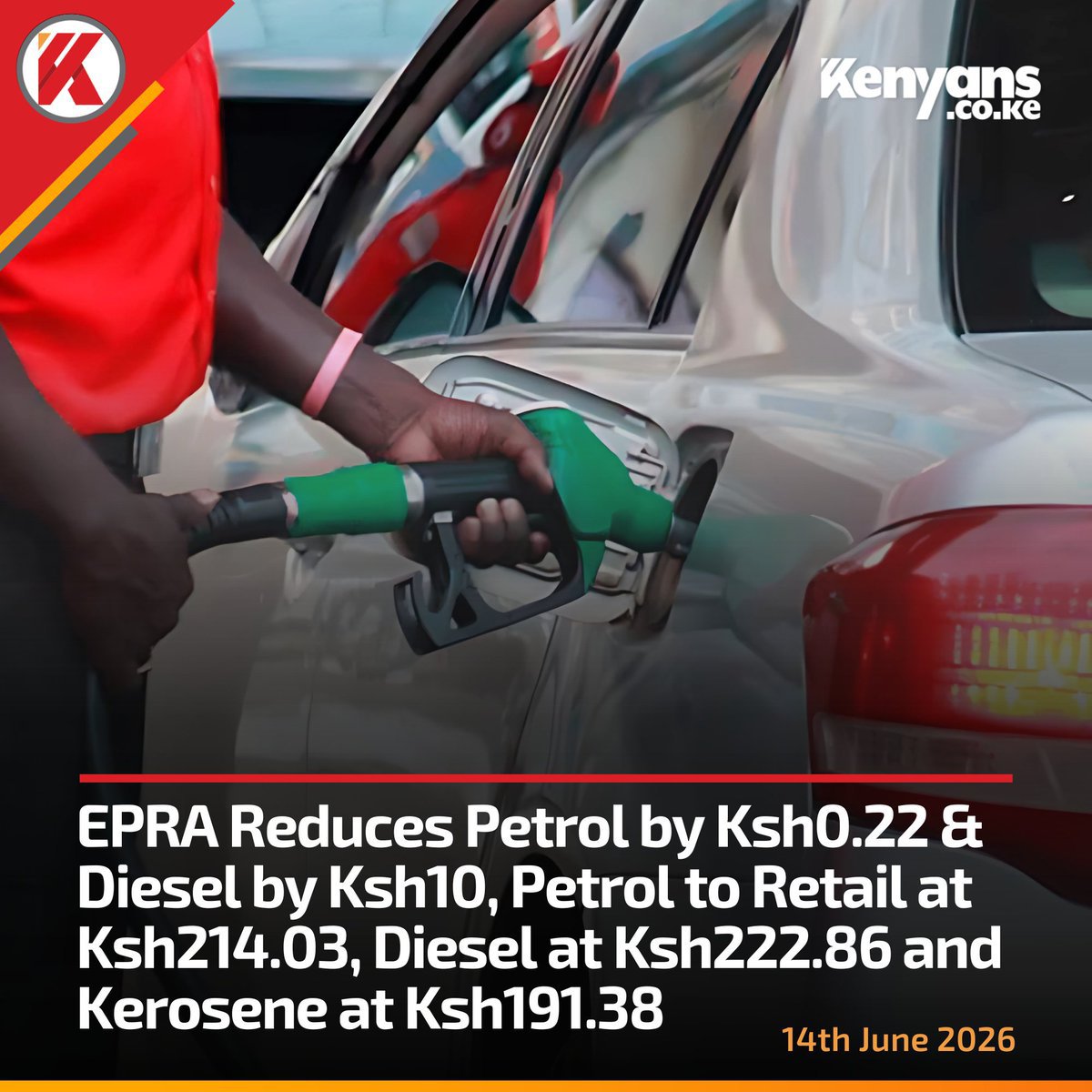

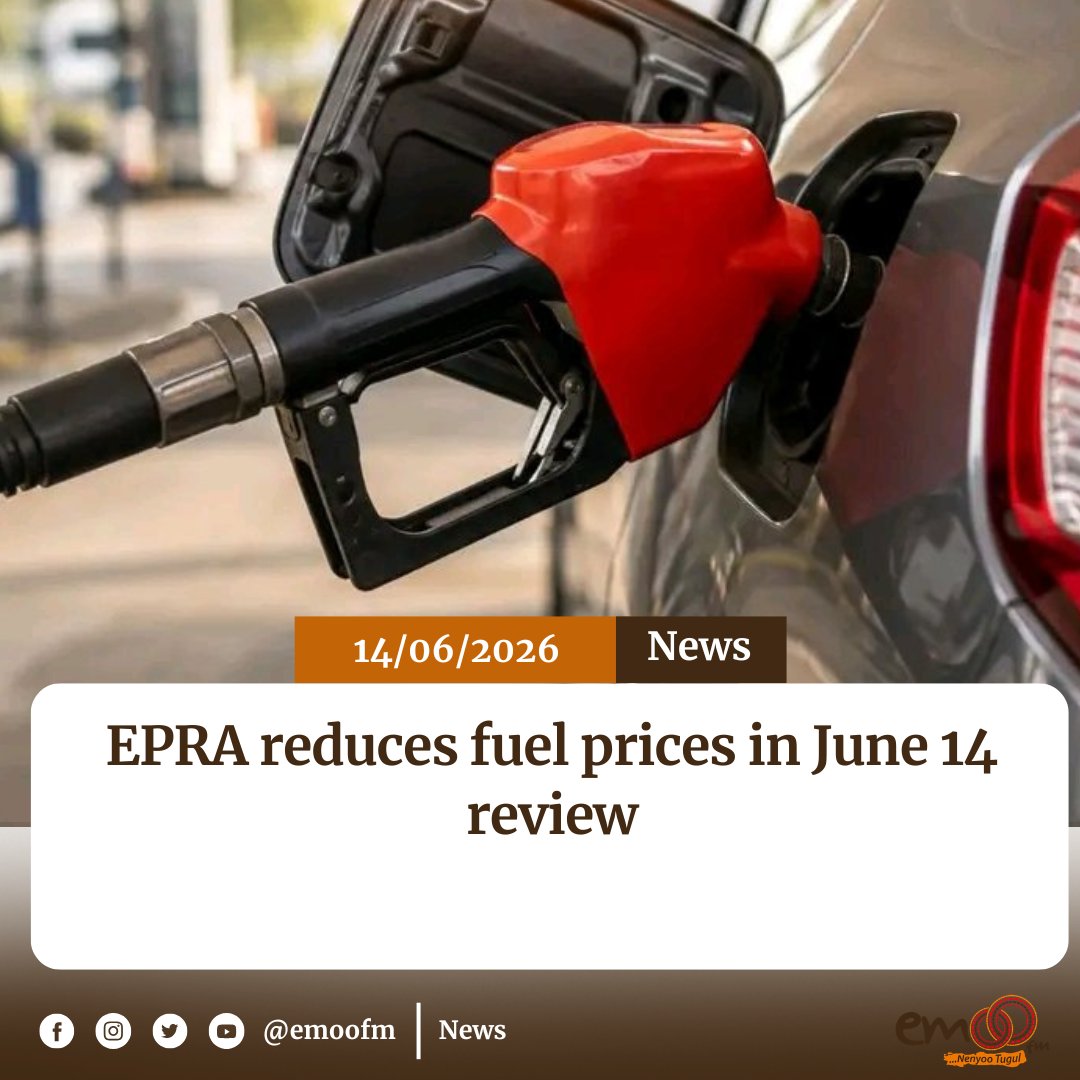
Ruto's promise fulfilled! EPRA announces diesel reduction of KSh 10 per litre effective today. This stabilization effort protects consumers from volatility. Positive move for transporters, farmers & everyday wananchi. EPRA Relief
Martha Karua Irungu Kang'ata Gachagua Germany
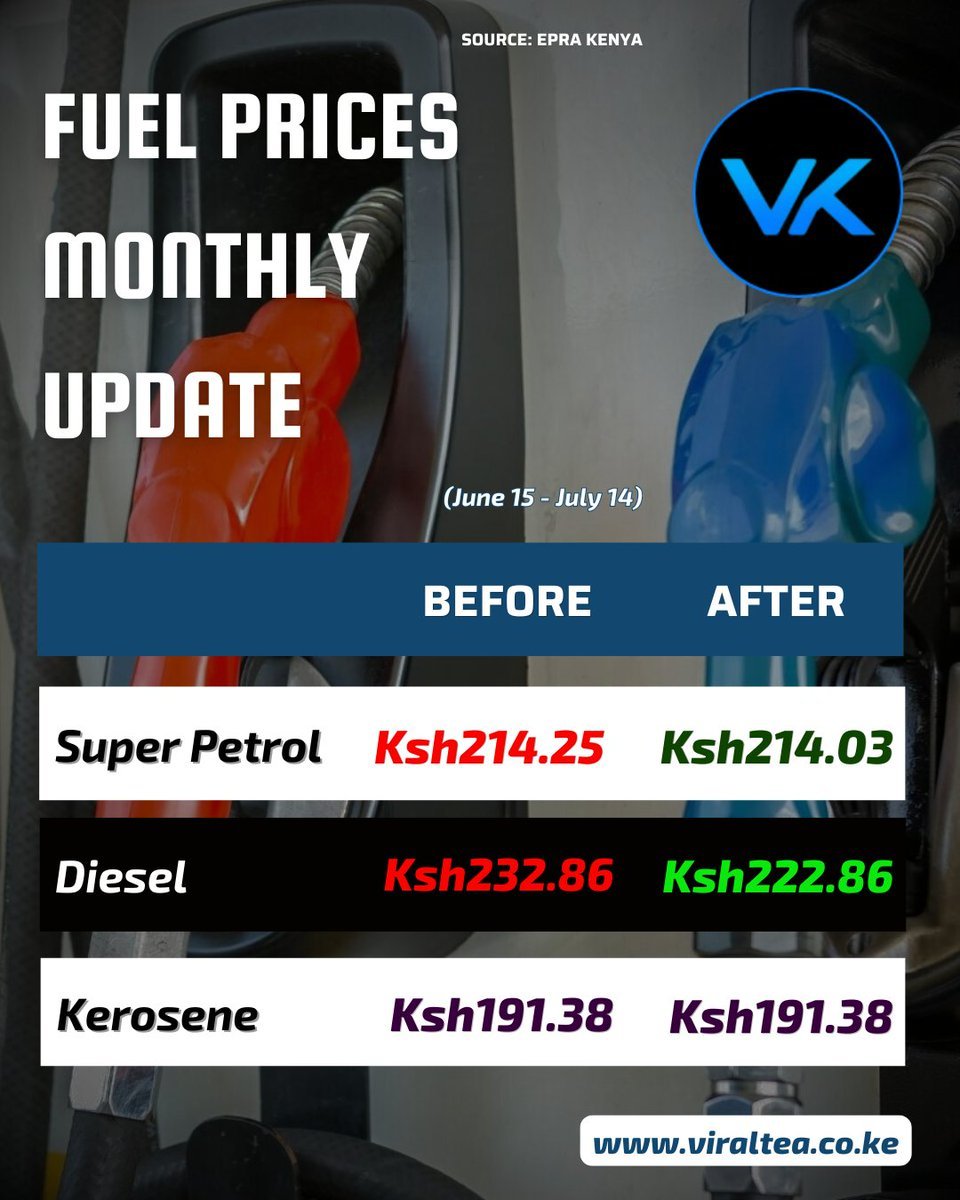
6

19m
SOTApilot runs as an autonomy layer above the flight stack. In Swarm, the agent receives a 128x128 depth image plus drone state, and returns a 5D action: [dir_x, dir_y, dir_z, speed, yaw].
In simulation, that action is converted into target velocity yaw, then into low-level motor control. On real hardware, the same output can be bridged to PX4 through MAVLink/offboard velocity-yaw commands,
while PX4 still handles stabilization, motors, failsafes, etc.
So the architecture is compatible, but it needs an adapter/integration layer. It is not a drop-in PX4 firmware replacement. We are building a physical lab specifically to develop and validate that real-drone
integration layer.
6

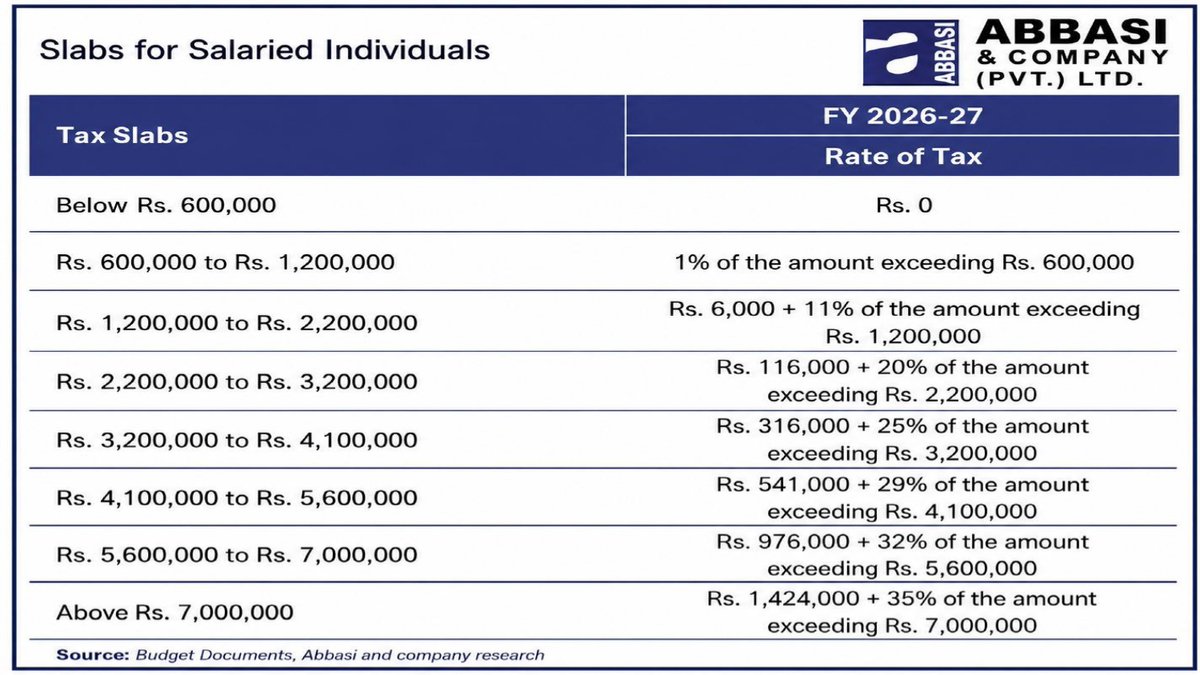
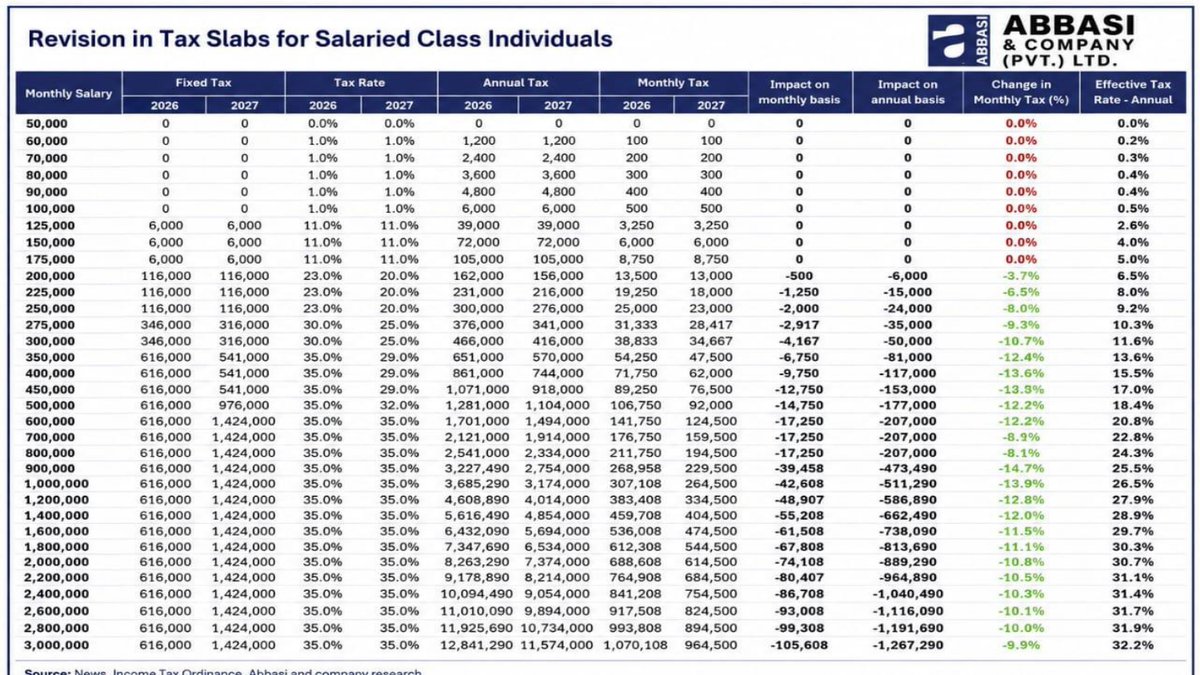
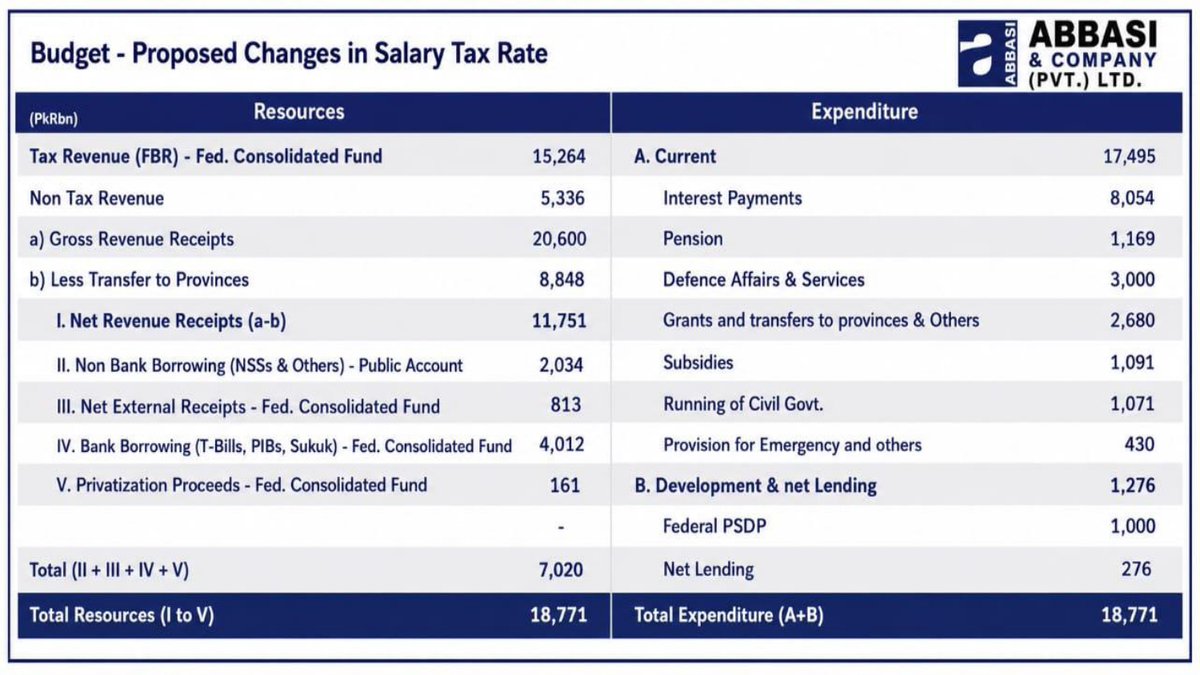
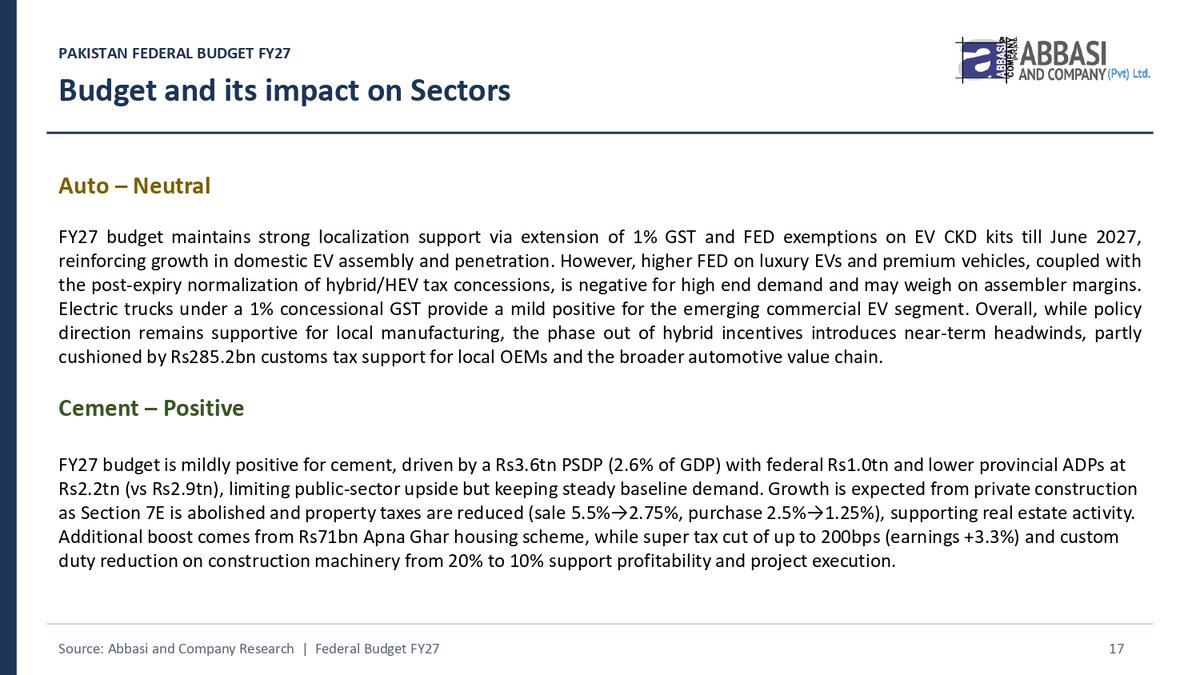
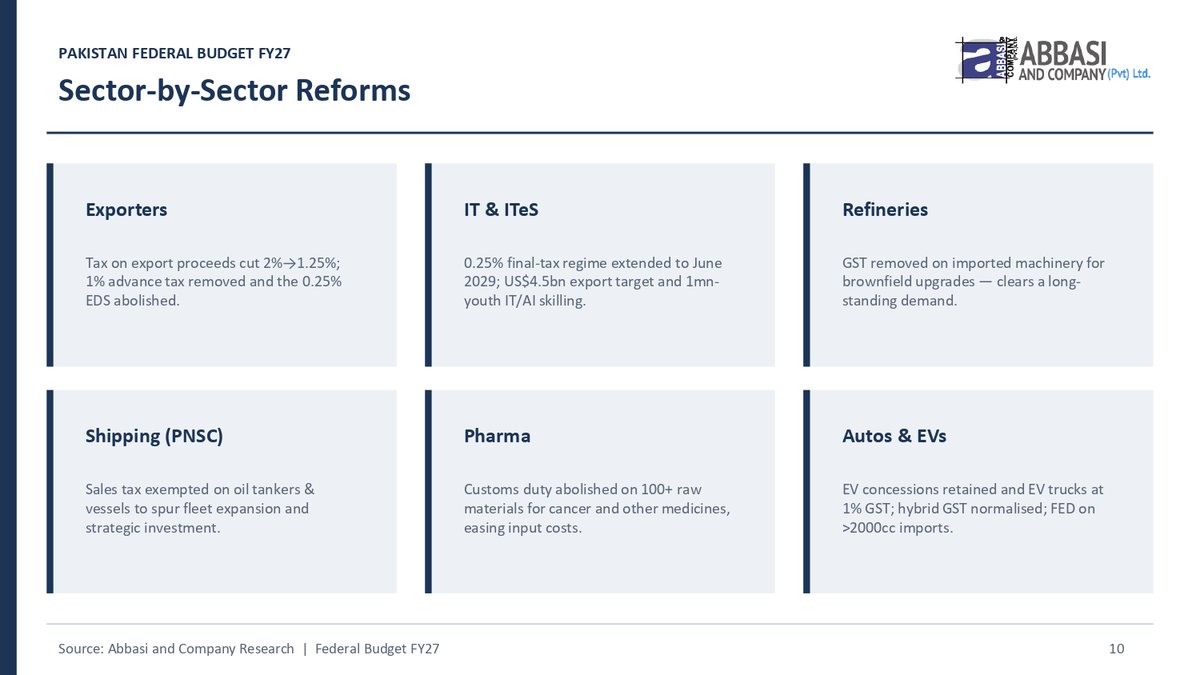
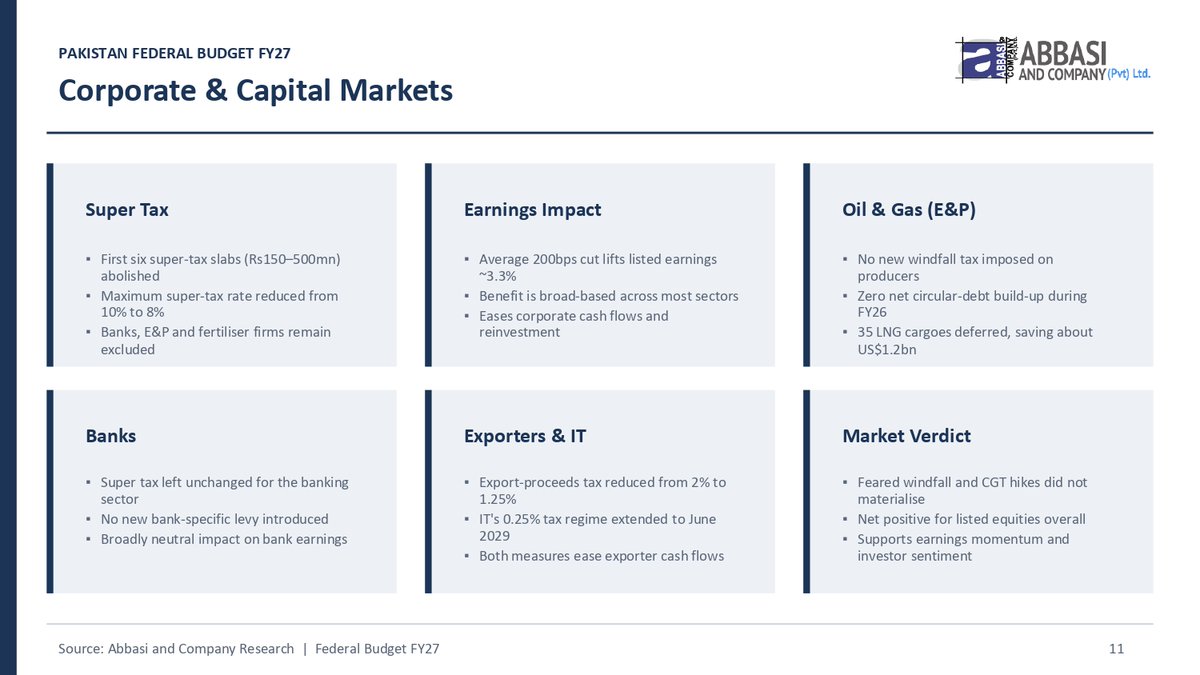
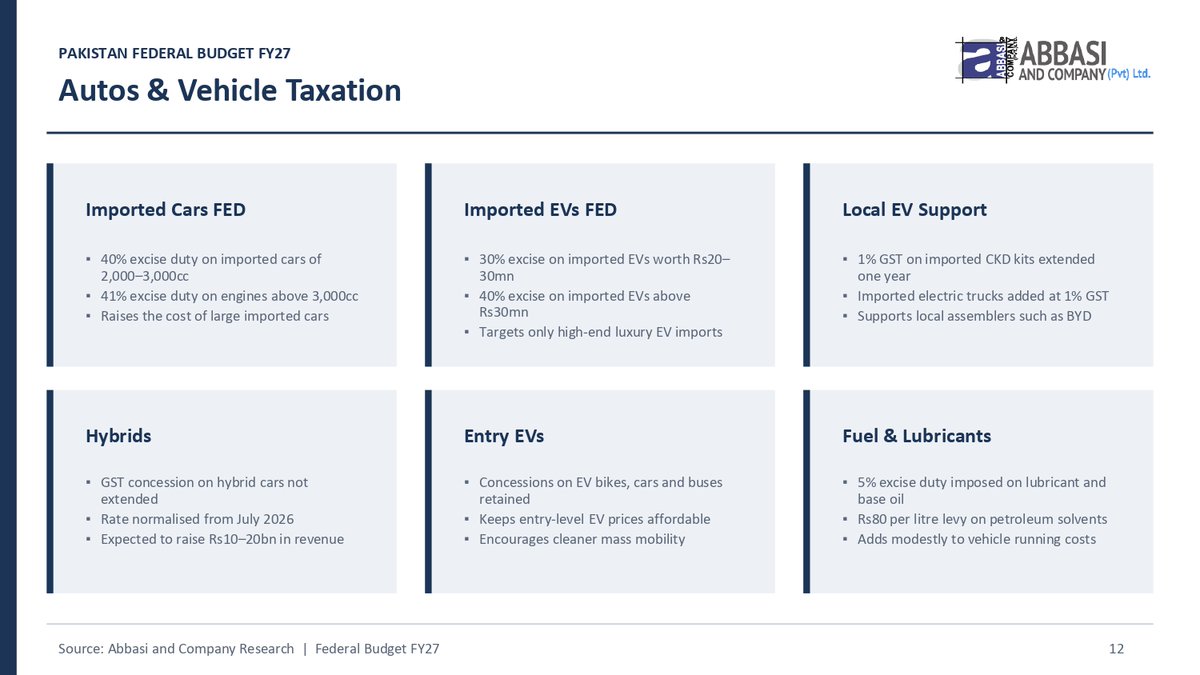
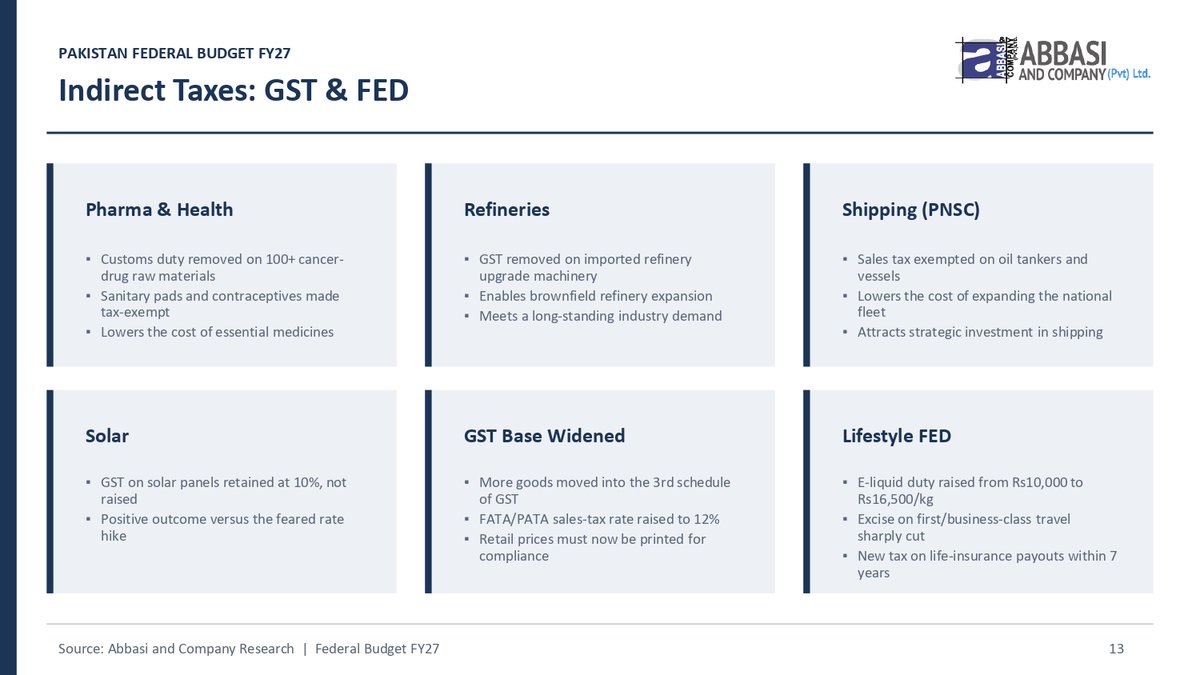
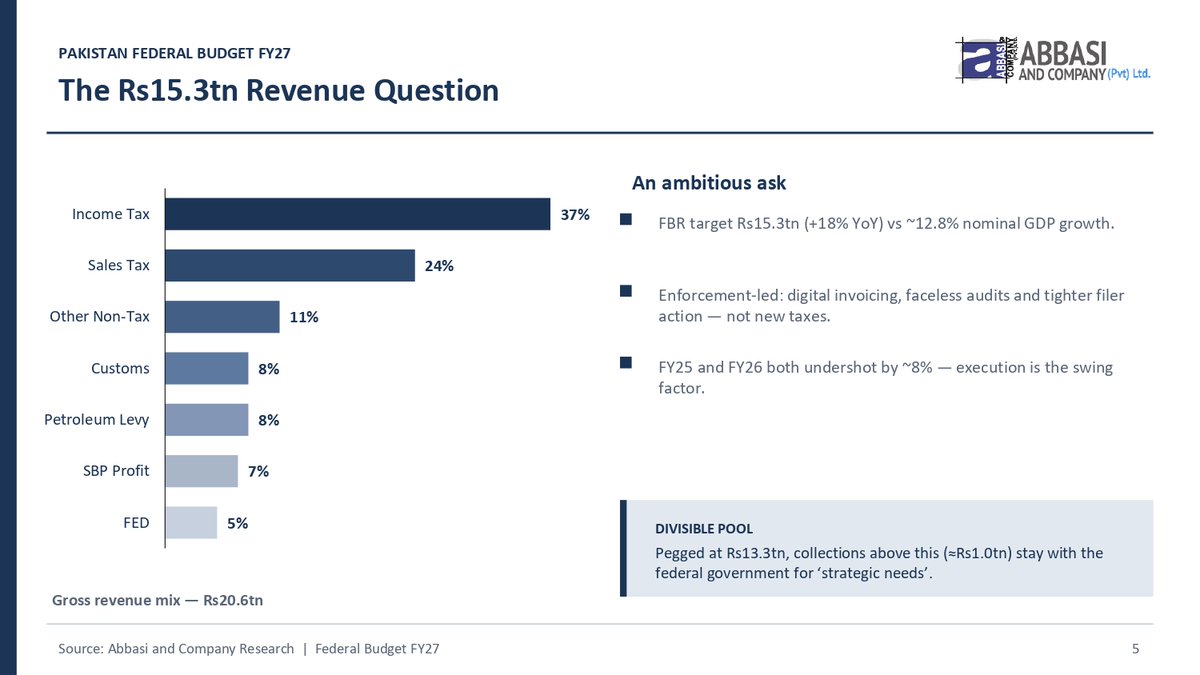
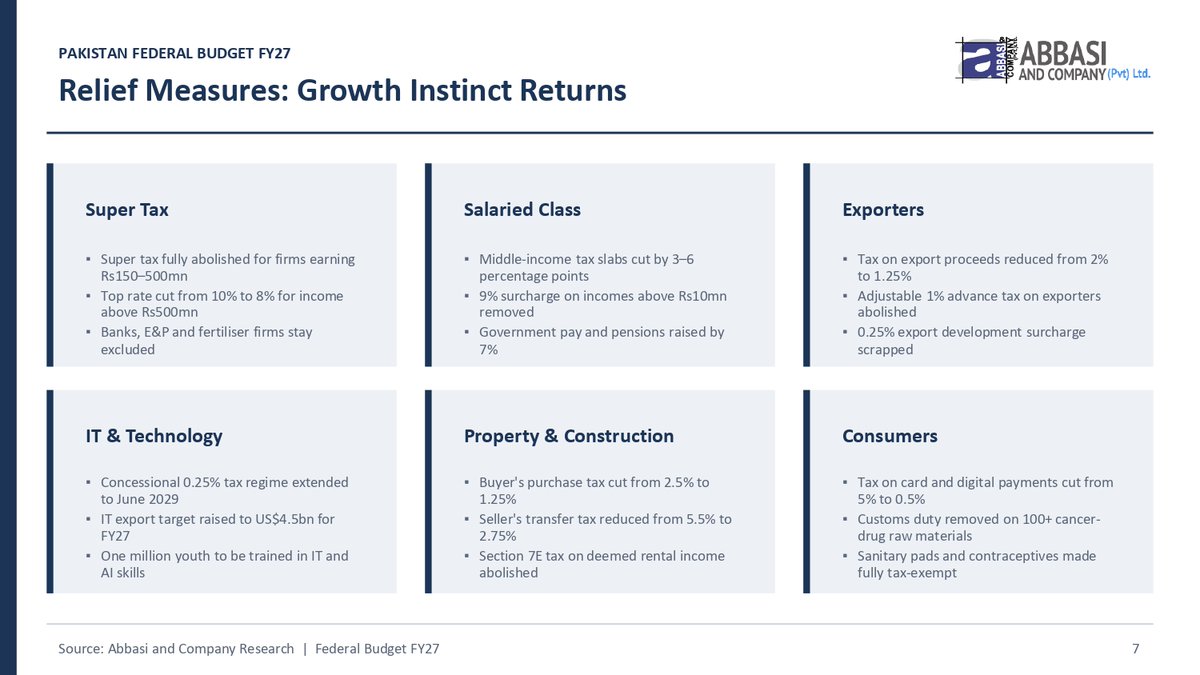
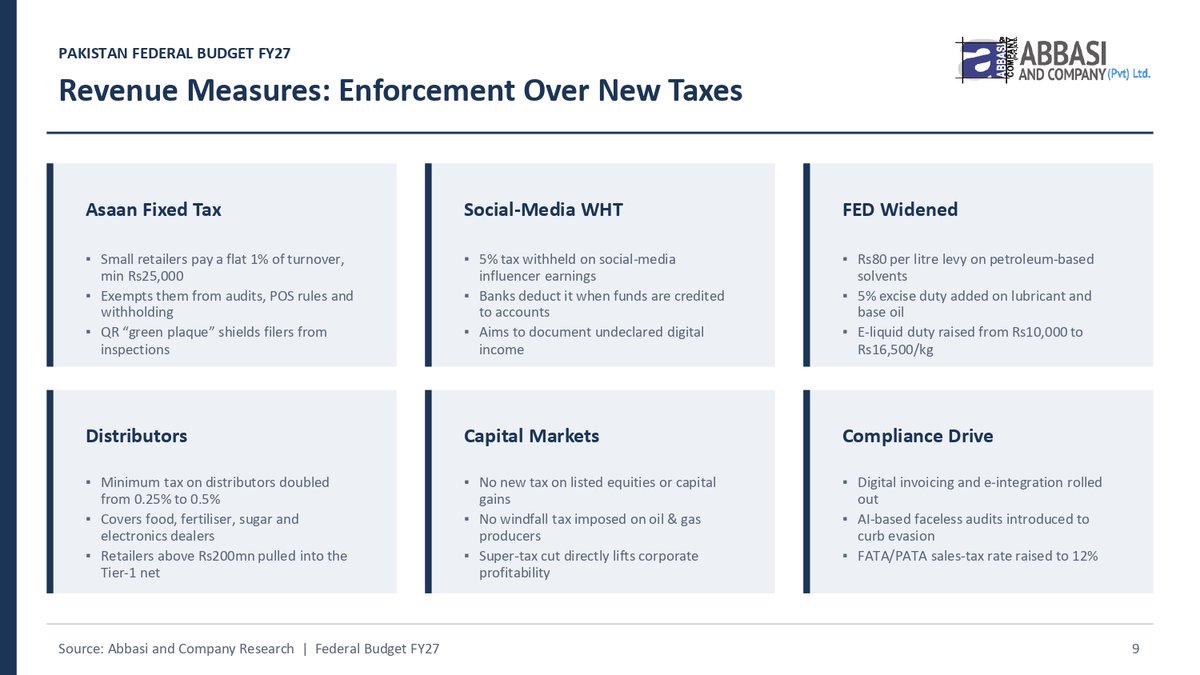
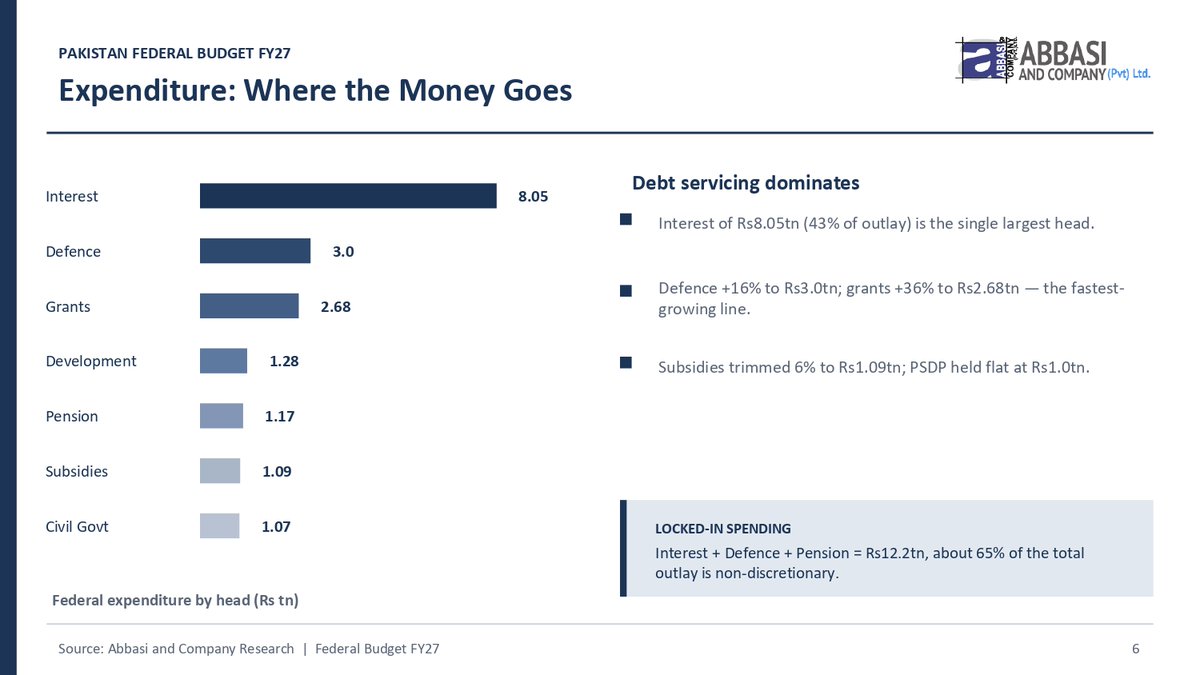
Pakistan's FY27 Federal Budget (PKR 18.8T outlay) pivots from stabilization to IMF-aligned sustainable growth, targeting 4.0–4.1% GDP growth, a 2.0% of GDP primary surplus, and a sub 1% current account deficit.
#PakistanBudget2026 #FederalBudgetFY27 #Budget2026 #PakistanEconomy
4
Pakistan's FY27 Federal Budget (PKR 18.8T outlay) pivots from stabilization to IMF-aligned sustainable growth, targeting 4.0–4.1% GDP growth, a 2.0% of GDP primary surplus, and a sub 1% current account deficit.
#PakistanBudget2026 #FederalBudgetFY27 #Budget2026 #PakistanEconomy
6
Pakistan's FY27 Federal Budget (PKR 18.8T outlay) pivots from stabilization to IMF-aligned sustainable growth, targeting 4.0–4.1% GDP growth, a 2.0% of GDP primary surplus, and a sub 1% current account deficit.
#PakistanBudget2026 #FederalBudgetFY27 #Budget2026 #PakistanEconomy
7

US-Iran deal seems more as an emergency crisis-management pact to reopen vital oil transit lines than comprehensive regional peace treaty Because Israel was sidelined from these direct talks, it remains the primary decision-maker regarding its own security, rendering any declaration of permanent, multi-front ceasefire highly volatile without Jerusalem's compliance. Furthermore, while Pakistan acted as messenger to score points with US , this political maneuvering does not change long-term geopolitical reality: India, UAE, Saudi Arabia, Israel remain deeply aligned on IMEC corridor, a strategic economic architecture that deliberately bypasses Iran and binds region's future to stabilization and eventual normalization independent of Iran's influence.
1
35