
May 3
My deceased father, immigrant from the Basque region, was calling this and all herbicides and pesticides “poison”. Which is what they are.
On rare occasions where pesticides were used, he would separate that forage in the stackyard. It was never fed to any animal that was lactating, pregnant or would be breeding, or would be used for food at our table.
1
13
235

Apr 29
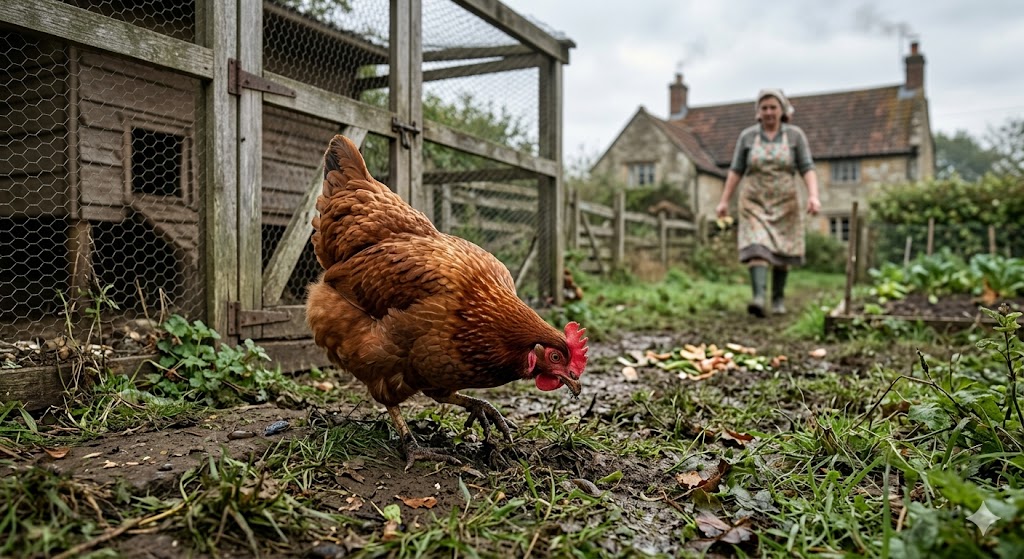
This looks like my MIL going out to the stackyard to get a hen for dinner.They all ran towards her, thinking she was coming to feed them. She waded in, grabbed one and broke its neck to kill it before plucking and cleaning it outside the dairy.
I couldn’t do it. Who could today?
Apr 29

A British egg in 1955 came from a hen that had been outside that morning.
The hen had eaten grass, slugs, beetles, worms, and whatever the farmer's wife had thrown into the run from the kitchen. The yolk of the egg was orange, occasionally so deep an orange it looked almost red. It stood up in the pan when you cracked it. The white was thick enough that you could lift the egg by its yolk on a fingertip if you were careful and the egg was fresh enough.
The hen produced perhaps 180 eggs a year. The flock was small, twelve to twenty birds, attached to the farm or the smallholding or the back garden. Eggs were seasonal, abundant in spring and summer, scarce in autumn, almost absent in winter. A British family in 1955 ate eggs when the hens were laying and ate something else when they weren't.
A British egg in 2026 comes, in the overwhelming majority of cases, from a barn of 16,000 birds confined under artificial light at carefully controlled temperature, fed a formulated diet of soy, wheat, and synthetic vitamins, producing 320 eggs a year per hen by extending the lay through the winter dark months.
The yolk is yellow because the feed contains a synthetic carotenoid called canthaxanthin, dosed to produce the colour the consumer expects. The yolk does not stand up in the pan. It collapses under its own weight, spreading thin across the surface like a slow puddle.
The pasture-raised egg contains roughly three times the omega-3, twice the vitamin E, considerably more vitamin A and D, and more folate than the commodity egg. The peer-reviewed literature has been saying this for twenty years.
The egg has been the standard breakfast protein on the British plate for four hundred years. The modern egg looks like the old egg, costs roughly the same, and delivers approximately a third of the nutrition.
The British shopper, examining the box at Tesco, has no way of knowing this. "Free range" means the hen had access to a door that was theoretically open at some point during her productive life.
A pasture-raised egg from a small producer at the farmers' market costs approximately 50p. A commodity egg from Tesco costs approximately 25p. The price difference is the entire reason the system exists.
Find a small producer. Pay 50p. The yolk will tell you what an egg used to be.
3
1
3
148

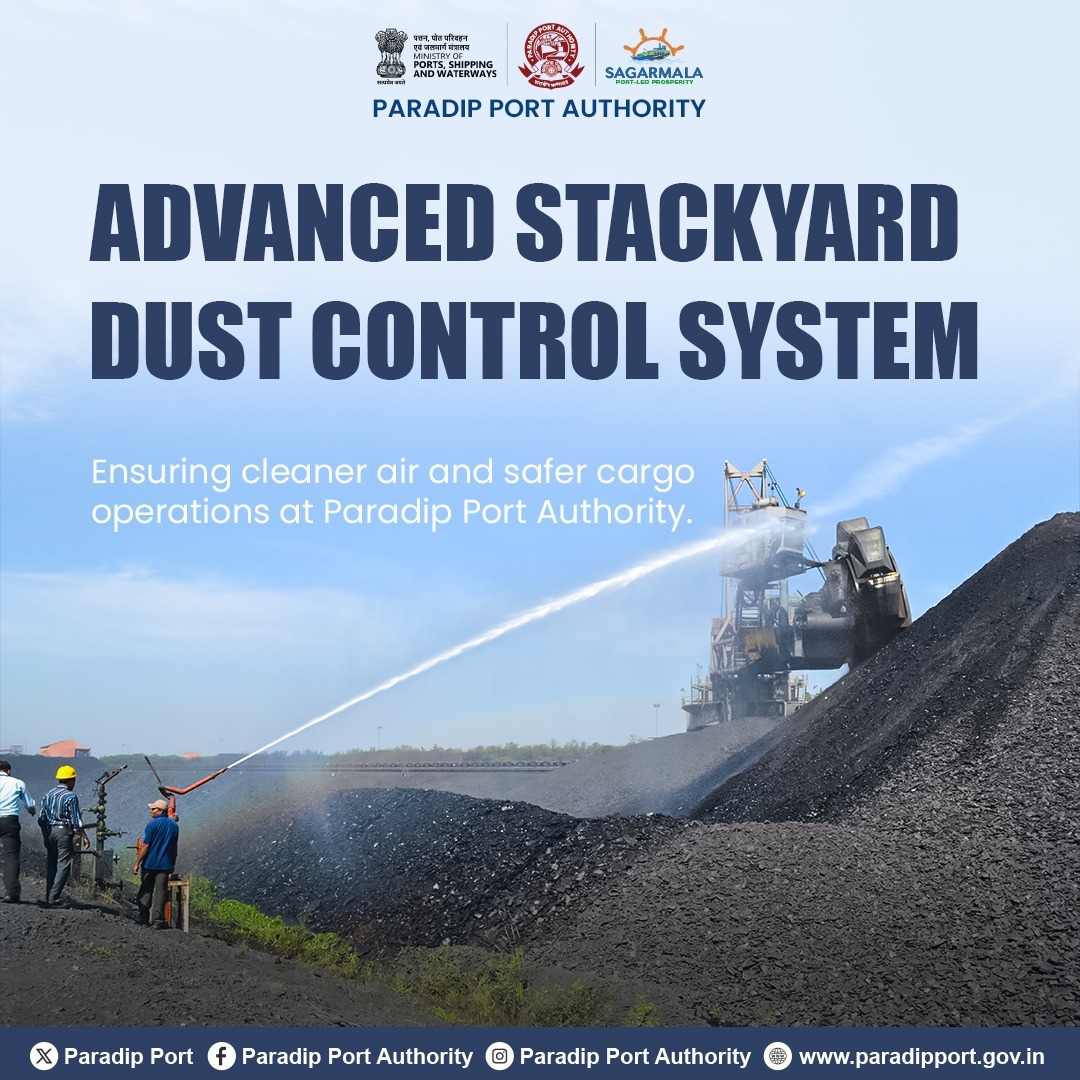
Cleaner operations, safer environment at Paradip Port Authority.
The advanced stackyard dust control system helps reduce airborne particles, protect cargo quality, and improve working conditions across the port. This is supported by continuous road sweeping, dust suppression on internal roads, and maintenance of green belts to keep the port area cleaner and healthier.
Smart systems and sustained ground action together drive responsible and efficient port operations.
#ParadipPort #CleanPort #DustControl #SustainableOperations #GreenPort
@shipmin_india @PIB_India @PIBodisha @PIB_ShipMin
4
167

Morning Fran! Had 16 head of horses come through our place a bit ago. Needless to say our horses 🔥 up like Christmas 🎄 trees!! Exciting times. Gonna head out and make sure they didn’t bother the hay in our stackyard. 🙏🙏
1
2
16

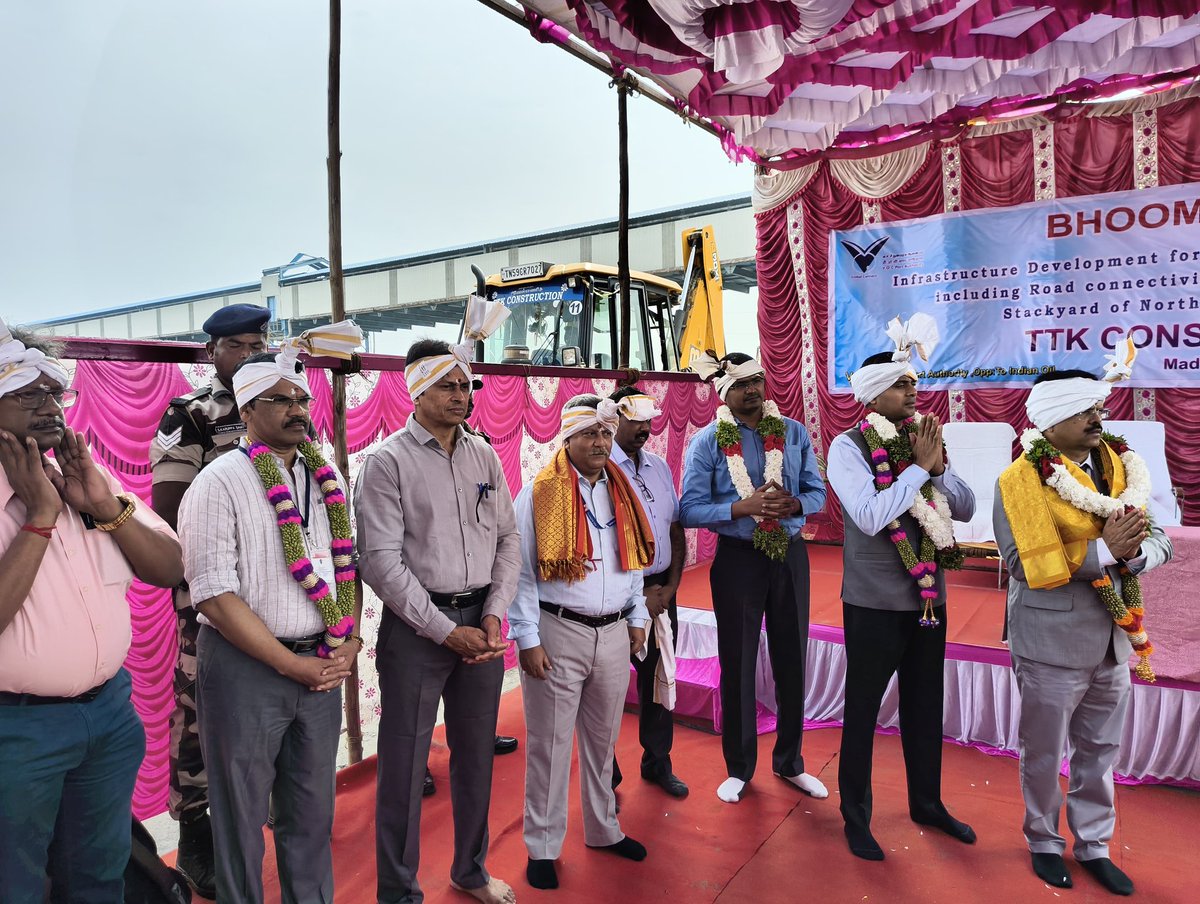
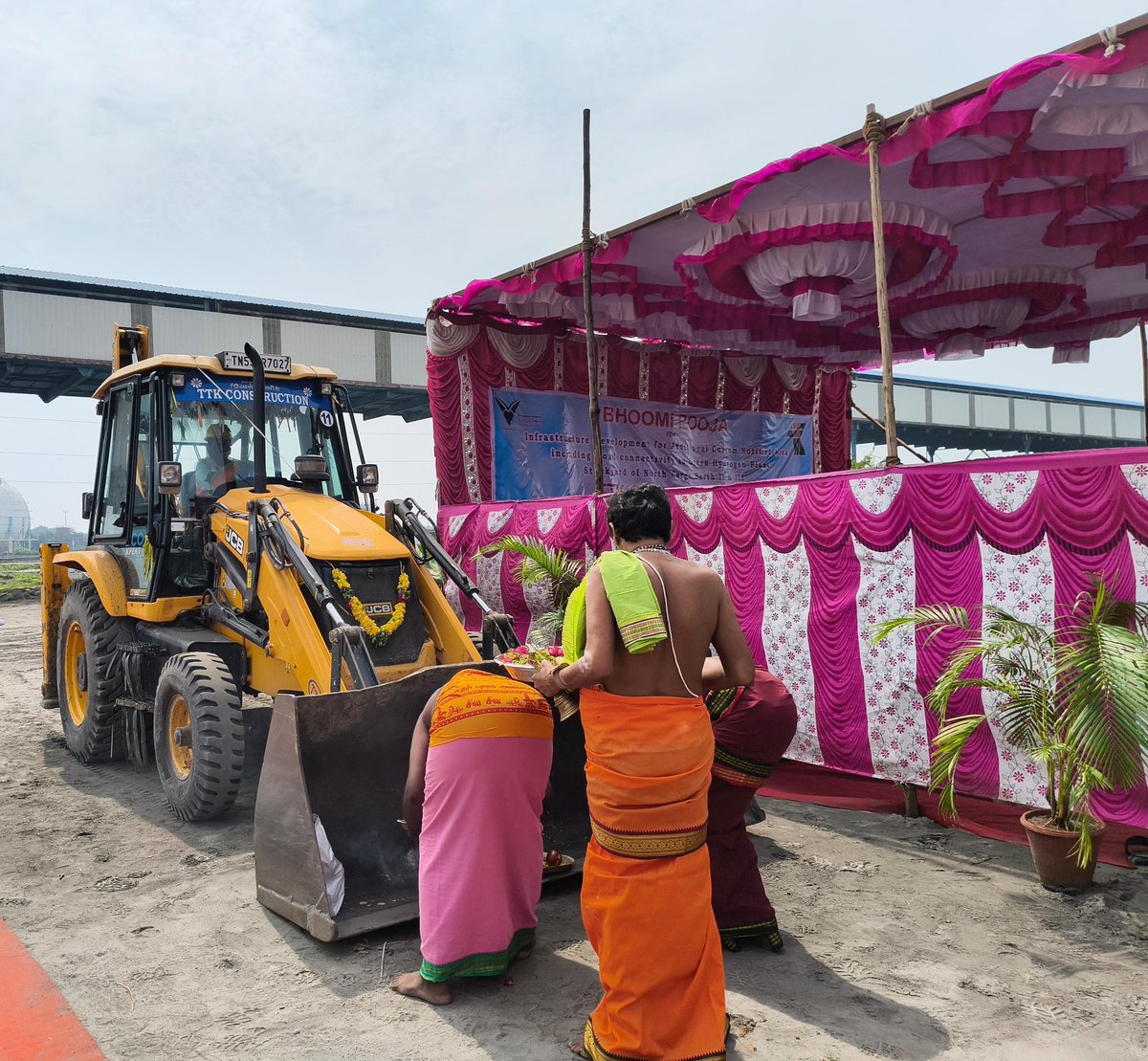
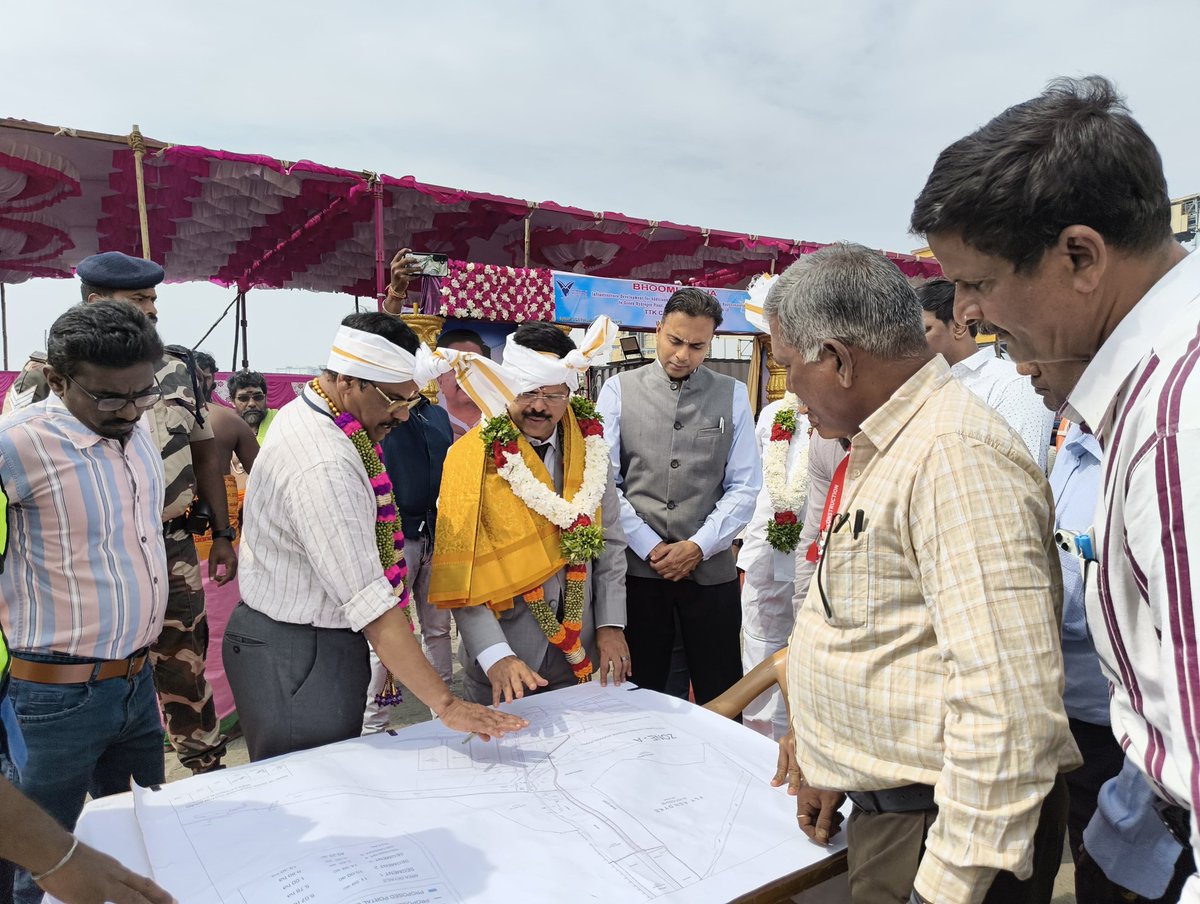
Today, TTK Construction conducted the Bhoomi Pooja for the Infrastructure Development of the Additional Custom Notified Area, including dedicated road connectivity to the upcoming Green Hydrogen Plant and the Stackyard for North Cargo Berth II & III.
Shri Susanta Kumar Purohit, IRSEE, Chairperson, Shri Rajesh Soundararajan, IAS, Deputy Chairperson, and senior Port Officials attended the ceremony.
This milestone infrastructure initiative is set to enhance logistics efficiency, support India’s clean energy ecosystem, and strengthen cargo handling capabilities at VOC Port—reinforcing our commitment to sustainable, future-ready port development.
@PMOIndia
@sarbanandsonwal
@Shantanu_bjp
@shipmin_india
@susanta35
#VOCPortAPortOfTheFuture
#VOCPortTuticorin
#SustainablePorts
#InfrastructureDevelopment
#PortInfrastructure
#GreenHydrogen

9
20
256

6 Oct 2025
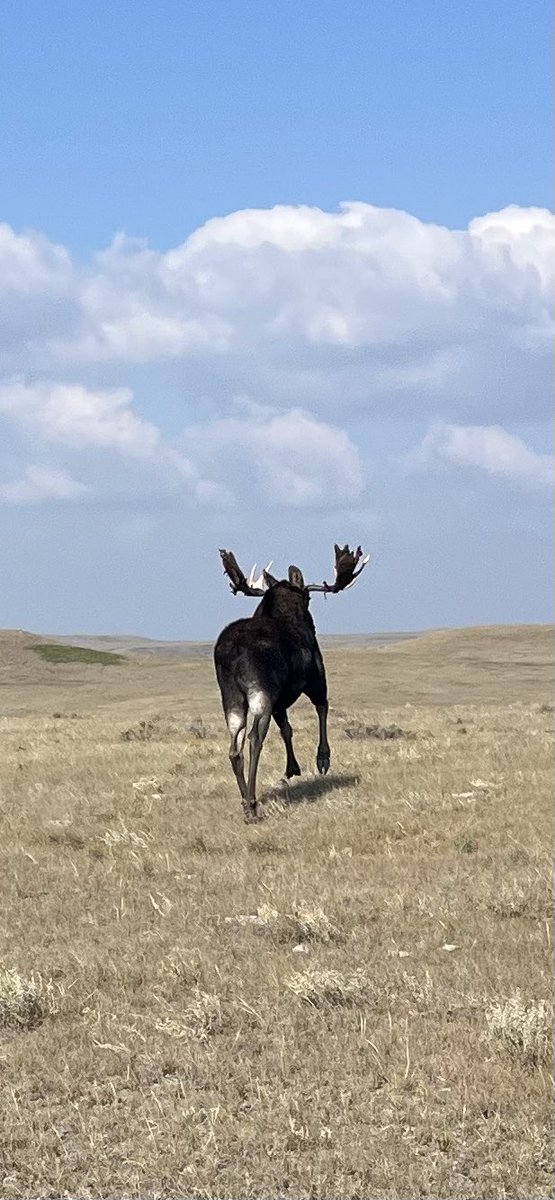
Crazy, elk used to be common here 20 years ago and now I only see one every few years, but I see moose several times a year. Had one in my stackyard all last winter. Took this pic a month ago on my pasture 10 miles south of the Canadian border
1
4
105

Guide to the Galxe campaign: Stackyard Turf Wars
@domaprotocol @D3inc
1. Prove your hustle on the Yard
Buy a domain on d3.app → Relist it → Accept an offer. Only flips between Sept 1, 16:00 UTC – Sept 8, 15:59:59 UTC count. A valid flip = Buy → Relist → Accept.
2. Stake your ground
Buy or renew a domain ending in .ape, .shib, .vic, or .core.
Domains must be purchased/renewed between Sept 1, 16:00 UTC – Sept 8, 15:59:59 UTC. Each user can qualify for 1 Chance NFT.
3. After that, go to → app.galxe.com/quest/D3/GCfMF…
Wait for the data update and claim your NFT.
Deadline: September 8

3
1
14
171

1 Sep 2025
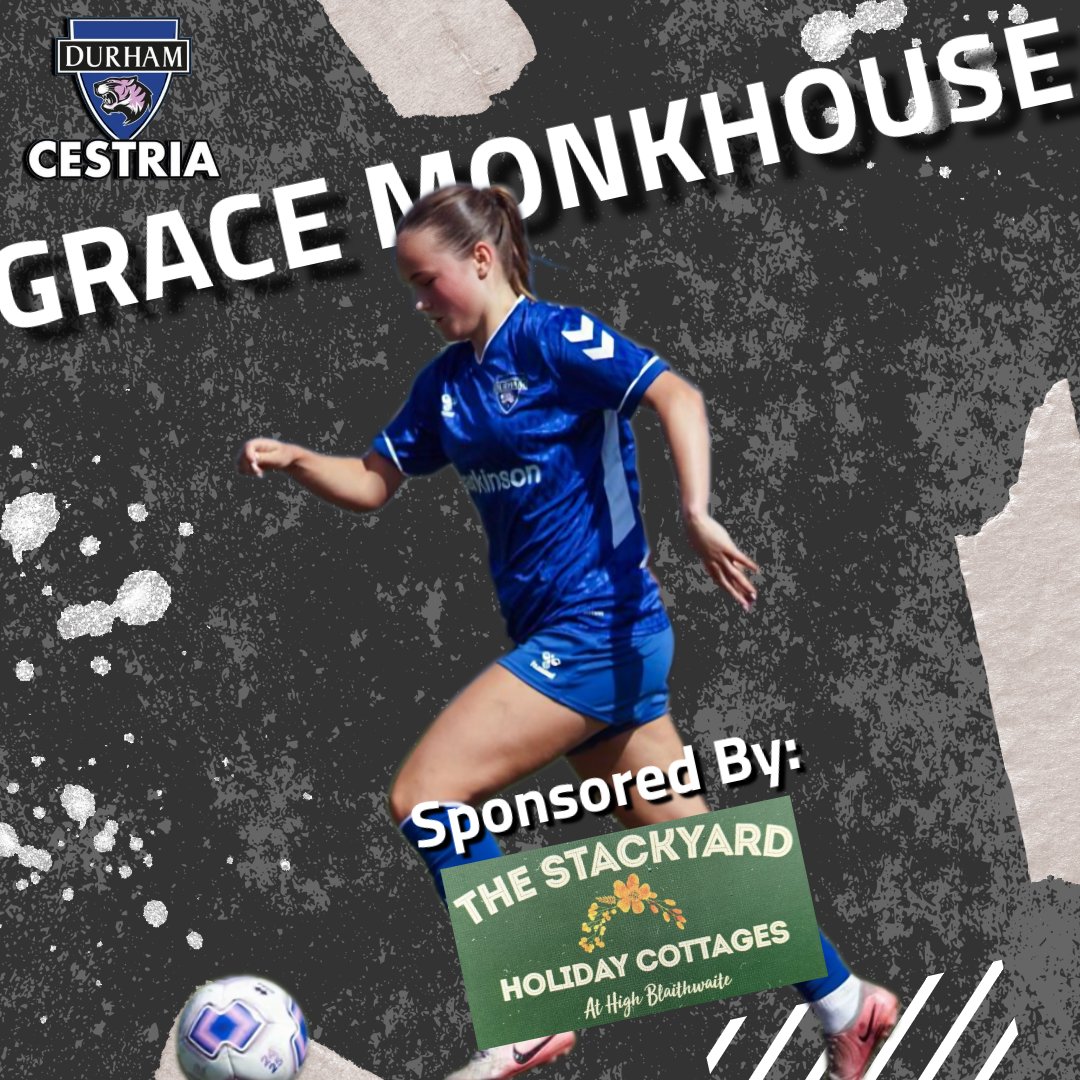
We would like to say a big thank you to The Stackyard Holiday Cottages for sponsoring Grace Monkhouse for the upcoming 25/26 season.
Would you like to sponsor one of our players for the 25/26 season? Email us at cestria.media@gmail.com for more information!
#HearUsRoar
4
398

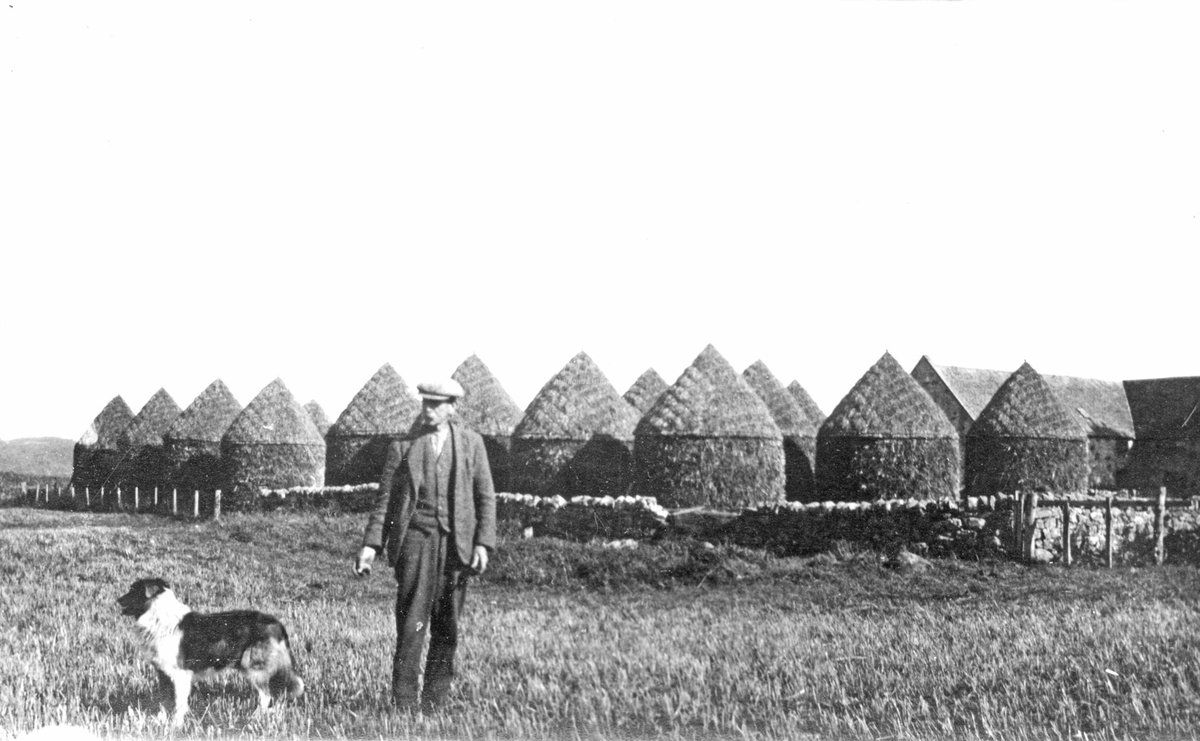
A beautiful stackyard at Achnasoul Farm, Marybank, c1930
[photo courtesy of Lorna Dey]
1
16
64
1,733
Guide to the new Galxe campaign Gaming Galaxy
@domaprotocol @D3inc
Important: this campaign is only for those who have never minted a Chance NFT from the D3 Stackyard collection.
1. Go to → d3.app/
Buy or renew a domain .ape, .vic, .core, or .shib (up to 6 characters) containing gaming-related roots such as: game, loot, quest, xp, raid or branded suffixes like gg, play, fun.
Examples: xp.ape, raid.ape, bagg.ape, replay.ape
The domain must be purchased/renewed between August 25, 16:00 UTC and September 1, 15:59:59 UTC.
2. Go to galxe → app.galxe.com/quest/D3/GCmTu…
Wait for the update and claim your NFT. Credential updates happen at 16:00 UTC on August 27, August 29, and September 1 until all NFTs are claimed.
Deadline: September 1

3
1
10
139

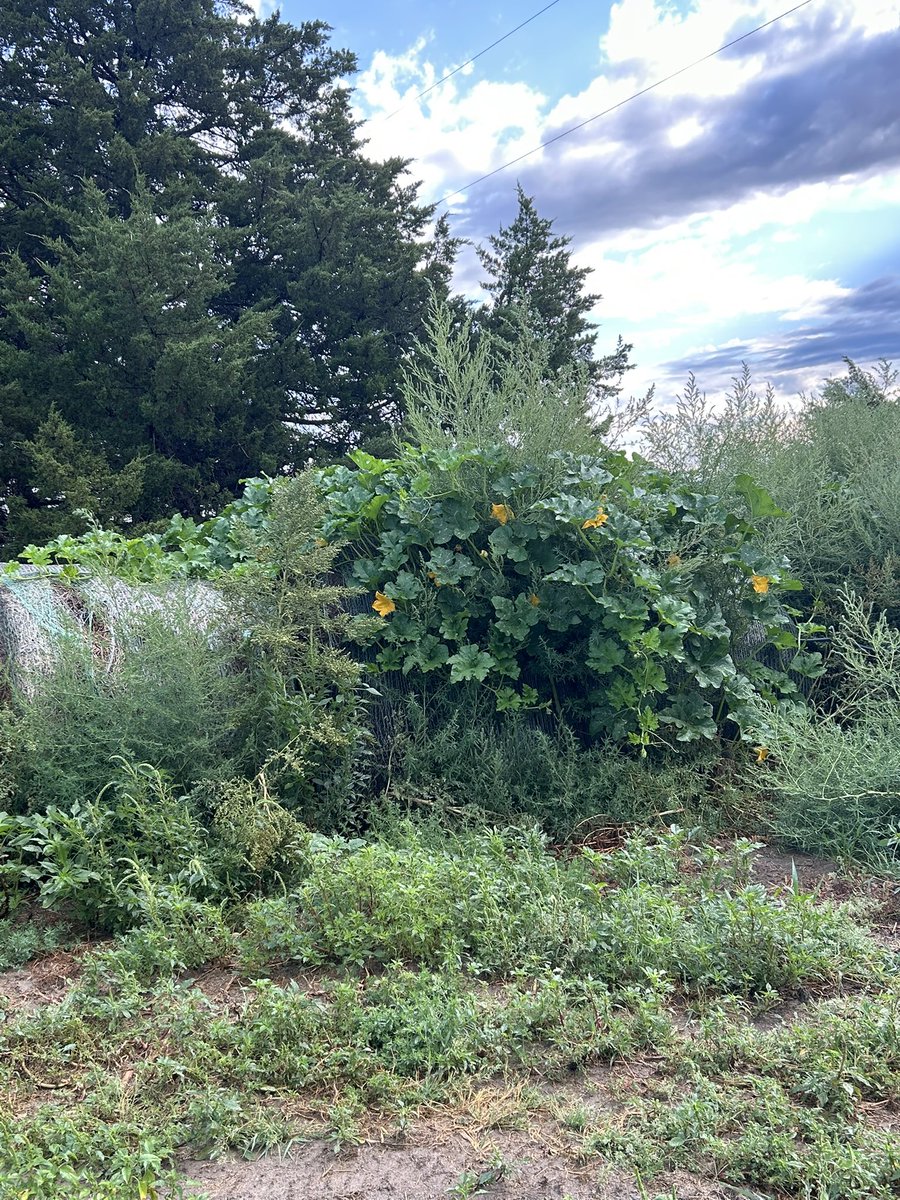

12 Aug 2025
2
24

8 May 2025
49,843 Homeowner vacancy rate (percent).......................... y . Then these agonies began swiftly to subside, and I came to myself as if out of a great sickness. 1%, Hungarian 8. WEALTH IN JEOPARDY—THE REVEL One night, at the end of August, when Bathsheba’s experiences as a married woman were still new, and when the weather was yet dry and sultry, a man stood motionless in the stackyard of Weatherbury Upper Farm, looking at the moon and sky. However, some tradition they dispersed Among the Heathen, of their purchase got, And fabled how the Serpent, whom they called Ophion, with Eurynome, the wide— Encroaching Eve perhaps, had first the rule Of high Olympus; thence by Saturn driven And Ops, ere yet Dictaean Jove was born. 39:4 And it came to pass, that when Zedekiah the king of Judah saw them, and all the men of war, then they fled, and went forth out of the city by night, by the way of the king’s garden, by the gate betwixt the two walls: and he went out the way of the plain. #rugpull,#memetoken,#swap,#floki,#satoshi
8
21

30 Apr 2025
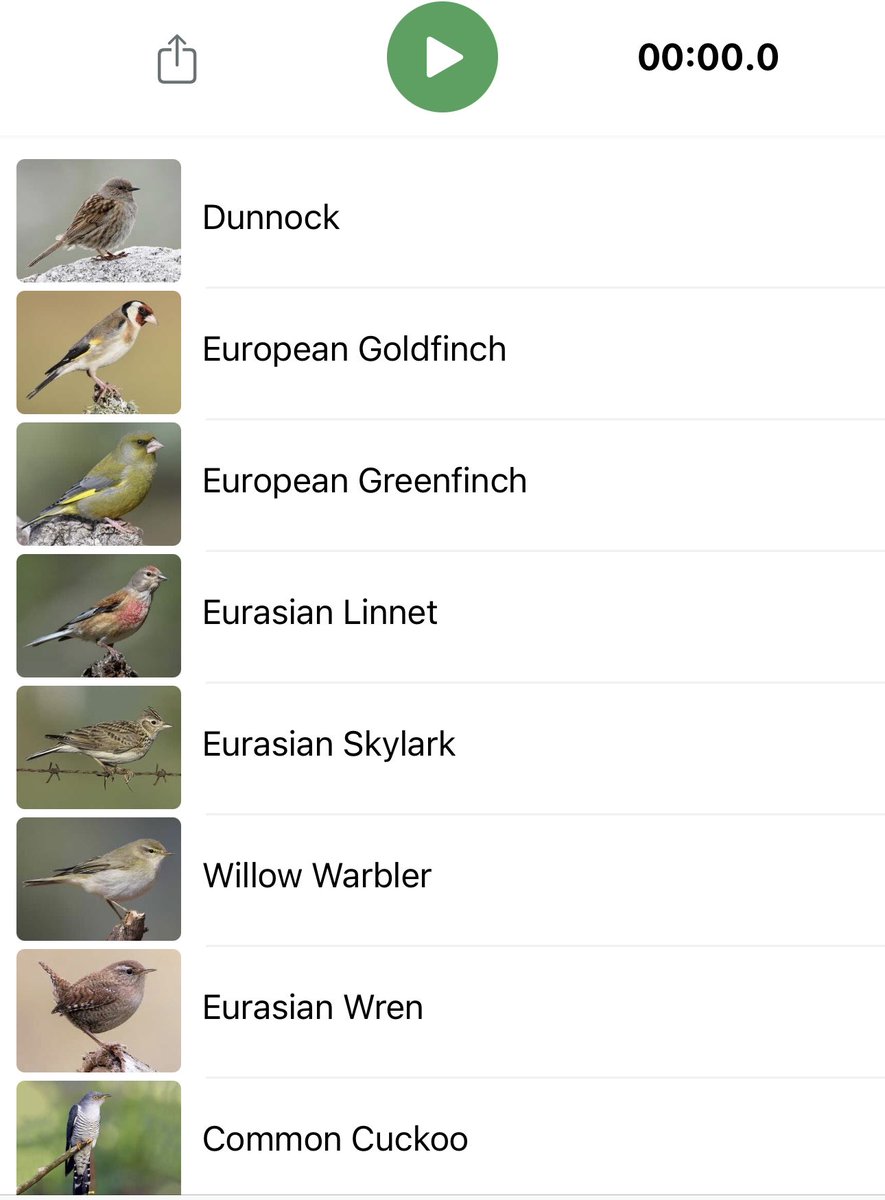
Birds singing away this morning. @MerlinBirdID picked these in a minute from the standing in stackyard. There was also a Curlew and Herring Gulls that never registered. The Skylarks were dominating the airways. 😎
2
7
93
1,274

26 Mar 2025
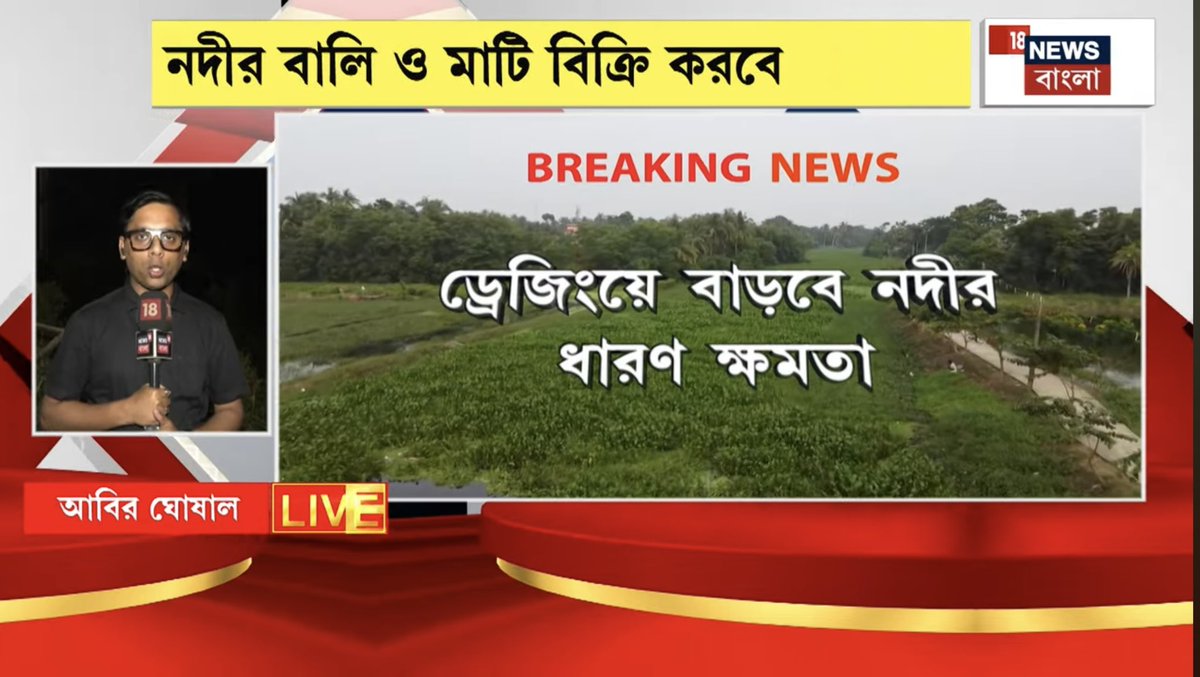
The Dredging wl b carried out by adopting the no cost to the state model, developed by WBMDTCL. Here the engaged contractor apart from paying the royalty on the dredged material, wl give a part of the dredged soil at the govt stackyard, which can be utilized for various purposes.



1
4
114

23 Mar 2025
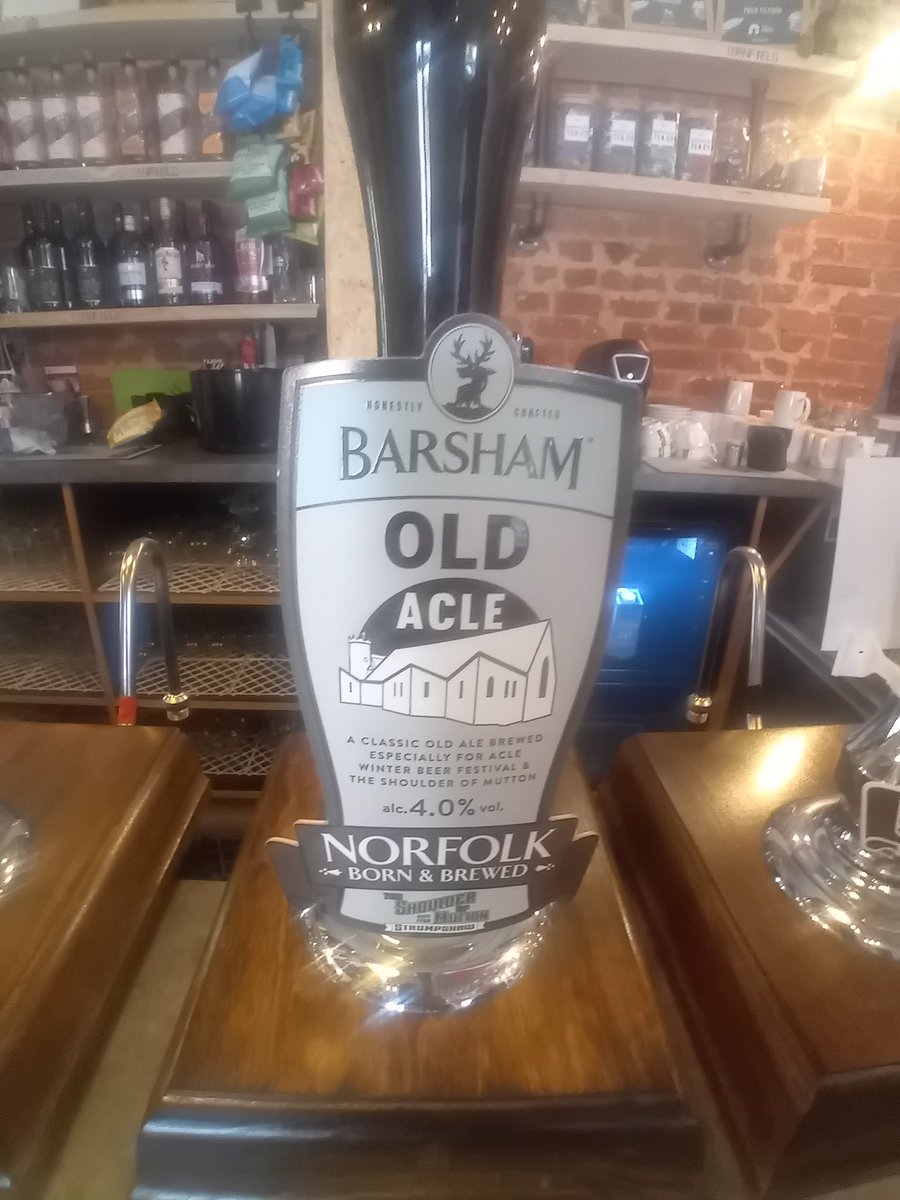
Over at Barsham Brewery for our first ever visit and had 3 bangers off the bar, Golden Close IPA which was stunning, Old Acle and a Guinness beating Nitro Stout called Dark Hour part of the Stackyard , all very enjoyable in a great taproom.
#barshambrewery
#beer #craftbeer
2
2
143


26 Feb 2025
gonna start referring to my inner critic as the Valeyard/Stackyard/Knacker's Yard/Railyard
16
1,359


11 Dec 2024
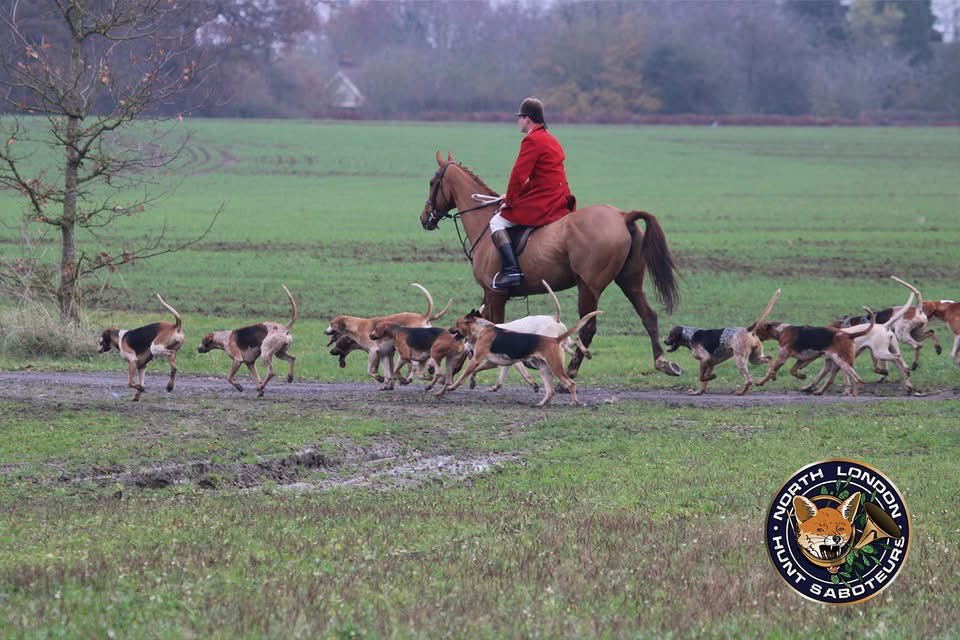
2/9 We arrived to find this deviant bunch hunting at Stackyard Green, with Huntsman …… blatantly casting his hounds into scrub and wooded areas likely to contain foxes.
1
1
4
84