
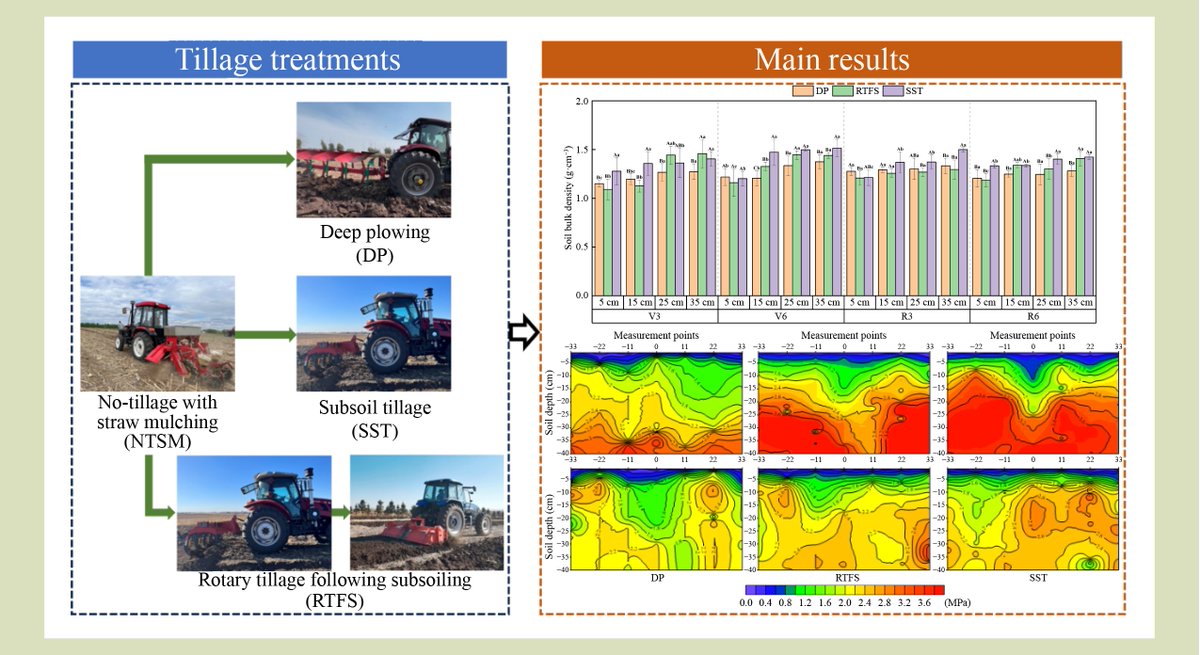
📖This research evaluates three tillage treatments—deep plowing (DP), rotary tillage following subsoiling (RTFS), and subsoil tillage (SST)—following consecutive years of no-tillage with straw mulching (NTSM) in Mollisols. 🌱
Full👉doi.org/10.15302/J-FASE-2026…
#Agriculture
1
16

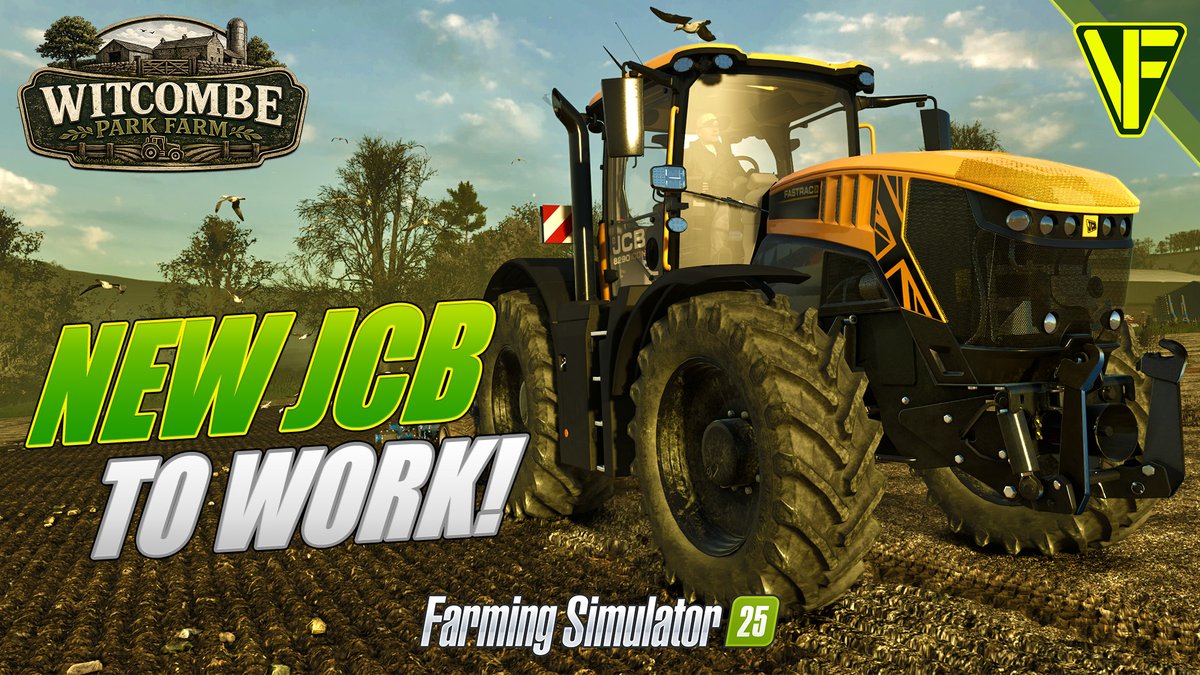
The new JCB finally gets its first proper test 🚜
Today we begin preparing Field 97 for linseed with lime spreading, subsoiling and de-stoning… while the cows receive their first TMR ration 🐄
EPISODE 19 IS LIVE:
youtu.be/ouKrSK3sox4
#FS25 #FarmingSimulator25
2
94

May 10
I did some reading and if the soil is particularly hard or clay like, they will go deep to break it up.
Farmers till deep (also called subsoiling or deep plowing, usually 12–24 inches down) only when the soil below normal tillage depth becomes a problem. It’s not routine and most modern farming tries to avoid it because it burns fuel, disrupts soil biology, and can increase erosion if overdone.
But sometimes it’s the only practical fix. (researched answer)
1
7
2,282

تُعد عملية الفلاحة العميقة (Subsoiling) ضرورية جداً في سورية
خاصة في الأراضي الطينية كسهل الغاب وإدلب،لكسر الطبقة الصماء وتحسين الرشح المائي.
هندسياً، تخفض الكثافة الظاهرية للتربة وتزيد تهويتها، مما يضمن تخزيناً أفضل للأمطار وتغلغلاً أعمق للجذور، لرفع الإنتاجية.
6
10
246
10,395

الفلاحة العميقة (Subsoiling)
تهدف لتفكيك الطبقات الصماء.
تُستخدم بعمق 30-70 سم
خاصة بعد القمح، الذرة، والشمندر السكري لمعالجة انضغاط التربة الناتج عن الآليات الثقيلة. تضمن تهوية الجذور وتحسين تصريف المياه وتغلغلها للأعماق.
3
7
122
3,500


I always double-check the “Weeds as Mineral Indicators” list because I tend to forget the details. My initial instinct was calcium (Ca) with boron (B), and that turned out to be correct. But in case you’d rather not trust my memory, here’s the science behind it.
Soil Health Diagnosis & Remediation Plan Curly Dock Dominated Field – Mineral Imbalance & Compaction
Current Field Condition
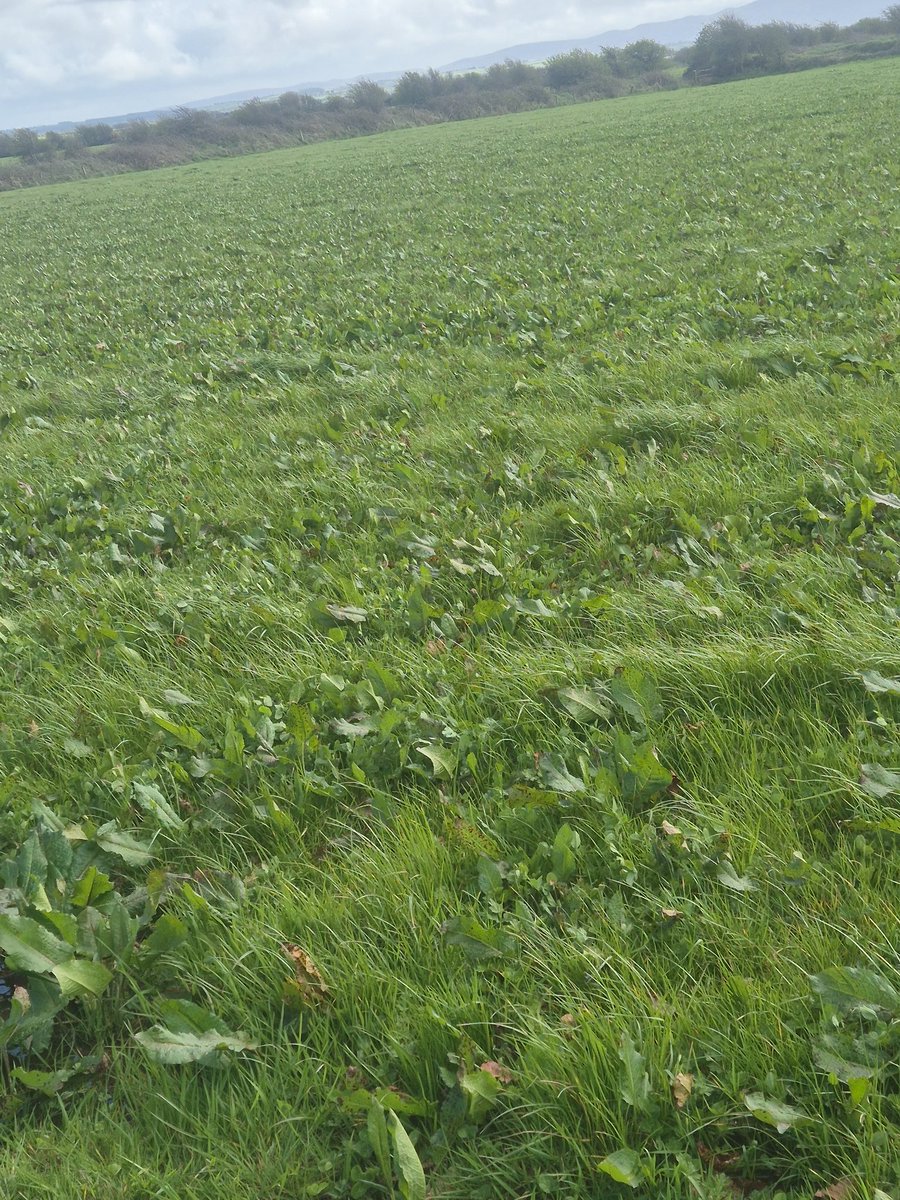
The field is heavily dominated by Broadleaf/Curly Dock (Rumex crispus). Red Clover, a valuable nitrogen-fixing species, is suppressed and largely hidden beneath the weed canopy.
Root Cause Analysis
Curly dock is a symptom, not the disease. The real problem is a mineral and structural imbalance in the soil: Low calcium (Ca) accompanied by elevated magnesium (Mg), phosphorus (P), and potassium (K).
High Mg-to-Ca ratios tighten soil colloids, destroy pore space, and create severe compaction with poor oxygen exchange and anaerobic conditions.
In these conditions, deep-taprooted plants like dock naturally establish. They fracture the hardpan, mine calcium and phosphorus from deeper layers, and cycle nutrients back to the surface.
Important qualification: Claim of “extreme highs in P and K” is inferential yet common. Dock can appear in both low-fertility compacted soils and high-fertility compacted soils. Only a proper Albrecht-style soil test (base saturation percentages CEC) will confirm the exact ratios. Do not assume the highs until you see the numbers.
Herbicide applications would only treat the visible symptom, eliminate the Red Clover investment, disrupt soil biology, and likely increase future weed pressure by leaving the underlying compaction and mineral imbalance untouched.
Remediation Plan
1. Test – Albrecht-Style Soil AssayPull soil samples and request a full Albrecht-method analysis from Logan Labs or Midwest Laboratories. These labs provide the detailed base saturation and CEC reports needed for accurate interpretation.
Key targets include:
Base saturation percentages (aim for Ca:Mg ratio of 7:1 or higher)
Cation exchange capacity (CEC)
A calcium-to-boron ratio near 1,000 ppm Ca to 3 ppm B (critical for calcium mobility and soil flocculation)
This data is non-negotiable before any amendments are applied.
2. Amend with CalciumApply calcium to flocculate the soil and restore pore space:
Use gypsum (calcium sulfate) if pH is adequate or high.
Use calcitic lime (calcium carbonate) if pH is low.
Apply according to the soil test recommendations. Calcium is the primary tool for opening tight, magnesium-dominated soils.
3. Aerate (only if needed)Use a penetrometer to measure compaction. If readings are consistently above 150 PSI, perform mechanical subsoiling or aeration to break the immediate hardpan. This allows calcium to move downward and creates conditions for aerobic microbes to thrive.
4. Stop Herbicide Use. Cease all plans to spray. Herbicides destroy the Red Clover and ignore the mineral and physical deficiencies driving the problem. As soil structure and calcium levels improve, dock populations typically decline naturally.
Additional Recommendations
Tillage radish (daikon radish) would be highly beneficial here. Its aggressive taproot acts as a living bio-drill, further fracturing compaction, improving water infiltration, and scavenging nutrients from deep layers — exactly the remediation work dock is currently performing, but in a desirable cover crop form. Plant it as part of a diverse mix after the calcium amendment.
Other high-value pasture species worth establishing once conditions begin to improve include chicory, plantain, white clover, and tall fescue. These deep-rooted or mineral-accumulating plants complement Red Clover and help maintain better soil structure long-term.
Key Insights from Leading Soil Scientists
William Albrecht: High Mg/Low Ca destroys pore space. Weeds are the inevitable physical manifestation of this colloidal collapse.
Charles Walters: Categorizes curly dock specifically as the primary indicator of a tight, anaerobic hardpan with locked Phosphorus.
John Kempf: Topsoil is locked by high Mg/low Ca; dock uses its taproot to mine Ca and P from the subsoil, bringing it to the surface.
Hugh Lovel: Indicates an interruption in the Boron-to-Calcium transfer. Calcium cannot mobilize to flocculate the soil, resulting in the hardpan that dock prefers.
Horst Marschner: Red Clover roots cannot penetrate anaerobic soils. Curly Dock exudes specific organic acids capable of breaking tight Mg bonds in compacted zones.
Nicole Masters: Weeds are dispatched to do a specific job. Dock is a deep-rooted miner sent to fracture the hardpan and retrieve leached minerals.

Ah, yes. Year 3 beginning of my grass/dock, sorry, grass/red clover sward.
From a field without a dock problem to looking like I'll have to spray off the docks and red clover to get much out of it.
Fabulous 👌
4
650

Bgm cara deteksi dan atasi hardpan:
1. Uji tusuk sederhana
Masukkan besi cor / pralon kecil ke tanah dengan tekanan tangan.
Kalau berhenti tiba-tiba di kedalaman 20–35 cm, hardpan ada di situ.
2. Subsoiling / bajak dalam
Gunakan bajak subsoiler atau chisel plow yang bisa menembus 40–50 cm.
Lakukan saat tanah kering agr lebih efektif memecah lapisan keras.
3. Tambah bahan organik secara rutin
Kompos atau pupuk kandang memperbaiki struktur tanah jangka panjang.
Cacing tanah akan datang sendiri dan mereka adalah subsoiler alami terbaik.
1
1
10
1,857

Apr 11
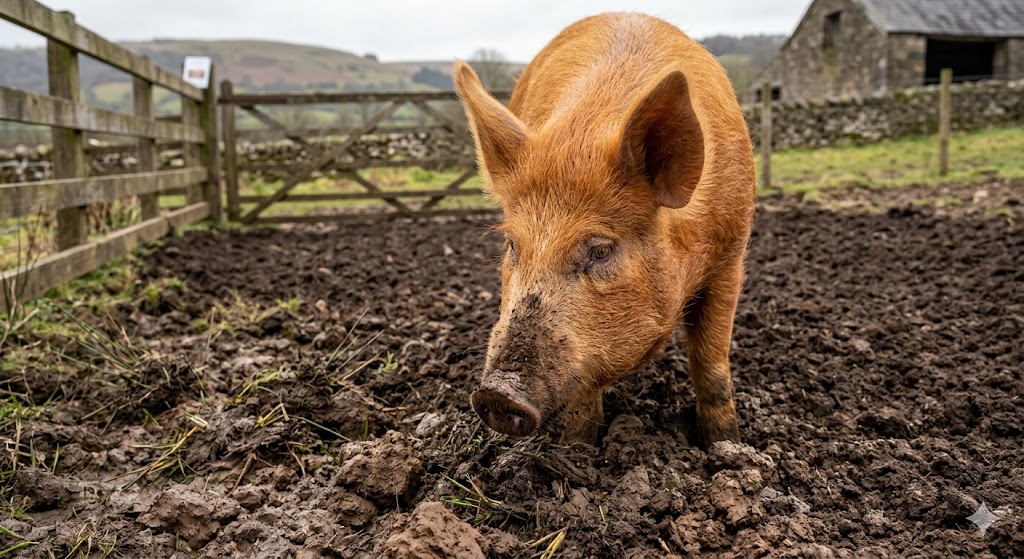
Let me introduce Marged.
Marged is a Tamworth gilt on a small farm in Monmouthshire. She is eighteen months old. She weighs approximately 80 kilograms. She is ginger. She is opinionated. She has opinions about the mud near the gate, the placement of her water, the quality of the root vegetables she is given on Thursdays, and the farmer's scheduling decisions, which she communicates through a vocabulary of grunts so precisely differentiated that the farmer's wife has started keeping a glossary.
Marged is not a ruminant. She has one stomach.
What Marged can do is this.
She can root. She can plough, with her snout alone, terrain that would take a mechanical cultivator half a day. She can turn compacted, rank, waterlogged ground into loose, aerated, worked earth at a pace that has startled two agricultural consultants who came expecting a problem and found a solution in a field in Monmouthshire.
The north paddock had not been productive in six years. Rushes. Standing water. Compaction from a previous tenancy. The farmer had quotes for drainage, subsoiling, reseeding. The quotes were not small.
Marged went in on a Monday.
By Friday the farmer stood at the paddock gate and looked at the turned earth and then looked at Marged and then looked at the earth again.
Marged was looking for something.
She found it.
She ate it.
She moved on.
The paddock will be reseeded in spring. The drainage quote has been filed in the drawer where things go when they are no longer necessary. Marged does not know about the drawer. Marged is working the south section. She has found something else.
111
837
4,690
41,313

Apr 10
Kalau sawah lumpurnya terlalu dalam (terlalu lembek), itu biasanya karena bahan organik belum matang, struktur tanah belum stabil, atau terlalu sering tergenang tanpa pengelolaan. Supaya jadi lebih dangkal dan mantap diinjak, perawatannya fokus ke memperbaiki struktur tanah, bukan sekadar dikeringkan sekali.
Ini langkah² yang bisa dilakukan :
1. Atur pengairan (jangan terus-terusan tergenang)
Jangan biarkan sawah selalu penuh air.
Terapkan sistem basah–kering (intermitten) :
Genangi → lalu keringkan sampai tanah agak retak halus → genangi lagi.
Ini membantu tanah mengikat dan tidak terlalu lembek.
2. Olah tanah bertahap (jangan terlalu sering dibajak basah)
Kalau sering dibajak saat terlalu basah, lumpur makin dalam.
Lakukan pengolahan saat kondisi :
lembab (tidak becek banget)
Bisa pakai :
bajak ringan / garu secukupnya
3. Tambahkan bahan pembenah tanah.
Ini penting banget :
Kompos matang (bukan yang masih panas)
Pupuk kandang matang
Arang sekam / biochar
Fungsinya :
bikin struktur tanah lebih remah
mengurangi tanah liat yang berlebihan.
4. Tanam tanaman perbaikan (cover crop)
Kalau ada jeda tanam
tanam seperti :
kacang-kacangan (legum)
azolla (kalau sawah berair)
Ini membantu :
akar memperkuat struktur tanah
mempercepat pembentukan lapisan tanah yang stabil.
5. Perbaiki lapisan keras (hardpan)
Kadang di bawah lumpur itu ada lapisan keras yang bikin air ngendon di atas.
Solusinya :
sesekali lakukan pembajakan agak dalam (subsoiling sederhana)
tapi jangan terlalu sering ya.
6. Jemur sawah (pengeringan periodik)
Setelah panen, biarkan sawah :
kering beberapa minggu
Ini membantu :
lumpur menyusut
tanah jadi lebih padat alami.
Yang perlu dihindari adlh :
Terlalu banyak pupuk organik mentah (bikin makin becek)
Genangan terus tanpa kontrol
Traktor masuk saat tanah terlalu lembek (makin dalam lumpurnya).
Lumpur dalam itu bukan masalah yang tidak bisa diatasi, tapi tanda tanah belum stabil.
Kuncinya : atur air matangkan bahan organik perbaiki struktur tanah pelan-pelan.
Semoga Bermanfaat...🙏
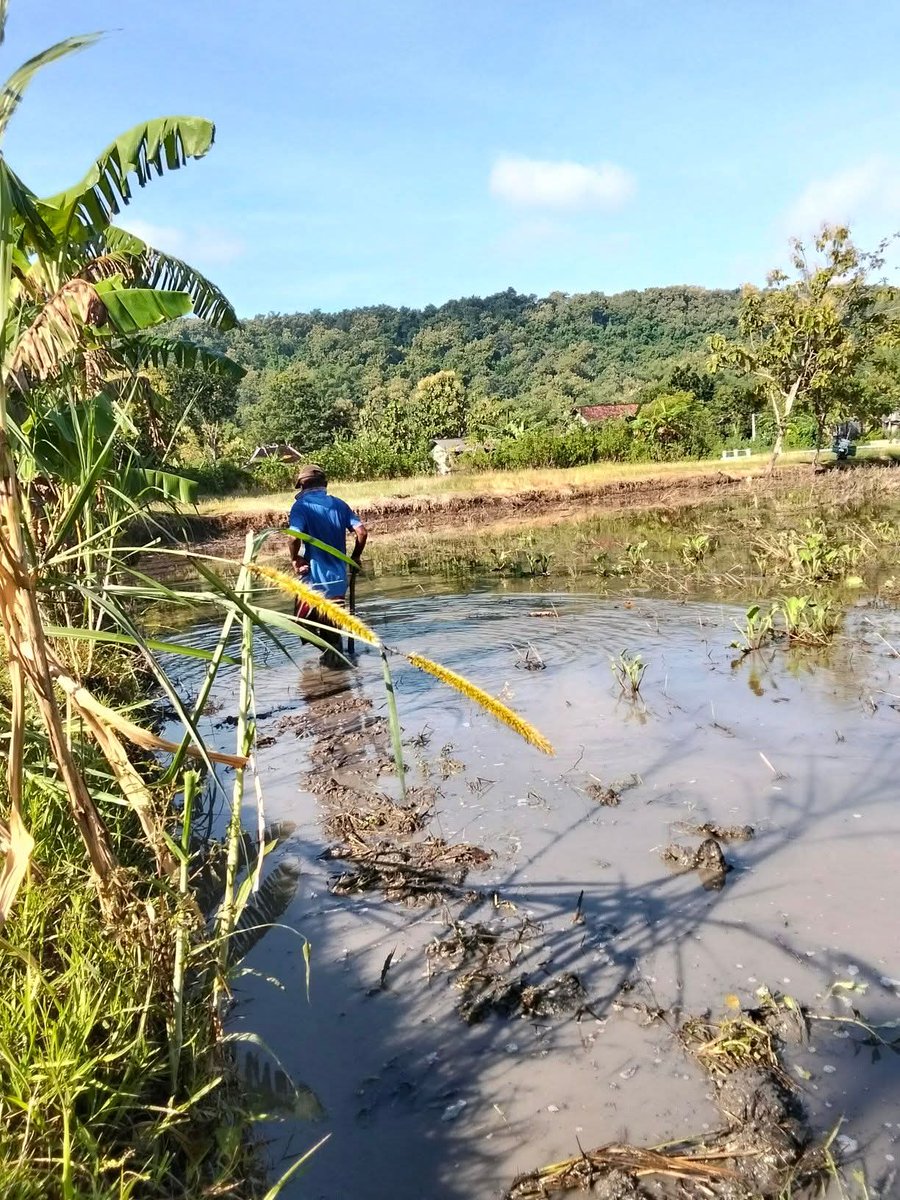
Foto hanya pemanis 😚
5
32
105
3,432

Mar 12
Pretty flat. Some place like that could be served by keyline subsoiling. The theory being to channel away from the water from the points of concentration and towards the drier ridges. Nice way to refresh a pasture seeding behind the rips too.
2
18

Jan 23
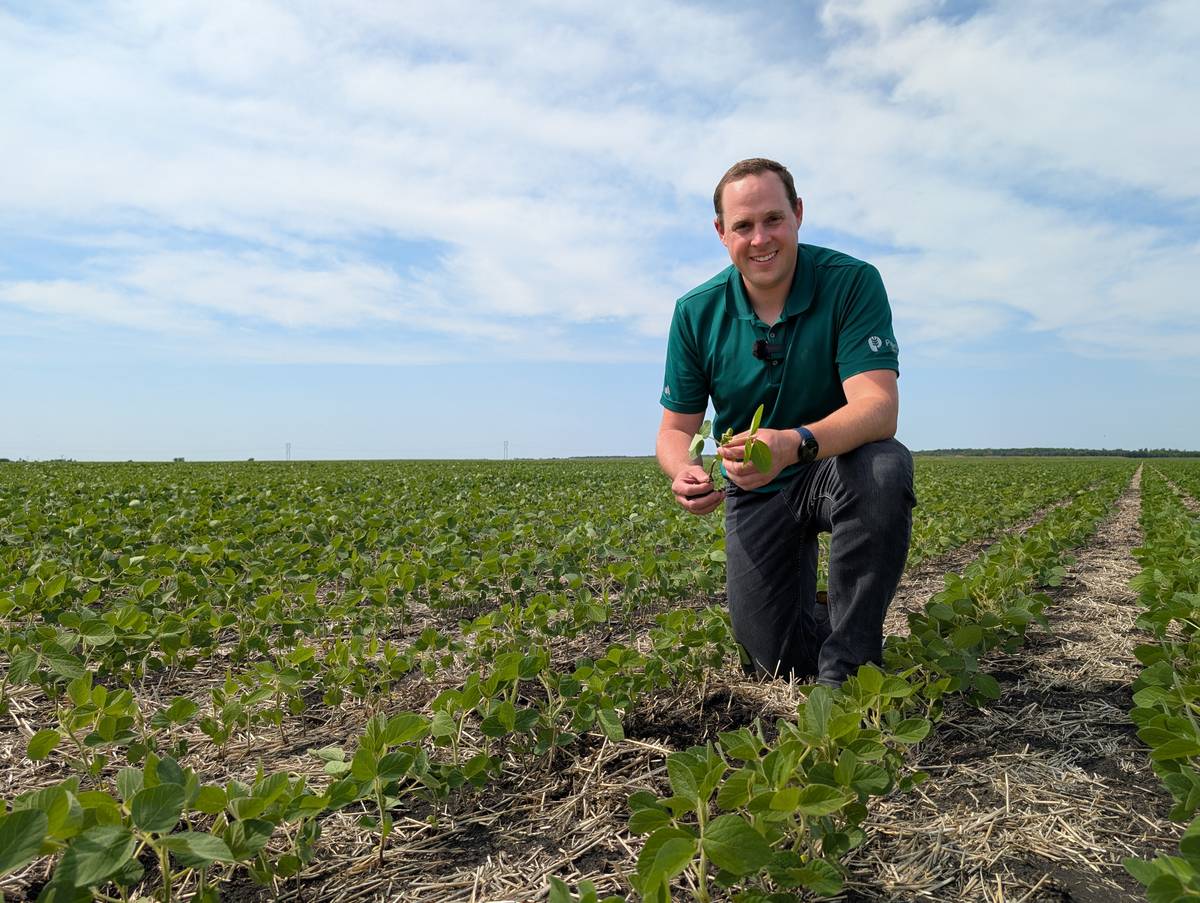
Fine-tuning subsoiling can enhance soybean yields significantly. Laird Lampertz shares insights from Pitura Seeds on optimizing this practice.
👉 Read more: ow.ly/Bnhr50Y1rRT
#cdnag #soybeans
2
2
1,533

NEW in Agricultural Water Management
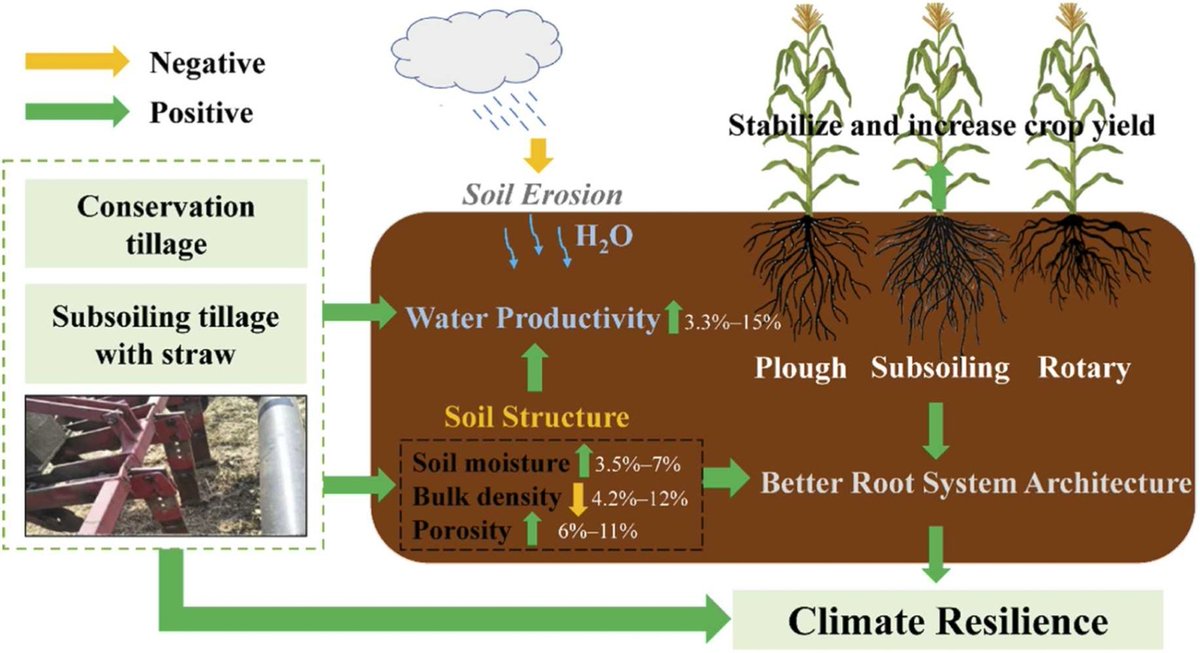
Subsoiling with #straw return optimizes the maize #root system and #water productivity
doi.org/10.1016/j.agwat.2026…
#SoilOrganicCarbon #soil #agriculture #Roots #landuse #Fertilisers #rhizosphere #carbon #maize
1
3
22
755

29 Dec 2025
Agronomist chasing 100 bushels per acre in soybeans
Agronomist:
✅ Fertilization
✅ Liming
✅ Subsoiling
✅ Nutritional management
✅ Fungicide management
Climate 🌧️🌧️🌧️
30 days without sunlight 🌫️
Agro never stops. O Agro Não Para.
Brazil🇧🇷
1
10
1,327

18 Dec 2025
***NEW** #OpenAccess
Subsoiling Combined With Winter Active Italian Ryegrass Can Reduce Nitrous Oxide Emissions Without Increasing Nitrate Leaching: Evidence From Lysimeter and Field Plot Trials
Liu et al.🇳🇿🇨🇳
@Soil_Science @LincolnUniNZ @mwlr_nz
doi.org/10.1111/sum.70155
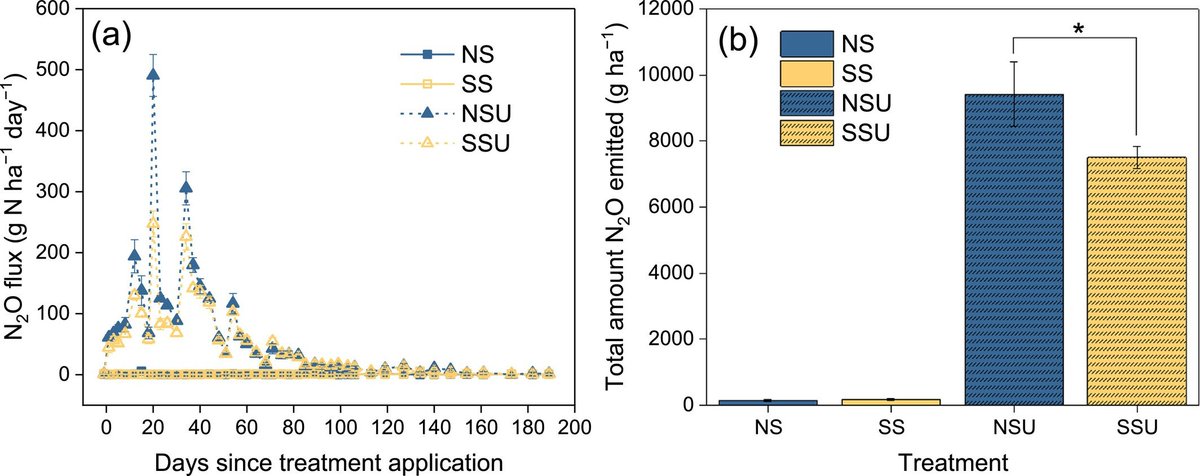
ALT N2O emissions from lysimeters over the period of the experiment. (a) Daily N2O fluxes; (b) total N2O emissions. The vertical bars indicate the standard error of the mean (SEM), n = 4. Stars above the bar indicate whether the difference between subsoiling (SS) and non-subsoiling (NS), or between subsoiling urine (SSU) and non-subsoiling urine (NSU) (*p < 0.05, **p < 0.01, ***p < 0.001).
2
5
400

16 Dec 2025
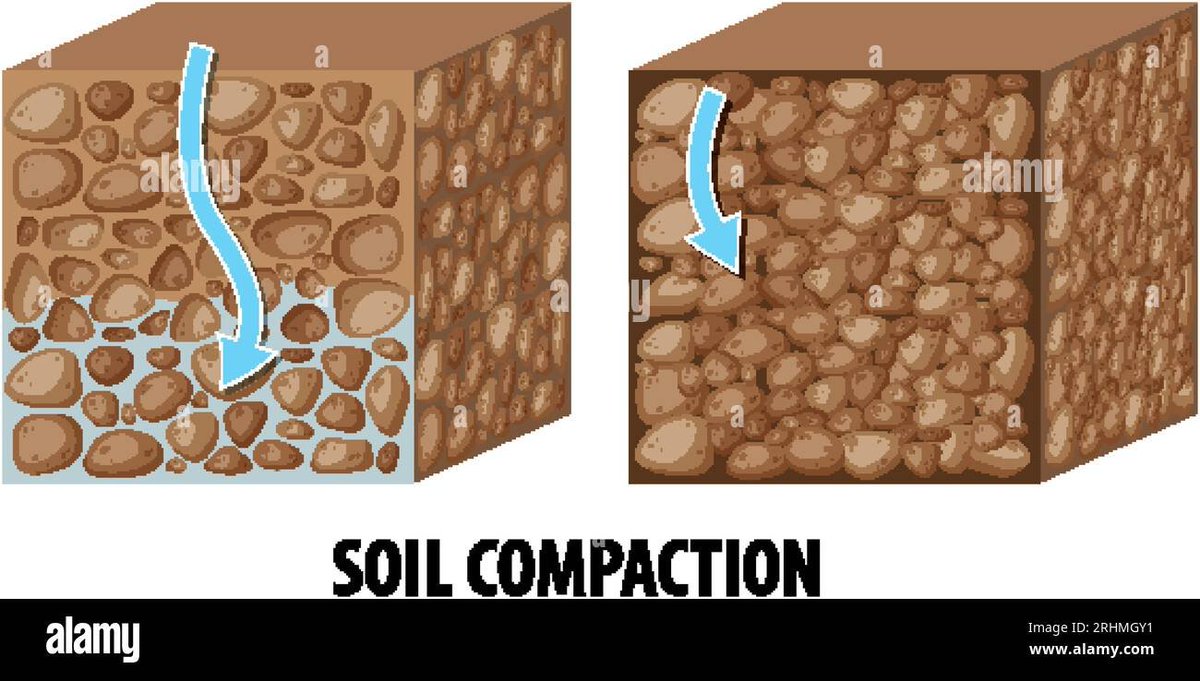
Soil Compaction: A Silent Threat to Farm Productivity and How to Eliminate It for Good
Soil compaction is one of the most underestimated threats to farming productivity because it develops quietly beneath the surface while steadily reducing yields and profits. It occurs when soil particles are pressed tightly together, reducing pore spaces that normally hold air and water. Compacted soils restrict root growth, limit water infiltration, and reduce nutrient uptake, leaving crops stressed even when rainfall and fertilizers are adequate.
For farmers, the impact of soil compaction is severe. Roots struggle to penetrate hard soil layers, resulting in shallow root systems that are vulnerable to drought and nutrient deficiencies. Water infiltration slows down, causing surface runoff, erosion, and waterlogging. Beneficial soil organisms decline because oxygen levels drop, weakening natural soil fertility. Over time, crops show uneven growth, poor vigor, and declining yields despite increasing input costs.
Overcoming soil compaction begins with identifying the problem. Signs include standing water after rain, hard soil layers that resist penetration by a spade or roots, poor root depth, and patchy crop growth. Once detected, farmers can take corrective action. Mechanical loosening, such as deep ripping or subsoiling, can temporarily break compacted layers, but this must be done only when soil moisture is right to avoid further damage.
The most effective long-term solution lies in biological soil management. Incorporating organic matter through compost, manure, cover crops, and crop residues improves soil structure and resilience. Deep-rooted crops such as legumes, radishes, and grasses naturally break compacted layers while feeding soil organisms. Controlled traffic farming, limiting machinery movement to specific paths, prevents repeated pressure on the same soil areas.
Continuous field management is the key to ending soil compaction permanently. Avoid working fields when soils are wet, as this is when compaction is most severe. Reduce unnecessary machinery passes and match equipment weight to soil conditions. Maintain permanent soil cover through mulching or cover crops to protect soil from impact and crusting. Regular crop rotation with root-diverse crops maintains soil porosity and strength.
By shifting from heavy, repetitive disturbance to soil-protective practices, farmers can restore soil structure, improve water and nutrient efficiency, and achieve stable, high yields. Managing soil compaction is not a one-time fix but a long-term commitment that turns soil from a limiting factor into a powerful production asset.
3
5
701


31 Oct 2025
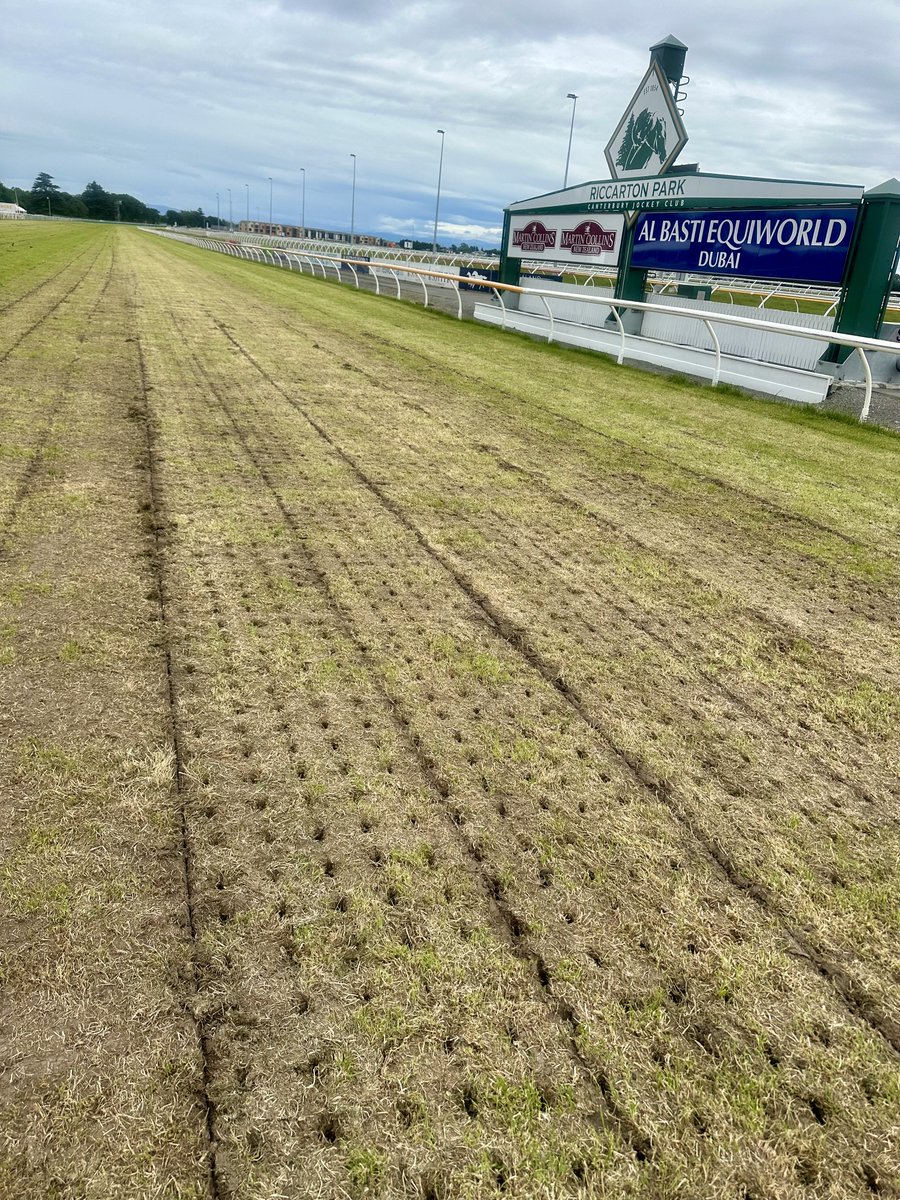
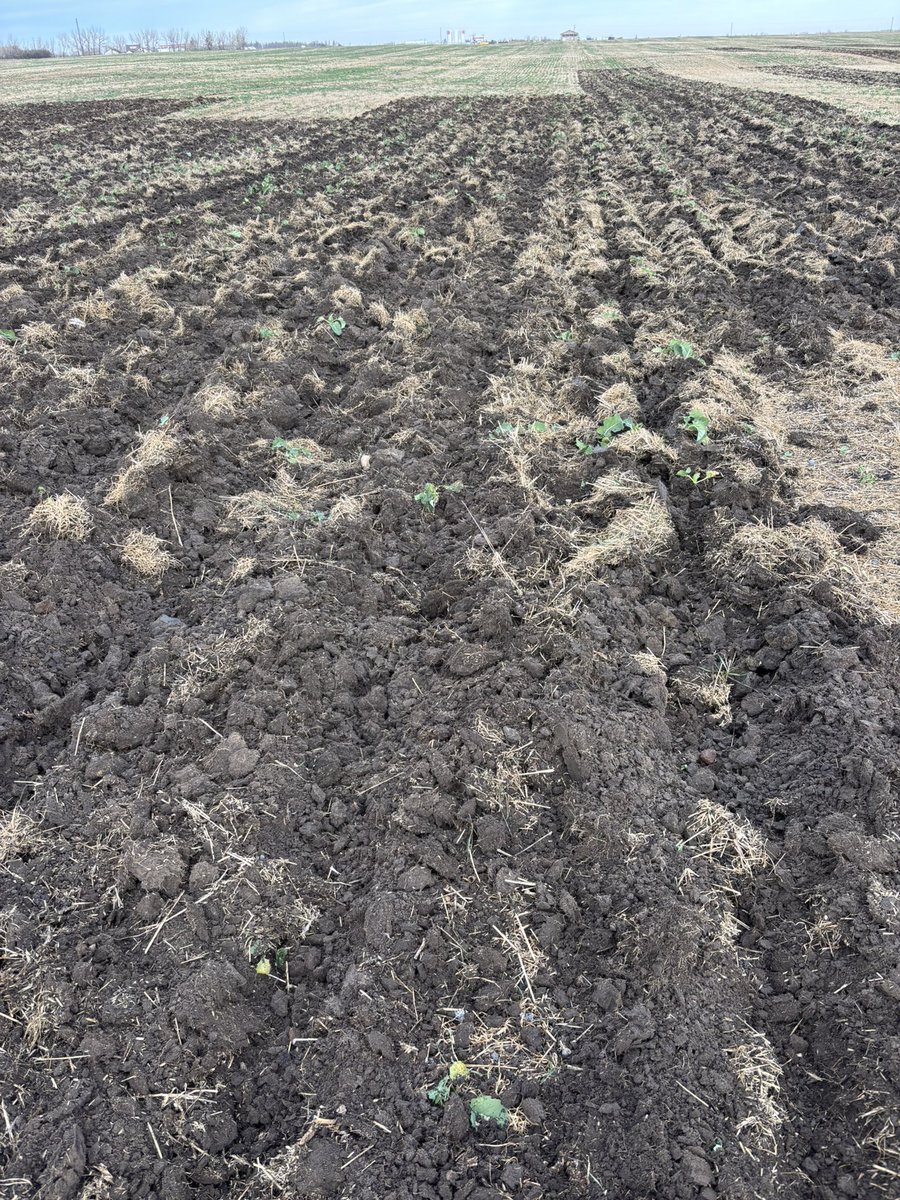
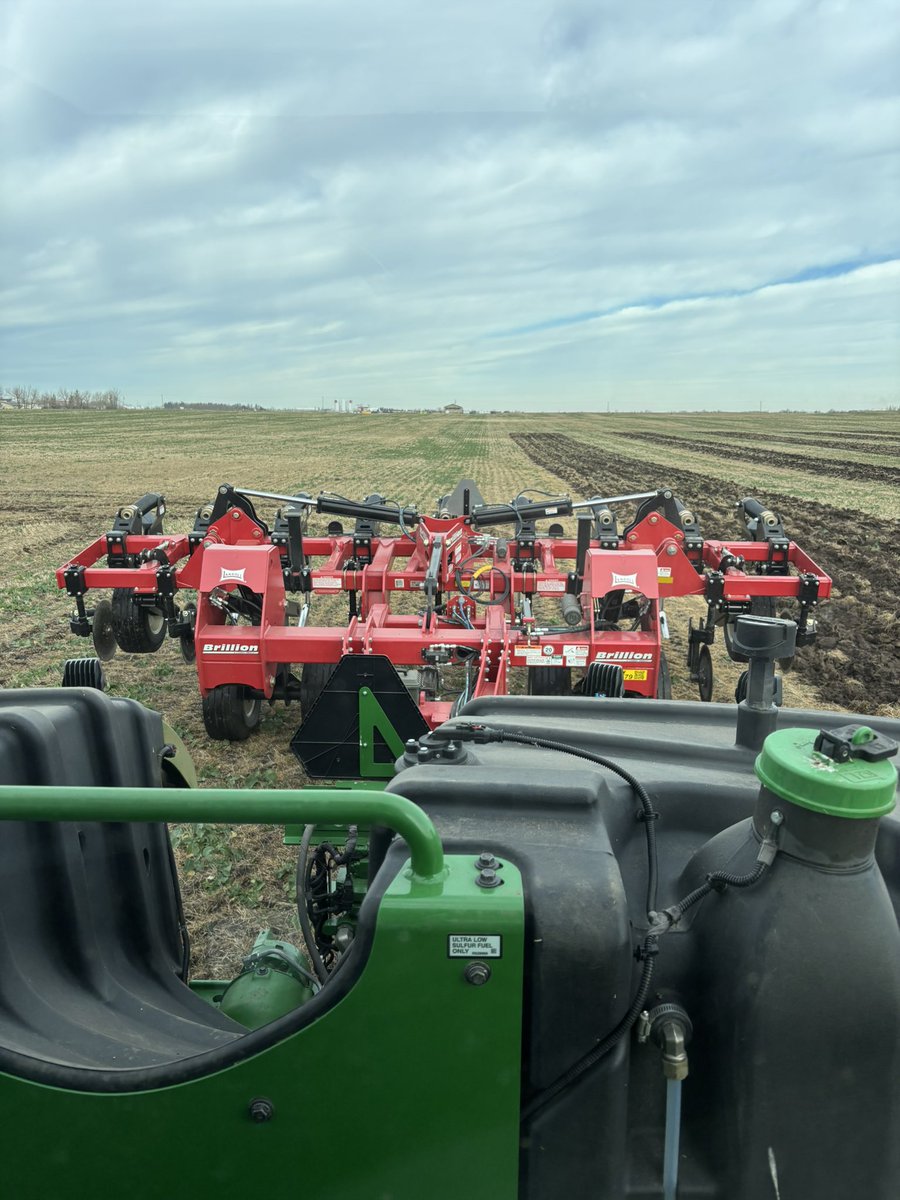
Subsoiling with on/off maps based on @swatmaps with the goal of improving areas with increased sodium levels. Looking forward to seeing the results next year!
5
4
39
7,632

15 Oct 2025
📢 #highlycited paper
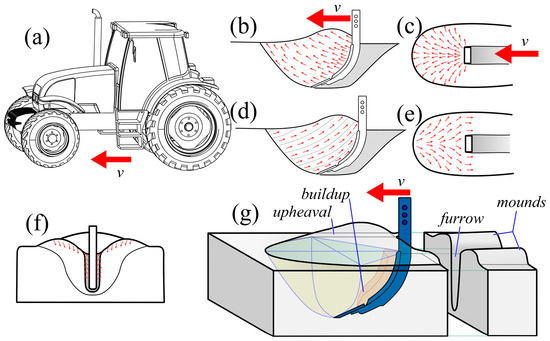
📚 Simulation of #DraughtReductionPerformance of #Subsoiling with #UpcuttingBelt Motion Using #DiscreteElementMethod
🔗 mdpi.com/2076-3417/14/3/1313
👨🔬 by Peng Gao et al.
🏫 Jilin University
#subsoiler #continuousbelt #draughtforce #soildisturbance
1
55