
There will be a lot of money flowing into the space sector but it is also a VERY costly sector that will mostly be based on government-backed financing, which has more unnecessary red-tape and overhead than ever (and it will have much more now).
Most of the cutting edge research will still be driven by innovation in AI and Software Engineering. There's a lot of military activity in that space lately as well, particularly in terms of simulation engineering which faces the same challenges but is theoretically significantly less costly, but the profit is microscopic compared to consumer products.
The hard problems are still mostly to be discovered and countless low-level infra problems will arise that will require outside-the-box innovation and thinking and 100% of these orgs are going to be small AI-powered Software Startups, and it's very unlikely that it will come from one of today's popular AI tools rather than tomorrows.
Let's also not forget that the bulk of this equity still belongs to *individuals* and not groups, *owners* not employees. The ones that move the needle on the product and its profitability directly, not the people who maintain its supportability whether through sales, marketing, IT, analytics, or even GTM.
We're going to see a new boom of investment capital that's going to look very different. We'll see less vehicles and more modular component-based structures that try to reimagine the whole stack internally and externally.
4

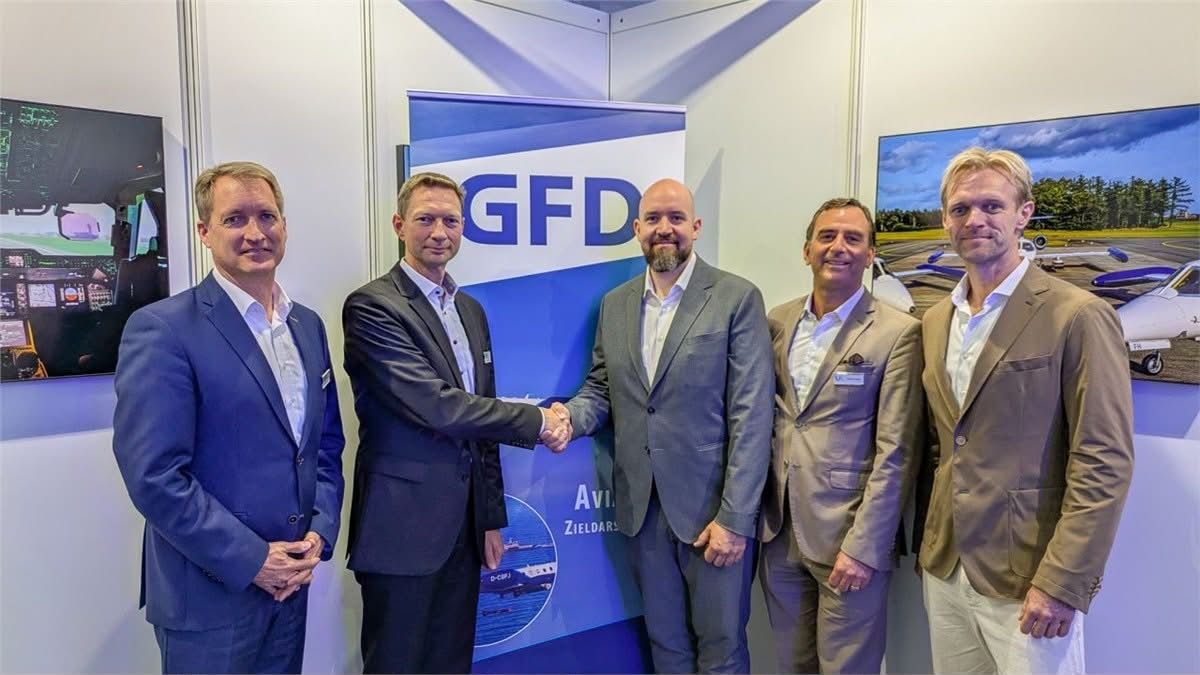
Universal Avionics Selected for GFD Learjet Fleet Modernization Program
🇩🇪🇩🇰🇺🇸Universal Avionics (UA) has announced that GFD GmbH, an Airbus company, has selected the InSight Flight Display System to modernize its Learjet 35A/36A fleet. The upgrade will be carried out by Scandinavian Avionics, which will develop the STC and perform installation.
The glass cockpit upgrade replaces aging instruments with advanced high-resolution displays and integrates UA’s Flight Management System, enhancing navigation, sustainability, and long-term supportability. The modernization will support GFD’s aerial target demonstration missions with improved operational capabilities.
#UniversalAvionics🇩🇰 #GFD #Airbus #ScandinavianAvionics🇩🇪#Learjet35A🇺🇸 #Learjet36A #MilitaryAviation #AvionicsUpgrade #FlightDeckModernization #Aerospace #DefenseTechnology #GlassCockpit #AviationNews
1
2
465

Many .NET applications use DinkToPdf for PDF generation, but its underlying rendering engine introduces additional maintenance considerations.
This article explores supportability, deployment, and long-term alternatives: hackernoon.com/dinktopdf-c-a…
183

Jun 11
It’s a clean build, and I’m not denying that the Ryzen 7 9800X3D is a strong gaming processor. The X3D chips perform well because of AMD’s stacked cache design, and in certain games that extra cache can absolutely help. I get why people like them. My issue is not that AMD cannot make a fast chip. My issue is that when I look at a $4,000-plus system, I’m not only looking at peak FPS or benchmark charts. I’m looking at the whole platform, the long-term behavior, the thermal profile, firmware maturity, motherboard stability, driver behavior, lifecycle support, and how much confidence I have in the hardware once the excitement of the build wears off.
Coming from an IT background, I naturally look at hardware differently than someone just chasing gaming numbers. In enterprise and production environments, you learn to care about consistency, predictability, supportability, and failure tolerance. A machine that scores slightly higher in a benchmark is not automatically the better system if the real-world difference is barely noticeable. Most users are not going to feel a small gaming uplift between comparable AMD and Intel chips unless they are watching benchmark overlays, comparing frame-time charts, or trying to squeeze every last number out of a specific title. At that point, the question becomes: is the gain meaningful enough to outweigh the platform I personally trust more? For me, the answer is no.
I also lost a lot of respect for AMD back in the Phenom era around 2008-2009. That generation left a bad impression on me, and fair or not, it shaped how I viewed AMD for a long time. Back then, AMD felt like the cheaper, lighter platform trying to punch above its weight rather than something I associated with strength, endurance, and long-term reliability. That history matters because trust in hardware is built over time. Once a platform gives you the impression that it runs hotter, is more sensitive to cooling and voltage, or feels like it is being pushed harder to compete, that reputation sticks.
To be fair, AMD today is not the same AMD from the Phenom days. Modern Ryzen and EPYC processors are much more competitive, and AMD absolutely has a real presence in servers and datacenters now. So I’m not saying AMD is incapable or irrelevant. I’m saying my personal trust still leans Intel, especially when I’m talking about a high-dollar machine I would want to rely on for years. Intel has historically been the platform I associate more with mature chipsets, broad compatibility, predictable support, and the kind of stability mindset I care about from working around business and enterprise systems.
That’s why I’d want this build with Intel. Not because AMD can’t win a benchmark, but because benchmarks are only one piece of the decision. The technology has to make sense, the platform has to be something I trust, and the performance difference has to be noticeable enough in the real world to matter. In this case, I don’t think the AMD advantage is meaningful enough to pull me away from Intel. Beautiful build, strong specs, but for my background and what I value in a system, I’d still want the processor swapped to a comparable Intel chip before I’d be interested.
114

Jun 11
📄 Full MARADMIN text:
Released 10 JUN 2026 at 13:01 UTC (Zulu) / MARADMIN 272/26
Subject: Fiscal year 2028 active reserve special duty assignment campaign
1. This message announces the Fiscal Year 2028 (FY28) Reserve Affairs Manpower Management (RAM) Active Reserve Special Duty Assignment (SDA) Campaign and provides coordinating instructions for requesting billets as a Prior Service Recruiter (PSR), Drill Instructor (DI), or Marine Combat Instructor (MCI). The SDA Campaign outlines the timeline of the FY28 voluntary and involuntary assignment periods.
2. Background. A successful SDA tour is a hallmark of a competitive Marine and makes him or her exceptionally qualified for promotion. In addition to providing opportunities for meritorious promotions and financial incentives, an SDA tour is intellectually rewarding and both physically and mentally challenging.
3. Situation. The goal of the FY28 SDA Campaign is to fulfill all SDA requirements with volunteers by building upon the sustained volunteerism of recent years. The FY28 SDA Campaign will be executed via voluntary and, if required, involuntary assignment periods from 15 June 2026 to 31 July 2027. Marines approved for FY28 SDA will have a class report date between 1 October 2027 and 30 September 2028.
4. Concept of Operations
4.a. Phase I: Voluntary Assignment Period (VAP)
4.a.1. The VAP begins 15 June 2026 and ends 12 February 2027. During this phase, Commandant of the Marine Corps (RAM) will accept and review volunteer packages for potential assignment to an SDA. The intent of this phase is to fulfill as many FY28 SDA openings as possible and minimize the requirement for involuntary assignments.
4.b. Phase II: Involuntary Assignment Period (IVAP)
4.b.1. The IVAP will begin on 1 March 2027. The intent of this period is to assign only the minimum number of Marines needed to fulfill the remaining FY28 SDA openings. Eligible Marines will be screened for involuntary assignment via CMC (RAM). The IVAP will end 31 July 2027.
4.b.2. During the IVAP, Marines not identified for screening may request assignment to an SDA as a volunteer. However, these volunteers will no longer have priority for assignment and may be restricted by Primary Military Occupational Specialty (PMOS) requirements.
5. Eligibility
5.a. Reference (a) contains the complete list of eligibility and screening criteria.
5.b. Corporals through gunnery sergeants must not exceed Enlisted Career Force Controls (ECFC) limits prior to 30 September 2031 per reference (b). Corporals may only volunteer for MCI and PSR duty.
5.c. Marines must have a minimum of 24 months time on station prior to their FY28 class report date. Eligible Marines are encouraged to contact their career counselor and monitor for more information.
5.d. Marines who have executed a lateral move into their present MOS are not eligible to submit for voluntary assignment unless they have completed a minimum of 36 months in that MOS prior to the class start date.
5.e. Marines who have previously completed an SDA are eligible to serve on a second tour depending on the PMOS population supportability. Marines must have been in their PMOS for a minimum of 24 months prior to their class start date.
5.f. Marines who wish to volunteer for assignment to an SDA must submit an "SDA Reenlistment (RELM)" using the Total Force Retention System (TFRS) to Headquarters Marine Corps, Reserve Affairs with the assistance of the unit career counselor. Career counselors should include a comment in the RELM about any preferences a Marine may have (SDA type, duty locations, and class dates).
5.g. To be identified as an SDA volunteer, Marines must have a completed "SDA RELM" submitted in TFRS and received at HQMC (RA Retention) before 12 February 2027 and request assignment to one or more of the following duties: PSR, DI, or MCI. Marines who desire to volunteer should plan accordingly; package signature dates will not be used to determine a Marine's volunteer status.
5.h. Eligible Marines volunteering for PSR duty are required to conduct an interview with the PSR Career Recruiter closest to their location using the PSR screening addendum. Telephonic screenings are authorized. However, interviews should be conducted in person to the greatest extent possible. The last page of the addendum must be signed by the career recruiter, and the entire addendum must be attached to the SDA RELM to include all endorsements. Marines should contact the PSR District Headquarters closest to them at the number below (read in two columns):
PSRS-1, Brooklyn, NY: (516) 824-3091
PSRS-4, Columbus, OH: (614) 809-2886
PSRS-6, Parris Island, SC: (423)-802-6539
PSRS-8, Fort Worth, TX: (817) 738-6260 ext. 23/24
PSRS-9, Great Lakes, IL: (847) 688-7130 ext. 772
PSRS-12, Camp Pendleton, CA: (760) 763-6218
6. Financial Incentives. Per reference (c), qualified Marines filling designated special assignments are eligible to receive SDA Pay (SDAP) and Assignment Incentive Pay (AIP) after meeting specified qualifications and completing required training. In addition to SDAP and AIP, volunteers for Drill Instructor and Prior Service Recruiting duty may receive a Voluntary Supplemental Incentive (VSI).
6.a. Current SDAP, AIP, and VSI rates are published on the Special and Incentive (S&I) Pays tab of Manpower Military Policy Branch (MPO) Military Compensation webpage: "manpower.marines.mil/Divisio…".
6.b. Recoupment of Lump Sum Payments. In accordance with references (c) and (d), Marines who do not serve in their SDA for the number of months specified in the lump sum agreement shall repay the unearned, prorated portion of the lump sum payment. Recoupment will not be sought for circumstances beyond the Marine's control.
7. Cancellations and Modifications of Assignments. All cancellation and modification requests, for volunteers and non-volunteers alike, will be scrutinized. Requests shall be endorsed by commanders with thorough justifications detailing why the Marine is no longer eligible and what risks would be incurred if the Marine executes the future assignment. Requests will be routed to CMC (RAM) via TFRS for adjudication.
8. Noncompetitive Active Reserve corporal to sergeant PSR promotions
8.a. All eligible corporals attending the Basic Prior Service Recruiter Course are eligible for non-competitive promotion to sergeant with a date of rank effective on the first of the month after checking into their new duty station when meeting the below criteria. Corporals who do not meet the below criteria upon checking into their new duty station may be promoted non-competitively to sergeant with a date of rank effective on the first of the month after satisfying the below criteria.
8.b. Marines must have 12 months time in grade and 30 months active duty time in service based on their Armed Forces Active Duty Base Date (AFADBD).
8.c. Marines must be Professional Military Education complete to include Command Sponsored Corporals Course.
8.d. In order to effect promotions, Recruiting District Commanders shall submit an endorsed roster via Naval correspondence to Enlisted Promotions (MMPB-11) at smb_manpower_enlisted_promotions@usmc.mil including:
Rank Name EDIPI MCC/Unit PME Complete
8.e. Upon review and approval, unit diaries will be entered by MMPB-11. Commanders will then prepare certificates of appointment. Commanders must ensure the Marine is ready to assume the responsibilities and perform the duties of the grade in a credible and satisfactory manner.
9. Questions regarding the FY28 SDA Campaign should be referred to the POCs listed above.
10. This MARADMIN is applicable to the Active Reserve category of the Reserve Component.
11. Release authorized by Major General John F. Kelliher III, Director, Reserve Affairs Division.
REF/A/MSGID: DOC/CMC/YMD: 20210511//
REF/B/MSGID: MSG/CMC/DTG: 151433ZMAR22//
REF/C/MSGID: MSG/CMC/DTG: 031945ZFEB22//
REF/D/MSGID: DOC/ASN MRA/20211222//
POC/W. R. MALEY/MGYSGT/RA/TEL: 703-432-9411/EMAIL: WILLIAM.MALEY@USMC.MIL//
POC/J. E. DENEVE/MGYSGT/RA/TEL: 703-784-0583/EMAIL: RA-RETENTION@USMC.MIL//
POC/D.B. SAMPERISI/MGYSGT/MCRC G3 PSR/TEL: 703-768-9868/EMAIL: MCRCPSR@MARINES.USMC.MIL//
POC/D. T. MILLS/MSGT/MMPB-11/TEL: 703-784-2765/EMAIL: ENLISTEDPROMOTIONS@USMC.MIL//
Source:
marines.mil/News/Messages/Me…
🤖 This text was reformatted for readability.
1
1
200

Jun 10
Potato Patato bottom line it's in the reference design, doesn't matter who chose them. Many will just go with the reference design for supportability reasons.
1
1
29

Jun 10
Unfortunately the US does not have good enough internet infrastructure for it to have wide supportability. It would though work likely well in South Korea and countries with outstanding internet infrastructure.
1
23

Jun 8
aPriori is now Windchill certified by @PTC
This certification deepens the partnership and aligns aPriori's manufacturing intelligence tools with PTC's SaaS PLM strategy. Cloud-first integration means faster decisions — manufacturers can now access real-time cost, manufacturability, and sustainability insights directly within Windchill , reducing late-stage design changes and accelerating time-to-market. The certification reduces risk for customers by ensuring aPriori's integration meets PTC's standards for security, scalability, and long-term supportability in a SaaS environment.
And speaking of PTC…if you are attending PTC Next June 9 and 10 in Chicago, be sure to look for Chris Jeznach, Senior Director, Product Marketing, and Carsten Hochmuth, Senior Director, Product Management. @aPriori_Inc is a strategic technology partner and was invited by PTC, as one of the few, to participate in this event.
Read More 👉 apriori.com/blog/apriori-ear…
#Windchill #PTC #aPriori #Certification

1
38

The F-35 has a generational edge when it comes to situational awareness and connectivity, but I can't think of any other area in which it enjoys superiority. Certainly not in availability, supportability, sustainability performance or manoeuvrability.
1
1
9

Couldn't disagree more. With a sale comes an obligation to honour an agreement of quality. That relies on code transparency and supportability. Taking the money and not being able to address it is not right. That's not a business model. That's a scam
27

Jun 5
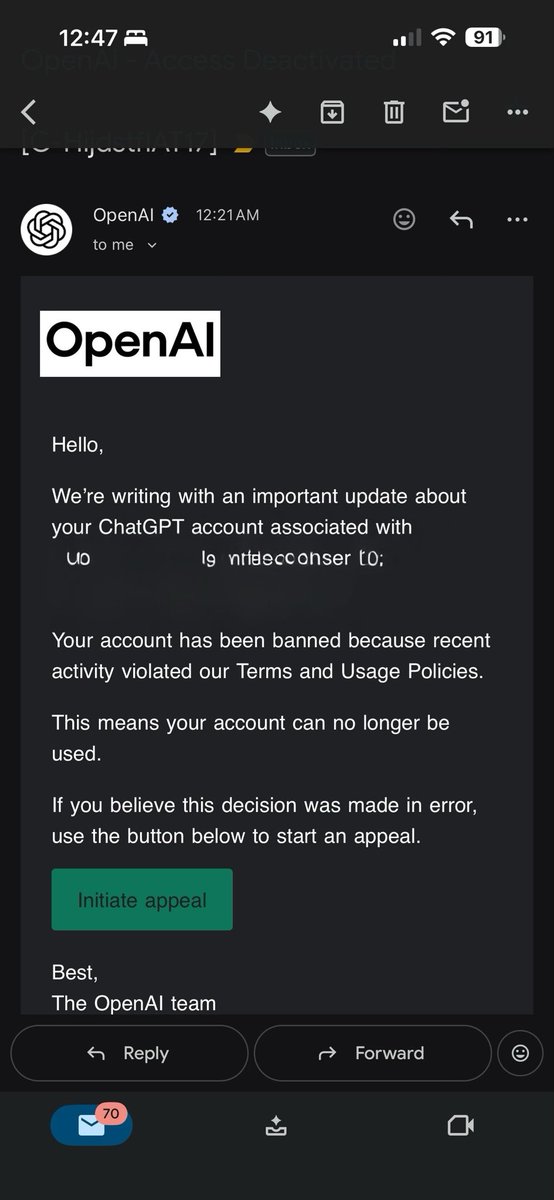
@OpenAI @ChatGPTapp As someone who has worked in Trust & Safety and User Supportability, just FYI: it’s very hard to appeal a ban when you have no idea what could have caused it and you provide no information as to why a ban was made. While there is good reason for why we have to do this in regulated spaces like financial crimes compliance due to things like tipping-off penalties, platform trust snd safety does not have the same restrictions.
Given I almost entirely used my ChatGPT Pro subscription for Codex and technical matters in Hermes Agent, I’m very much at a loss as to what I could have possibly done to violate TOS (especially since I received no warning, just immediate ban hammering), and would very much appreciate some clarity.
3
1
13
889

May 31
3/4
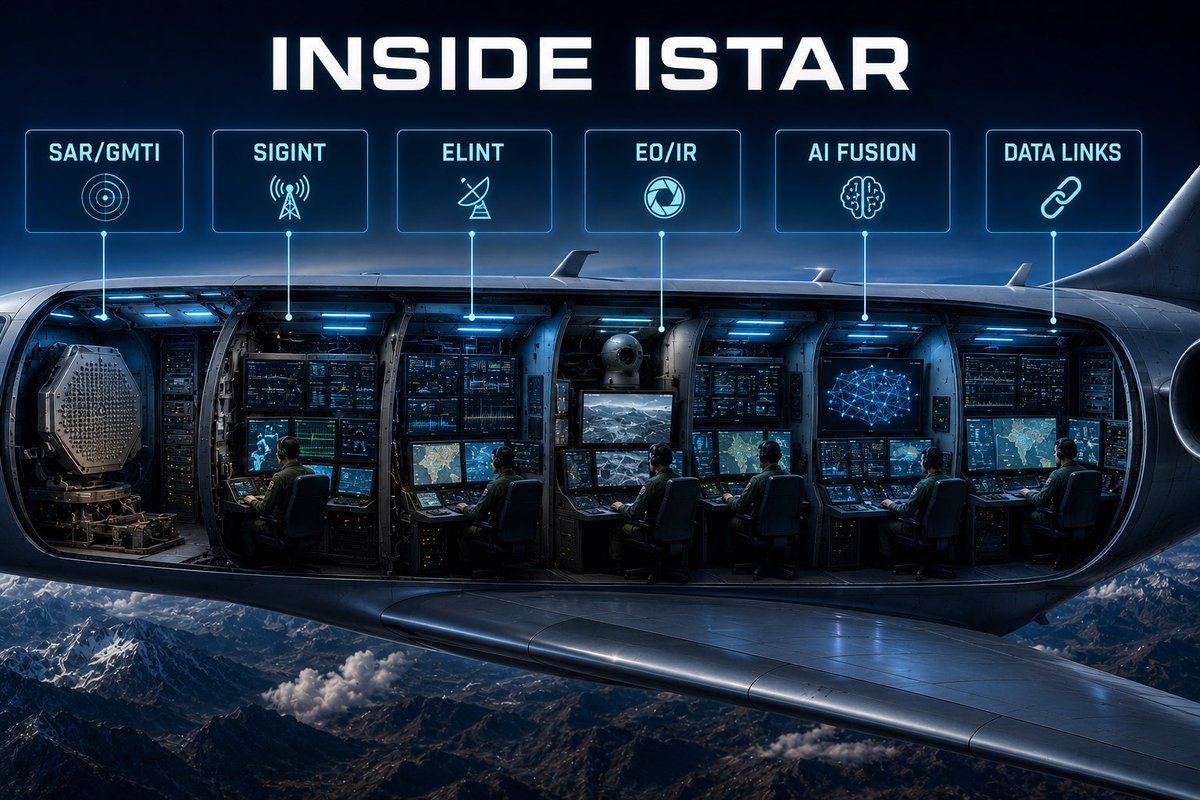
THE PLATFORM
India selected the Bombardier Global 6500 business jet.
Why?
▪️ Long range
▪️ High altitude operations
▪️ Large sensor payload capacity
▪️ Open architecture for indigenous systems
▪️ Long-term supportability
The aircraft is merely the truck.
The real capability comes from the sensors.
1
4
9
517

May 15
About time, Bill. Now, back off the Nuke support and let’s leverage solar / battery independence!
Clean up the Nukes, make power cleaner, and back off big wind.
Keep it sustainable!
DIY micro grid distribution for security / cost / reliability / locality supportability!
1
3
5
187

The new Red Hat Technical Supportability Review with AI is now a fully automated, self-service feature. Upload your cluster data to get AI-refined insights instantly: red.ht/42edpdt #RHSummit
2
4
1,082

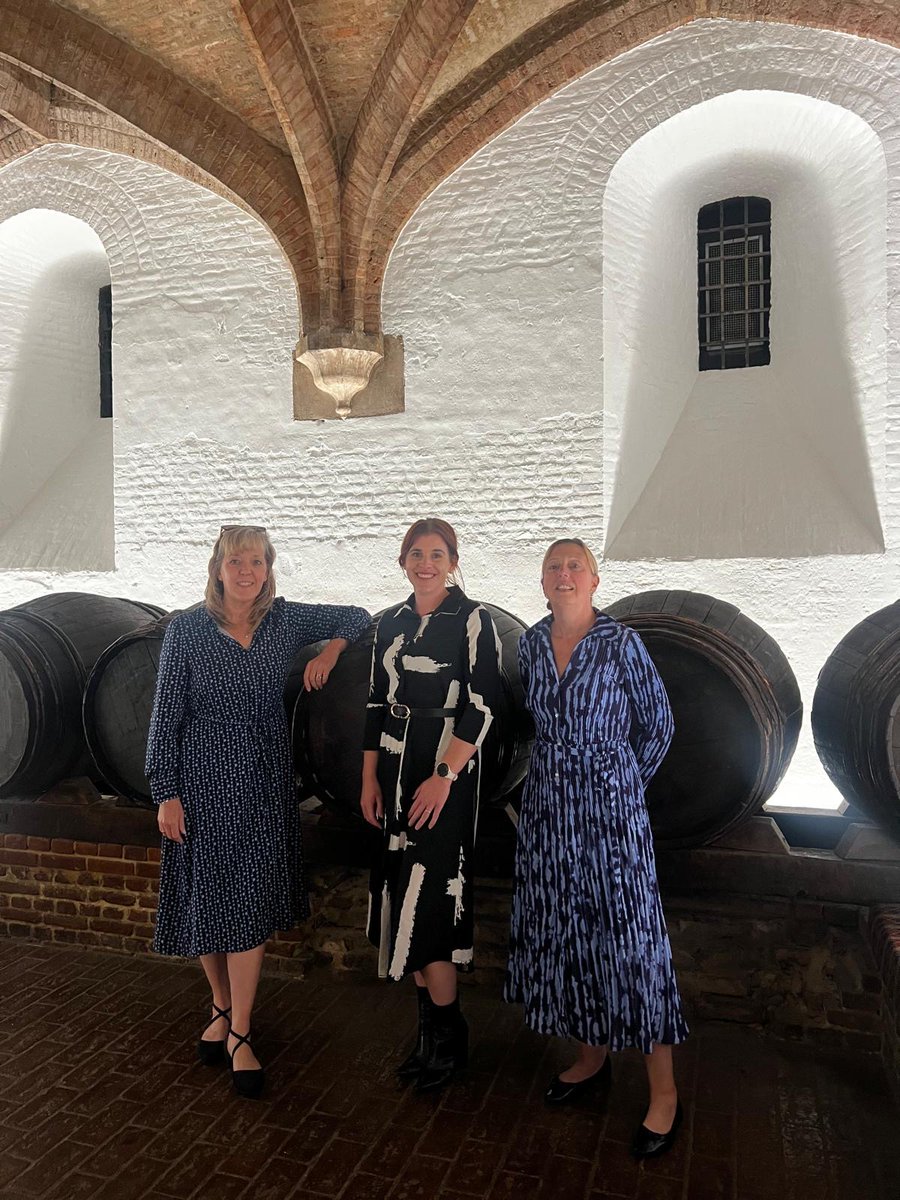
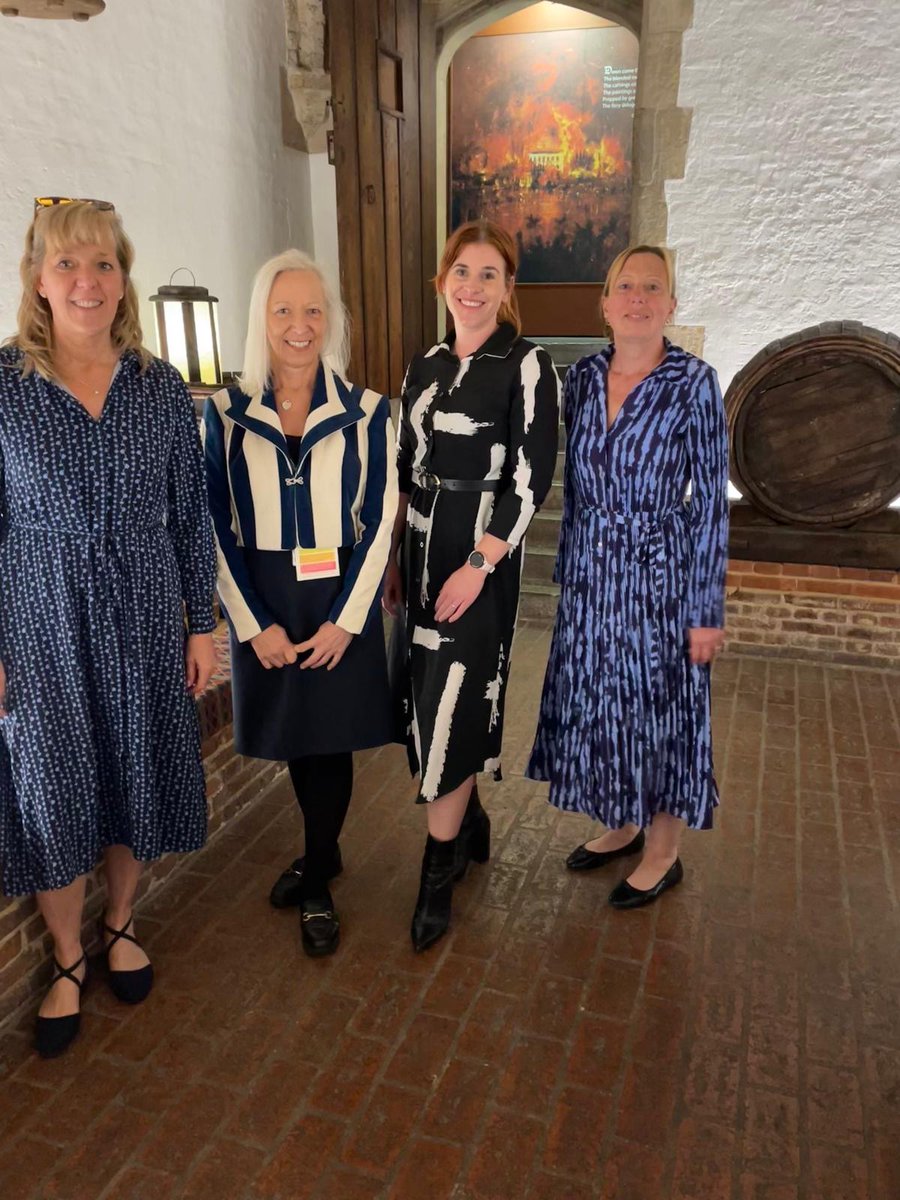
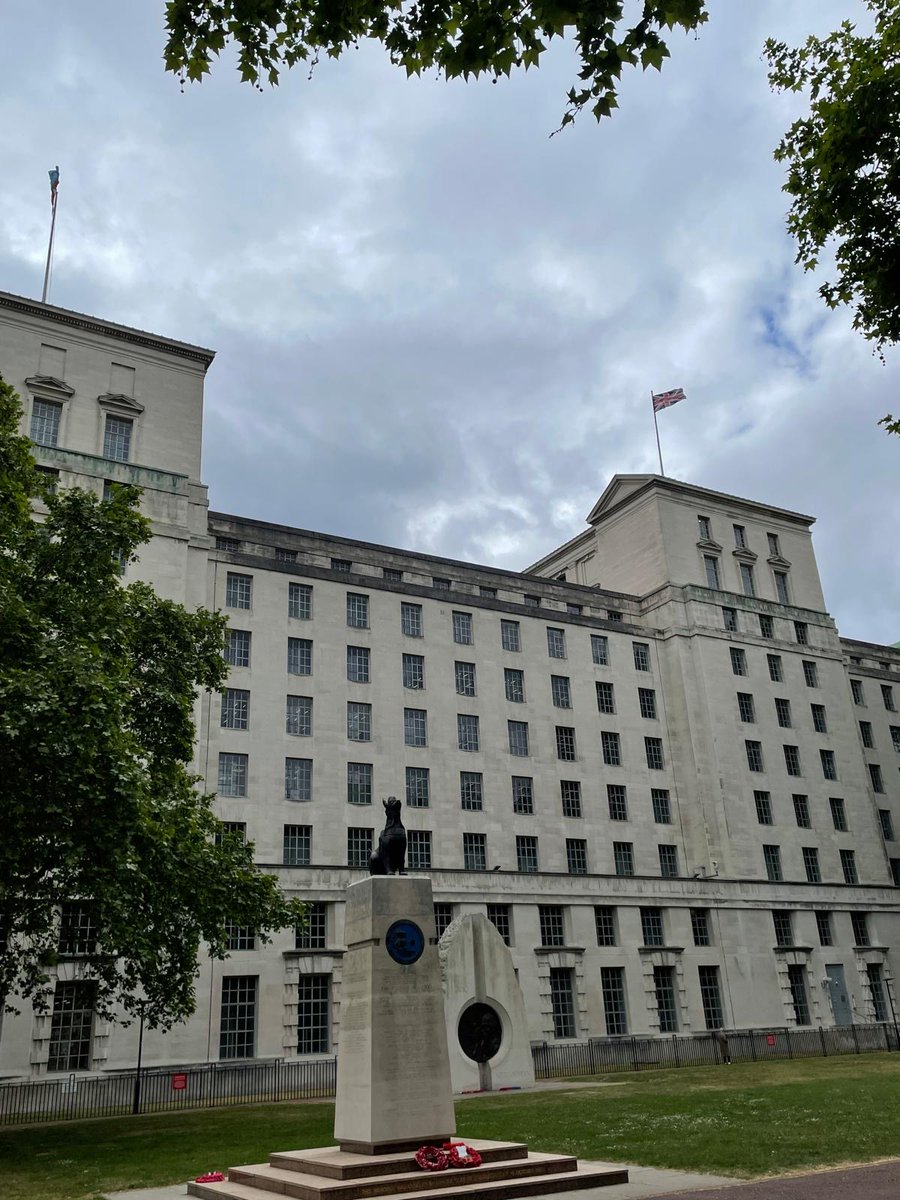
This week AFFs Overseas Manager met the Army International Branch and Integrated Global Defence Network. She also took the opportunity to catch up with the Overseas Education Supportability Team and Head of the MOD Virtual School.
#ArmyLife #ArmySupport
3
120
🇺🇸✈️ USAF, Boeing Accelerate KC-46 Pegasus Upgrades to Boost Fleet Readiness
The U.S. Air Force and Boeing have reached an agreement on a new plan to improve the operational readiness of the KC-46 Pegasus tanker fleet while accelerating the delivery of key capabilities. The initiative focuses on three major efforts, including repurposing early-built aircraft for immediate operational use, accelerating the Remote Vision System (RVS) 2.0 retrofit schedule, and implementing a targeted performance-based logistics framework to address systemic readiness challenges.
U.S. Secretary of the Air Force Troy Meink described the KC-46 as a “cornerstone of U.S. power projection,” stating that the multi-pronged approach will enhance aircraft availability, accelerate capability delivery, and strengthen long-term fleet supportability for the U.S. Air Force.
#USAF #Boeing #KC46 #Pegasus #MilitaryAviation #AerialRefueling #DefenseNews #USAirForce #Aerospace #MilitaryTechnology

1
1
2
387

May 10
Her supportability is very underwhelming and too reliant on rng... why would you use bassie to give stam items when you can just use astro? Shelly for extraction boosts? Sprout for healing? Shes a jack of NO trades it's extremely underwhelming. She's only good for treadmills lol
2
184

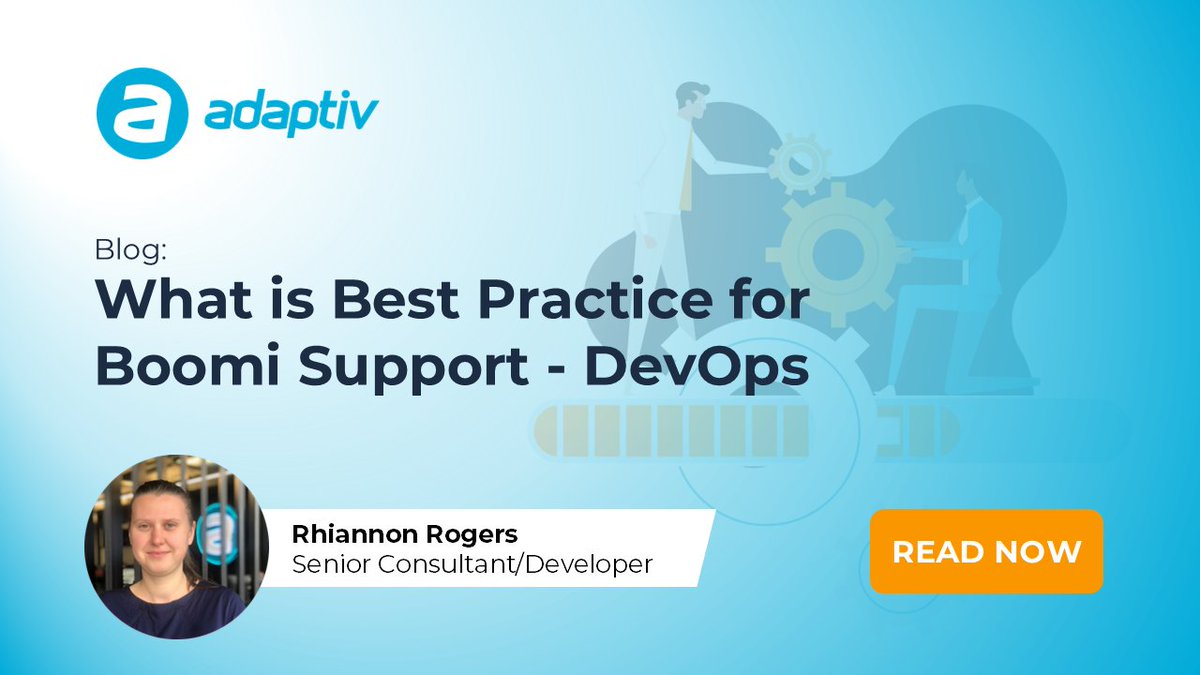
New Blog Alert: What is Best Practice for Boomi Support - DevOps
In her latest blog, Adaptiv's Senior Consultant / Developer Rhiannon dives into DevOps in Boomi and shares how to build with supportability in mind, aligned to best practice.
Read more
ap1.hubs.ly/y0PN9t0
1
2
31

May 1
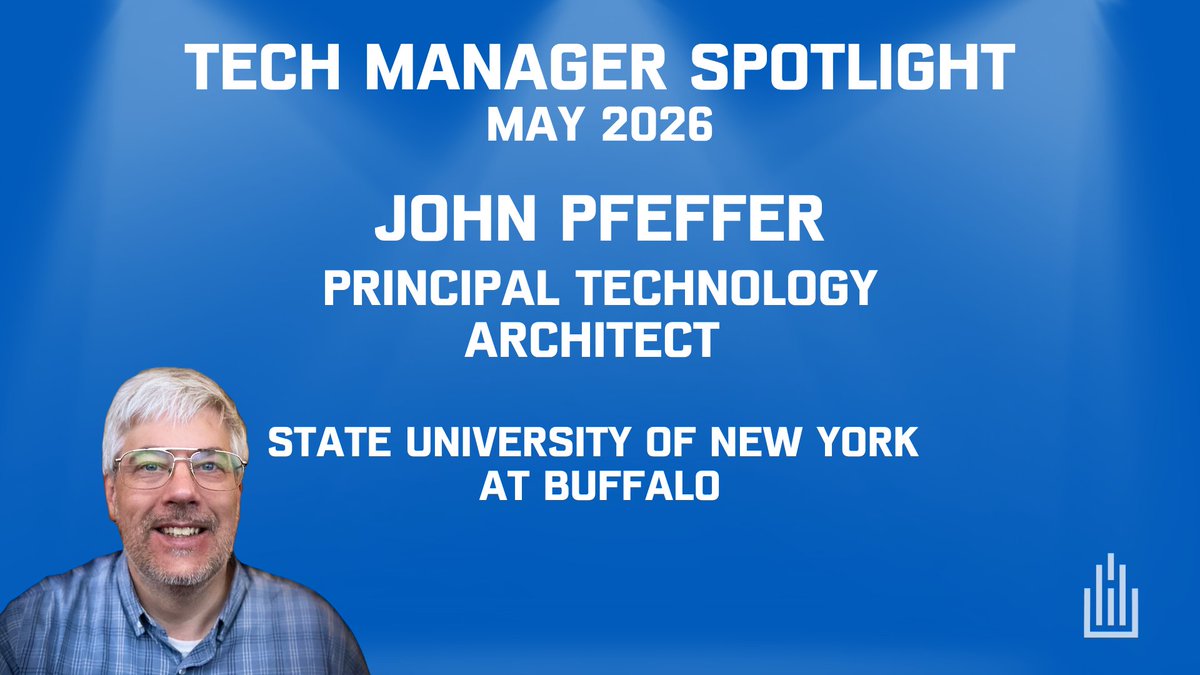
In this Tech Manager Spotlight, John Pfeffer, principal technology architect for IT Customer Service at the University at Buffalo, shares how he balances innovation with standards, supportability, and long‑term sustainability. From shaping next‑generation learning spaces to defining what good leadership looks like in higher ed AV, Pfeffer reflects on the planning, collaboration, and decision‑making that happen long before any technology is installed. #avtweeps
Read the article here: higheredav.com/spotlight-on-…
5
40

Apr 28
I like this!
@Lenovo have acquired firmware producer @PhoenixFirmware.
From integration, supportability and supply chain security point of view this is great!
news.lenovo.com/pressroom/pr…
6
1
4
93