
Jun 12
Did you get eligible for SoSoValue Season 2 or did they "Sybil" you too? 💬 Drop your screenshot below, let's expose this!
👇 Follow @SGabaskkn1 for honest crypto updates and raw tech realities. 🔔
#SoSoValue #AirdropScam #CryptoNigeria #SybilAttack #Web3 #SoDEX
Jun 12

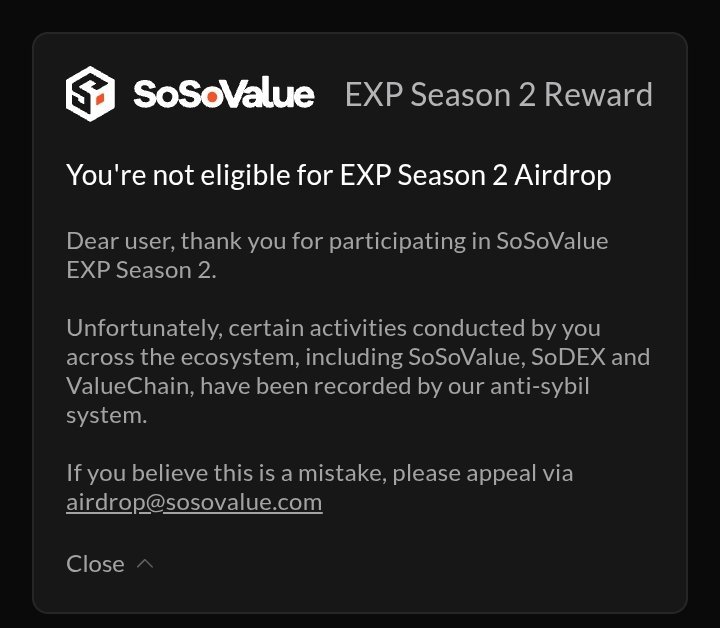
THE DARK SIDE OF AIRDROPS: My SoSoValue Season 2 Disappointment! 😡❌
Bayan mun sha wahalar interactions na sama da SHEKARA GUDA, muna yin ayyuka kowace rana, har da sa kuɗinmu na gaske wajen yin on-chain transactions a SoDEX da ValueChain.. A ƙarshe wai Not Eligible $soso #soso
1
68
Jun 12
Did you get eligible for SoSoValue Season 2 or did they "Sybil" you too? 💬 Drop your screenshot below, let's expose this!
👇 Follow @SGabaskkn1 for honest crypto updates and raw tech realities. 🔔
#SoSoValue #AirdropScam #CryptoNigeria #SybilAttack #Web3 #SoDEX
48

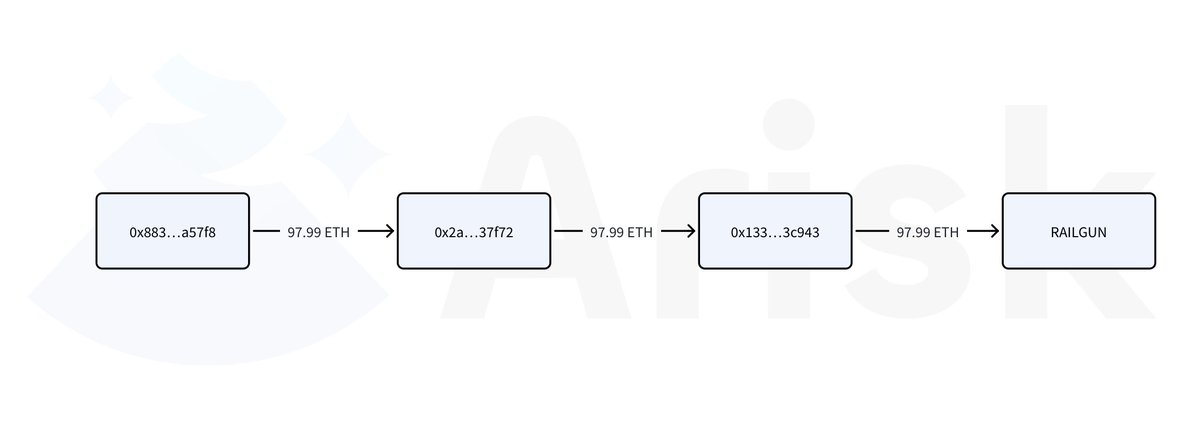
📌攻击者主地址:
🔴0x88329A09428778F62BC0C8BAac0997864E5a57f8
💰 攻击者资金流向
攻击者已将获利兑换成 ETH,总计 97.99 ETH(约 20.7万美元),通过中间地址转入隐私协议隐藏踪迹。
具体路径:
攻击者地址 → 0x133…3C943 → RAILGUN 隐私协议
资金目前已进入 RAILGUN 隐私池
访问➡️ arisk.io 免费体验毫秒级地址风险监测、地址监控等功能
关注📷 @Arisk_io 获取及时、准确的链上威胁情报!
#SybilAttack #WUSD #GLOVE #USDT #AML #Arisk #链上追踪
2
135

Trong tương lai của blockchain, vấn đề lớn nhất không còn là tốc độ giao dịch.
Vấn đề lớn nhất là niềm tin.
Nếu một mạng lưới không thể phân biệt đâu là con người thật và đâu là bot, thì mọi hệ thống thanh toán, governance và tài sản số đều có thể bị thao túng.
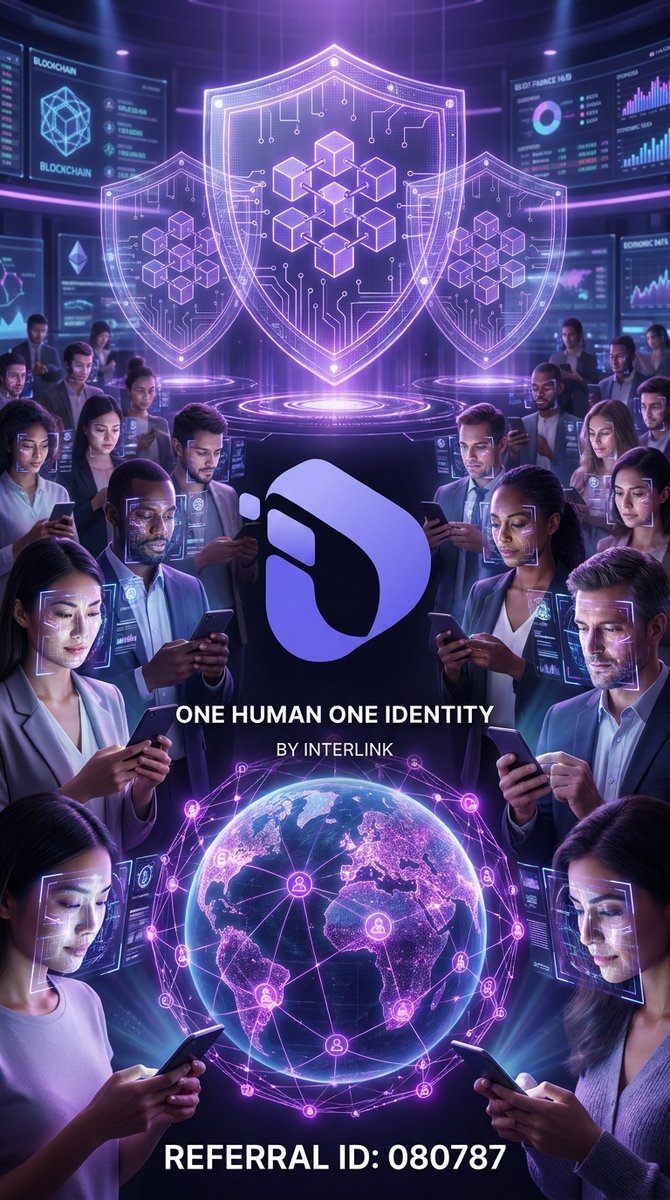
Đó là lý do InterLink xây dựng mô hình “One Human One Identity”.
Thông qua công nghệ Zero Knowledge Biometric và InterLink ID, mỗi người dùng được xác minh là một Human Node duy nhất mà vẫn bảo vệ quyền riêng tư cá nhân. Dữ liệu sinh trắc học không rời khỏi thiết bị và không lưu trữ trên máy chủ tập trung.
Điều này giúp InterLink chống lại Sybil Attack, fake wallets và các mạng bot quy mô lớn đang tồn tại trên rất nhiều blockchain hiện nay.
Một người thật. Một danh tính thật. Một vị trí thật trong nền kinh tế số.
Đây không chỉ là bảo mật blockchain.
Đây là nền móng cho thanh toán toàn cầu, tài sản thực RWA, governance minh bạch và hệ sinh thái Web3 dành cho hàng tỷ người dùng thật trong tương lai.
InterLink không xây dựng Anonymous Network.
InterLink đang xây dựng Human Network.
Referral ID: 080787
#InterLink #ITLG #ITL #InterLinkActiveBounty3 #WorldCup2026 #HumanNetwork #ZeroKnowledge #SybilAttack #Blockchain #Web3 #RWA
2
17


Mar 28
SYBIL ATTACK!
"ONE PERSON WITH MANY SHADOWS"
You may probably remember, or perhaps you’ve heard about some projects like LayerZero, ZkSync, StarkNet, OverProtocol e.t.c that performed Sybil filtering (Sybil detection) before airdrop claiming.
Like, retweet and bookmark 🔖
So what exactly is a SYBIL ATTACK?
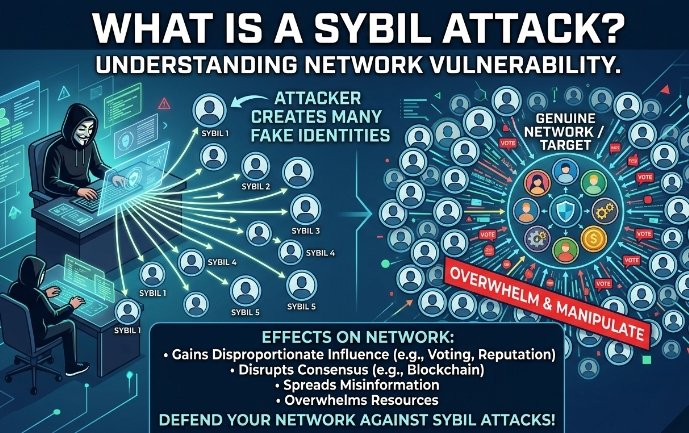
A Sybil attack is a type of security threat in an online system where a single person attempts to take over a network by creating multiple accounts, nodes, or computers.
We can simply view it like this; “One person creating many social media accounts.” OR, “one person creating multiple fake identities, such as (many crypto wallets) to exploit rewards meant for users who followed the proper process.”
In the world of cryptocurrencies, a clear example is where one person runs multiple nodes within a blockchain network.
WHAT PROBLEMS CAN SYBIL ATTACK CAUSE?
Attackers may be able to dominate (or outnumber real nodes) in a network if they create many fake identities (or Sybil identities). They can then refuse to receive or transmit blocks, which can prevent other users from accessing the network.
In cases where a Sybil attack becomes very large-scale, and attackers gain control of the majority of the network’s computing power or hash rate, they can carry out a 51% attack. In such a situation, they can alter or manipulate the ordering of transactions and prevent transactions from being confirmed by honest nodes.
They can even reverse transactions they made while in control, which can lead to double spending.
Over time, computer scientists have spent significant effort researching ways to detect and prevent Sybil attacks, but there is still no 100% guaranteed protection against them.
HOW DO BLOCKCHAINS MITIGATE SYBIL ATTACKS?
Most blockchains use different types of consensus algorithms to protect themselves against Sybil attacks, such as Proof of Work, Proof of Stake, and Delegated Proof of Stake.
These methods do not directly prevent Sybil attacks, but they make it extremely difficult or ineffective for attackers to successfully carry them out.
For example:
The Bitcoin blockchain uses specific rules (consensus) for creating new blocks.
One of those rules is:
“The ability to create a block must be proportional to the processing power of the Proof of Work.” This means a node must actually possess the computing power (the power needed to solve the mathematical problems required to create a block), making it very difficult and costly for an attacker.
Because Bitcoin mining is highly difficult, and miners are rewarded with incentives (reward)for their work, they are encouraged to act honestly rather than attempt a Sybil attack.
Besides Sybil attacks, there are other types of attacks that commonly occur.
To continue receiving posts like this, tap the notification bell 🔔 so you get notified instantly whenever I publish new content.
If you found this helpful:
Like and retweet to help it reach more people.
Thank you for your time 🙏
#Sybilattack #Web3 #Blockchain #Netsec #Crypto #nodes
1
1
2
184

Mar 20
Is Your Money Safe? Uncover How $8M ROBO Airdrop Got Tied to Fraudulent Wallets! financier.news/is-your-money…
$ROBO #Crypto #Blockchain #Airdrop #DeFi #SybilAttack #Investing
Could Your Wallet Benefit From the $8...
2
85

Feb 2
THREAD (4/7)
THE EXECUTION: SYBIL BOT FARM
HOW DID THEY PASS THE VOTE? BY DEPLOYING A SCRIPT.
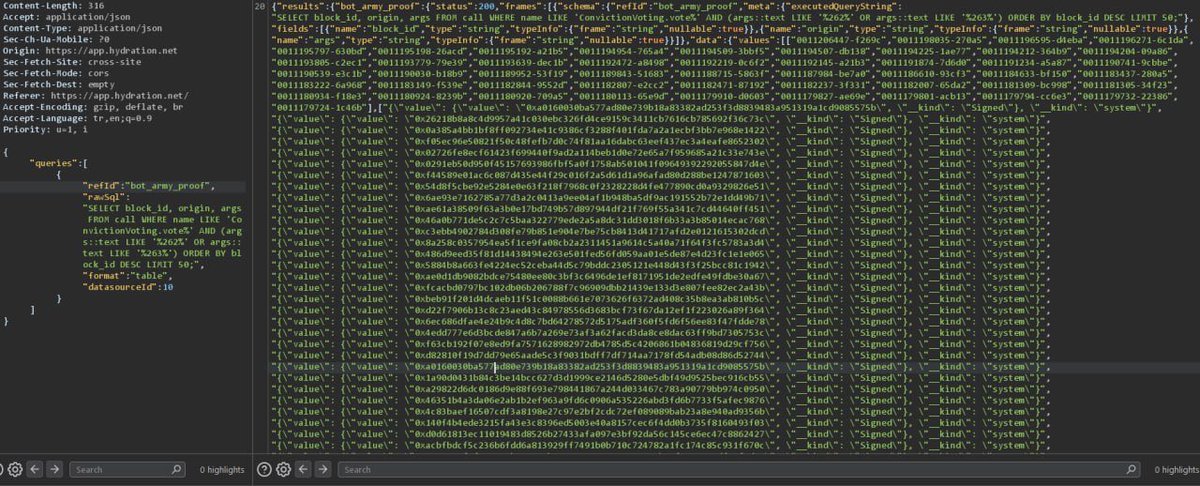
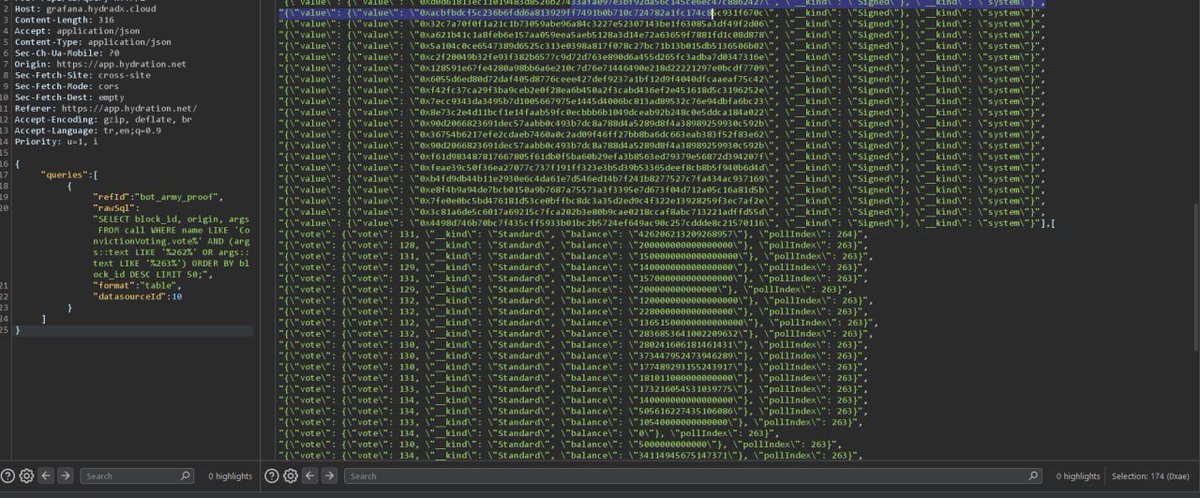
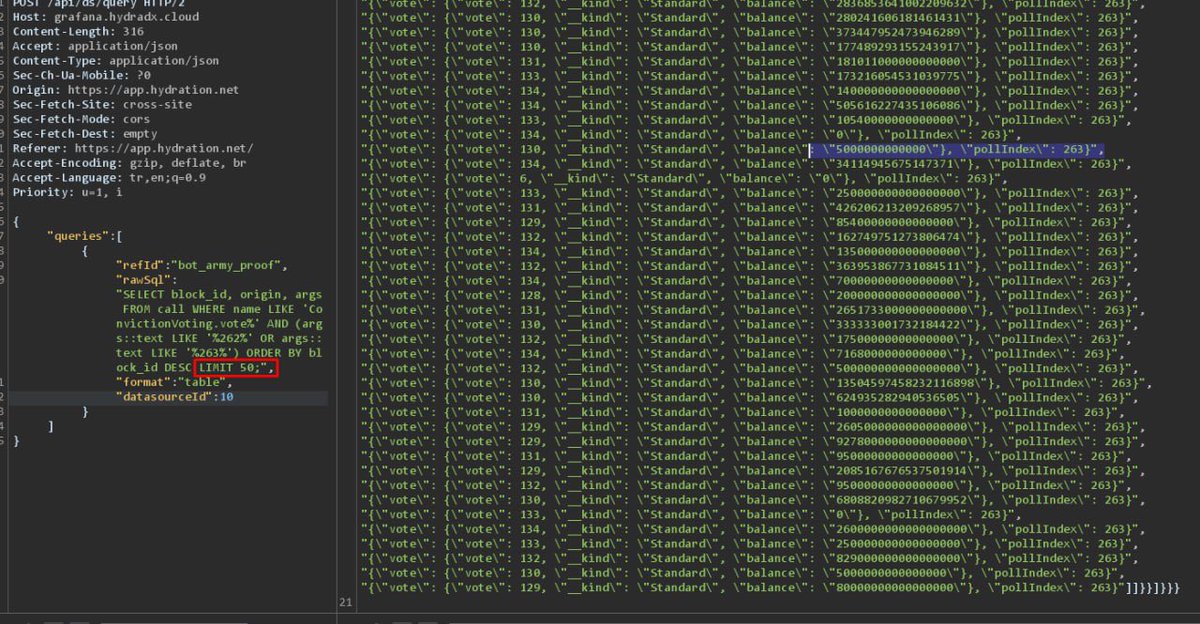
MY ANALYSIS OF ConvictionVoting.vote REVEALS A NON-HUMAN PATTERN (SEE IMAGE):
1. REPETITIVE INTEGERS: HUNDREDS OF WALLETS VOTED WITH EXACT RECURRING AMOUNTS: • 1.5 HDX (1500000000000000000) • 0.2 HDX (200000000000000000)
2. BATCH BLOCKS: VOTES EXECUTED IN THE SAME BLOCKS (001119...).
REAL HUMANS HAVE FRACTIONAL BALANCES (e.g., 12.43). THESE ARE SCRIPTED INTEGERS.
THIS IS A BOT FARM SIMULATING CONSENSUS.
#Polkadot #Hydration #SybilAttack
@zachxbt @coffeebreak_YT @polkadotgov_
1
4
7
138

Think of it like this 👇
You pay $1 for a lottery ticket, but someone else gets 1,000 tickets for free by abusing the system.
That’s not competition.
That’s not fair.
And we won’t support it.
#Sybilattack

1
5
210

5 Dec 2025
🚨 Exposed: @Ramarxyz allegedly hijacked ~70% of the $WET presale using 1,000 sybil wallets and then audaciously asked for a refund
#HumidiFi #SybilAttack
cryptonews.com/news/ramarxyz…
2
2
885

5 Dec 2025
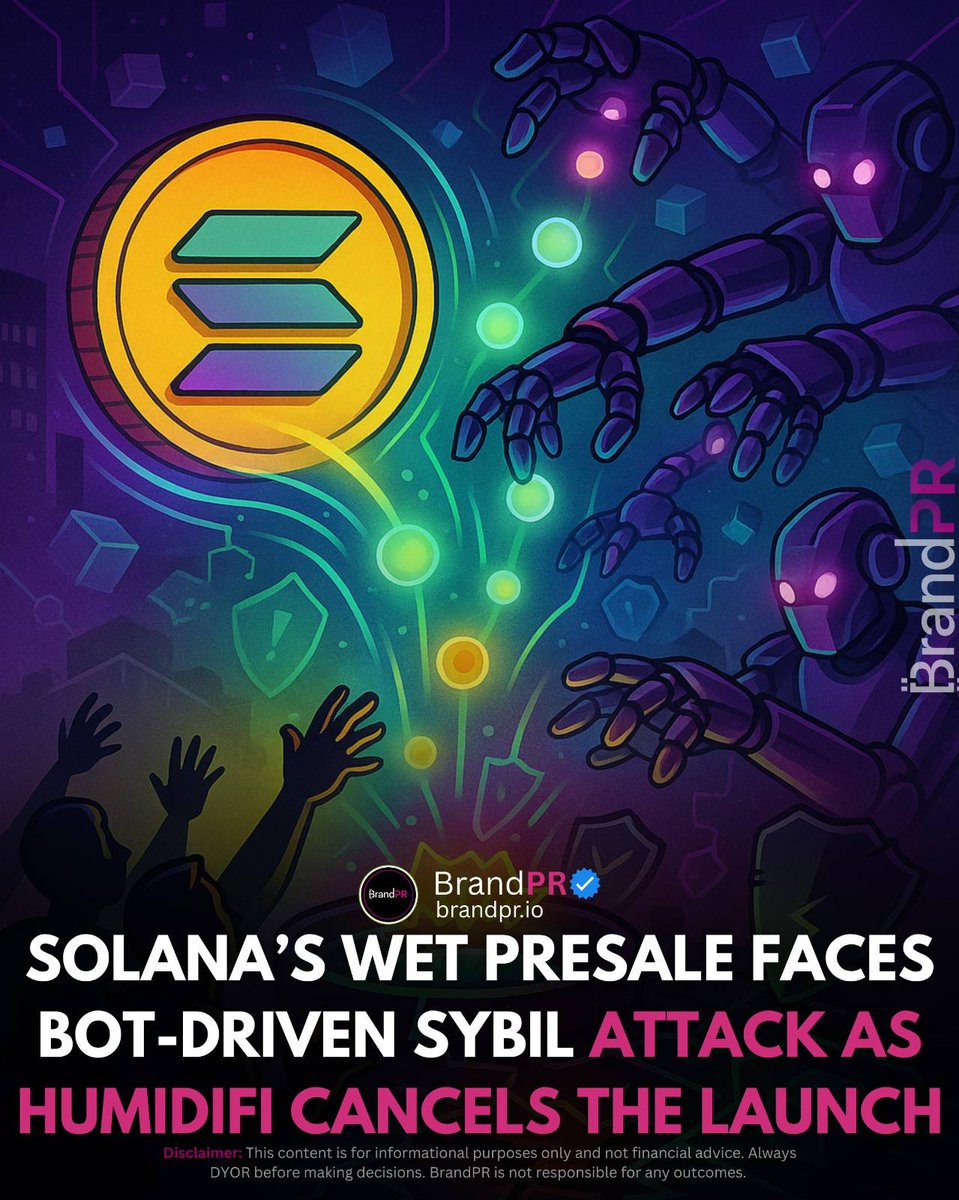
A massive bot swarm rushed the sale, scooping up almost all the tokens in seconds while real users barely had a chance to click.
HumidiFi confirmed it was a Sybil-style attack and has now paused and reset the entire presale. Another reminder of how vulnerable fair token launches can be when bots flood the chain.
Follow @BrandPR_io for more real crypto updates.
#CryptoNews #Solana #WET #HumidiFi #SybilAttack #Web3 #BrandPR
6
58

13 Nov 2025
Scandal aPriori: Tạo 14.000 ví farm airdrop chính mình!
Dù gọi vốn 30 triệu USD từ các VC lớn, aPriori đang đối mặt khủng hoảng niềm tin nghiêm trọng.
🔹 Trước mainnet, hơn 60% token airdrop (dành cho cộng đồng) rơi vào một thực thể duy nhất thông qua 14.000 ví liên kết, chiếm hơn 12% tổng cung.
🔹 Hoạt động giống Sybil Attack: tạo hàng loạt danh tính ảo để khai thác ưu đãi, phá hoại tính công bằng.
🔹 Giá APR giảm từ vốn hóa 300 triệu USD xuống còn ~55 triệu USD chỉ sau 24h.
🔹 Thông tin nội bộ có thể đã bị lợi dụng, đội ngũ chưa phản hồi chính thức, khiến FUD lan rộng.
Cảnh báo cho cộng đồng: cẩn trọng với airdrop và dự án chưa minh bạch.
Chi tiết: tuvanvang.com/vn/blockchain/…
#CryptoNews #aPriori #APR #Airdrop #SybilAttack #BNBChain #tuvanvang

6
32

13 Nov 2025
🚨 空投翻车?价值 3000 万美元的 aPriori 被疑遭巨鯨包场”
据 Bubblemaps分析,aPriori 在 BNB Chain 上进行的 APR 空投中,超 60% 份额竟被同一实体通过约 14,000 个关联地址领取,疑似大规模“女巫攻击(Sybil)”。
🧵 可疑行为特征包括:
• 大量地址来自 Binance 新充值
• 同一时间窗口收到 0.001 BNB激活
• 领取 APR 后迅速转移至新地址,层层分散形成巨型集群
• 该实体 仍在持续操作中
🕳️ 项目方目前尚未回应此事件。
来源:Bubblemaps
#BNBChain #Airdrop #SybilAttack #CryptoSecurity #Web3 Risk
2
45

27 Oct 2025
Let's be honest: Trust online is BROKEN. 🛠️
Fake accounts, fake engagement, fake AI. It's time for a fix. @billions_ntwk is the universal trust layer that actually verifies both humans and AI, stopping the chaos at the source.
Which platform desperately needs Billions the most right now? 👇
#Web3 #SybilAttack #Trust
Drop your country flag! Where's the Billions Fam at?

8
13
398

21 Oct 2025
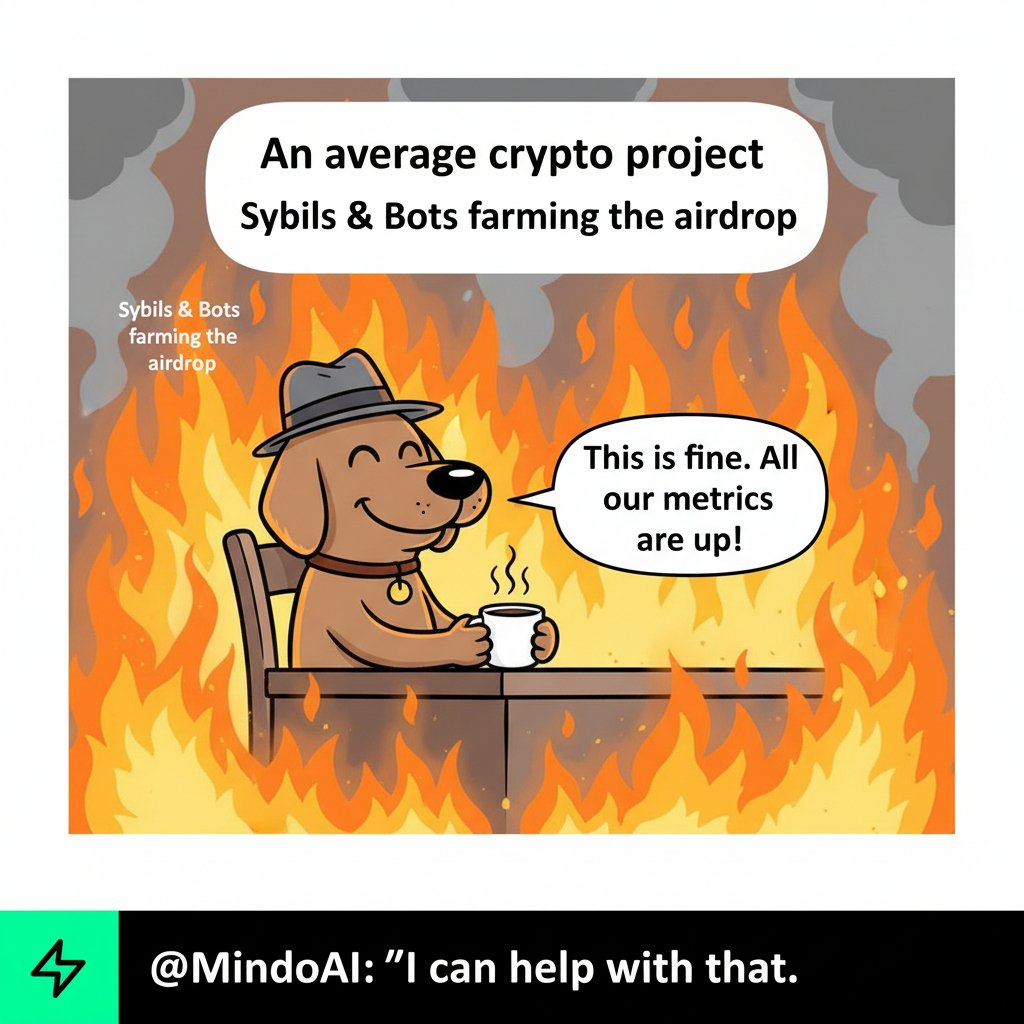
The #1 problem for any good airdrop? Sybils.
Thousands of bots farming rewards meant for real community members.
This is why we need "on-chain aware AI". @MindoAI isn't just looking at your tweets. It's scoring your entire Web3 footprint, your wallet's history, your real engagement.
It's a filter for humans. A filter for value.
Finally, projects can reward their true supporters.
#MindoAI #SybilAttack #AirdropHunter #InfoFi #AI
@MindoAI
1
2
26