
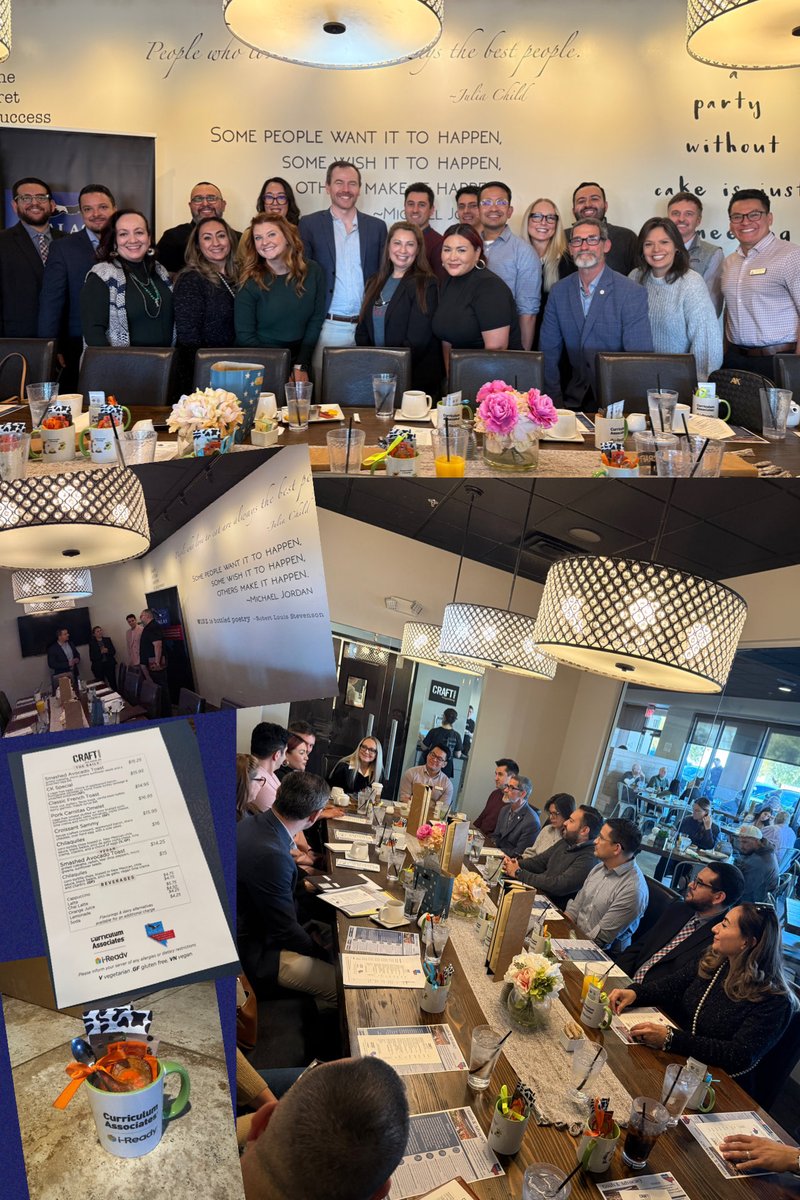
@NVALAS1 Welcome Brunch w/NV State Superintendent
Dr. Victor Wakefield ~ Listening, Learning, Leading w/Change Making Leaders in Community-Based Schools 🧑🏽🏫👩🏻🏫🏫 @CurriculumAssoc Partners
#SystemicSolutions
@NvstateED @ClarkCountySch @ALASEDU
4
6
19
1,586

27 Nov 2025
We don’t usually write long posts on here, but this one feels important... After watching #COP30 fall short last week – again - we can’t stop coming back to the same question:
Are our existing tools of finance even capable of building a world where people and planet can genuinely thrive?
This isn’t a theoretical, it’s something we’ve wrestled with personally for years, long before we stepped into the work of reimagining economic systems. The more conversations we’ve had, institutions we’ve observed, and lived experience we’ve collected, the clearer it’s become:
Our economic operating system was never designed to serve life.
It was built to convert living things - forests, communities, human labour - into dead capital for the benefit of a few. And most ‘impact’ reforms since barely scratch the surface.
Over the last 15yrs we've been working in #finance, we’ve spoken with people working deep inside major institutions as well as those building alternatives at the edges, and searched for mechanisms that could better align capital with the wellbeing of life on Earth.
And while there are many promising pockets of innovation and glimpses of what’s possible - #regenerative business models, community wealth experiments, #CircularEconomy projects etc - we keep running into the same fundamental mismatch:
Between the world we say we want and the economic architecture we still operate within.
Our financial system was built for another era - one shaped by extraction, scarcity and accumulation. It was designed by an earlier generation of humanity that knew far less about the interconnected nature of life than we do today. And while much of life has evolved since then, our financial system largely hasn’t.
It remains stuck in an outdated paradigm – one that still treats nature as a commodity, reduces people to economic units, and defines success as infinite growth Wealth is still defined in ways that ignore the health and wellbeing of people, communities and ecosystems.
And right now, that system is executing its code with brutal and terrifying efficiency. While #billionaires launch themselves into space, half the world can't afford food or basic healthcare, and #ecosystems are degrading in real time. We’re living through a moment defined by obscene concentrations of extreme wealth along with the visible unravelling of the social and environmental fabric.
Something is fundamentally broken - and none of this is accidental.
These aren't glitches. What we’re seeing is the inevitable consequences of an economic system that has optimised for profit and short-term gain over long-term wisdom. It’s what the system was built to produce.
Through @HigherStatusGlobal we attend many finance conferences and meet intelligent, well-intentioned people and organisations striving to make a difference. Many have significant resources, deep networks and hold considerable influence to shape outcomes. But in trying to make capitalism work better - whether through #ESG funds, #ImpactInvesting, corporate social responsibility, or the like – much of this work ends up fine-tuning the same broken system rather than transforming it; effectively pressure valves, creating incremental improvements and small victories that let us feel virtuous - not #SystemicSolutions - while the same underlying engine continues to run unchanged.
The system has learned to absorb our critique, repackage it as product, and sell it back to us - #ConsciousConsumerism becomes another revenue stream. Some of these initiatives matter, but most days it feels like we’re rearranging deck chairs while the ship is sinking. Which raises a hard question:
What if the very tools we’re using to ‘fix’ capitalism are just keeping a dying system on life support?
Because at its core, this isn’t a technology problem - it’s a #consciousness problem. We can’t solve a crisis of meaning and relationship with marginal tweaks to the machinery that caused it. What we’re really grappling with is deeper: it goes straight to the heart of who we’ve become as a species, and the values embedded in the financial systems we’ve built. These aren't just economic questions - they're existential.
The real question isn't “How do we make #capitalism more #sustainable?” It’s “Can we evolve fast enough to remember we’re part of a larger living system and redesign an economy that reflects the truth of our #interdependence – one that supports the flourishing of life, not just the financial success of a few?”
This isn't utopian thinking - it's Darwinian pragmatism, survival thinking. Either we build an economy that mirrors nature's intelligence - regenerative, distributed, adaptive - or we become another fossil layer.
Every day we spend trying to make a fundamentally extractive system slightly less extractive, is a day we're not building the #regenerative alternatives we actually, and urgently, need. Are we, in our frantic attempts to pivot within our existing economic system, just legitimizing its inevitable downfall?
At HSG, we’re done with half-measures, patching incremental fixes within a broken paradigm and pretending that the tools that got us here will get us somewhere different.
The future belongs to the people willing to ask fundamentally different questions:
❌ Not "How do we make capitalism work better?"
✅ But "What comes after capitalism?"
❌ Not "How do we maximize shareholder value sustainably?"
✅ But "How do we maximize planetary wellbeing systemically?"
❌ Not "How do we grow the economy?"
✅ But "How do we grow the conditions for all life to thrive?"
What gives us hope are the people who are already building this different economic consciousness - the regenerators, #SystemsThinkers and innovators sketching entirely new blueprints. They're developing the pioneering models we urgently need - but most are still underfunded, unseed and unheard. This is who we're building our fintech for. And we’re building it - brick by brick – alongside others who refuse to beg for scraps from a burning table.
The old system is dying, whether we intervene or not. The real question is whether we'll be ready with something better when it finally collapses - or standing around wondering how we didn't see this coming?
If you're someone who thinks in systems, sees where the future is heading, and are serious about engaging in the audacious, uncomfortable, and utterly essential work of shaping an economy that actually serves life - let’s connect. Let’s explore what becomes possible when the right minds meet at the right moment. This future won't design itself. ✊🌍🌱
👉 Still think we can "fix" this system?
Let's debate. We’re open to your conversation! ⬇️
👉 Ready to build what comes next?
Here's how you can help us get this #fintech to market – a platform specifically designed to unlock funding for underserved #environmental projects, accelerate #ClimateAction and deliver strong returns for impact-minded platform users: ⬇️
✅ Share this post across your networks
✅ Join our Discord - discord.gg/86C8qqP6E2
✅ Follow our LinkedIn page - linkedin.com/company/higher-…
✅ Subscribe to our newsletter - linkedin.com/newsletters/bui…
✅ Join our waitlist - higherstatusglobal.com
🙏 🙏 🙏
And to all the changemakers out there showing up day after day - don’t stop, you’re building what comes next - the world needs you! 🙌⚡️🔥

2
3
12
230

12 Sep 2025
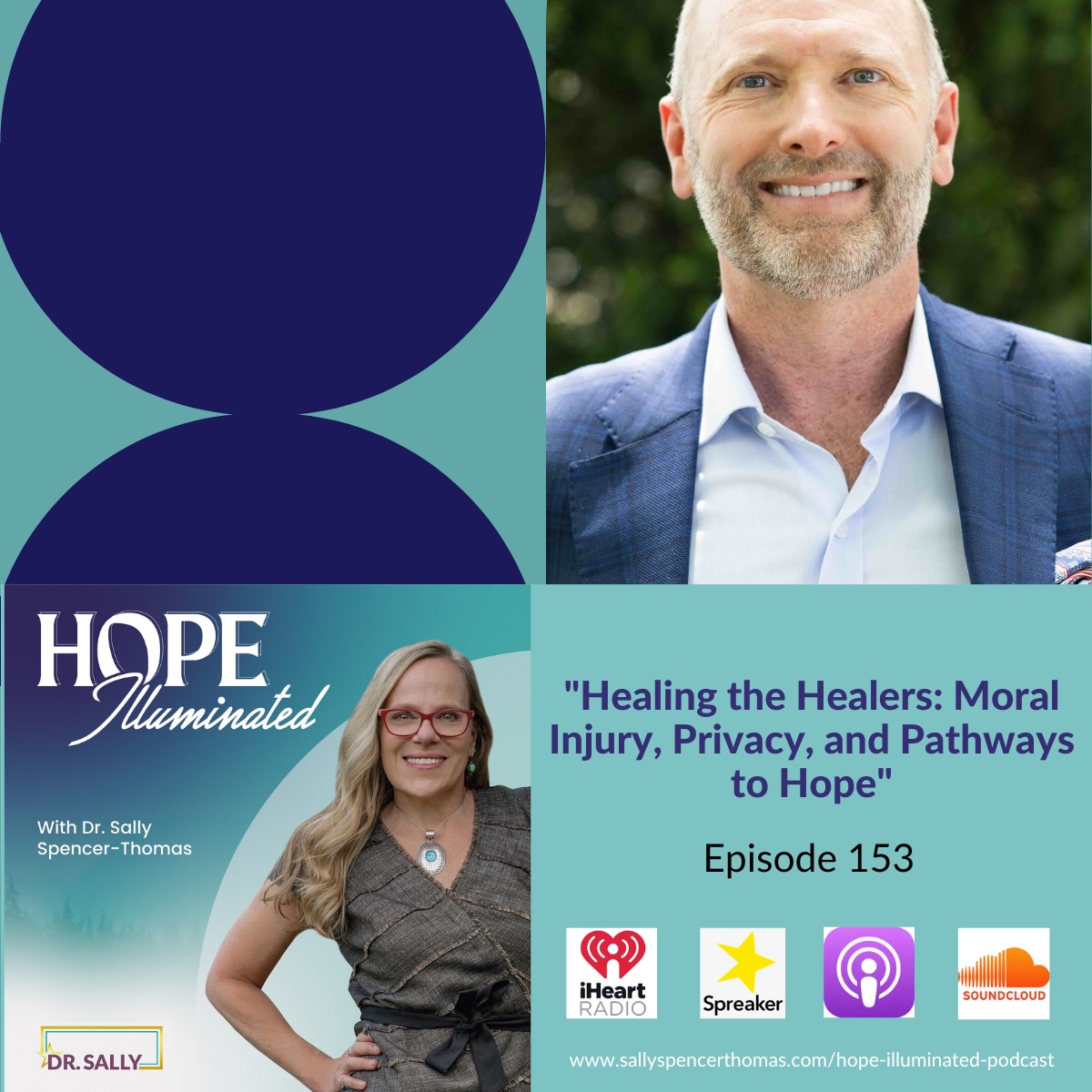
We talk a lot about “burnout” in healthcare. But as J. @PresCoreyDLBHF of the @drbreenheroes explains in our Hope Illuminated interview, the reality often runs deeper -- moral injury.
Moral injury happens when clinicians are forced to work in ways that betray their values or compromise patient care. It’s not something a yoga session can fix.
Real solutions require systemic change:
*Confidential peer support to break isolation.
*Equal privacy protections for mental health.
*Humane re-entry pathways after treatment.
Corey is leading the charge to transform how we support healthcare workers. His insights are essential for leaders within and outside the medical field.
Listen to our whole conversation here: lnkd.in/df2xN6VS
#Healthcare #MoralInjury #Burnout #SystemicSolutions #HopeIlluminated @WorkSuicidePrev @JodiJFrey @Action_Alliance @JudgeWren @socworkpodcast
2
5
281

5 Aug 2025
What happened was horrific. We need justice — and safety. But federalizing a city doesn’t fix what created the chaos.
Until we address systems that fail kids by 14, we’ll keep reacting to the violence we incubate.
Fear makes policy loud. Strategy makes it work.
#LeadershipClarity #SystemicSolutions #OliviaIsOps
1
91

18 Jun 2025
200 lives lost in Benue. Farms burned. Food prices rising. We can’t keep watching. This may be one of the most important things I’ve written in a long time. A model I believe can change everything.
bit.ly/3I0kO98
#FoodSecurity
#BenueMassacre
#SystemicSolutions
2
30

13 May 2025
Reparations sound noble, but they’d likely backfire hard for Black and Native Americans.
Handing out cash without addressing systemic issues—like education gaps, healthcare disparities, and job access—could fuel dependency, not empowerment.
It risks reducing complex historical injustices to a transactional fix, potentially deepening resentment and division.
True progress lies in structural change, not a check that might just widen the wealth gap when the dust settles. #ReparationsDebate #SystemicSolutions
10
4
2,124

11 May 2025
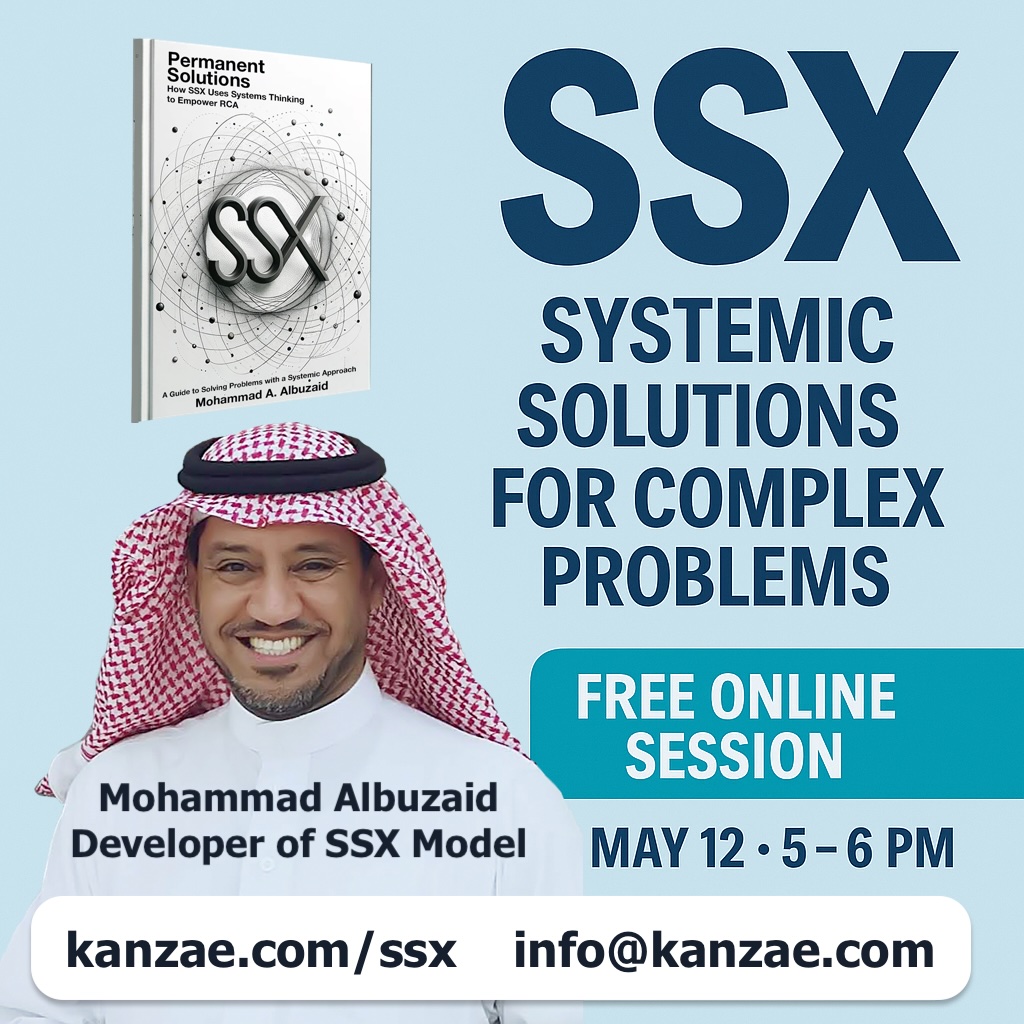
Free Online Session: SSX – Systemic Solutions for Complex Problems
Join us for a free online session hosted by Mohammad Albuzaid, the developer of the SSX model and author of "Permanent Solutions", where we’ll explore how the SSX model applies systems thinking to address complex problems and improve quality.
🗓 Date: Monday, May 12, 2025
🕔 Time: 5:00 PM – 6:00 PM (Asia/Riyadh Time Zone)
🔗 Join here: meet.google.com/ccb-yxxm-owy
Don’t miss out! Share this with your colleagues and friends who are interested in quality improvement and problem-solving.
#SSX #SystemicSolutions #QualityImprovement #Leadership #Innovation #ProblemSolving
1
1
275

27 Apr 2025
Bashir Ahmad raises a painful but important point:
✅ Visa rejection rates are not just about perception.
They are symptoms of deeper realities:
• Weak governance and poor global credibility
• Systemic failure to create opportunity at home
• And yes, individual misconduct that worsens our international image
But let’s be clear:
Citizen behavior abroad is a reflection of the strength of governance at home.
And the strength of a nation’s governance determines the dignity of its citizens — both at home and abroad.
🔹 Why Are So Many Nigerians Desperate to Leave?
• Nigeria has one of the highest youth unemployment rates globally.
• Public services — education, healthcare, security — have collapsed for millions.
• Governance failures have created a desperation economy.
When survival becomes a daily battle, risky behavior often follows.
Broken systems produce broken outcomes.
Telling Nigerians to “behave better” abroad — without fixing the structures that failed them at home — is treating symptoms, not curing disease.
🔹 Real Change Starts with Systemic Reforms — Not Image Campaigns
When Singapore reformed its governance in the 1960s and 70s,
their citizens didn’t have to beg for respect abroad.
Respect followed because institutions at home delivered dignity first.
Global respect is not demanded. It is earned — by building strong, just, and accountable systems.
🔹 The Real Work Ahead:
• Build a country where Nigerians no longer have to “escape” to survive.
• Create an economy that rewards talent, innovation, and hard work.
• Rebuild institutions so that a Nigerian passport commands respect — not suspicion.
✅ This is why Step Up Naija exists.
We don’t just clean images.
We build leadership, civic infrastructure, and a Nigeria whose citizens are respected because their country has earned that respect — from the ground up.
📢 Follow @Step_Up_Naija.
Let’s stop repainting cracked walls.
Let’s rebuild the foundation itself.
#StepUpNaija | #13kCredibleChallenge
#FixNigeriaFromTheGroundUp | #LeadershipWithIntegrity
#ReputationThroughReform | #SystemicSolutions
3
3
1,617

24 Apr 2025
22nd of April is EARTH DAY! 🌍
Every day is Earth Day when it comes to taking care of the place we call home. 🏡
Think about that❗
#ClimaPannonia #PBABasin #ClimateAction #AgriResilience #SystemicSolutions
1
3
75
14 Apr 2025
Check out the energy and atmosphere from our ClimaPannonia kick-off event! 🔋
Watch the full video clip here: rb.gy/rnrwqk
#ClimaPannonia #PBABasin #ClimateAction
#AgriResilience #SystemicSolutions
4
3
208
3 Apr 2025
A big thank you to everyone who joined our ClimaPannonia kick-off! 🙏
We hope you enjoyed your time in Novi Sad and had the chance to connect with all the partners.
Looking forward to what is next! 🍀
#ClimaPannonia #PBABasin #ClimateAction #AgriResilience #SystemicSolutions
3
42
28 Mar 2025
ClimaPannonia is here! ☀️
We are excited to kick off our project under the slogan: Driving climate resilience in agriculture and regional communities. 🐄 ☘️ 🌊 🌳
#ClimaPannonia #PBABasin #ClimateAction #AgriResilience #SystemicSolutions
2
5
75

9 Sep 2024
Addressing illegal re-entry and repeat offenses requires a comprehensive approach that includes both strong enforcement and effective support systems. Beyond arrests, how can we enhance rehabilitation, support for victims, and prevent future crimes? It’s essential to create a balanced strategy that addresses root causes and ensures justice and safety for all. #ComprehensiveApproach #SystemicSolutions
6

24 Apr 2024
📢 Get ready for some thrilling updates! 🚀 The fourth edition of the #ARSINOE newsletter has just landed! Explore six months of incredible progress, events, and project highlights.
💡Read the newsletter: mailchi.mp/500d1eb0f5a1/marc…
#ARSINOE #ClimateResilience #SystemicSolutions
4
8
214
11 Apr 2024
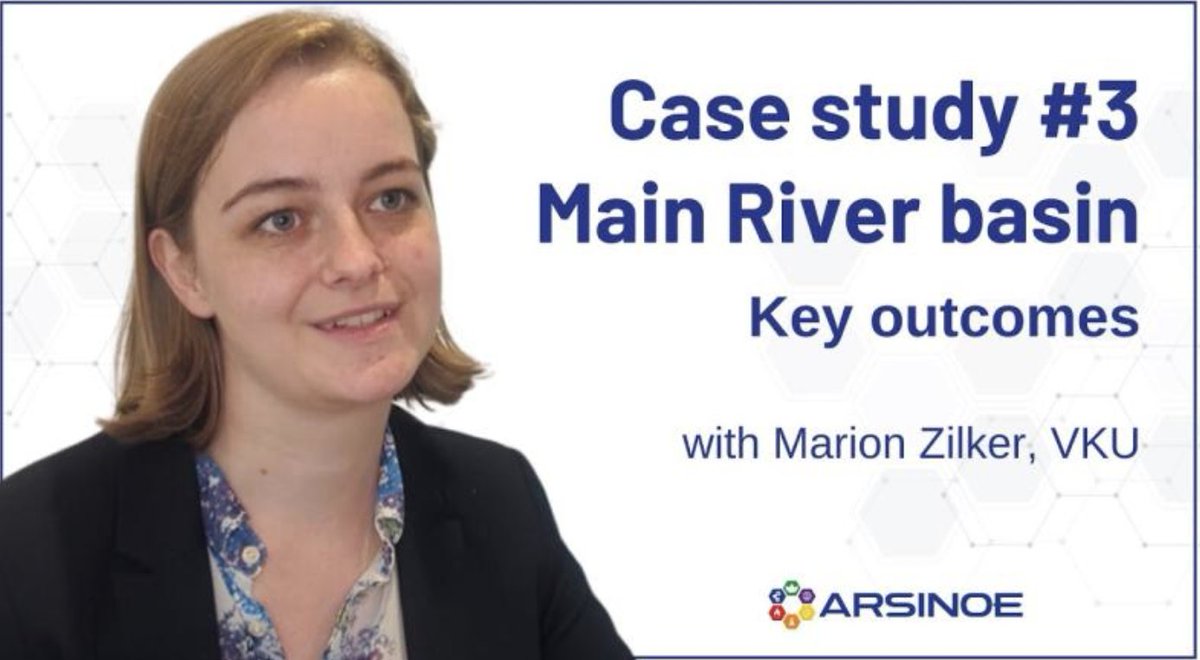
🌍 Explore the latest insights in the Main #Riverbasin from Case Study #3 with Marion Zilker, @VKUonline
🔍 Discover:
Impact on #publicservices
Strategy challenges
Sector vs. #systemicsolutions
Cross-sector collaboration successes
Watch now: youtu.be/A6U1Y4-hSQE?si=KJzv…
#ARSINOE
2
6
203
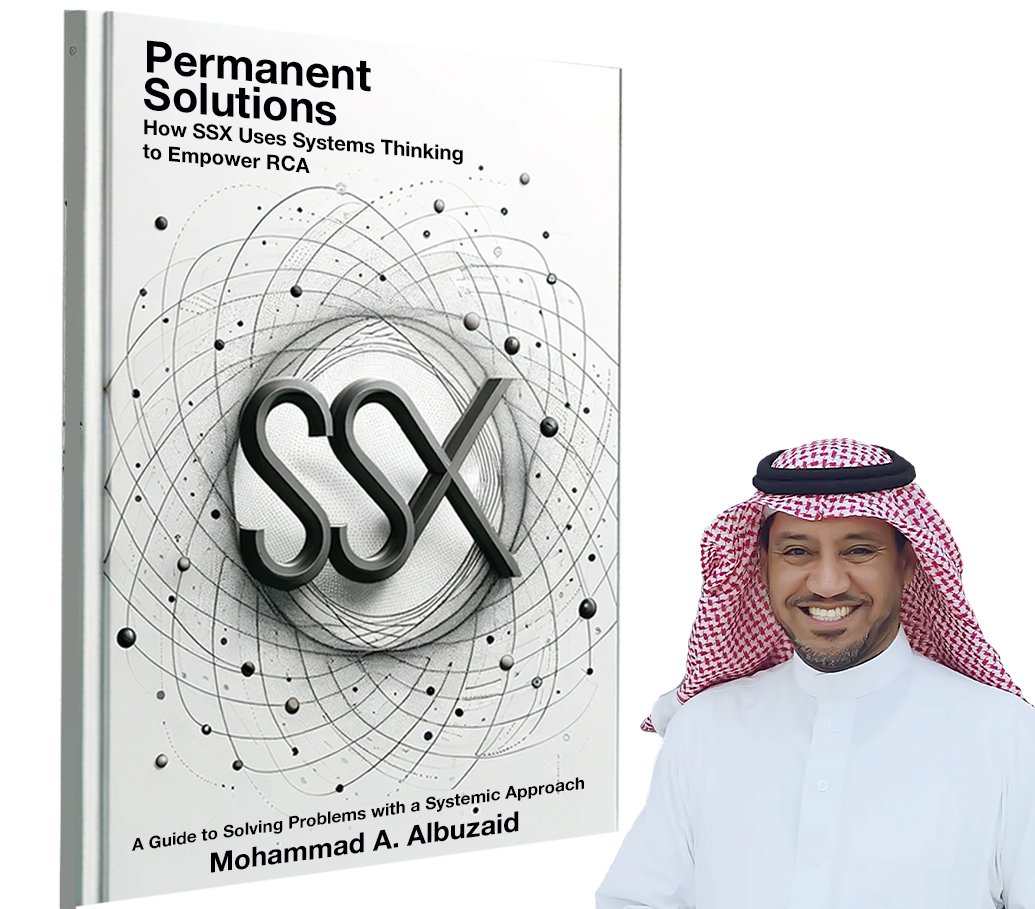
🌟 Transform your approach to problem-solving with "Permanent Solutions"! Learn how to tackle challenges at their root for lasting impact. kanzae.com/permanentsolution… #SystemicSolutions #Leadership 💡
1
2
159

5 Jun 2023
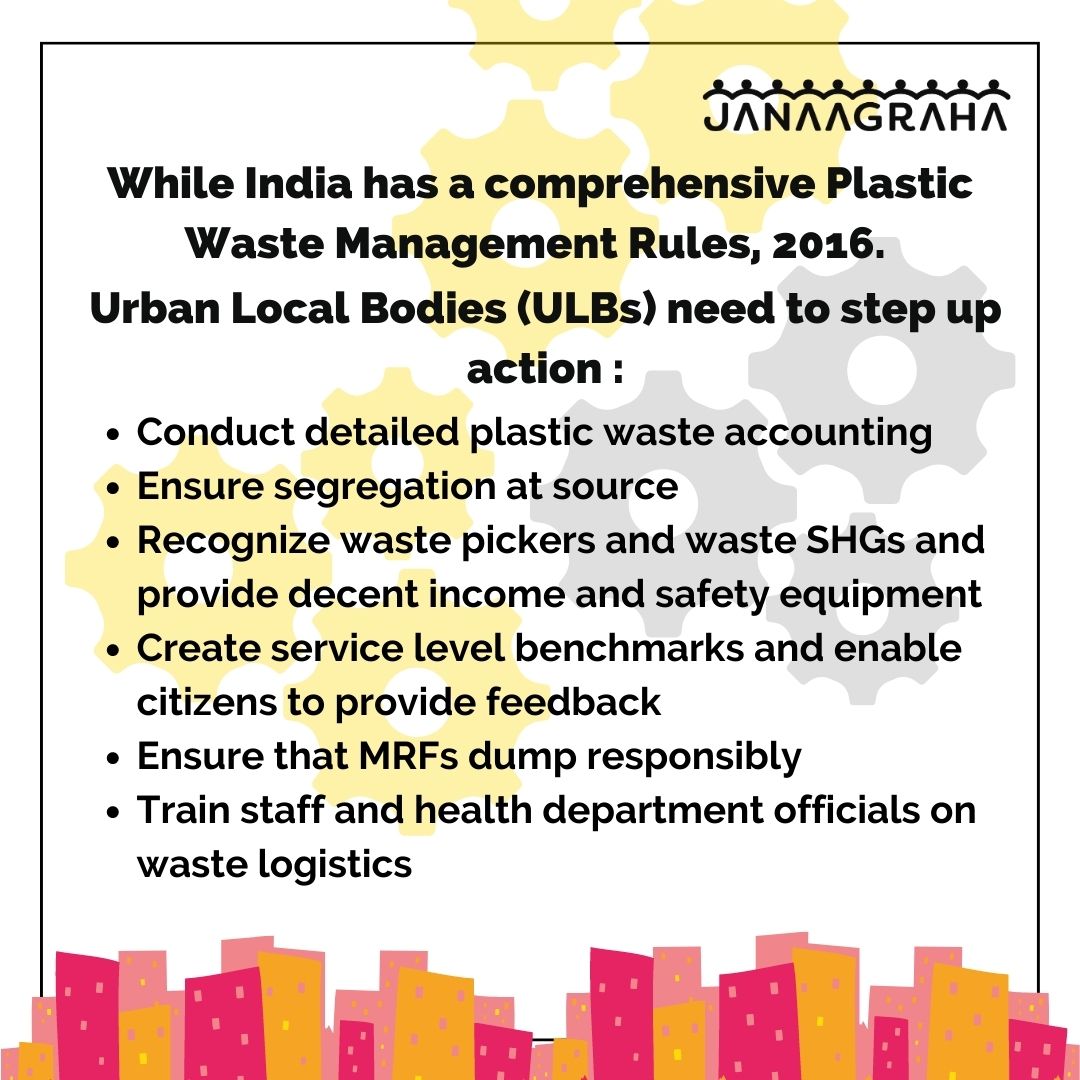
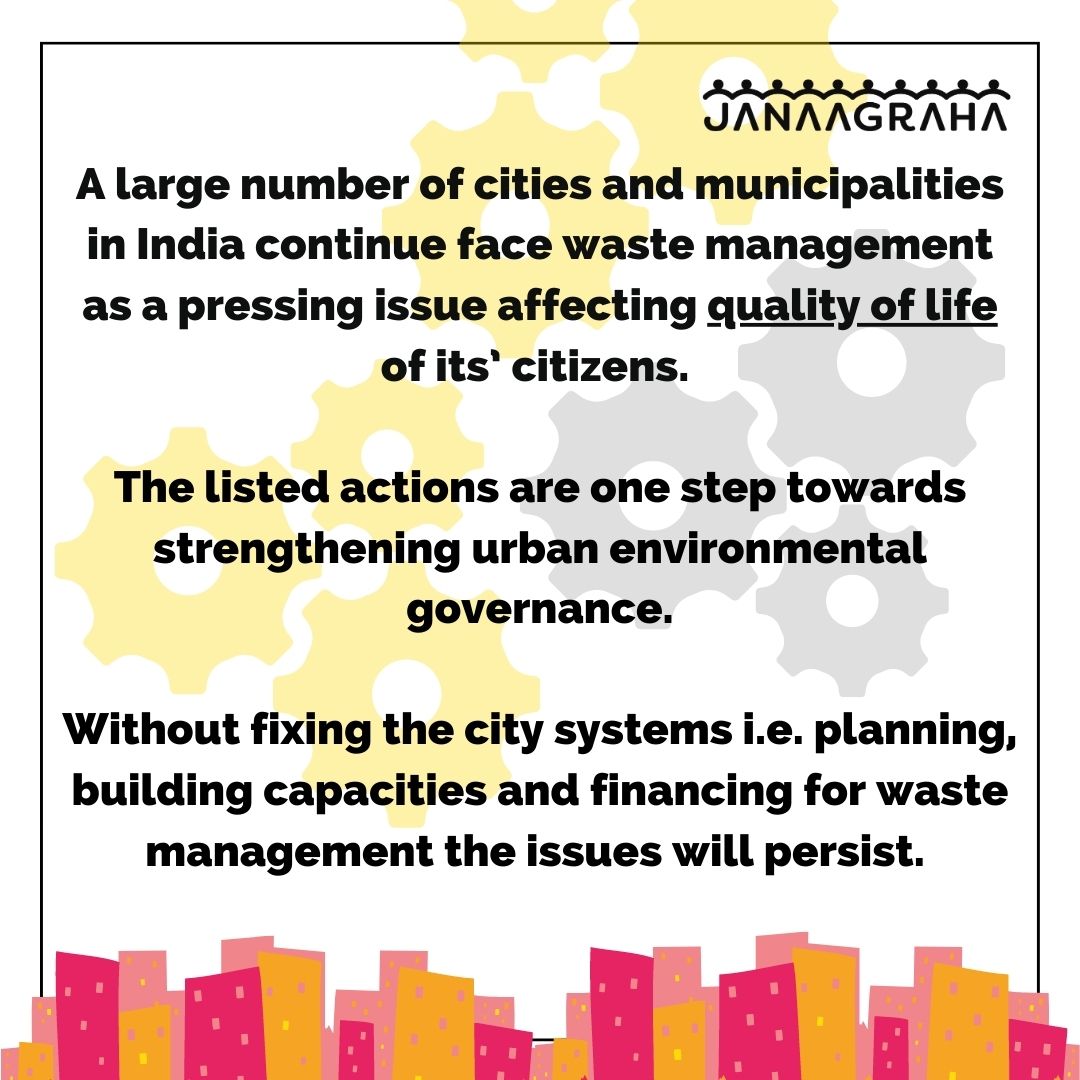
The root cause of the issue is systemic in nature and therefore needs systems change to address it. This #WorldEnvironmentDay let's recognise gaps in urban environmental #governance from the whole systems lens and work toward #systemicsolutions.
ALT Waste Management
ALT Environment
3
2
452

14 May 2023
Sign up to my weekly newsletter that features my favourite studies on sustainable consumption and climate action through personal stories and narrative non-fiction. Includes unshaming and #climatejoy too! buff.ly/3FT9iJy #climatecrisis #systemicsolutions

2
167

15 Mar 2023
📚 Social dialogue and #systemicsolutions that consider technological, economic & political factors are the golden means to a #JustTransition, according to a new report developed by @Wise_Europa & @impacthub together with EIT @ClimateKIC.
Read more 👇 bit.ly/3FnHwnK
1
4
385

2 Mar 2023
This is so well deserved. Congratulations @APZBNF and #vijaykumar. We need #systemicsolutions to #systemiccrises. Bravo!

Amazing news! Rythu Sadhikara Samstha wins the Innovation for India Awards 2023 by @MIF_India, huge shout-out to the @apzbnf farmers and community resource persons who are leading the charge for sustainable and eco-friendly #agriculture with their game-changing approach
1
4
150