
May 14
CALLING ON @POTUS TO PARDON SAMOURAI DEVELOPERS @keonne AND @tdev
IT’S BEEN CRICKETS 🦗 ABOUT THIS!
#PardonSamourai #FreeSamourai

1
9
29
565

Apr 28
I have received correspondence back from Tdev, he wanted you to know he is doing ok.
Thank to those who have shown their support, keep fighting. This isn't over yet.
billandkeonne.org
7
31
129
3,009

More pictures of my SN-TDEV GameCube devkit.
#Gamedev #GameCube #Wii #hardware #gaming #retrogaming #nintendo #NintendoGameCube #NintendoWii
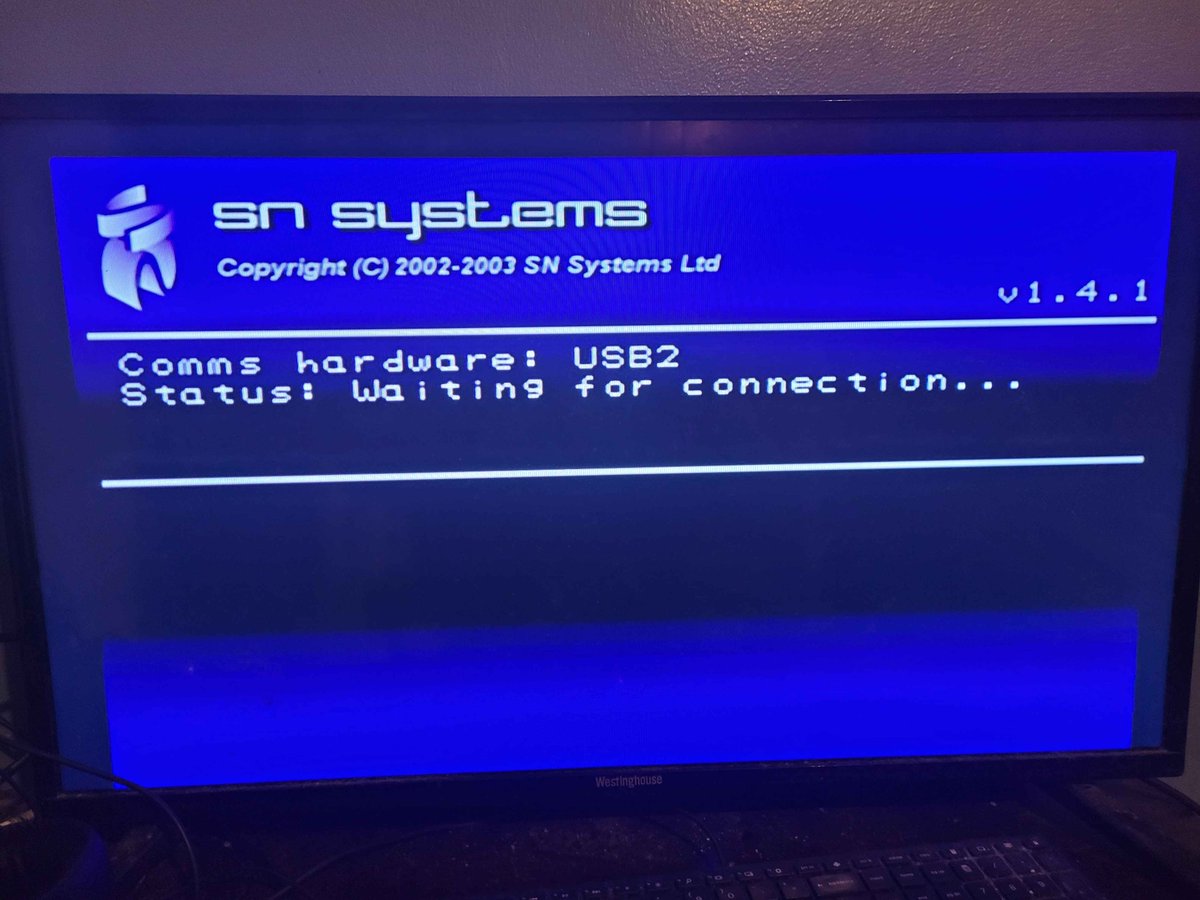
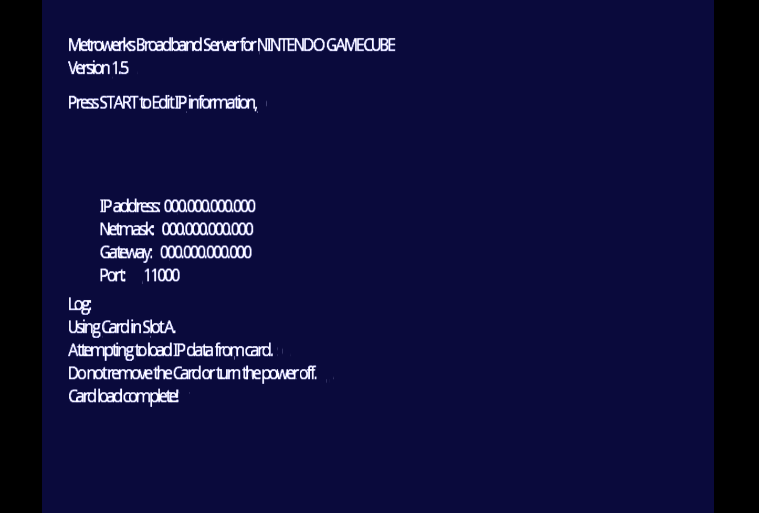
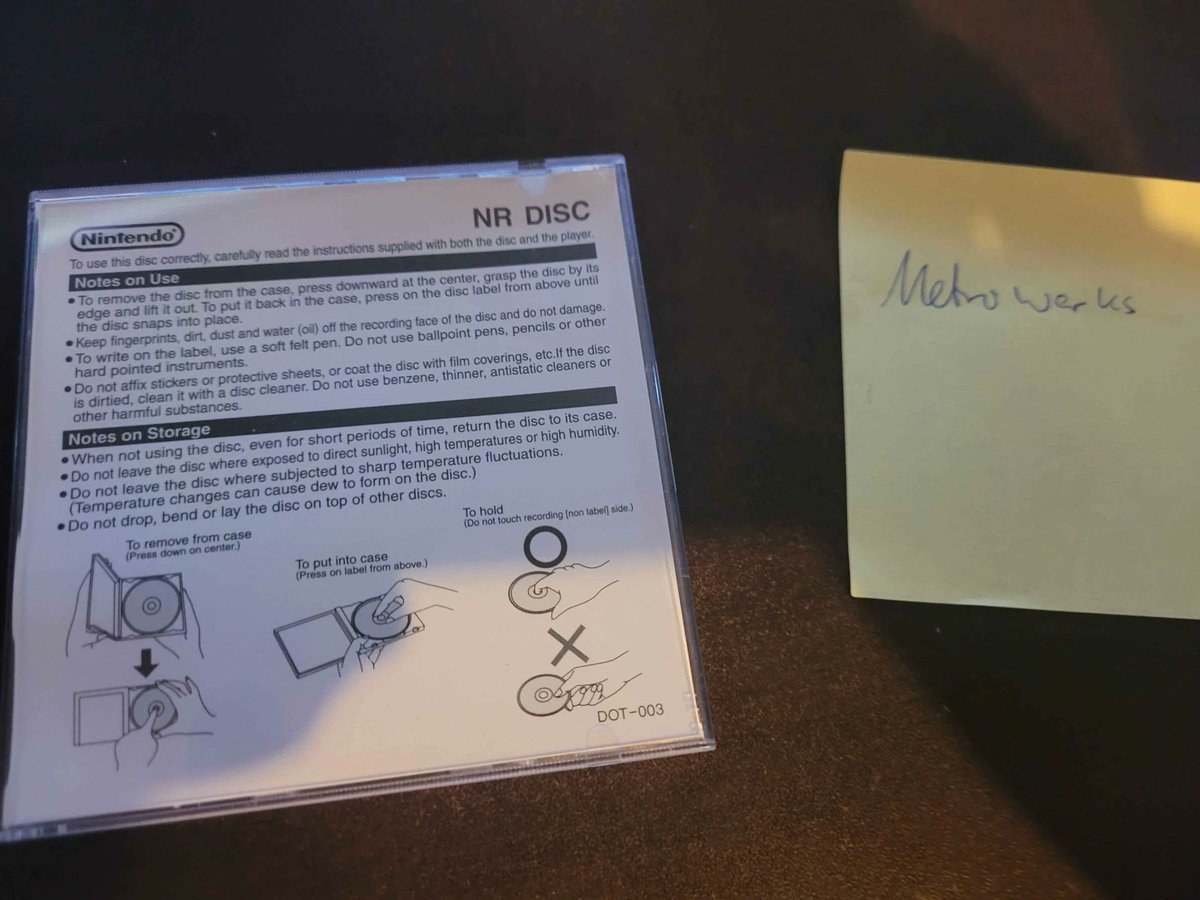
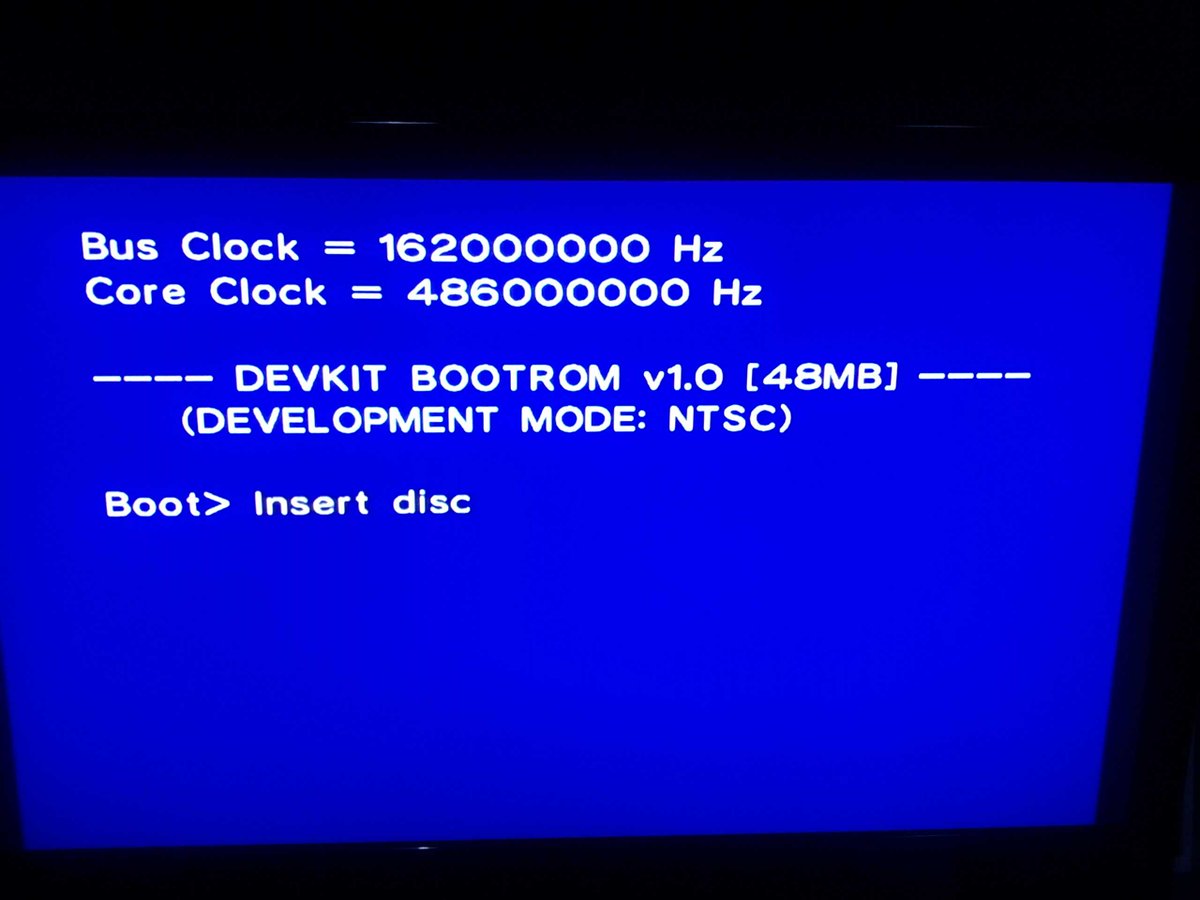
3
25
Pictures of my SN-TDEV GameCube Devkit. 😁
#Gamedev #GameCube #Wii #hardware #gaming #retrogaming #nintendo #NintendoGameCube #NintendoWii
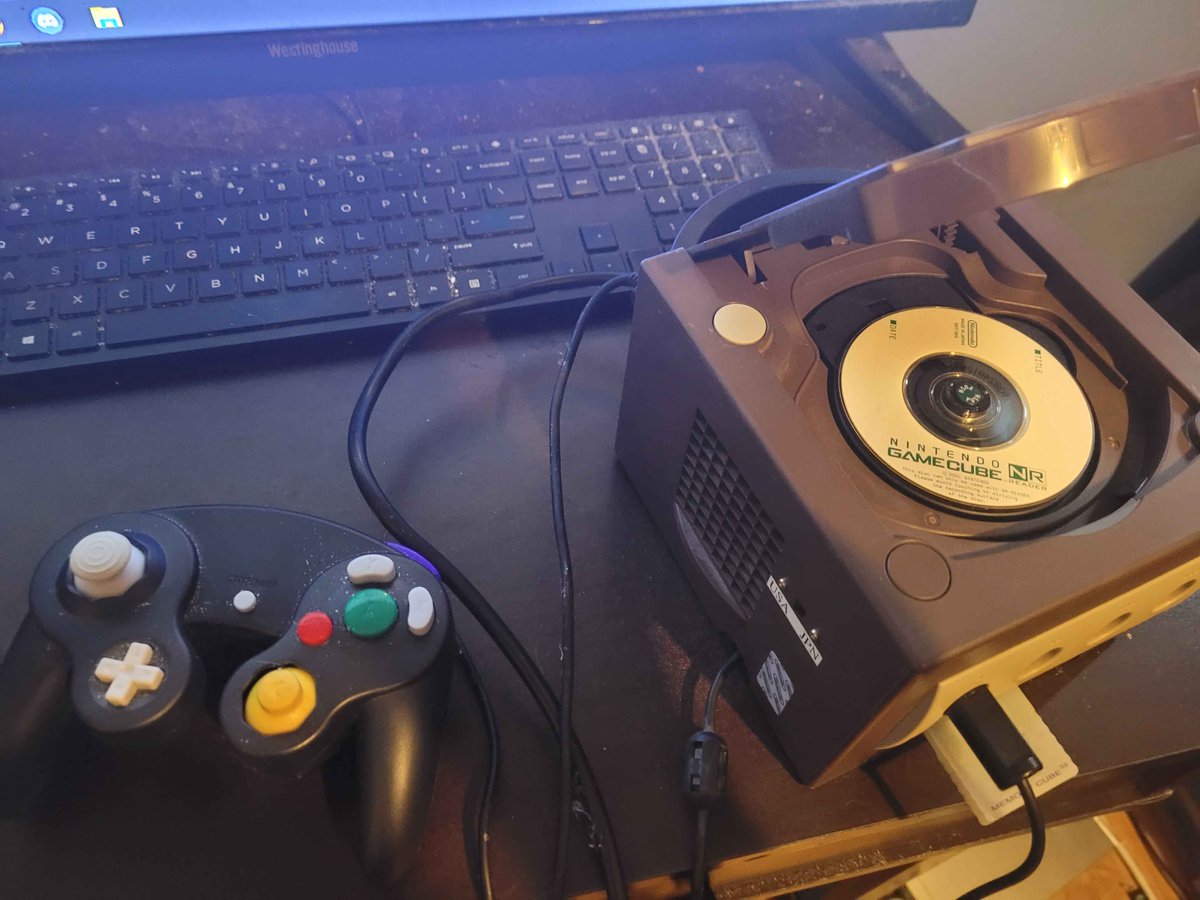
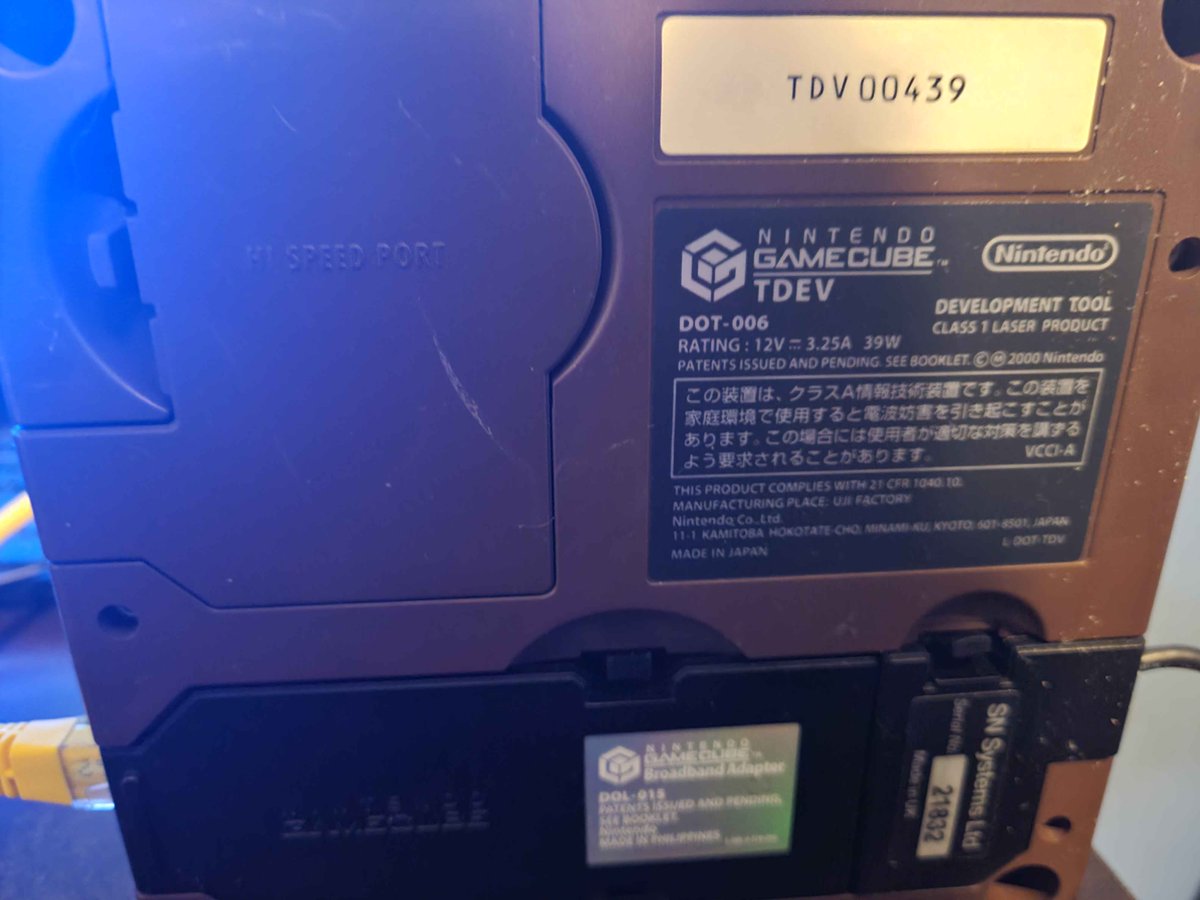
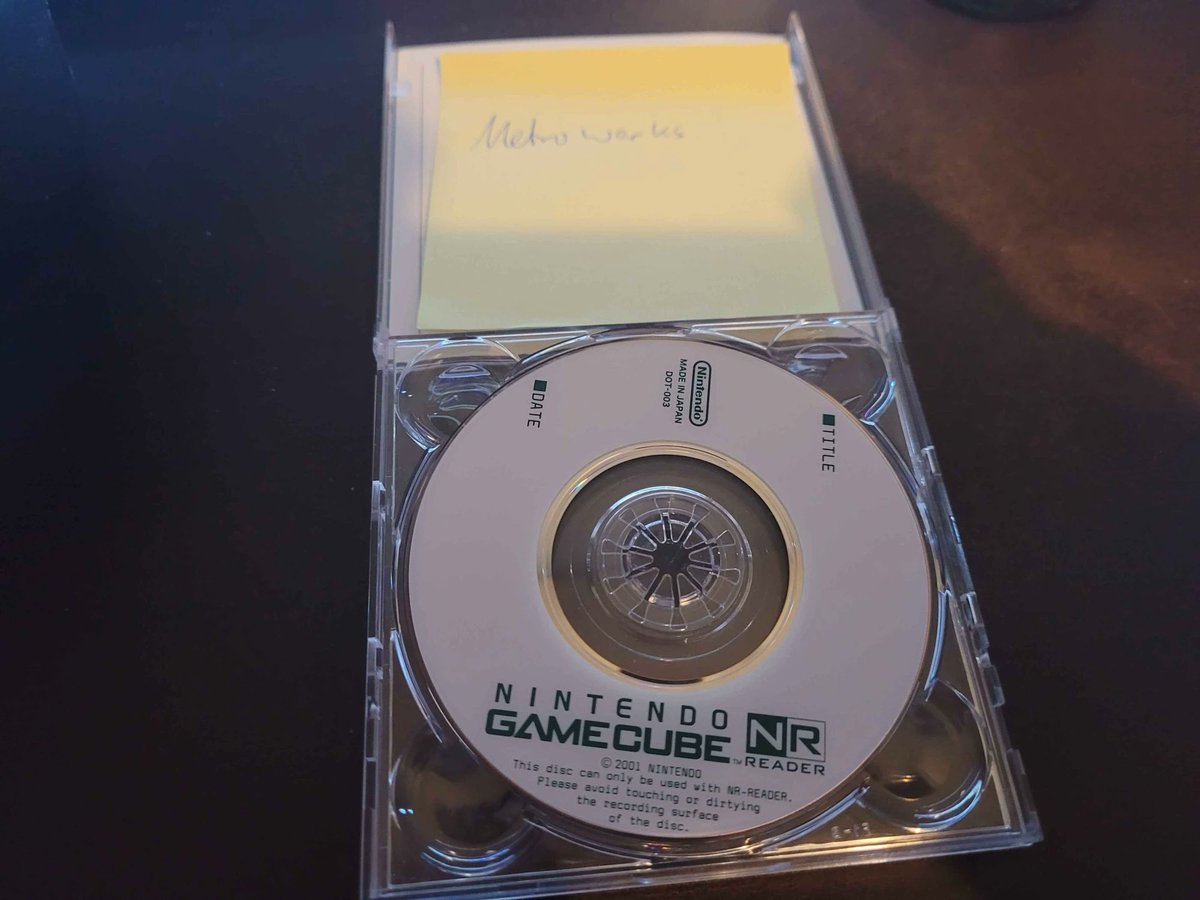
3
24

Hij heeft ook wel 's gelijk hoor, onze TdeV: nrc.nl/nieuws/2026/03/05/hee…
2
4
194

REMINDER: SW and TDev are still facing 5 years in prison for providing the only privacy solution for bitcoin.
Never forget.
@SamouraiWallet @keonne

15
48
1,296

Feb 14
Here's how I'm currently coding.
If it's front end or something we interact with, I start by describing what I need to do and initial ideas for interface. I'll then generate 30 mockups (10 each from GPT, Claude, Kimi), asking them to make each quite different, and to make each one an isolated html file with embedded JS and CSS. I'll then go through the 30, dismiss most, keep a few, then keep iterating until it feels right for what I want it to do. I find this iteration loop much, much faster than trying to manually spec out a front end design, or trying to write it within a live system while simultaneously hooking up the back end functionality. If it's just a front end change, I'll then ask the LLM to integrate it into the codebase, otherwise I'll park it until the backend is done.
For backend, I start by describing all the things I need it to do with initial ideas for implementation. Normally this is me speaking as I use voice to text all day long. I'll point it to parts or the codebase I think will be relevant. I then get the LLM to write a plan file, which we'll iterate over until it gets to a stage where nothing is ambiguous and it can single-shot the development.
This stage will often involve experimentation and testing. For example, yesterday I added functionality that extracts all upcoming broker-hosted company calls and meetings from our emails and shows it to us in a nice interface where we can limit it to portfolio stocks. A core part of this was making sure we had a system that can consistently extract the right information, so I had the LLM check my email and download a few examples and extract the details it needed, so we had sample emails and sample data it could test the implementation against. Often I'll get it to write CLI tools for backend functionality too, as that makes it much easier to test and once all done allows our agents to easily access this functionality.
I'll read through the plan myself and question the implementation of various things that don't look right or that I don't understand. I'll get it to review it from scratch and identify any issues, both in terms of implementation and ambiguity. Eventually we'll get to a well structured plan and I'll give it the go ahead to implement. Normally this does result in a single-shot implementation that works, but if not, the CLI commands normally make it easy to diagnose where the issues are.
Then, if this feature involves both a front end and back end, I'll point the LLM to the html mockup and get it to implement it. In my dev setup I always work in worktrees, where a setup command updates hosts so the worktree name is accessible locally at name.t.com. The LLM (or I) can run a "tdev restart" command that reloads the code/server for the worktree it's in. The LLM has access to agent-browser by Vercel, so in this step I get it to test all functionality itself, reviewing the look of every page, clicking buttons, etc. This has saved a lot of time and greatly increased the chance of single-shotting the UI implementation.
Then if all is good, I'll get it to commit changes, merge back into master, deploy to production with Kamal, and move on to the next thing to implement.
I'm mostly using OpenCode for the above, but will sometimes use Claude Code or Codex directly.
Yesterday I added over 10k lines of code this way -- the broker call tracker above, upgraded YouTube stream tracking and analytics code, enhancements to our agents to add heartbeats, better memory and background jobs, a minor update to the Minotaur Capital homepage, and a few other minor fixes and changes.
Feels like what you can get done on a Saturday has taken a massive leap from a year ago.
1
20
1,115

Feb 8
Good floor volume, doesn't need tdev or him onboarded plus we can CTO the fees if he does respond to us
5
228

Jan 27

2
7
41
293

22 Dec 2025
2026 commence bien pour les femmes #TgTech !
Le @NumeriqueTG lance un programme de formations GRATUIT et certifiantes en #cybersécurité (#ISO27001, #ISO27035, #CompTiA Security ) pour les femmes togolaises !
Date limite : 26 Dec 2025.
Info : bit.ly/3MPmpkH
#TDEV

2
50

19 Dec 2025
Praying for you and TDev. 🙏
Keep your chin up, nothing is over! 👊
6
85


16 Dec 2025

3
2
33
1,051

15 Dec 2025
We have four more days to pardon @keonne and Tdev. If Keonne doesn’t get pardoned btc will dump, 70k on Christmas Day. Mark my words. Pardon Samourai bitcoin pump. Not pardon Samourai bitcoin dump.
3
61

11 Dec 2025
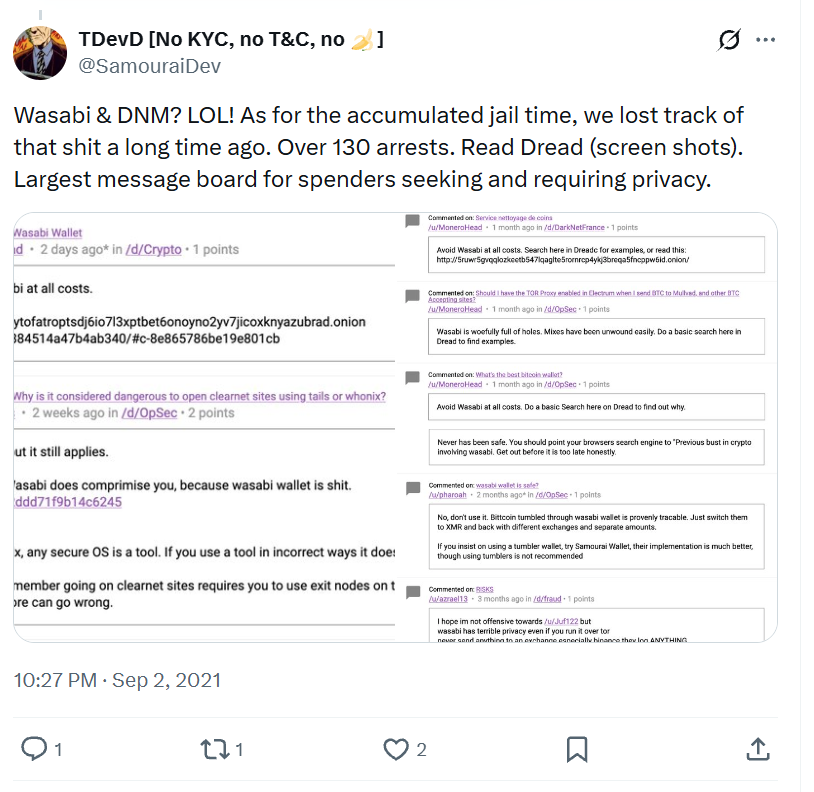
Its because many have been arrested using Wasabi and that's why he said the prison part.
SW and Tdev were very friendly and helpful every time I had questions in chat groups
4
71

10 Dec 2025
One of the things we discussed in the brief update is that Tdev expressed his gratitude for all the support from everyone.
You can still hear from him as he has been posting articles to his Substack:
substack.com/@recluso774
9 Dec 2025

Quick recorded update on Bill & Keonne's situation from Keonne himself, Gabriel, & me.
#pardonsamourai
6
12
1,172

Hi @keonne
Wanna join my podcast to talk about your justice campaign?
While I might have been a critic of Samourai wallet in the past
I am sympathetic with your cause and stood up for you even if you & TDev hate me
Let me know!
3
4
18
901