Abraham Aig retweeted

This drone footage is wild.
You see two UN vehicles parked right there. UN staff are out in the open, moving around and clearly interacting with a group of armed Hamas members, the ones circled in red. They’re walking between each other, handing things off, no tension at all.
This was right outside a UN facility. It’s open collaboration between UN people and Hamas terrorists.
You cannot hate the UN enough.
33
412
1,326
17,141
jane retweeted

Thousands of EVMs used in elections destroyed in a fire.
The fire reportedly started on the 3rd floor, yet reached the 7th & 8th floors where EVMs were stored, while the floors in between were largely unaffected.
Maybe there's a simple explanation. If so, make it Public
5
82
119
1,668

Can any Fed Chair truly prioritize inflation over Treasury market stability if the two come into conflict?
AnnaA retweeted

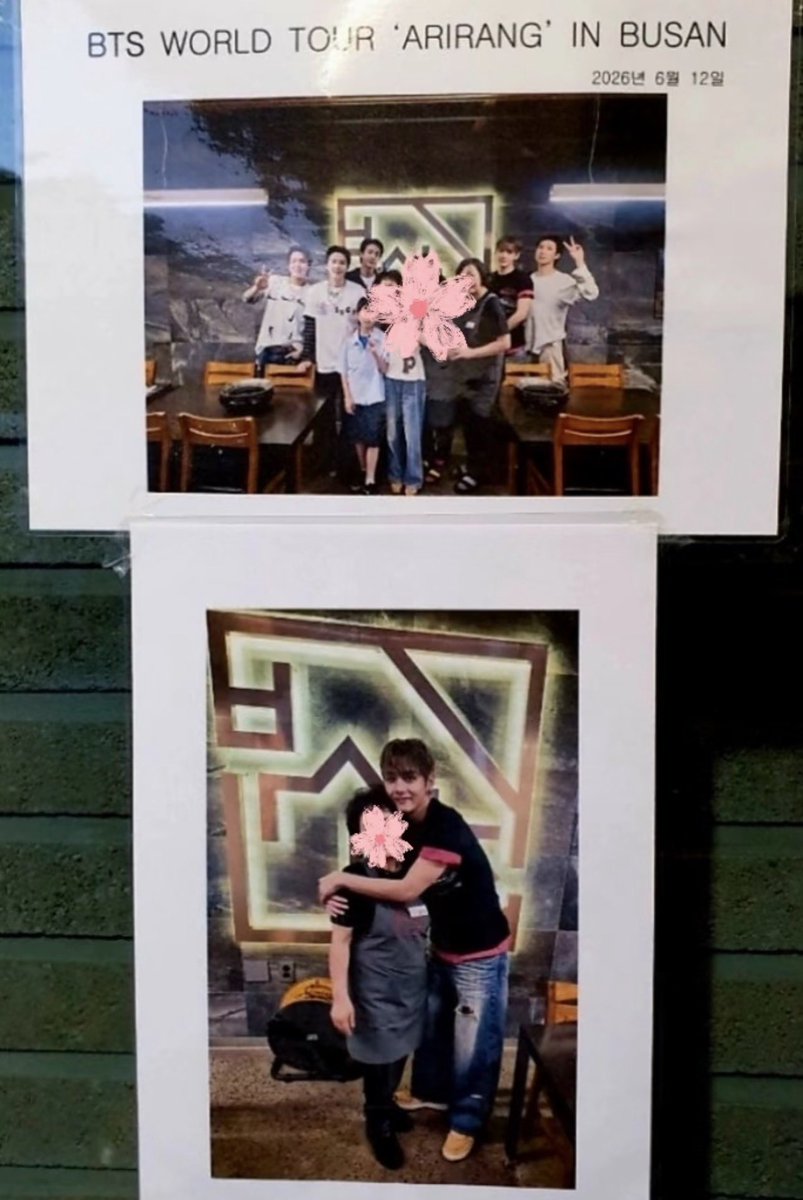
After their first concert in Busan, when 🐰🐥 live, the rest of the members went to the famous ‘Gwangalli Eonyang Bulgogi Busanjip’, known for its delicious bulgogi, for a celebratory meal and some well-earned food 💜

3
42
673
¹³WE GO INTO THE SUN TOGETHER, BABS⁷| 🍀♌🇨🇦 retweeted

12h
Can't believe we had fcvkass svt, bigbang and even wannaone stans trying to convince people online that THE BTS out of all artists apparently 'failed' to attract enough crowd in South Korea out of all places during the Gwanghwamun fiasco,,
 BTS Daily⁷
28
1,760
11,159
151,671
Charvak Rishi retweeted

Jun 12
autonomous robot driving through the field at night. no chemicals. no pesticides. just UV light killing pathogens and pests while everyone sleeps. this is @tricrobotics.
this is what chemical-free pest control looks like at scale.
1,065
8,265
47,659
3,237,666
Siciliano0001 retweeted

All whitebois melt at the sight of Black cocks, the true mark of submission is getting pounded by a real bull!
 ♠️BLACK…DADDY
9
22
296
Emi retweeted

TERRIFYING: Islamic scholars in the U.S. reveal their plan:
“There are not enough Muslims in America right now to demand full Sharia law and replace its secular system. We must gain political power first and implement it little by little.”
179
1,669
3,057
66,414

maxn_jam retweeted

💘 @Camila_Cabello now has 2 solo songs over 1B streams on Spotify!
- Never Be the Same: 1.1B
- Shameless: 1B


7
101
681



lucky ☭ retweeted

Pam Grier in “The Arena” (1974)🤎

169
1,501
30,565
530,315
Cici retweeted

🚨EPIC scenes on the National Mall massive crowd gathered at the Washington Monument with a stunning rainbow overhead!
God’s blessing shining down on America. Beautiful moment of unity and patriotism in our Nation’s Capital.
 The White House
209
2,865
14,552
109,298
Ian Hall retweeted

10h
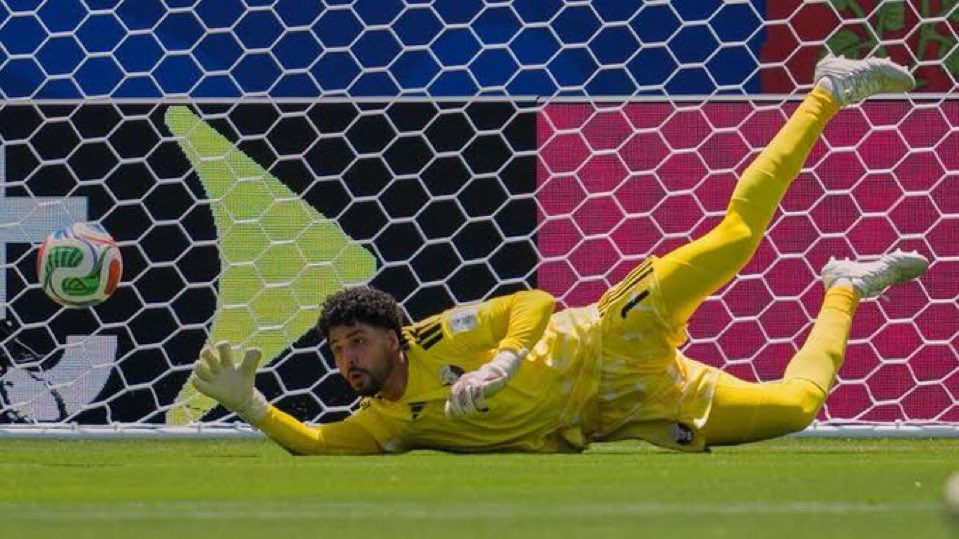
Mahmud Abunada, the Qatari goalkeeper, donated to build a hospital in Gaza, Palestine after Qatar qualified for the World Cup 2026.
Abunada became the hero for Qatar as his brilliant performance against Switzerland earns them their first point in the history of the World Cup.
6
322
2,439
23,058
Charlie ™ ✊🏿 retweeted

18h
Once I don dey notice disrespect for the setting, I don dey find my way out.
179
843
2,855
29,903
Static Shock retweeted

Jun 13
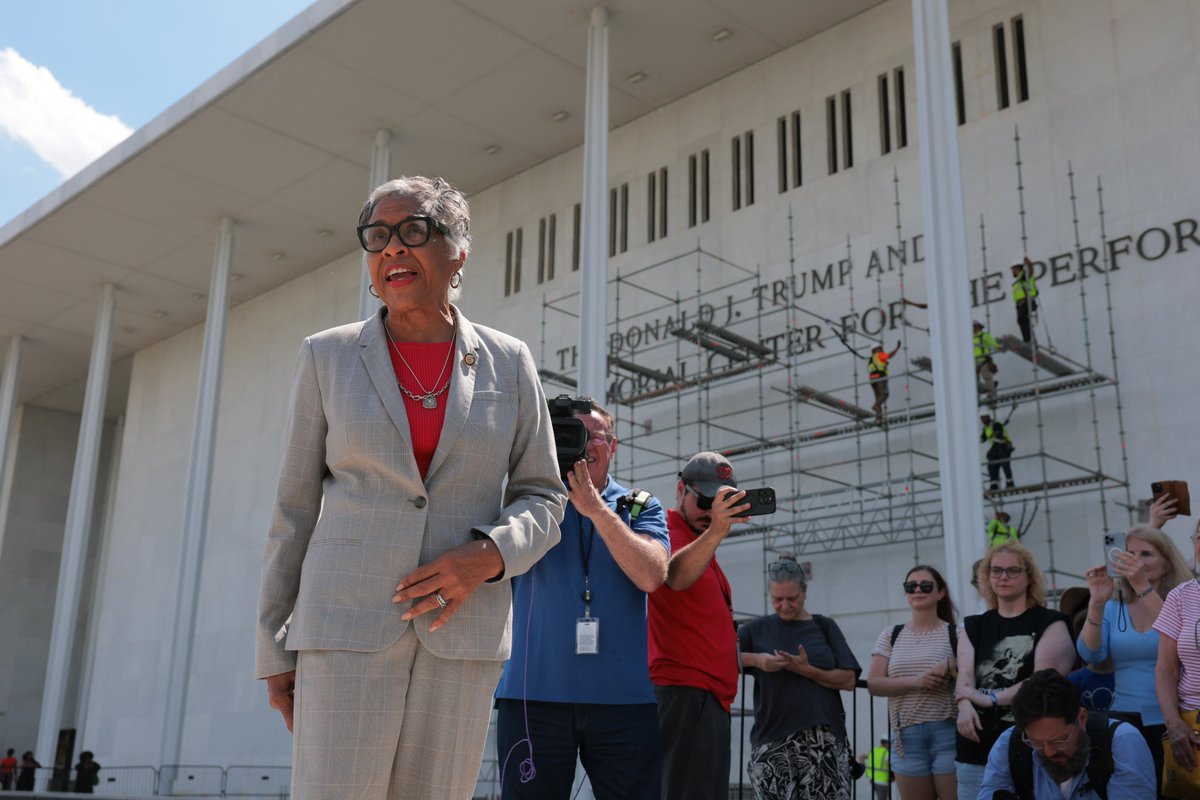
'It's all about the rule of law': @RepBeatty on watching Trump's name come off the Kennedy Center bsky.app/profile/lastwordmsn…
8
28
125
3,872

𝐄𝐟𝐟𝐞𝐜𝐭𝐢𝐯𝐞 𝐢𝐧𝐬𝐭𝐢𝐭𝐮𝐭𝐢𝐨𝐧𝐚𝐥 𝐥𝐞𝐚𝐝𝐞𝐫𝐬𝐡𝐢𝐩 𝐫𝐞𝐥𝐢𝐞𝐬 𝐨𝐧 𝐮𝐭𝐢𝐥𝐢𝐳𝐢𝐧𝐠 𝐞𝐱𝐢𝐬𝐭𝐢𝐧𝐠 𝐥𝐞𝐠𝐚𝐥 𝐬𝐲𝐬𝐭𝐞𝐦𝐬, 𝐞𝐦𝐩𝐨𝐰𝐞𝐫𝐢𝐧𝐠 𝐢𝐧𝐭𝐞𝐫𝐧𝐚𝐥 𝐚𝐮𝐝𝐢𝐭𝐨𝐫𝐬, 𝐚𝐧𝐝 𝐞𝐧𝐟𝐨𝐫𝐜𝐢𝐧𝐠 𝐜𝐥𝐞𝐚𝐫 𝐜𝐨𝐧𝐭𝐫𝐚𝐜𝐭𝐮𝐚𝐥 𝐩𝐞𝐧𝐚𝐥𝐭𝐢𝐞𝐬. 𝐖𝐡𝐞𝐧 𝐩𝐮𝐛𝐥𝐢𝐜 𝐨𝐟𝐟𝐢𝐜𝐢𝐚𝐥𝐬 𝐜𝐡𝐨𝐨𝐬𝐞 𝐭𝐨 𝐚𝐢𝐫 𝐠𝐫𝐢𝐞𝐯𝐚𝐧𝐜𝐞𝐬 𝐭𝐡𝐫𝐨𝐮𝐠𝐡 𝐦𝐞𝐝𝐢𝐚 𝐨𝐮𝐭𝐛𝐮𝐫𝐬𝐭𝐬 𝐢𝐧𝐬𝐭𝐞𝐚𝐝, 𝐢𝐭 𝐫𝐞𝐯𝐞𝐚𝐥𝐬 𝐭𝐡𝐚𝐭 𝐭𝐡𝐞𝐢𝐫 𝐢𝐧𝐭𝐞𝐫𝐧𝐚𝐥 𝐚𝐝𝐦𝐢𝐧𝐢𝐬𝐭𝐫𝐚𝐭𝐢𝐯𝐞 𝐦𝐞𝐜𝐡𝐚𝐧𝐢𝐬𝐦𝐬 𝐚𝐫𝐞 𝐟𝐚𝐢𝐥𝐢𝐧𝐠.
If you are still celebrating loud ministerial threats on social media, you don't understand how state contracts or criminal justice work.
The transition from the passive, quiet "Fishermen Cabinet" to this hyper-aggressive, shouting alignment has turned public governance into performative entertainment. We are seeing newly appointed ministers like Fred Byamukama and Balaam Barugahara stepping into office and immediately launching public threats and arbitrary deadlines. But look past the media optics, and the structural reality becomes clear: this performative anger is completely toothless.
Take State Minister for Transport Fred Byamukama’s arbitrary March 2027 deadline issued to the Serbian contractor EnergoProjekt for the 86-kilometer Mityana–Mubende Road. Shouting contract cancellation for the cameras ignores the shocking facts: the project began in 2021, stalled due to severe financial constraints, and only 32 kilometers are complete. More importantly, it is governed by an international contract valued at 395 billion Shillings, of which the government has already paid out 195 billion. A minister cannot simply rip up a multi-layered contract at a press conference without triggering massive breach-of-contract clauses, dragging the state into international arbitration, and costing taxpayers billions more.
The same empty showmanship applies to the Minister of Local Government, Balaam Barugahara, issuing a 15-day ultimatum to parish committee members accused of extorting Parish Development Model (PDM) beneficiaries nationwide. If a minister can clearly see public money being siphoned from the poor, why give the extortionists an extra 15 days of freedom before acting? By law, identified financial fraud requires immediate evidence preservation and instant criminal prosecution through the police or the Anti-Corruption Unit, not a two-week media countdown that gives bad actors ample time to clean up audit trails and compromise witnesses.
Ultimately, this exposes the core difference between the past and present executive teams. The "Fishermen Cabinet" was characterized by quiet, institutional sleep and slow bureaucratic neglect.
In contrast, the current "shouting cabinet" relies on restless, loud, and uncoordinated volcanos of rage. While the previous cabinet failed through silent inaction, this new era fails through performative, sentiment-driven noise. They substitute evidence-based, rule-of-law governance with public spectacles, proving that the louder a minister shouts, the less actual administrative power they hold. Mwagamba busha.

Those tax loopholes they mention every now and then are still there and they’re not there for the likes of me n you that’s for sure.
Welfare is there as a bare minimum for what they decide you need to survive on.
As always the worst off get what little they have taken away.
