
Jun 14
Some good starter points
“Thread: Just how much control did Prince Alwaleed bin Talal really have — and why was he one of the biggest threats facing Donald Trump the moment he stepped into the White House?
Most people saw the Twitter insults and thought it was just drama. It was much deeper. Alwaleed wasn’t a random critic — he was a central node in the old global power structure with financial, media, and political leverage that gave him real influence over U.S. institutions. Trump saw it immediately. Let’s break it down.
The 2015 Feud That Exposed the Battlefield
December 11, 2015 — Trump calls for a temporary Muslim travel ban.
Alwaleed fires:
“@realDonaldTrump You are a disgrace not only to the GOP but to all America. Withdraw from the U.S presidential race as you will never win.”
Trump’s reply:
“Dopey Prince @Alwaleed_Talal wants to control our U.S. politicians with daddy’s money. Can’t do it when I get elected. #Trump2016”
“Dopey” wasn’t random. In the bigger picture it signals awareness of the old architecture (Snow White / CIA supercomputer references). Trump was telling the world he knew exactly who he was up against. The feud went public because the threat was that serious.
Financial Chokepoints — The Real Leverage
Kingdom Holding Company (Alwaleed’s vehicle) was a kingmaker:
• 1991: Bailed out Citigroup with hundreds of millions when it was on the ropes → gave him long-term influence over one of the most politically connected banks in America.
• Early Twitter investor: ≈4.9–5.2% stake, making him one of the largest outside shareholders for years → direct line into the global public square.
• Other major holdings: Apple, 21st Century Fox/News Corp, JD.com (China), Lyft, Snap, Four Seasons hotels, and massive real estate.
This wasn’t passive investing. It was positioning across finance, tech, and media that let him move capital and narrative at scale.
Media & Narrative Control
• Twitter stake = ability to amplify or suppress voices worldwide.
• Rotana media empire dominated Arab satellite TV and entertainment.
• Stakes in Western media giants gave him reach into U.S. and European opinion-shaping.
• Alleged facilitation of Muslim Brotherhood placements and influence operations inside U.S. institutions during the Obama years.
Control the banks, control the information flow, control the personnel — classic node playbook.
Political Network & Obama-Era Ties
• Long-rumored connections to Obama’s orbit (Harvard funding, Khalid al-Mansour/Percy Sutton claims about mentorship/financing).
• Clinton Foundation and Carter Center donations documented in public records.
• Positioning that helped shape policy and personnel in ways that benefited the old guard.
Alwaleed wasn’t just wealthy — he was a bridge between Gulf capital and Western power centers. Trump entering office threatened that entire arrangement.
The 2017 Purge — Proof the Tide Turned
November 4, 2017: Alwaleed arrested in MBS’s sweeping anti-corruption operation alongside dozens of princes and businessmen. Held at the Ritz-Carlton.
Trump’s response was crystal clear:
“I have great confidence in King Salman and the Crown Prince of Saudi Arabia, they know exactly what they are doing…”
The old node was neutralized. Assets realigned. Power shifted. This was the visible hand of the realignment that protected the America First agenda.
Why This Mattered to Trump’s First Term
Alwaleed represented the fusion of Gulf money, media control, and political infiltration that the previous administration had operated under. Removing that influence was critical for:
• Reclaiming narrative control (Twitter later taken by Elon).
• Real Saudi partnership instead of extraction.
• Clearing space for the bigger cleanup.
The “Dopey” callout in 2015 and the 2017 events show Trump and the team had the map from the beginning.
The Bigger Picture
This is why the Twitter takeover, the Saudi realignment, the ongoing exposure of old networks, and the financial reset all connect. Nodes like Alwaleed were the infrastructure holding the old system together. Taking them down opened the door for what we’re seeing now.
The threat was real. The response was bigger.
155

Captain America "WE THE PEOPLE" ARE THE CURE!! retweeted

11 Jun 2016
Way to go 🚂💨🇺🇸🇺🇸🇺🇸🇺🇸
Political topics Jun 11 12:00 AM EDT
1. #trump2016
2. #neverhillary
3. #maga
4. #trumptrain
5. #trump
17
237
449
Chris Wallace Brandon retweeted

16 Mar 2016
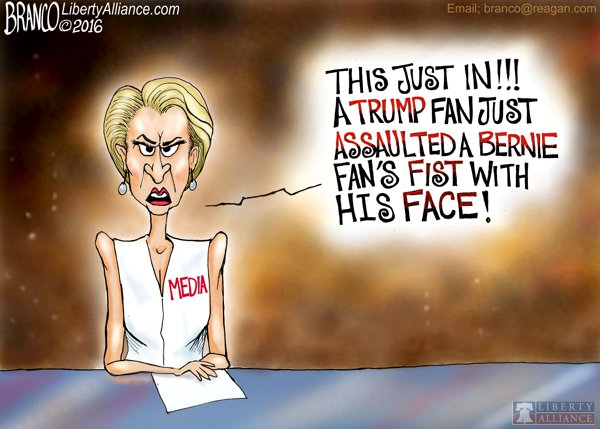
BREAKING NEWS BY #MegynKelly!
#Trump2016
#PresidentTrump
#TrumpRally
#AlwaysTrump
#MAGA
comicallyincorrect.com/2016/…
25
182
194
Dove ✝️ retweeted

4 Mar 2016
1,670
5,340
14,161

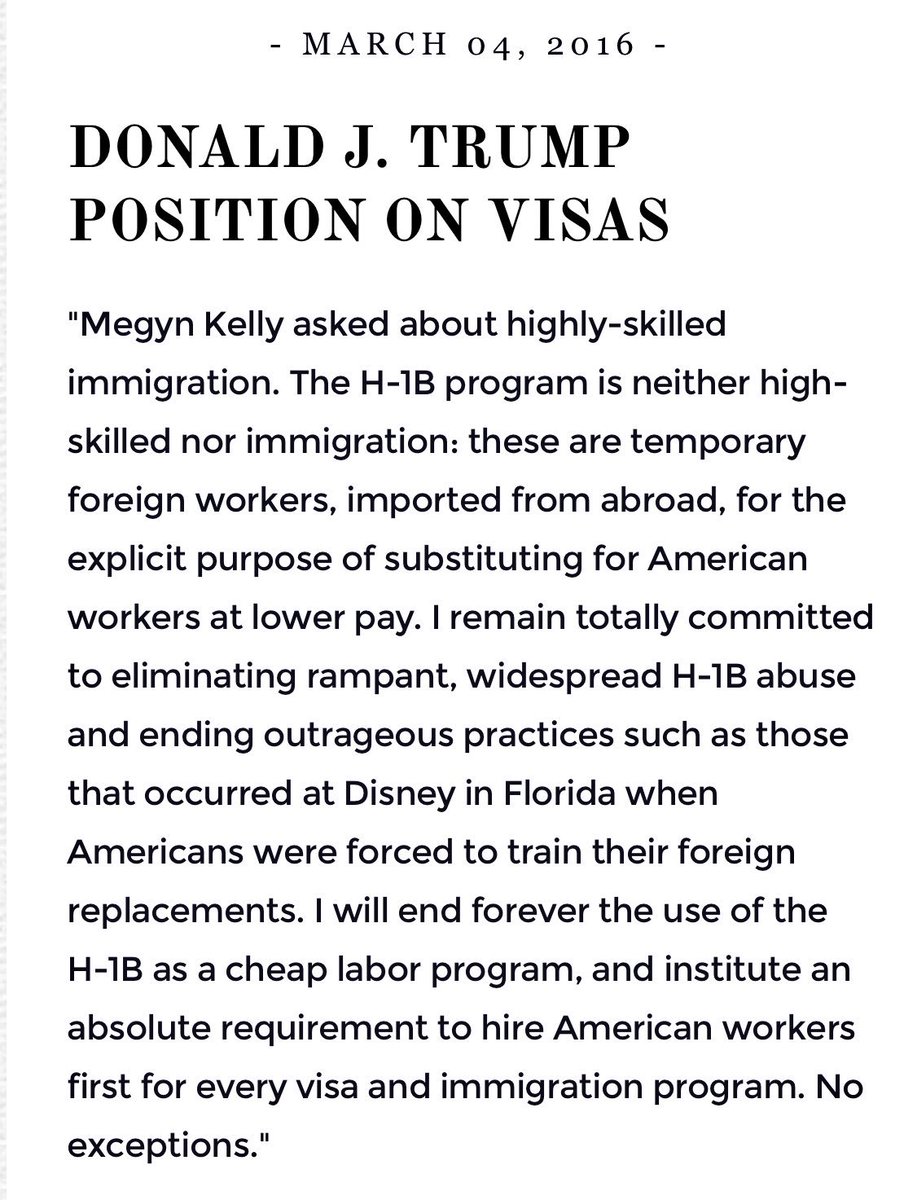
Seems elections were secure before #Trump2016
4
189

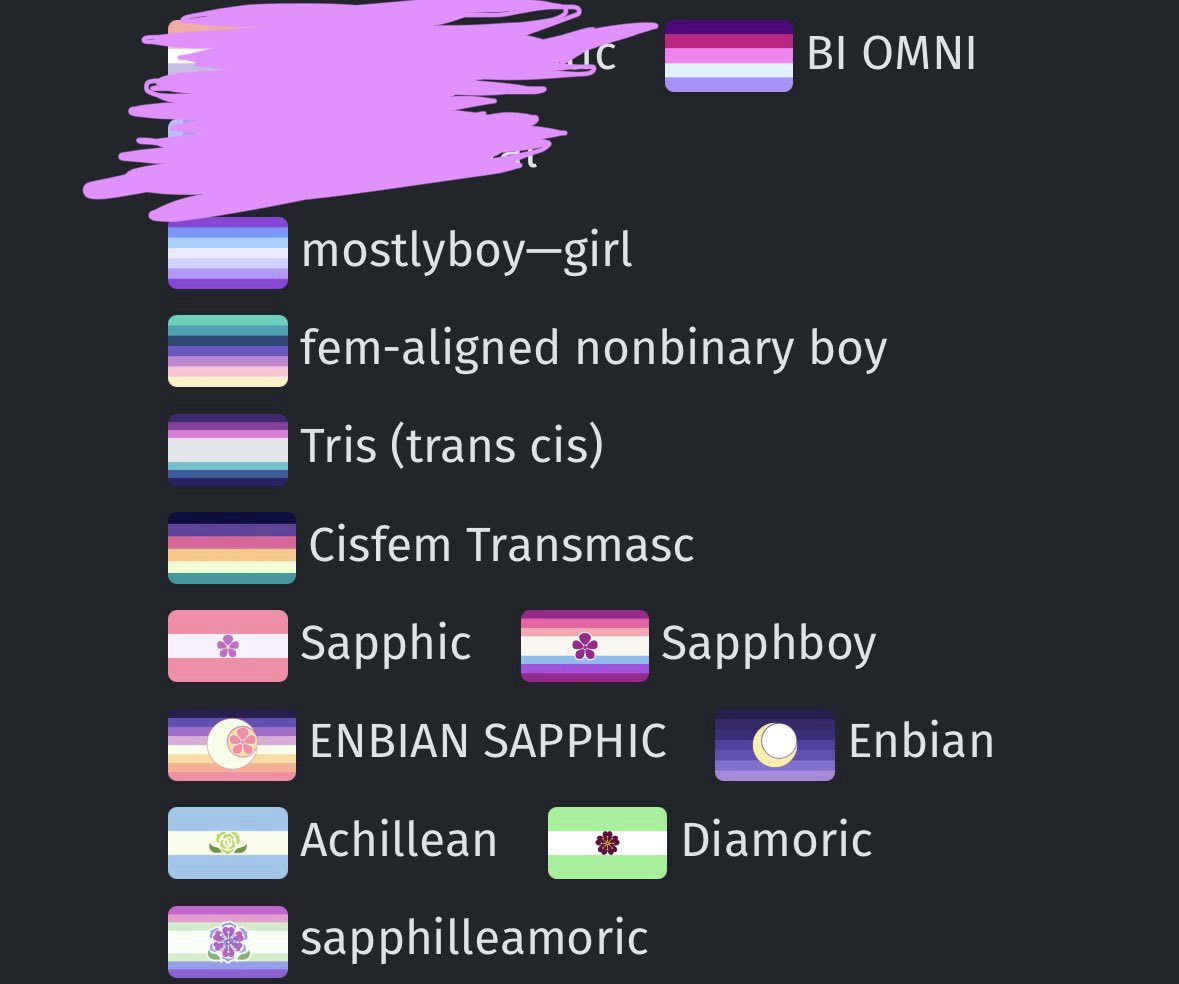
some of my contradictory/complex labels since twitter is having a fit rn
#yoloswag #earlybirdgetstheworm #trump2016
5
64

When I met my wife she was a super lib. I was a D growing up, two time Obama voter. She almost divorced me while pregnant, since I voted Trump2016(now 3x). After our firstborn, she slowly began changing her tune. After girl #2 and a job at the VA she’s almost fully healed of TDS
1
12
1,001

May 6
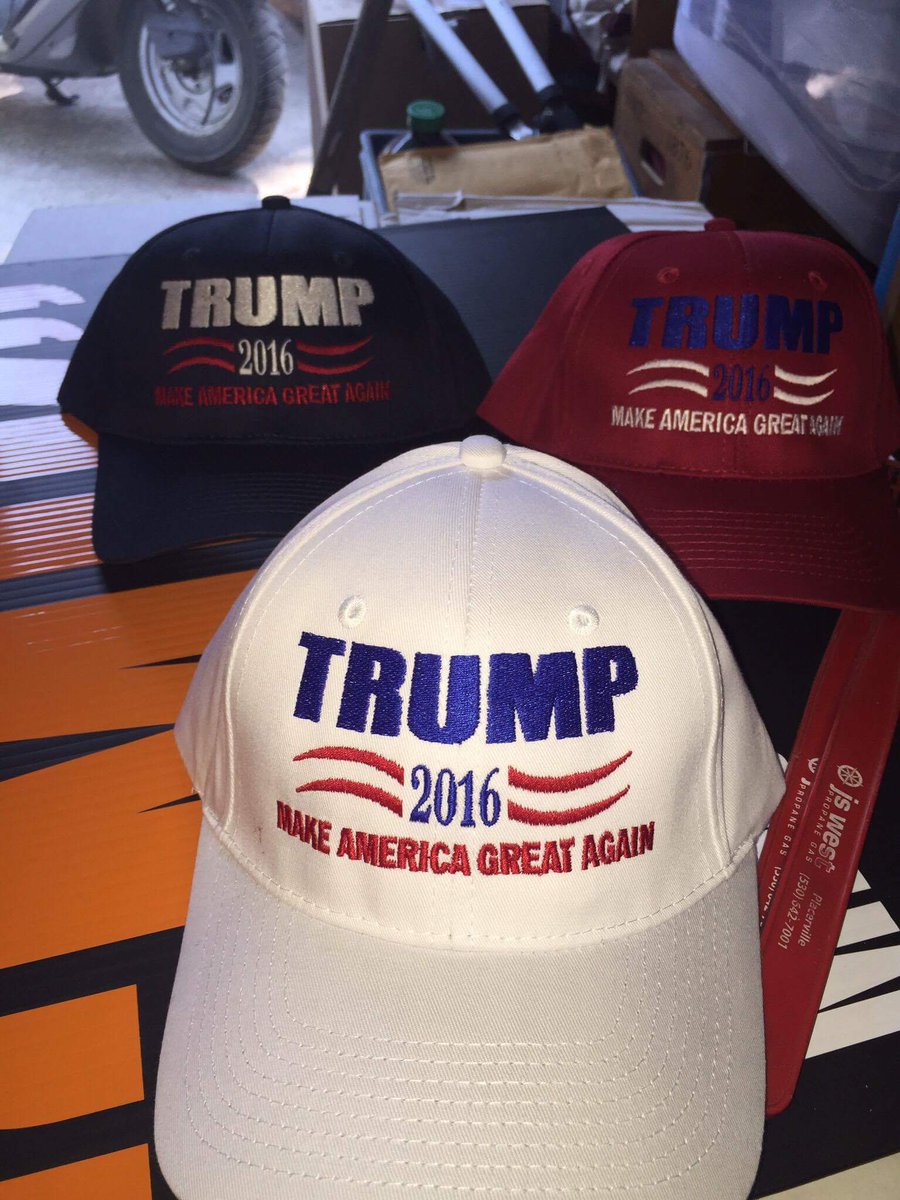
It's been such a great ride. I loved serving as CA Central Coast District Director. Social Media has never been the same. #Trump2016 #MakeAmericaGreatAgain
2
87

Apr 12
Nazis deserve the entire planet and I’m not going to concede to any of these rightoid f-gg-ts who are only racialist because “muslims are homophobic o algo.” This is going BACKWARDS in time, even from Trump2016! Not everything is about women—WE suffer MORE at the hands of ZOG.
1
30
665

And he has 200% approval rating with MAGA! We stand by everything he does, even if we lose our morality a little #Trump2016
1
8
243

Putin MUST have Orban in charge - without him Putin is screwed v Ukraine. JD is there for the quid pro quo. He is behaving just like Trump2016 - JD helps Russia, Russia helps JD win a Presidential election.........
1
63

Apr 7
‘I don’t even see people anymore. Just Obama wrappers, Disney companions, Zizek json. Trump2016.exe is going in the archive’
2
127

Mar 24
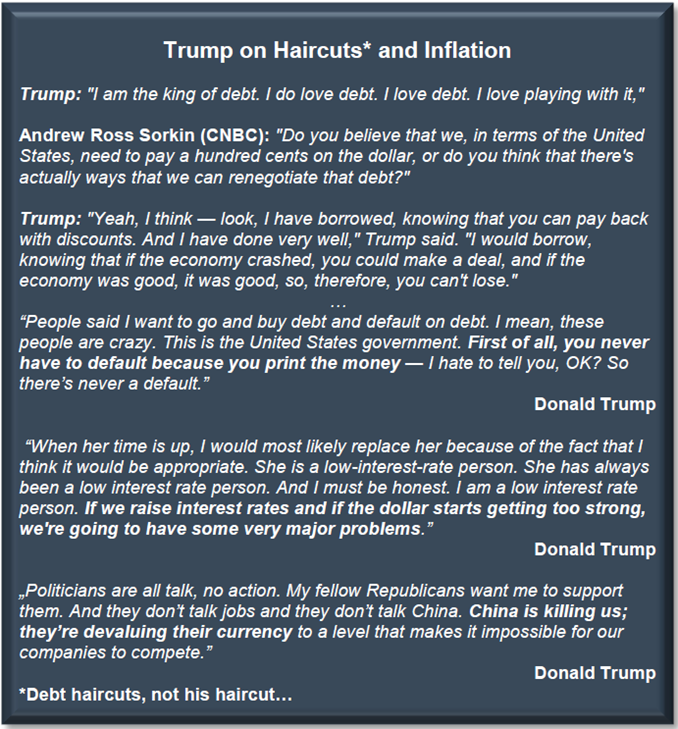
10/17 🌍 Populism goes mainstream
If you remember, 2016 wasn’t just about markets. Undoubtedly, politics took center stage:
🇬🇧 Brexit set the tone
🇺🇸 “Trumpmania” gained momentum
A populist uprising was challenging the neo-liberal, globalist order, fueling uncertainty and strengthening gold’s appeal.
#Brexit #Trump2016 #Populism #MAGA #Globalism #EconomicUncertainty
1
2
34


Mar 19
You people are the same opposition since Alex Jones 911 truth, Ron Paul's tea party, anti Obama, Trump2016, Covid19. Every time we said stuff you called us crazy. Literally the same retards.
1
3
92

Mar 17
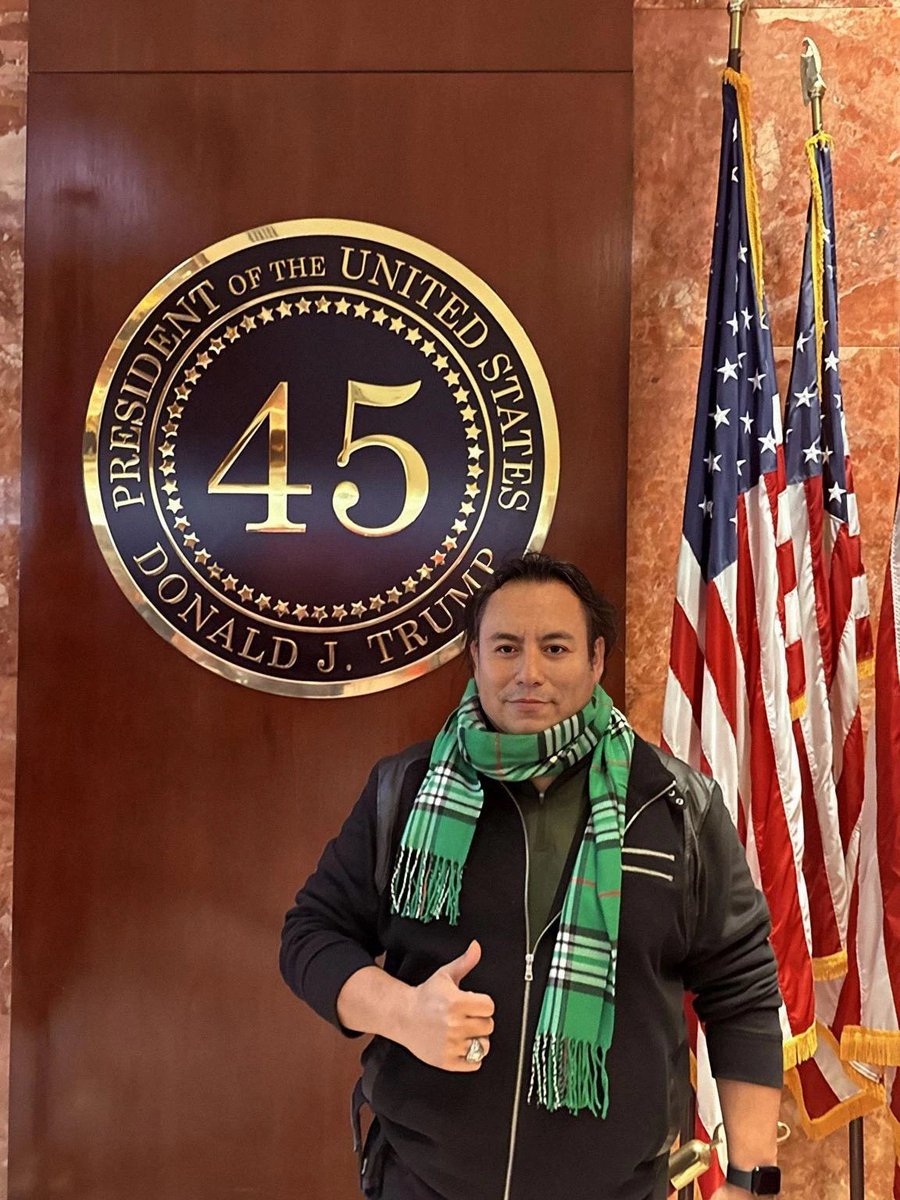
My wife Jennifer and I brought our two girls Amelia Dee & Little McKenna Marie to the Trump 45 Trump Grill for a Taco Salad! This place rocks, the most famous escalator in the world #trump2016 @realDonaldTrump
6
393

Mar 13
🚨 Trump: '6 trillones gastados en guerras de Oriente Medio' — Discurso crítico de 2016
📝 🇺🇸💥 Extracto del discurso de Trump en 2016 criticando el gasto militar y las intervenciones en Oriente Medio; análisis de su impacto político.
🔥 #Trump2016 #GastoMilitar #OrienteMedio #Política
1
3
328
