Even if a deal is reached, the Islamic regime’s hostility toward the U.S. and Israel will remain unchanged. Its aggression is not a policy, it is part of its identity.A regime that brutalizes and kills its own people can never be trusted to keep its word.#KingRezaPahlaviForIran

They need time to change the facts. The FOIA if ever received I do believe will contain false information. There’s no way they are going to give her factual information. The FBI has already proven they can not be trusted with providing information.

A Flash Flood Warning that includes parts of Spring, The Woodlands and Tomball is in place until 1:30 PM CDT.
If you see water over a roadway, turn around don’t drown.
Continue following trusted weather resources like @nwshouston and @hcfcd.
#flashfloodwarning #flooding #springtx #houwx

Daddy Grab - Quality & Trusted Poppers💯 retweeted

PART 2 UNLI-DEEPTHROAT CARFUN SA GREENFIELD MANDALUYONG 🫶🏻
Quality/Trusted Poppers by @GrabPoppersPH @grabp0ppers 💥
be wild tonight dm
t.me/grabp0ppers
TG CHANNEL SUBSCRIBE - PROMO NOW 50% off‼️
📩
t.me/dragdab
JOIN FREE TG CHANNEL: t.me/daddygrabfree
11
658
3,716
405,940
Harry 🇮🇷⚡️ retweeted

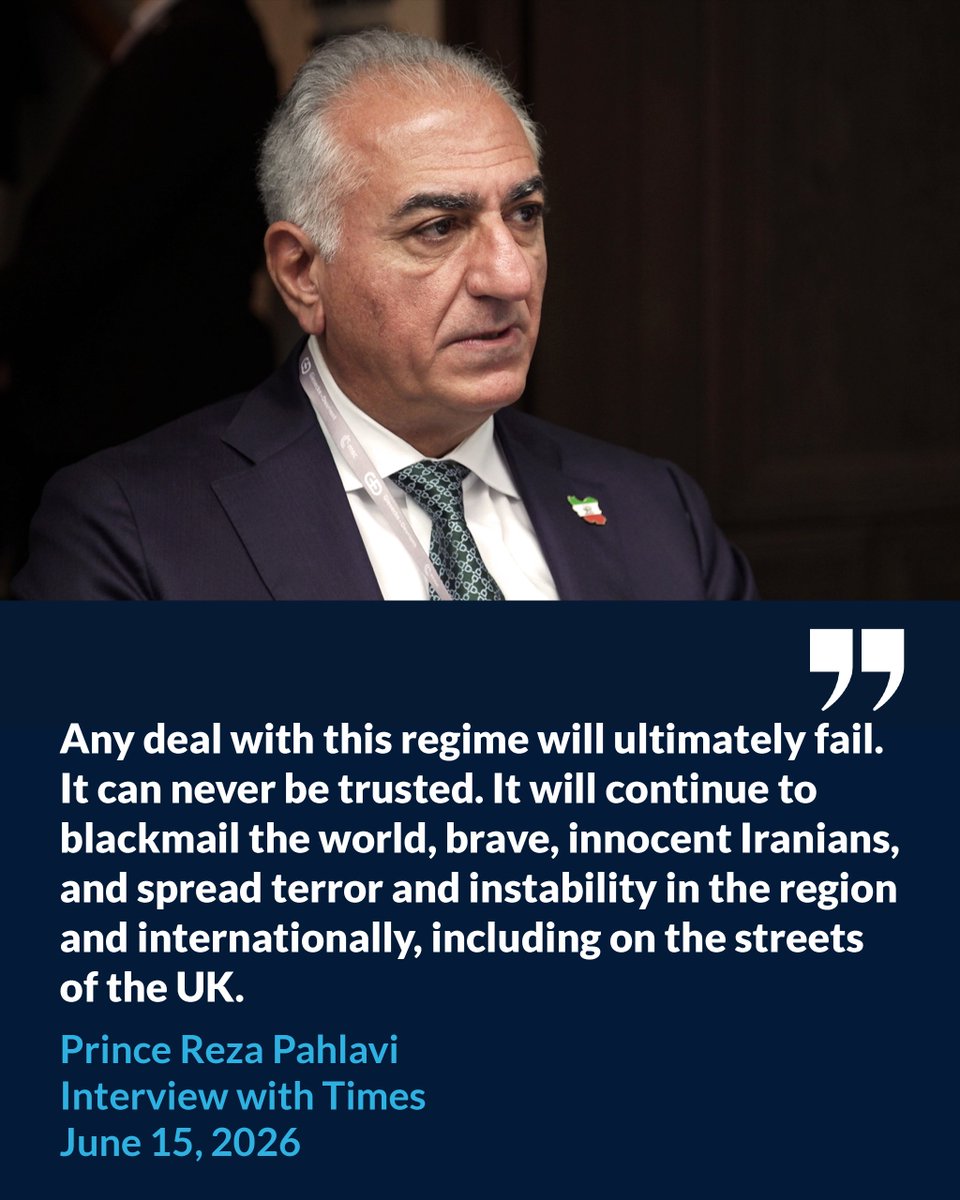
Prince Reza Pahlavi: Any deal with this regime will ultimately fail. It can never be trusted. It will continue to blackmail the world, brave, innocent Iranians, and spread terror and instability in the region and internationally, including on the streets of the UK.
Interview with Times
June 15, 2026

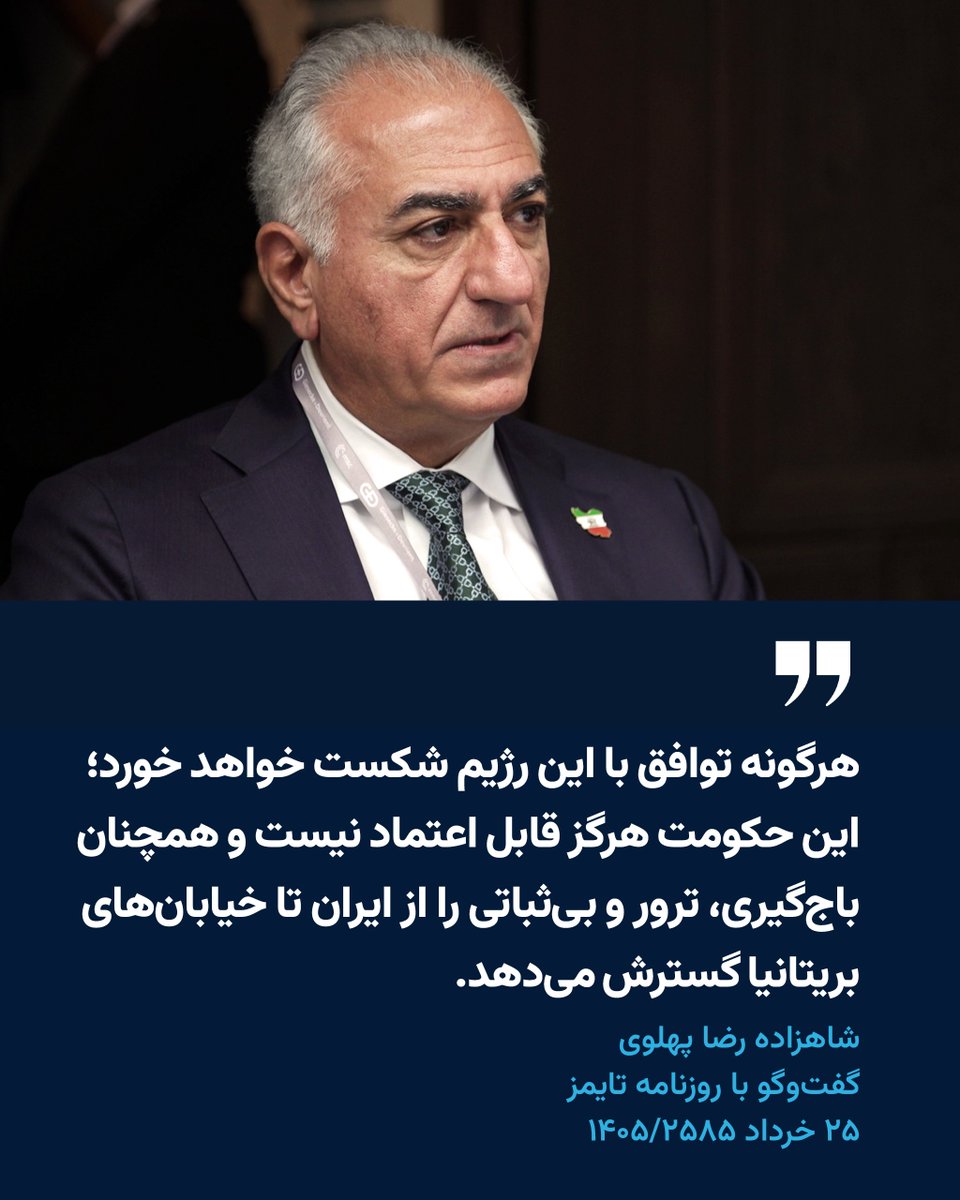
شاهزاده رضا پهلوی: هرگونه توافق با این رژیم شکست خواهد خورد؛ این حکومت هرگز قابل اعتماد نیست و همچنان باجگیری، ترور و بیثباتی را از ایران تا خیابانهای بریتانیا گسترش میدهد.
گفتوگو با روزنامه تایمز
۲۵ خرداد ۲۵۸۵/۱۴۰۵
28
415
1,056
6,598

OPEN SHARING NETFLIX CANVA CAPCUT SPOTIFY YOUTUBE VIDIO PRIME HBOMAX DISNEY LOKLOK NETSHORT REELSHORT DRAMABOX CHATGPT GEMINI CLAUDE PERPLEXITY DEEPL MEITU WINK PROCREATE MS365 MURAH BERGARANSI TRUSTED.
Fast wa: tiny.cc/ringcel
#zonauang 38


1
Sukumar D retweeted

Tata Sons’ Biggest Listed Holdings 📊
Tata Sons is the main holding company behind some of India’s most trusted and valuable businesses.
Major holdings:
🔹 TCS — 71.74%
🔹 Tata Capital — 92.83%
🔹 Titan Company — 52.90%
🔹 Tata Power — 46.86%
🔹 Tata Elxsi — 43.91%
🔹 Tata Motors — 38.19%
🔹 Indian Hotels — 38.17%
🔹 Tata Chemicals — 37.98%
🔹 Trent — 37.01%
🔹 Tata Consumer — 33.73%
🔹 Tata Steel — 33.19%
🔹 Voltas — 30.30%
🔹 Tata Communications — 14.07%
1
20
1,940

so true
we are the majority in this the lgbtqia will never accept pedos
if you or anyone you know is in dnager please use this and tell a trusted adult
missingkids.org/gethelpnow/c…

For the big brands, there's a lot of value provided through consistency/reliability/reputation for travelers to new locales booking sight-unseen.
For all though, the main value prop is exclusivity: the breakfast, etc., is comped if you book through a trusted agent (e.g., AMEX).
14h

expensive hotel: $8 candy bars in hotel store, need member account for WiFi, $25 breakfast
mid-range bed and breakfast: free snacks in kitchen, host personally responds to questions and requests within minutes, gourmet breakfast included
I just don't get the value proposition

Exactly what the mystics of all religions started recognizing
The freemasons take from the stone masons that were building ancient structures all around the world
They say Freemasonry derives from #Tasawwuf / #Sufism
It is said they painted a white face on it and used it to build our nation today
Shariat ( outer law )
Tariqat ( inner path )
Haqiqat ( Al Haq - the truth of ultimate reality)
Marifat ( Gnosis )
Many ancient gnostic schools may still be around today
Find a trusted mystic school to practice with if hu want to expand further with the studies of Gnosticism
2

29s
Even if a deal is reached, the Islamic regime’s hostility toward the U.S. and Israel will remain unchanged. Its aggression is not a policy, it is part of its identity.A regime that brutalizes and kills its own people can never be trusted to keep its word.#KingRezaPahlaviForIran
1

The risky part is not that the server sends a notification.
That is expected behavior.
The issue is that webhook_url from POST /api/notifications/test is trusted as the outbound target and reaches both DiscordWebhook(url=webhook_url, ...) and the fallback requests.post(...) path.
1

Palantir is absolutely not going to be the "good big brother." If ChapsVision wants to take over the sandbox, Palantir is going to let them choke on the dust—with a polite, corporate smile, of course.
Palantir's official corporate posture is highly calculated compliance. They will not actively sabotage the migration—that would violate their contract, invite massive lawsuits, and destroy their reputation with other Western governments—but they will do exactly what they are contractually paid to do, and not one single line of extra code more.
Here is how this cold, corporate standoff plays out in reality:
1. The "Not Our Code, Not Our Problem" Stance
Palantir’s proprietary data structures, their ontology pipelines, and how Gotham/Foundry cleans and models data are fiercely guarded intellectual property. Palantir will say to ChapsVision: "Our software is fully functioning and available for our contracted users. If you want to extract that data and re-map it to ArgonOS, that is your engineering milestone to figure out. Good luck writing the translation scripts."
Palantir is under zero obligation to hand over blueprints, optimization secrets, or engineering shortcuts to a direct European rival that is actively trying to eat their market share.
2. The Maintenance Trap
The French DGSI’s renewal with Palantir in December 2025 was specifically for "proprietary software supply, integration, and operational support." That means Palantir's engineers on the ground in Paris are paid to keep Palantir's system stable, secure, and running so France doesn't suffer an intelligence blackout.
If ChapsVision plugs into a Palantir database to migrate data and it bottlenecks, crashes the pipeline, or causes severe latency, Palantir’s response will be simple: "Our system is green. Your extraction tool is what broke the connection. Call us back when you fix your software."
3. The Arrogance of "Battle-Tested" Tech
Alex Karp and Palantir’s leadership operate with an intense, public confidence in the superiority of their product. Their strategy here is to let ChapsVision face the brutal technical reality of migrating ten years of heterogeneous national security data completely on their own.
Palantir’s view is that European startups talk a big game about "sovereign AI," but when it comes to processing billions of raw data points under real-world pressure, these platforms collapse under the weight of their own unintegrated acquisitions. By stepping back and letting ChapsVision handle 100% of the heavy lifting and testing, Palantir is essentially letting ChapsVision either prove they can do it, or publicly fail trying.
The Bottom Line
Palantir will fulfill its contract to keep the lights on for the DGSI because they want to remain a trusted partner to the French state. But when it comes to helping ChapsVision write code, build bridges, or successfully transition? Zero help. Palantir is going to stand back, cash the checks from the 3-year renewal, and watch ChapsVision try to climb a mountain they've spent a decade building.
1