Jun 13
- 17h subirei a cerveja pro congelador
- 17:45 farei o primeiro tsic
4
82


Jun 11
MD @bonniesychiu explores how declining volunteering and weaker membership structures are reshaping civil society and changing how people engage with it.
Read more: ivar.org.uk/blog/is-voluntar…
#CivilSociety #Volunteering #SocialImpact #TSIC
12

Jun 11
Saquemos a la gente de la pobreza y convirtámosla en comerciantes de frutas de lujo y contratos de futuros.
$MAGS $QQQ $JETS $BOAT $SEA $VEGI $PBJ $TSIC $PLTR $SHLD: Básicamente, el transporte aéreo de frutas, verduras y carnes de lujo perecederas —gestionado por comerciantes especializados que venden futuros negociables para su entrega a clientes que pueden comerciar con ellos y recoger los productos según el calendario de entrega al ejercer sus contratos— genera enormes márgenes de capital de riesgo para invertir en sectores de mayor valor añadido. Esto subsidia los alimentos de la gente común a medida que más personas se reincorporan a la ciencia agrícola, impulsando auges en la agricultura, la población, la fuerza laboral humana y la inteligencia; además, se vincula con el comercio especializado de frutas y productos agrícolas por vía aérea, lo que a su vez estimula el comercio de componentes electrónicos para el transporte aéreo, facilitando la rápida obtención de piezas para la I D de hardware y software físico destinado a unidades de venta iniciales (pruebas de mercado) antes de contactar a la Armada para envíos a gran escala.
Esto también dotará al Ejército de una mentalidad tan sofisticada como la de la Armada, transformando a aquellos habitantes de autocaravanas del Ejército —generalmente inadaptados, rebeldes y miembros de bandas de motociclistas aceptados bajo criterios de selección más flexibles— en algo parecido a los anuncios de Apple al estilo *1984* o a los iPhones de 2007. Si observas la película sobre Steve Jobs, verás que aparentemente tenía problemas de personalidad. Del mismo modo que la Armada es meticulosa en la manipulación de manzanas y piñas, la aviación del Ejército debe ser igualmente meticulosa con el manejo de las frutas.
En el siglo XVIII, las piñas eran el símbolo de estatus definitivo; llegaban a costar el equivalente actual de hasta 8.000 dólares la unidad. Debido a su extrema escasez y naturaleza altamente perecedera, se trataban como centros de mesa de lujo más que como alimento; los ricos incluso las alquilaban para una velada solo para presumir de ellas.
La aviación de la Armada está vinculada a Wall Street, al sector legal y a otras industrias intangibles. Las industrias de hardware físico y software están vinculadas a la aviación del Ejército.
Por eso Silicon Valley solía ser un valle agrícola —con nómadas de autocaravanas cultivando el interior y cadenas de suministro hiperestables para propiedad intelectual de alto valor y manufactura 🏄♂️—, mientras que San Francisco representa la aviación de la Armada, oscilando entre la abundancia hippie y la asfixiante y brutal cadena de suministro yuppie propia de la película *They Live* (Están vivos). Hoy en día, en promedio, la aviación del Ejército controla la mayor parte de la riqueza real, mientras que la aviación de la Armada y Wall Street simplemente la mueven de un lado a otro; a veces practican el *dumping* en puertos costeros específicos: si estos no trasladan la mercancía al interior para procesar y escalar sus manzanas verdes (tanto para el mercado nacional como para la exportación), terminarán siendo bombardeados una vez que concluya el ciclo de importación.
Cultiva esos mangos dorados, sandías, hongos y carnes, y luego haz que la aviación del Ejército los transporte en aviones *jumbo* hasta los clientes. Esos ingresos financiarán la importación de componentes tecnológicos desde Asia hacia tus centros de ensamblaje en EE. UU. y México. Así, crearás un nuevo Silicon Valley a partir de las frutas.
El transporte aéreo de lujo —realizado en invernaderos especializados y con horarios específicos, y respaldado por contratos de futuros para la entrega de mangos, manzanas, sandías, hongos y carnes selectas— lo solucionará todo.
1
74
Jun 11
Get people out of poverty turn them into luxury fruit and futures contacts dealers.
$MAGS $QQQ $JETS $BOAT $SEA $VEGI $PBJ $TSIC $PLTR $SHLD Basically perishable air freight luxury fruits, vegetables and meats with specialized dealers who sell tradable futures for delivery to their customers who can trade these and pick them up on the delivery schedule by exercising their fruit, vegetables and meats futures contract to claim delivery drive huge margins for risk capital for investment in higher value added sectors, subsidize average people’s food as more enter agriculture science again to drive agriculture booms, population booms, human workforce and intelligence booms and also are linked to the specialize air freight fruit and agriculture trade that drive electronic air freight component trade for rapid component gathering for R&D of physical hardware and software for initial sales units as market tests before you contact navy for large scale shipments to scale up.
This will also make army as sophisticated as navy in their thinking just as it turned the army RV dwellers who are usually misfits, rebels and hells angels with generally more waiver tolerances into 1984 Apple advertisements and 2007 Apple iPhones. If you watch the Steve Jobs movie he had personality issues apparently. Just as navy is meticulous with fruit handling of apples and pineapples prior to the modern jet army air must be meticulous with its handling of fruits.
In the 18th century, pineapples were the ultimate status symbol, costing the modern equivalent of up to $8,000 each. Because they were incredibly rare and highly perishable, they were treated as luxury centerpieces rather than food, with the wealthy even renting them for the evening just to show off.
Navy Air is linked to Wall Street, Law and other intangible industries. Hard physical hardware and software industries are linked to Army Air.
That’s why Silicon Valley used to be a farm valley with RV land surfers growing inland and hyper stable supply chains for high value intellectual property and manufacturing 🏄♂️ while San Fransisco is Navy Air with oscillations between hippy abundance and yuppie brutal supply chain asphyxiation of the movie They Live. On average today Army Air controls most of the actual wealth Navy Air Wall Street just shifts it sometimes engaging in dumping on targeted coastal ports who if they don’t pull it inland to scale their domestic and export green apples will be bombed out after the import cycle ends.
Grow those golden mangos, watermelons, mushrooms and meats then army air fly them to customers in their jumbo jets. Then that funds your tech import components from Asia to your assembly destinations in USA and Mexico. Then you create a new Silicon Valley with the fruits.
Luxury air freight in specialized green houses on specialized schedules with futures contracts sold for delivery of specialized Mangos, Apples, Watermelons, mushrooms and specialized meats are gonna fix everything. The base layer of the equity side looks like food or a fruit from there you fix the demographics problem, human workforce needs, human intelligence needs and move into air freight fruit and food dealing to electronic components dealing for research and development, assembly of chip fabrication machines that are airfreight fruit for chips trades or machine components of a chip fabricator then finally producing portable electronics. Then you can then go for initial air freight for your consumer electronics and also inland to sea to ship your green apple electronics. Then you build from there a scaled up factory for larger vehicle consumer electronics.
1
111
Jun 11
Empresas como $MAGS, $QQQ, $JETS, $BOAT, $SEA, $VEGI, $PBJ, $TSIC, $PLTR y $SHLD generan enormes márgenes de capital de riesgo —destinados a sectores de mayor valor añadido y a subvencionar los alimentos de la población general— gracias al transporte aéreo especializado de frutas, verduras y carnes de lujo. Este modelo, que fomenta el auge de la agricultura, la población y el capital humano (incluida la fuerza laboral y la inteligencia), se vincula con el comercio especializado de productos agrícolas perecederos por vía aérea; a su vez, dicho comercio impulsa el transporte aéreo de componentes electrónicos, facilitando el rápido acopio de piezas para la investigación y el desarrollo (I D) de hardware y software, así como para la creación de unidades de venta iniciales destinadas a pruebas de mercado antes de contactar a la Marina para realizar envíos a gran escala y aumentar la producción.
97
Jun 11
$MAGS $QQQ $JETS $BOAT $SEA $VEGI $PBJ $TSIC $PLTR $SHLD Basically perishable air freight luxury fruits, vegetables and meats with specialized dealers who sell tradable futures for delivery to their customers who can trade these and pick them up on the delivery schedule by exercising their fruit, vegetables and meats futures contract to claim delivery drive huge margins for risk capital for investment in higher value added sectors, subsidize average people’s food as more enter agriculture science again to drive agriculture booms, population booms, human workforce and intelligence booms and also are linked to the specialize air freight fruit and agriculture trade that drive electronic air freight component trade for rapid component gathering for R&D of physical hardware and software for initial sales units as market tests before you contact navy for large scale shipments to scale up.
1
83
Jun 10
$VEGI $PBJ $PHO $JETS $TSIC Army air is perfect for turning perishable farm goods into high value exports of expensive fruits and vegetables. Turns poors into rich. From Agriculture Town to Silicon Valley with Wall Street. 🤑
El transporte aéreo es ideal para transformar productos agrícolas perecederos en exportaciones de alto valor, como frutas y verduras costosas. Convierte a los pobres en ricos. El camino va de la localidad agrícola al Silicon Valley, pasando por Wall Street. 🤑
29
Jun 10
$JETS $VEGI $PBJ $TSIC $BOAT $SEA Trasladar por aire a cultivadores especializados —aprobados por los gobiernos de Corea del Sur y Japón como sus agentes de aduanas— para supervisar nuestras operaciones de cultivo en EE. UU. y América Latina, y luego transportar la cosecha en aviones de carga jumbo (tipo "Army Air") bajo la marca "Golden Mango and Apple Dealers". Posteriormente, importar componentes electrónicos para el ensamblaje final y producir una "manzana verde" de exportación gigante al estilo de Silicon Valley.
En Japón y Corea del Sur, las frutas se consideran artículos de regalo de gran lujo más que productos de consumo cotidiano. Los precios se disparan debido al meticuloso cultivo especializado en invernaderos, a los estrictos estándares de clasificación y a la tradición cultural de regalar frutas como muestra de profundo respeto.
🍈 Frutas de lujo emblemáticas de Japón
La agricultura japonesa combina un cuidado extremo con el perfeccionismo, lo que da lugar a algunos de los precios de fruta más altos del mundo. [1, 2]
•Melón Yubari King: Considerada la fruta más cara del mundo, se cultiva en Hokkaido bajo un estricto control de temperatura y regímenes de masaje. Históricamente, los ejemplares perfectos se han subastado por sumas de entre 27.500 y 45.000 dólares, aunque el precio minorista de una pareja impecable ronda los 200 dólares.
•Uvas Ruby Roman: Originarias de la prefectura de Ishikawa, estas uvas tienen el tamaño de pelotas de ping-pong y deben cumplir estrictos requisitos de peso y contenido de azúcar. Un solo racimo puede alcanzar precios de entre 460 y más de 9.000 dólares en subasta.
•Sandía Densuke: Una variedad poco común, totalmente negra y originaria de Hokkaido, que destaca por su dulzor extraordinario. Se venden por unos 320 dólares la unidad, aunque los ejemplares galardonados han llegado a alcanzar los 7.800 dólares.
•Mangos Taiyo no Tamago (Huevo del Sol): Cultivados en Miyazaki, estos mangos se someten a un control exhaustivo para garantizar que solo caigan de forma natural los frutos más maduros y pesados. Su precio oscila entre los 50 y más de 100 dólares por unidad, y se han vendido parejas de calidad superior por hasta 3.700 dólares.
🥭 Productos agrícolas de primera calidad de Corea del Sur
Corea del Sur registra algunos de los precios de alimentos más altos del mundo, especialmente en frutas importadas, pero también se especializa en cultivos de lujo de producción nacional de calidad impecable.
•Mangos "Apple Mango" coreanos: Cultivados en la isla de Jeju, estos mangos nacionales poseen una textura increíblemente cremosa y untuosa, así como un intenso dulzor similar al de la miel. Un solo mango puede costar entre 7 y 37 dólares estadounidenses, y los estuches de regalo pueden superar los 150 dólares.
• Uvas Shine Muscat: Grandes, verdes y totalmente sin semillas, son un símbolo de estatus en el mercado de la uva de Corea del Sur (y se exportan a Japón). Un racimo de calidad superior suele costar entre 30 y 50 dólares.
• Fresas Baekseolgi (blancas): Cultivadas en granjas nacionales especializadas, estas bayas únicas de color blanco rosáceo son muy apreciadas por su textura suave y su dulzor floral. Las cajas de calidad superior pueden costar más de 100 dólares, dependiendo de la temporada de cosecha.
Las verduras en Japón y Corea del Sur tienen precios elevados debido a métodos de cultivo que requieren mucha mano de obra, estrictos controles de calidad y un énfasis cultural en productos impecables y de primera categoría. Entre las verduras más caras se incluyen variedades silvestres gourmet, hortalizas de hoja cultivadas meticulosamente y raíces especiales.
1. Setas Matsutake
• Precio: De 2.000 a más de 5.000 dólares por kilogramo (varía según la temporada).
• Detalles: Muy apreciadas tanto en la cocina japonesa como en la coreana por su aroma distintivo, intenso y
2
109
Jun 10
$JETS $VEGI $PBJ $TSIC $BOAT $SEA Fly in specialized growers that the South Korean and Japanese governments approves as their customs agents to help supervise our US and Latin American growing operations and then Army Air jumbo jet fly the produce out as Golden Mango and Apple Dealers. Then import electronic components for final assembly to produce a giant export green apple of Silicon Valley.
Fruits in Japan and South Korea are treated as ultra-luxury gift items rather than everyday groceries. Prices soar due to painstaking, specialized greenhouse cultivation, strict grading standards, and cultural traditions of gifting produce as a sign of deep respect.
🍈 Japan's Iconic Luxury Fruits
Japanese agriculture blends extreme care with perfectionism, yielding some of the highest fruit prices in the world. [1, 2]
•Yubari King Melon: Crowned the most expensive fruit globally, these are grown in Hokkaido with strict temperature control and massage regimens. Perfect specimens have historically auctioned for up to $27,500 to $45,000, though retail prices can be around $200 for a flawless pair.
•Ruby Roman Grapes: Hailing from Ishikawa Prefecture, these grapes are the size of ping-pong balls and must meet strict weight and sugar content requirements. A single bunch can fetch anywhere from $460 to over $9,000 at auction.
•Densuke Watermelon: A rare, entirely black watermelon from Hokkaido with extraordinary sweetness. They sell for about $320 each, but prize-winning melons have hit $7,800.
•Taiyo no Tamago (Egg of the Sun) Mangoes: Grown in Miyazaki, these mangoes are heavily monitored so only the ripest, heaviest fruit drops naturally. They can cost around $50 to $100 each, and premium pairs have sold for up to $3,700.
🥭 South Korea's Premium Produce
South Korea has some of the world's highest grocery prices, particularly for imported fruits, but also specializes in pristine, domestically grown luxury crops.
•Korean Apple Mangoes: Cultivated on Jeju Island, these domestic mangoes have an incredibly creamy, buttery texture and intense honey-like sweetness. A single mango can cost anywhere from $7 to $37 USD, with boxed gift sets reaching upwards of $150.
•Shine Muscat Grapes: Big, green, and completely seedless, these are the status symbol of the grape market in South Korea (and imported to Japan). A single premium bunch typically costs between $30 and $50.
•Baekseolgi (White) Strawberries: Grown in specialized domestic farms, these unique, pinkish-white berries are highly prized for their soft texture and floral sweetness. Premium boxes can cost up to $100 depending on the harvest season.
Vegetables in Japan and South Korea carry a steep price tag due to labor-intensive farming methods, strict quality grading, and a cultural emphasis on flawless, premium produce. The most expensive vegetables include gourmet wild varieties, meticulously cultivated greens, and specialty roots.
1. Matsutake Mushrooms
•Price: $2,000 to over $5,000 per kilogram (Seasonally dependent)
•Details: Highly prized in both Japanese and Korean cuisines for their distinct, rich, earthy aroma. Because they cannot be cultivated and must be hand-harvested from the roots of red pine trees, their limited supply drives astronomical prices, especially during the autumn season.
2. Wasabi
•Price: $200 to $300 per kilogram
•Details: Real wasabi (wasabia japonica) is notoriously difficult to grow. It requires highly specific, pristine, cool, flowing water and takes up to 18 months to mature. The fresh root (rhizome) yields a completely different, subtle, and complex flavor compared to the common horseradish and green dye mix typically served elsewhere.
1
274

Jun 5
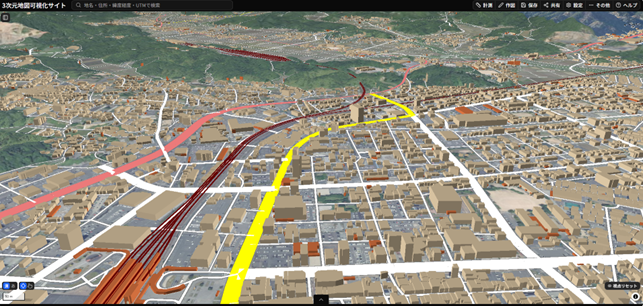
私も地理院地図で3Ⅾ地図を作ってみました!
地形などの大きな形は立体にしやすいですが細かな家などを立体的にするのはかなり難しいですね…
国土地理院さんには敬意しかありません…
#地理院地図 #国土地理院 #地図 #GIS #地理
地理院タイル 全国最新写真(シームレス)を加工して作成
ウォーターマスクには©MapTilerを使用
地理院タイルを加工して使用。ズームレベルに応じて以下のデータソースを使用しています。
ズームレベル 14~18 全国最新写真(シームレス)
ズームレベル 9~13 全国ランドサットモザイク画像
「データソース:Landsat8画像(GSI,TSIC,GEO Grid/AIST), Landsat8画像
(courtesy of the U.S. Geological Survey), 海底地形(GEBCO)」
ズームレベル 2~8 世界衛星モザイク画像
Images on 世界衛星モザイク画像 obtained from site lpdaac.usgs.gov/data_access
maintained by the NASA Land Processes Distributed Active Archive Center (LP DAAC),
USGS/Earth Resources Observation and Science (EROS) Center,
Sioux Falls, South Dakota, (Year). Source of image data product.
Jun 1

【リリース】
本日、「3次元地図可視化サイト」を試験公開!
―国土の姿をより分かりやすく―
「3次元電子国土基本図」のデータをウェブブラウザ上でご覧いただけます。
建物、道路、鉄道を立体的な表現で見ることができます。
▼「3次元地図可視化サイト」はこちら
gsi-cyberjapan.github.io/gsi…
1
4
72
9,154

May 22
Intent? Negligence? Permission?
During the 1st 4 year crime spree, he leaked, traded, sold TSIC information.
Fed’s watched. Jack the slayer knows.
17
39
587


Vamos rezar, tsic tsic tsic! Ele esqueceu o dinheiro em casa. Quem nunca fez isso né.

O deputado Pastor é um clássico.
De tratamento de dentes à compra de imóvel com dinheiro de algum lugar.
Já empenhou mais de R$28.000.000,00 de emendas.
deolhoemvoce.com.br/deputy/1…
Nós merecemos isso?
Compartilhe com os amigos e sigam nosso perfil.

1
4
22
503


Apr 26
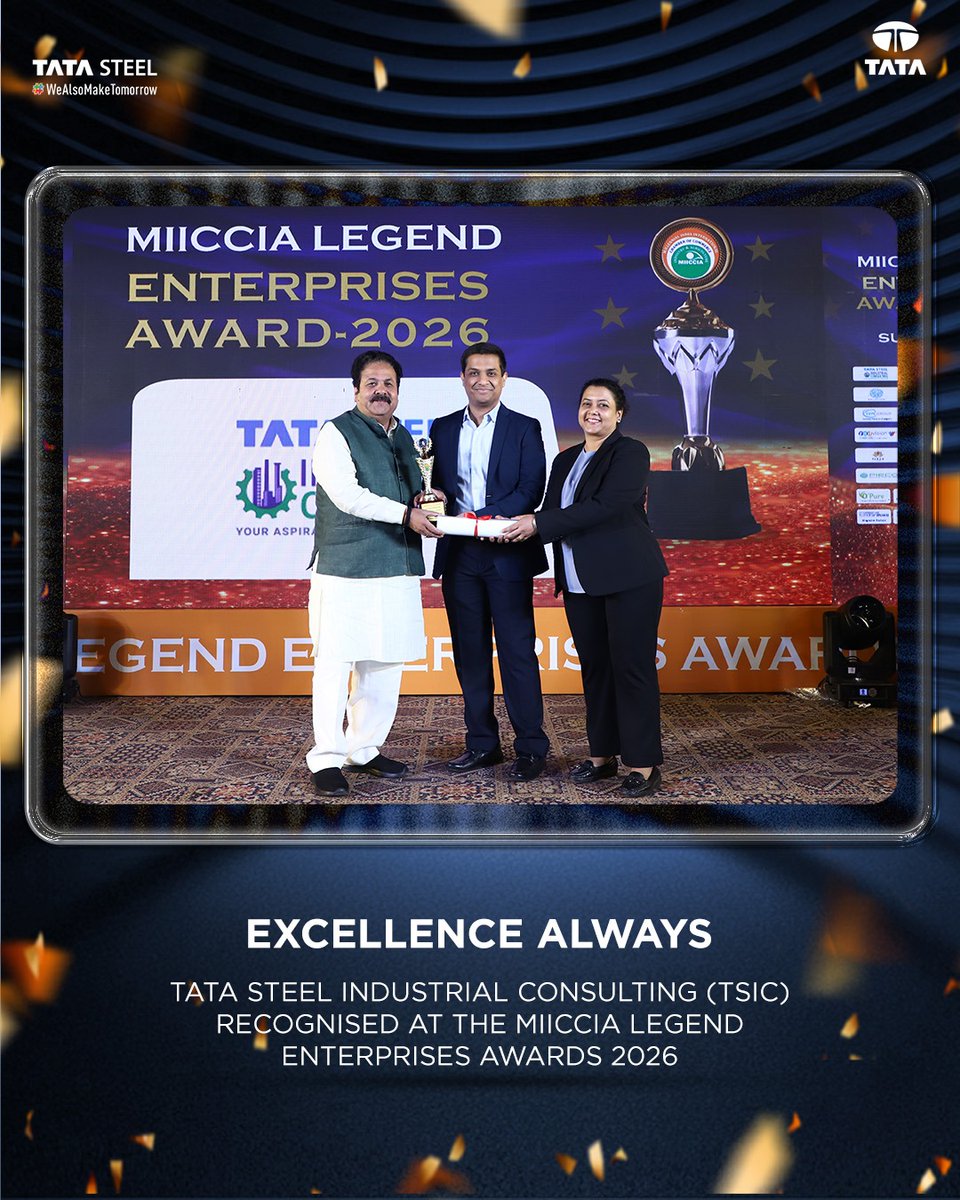
We’re thrilled to announce that Tata Steel Industrial Consulting (TSIC) has been honoured with the MIICCIA Legend Enterprises Award 2026 for its outstanding contribution to Industrial Consulting and its pivotal role in driving economic and industrial development.
The award was conferred by the Millennial India International Chamber of Commerce, Industry & Agriculture. The prestigious ceremony was graced by the Hon’ble Governor of Uttarakhand, Lt. Gen. Gurmit Singh (Retd.), and attended by senior policymakers, diplomats, and industry leaders. The award was presented to TSIC by Shri Rajeev Shukla, Hon’ble Member of Parliament (Rajya Sabha).
This recognition is a testament to TSIC’s unwavering commitment to excellence and its enduring contribution to nation-building through world-class industrial expertise.
#TataSteel #WeAlsoMakeTomorrow #TSIC #IndustrialConsulting
6
484

Apr 25
I was first gulf war, and we started getting those guys in 1998, after our stuff wound down and no national defense ribbon was even given.
They guys we got in C school, all say I'm here for the education, doing four years getting out. Never about the cause, or being a good sailor, a smart sailor, they just did enough to not get in trouble but never got an award or even an EOT medal. My guys were operating some of the most advanced avionic equipment in the navy, TSIC clearances, and had the chance to move up super fast if any effort. Zero curiosity, didn't give a shit, just did the minimum to pass.
When I finished my instructor duty I decided to get out, after training up the most miserable "greedy "for me mentality kids I ever seen.
I could not in good conscious have to supervise these guys and do another two sea tours. With that mentality they had.
All they did was brag about 50k for this 100k for that.
They all got out and spent 6 years in college becoming fags and lawyers.
Lot of my buddys got out after 8 years for same reason, the kids had nothing on their minds but getting out as fast as possible.
An I got tired of seeing people die and get hurt because of Idiots like them with minimum effort on carrier flight decks.
1
3
103

Apr 25
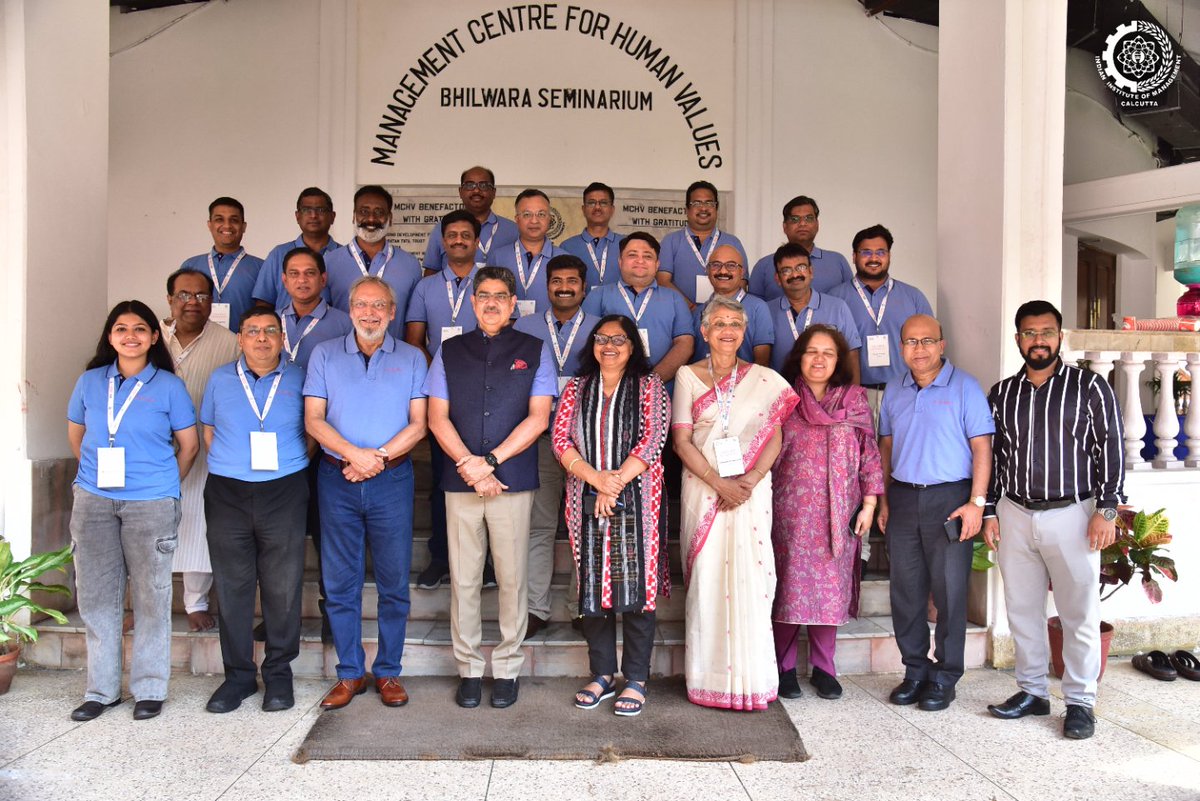
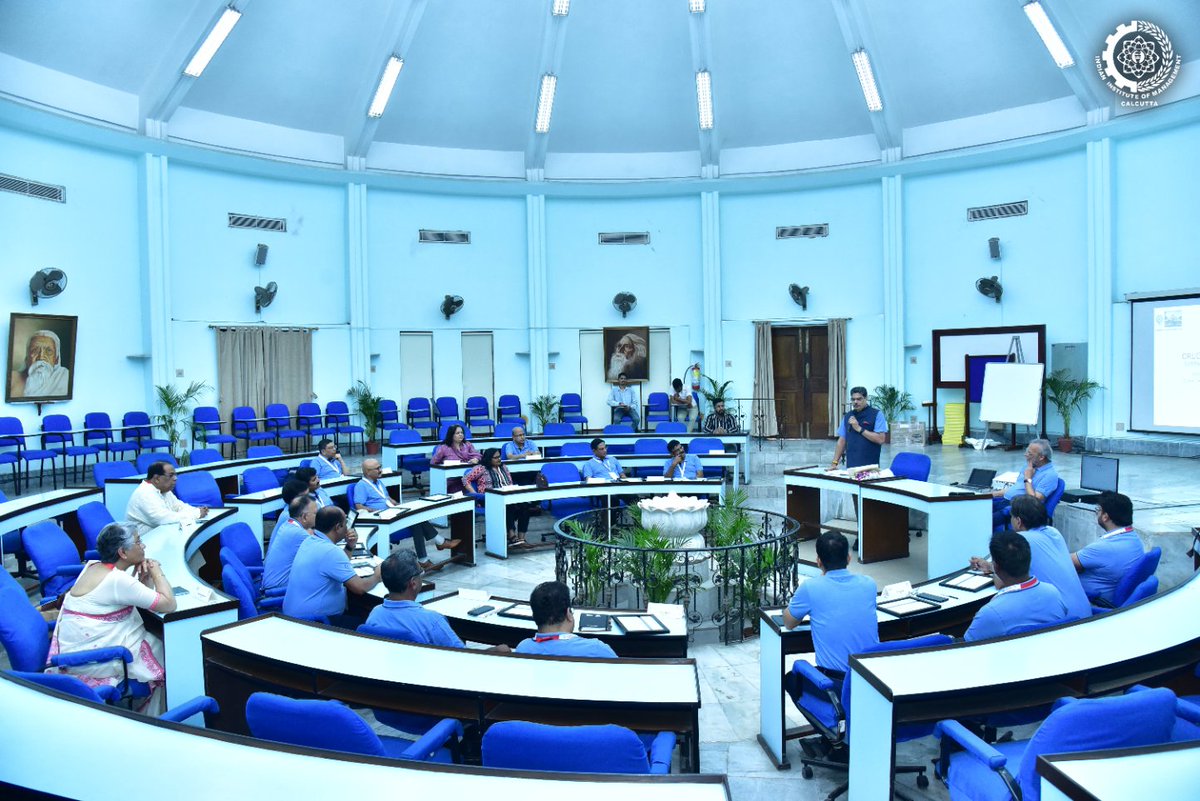
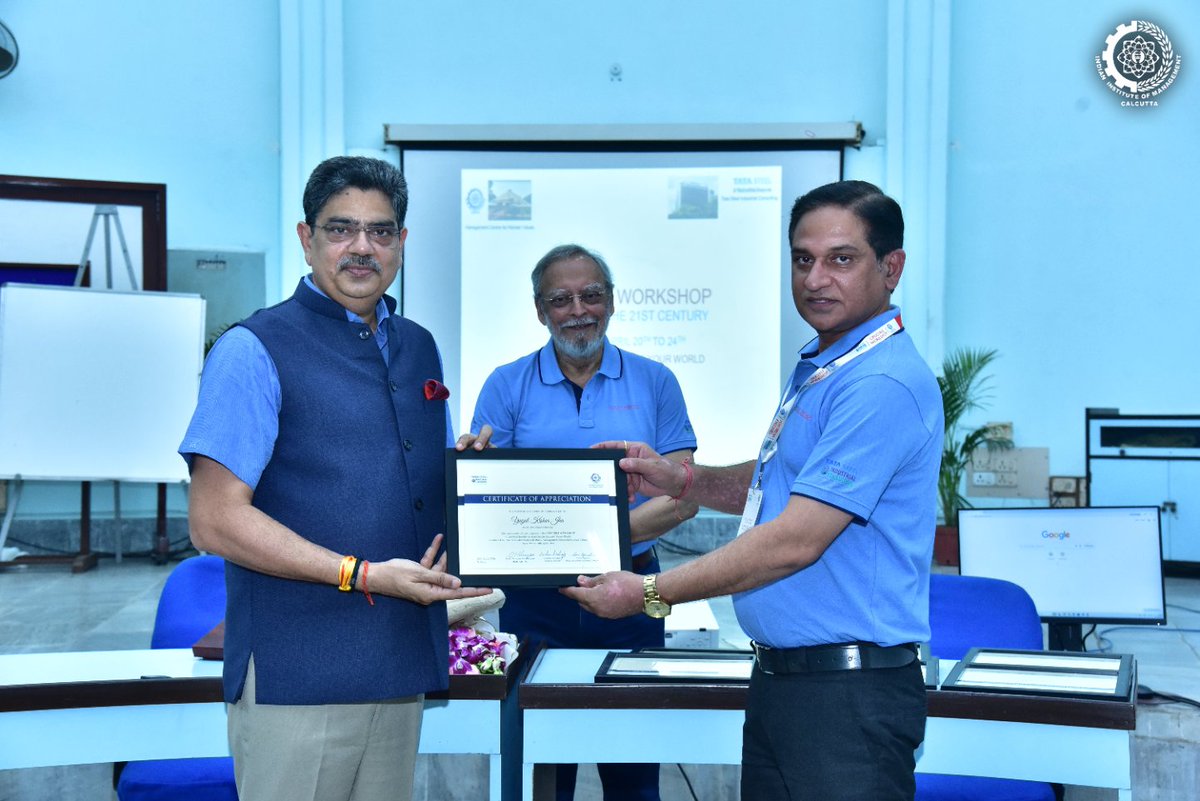
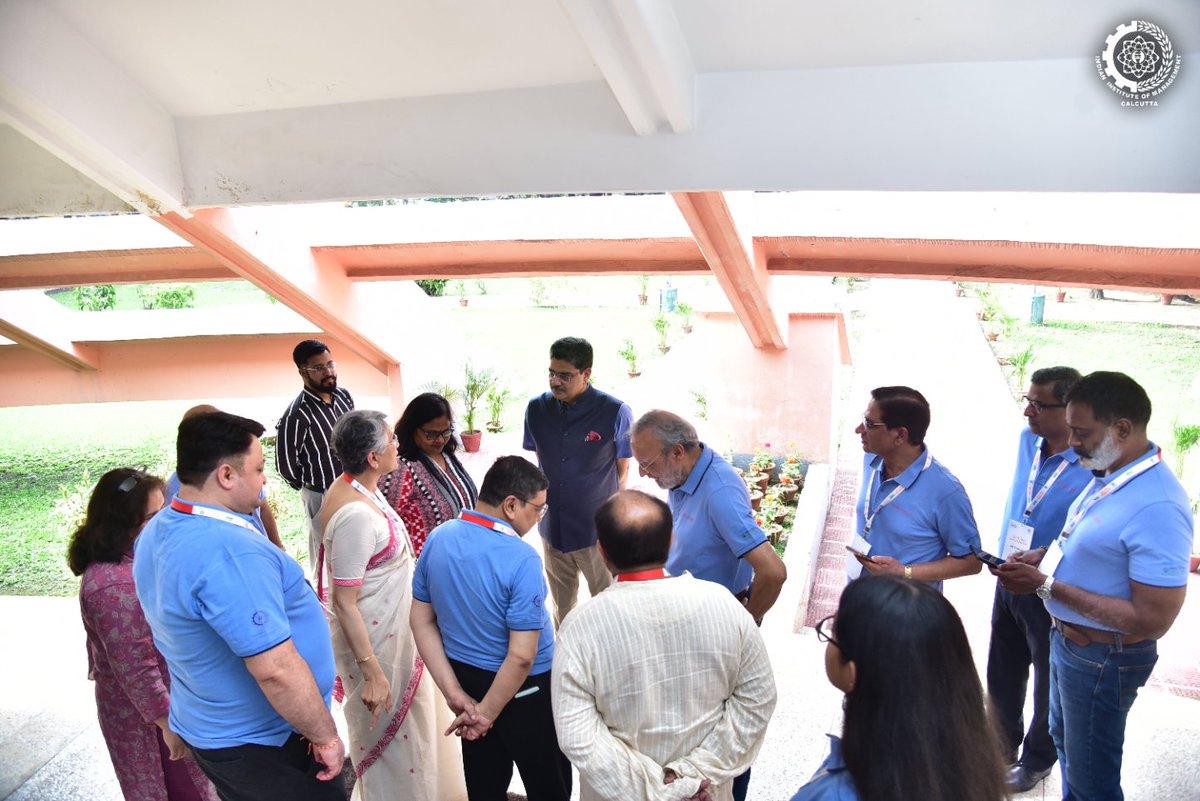
The Management Centre for Human Values (MCHV) at IIM Calcutta successfully concluded its workshop in collaboration with TSIC, followed by the Valedictory Session held on 24 April 2026.
The session featured reflections from participants, certificate distribution by Prof. Alok Kumar Rai (Director, IIM Calcutta), and insights on leadership in the context of the Fourth Industrial Revolution. The proceedings commenced with a welcome address by Prof. Nisigandha Bhuyan (Convener, MCHV), followed by the formal welcome of the Director by Prof. Gautam Mukerjee.
The session concluded with a Vote of Thanks delivered by Mr. Jatin Sabharwal.
Focusing on key themes such as AI, sustainability, innovation, and ethical decision-making, the initiative underscored the importance of human-centered values in building future-ready organizations.
#IIMCalcutta #Leadership #AI #Sustainability #Innovation #4IR
@profalokkumar
1
177

Apr 24
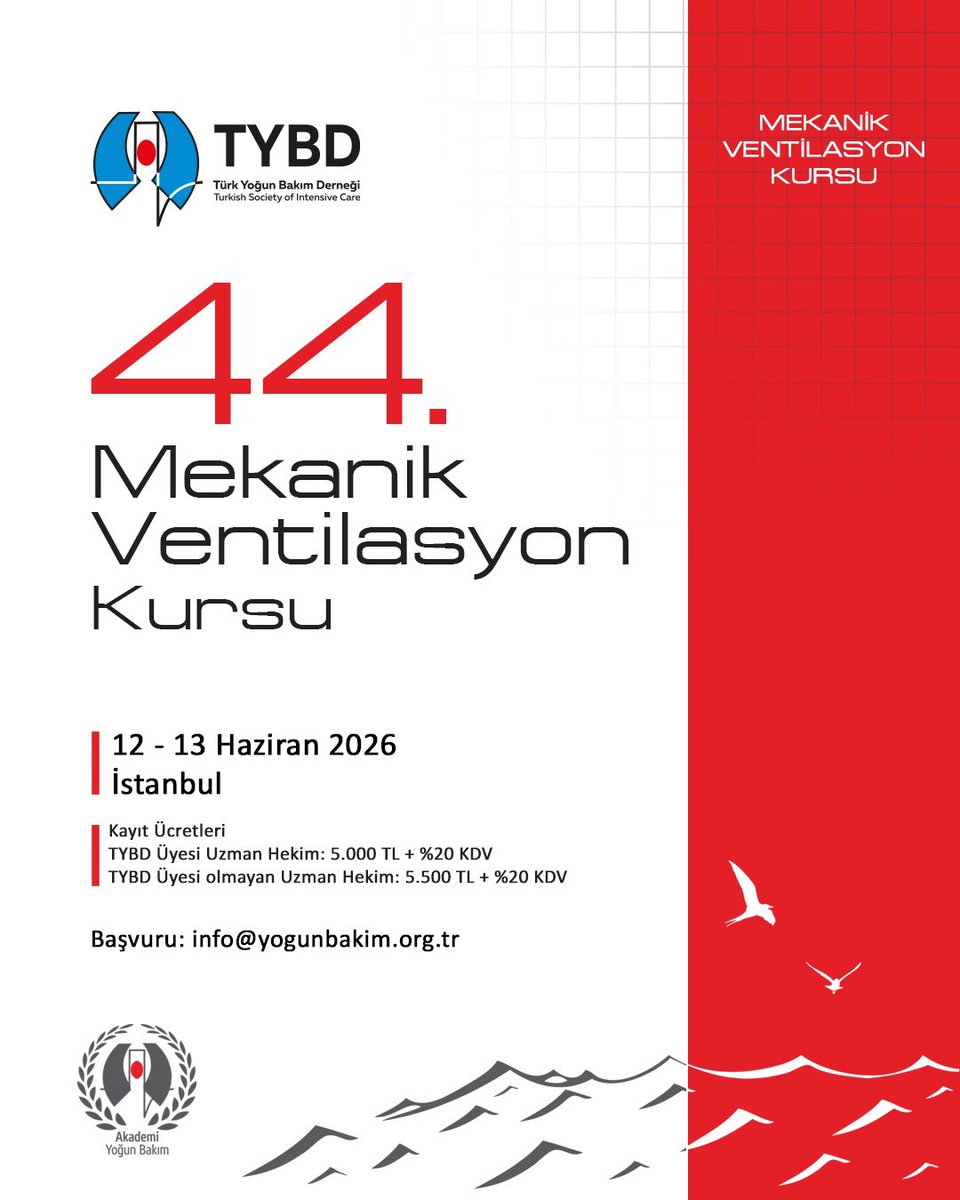
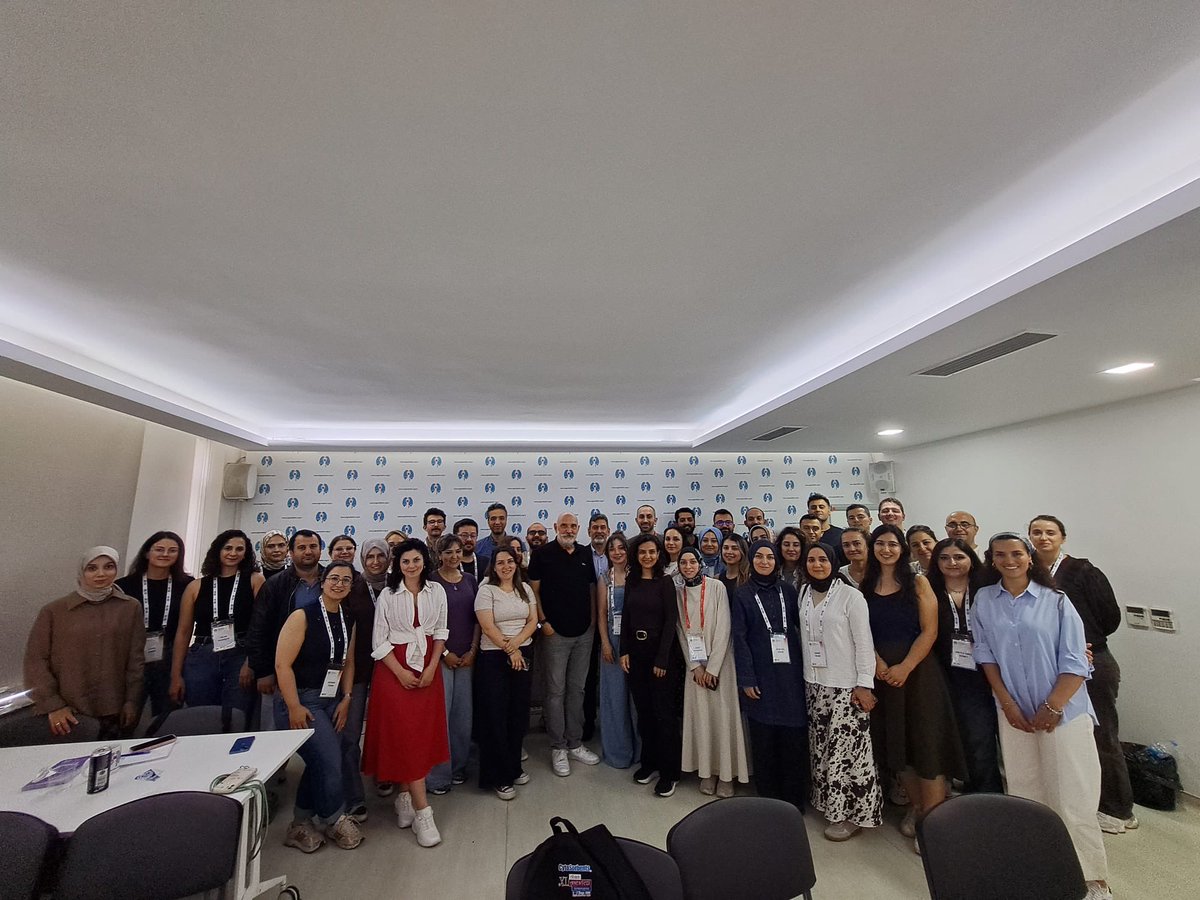
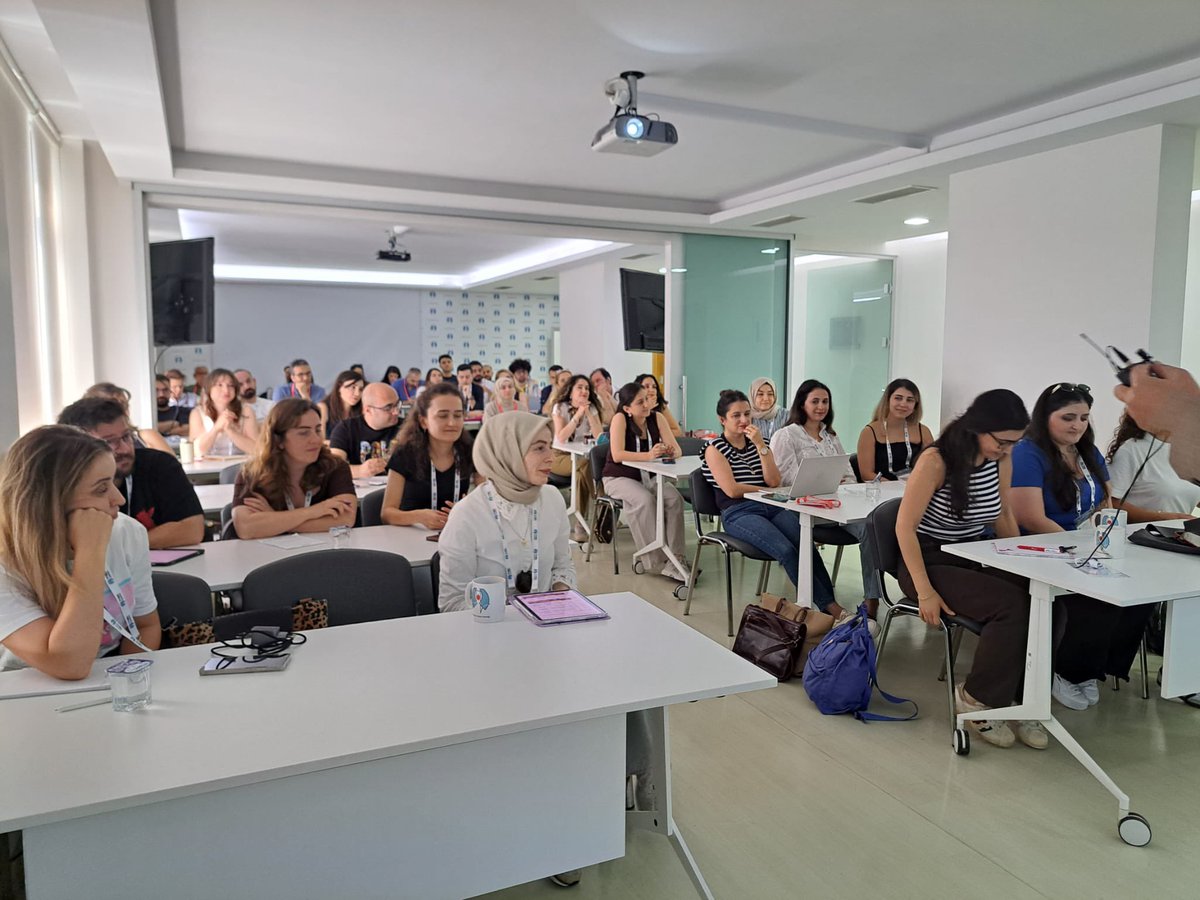
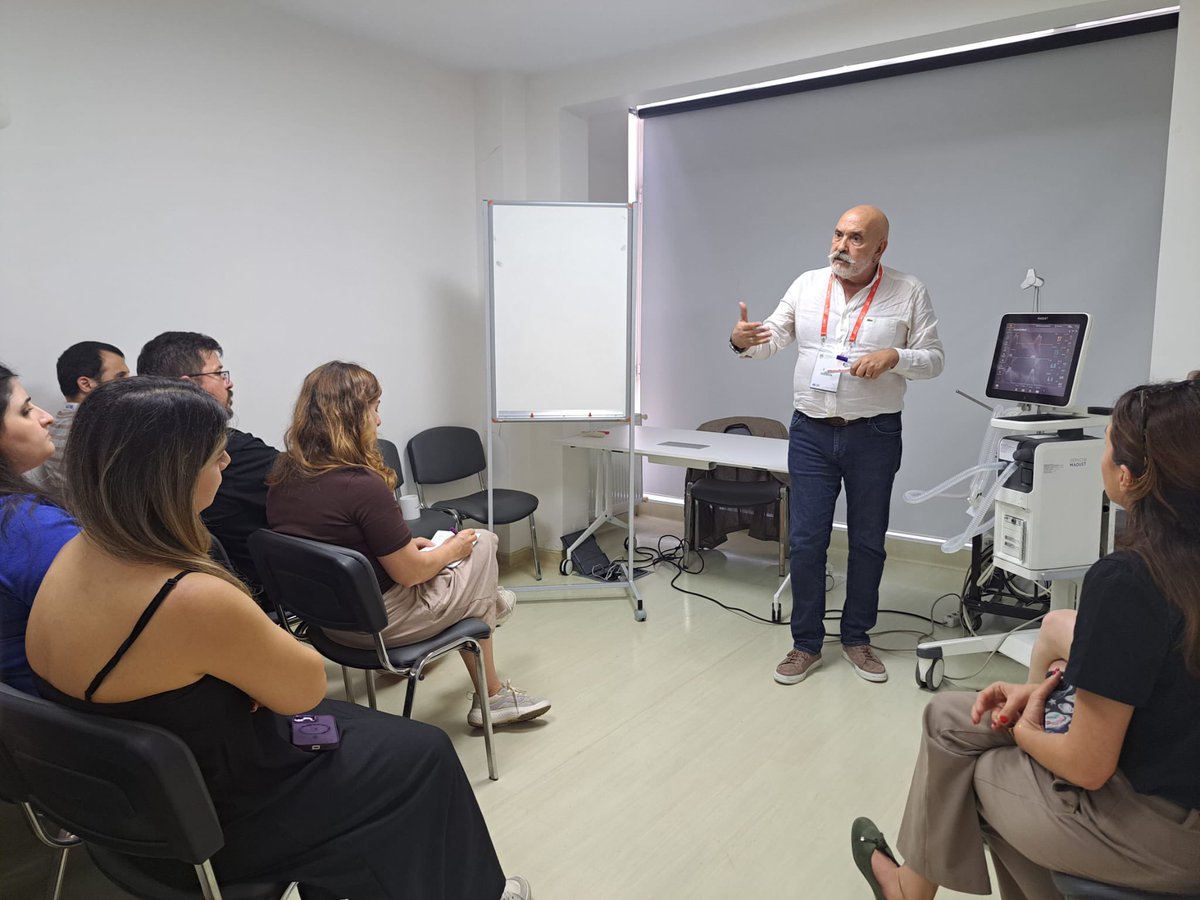
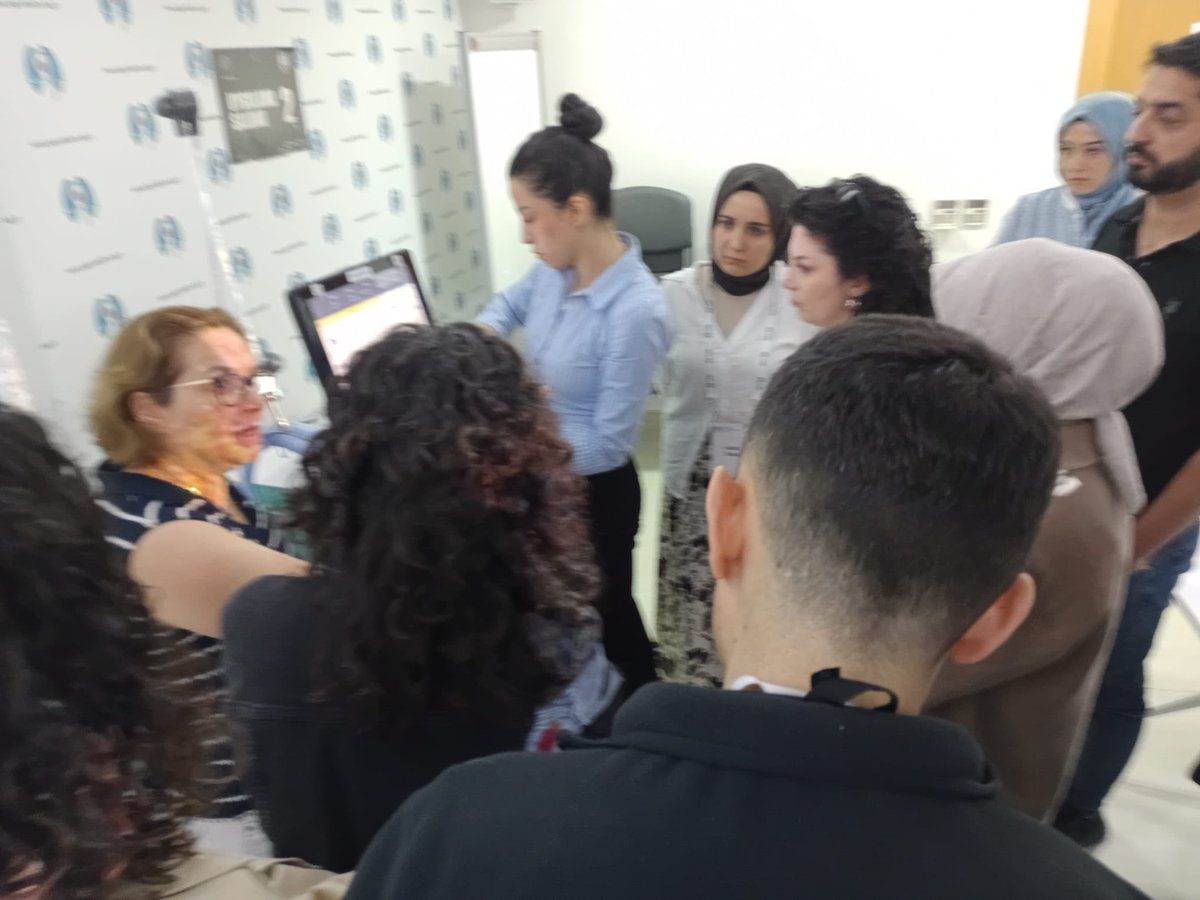
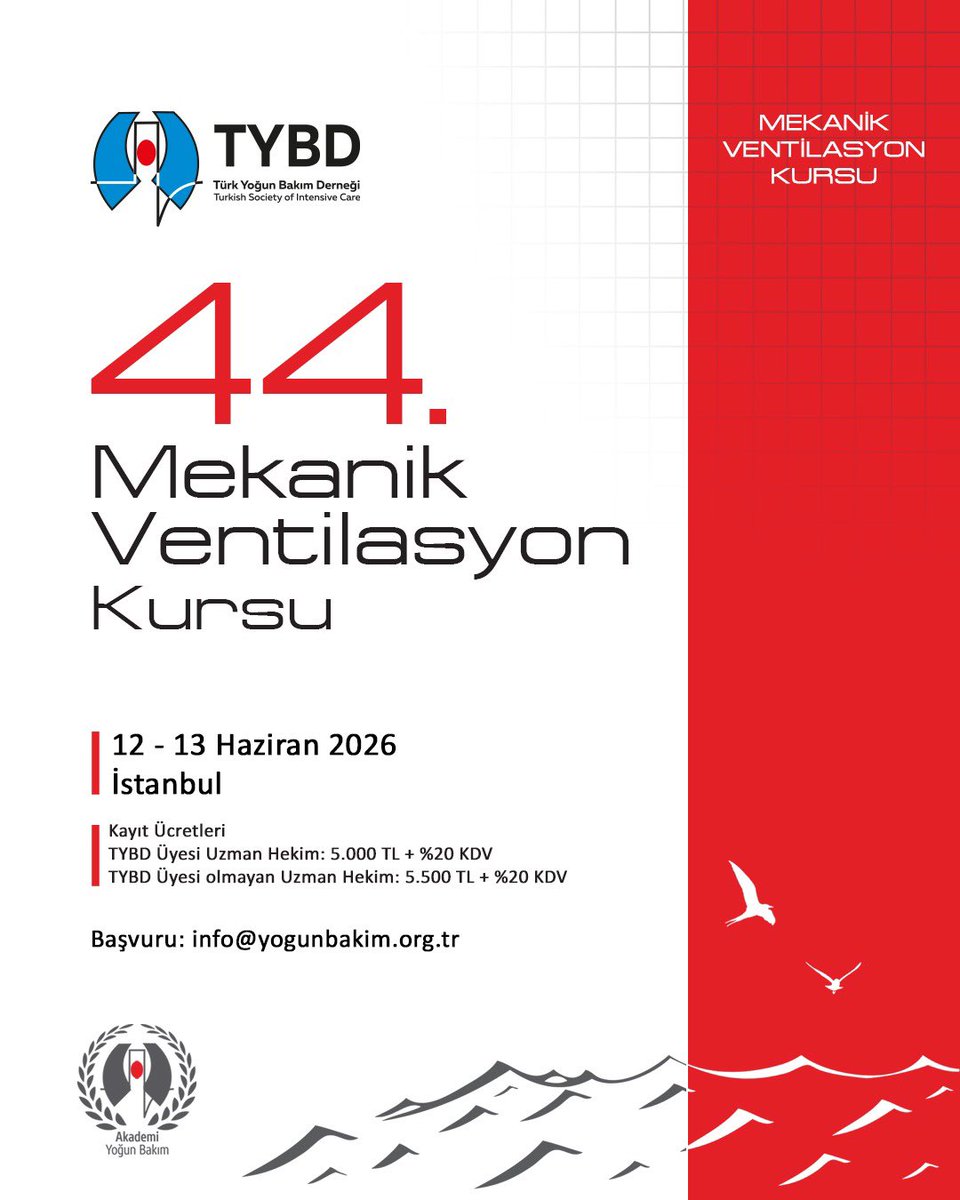
İyisini bil, iyisini yap. 44. MV Kursu
#TYBD #TSIC #mekanikventilasyon #kurs #yoğunbakım #icu
yogunbakim.org.tr/haberler/9…
2
8
1,258