
Jun 5
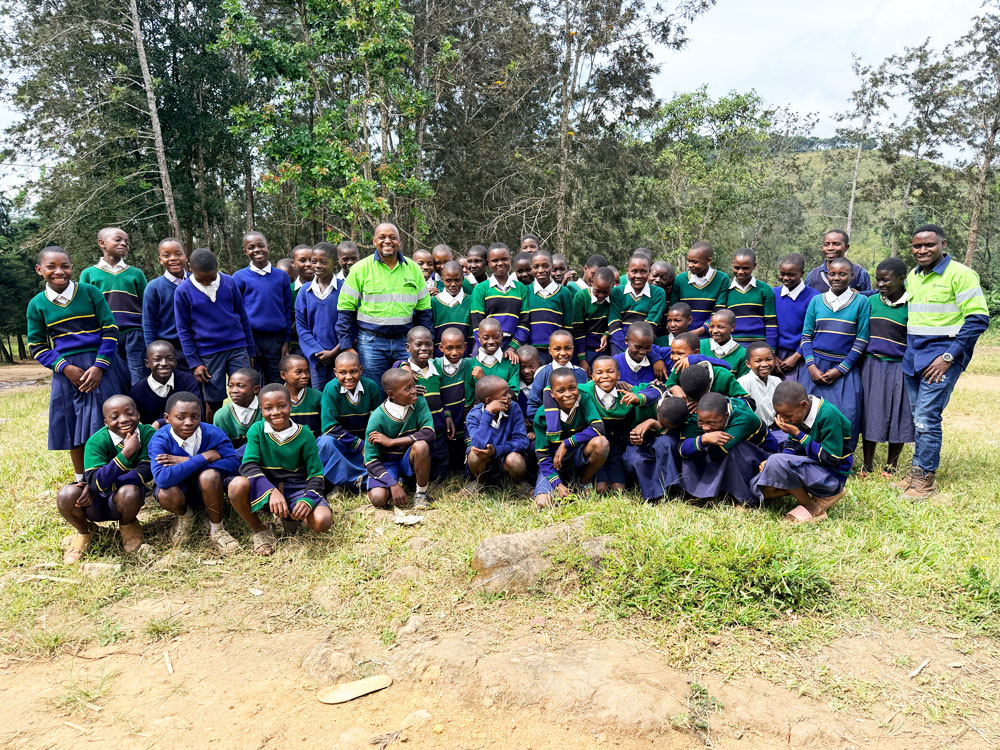
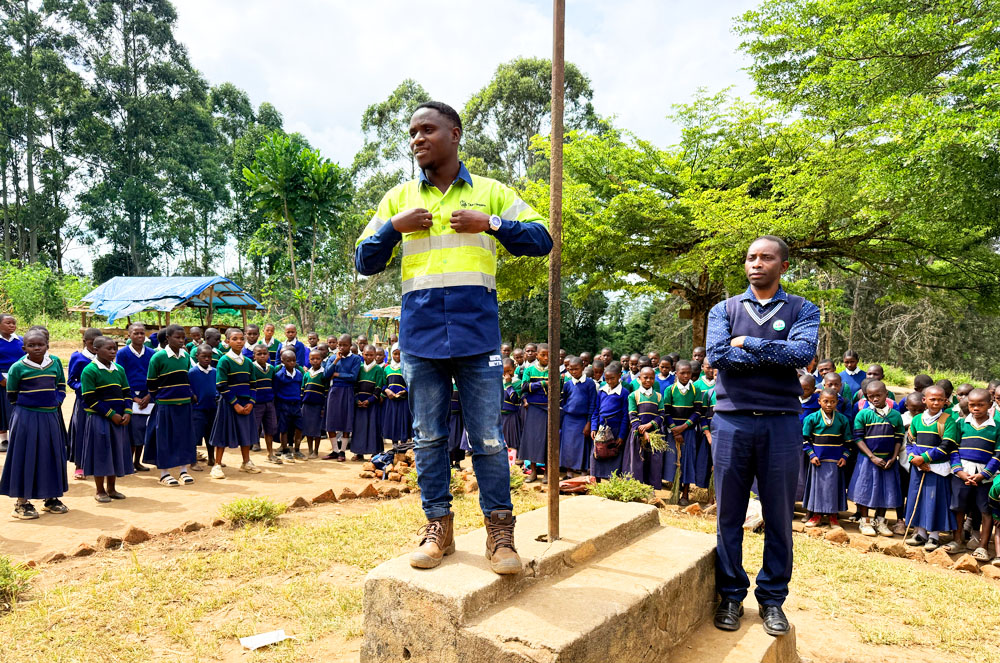
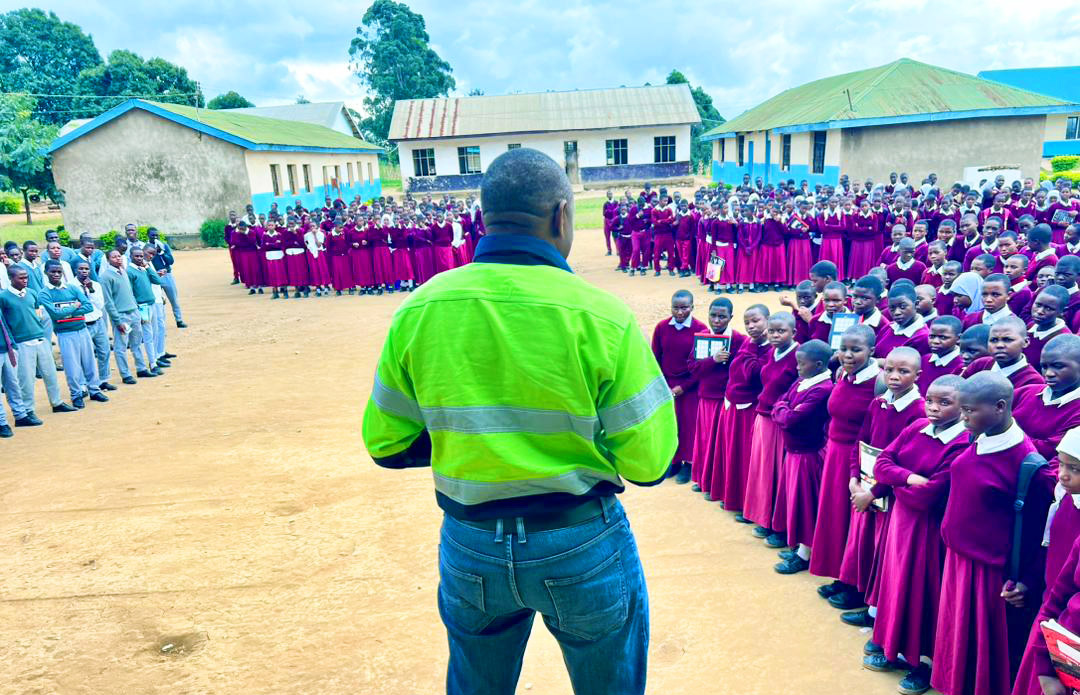
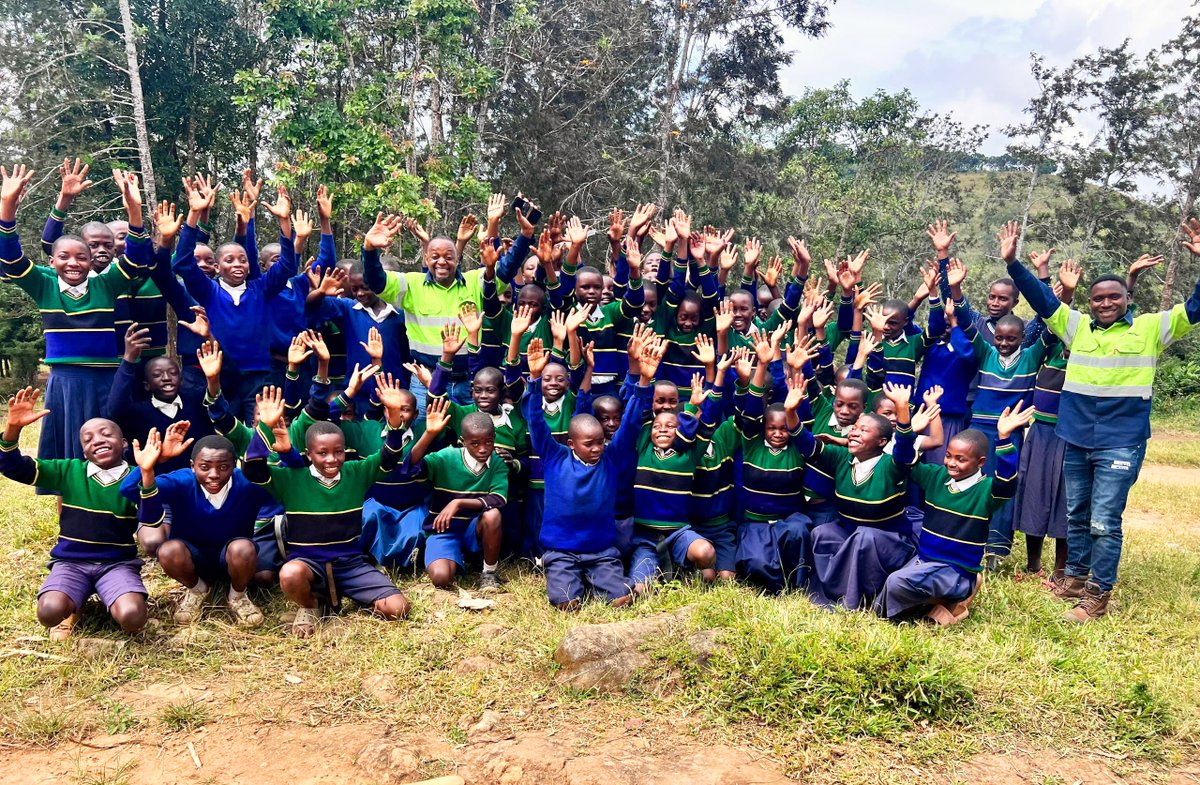
On #WorldEnvironmentDay @EcoGraf & Duma TanzGraphite are supporting environmental awareness in #Tanzania. Through school outreach programs around #Epanko, we're strengthening environmental clubs, promoting climate action and responsible waste management for a sustainable future🌱
2
10
200
Feb 11
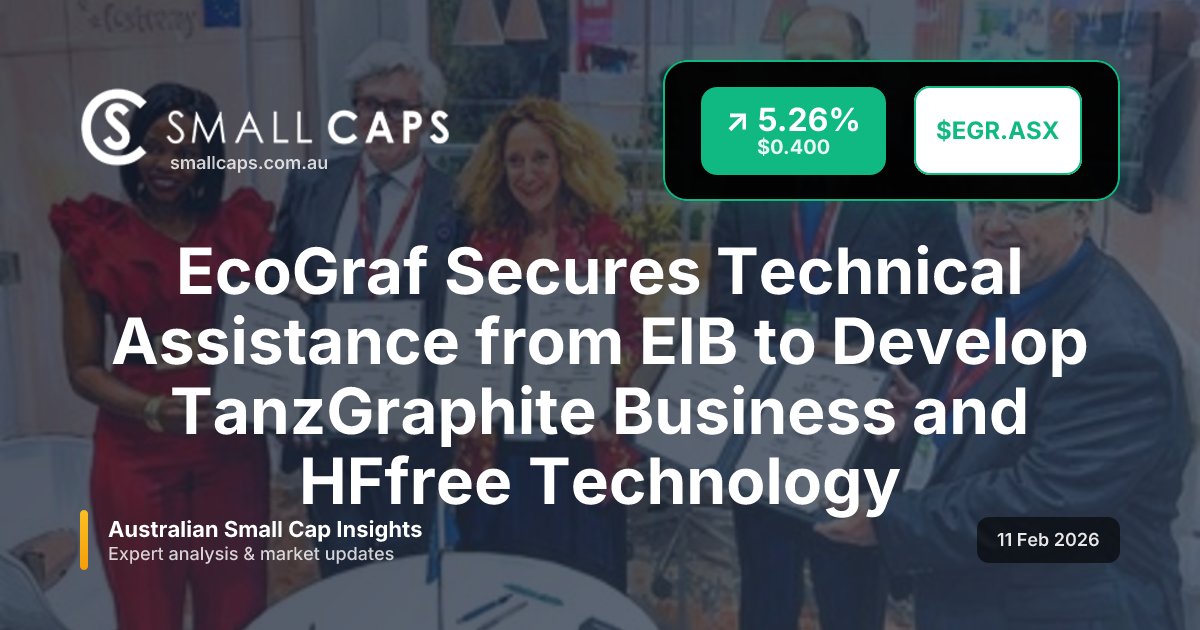
Coverage via @SmallCapsASX: EcoGraf Limited (ASX: $EGR, FSE: $FMK) Secures Technical Assistance from @EIB to Develop #TanzGraphite Business and #HFfree Technology.
Feb 10

EcoGraf Secures Technical Assistance from EIB to Develop TanzGraphite Business and HFfree Technology
#ASX #SmallCaps #EGR
smallcaps.com.au/article/eco…
4
13
205

Feb 10
EcoGraf Secures Technical Assistance from EIB to Develop TanzGraphite Business and HFfree Technology
#ASX #SmallCaps #EGR
smallcaps.com.au/article/eco…
1
3
561

12 Nov 2025
📍Mahenge, Morogoro
▪️MIRADI YA GRAPHITE MAHENGE ZAIDI YA BOMBA LA UCHUMI
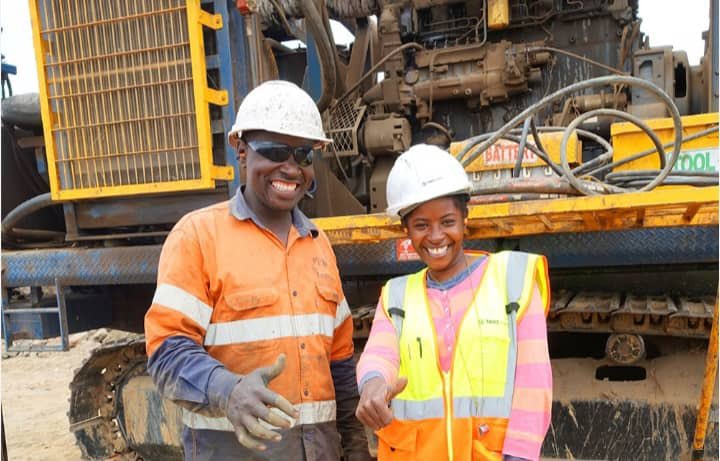
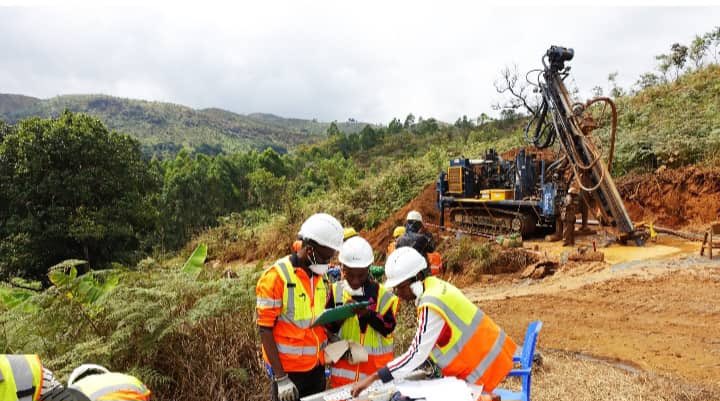
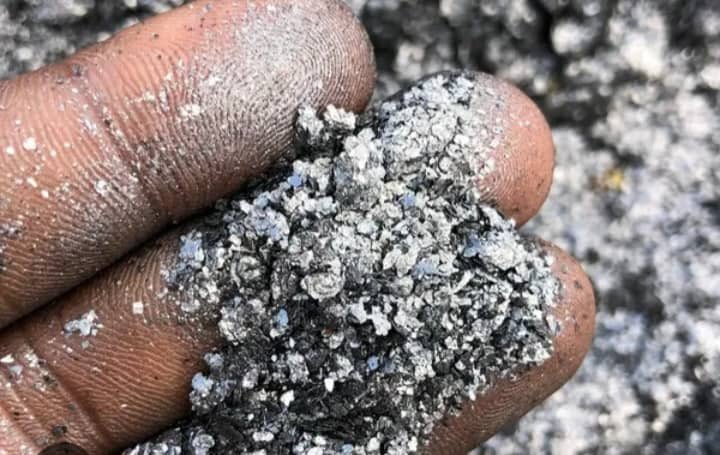
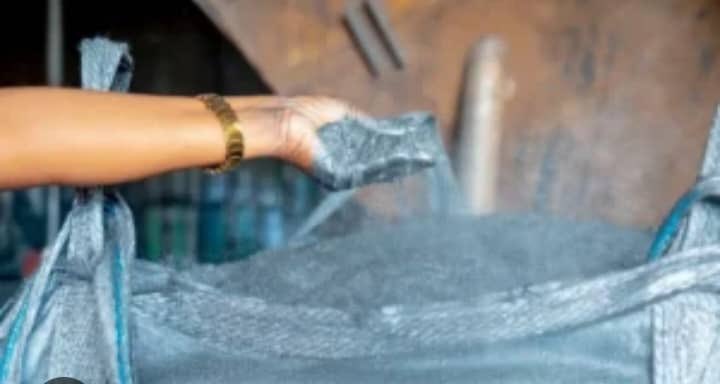
Imeelezwa kwamba uwepo wa miradi ya graphite Mahenge, Wilaya ya Ulanga Mkoani Morogoro itafungua fursa mbalimbali za kiuchumi kuanzia ngazi ya kijiji mpaka taifa kutokana na uwekezaji mkubwa unaotarajiwa kuwekezwa katika maeneo yaliyothibitishwa na kampuni mbili za uwekezaji Faru Graphite na Duma Graphite kupitia kampuni ya TanzGraphite.
Hayo yalibainishwa Novemba 11, 2025 na Kaimu Mkurugenzi wa Halmashauri ya Wilaya ya Ulanga Juma Kapilima wakati akielezea kuhusu fursa za kiuchumi na kijamii zitakazojitokeza kupitia uwekezaji mkubwa unaotarajia kufanyika katika miradi ya madini ya kinywe.
Kapilima alisema kuwa, mradi wa faru graphite unatarajia kuleta ajira 900 za moja kwa moja na ajira 4000 zisizo za moja kwa moja ambapo kupitia nafasi hizo kutafungua ajira nyingine ndogo ndogo kwa jamii ya Mahenge na viunga vyake.
Akielezea kuhusu ujenzi wa miundombinu ya nishati ya umeme, Kapilima alisema kuwa, kupitia mradi huo kuna mpango wa kuvuta umeme wa kilovoti 220 kutoka Ifakara hadi Mahenge ikiwa pamoja na ujenzi wa miundombinu ya barabara zitakazo unganisha eneo la mradi na vitongoji na vijiji ili kurahisha usafirishaji wa bidhaa mbalimbali.
Kwa upande wake Afisa Uhusiano wa Faru Graphite Jacqueline Mushi alisema kuwa, utekelezaji wa Mpango wa Wajibu wa Kampuni (CSR) tayari umeanza mpaka sasa umejenga Ofisi za vijiji 3 ikiwa ni kijiji cha mdindo, kisewe na mdindo.
Pia mradi umechangia mifuko 100 ya simenti kwa ajili ya ujenzi wa Ofisi ya Makanga pamoja na ukarabati wa shule ya msingi Makanga na uchimbaji wa visima katika kijiji cha mdindo.
Mushi aliongeza kuwa, Mradi wa Faru unalenga kusimama katika mwelekeo wa kombe la uchumi wa kijani hii ni kutokana umuhimu wa malighafi ya graphite hususan katika matumizi ya vifaa vya teknolojia ambayo kupitia mradi Tanzania ina nafasi ya kuingia katika mnyororo wa thaman ya kimataifa wa teknolojia safi.
Kwa upande wake, Afisa Mtendaji wa kijiji cha Mdindo, Nestory Uhadi alieleza kuwa eneo la Mahenge lina miradi miwili mikubwa ila kwa upande wa mradi wa Faru , umekuwa na matumaini makubwa kwa jamii, mpaka sasa tayari waguswa zaidi ya 1200 waliopisha mradi wamelipwa fidia, madarasa saba ya shule ya msingi Makanga yamefanyiwa ukarabati na Ofisi Mbili za kijiji zimejengwa kupitia mradi wa Faru Graphite.
Nestory aliongeza kuwa, kupitia ushirikiano mzuri uliopo baina serikali ya kijiji na kampuni za uwekezaji inaleta matumaini makubwa ya maendeleo ndani ya maeneo yetu na wananchi kwa ujumla.
1
3
15
2,944

12 Nov 2025
MIRADI YA GRAPHITE MAHENGE ZAIDI YA BOMBA LA UCHUMI
Mahenge, Morogoro
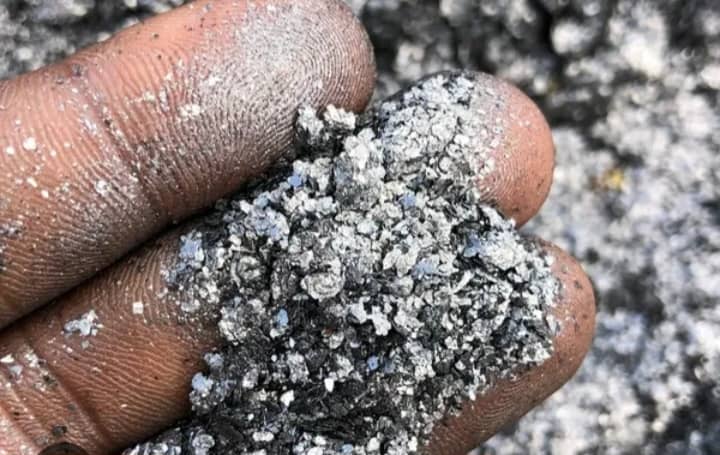
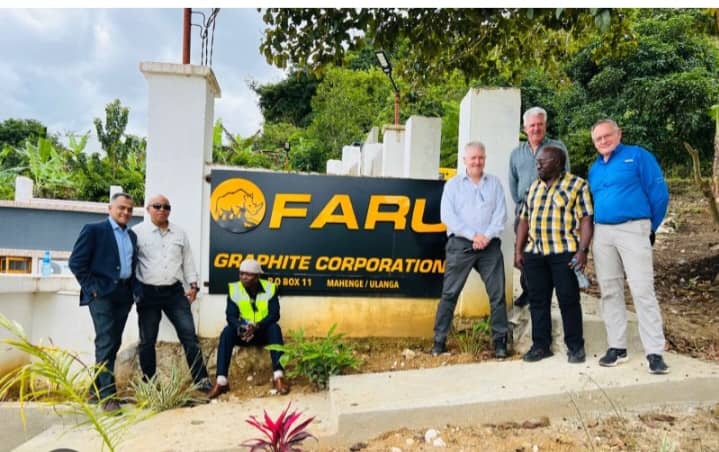
Imeelezwa kwamba uwepo wa miradi ya graphite Mahenge, Wilaya ya Ulanga Mkoani Morogoro itafungua fursa mbalimbali za kiuchumi kuanzia ngazi ya kijiji mpaka taifa kutokana na uwekezaji mkubwa unaotarajiwa kuwekezwa katika maeneo yaliyothibitishwa na kampuni mbili za uwekezaji Faru Graphite na Duma Graphite kupitia kampuni ya TanzGraphite.
Hayo yalibainishwa Novemba 11, 2025 na Kaimu Mkurugenzi wa Halmashauri ya Wilaya ya Ulanga Juma Kapilima wakati akielezea kuhusu fursa za kiuchumi na kijamii zitakazojitokeza kupitia uwekezaji mkubwa unaotarajia kufanyika katika miradi ya madini ya kinywe.
Kapilima alisema kuwa, mradi wa faru graphite unatarajia kuleta ajira 900 za moja kwa moja na ajira 4000 zisizo za moja kwa moja ambapo kupitia nafasi hizo kutafungua ajira nyingine ndogo ndogo kwa jamii ya Mahenge na viunga vyake.
Akielezea kuhusu ujenzi wa miundombinu ya nishati ya umeme, Kapilima alisema kuwa, kupitia mradi huo kuna mpango wa kuvuta umeme wa kilovoti 220 kutoka Ifakara hadi Mahenge ikiwa pamoja na ujenzi wa miundombinu ya barabara zitakazo unganisha eneo la mradi na vitongoji na vijiji ili kurahisha usafirishaji wa bidhaa mbalimbali.
Kwa upande wake Afisa Uhusiano wa Faru Graphite Jacqueline Mushi alisema kuwa, utekelezaji wa Mpango wa Wajibu wa Kampuni (CSR) tayari umeanza mpaka sasa umejenga Ofisi za vijiji 3 ikiwa ni kijiji cha mdindo, kisewe na mdindo.
Pia mradi umechangia mifuko 100 ya simenti kwa ajili ya ujenzi wa Ofisi ya Makanga pamoja na ukarabati wa shule ya msingi Makanga na uchimbaji wa visima katika kijiji cha mdindo.
Mushi aliongeza kuwa, Mradi wa Faru unalenga kusimama katika mwelekeo wa kombe la uchumi wa kijani hii ni kutokana umuhimu wa malighafi ya graphite hususan katika matumizi ya vifaa vya teknolojia ambayo kupitia mradi Tanzania ina nafasi ya kuingia katika mnyororo wa thaman ya kimataifa wa teknolojia safi.
Kwa upande wake, Afisa Mtendaji wa kijiji cha Mdindo, Nestory Uhadi alieleza kuwa eneo la Mahenge lina miradi miwili mikubwa ila kwa upande wa mradi wa Faru , umekuwa na matumaini makubwa kwa jamii, mpaka sasa tayari waguswa zaidi ya 1200 waliopisha mradi wamelipwa fidia, madarasa saba ya shule ya msingi Makanga yamefanyiwa ukarabati na Ofisi Mbili za kijiji zimejengwa kupitia mradi wa Faru Graphite.
Nestory aliongeza kuwa, kupitia ushirikiano mzuri uliopo baina serikali ya kijiji na kampuni za uwekezaji inaleta matumaini makubwa ya maendeleo ndani ya maeneo yetu na wananchi kwa ujumla.
3
3
19
2,372

2 May 2025
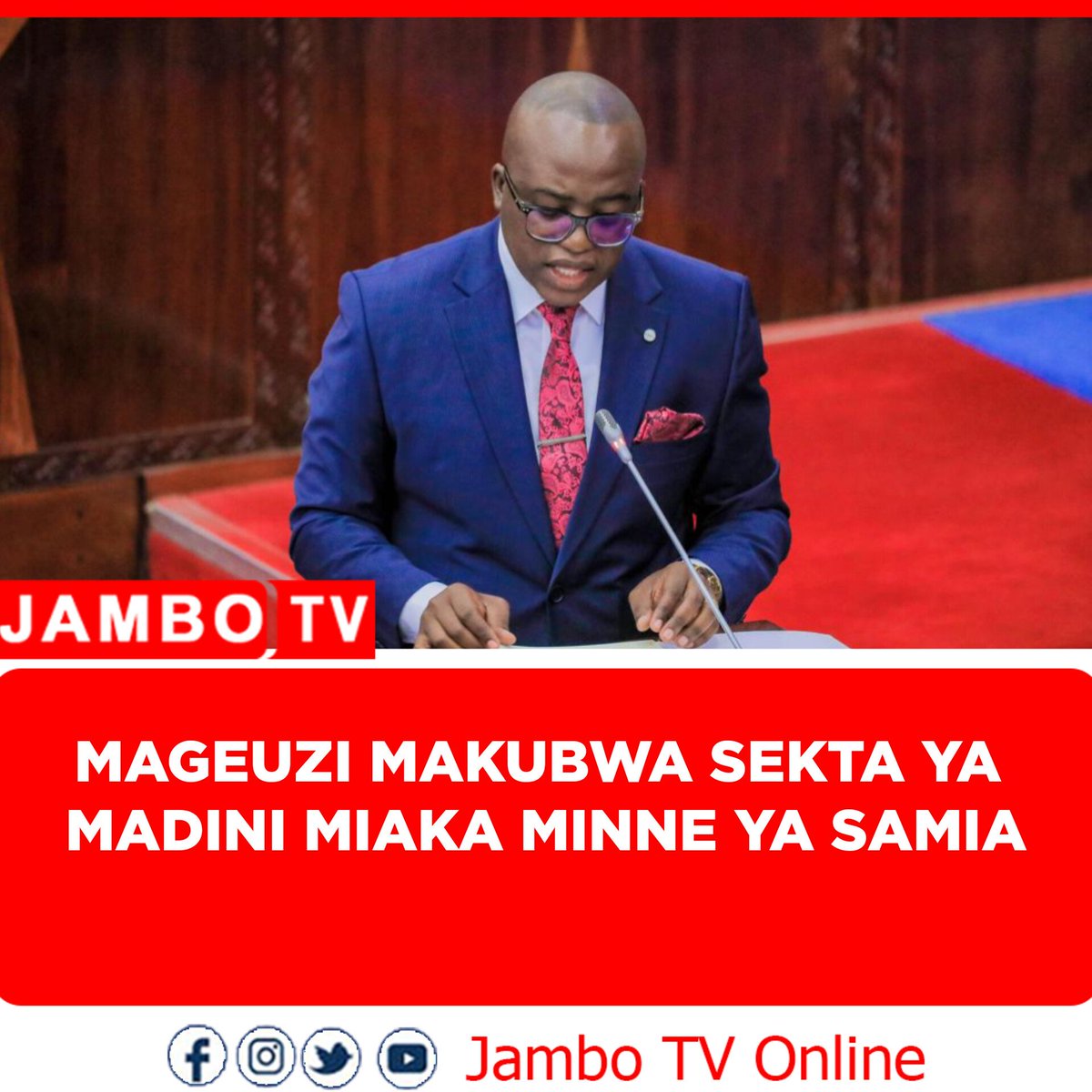
🎥LEO BUNGENI: Waziri wa Madini Mhe. Anthony Mavunde Akiwasilisha bungeni Makadirio ya Mapato na Matumizi kwa Mwaka wa Fedha 2025/2026 amesema kuwa ili kuendeleza madini muhimu na madini mkakati, Serikali ya Awamu ya Sita chini ya uongozi wa Mheshimiwa Dkt. @SuluhuSamia imechukua hatua madhubuti kuhakikisha rasilimali hizi zinawanufaisha Watanzania.
Tarehe 03 Machi 2025, Serikali ilitoa Leseni ya Uchimbaji Mkubwa (SML) kwa ajili ya uchimbaji wa madini ya kinywe kupitia Mradi wa Epanko Graphite, unaotekelezwa na Kampuni ya Duma Tanzgraphite Limited katika Wilaya ya Mahenge, Mkoa wa Morogoro.
Utekelezaji wa mradi huu unatarajiwa kuongeza ajira kwa wananchi, kuongeza mapato ya Serikali na kuchochea maendeleo ya kijamii na kiuchumi kwa taifa kwa ujumla.
@ikulumawasliano @MadiniTanzania
#DiraYaSamia #KaziNaUtu2025 #KaziNaUtuTunasongaMbele #MadiniBajeti
3
11
14
1,015

Wizara ya Madini nchini Tanzania katika kipindi cha miaka minne ya Uongozi wa Rais Samia Suluhu Hassan imefanikiwa kuvuka lengo la kuchangia asilimia kumi kwenye pato la Taifa mwaka mmoja kabla ya muda ulioanishwa kwenye sera ya Madini ya mwaka 2009 na kwenye Mpango wa maendeleo ya Taifa wa miaka mitano 2021/22 hadi 2025/26 na kufikia mchango wa asilimia 10.1 mwaka 2024.
Hayo yamezungumzwa na Waziri wa Madini nchini Tanzania Mhe. Anthony Mavunde Bungeni Dodoma Leo Ijumaa Mei 02, 2025, wakati akiwasilisha hotuba ya Bajeti ya Wizara ya madini kwa mwaka 2025/26, akieleza kuwa mafanikio hayo makubwa kwenye sekta ya madini yametokana na maelekezo na miongozo yenye tija kutoka kwa Rais Samia Suluhu Hassan na utekelezaji wa Ilani ya CCM ya mwaka 2020/25.
"Katika kipindi cha awamu ya sita chini ya Uongozi wa Mhe. Rais Samia tumeshuhudia mageuzi makubwa na mafanikio ya halu ya juu katika sekta ya madini. Mchango wa sekta huu kwenye pato la Taifa umeendelea kuimarika na kukua kutoka asilimia 7.3 mwaka 2021, asilimia 9.1 mwaka 2023 na kufikia asilimia 10.1 mwaka 2024." Amesema Waziri Mavunde.
Waziri Mavunde ameeleza kuwa jitihada hizo zimewezesha pia kuongezeka kwa kasi ya ukuaji wa shughuli za uchimbaji madini kutoka asilimia 10.8 mwaka 2022 hadi asilimia 11.3 maaka 2023, maduhuli ya serikali pia yakiongezeka kutoka shilingi 623,237,296,973.40 mwaka 2021/22 hsdi shilingi 753,175,680,203.96 mwaka 2023/24 ikiwa ni matokeo ya mikakati madhubuti ya serikali katika kudhibiti utoroshwaji wa madini, kuhamasisha uwekezaji na kuanzisha minada ya vito.
Mafanikio mengine ni pamoja na kuongezeka kwa vituo vya ununuzi wa madini, kuyatambua na kuyapa hadhi ya vituo vya ununuzi jumla ya maeneo 142 yanayotumika kufanyia biashara ya madini kwa wingi (bulk minerals) pamoja na serijali kununua mitambo 10 ya uchorongaji kwaajili ya kutoa huduma kwa wachimbaji wadogo pamoja na kuanzisha ujenzi wa kiwanda cha kuchakata chumvi katika Wilaya ya Kilwa Mkoani Lindi.
Aidha katika kuendeleza madini muhimu na ya kimkakati, serikali ya Rais Samia pia imefanikisha kutka leseni ya uchimbaji mkubwa wa madini ya Kinywe kwa mradi wa Epanko Graphite (kampuni ya Duma Tanzgraphite Limited) uliopo Mahenge Mkoani Morogoro, ukitarajiwa kuongeza ajira na mapato kwa wananchi na Taifa kwa Ujumla.
1
17
3,207

1/5
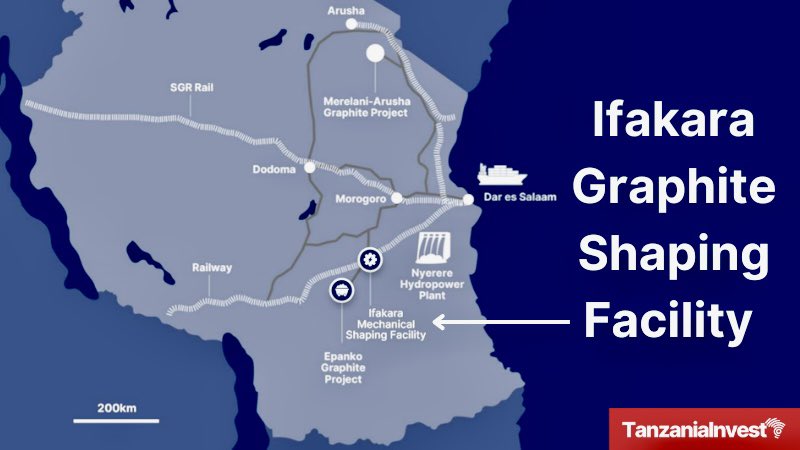
La Tanzanie franchit un cap important avec l’usine TanzGraphite à Ifakara. Objectif : transformer localement le graphite en matériau d’anode pour batteries lithium-ion. Rendement de 60 %, coût d’exploitation de 419 USD/tonne. Le tout alimenté par une énergie 100 % hydro
1
12
19
1,728
24 Mar 2025
News via @kalkineau: EcoGraf Completes Independent Engineering Study for TanzGraphite Facility
(ASX: $EGR, FSE: $FMK)
24 Mar 2025

EcoGraf (ASX:EGR) Completes Independent Engineering Study for TanzGraphite Facility
@EcoGraf #cleanpower #TanzGraphiteFacility #ASX $EGR
kalkinemedia.com/au/news/fea…
4
14
562

24 Mar 2025
EcoGraf (ASX:EGR) Completes Independent Engineering Study for TanzGraphite Facility
@EcoGraf #cleanpower #TanzGraphiteFacility #ASX $EGR
kalkinemedia.com/au/news/fea…
4
13
757
23 Mar 2025
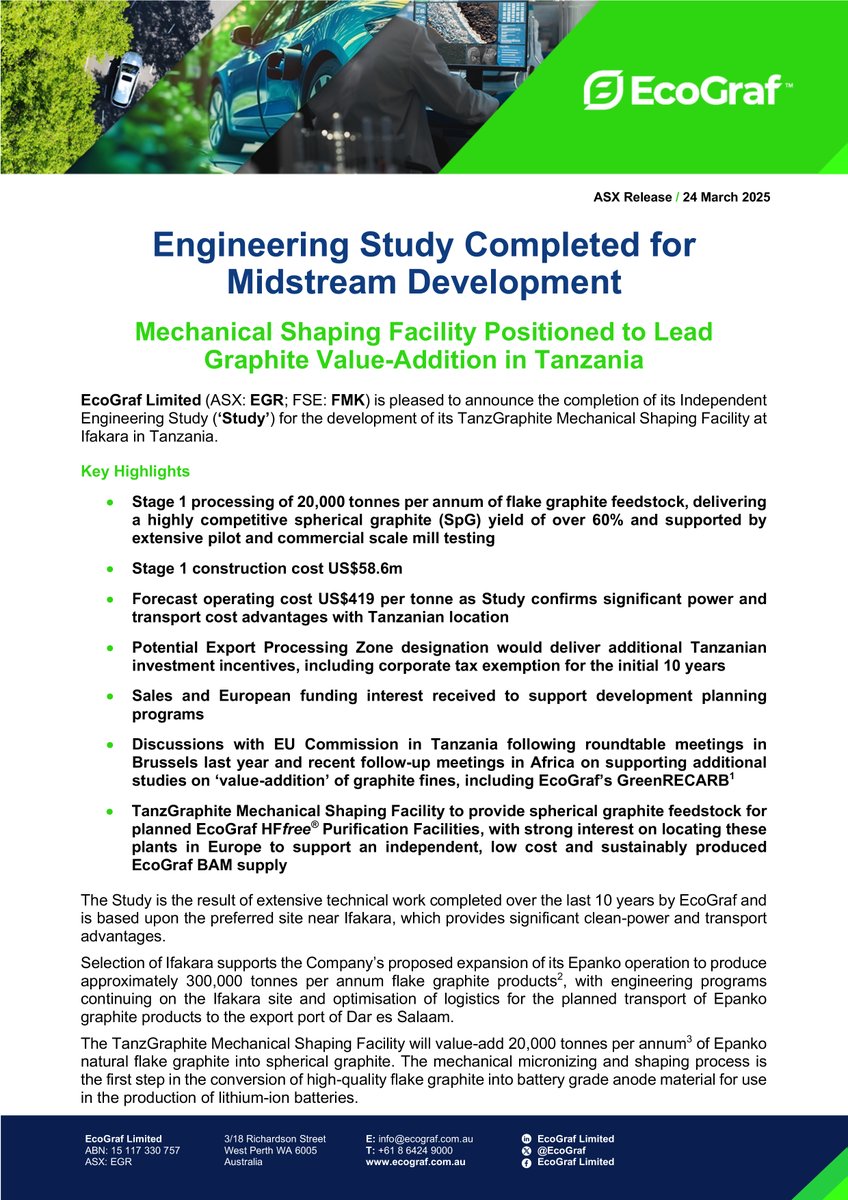
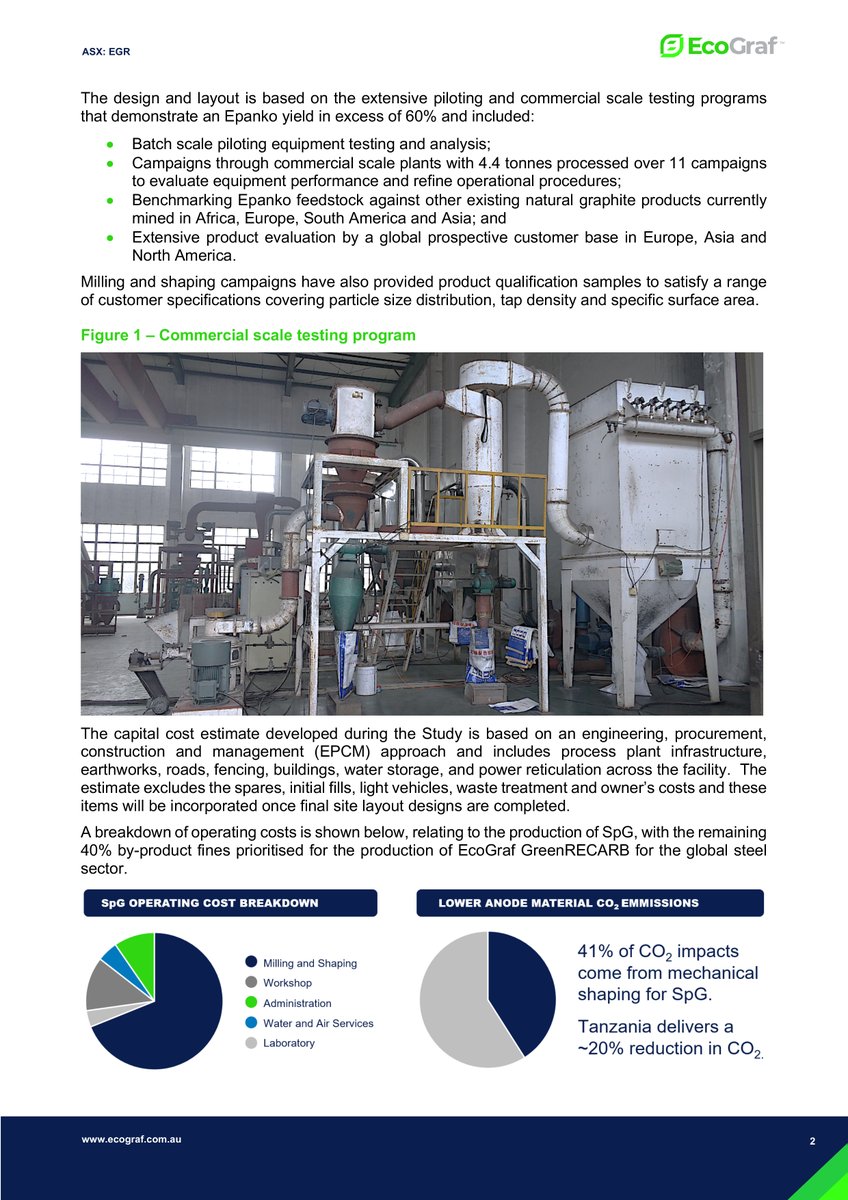
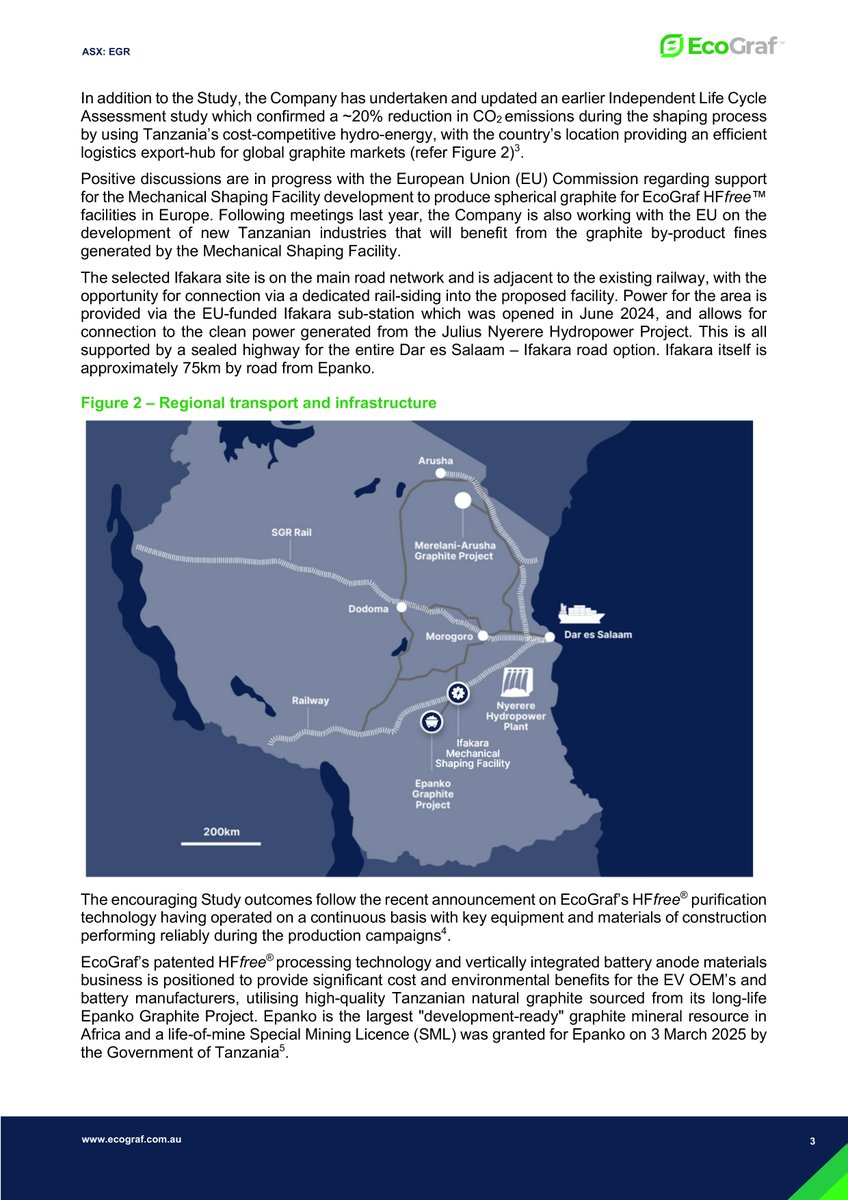
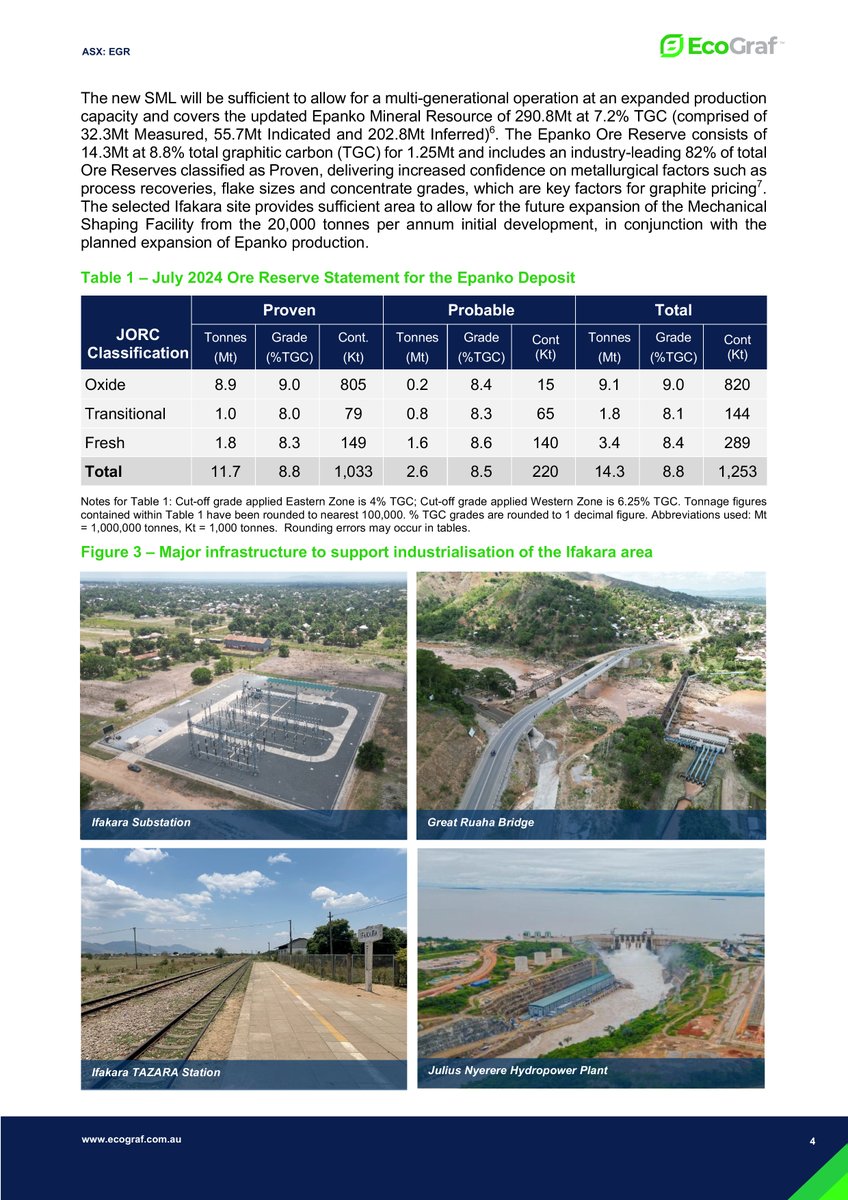
EcoGraf (ASX: $EGR, FSE: $FMK) is pleased to announce the completion of its Independent Engineering Study for the development of its #TanzGraphite #MechanicalShapingFacility at Ifakara in Tanzania.
#Midstream #Graphite #ValueAddition #TANZANIA
More > tinyurl.com/mryzkmyn
1
5
23
1,206
14 Nov 2024
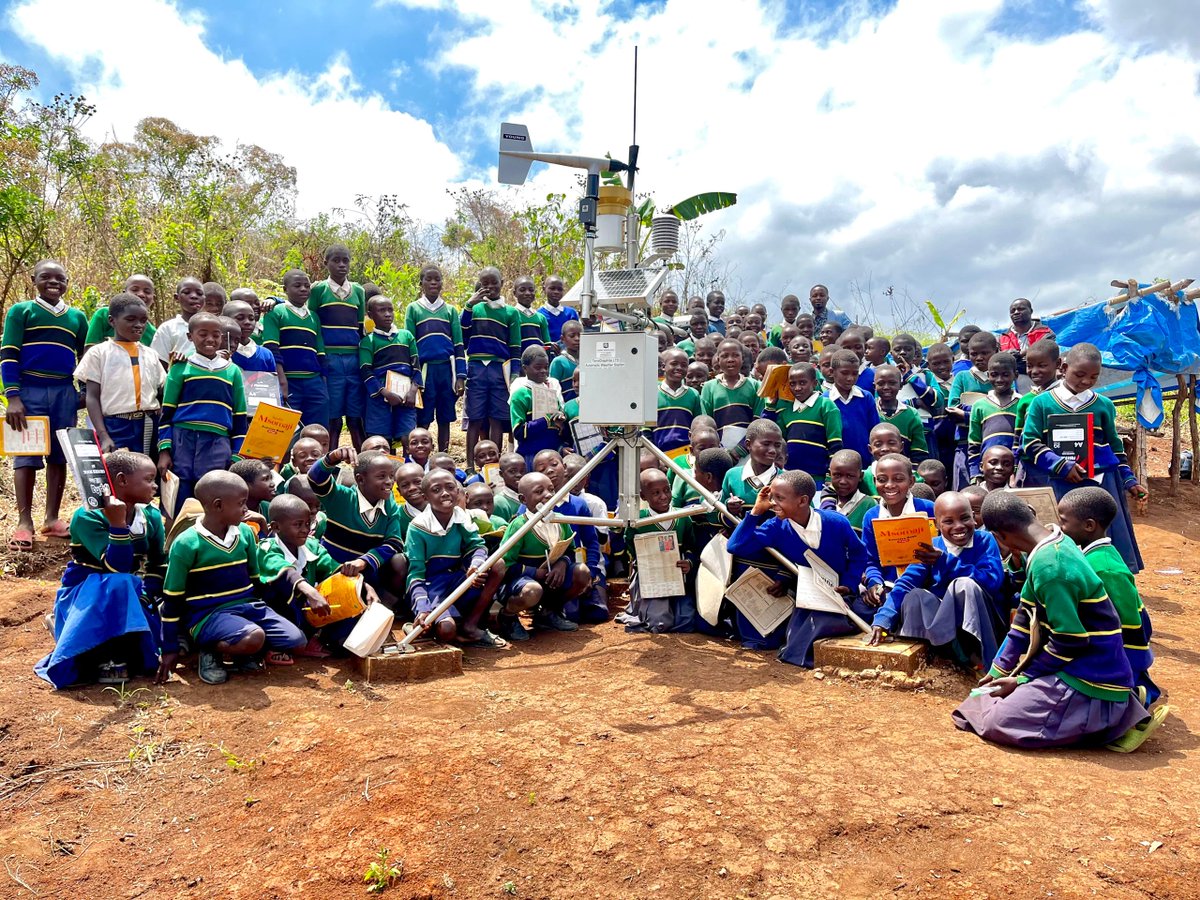
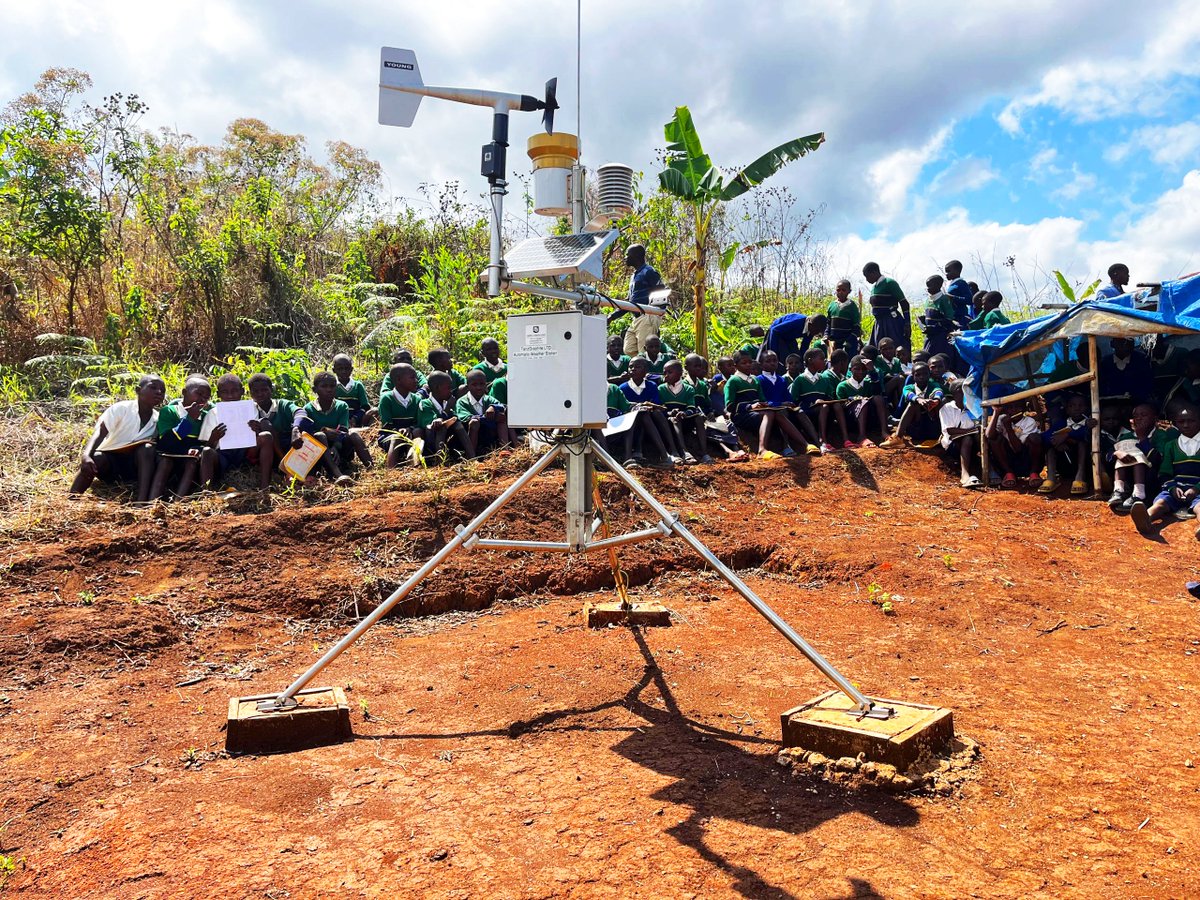
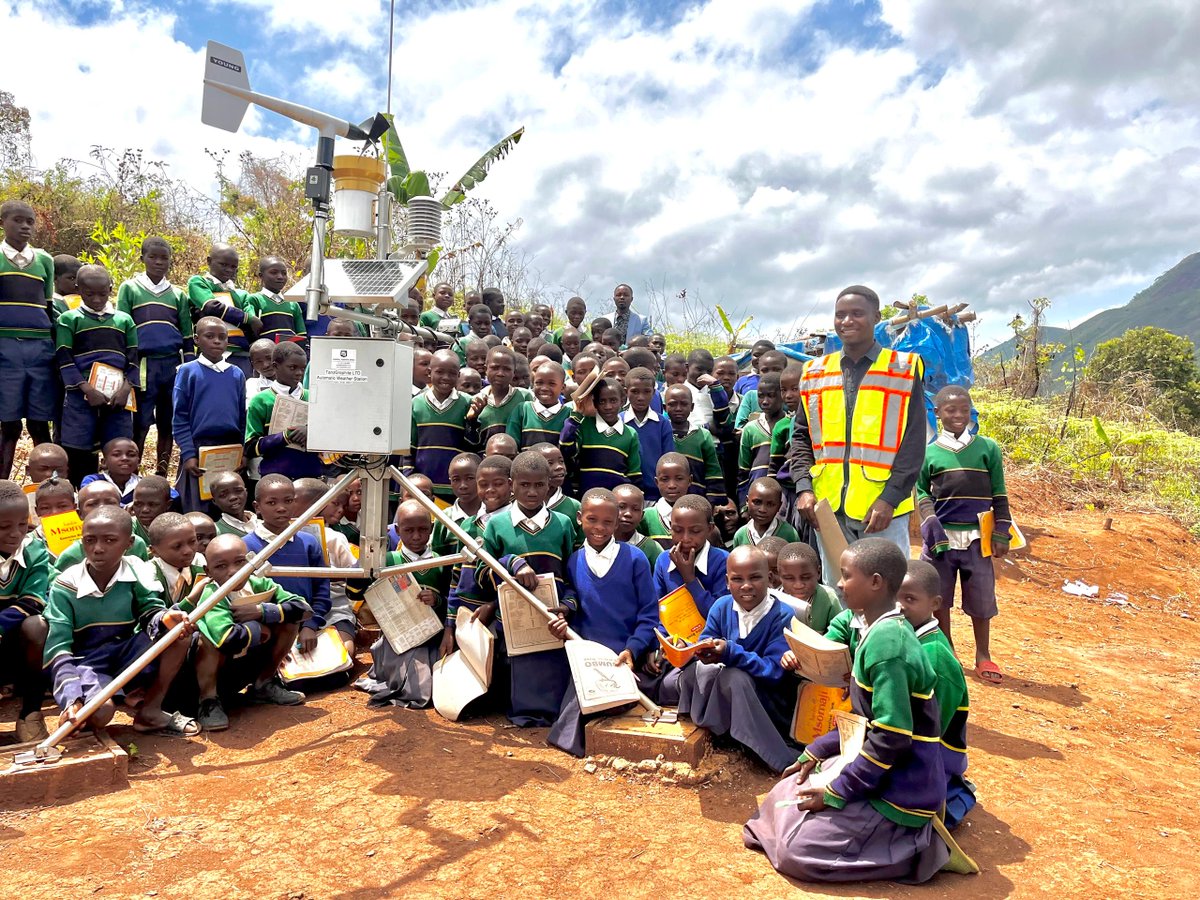
Congratulations to our Duma TanzGraphite team on the weather station excursion with Epanko Primary School, that enhanced learning, allowing students to observe equipment & learn practical aspects. The station is part of ongoing environmental studies for EcoGraf's #Epanko Project.
1
4
16
451

2 Jul 2024
Takriban futi za ujazo bilioni 138 za heliamu zimegunduliwa katika Bonde la Ziwa Rukwa, ikisemekana kuwa ni hifadhi ya pili kwa ukubwa wa heliamu duniani. Zaidi ya hayo, kuna takriban hifadhi nyingine 20 za madini muhimu nchini Tanzania, kama vile shaba na lithiamu.
Graphite
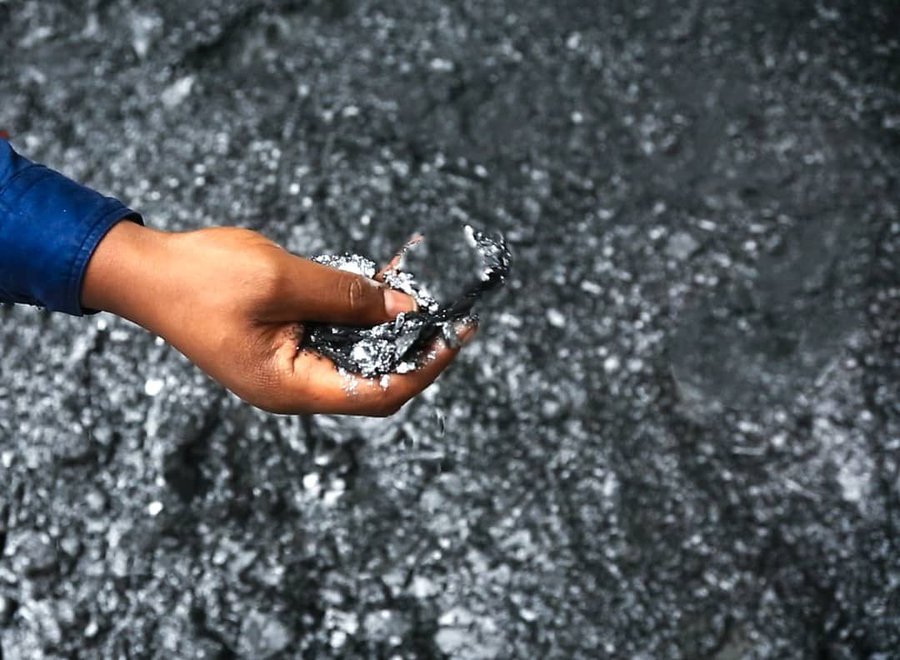
Hii ni aina ya kaboni nyeusi inayong'aa ambayo hupitisha umeme na hutumika katika penseli za risasi na anodi za kielektroni, kama lubricant, na kama moderator katika mitambo ya nyuklia. Tanzania ina hifadhi ya zaidi ya tani milioni 18 za graphite, hasa katika mikoa ya Lindi, Morogoro, na Tanga, inayosemekana kuwa hifadhi ya tano kwa ukubwa wa graphite duniani. Nchi imetoa leseni kadhaa za uchimbaji mkubwa wa graphite, ikiwa ni pamoja na moja kwa kampuni ya Faru Graphite Corporation katika eneo la Mahenge, mkoa wa Morogoro, na Duma Tanzgraphite Limited katika eneo la Epanko, wilaya ya Ulanga.
Kwa mfano, Godmwanga Gems Limited inaongoza katika sekta ya uzalishaji wa graphite nchini Tanzania, ikiwa miongoni mwa wazalishaji kumi bora wa madini haya muhimu duniani. Ikiwa na umiliki wa asilimia 100 na mwanahisa Mtanzania, Bw. Godlisten Mwanga, kampuni hii inachangia kwa kiasi kikubwa katika uchumi wa ndani na masoko ya kimataifa kupitia ubunifu wa teknolojia za uchimbaji na usafishaji.
kupitia sera na mikakati kabambe, Tanzania inajitahidi kutumia kikamilifu madini yake mkakati ili kukuza uchumi na kuboresha maisha ya wananchi wake.
#SisiNdioWajenziWaTanzaniaYetu #SSH #CCM #KaziIendelee #Nchiyangukwanza #SisiniTanzania #matokeochanya #MSLAC #SamiaSuluhuHassan #ChamaChaMapinduzi #PhilipMpango #NEMC #wizarayaafya #wizarayaujenzi
2
5
330
2 Jul 2024
▪️TRANSFORMING TANZANIA’S MINING SECTOR WITH STRATEGIC MINERALS ON CARDS
Tanzania, one of the countries in the world with the most mineral resources, is taking a massive step in managing and harnessing its strategic mineral resources to elevate its economic development. In terms of critical mineral resources, Tanzania is rich in Rare Earth Elements (REEs), Graphite, Nickel, Cobalt, and Heavy Mineral Sands. These natural resources are fundamental for industries ranging from electronics to renewable energy and electric vehicles.
As we know, the Paris Agreement targets Net Zero Carbon by 2050, which means firm reductions in greenhouse gas emissions are highly demanded. Thus, clean energy technologies, like Nuclear Power and Electric Vehicles (EVs) among others, will play an important role in the transition from fossil fuels to clean energy and reducing greenhouse gas emissions. But these renewable technologies will need critical minerals or green minerals. With the transition to clean energy technologies developing at a fast pace, critical minerals are in massive demand worldwide.
Let’s have a look at the key developments made by the Tanzanian Government on strategic mineral extraction so far:
Rare Earth Elements (REEs):These are components of more than 200 products across a wide range of applications, especially high-tech consumer products. In Tanzania, a large-scale mining license has been issued to Mamba Minerals Corporation Limited for the extraction of REEs in the Ngualla area, Songwe region. The commissioning is expected to commence in April 2025.
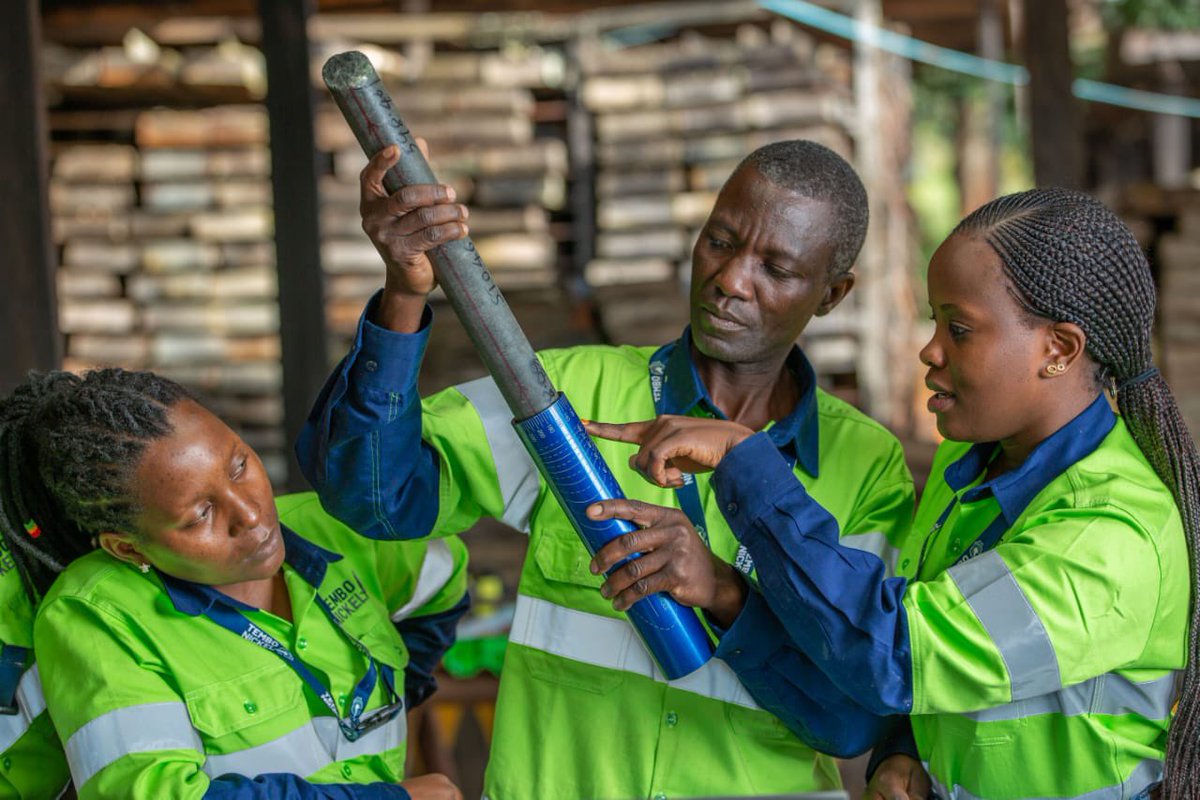
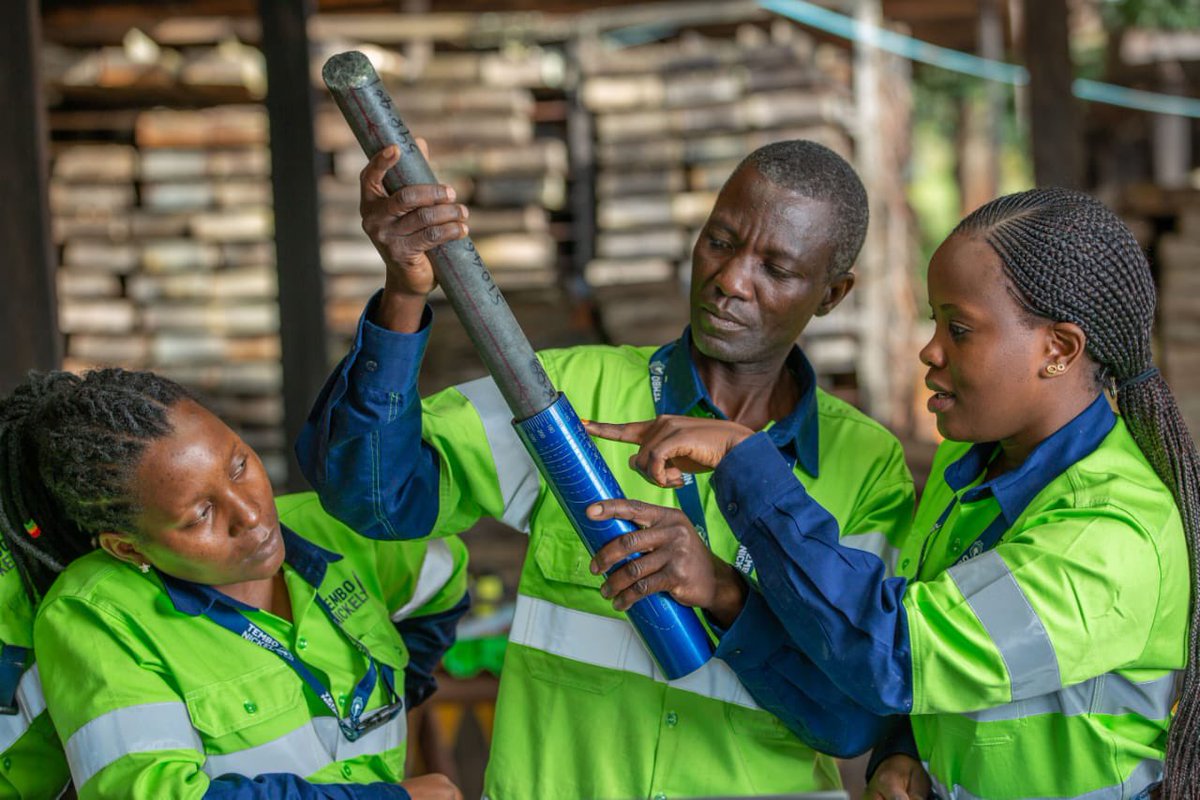
Nickel:This silver-white hard metallic element can be hammered and shaped, capable of a high polish, and is resistant to wearing away. In Tanzania, we have Tembo Nickel Corporation Limited, a company built in partnership between the Government and Kabanga Nickel Company Limited to take the Kabanga Nickel project into development. The nickel deposits discovered in Ngara, Kagera region, have an estimation of over 1.52 million tons. Mining is expected to start toward the end of 2026.
The country is also on its way to establishing a nickel refinery plant in the Kahama district, Shinyanga region. This major metal refining plant, known as Tembo Nickel Refining Plant, is expected to solve the challenge faced by metal miners in Tanzania, who previously had to export concentrates abroad for refining, resulting in lower profits.
About 138 billion cubic feet of helium have been discovered at Lake Rukwa Basin, said to be the second-largest helium deposit in the world. Furthermore, there are about 20 other deposits of critical minerals in Tanzania, such as copper and lithium.
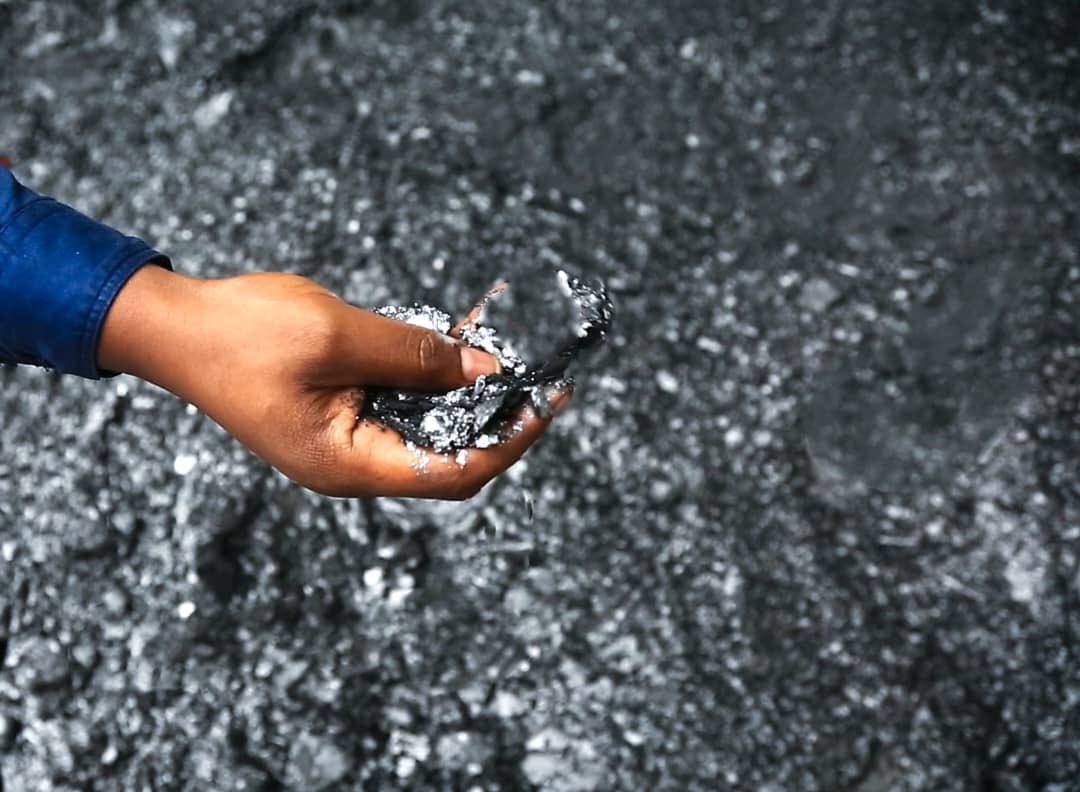
Graphite:This soft black shiny form of carbon conducts electricity and is used in lead pencils and electrolytic anodes, as a lubricant, and as a moderator in nuclear reactors. Tanzania has an estimation of over 18 million tons of graphite reserves mostly in the Lindi, Morogoro, and Tanga regions, said to be the 5th largest reserve of graphite in the world. The country has granted several licenses for large-scale graphite mining, including one for Faru Graphite Corporation in the Mahenge area, Morogoro region, and Duma Tanzgraphite Limited in the Epanko area, Ulanga district.
For instance, Godmwanga Gems Limited stands at the forefront of Tanzania's graphite production industry, ranking among the top ten global producers of this strategic mineral. With 100% ownership by Tanzanian stakeholder Mr. Godlisten Mwanga, the company is pioneering advancements in mining and refining operations, contributing significantly to both the local economy and international markets.
📸:Ministry of Minerals
2
8
26
3,140

25 Mar 2024
Don't miss out on this insightful conversation shedding light on Tanzania's critical mineral sector with Christer Mhingo, Director, Ecograf Limited (Duma TanzGraphite Limited).
Watch the full video now: eu1.hubs.ly/H08f-Wx0
#MITV #MI24 #MiningIndustry #MiningIndaba #EV
1
1
3
409
9 Feb 2024
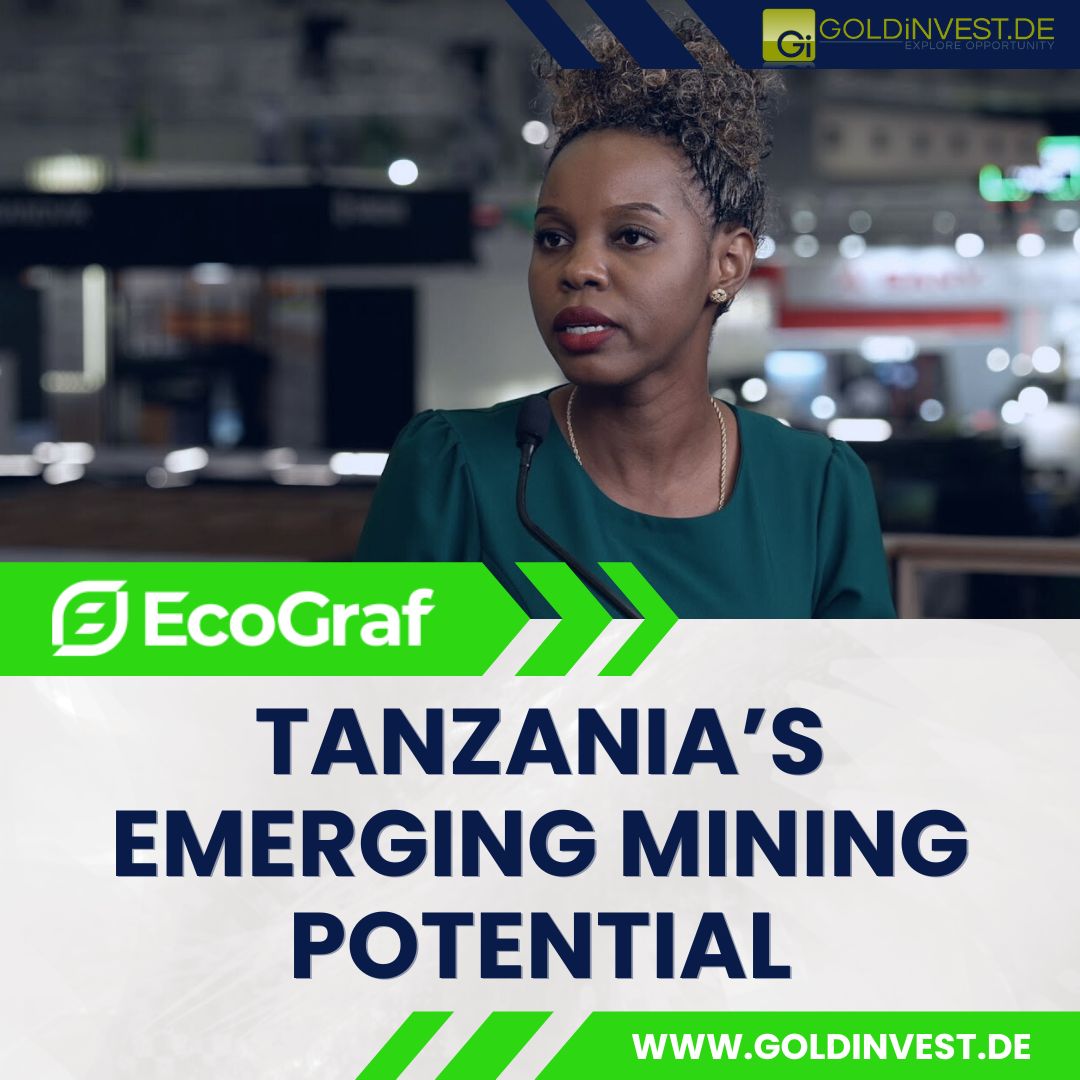
Coverage out of Germany via @GOLDINVEST_de: Tanzania's emerging mining potential featuring EcoGraf's TanzGraphite Director Christer Mhingo. Read More > goldinvest.de/tanzanias-emer…
ASX: $EGR FSE: $FMK OTCQB: $ECGFF
#Graphite #Tanzania #MI24 #womeninmining #investinAfrica
7
14
1,042

8 Feb 2024
In an exclusive interview with MITV at Investing in African Mining Indaba, Christer Mhingo, the Director of #Ecograf Limited (Duma TanzGraphite Limited), discusses Tanzania’s emerging mining potential.
to the video ▶️▶️ goldinvest.de/tanzanias-emer…
$EGR
1
10
16
778

Congratulations to Madam Christer Mhingo Director of TanzGraphite..🔥🔥
7 Feb 2024

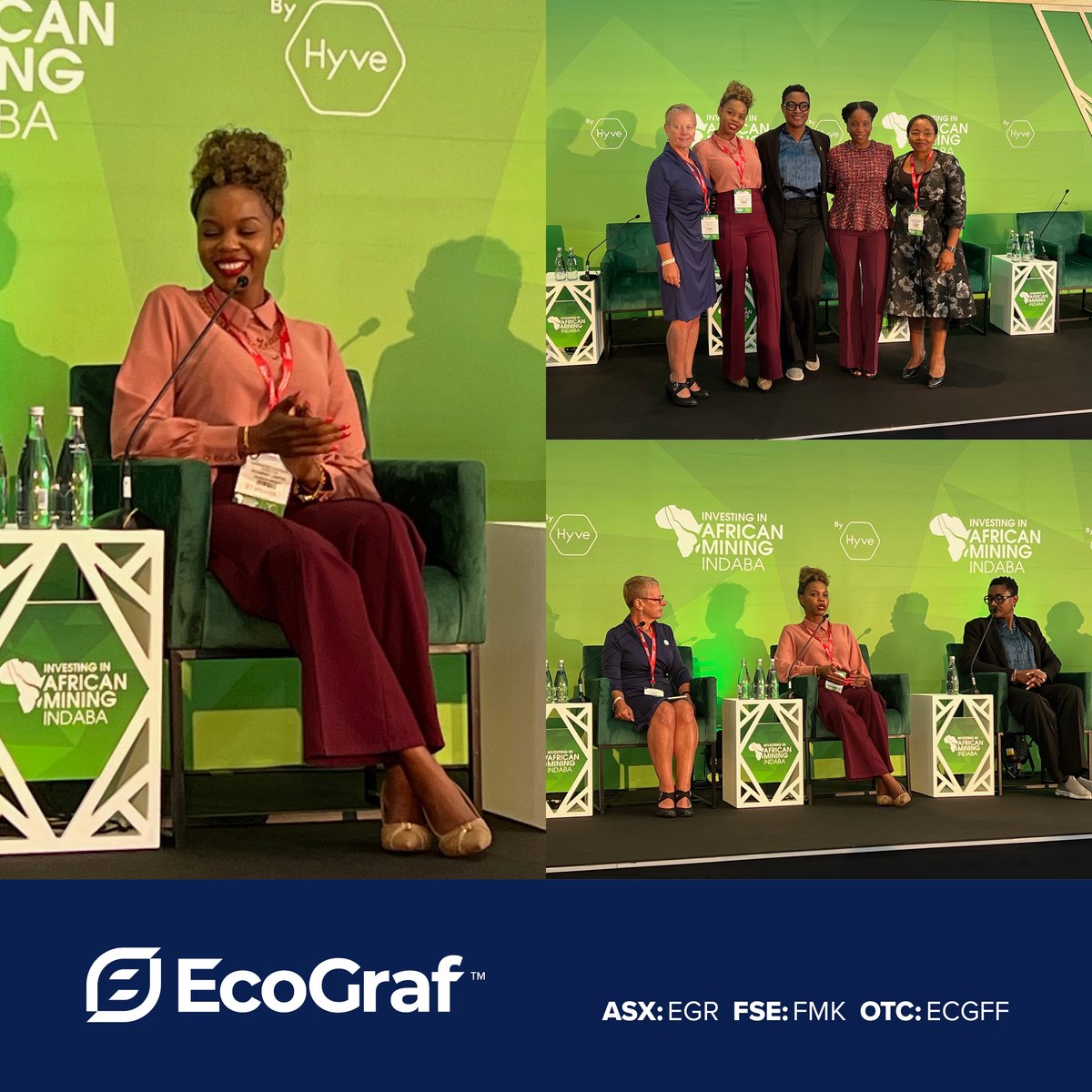
EcoGraf is delighted to have our TanzGraphite Director Christer Mhingo as a key panelist today at @MiningIndaba 2024. Christer brings not only a wealth of Tanzanian expertise but also a passion for driving forward EcoGraf #Tanzanian projects and #womeninmining.
#MI24 #graphite
1
1
2
263
7 Feb 2024
EcoGraf is delighted to have our TanzGraphite Director Christer Mhingo as a key panelist today at @MiningIndaba 2024. Christer brings not only a wealth of Tanzanian expertise but also a passion for driving forward EcoGraf #Tanzanian projects and #womeninmining.
#MI24 #graphite
6
20
911
7 Feb 2024
EcoGraf is pleased to share our in-country TanzGraphite Director Christer Mhingo's interview at @MiningIndaba discussing #Tanzania's emerging mining potential & Company developments. View > youtube.com/watch?v=Io2ZWCS1…
#MI24 #miningindaba2024 #InvestInAfrica #womeninmining #Graphite
1
6
16
612