
16h
#TechBytes:
✨
Meta plans to introduce a wearable AI pendant
✨
Are social platforms going to charge all users for access?
Elon Musk and Mark Zuckerberg have historically disagreed about this, but rising AI expenses may result in costly new subscription options.
✨
Threads music stickers available to all users
The feature allows for 30-second song clips in posts or replies, along with optional track art or lyrics.
✨
Proton Mail now lets you send email from your Gmail address
✨
Google to pay SpaceX $920M a month
✨
META ENDS PARTNERSHIP WITH MANUS AFTER CHINA'S REGULATORS DEMAND THE DEAL BE TERMINATED.
✨
Instagram extends Your Algorithm to the main feed. The feature allows users to customize their feeds and choose what topics they’re interested in based on individual in-app activity.
✨
Tore open the Trump phone — it was nearly the same as a Taiwanese device using Chinese parts.
✨
#headlines #news #newsbite #newsbyte #newsbytes #quickbyte #quickbites #quickbytes #newsbites #breaking #breakingnews #entertainment #socialmedia #cybersecurity #techbyte #TWiT #tech #technology #technews #technologynews #HighTech #TechToday #TechThatMatters
83

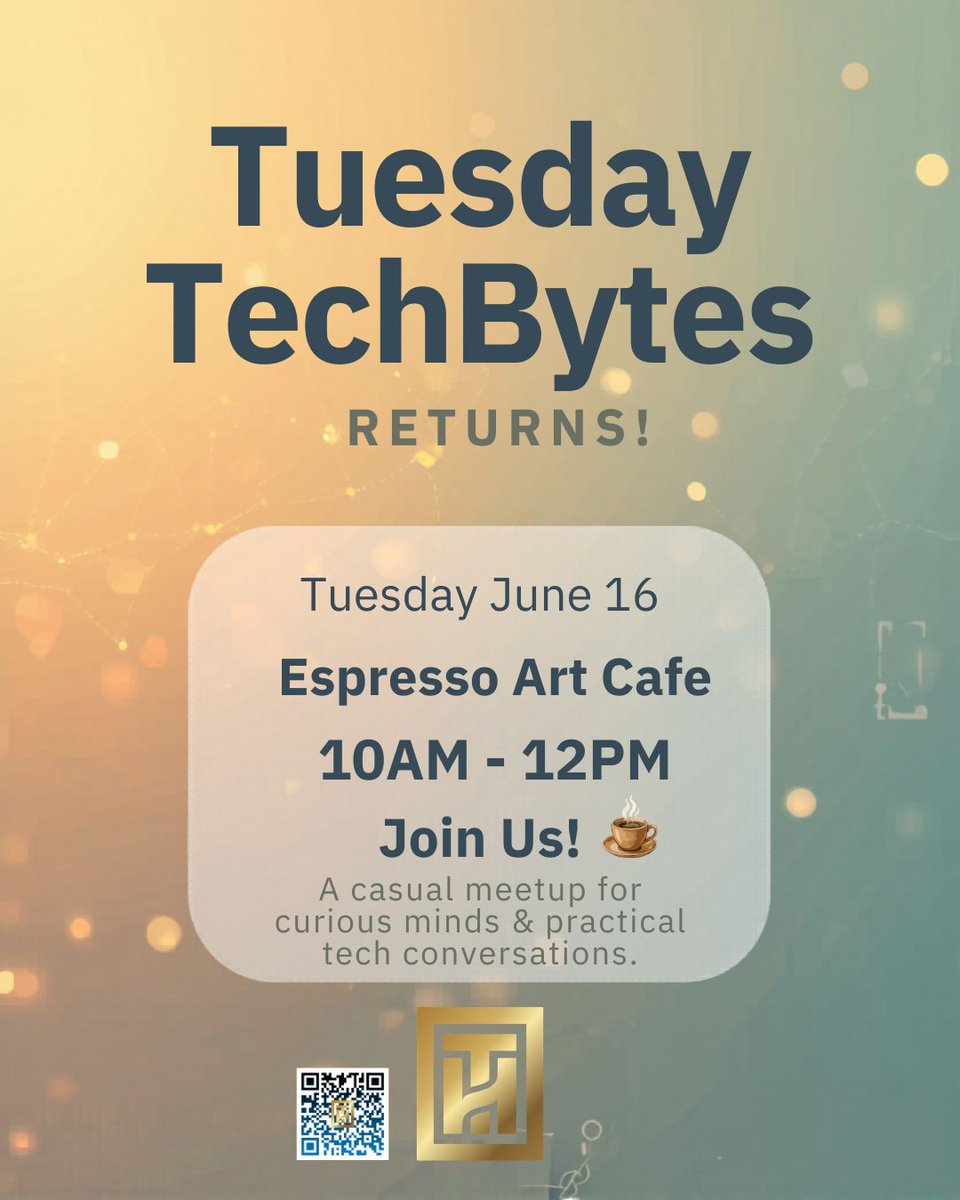
Tuesday TechBytes is back ☕️
A casual, drop‑in local tech meetup for real conversations.
📅 June 16
🕙 10–12
📍 Espresso Art Café (Tucson)
No pitch. No RSVP. Just coffee community.
#TuesdayTechBytes #TucsonBusiness #TechMeetup
13

Day 1 & 2 of the TechBytes Bootcamp brought robotics, electronic spreadsheets and programming to the classrooms of Akodzo JHS students.
Safe to say ICT learning went from science fiction and theory to something these students could actually imagine doing themselves.
#TechBytes




2

Jun 10
Techbytes: Internet penetration rises to 72.1 in Zambia, authorities claim
zambiamonitor.com/techbytes-…
14
Jun 3
#TechBytes:
✨
TikTok Shop grows to new EU merchant countries
✨
Instagram tests interests display on user profiles
✨
GOOGLE LABS IS LAUNCHING DREAMBEANS, AN AI TOOL THAT CREATES CUSTOM DAILY STORIES FOR USERS.
✨
🏆 FB and IG will reward your AI content if you do this
💎 "Made with AI" is becoming a premium label. The brands doing it right are winning
✨
Meta tests connected Series Reels option for video creators
✨
X introduces video reaction feature for iOS
✨
Reddit launches video replies
✨
Instagram introduces teleprompter tool
✨
#headlines #news #newsbite #newsbyte #newsbytes #quickbyte #quickbites #quickbytes #newsbites #breaking #breakingnews #entertainment #socialmedia #cybersecurity #techbyte #TWiT #tech #technology #technews #technologynews #HighTech #TechToday #TechThatMatters
1
95
May 23
#TechBytes:
✨
X implements new posting restrictions on nonpaying users
A new posting limit will make it cost prohibitive for spammers to flood the app.
✨
MrBeast’s creator platform signals a more programmatic creator economy
✨
Google could work with SpaceX to launch its orbital data centers.
✨
X announces creator-driven ad partnership
✨
FCC Grants AT&T One-Year Waiver on Foreign Router Restrictions, Allowing Its Internet Service to Keep Operating
✨
Firefox is getting a major redesign with one-click controls to disable all AI features.
✨
Google accidentally published a four-year-old Chromium security bug, then tried to hide it again.
✨
X tells App Store users it’s “better than Threads”
✨
Disney Says There Are Now No Plans to Shut Down The Hulu App At This Time
✨
#headlines #news #newsbite #newsbyte #newsbytes #quickbyte #quickbites #quickbytes #newsbites #breaking #breakingnews #entertainment #socialmedia #cybersecurity #techbyte #TWiT #tech #technology #technews #technologynews #HighTech #TechToday #TechThatMatters
1
2
69

May 18
I'll be a writing an article on this on my techbytes. I thought this was far more insightful in extremely deep ways.
Very few, if any, tech conversations take place like this. More should.
I think this is even more profound then @HSVSphere or @TheGingerBill might recognize
2
63
May 14
#TechBytes:
✨
Peacock Shows Can Now Be Streamed for Free on United Airlines Flights.
✨
Instagram updates algorithm to benefit original creators.
✨
Spotify now verifies artists that are human, not AI. Look for the little green badge.
✨
Threads adds new posting options and animated mini stickers.
✨
Amazon’s latest AI feature allows shoppers to interact with product summaries.
✨
Canvas Developer Indicates That It Paid Hackers to Delete Stolen Data.
✨
Signal Now Warns You About Risky Unsolicited Messages.
✨
Instagram tests captions on each post within carousels
✨
#headlines #news #newsbite #newsbyte #newsbytes #quickbyte #quickbites #quickbytes #newsbites #breaking #breakingnews #entertainment #socialmedia #cybersecurity #techbyte #TWiT #tech #technology #technews #technologynews #HighTech #TechToday #TechThatMatters
64
May 2
#TechBytes:
✨
Microsoft says Windows 11 changes are "directly influenced" by users.
✨
Researchers are using ultrasound to trigger smell directly in the brain for VR.
✨
Meta tests new add-on package with WhatsApp Plus subscription.
✨
YouTube adds enhanced parental controls, offers tips to families.
✨
Android wants to replace email verification codes with one-tap credentials.
✨
5.5 million people hit by massive ADT data breach.
✨
X officially launches X Chat.
✨
LinkedIn adds option to filter replies by verified users.
✨
Threads tests emoji reactions to specific words in posts.
✨
Amazon Plans to Stop Using Android on All Future Fire TV Sticks.
✨
#headlines #news #newsbite #newsbyte #newsbytes #quickbyte #quickbites #quickbytes #newsbites #breaking #breakingnews #entertainment #socialmedia #cybersecurity #techbyte #TWiT #tech #technology #technews #technologynews #HighTech #TechToday #TechThatMatters
78
Apr 25
#TechBytes:
✨
Are you even human? Zoom will now check if there are “AI people” sitting in meetings.
✨
EU age verification app can be hacked in 2 minutes, claims security expert.
✨
800 Android Apps Hit by PIN-Stealing Malware.
✨
WhatsApp Leaks User Metadata to Attackers.
✨
Meta launches Instagram spinoff Instants as a standalone app.
✨
Home Depot adds AI phone agents to field store calls.
✨
X introduces topic-based Custom Timelines.
✨
#headlines #news #newsbite #newsbyte #newsbytes #quickbyte #quickbites #quickbytes #newsbites #breaking #breakingnews #entertainment #socialmedia #cybersecurity #techbyte #TWiT #tech #technology #technews #technologynews #HighTech #TechToday #TechThatMatters
93
Apr 17
#TechBytes:
✨
EU officials explore plans for teen social media bans
Emmanuel Macron, president of France, is spearheading an initiative to prohibit teens under age 15 from accessing the apps.
✨
Grok faced potential removal from the App Store.
✨
Gemini is now available as a standalone Mac app.
✨
Bluesky confirms DDoS attack is cause of continued app outages: Bluesky has been experiencing ongoing service disruptions since just before 3 a.m. ET. on April 15.
✨
CISA cancels prestigious summer internships, citing government shutdown.
✨
Facebook wants to scan users’ camera rolls for content. Nothing like breaching privacy.
✨
#headlines #news #newsbite #newsbyte #newsbytes #quickbyte #quickbites #quickbytes #newsbites #breaking #breakingnews #entertainment #socialmedia #cybersecurity #techbyte #TWiT #tech #technology #technews #technologynews #HighTech #TechToday #TechThatMatters
1
107
Apr 14
#TechBytes:
✨
Instagram adds comment editing.
✨
Instagram looks to grow Notes engagement.
✨
Instagram to animate your photos with new AI Tool
New AI feature is a huge shift toward effortless video creation — letting anyone produce scroll-stopping content without filming a thing
✨
Booking dot com confirms hackers accessed customers’ data.
✨
Meta is making an AI Zuck to chat with employees.
✨
X boosts incentives for original content creators.
✨
TikTok publishes first transparency report on EU hate speech removal.
✨
#headlines #news #newsbite #newsbyte #newsbytes #quickbyte #quickbites #quickbytes #newsbites #breaking #breakingnews #entertainment #socialmedia #cybersecurity #techbyte #TWiT #tech #technology #technews #technologynews #HighTech #TechToday #TechThatMatters
98
Apr 10
#TechBytes:
✨
LinkedIn will no longer allow real-time livestreams. Good never saw one, never even knew they offered such a dumb service.
✨
iOS 26.4 Forces UK Age Proof Checks.
✨
Ireland Tests Digital ID to Verify Age of Social Media Users.
✨
Anthropic admits Claude Code users hitting usage limits 'way faster than expected.'
✨
Elon Musk pressures potential SpaceX investors to advertise on X.
✨
Instagram chief debunks popular engagement hack.Adam Mosseri said that reposting feed posts to Stories won’t increase reach. [Proof is in the pudding, it's a FACT!]
✨
You can now send Voice messages and Notes on in DMs on X.
✨
#headlines #news #newsbite #newsbyte #newsbytes #quickbyte #quickbites #quickbytes #newsbites #breaking #breakingnews #entertainment #socialmedia #cybersecurity #techbyte #TWiT #tech #technology #technews #technologynews #HighTech #TechToday #TechThatMatters
1
145
Mar 31
#TechBytes:
✨
Apple Rolls Out Age Verification to UK iPhone Users.
✨
Apple Confirms It's Bringing Ads to Maps as Part of New Apple Business Platform.
✨
Lockheed Martin targeted in alleged breach by pro-Iran hacktivist.
✨
Instagram allows users to rearrange carousel posts. The much-requested feature will let creators edit the order of their images and videos after publishing.
✨
Instagram is turning your photos into video, whether you asked for it or not: Soon you’ll head to Story > AI Transition, pick a few photos and Instagram will stitch them into a moving clip automatically. Fake depth, fake motion, fake cinematographer energy, zero effort. Look, I’ve made my peace with Instagram’s video obsession. (Kicking and screaming, but still.) At least now you can fake a Reel without actually making one.
✨
Sony has announced that it is suspending fulfillment of orders across nearly its entire SD and CFexpress memory card lineup, citing the ongoing global semiconductor (memory) shortage along with additional supply chain constraints.
✨
Instagram confirms live test of its new subscription package. The Instagram Plus offering will give creators new features and is now live testing in some regions.
✨
#headlines #news #newsbite #newsbyte #newsbytes #quickbyte #quickbites #quickbytes #newsbites #breaking #breakingnews #entertainment #socialmedia #cybersecurity #techbyte #TWiT #tech #technology #technews #technologynews #HighTech #TechToday #TechThatMatters
266

Mar 27
People give luck too much credit for bad results at competitions. Especially if those competitions appear random/subjective initially.
In middle school, I was really bad at quizzing. Credit to my school though, they kept letting me go to quizzes anyway. I saw the same teams winning again and again. I figured there must be a method to this madness - quiz questions are about as arbitrary as something can get. I made a few friends on the circuit who told me how they prepared. I began reading the newspaper, tech-crunch, learning about pop-culture, browsing Wikipedia…
In high school, it paid off. I finished 2nd In Karnataka in the Grand iCube quiz, won a zonal iteration of Derek’s quiz, and in college finished 2nd in TCS TechBytes quiz and won a KQA event.
I applied the same thought to every other competitive event I took part in. Debating, Scholarships, Interviews, Aeromodelling.
Hackathons also seemed really subjective, but then there were people who’d won multiple of them. So I studied past submissions, read blog posts, refined my approach. Ended up winning SIH, Rakuten Rakathon, Dassault Systemes Aakruti, Hackman etc.
Later, I went one step further. If I could think from first principles and beat the competition, then I could help others think the same way. So that’s what I did, and created @pointblank_club. Unlike me, my juniors didn’t have to start from zero. They could draw from the experiences of me and my peers. So they did things better than me. Like going to CERN, keynoting at conferences abroad, winning on the biggest stages in the world multiple times. All from a tier-3 college.
In a world where everyone is studying for the paper, study the paper. Don’t just shoot your shot in the dark, analyse the competition. It’ll put you ahead of 90% of the people on the field. The other 10% are your real competition.
6
27
872
Mar 25
#TechBytes:
✨
X has officially rolled out a new feature that allows users to limit who can reply to their posts based on geographic region.
✨
Bluesky CEO steps down as the app focuses on growth.
✨
Amazon Hikes Price of Ad-Free Prime Video, Drops Big Perk From Lower Tier. Starting next month, the newly rebranded Prime Video Ultra will cost $2 more per month, while 4K video support will be stripped from the ad-supported plan.
✨
Nintendo sues the US government over "unlawful" Trump-era tariffs.
✨
Arm is releasing the first in-house chip in its 35-year history: Arm is producing its own CPU for the first time. It developed the CPU with Meta, which is also the chip's first customer.
✨
Build-A-Bear launches at Walmart.
✨
Instagram allows users to rearrange carousel posts. The much-requested feature will let creators edit the order of their images and videos after publishing.
✨
#headlines #news #newsbite #newsbyte #newsbytes #quickbyte #quickbites #quickbytes #newsbites #breaking #breakingnews #entertainment #socialmedia #cybersecurity #techbyte #TWiT #tech #technology #technews #technologynews #HighTech #TechToday #TechThatMatters
126

Mar 24
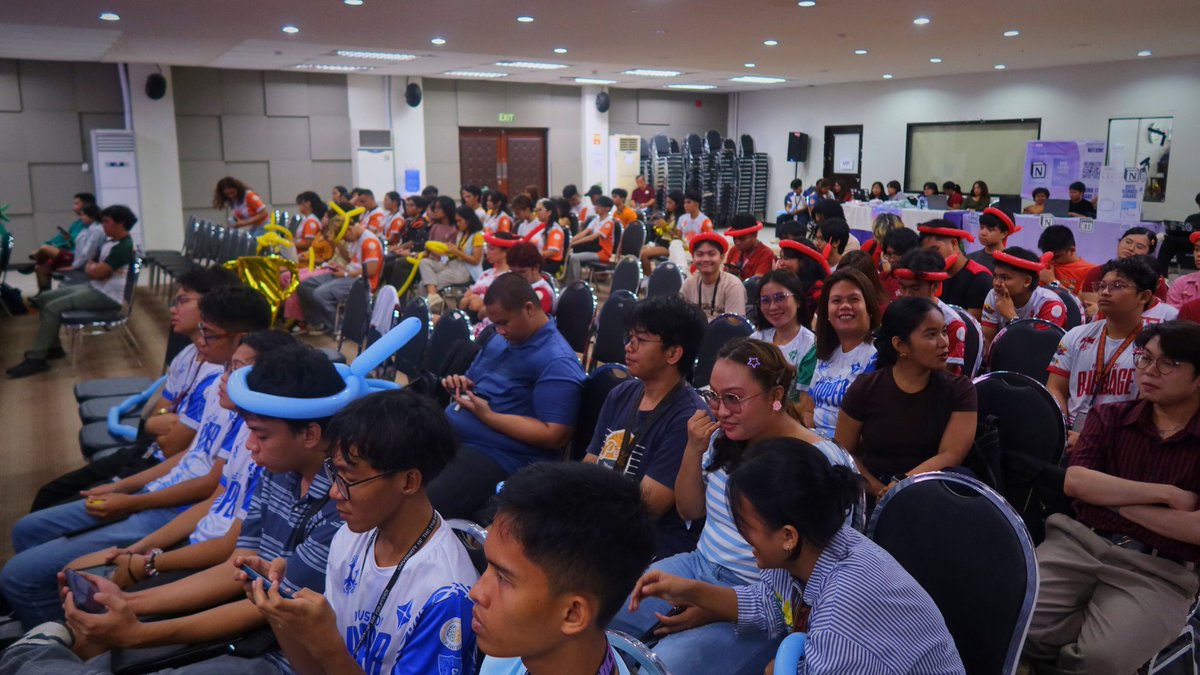
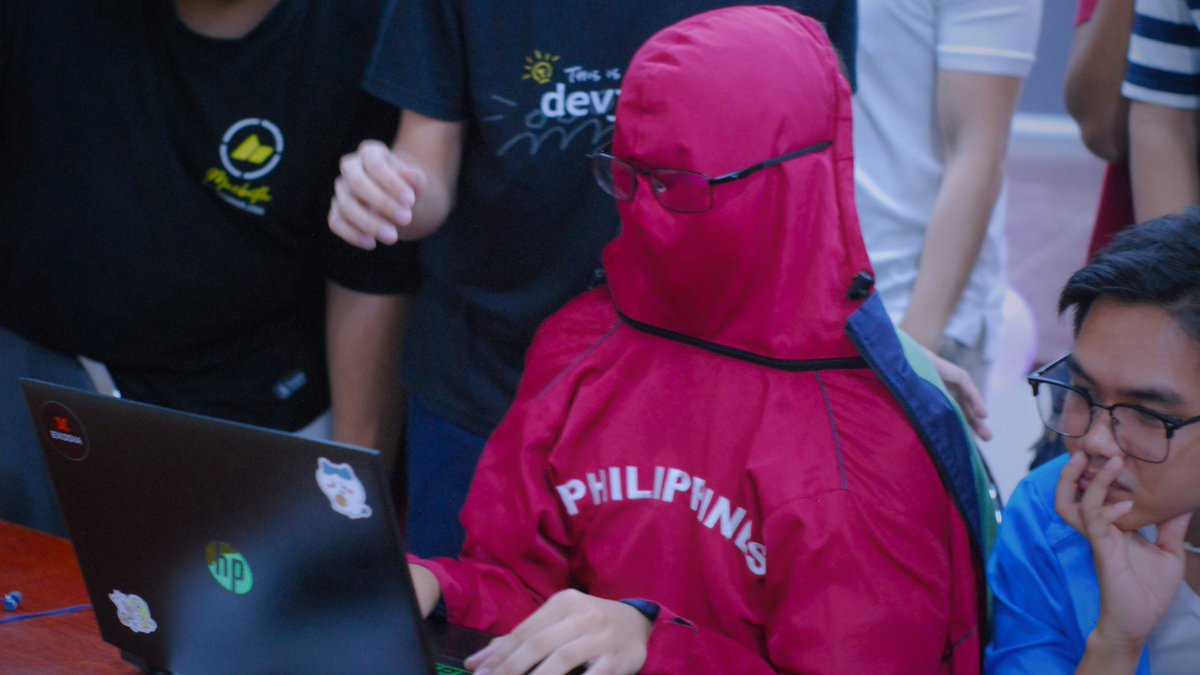
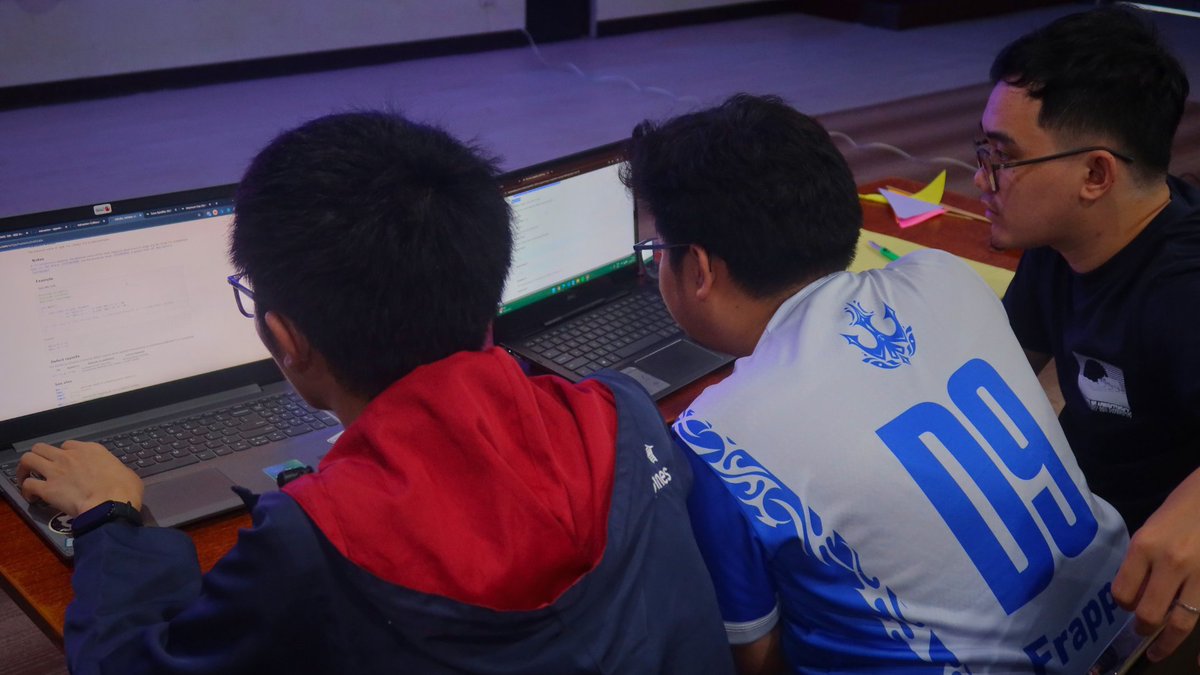
Relive the magic of #KomsaiWeek2026!
From epic Game Jam showcases & sensory coding chaos in Buta Bungol Amang, to lightning-fast ByteBlitz, pixel-perfect Kode in Da Dark, Interhigh inspiring young coders, impactful Innovation Cup prototypes, insightful TechBytes talks, house rivalries fueling the Komsai Cup ( Turing champs!), and the heart-pounding Mx. Komsai finale—30 years of CS spirit, always B3y0nd the Code!
#UPCSG #PadayonKomsai #CDNDigital #CDNWhatsUp #BrandRoom

62
Mar 12
#TechBytes:
✨
ATMs are getting hacked the old-fashioned way: with keys and USB drives.
✨
SpaceX's Starlink Mobile Gets a Boost From Chipmaker MediaTek.
✨
Meta hikes ad prices in 6 countries. The company announced location-based increases ranging from 2% to 5% and said it would no longer be covering the cost of digital service taxes and other fees.
✨
Windows 11 "Xbox Mode" UI coming to all PCs in April.
✨
Apple now assembles a quarter of iPhones in India, signaling major supply chain shift.
✨
OS/2 isn't dead: ArcaOS update brings the 1980s-era OS to modern UEFI PCs.
✨
Meta outlines improved scam protection in Messenger app.
✨
#headlines #news #newsbite #newsbyte #newsbytes #quickbyte #quickbites #quickbytes #newsbites #breaking #breakingnews #entertainment #socialmedia #cybersecurity #techbyte #TWiT #tech #technology #technews #technologynews #HighTech #TechToday #TechThatMatters
93
Mar 10
#TechBytes:
✨
TikTok rules out using end-to-end message encryption.
✨
London doctor carries out remote robot surgery on cancer patient 1,500 miles away.
✨
Speedtest and Downdetector sold to Accenture as part of $1.2 billion deal.
✨
X gets rid of its popular night mode in-app setting. According to Nikita Bier, X’s head of product, users will now need to change their device settings to activate the feature.
✨
X quietly adds option to block Grok from editing uploaded media. Available in post composer, the new toggle enables users to prevent the xAI tool from reimagining material added to the app.
✨
X tests new ad format that includes product mention links. The app recently launched a small-scale trial that displays promotional calls-to-action beneath user posts mentioning product names.
✨
#headlines #news #newsbite #newsbyte #newsbytes #quickbyte #quickbites #quickbytes #newsbites #breaking #breakingnews #entertainment #socialmedia #cybersecurity #techbyte #TWiT #tech #technology #technews #technologynews #HighTech #TechToday #TechThatMatters
85

BRIDGING THE TECH GAP IN FILIPINO ANIMATION
The Philippines is renowned worldwide for its exceptional 2D animation talent, but 3D animation remains a challenge due to limited access to advanced technology.
On #TechBytes’ #WomenInTech episode, Marla D. Rausch, Founder and CEO of Animation Vertigo and Animation Vertigo Asia, discussed the growing disconnect between Filipino creatives’ world-class skills and the country’s technical infrastructure.
FULL DISCUSSION: youtube.com/live/gRxeeOGAoMY
2
2
131