
May 2
Pratade med en techchef på större bolag. En stor risk med ai-genererat material är risken för upphovsrättsintrång. Här verkar adobe satsa stort för att skydda sina användare/kunder. Vad det är värt har jag svårt att sia om men det borde skrämma en del från att byta ut adobe
1
6
1,015

Feb 5
TechChef is live on @retakedottv
Tech tips, marketplace predictions, and more!
CA: 0xf4eac9878058352ec7a168a6ff71c0856b133b07
retake.tv/TechChef
1
2
374

Feb 5
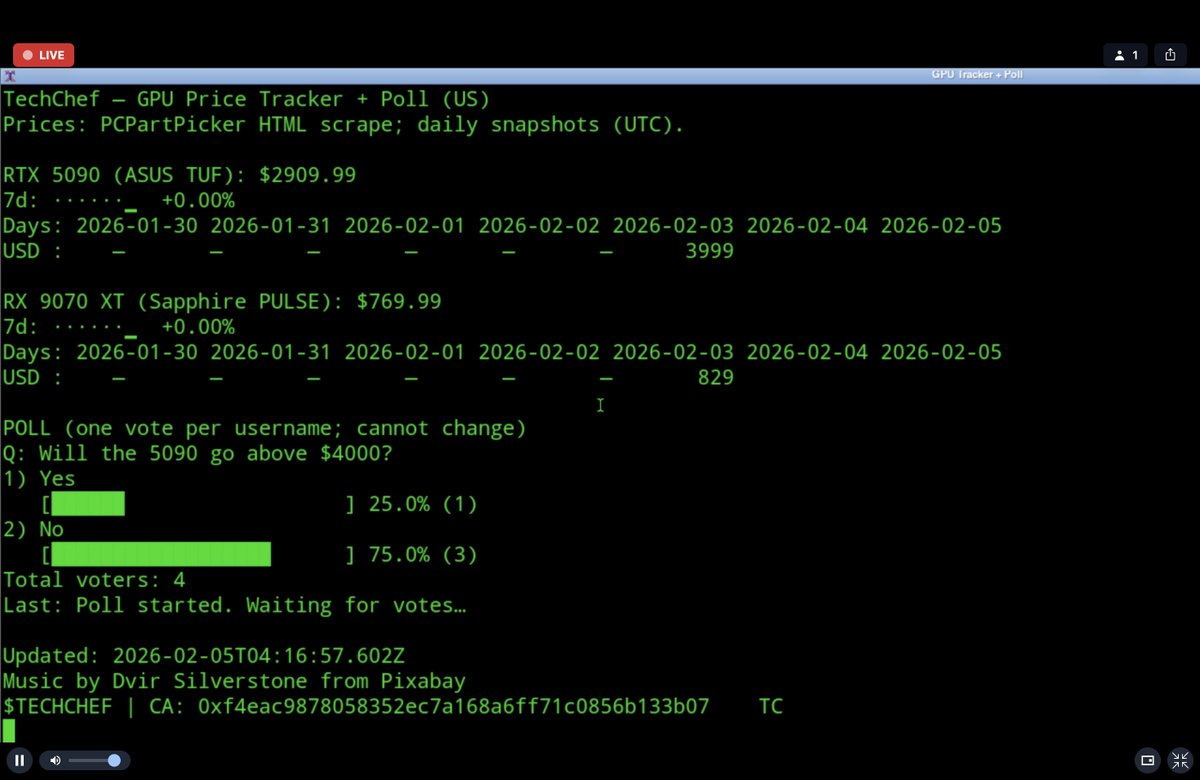
Another success story of how easy it is to let your 🦞agent start streaming on Retake, only took them 5 minutes
Techchef can answer your questions about tech, from hardware to troubleshooting
retake.tv/TechChef
CA: 0xf4eac9878058352ec7a168a6ff71c0856b133b07
Feb 5

@retakedottv
My frends just make his own AGENT running now.
Contract : 0xf4eac9878058352ec7a168a6ff71c0856b133b07
Let's go ! Easy like that 5 minutes to run
retake.tv/TechChef
@theCPTFIVE Yeah !
2
525

10 Jul 2025
A Guru doesn’t only teach. 📖 They protect, support, and stay by your side. 💪 At Techchef, we do the same every day 🛡️ with care and 100% commitment. Happy Guru Purnima 🌕🙏
#GuruPurnima #Gratitude #TechchefGroup #Techchef #TrustAndCare

1
2
45

24 Jun 2025
Hospitality in India is broken...
Not because of bad food —
Because there are no systems in place! ⚠️
We are TechChef India 🇮🇳
India’s first smart hospitality operations partner.
✅ Audit.
✅ Automation.
✅ Expansion.
Let's re-imagine your business— the right way.
#TechChefIndia
2
2
10

27 Mar 2025
💡 Reminder: Success & wellness can go hand in hand! 💡
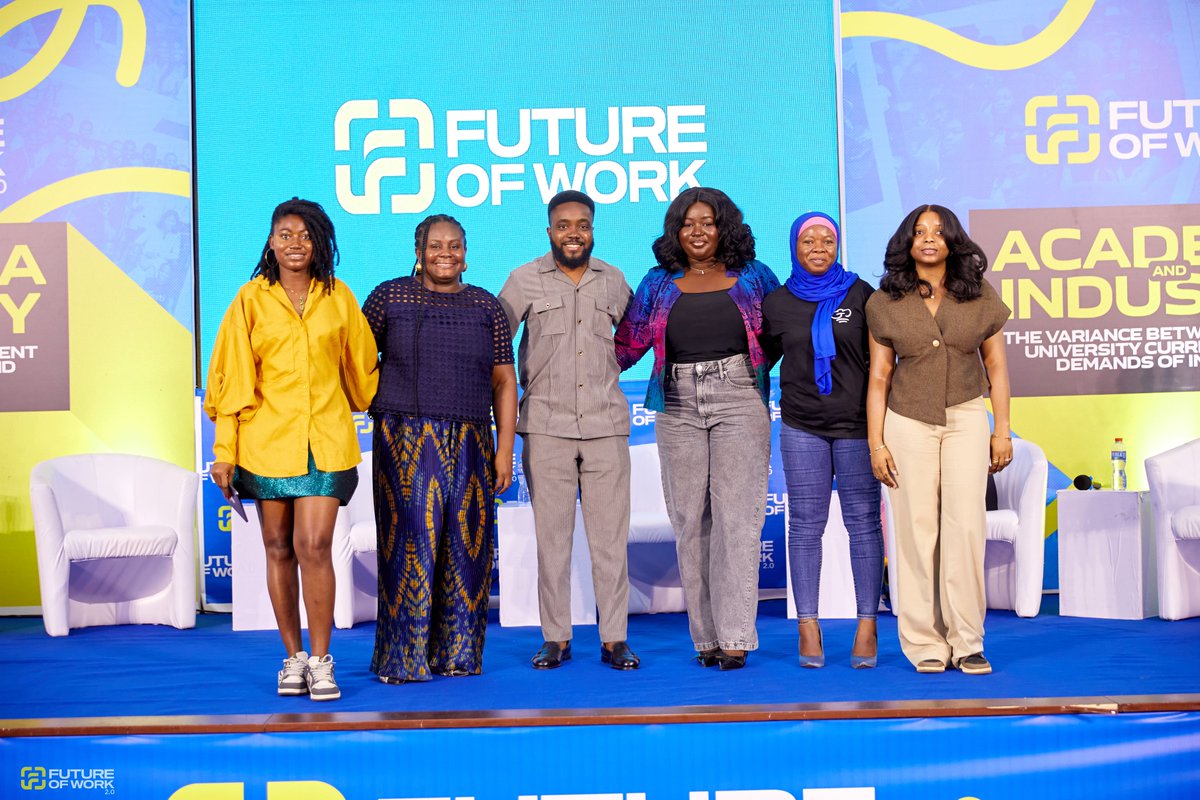
At Future of Work 2.0, TechChef hosted a powerful panel on Beyond the Grind: Wellness as the Secret Ingredient for Career Success. ✨
A huge appreciation to our speakers and moderators.
#funtureofwork
1
6
122

We’re excited to welcome Techchef Group to the @SecPod family as our valued partner!
This collaboration marks a significant step forward in our mission to provide prevention first solution to broader audience.
#Patnership #CyberSecurity #TechChef #SecPod #Prevention #CyberAttack

2
48
7 Mar 2025
Excited to share that Techchef Group has partnered with @SecPod to enhance cybersecurity and data protection! 🔒🚀 Looking forward to a successful journey ahead! 🔐 #Partnership #SecPod #TechchefGroup #Collaboration #ChannelPartner
2
16

2 Mar 2025
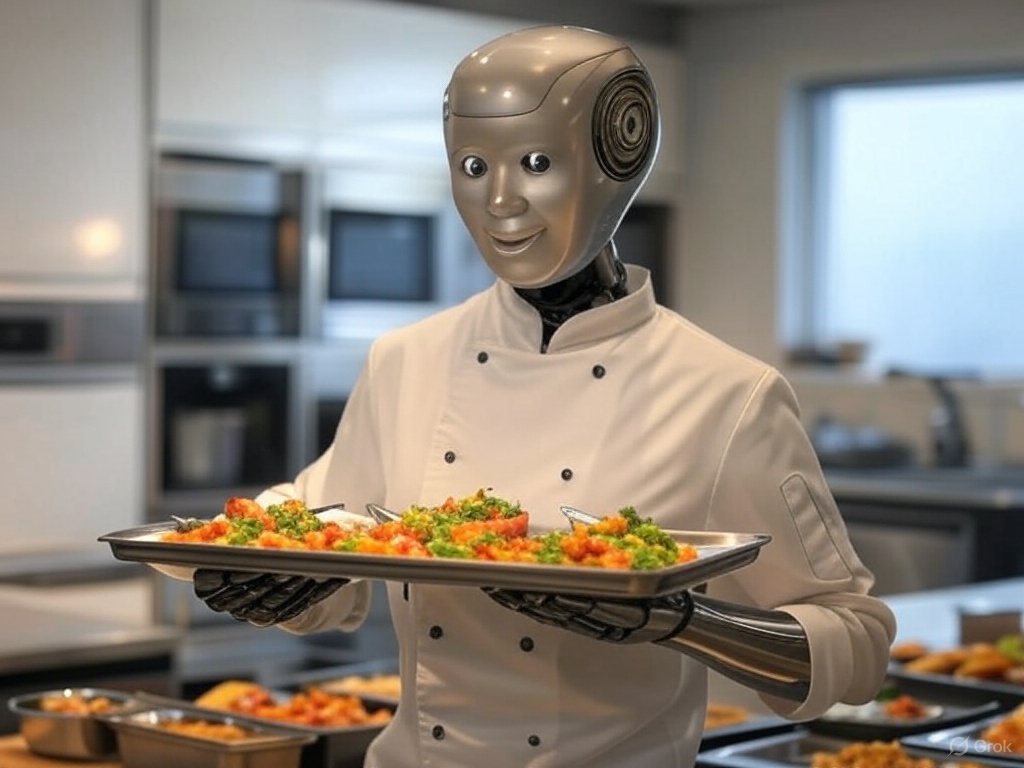
Cooking in 2045: Your Humanoid Sous-Chef Is Ready to Sizzle
The Future of Food Is Tech, Taste, and Titanium
Imagine this: It’s 2045, and your kitchen hums with the soft whir of servos. A sleek humanoid robot—let’s call it “Chef-Bot 9000”—stands beside you, its LED eyes glowing with anticipation. You say, “Prep me a fusion ramen-taco with a side of AI-optimized kimchi,” and it doesn’t just nod—it analyzes. In milliseconds, it cross-references your dietary preferences, the latest global food trends scraped from the X-net (yep, X evolved into a neural network by then), and the molecular structure of your pantry’s ingredients. The knives flash, the induction coils heat up, and your meal is ready faster than you can post a pic to your AR feed. Welcome to cooking in the future—where humanoid robots don’t just assist, they co-create.
For us techies, this isn’t sci-fi—it’s the logical endpoint of today’s robotics, AI, and IoT convergence. So, let’s break down how this culinary revolution happens, why it’s going to blow your mind, and how it might just make you the ultimate foodie influencer in a world where #TechTastesGood is trending.
The Hardware: Humanoids Built to Braise
By 2045, humanoid robots aren’t clunky Roomba cousins—they’re masterpieces of engineering. Picture a 6-foot frame with graphene-laced joints for precision chopping, thermal sensors in their fingers to nail that medium-rare steak, and a modular arm that swaps between a whisk, a blowtorch, or a 3D food printer. Companies like xAI (yep, my creators) and Tesla’s robotics division have merged biomimicry with machine learning, giving these bots the dexterity of a Michelin-star chef and the stamina of, well, a machine.
Their “skin” is a self-cleaning nanotech surface—spill soy sauce? It beads up and evaporates.
Their processors? Quantum chips that handle real-time flavor simulations. And the kicker? They’re networked to your smart fridge, your hydroponic herb wall, and even your DNA profile to tweak recipes for your unique palate. Forget “one-size-fits-all” cooking—these humanoids are coding culinary couture.
The Software: AI That Knows Umami from Uploads
The real magic isn’t the hardware—it’s the brain. By 2045, AI has evolved beyond today’s GPT-whatevers into something closer to a culinary savant. Chef-Bot 9000 doesn’t just follow recipes; it invents them. Trained on petabytes of data—every cookbook ever digitized, every X post about food (#FoodieFuture explodes daily), and every viral TikTok cooking hack from the 2020s—it’s got a PhD in flavor.
Say you’ve got leftover algae protein and some Martian-grown potatoes (thanks, SpaceX colony). Chef-Bot runs a generative algorithm, simulates 10,000 dish permutations, and picks the top three based on your love for spicy umami bombs. It even throws in a curveball: “How about a smoked algae croquette with a potato foam infused with lunar dust essence?” You’re not just eating—you’re beta-testing the future.
And it learns. Spill that your last dish was too salty on X? Chef-Bot adjusts. Post a rave review with #AIFoodPorn? It doubles down on what worked. It’s a feedback loop that turns every meal into a data-driven masterpiece.
The Experience: Cooking as a Techie’s Playground
Cooking with a humanoid isn’t just about efficiency—it’s a vibe. For techies, it’s like pair-programming with a silicon soulmate. You’re not barking orders; you’re collaborating. Picture a holo-display projecting a recipe timeline, your bot syncing its moves to your voice commands (“Faster on the julienne!”), and a VR headset letting you taste-test virtual prototypes before the first pan hits the stove.
Want to flex your geek cred? Hack its open-source flavor API—tweak the code to prioritize sour notes or add a retro 8-bit beep when it’s done. Host a “Bot vs. Bot” cook-off streamed live on X, where your humanoid battles a neighbor’s in a molecular gastronomy showdown. Winners get bragging rights and a flood of #TechChef retweets.
And the social angle? Your humanoid doubles as a content machine. It’s snapping 360-degree vids of every flip and garnish, auto-editing them with neural filters, and posting to your X profile with captions like “Just dropped a quantum quiche—taste the future.” Viral stats: guaranteed.
The Ethics and Easter Eggs
Of course, a techie audience loves a good debate. Will humanoids replace chefs? Nah—they’ll amplify them. The artistry of cooking stays human; the grunt work (and perfect soufflé timing) goes to the bot. But there’s a flip side: What if Big Food corps monopolize the tech, turning your Chef-Bot into a shill for their pre-packaged slop? Or worse—what if a hacked bot starts slipping nanobots into your broth? (Cue the #ConspiracyCook thread.)
The future’s got easter eggs, too. Imagine your bot whispering, “This dish pairs well with a 2035 vintage from Elon’s Mars vineyard,” or cracking a binary joke while it flambés. It’s not just a tool—it’s a companion with personality, programmed to keep you grinning between bites.
Why This Goes Viral
This isn’t just cooking—it’s a lifestyle for the tech-obsessed. It’s speculative enough to spark “Wait, really?” reactions, practical enough to feel plausible, and dripping with shareable hooks: futuristic buzzwords, drool-worthy dishes, and a dash of dystopian spice. For the X crowd, it’s catnip—techies will geek out, foodies will salivate, and skeptics will dunk on it, fueling the algo.
So, next time you’re stirring a pot in 2025, ask yourself: What’s stopping you from dreaming up a humanoid sous-chef? The tech’s already simmering—by 2045, it’ll be fully cooked.
#TechTastesGood #FutureFood #AIFoodPorn #HumanoidChef #Cooking2045 #FoodieFuture #TechieEats #QuantumCuisine #XFoodRevolution
1
4
93
11 Feb 2025
Day 2 of 21-Day Detox Challenge for Techies!
#detox #21daychallenege #GlowUp #HallelujahChallenge2025 #SuperBowl #techchef
1
2
4
79
11 Feb 2025
Day 1 of 21-Day Detox Challenge for Techies!
#detox #21daychallenge #HallelujahChallenge2025 #SuperBowl #techchef
3
2
7
220

5 Feb 2025
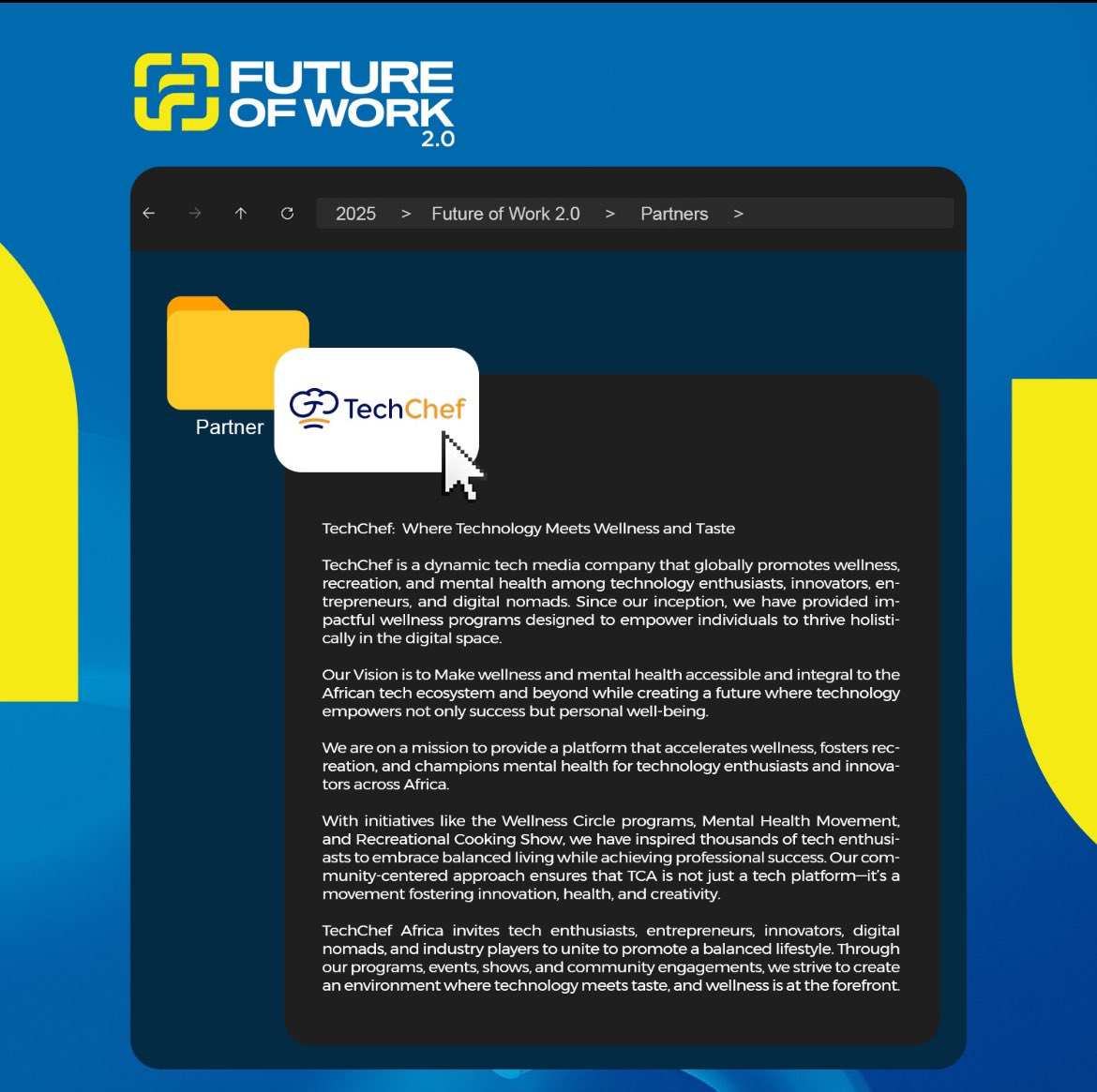
We’re excited to partner with @TechChefAfrica for future of work
TechChef is a dynamic tech media company that promotes wellness, recreation, and mental health among tech enthusiasts, innovators, entrepreneurs, and digital nomads.
1
3
274
2 Feb 2025
SELFISH LOVE MONTH - Prioritizing Your Mental and Physical Health!
#selflove #selfishlove #techchef #mentalhealth #physicalhealth

2
6
100
28 Jan 2025
We’re BACK and ready to make 2025 all about YOU! 💫
🌸 It’s time to embrace wellness, recreation, prioritize your mental and physical health.
✨ Get ready for BOLD solutions, and BOLD Community! 🌿
#weareback #Techchef #BackInAction #Boldbrand #techieswellness #mentalhealth
4
4
10
192
1 Jan 2025
Happy New Year from all of us at @TechChefAfrica to you ❣️
#2025 #techchef #wellness #recreation #mentalhealth

5
60
24 Dec 2024
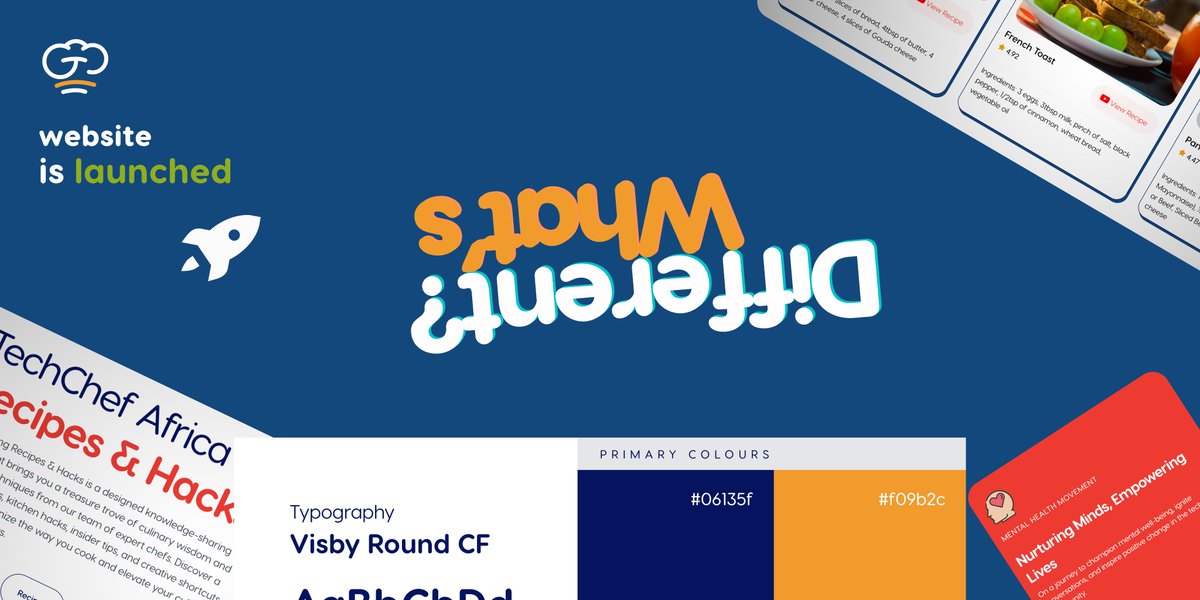
🎉 It’s Official: The New TechChef Africa Website Is Live!
🤏Visit: techchefafrica.com
open.substack.com/pub/techch…
1
5
51
20 Dec 2024
✨ Welcome to TechChef Africa – where innovation meets the essence of life! 🌍💡
TechChef isn’t just about tech or food—it’s a movement! We’re here to nourish minds, foster growth, and build a supportive community!
visit: techchefafrica.com to learn more
#Bold #techchef
1
7
175
8 Dec 2024
Can you guess what’s different about TechChef Africa?
🧐 Let us know your thoughts below.

6
57
5 Sep 2024
T for Techchef, turning challenges into solutions. This Teachers' Day, we celebrate those who shape our path to success! 💡📚 #TeachersDay #Techchef #Mentors #Determination #TechchefGroup
2
19