
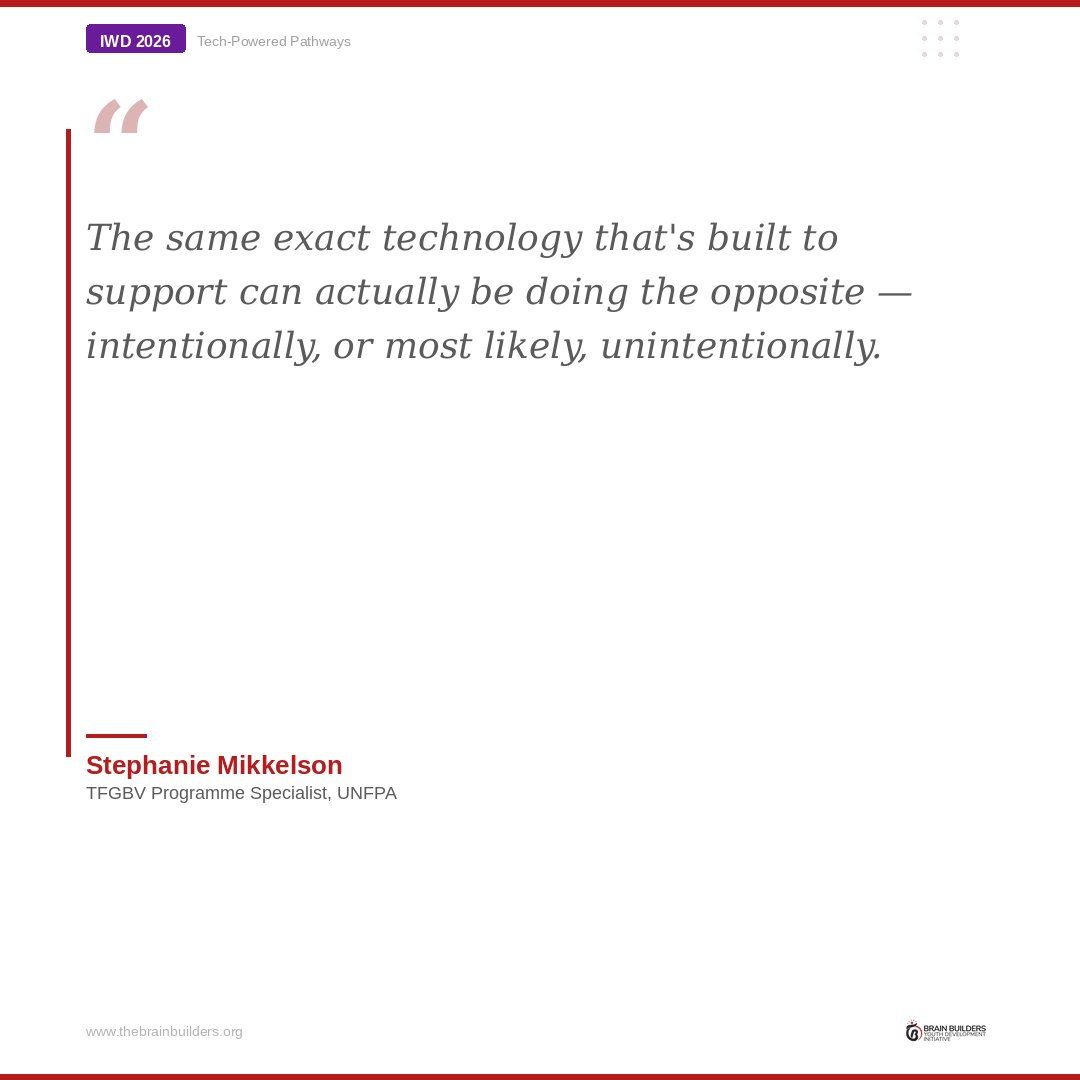
A location-sharing feature meant to help friends find each other can become a stalking tool. A platform designed for the community can become a space for coordinated harassment.
Stephanie Mikkelson, TFGBV Programme Specialist at @UNFPANigeria, named this tension at our IWD webinar today: the intention behind the tech doesn't protect the people using it. Only deliberate, safety-first design does.
This thinking guides how BBYDI builds tools like KEMI, with survivor safety, informed consent, and privacy at every stage of development.
Thank you, Stephanie, for pushing all of us to build better.
#IWD2026 #TechPoweredPathways #SafeByDesign #TFGBV #UNFPA BrainBuilders TechEthics
1
2
52
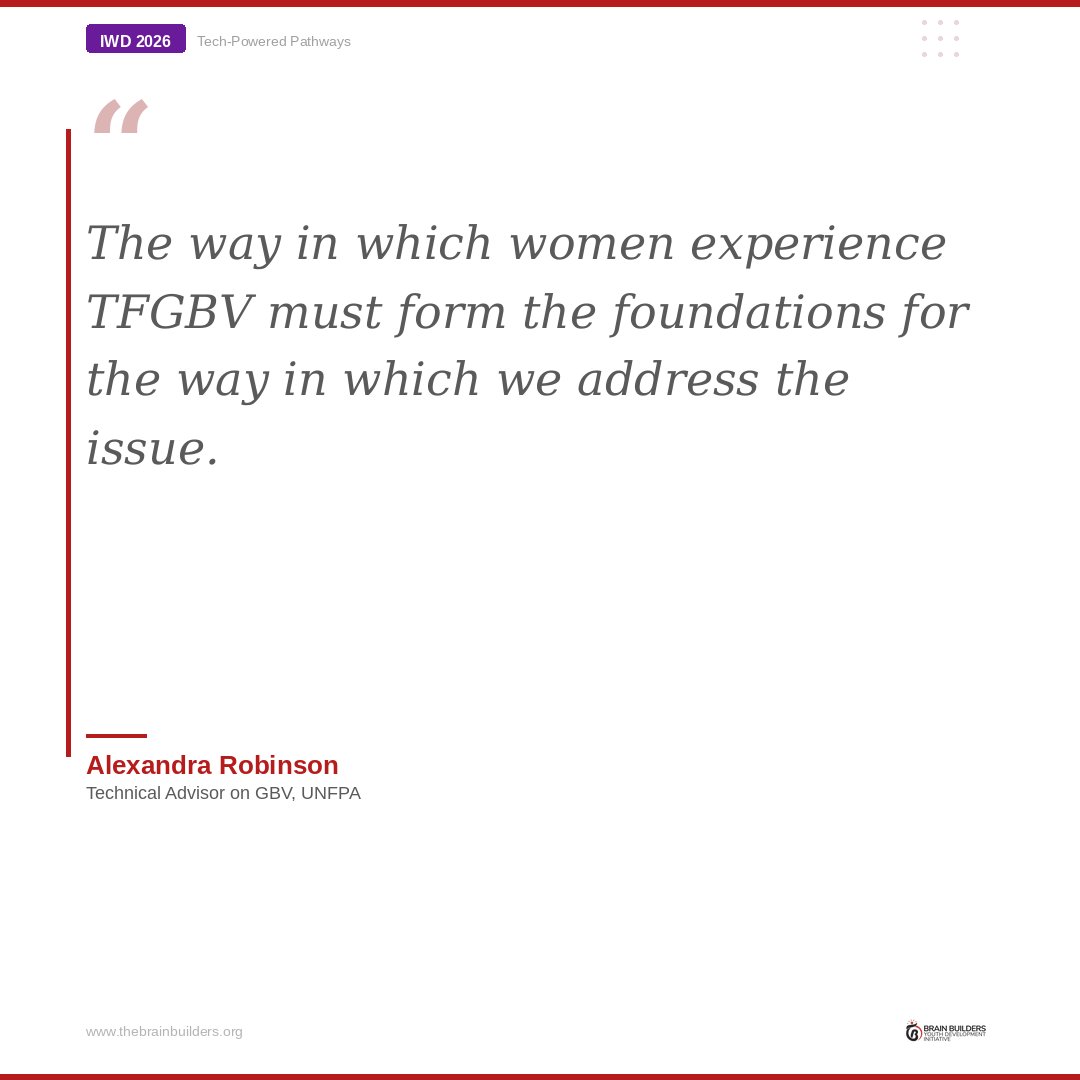
How women experience online violence is shaped by age, religion, location, disability, and that must shape how we respond to it.
Alexandra Robinson from @UNFPA made this point at our IWD webinar today. A 14-year-old girl in Ilorin navigating cyberbullying faces a different reality from a woman journalist in Lagos targeted by coordinated attacks. Both deserve support. Neither deserves a one-size-fits-all response.
Thank you, Alexandra, for centering intersectionality in this conversation as a design principle.
#IWD2026 #TechPoweredPathways #TFGBV #Intersectionality #UNFPA #BrainBuilders
1
2
49
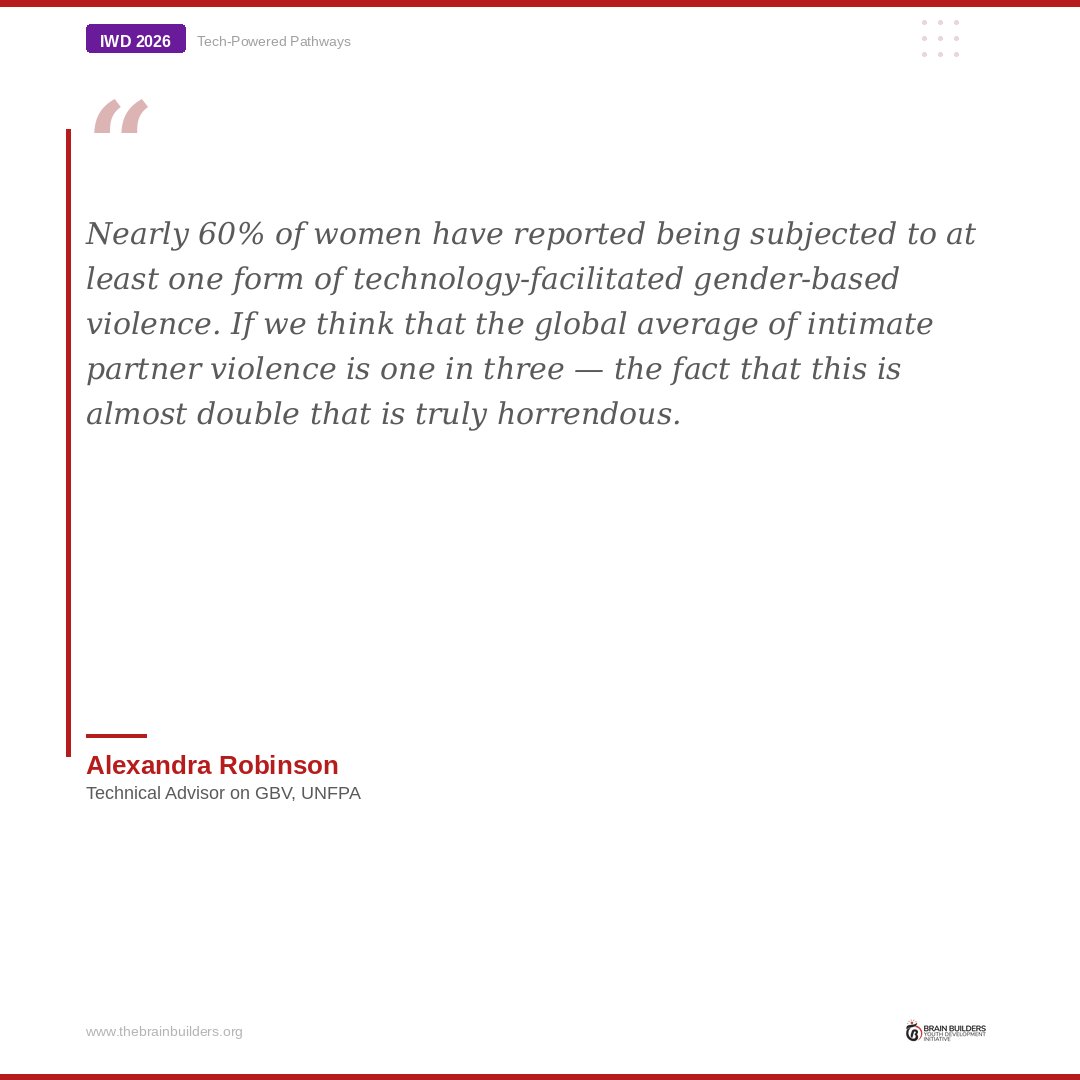
One in three women experience intimate partner violence in their lifetime.
For technology-facilitated gender-based violence, the figure is nearly double — 60%.
Alexandra Robinson, Technical Advisor on GBV at @UNFPA, put these numbers side by side at our IWD 2026 webinar today. The gap between them tells us that our response systems haven't kept pace with how violence is actually happening now.
This is part of why BBYDI created KEMI — a free, confidential WhatsApp chatbot that supports women and girls experiencing online abuse.
Thank you, Alexandra, for grounding this conversation in evidence.
#IWD2026 #TechPoweredPathways #TFGBV #EndGBV #UNFPA #BrainBuilders #DigitalSafety
1
2
43