



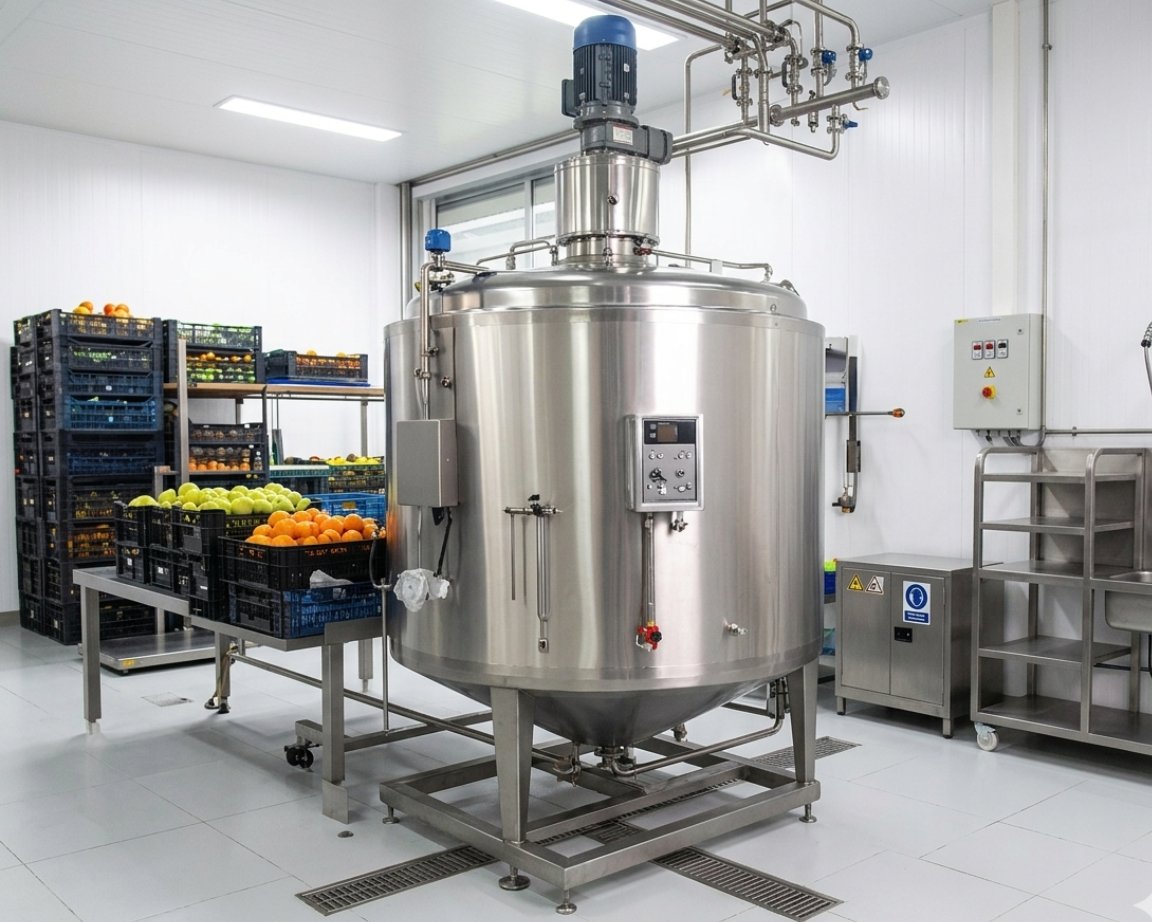
Techwin Limited’s Fruit Mixing Tanks solveS the struggle of ingredient integration for juice manufacturers in Kenya.
✅ Homogenized blends✅ Food-grade SS304/316 steel✅ CIP-ready for easy cleaning
Scale your production today! #FoodProcessing #ManufacturingSolutions
14

NEW LISTING! FREE SHIPPING! Hanwha Techwin HCF-8010V Dome Camera WDR 5MP Outdoor Analog HD Fisheye NEW ebay.io/m/K3Zfe7 #eBay via @eBay
17

Your production line is only as good as your equipment.
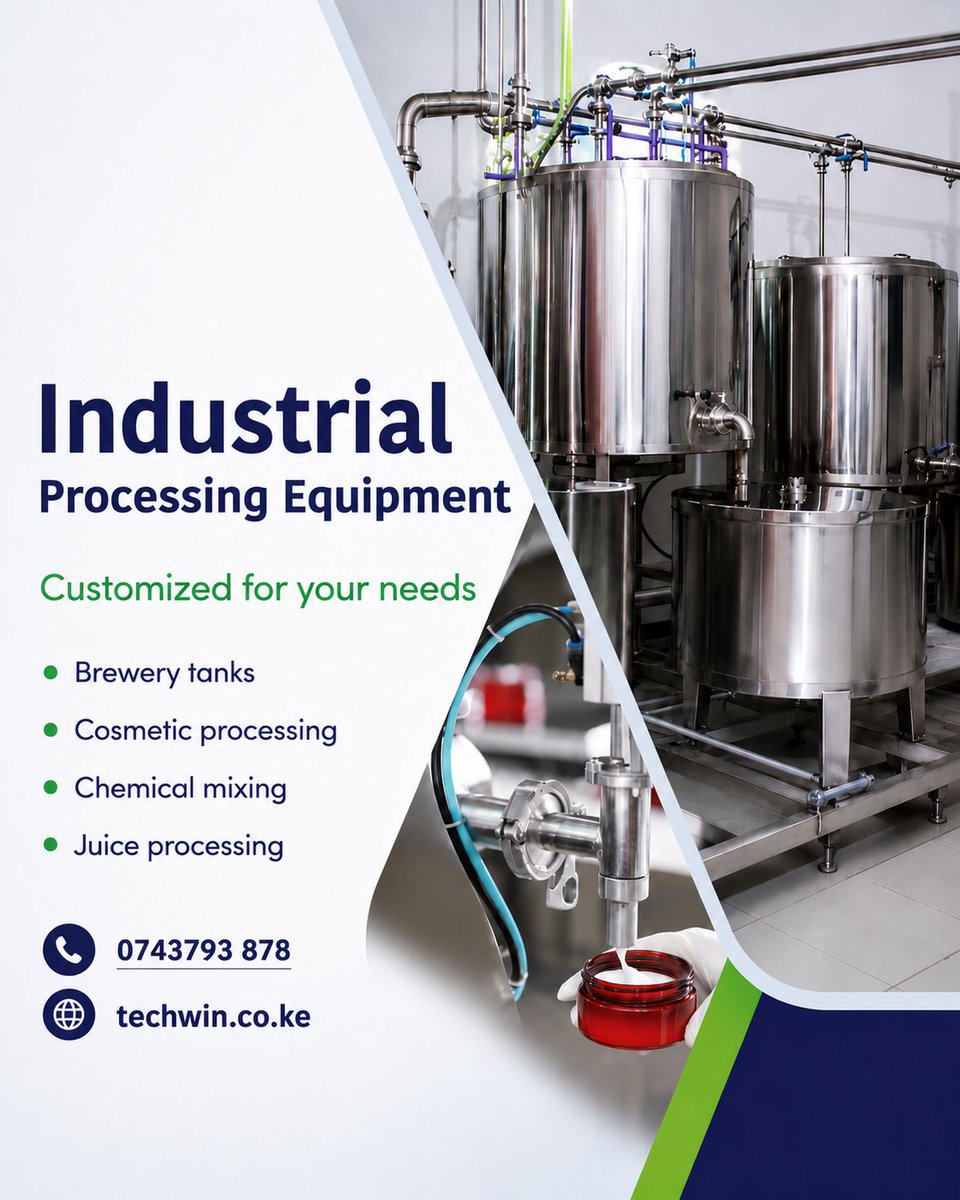
Techwin Limited supplies customized industrial processing equipment for food, beverage, cosmetic & chemical industries.
Built for efficiency. Designed for growth.
#IndustrialEquipment #Manufacturing #FoodProcessing
19

Jun 8
Tasarım Güney Kore'den.
Motor Almanya'dan.
Üretim Türkiye'den.
Fırtına obüsü Türk savunma sanayiinin
en köklü başarılarından biri.
155mm kalibresinde.
40 kilometreyi aşan menzil.
Dakikada 6 atım kapasitesi.
Dönemin standartlarının üzerinde.
2000'lerin başında üretime girdi.
Bugün 300'den fazla obüs
Kara Kuvvetleri'nin topçu omurgasını oluşturuyor.
Üretim MKE'de.
Seri hattan Arifiye'de çıkıyor.
Fırat Kalkanı'nda,
Zeytin Dalı'nda,
Pençe harekâtlarında sahadaydı.
Kendini sahada defalarca kanıtladı.
Fırtına'nın hikayesi 2001'de başladı.
Tasarım için Güney Koreli Samsung Techwin ile anlaşma imzalandı.
K9 Thunder platformu temel alındı.
İlk 8 obüs Güney Kore'de üretildi.
Geri kalanlar Arifiye'de.
Kule, top, atış kontrol sistemi yerli tasarım.
Motor ise dışarıdan geliyordu.
Alman MTU firmasının
MTU-881 KA-500 dizel motoru.
İhracat lisansıyla geliyordu.
Yani her satışta Almanya'nın onayı gerekiyordu.
2010'da Azerbaycan 36 obüs için sipariş verdi.
Ön ödemeyi bile yaptı.
Almanya, Karabağ'daki anlaşmazlığı gerekçe gösterdi. Motor için lisans vermedi.
Satış gerçekleşmedi.
Aynı engel Suudi Arabistan için de geldi. Katar için de.
Fırtına'nın temel aldığı K9 Thunder
bu süreçte 11 ülkeye satıldı.
Dünya genelinde 1700'den fazla adet üretildi.
Türkiye, aynı kökten gelen platformu
yıllarca ihraç edemedi.
İki platform aynı kökten geliyor. Ama pazar payları çok farklı bir yere gitti.
Motor meselesi sonunda içeride çözüldü.
BMC Power, SSB ile 2017'de imzalanan sözleşme kapsamında UTKU'yu geliştirdi.
1000 beygirlik V8 dizel.
Transmisyonuyla birlikte.
MSB'nin 2025 Faaliyet Raporu'na göre
entegrasyon tamamlanmış. TSK için üretilecek kalan 130 adetlik Yeni Nesil Fırtına bu motorla gelecek.
Envanterdeki mevcut obüsler
MTU ile kalmaya devam ediyor.
Motor meselesi çözülürken Fırtına da gelişmeye devam etti.
Kule ve namlu yönlendirme sistemi
hidrolikten elektriğe geçti.
Mühimmat yükleme
tam otomatik hale geldi.
Atış menzili 56 kilometreye çıkarıldı.
Platform aynı.
Sistem gelişti.
Fırtına, dışarıdan gelen bir tasarımla başladı.
Yabancı motorla büyüdü.
Üzerine konan yerli sistemlerle
olgunlaştı.
İhracatta Almanya duvarına çarptı.
UTKU o duvarı yıktı.
Bir bağımlılık bitti.
Sıra ALTAY'da.

12
88
532
28,465

May 29
Long post, but my thoughts after listening to the $AMBA call and reading the docs.
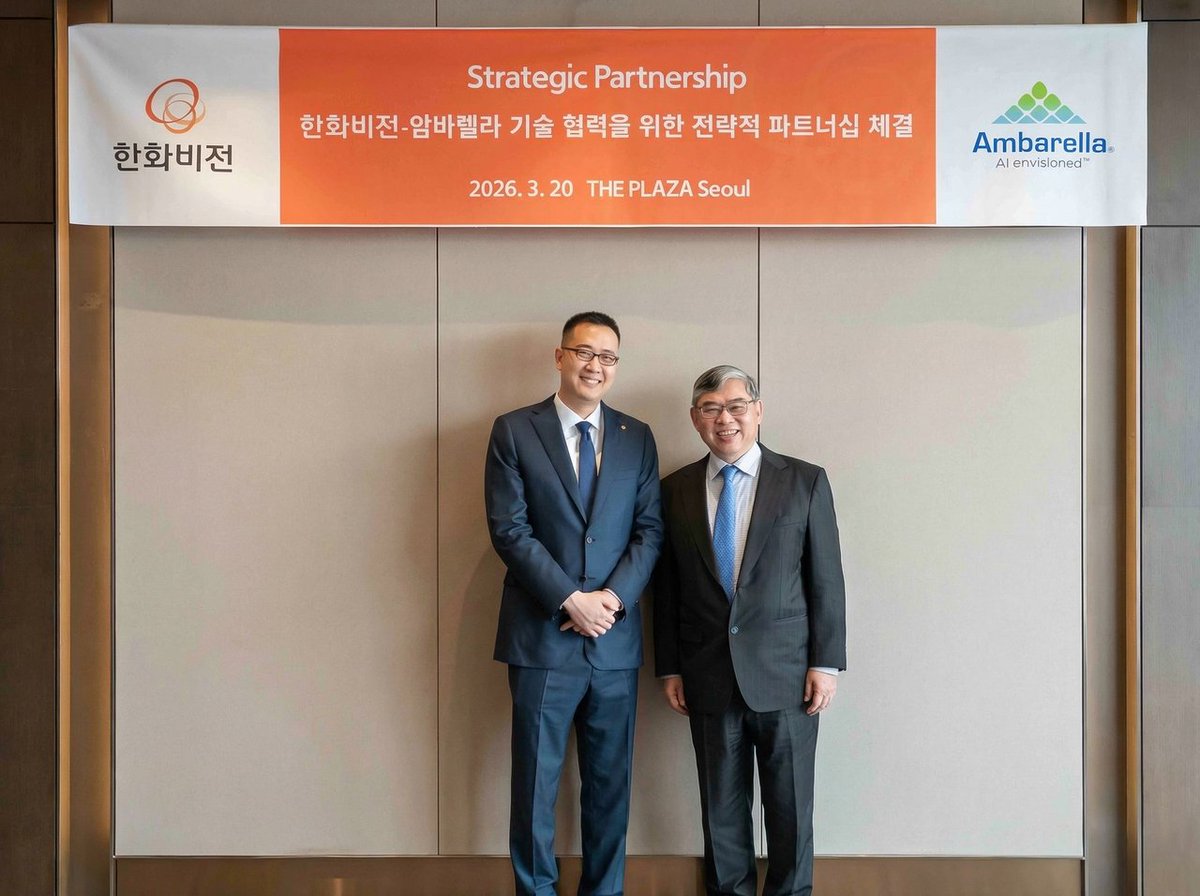
Wang and Louis Gerhardy named five sectors covered by the Hanwha deal over the next 10 years.
Here's what each one actually is, in plain English, and where I think the upside sits.
1 - Physical security (security cameras)
This is the existing business. Hanwha Vision, formerly Samsung Techwin, is a top tier player in professional security cameras globally; the cameras you see in office buildings, retail stores, transport hubs, government facilities.
They've been an AMBA customer for 15 years already.
The new bit - Wang said on the call that AMBA only has a piece of Hanwha's current camera business.
Hanwha has been designing their own chips for the rest. The agreement commits Hanwha to migrating that internal silicon over to AMBA's platform.
2 - Operational automation (factory equipment)
This is Hanwha Semitech; the company that makes the machines used to assemble electronics.
The big ones place tiny components onto circuit boards at 95,000 chips per hour. What's being assembled by these machines ends up inside your phone, your EV battery management system, AI server racks.
Hanwha Semitech claims to be #1 globally in their specific equipment niche.
How AMBA fits - every one of these assembly machines uses cameras to verify each component is placed correctly. AMBA's chips can replace or upgrade the existing vision systems with smarter AI inference; catching defects faster, recalibrating in real time, predicting maintenance.
AMBA silicon could end up inside the machines that build other chips.
3 - Life sciences (biopharma)
Hanwha quietly re-entered the biopharma market in December 2023 with an $84M investment to build two manufacturing plants, one in Korea and one in the US, making tris buffer; a critical reagent used in things like DNA testing.
Korea currently imports all of its tris buffer from the US and Germany; Hanwha wants to be the domestic producer.
They also have a Bio-ENG line inside Hanwha Solutions, and they had a pharma business they sold in 2016 after a failed Merck biosimilar joint venture.
The 2023 re-entry is deliberate. They see Samsung Biologics, SK Biopharm, and others scaling aggressively and want back in.
How AMBA fits - pharma manufacturing is heavily camera driven for quality control; bottle inspection, fill line checks, particulate detection, packaging integrity, contamination monitoring.
Edge AI runs all of that locally, which is faster and safer than sending images to the cloud.
A 10 year silicon commitment is exactly what you sign when you're building facilities you'll run for 20 years.
This is the most under appreciated piece of the deal.
4 - Robotics (collaborative robot arms)
Hanwha Robotics makes "cobots" - robot arms designed to work safely next to humans.
Welding, assembly, food prep, lab work.
They launched Korea's first cobot in 2017 and spun the business out as a standalone subsidiary in 2023.
How AMBA fits - Cobots need vision to see what they're picking up, to avoid hitting people, to navigate around obstacles. This is exactly what AMBA's chips are built for.
Wang said on the call AMBA already has 15 robotics design wins with ~$100m lifetime revenue potential across the broader pipeline. Hanwha now joins that pipeline at conglomerate scale.
5 - Other industrial markets
Hanwha Group operates across chemicals, energy, shipbuilding, and aerospace.
They bought DSME (Daewoo Shipbuilding) in 2023 and rebranded it Hanwha Ocean; one of Korea's 'Big Three' shipbuilders with major naval defense contracts including submarines and warships for the Korean Navy.
Louis Gerhardy described Hanwha's broader business range on the call as including aerospace, defense, and ocean, but didn't name those as in scope today.
They're the obvious next expansion vector. The agreement framework gives AMBA a pre-built structure to extend into them if Hanwha wants to.
3
2
48
17,667

Eid Al-Adha Mubarak
From all of us at TECHWIN SOLUTIONS LIMITED, we wish you peace, happiness, and abundant blessings always. ✨

2
9

May 24
カイロソフトのカイロさんかな?と思って思い切って声かけたらご本人でした。TechWinのデジタルアイアンマンの頃から30年くらいずっとファンですと伝えたらカイロくんコインとお名刺をいただきました。カイロさんありがと。Bitsummitありがとう。
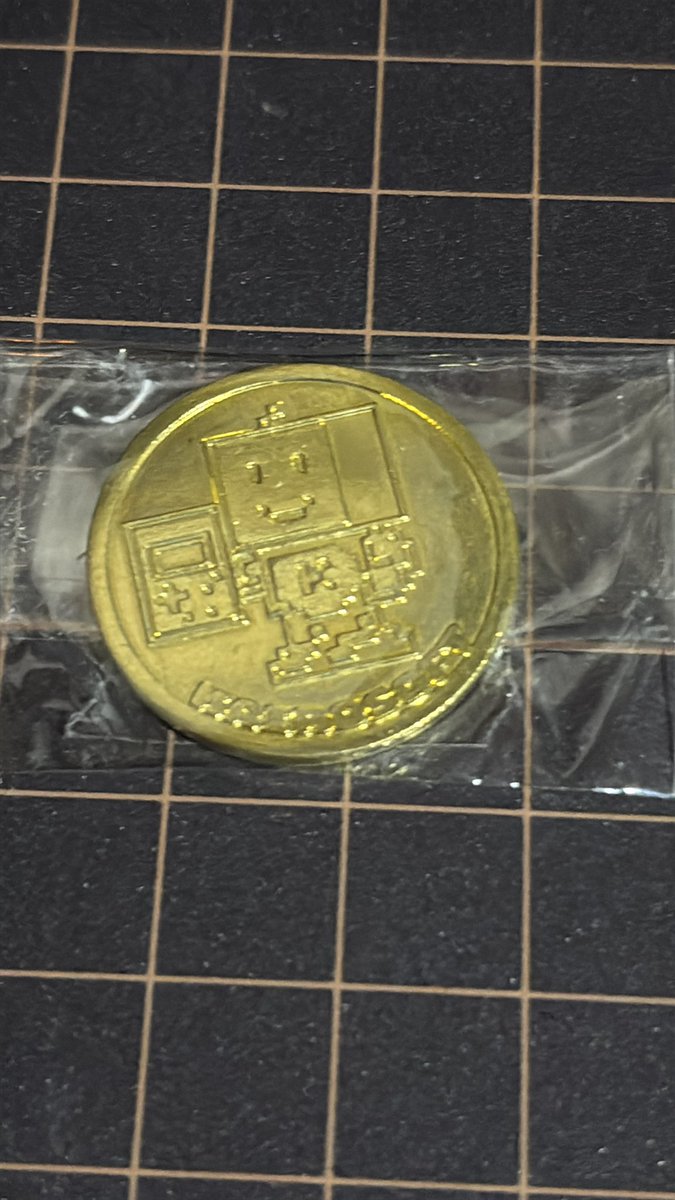
2
34
2,177

昨日に引き続き、Frieveのクラシックパズルゲーム、Trouble Ball移植版公開しました。ちょうど30年ほど前当時の雑誌TechWinに掲載していただいたゲームだったと思います。こちらも数十分でクリアしていただけるカジュアルな内容です!
frievegames.com/games/troubl…
1
11
892
Frieveのクラシックゲーム移植シリーズ、今日は1997年に当時確かTechWinという雑誌に掲載していただいたLASERをリリースしました!
全10ステージのみの数十分で気楽に完了できるパズルゲームです。frievegames.com/games/laser-…
1
13
962

May 22
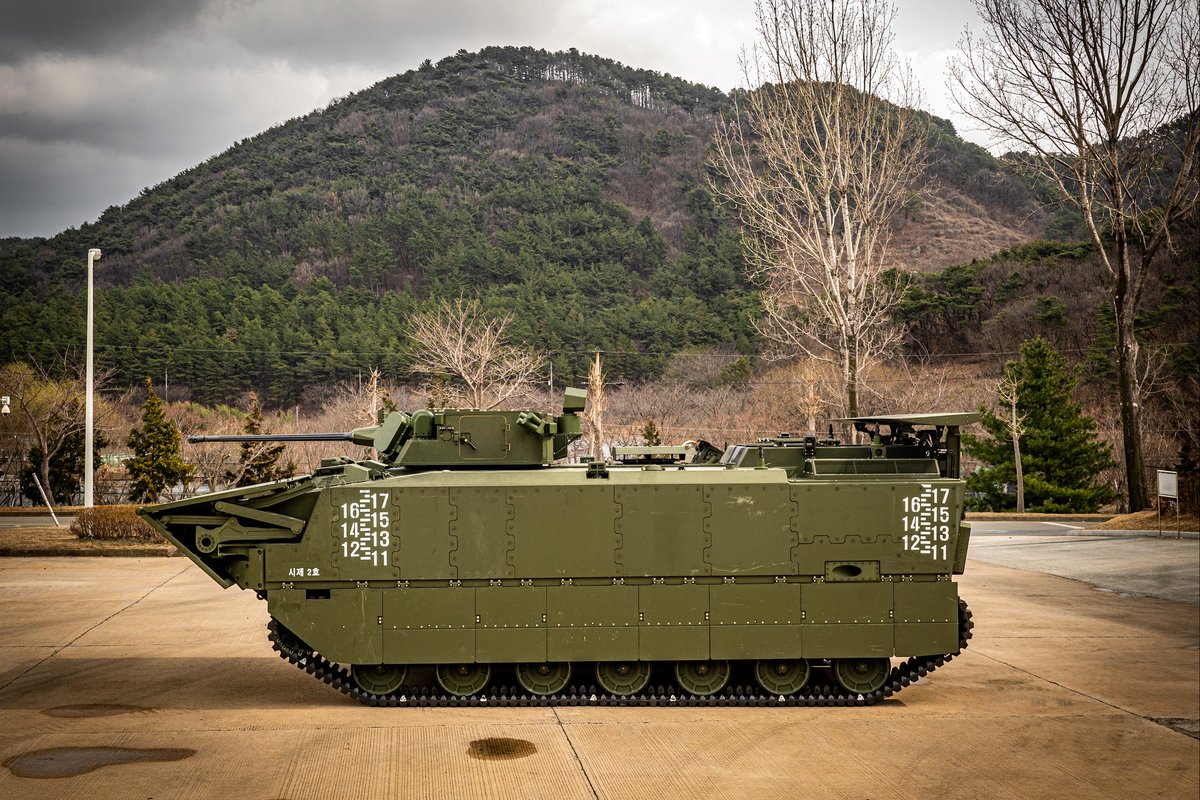
Güney Kore, envanterindeki KAAV7A1 (Korean Amphibious Assault Vehicle - ABD yapımı AAV-7A1 platformunun Samsung Techwin (şu anki Hanwha Aerospace) tarafından lisans altında Güney Kore'de üretilmiş versiyonu) araçlarını yerli tasarım "KAAV-II" yeni nesil amfibi saldırı aracı ile değiştirmeye hazırlanıyor.
Yaklaşık 1.78 milyar dolar bütçe ayrılan program kapsamında, seri üretimin 2029 yılında başlaması ve araçların 2036 yılına kadar tamamen operasyonel hale gelmesi planlanıyor.
Hanwha Aerospace, Güney Kore Deniz Piyadeleri (RoKMC) için geliştirdiği yeni nesil amfibi hücum aracı KAAV-II (Korean Amphibious Assault Vehicle-II) 40mm toplu prototipini Mayıs 2026'da resmi olarak sergiledi.
Karada 70 km/s azami hıza ulaşabilen, suda ise 20 km/s hız sınırlarında yüzebilen araç 3 personel 18 piyade kapasiteli.
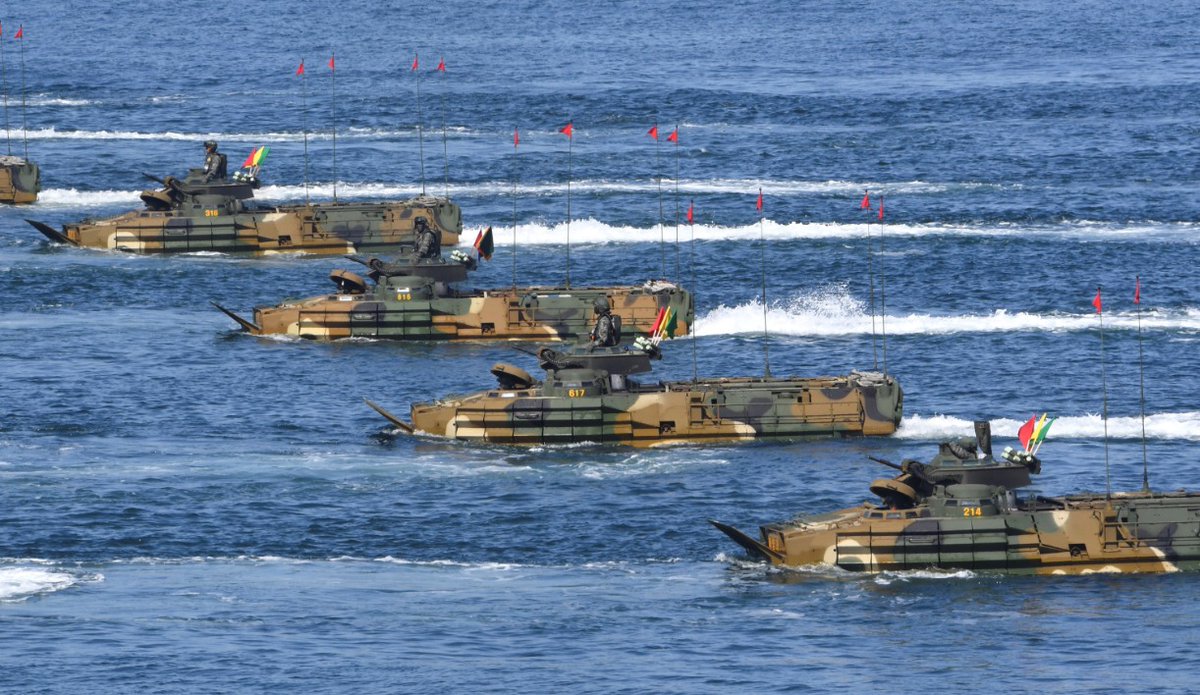
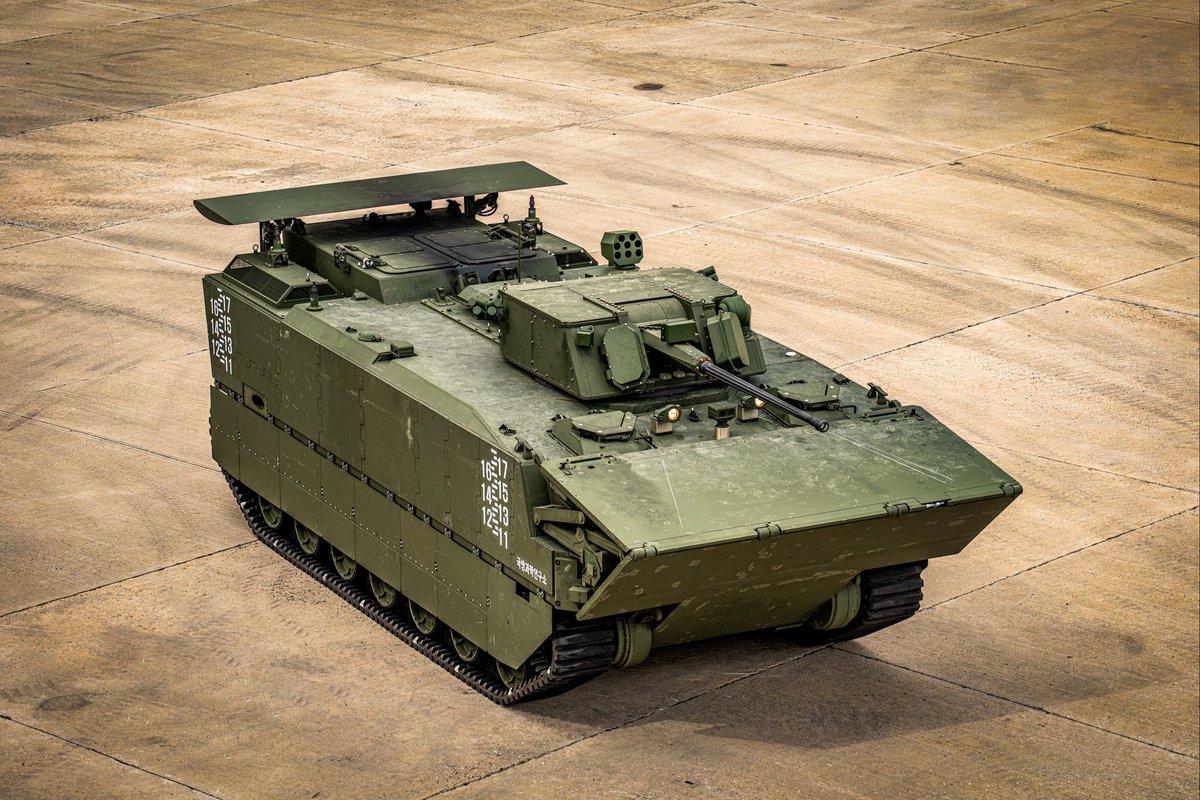
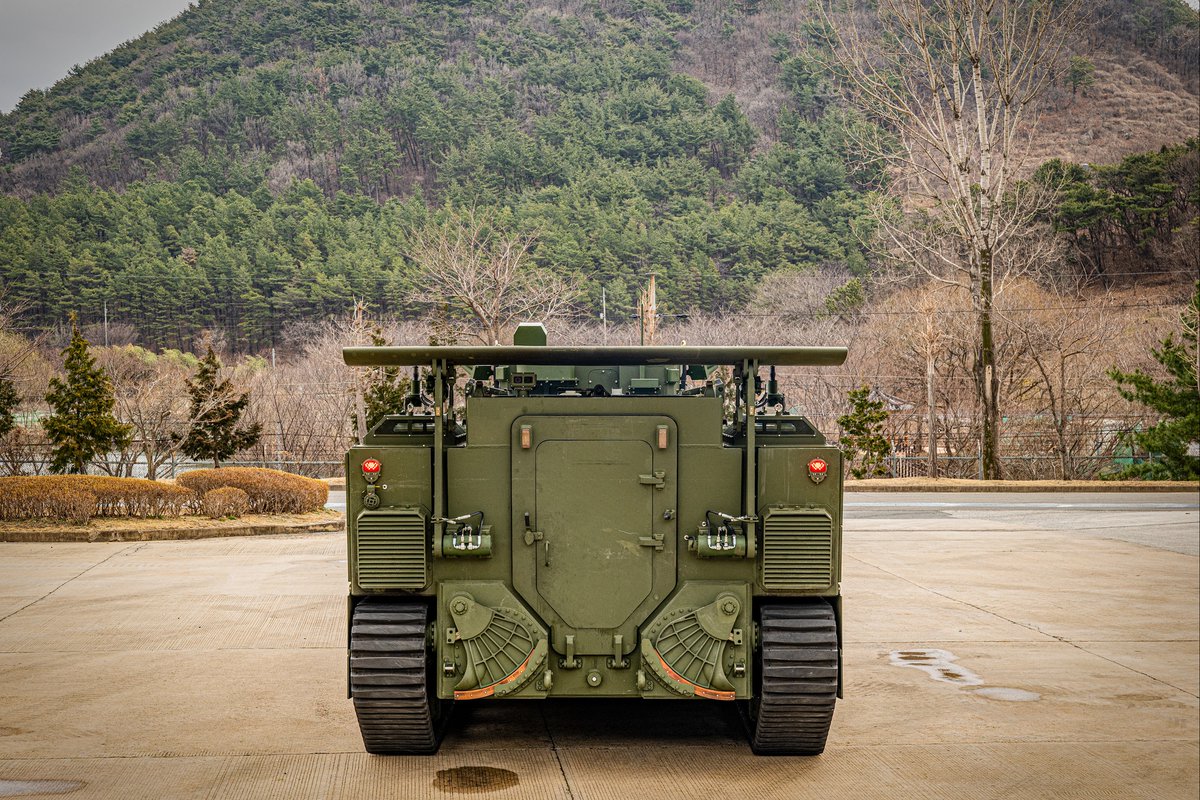
1
3
33
1,955

May 21
[9] What Samsung quietly exited
Old write-ups still call Samsung a defense major.
That changed in 2015.
🔸 Samsung sold Samsung Techwin (defense and aerospace) to Hanwha
🔸 Those businesses now run under Hanwha
🔸 Samsung today: chips, devices, displays, biopharma
1
3
52

"When your 'quick 2-min fix' for a colleague’s laptop turns into a 1-hour deep dive… only to find the power cord was loose #OfficeFail #TechWin (Wait, no—just a facepalm)"
1
5
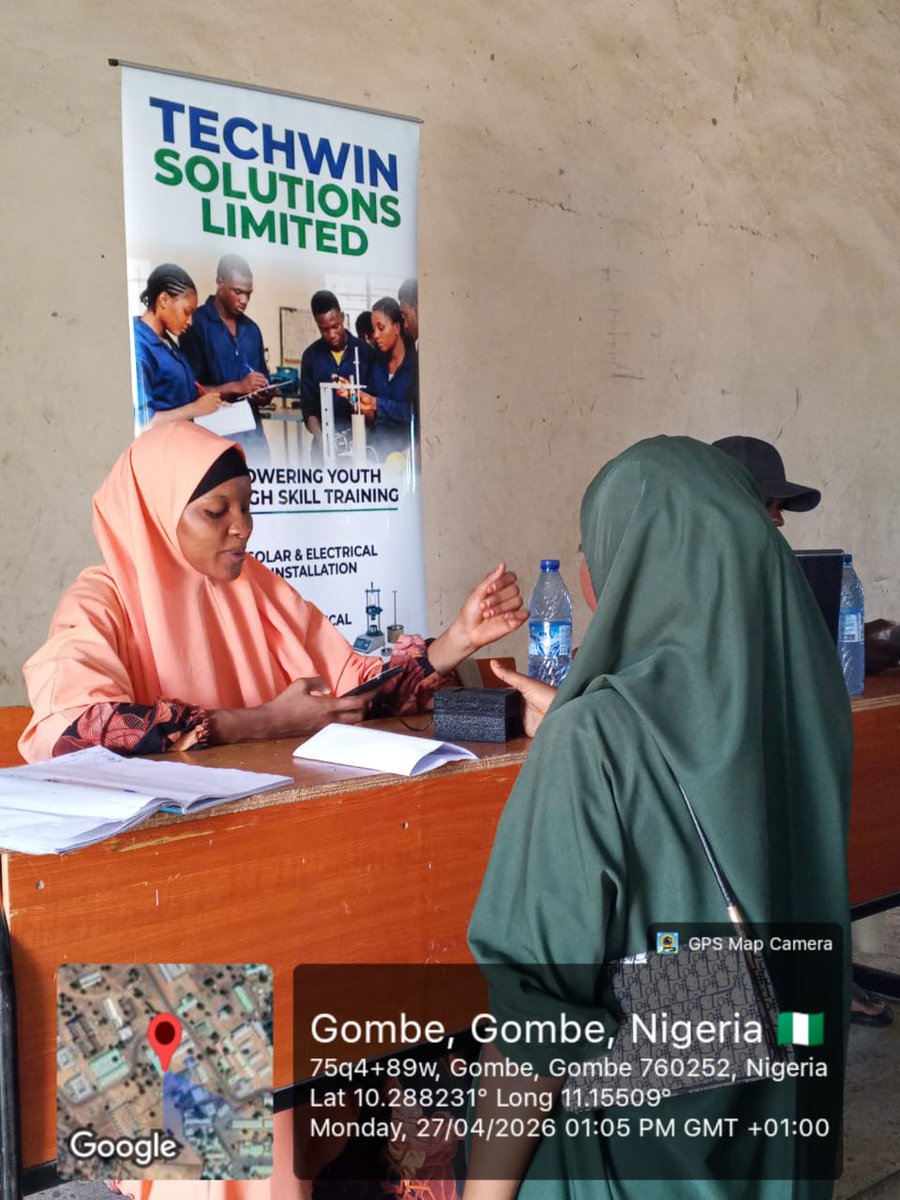
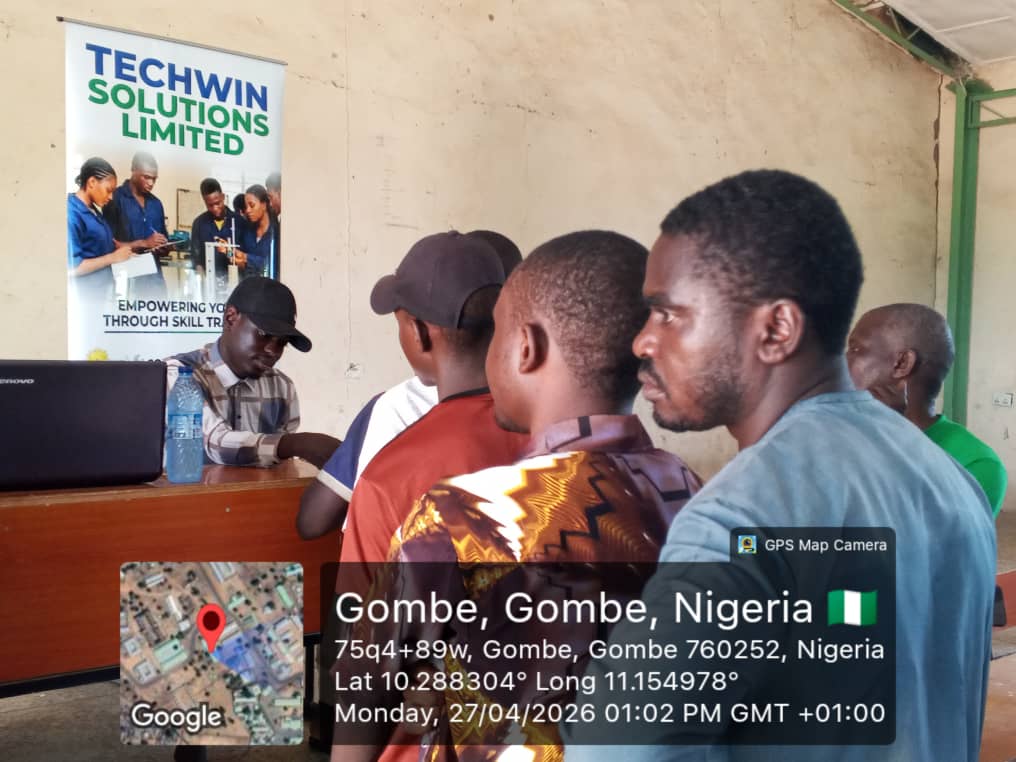
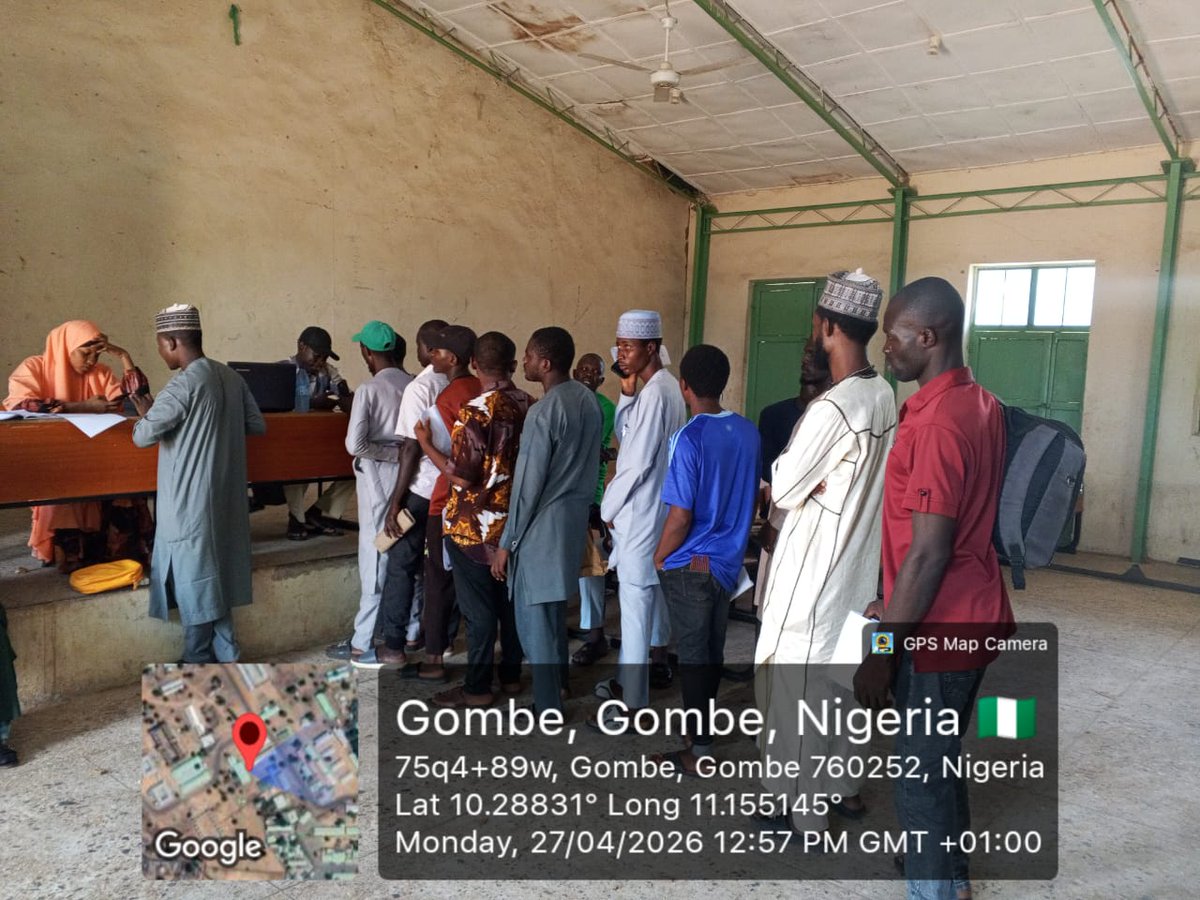
TVET Cohort 2 Biometric Re-enrollment Ongoing at Techwin Solutions Limited, Gombe.
This day, Electrical and Solar Installation trainees were registered, fully enrolled, and documented as Techwin Trainees, ready for hands-on technical skill training for 12 months.
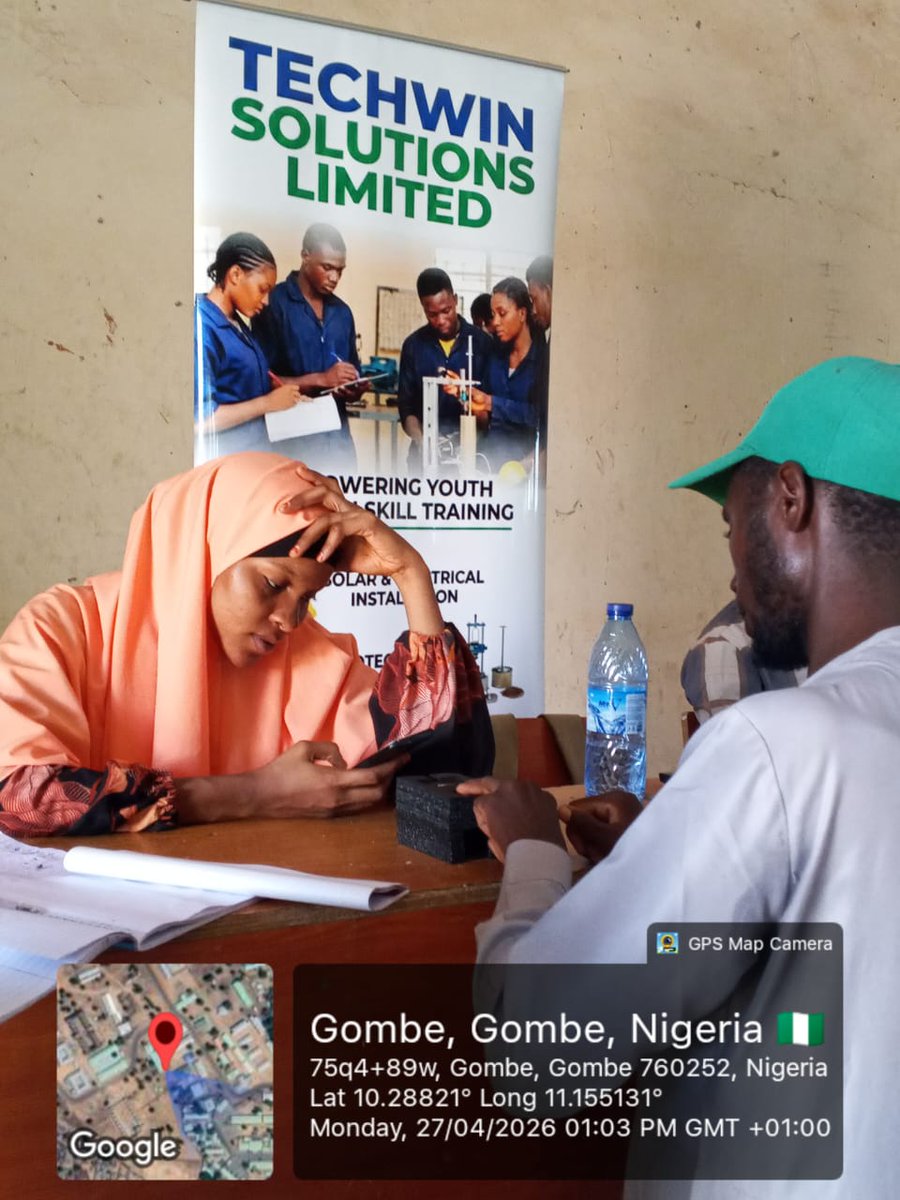
3
28

Apr 30
وادي مكة، knowledge X، سلة، الامارة، وزارة الحج، InPro اعتقد في مكة، TechWin
5
1,283

TechWINのさるハゲに収録曲されてた、宮崎吐夢のアレの真似するの得意です()
Apr 27

あの、詳細は伏せますけど
「みっちゃんみちみち…」から始まる下品なわらべ歌、ご存知ですか…?
(最後もったいないから食べちゃうアレ)
今日5歳が保育園で覚えてきて、
令和の世にも歌い継がれてるのかと
大変驚きました。
え、全国区なのこの歌…
2
280