
Jun 12
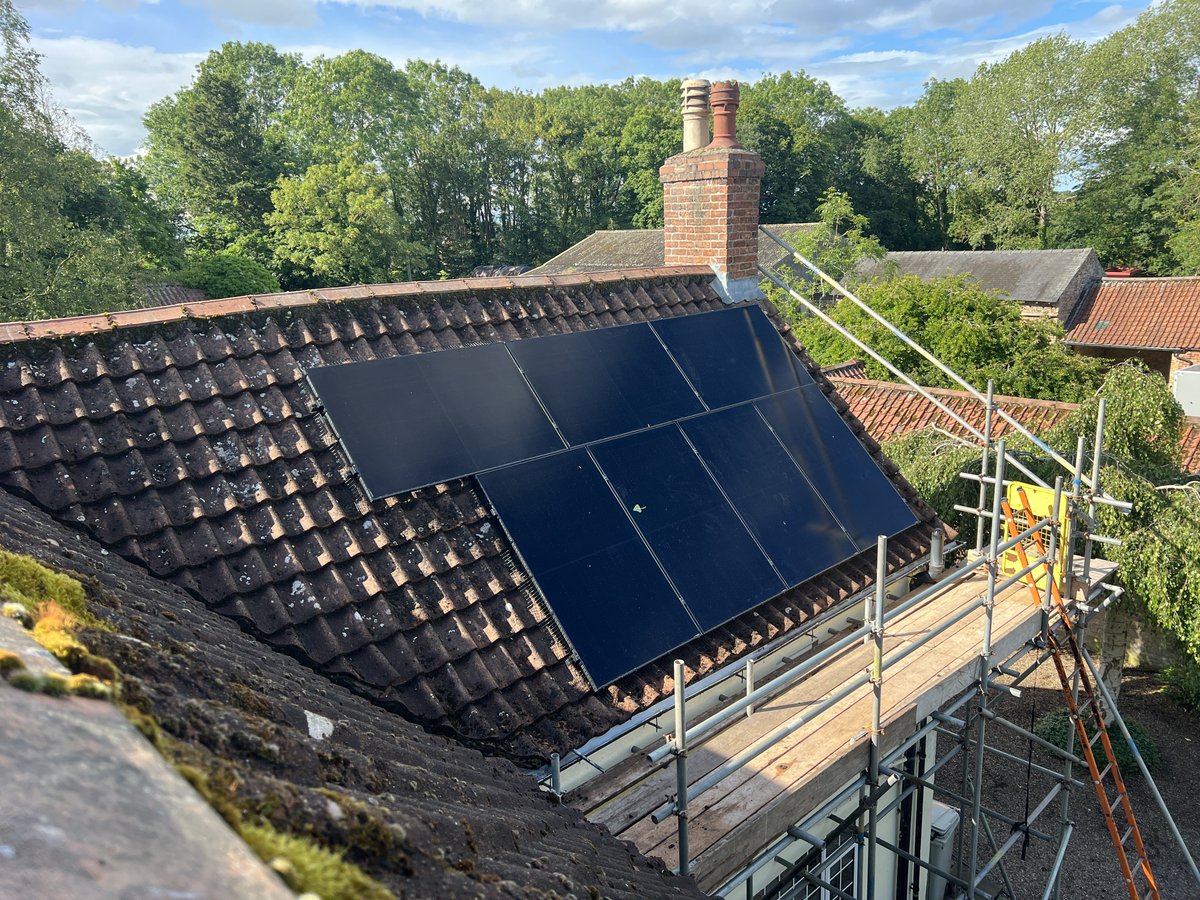
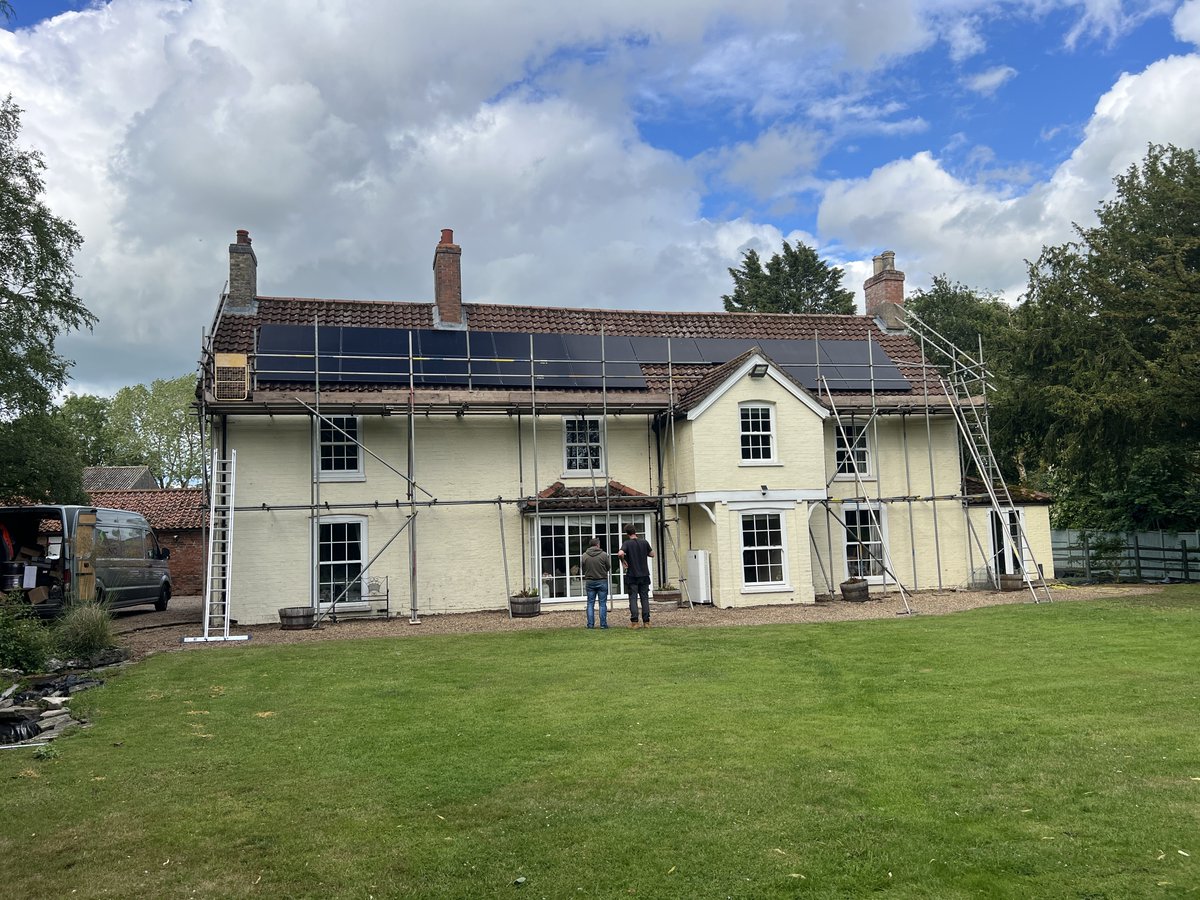
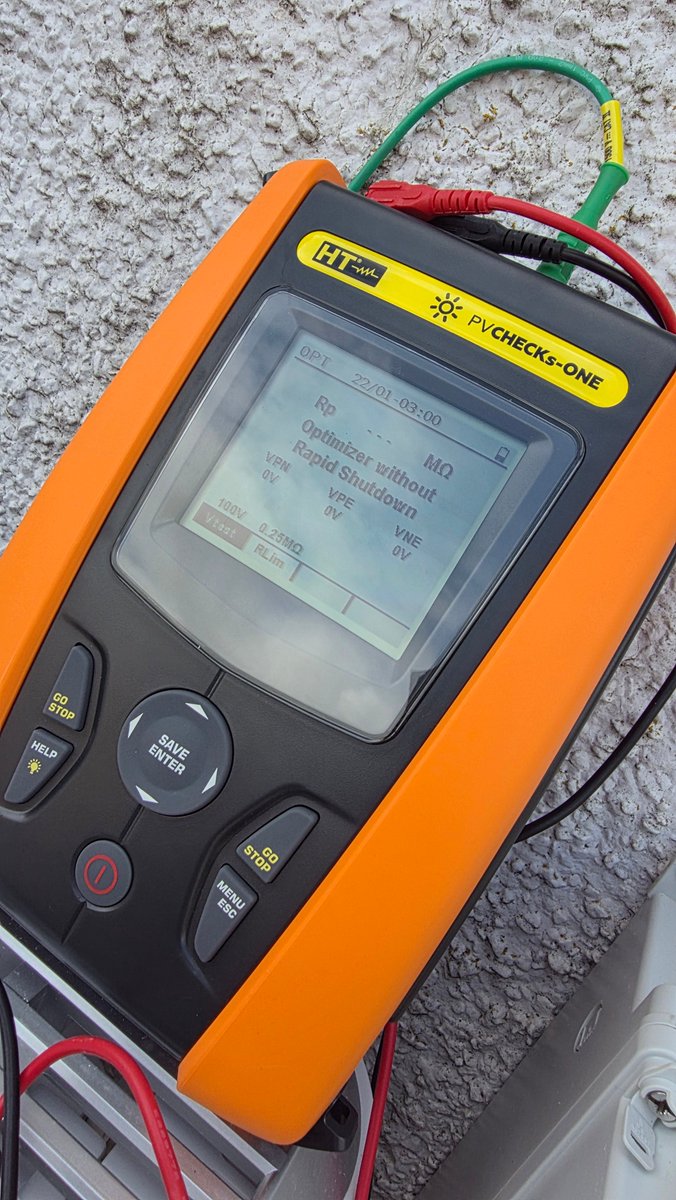
A simply stunning place to work this week and the guys have delivered. The beutiful @longi_solar X10 panels combined with @SigenergyGlobal inverter and @proteusswitchg isolators. All tested with the @Testinstrument PV checks one

1
6
417

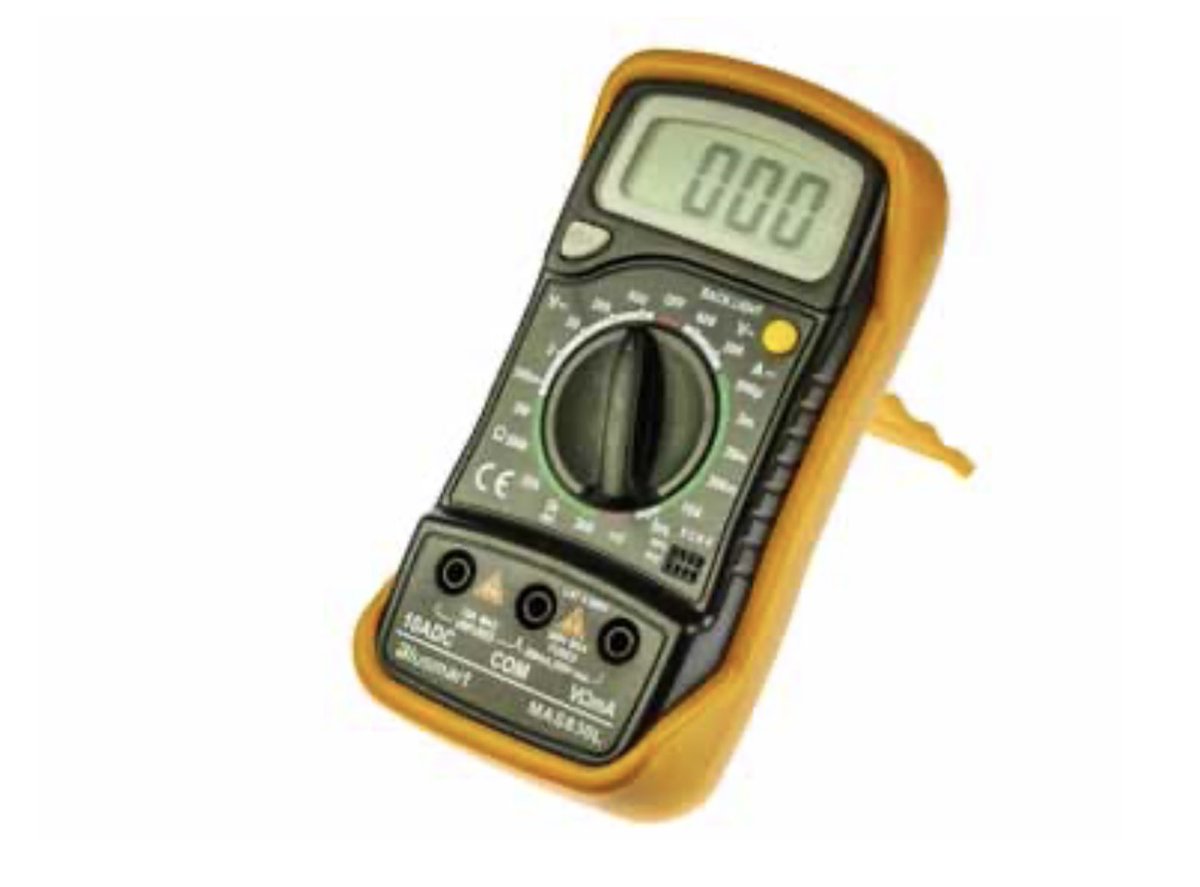
Cheap vs Expensive Digital Multimeters: What should you buy?
One of the most useful tools anyone involved with electronics might have is a digital multimeter (DMM). But with prices ranging from a few dollars to several hundred, how do you decide what's worth your investment? Let's break down the key differences.
Accuracy & Precision:
- Cheap: Often less accurate, with errors that can exceed ±2 or 3%
- Expensive: They can sometimes boast an accuracy down to ±0.1%, and they can be crucial for precision work.
Features & Functionality:
- Cheap: Basic measurements like voltage, current, and resistance. They often have some other ranges and functions but they tend to be more limited.
- Expensive: Come with a plethora of features including capacitance, inductance, temperature, frequency, and more. They offer true RMS for AC measurements, data logging, and even Bluetooth connectivity for data transfer.
Build Quality & Durability:
- Cheap: Typically made with less durable materials, leading to shorter lifespan and susceptibility to damage. Cost of manufacture is a key consideration.
- Expensive: Designed for longevity with robust casing, shock-resistant features, and often come with warranties. They're built for the rough and tumble of daily use in professional environments.
Safety:
- Cheap: Might not comply with safety standards like CAT ratings, posing risks in high-voltage scenarios.
- Expensive: Adhere to or exceed safety standards (e.g., CAT III, CAT IV), providing protection against electrical hazards. They include features like fused inputs to prevent damage from overloads.
User Interface & Ease of Use:
- Cheap: Simpler interfaces with basic displays, sometimes lacking backlighting or intuitive controls.
- Expensive: Feature sophisticated, easy-to-read displays, often with graphical capabilities, auto-ranging, and ergonomic designs for one-handed operation.
Calibration & Maintenance:
- Cheap: Often not designed for easy recalibration; once they go off, they're generally replaced rather than fixed.
- Expensive: Usually come with calibration services or the ability to be recalibrated, ensuring long-term accuracy.
For Whom?
- Cheap: Perfect for hobbyists, beginners, or for non-critical measurements where precision isn't paramount. Great for educational purposes or basic troubleshooting. But beware if using them on higher voltages.
- Expensive: Essential for professionals, those working with sensitive equipment, or in environments where accuracy and safety are non-negotiable.
While a cheap multimeter can be a good starting point, the investment in a more expensive one pays off in reliability, safety, and precision. Consider your real needs before making a decision.
For more in-depth comparisons and features, check out the detailed guide on my website - link in the comments.
#dmm #digitalmultimeter #testinstrument #testmeter #electronicsnotes
8
8
48
2,061
Apr 16
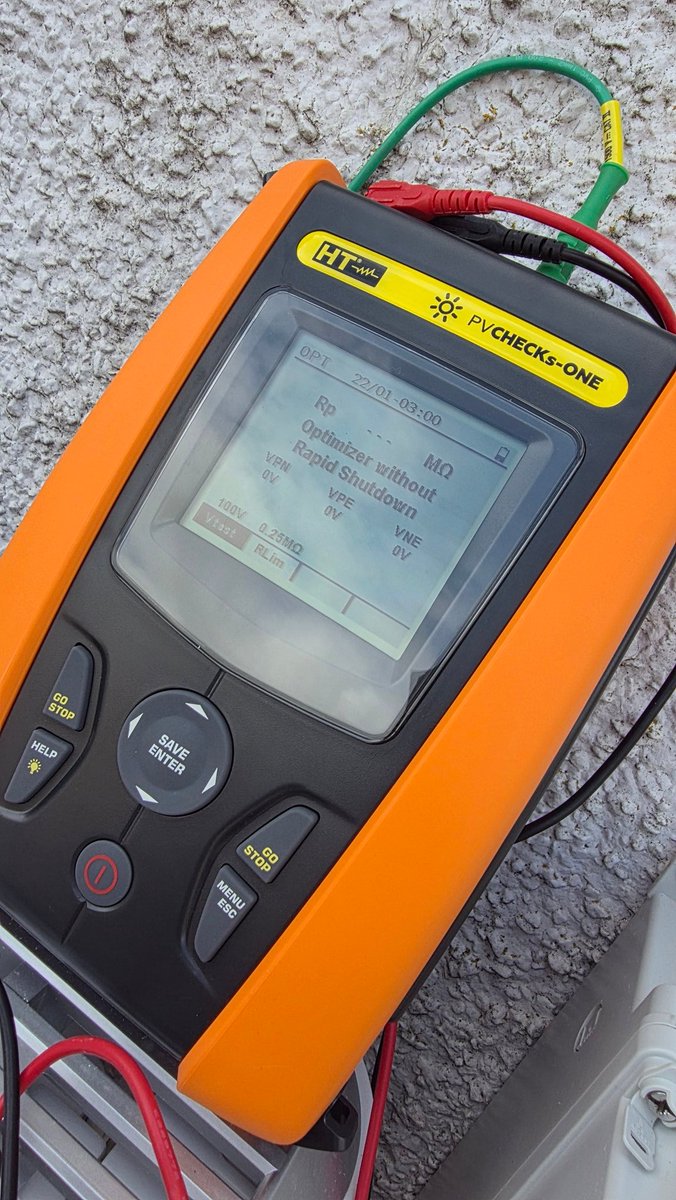
Can't test solar with optimisers... hold @Testinstrument beer...
The game changed and the leaders in test instruments made it happen.
Bought fair and square before any moans.
2
1
3
386
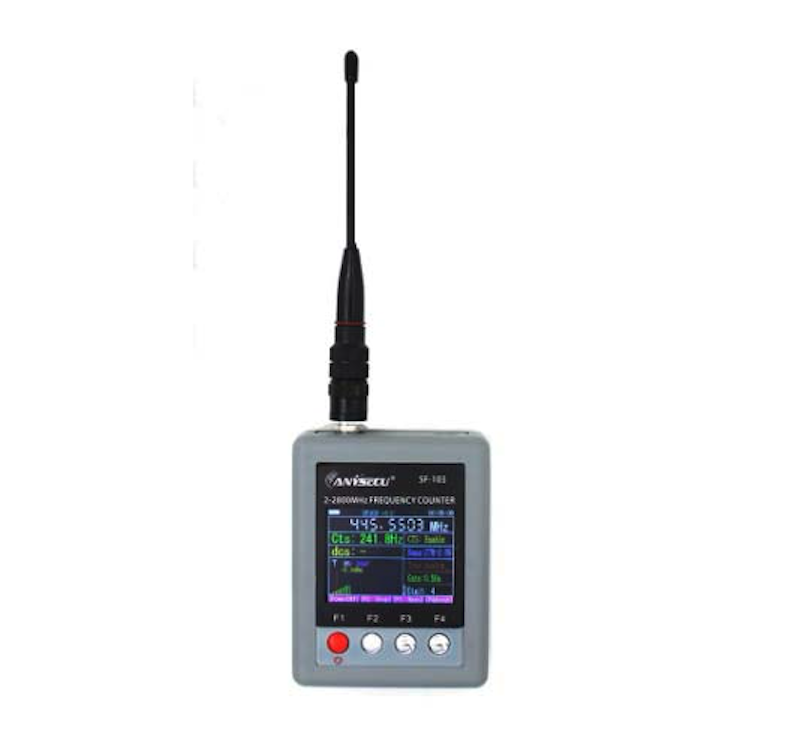
Portable Frequency Counter
How often would a frequency counter be useful in your home lab, radio shack or elsewhere?
This frequency counter provides good performance at a really budget friendly price.
The performance is great for many applications you might need and the frequency coverage means it fits the bill for many measurements you may beed to make.
Check it out now: s.click.aliexpress.com/e/_c3…
(Sponsored link)
#frequencycounter #testequipment #testinstrument #testmeasurement #electronicsnotes
2
5
48
2,915
Mar 30
Really only is one player in town when it comes to test kit @Testinstrument
30A IVCK testing. 1000V and did someone say optimiser testing...
The game just changed
1
4
341
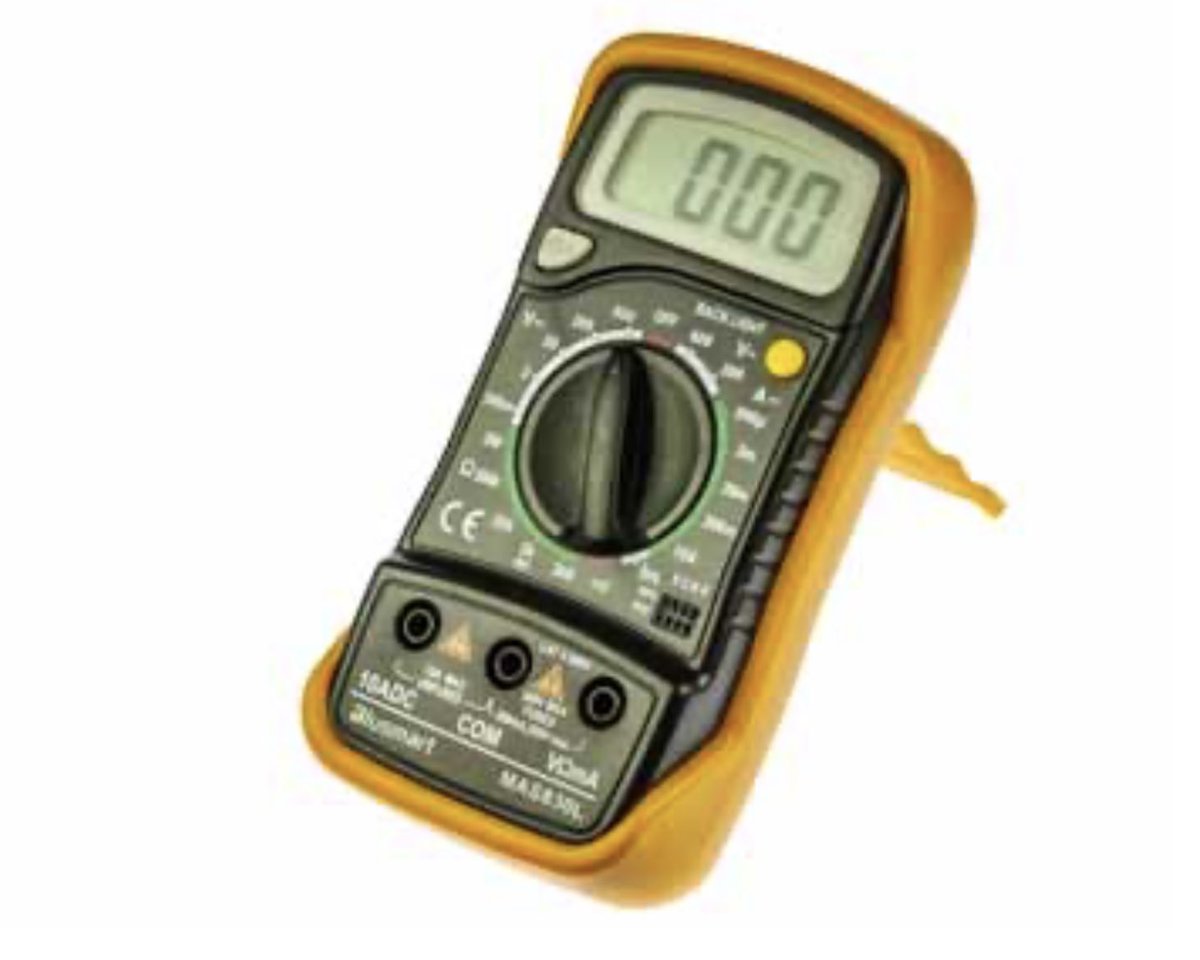
Cheap vs Expensive Digital Multimeters: What’s the Difference?
When diving into the world of electronics, one of the first tools you might consider purchasing is a digital multimeter (DMM). But with prices ranging from a few dollars to several hundred, how do you decide what's worth your investment? Let's break down the key differences.
Accuracy & Precision:
- Cheap: Often less accurate, with errors that can exceed ±2 or 3%
- Expensive: They can sometimes boast an accuracy down to ±0.1%, and they can be crucial for precision work.
Features & Functionality:
- Cheap: Basic measurements like voltage, current, and resistance. They often have some other ranges and functions but they tend to be more limited.
- Expensive: Come with a plethora of features including capacitance, inductance, temperature, frequency, and more. They offer true RMS for AC measurements, data logging, and even Bluetooth connectivity for data transfer.
Build Quality & Durability:
- Cheap: Typically made with less durable materials, leading to shorter lifespan and susceptibility to damage. Cost of manufacture is a key consideration.
- Expensive: Designed for longevity with robust casing, shock-resistant features, and often come with warranties. They're built for the rough and tumble of daily use in professional environments.
Safety:
- Cheap: Might not comply with safety standards like CAT ratings, posing risks in high-voltage scenarios.
- Expensive: Adhere to or exceed safety standards (e.g., CAT III, CAT IV), providing protection against electrical hazards. They include features like fused inputs to prevent damage from overloads.
User Interface & Ease of Use:
- Cheap: Simpler interfaces with basic displays, sometimes lacking backlighting or intuitive controls.
- Expensive: Feature sophisticated, easy-to-read displays, often with graphical capabilities, auto-ranging, and ergonomic designs for one-handed operation.
Calibration & Maintenance:
- Cheap: Often not designed for easy recalibration; once they go off, they're generally replaced rather than fixed.
- Expensive: Usually come with calibration services or the ability to be recalibrated, ensuring long-term accuracy.
For Whom?
- Cheap: Perfect for hobbyists, beginners, or for non-critical measurements where precision isn't paramount. Great for educational purposes or basic troubleshooting. But beware if using them on higher voltages.
- Expensive: Essential for professionals, those working with sensitive equipment, or in environments where accuracy and safety are non-negotiable.
While a cheap multimeter can be a good starting point, the investment in a more expensive one pays off in reliability, safety, and precision. Consider your real needs before making a decision.
What are your thoughts about digital multimeters?
#dmm #digitalmultimeter #testinstrument #testmeter #electronicsnotes
9
10
49
3,616
Mar 6
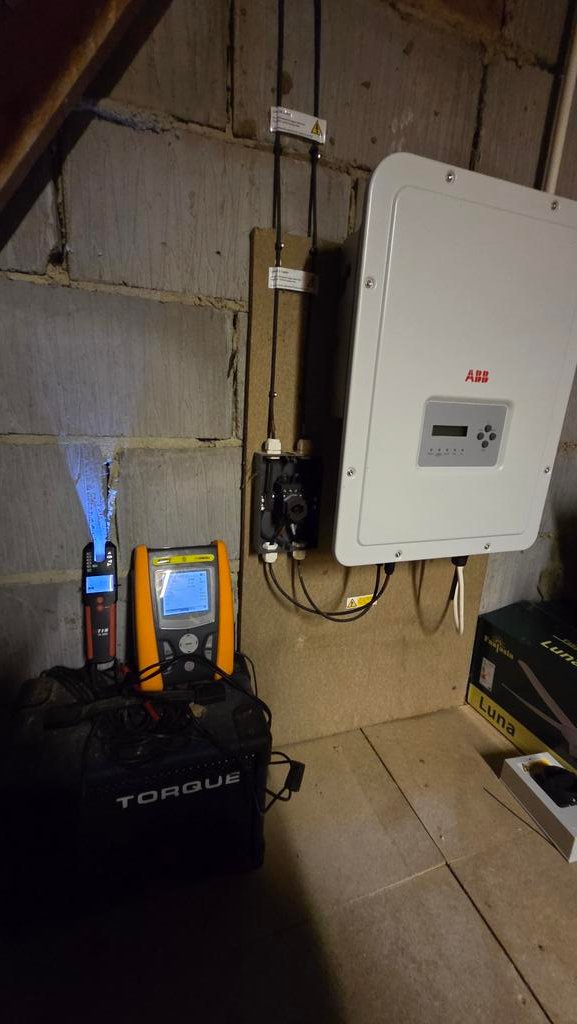
Testing a faulty old FIT system today. The @Testinstrument arsenal doing what only it can
1
9
521
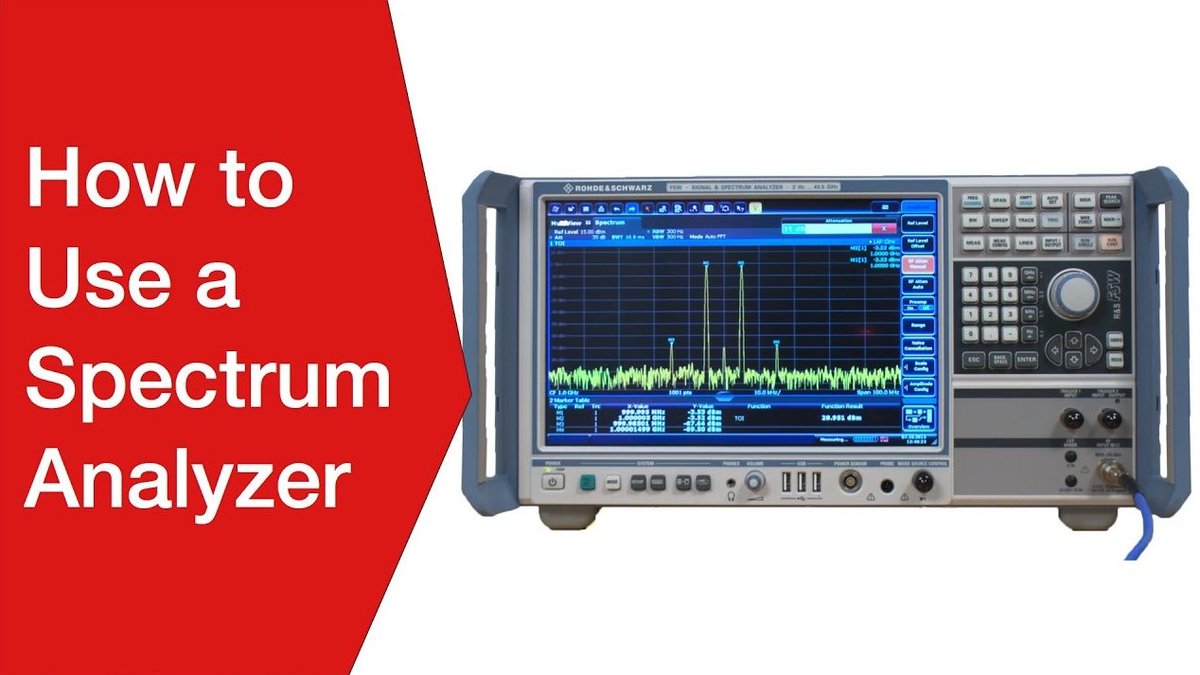
How to Use a Spectrum Analyser
In this video I cover the essential steps in using a spectrum analyser. I cover the operation of the analyser and at the end there are some top tips from industry experts.
Spectrum analysers are key to virtually all RF designs as they can look at where the different signals are within the radio spectrum.
They plot the output from a circuit under test using amplitude on the vertical spectrum, and rather than time on the horizontal axis as int he case of an oscilloscope, they plot the radio spectrum, i.e. the frequencies at which signals appear.
I really enjoyed making this video. Although it was a time ago, all the elements of it are totally current today and it has been a favourite of many people because it gains a large number of views. It is obviously one of the key videos on the topic as it is so popular. So why don’t you want it today?
Watch now: youtu.be/WnKK11UEvVE
#spectrumanalyser #spectrumanalyzer #RFdesign #testinstrument #testequipment #RFtest
2
15
98
4,031

Ihr Testinstrument Frohnmaier hatte kurz die Temperatur gefühlt. Die Resonanz war ziemlich eindeutig.
3
28
2,702
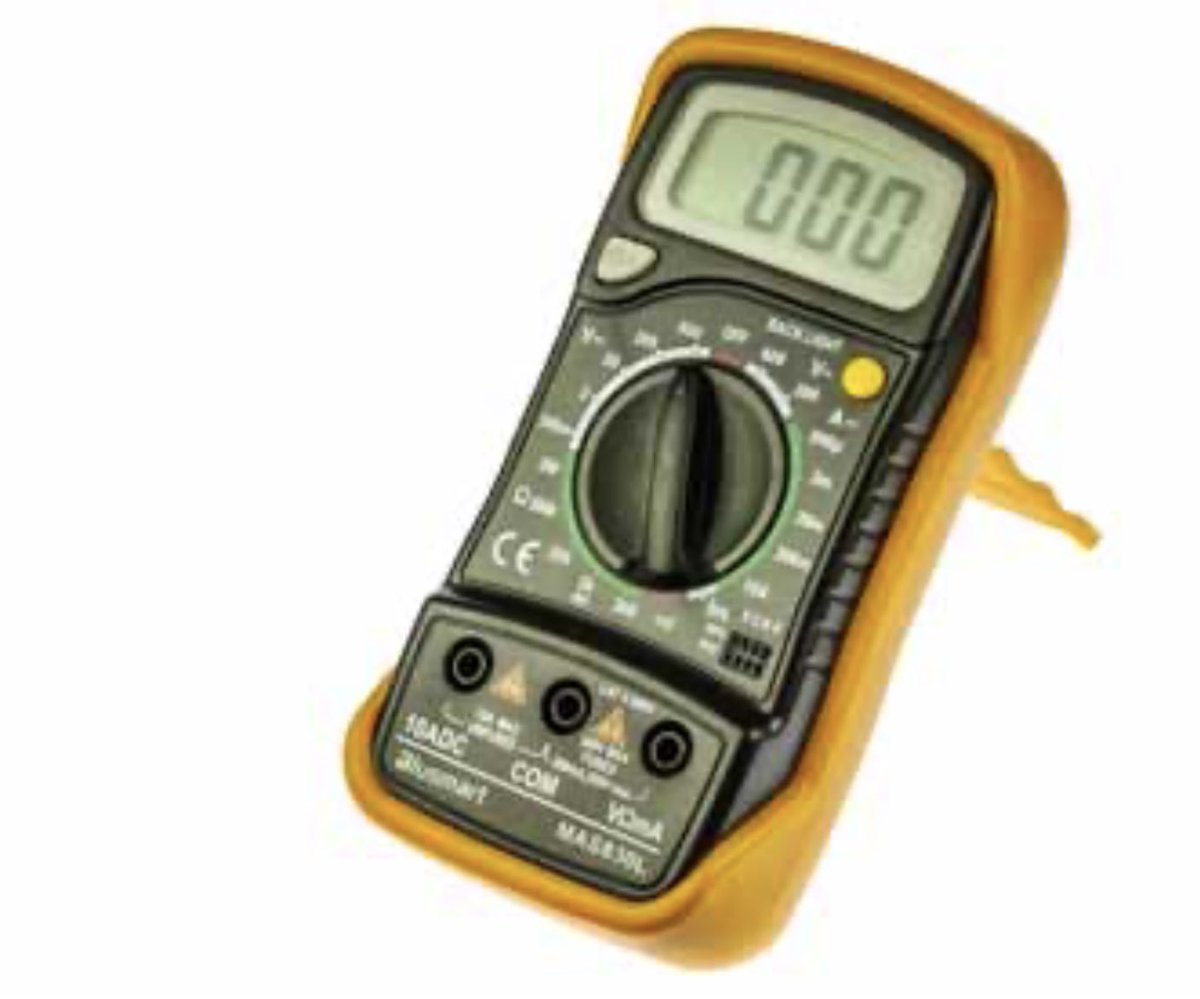
Cheap vs Expensive Digital Multimeters: What’s the Difference?
When diving into the world of electronics, one of the first tools you might consider purchasing is a digital multimeter (DMM). But with prices ranging from a few dollars to several hundred, how do you decide what's worth your investment? Let's break down the key differences.
Accuracy & Precision:
- Cheap: Often less accurate, with errors that can exceed ±2 or 3%
- Expensive: They can sometimes boast an accuracy down to ±0.1%, and they can be crucial for precision work.
Features & Functionality:
- Cheap: Basic measurements like voltage, current, and resistance. They often have some other ranges and functions but they tend to be more limited.
- Expensive: Come with a plethora of features including capacitance, inductance, temperature, frequency, and more. They offer true RMS for AC measurements, data logging, and even Bluetooth connectivity for data transfer.
Build Quality & Durability:
- Cheap: Typically made with less durable materials, leading to shorter lifespan and susceptibility to damage. Cost of manufacture is a key consideration.
- Expensive: Designed for longevity with robust casing, shock-resistant features, and often come with warranties. They're built for the rough and tumble of daily use in professional environments.
Safety:
- Cheap: Might not comply with safety standards like CAT ratings, posing risks in high-voltage scenarios.
- Expensive: Adhere to or exceed safety standards (e.g., CAT III, CAT IV), providing protection against electrical hazards. They include features like fused inputs to prevent damage from overloads.
User Interface & Ease of Use:
- Cheap: Simpler interfaces with basic displays, sometimes lacking backlighting or intuitive controls.
- Expensive: Feature sophisticated, easy-to-read displays, often with graphical capabilities, auto-ranging, and ergonomic designs for one-handed operation.
Calibration & Maintenance:
- Cheap: Often not designed for easy recalibration; once they go off, they're generally replaced rather than fixed.
- Expensive: Usually come with calibration services or the ability to be recalibrated, ensuring long-term accuracy.
For Whom?
- Cheap: Perfect for hobbyists, beginners, or for non-critical measurements where precision isn't paramount. Great for educational purposes or basic troubleshooting. But beware if using them on higher voltages.
- Expensive: Essential for professionals, those working with sensitive equipment, or in environments where accuracy and safety are non-negotiable.
While a cheap multimeter can be a good starting point, the investment in a more expensive one pays off in reliability, safety, and precision. Consider your real needs before making a decision.
For more in-depth comparisons and features, check out the detailed guide on my website: electronics-notes.com/articl…
#dmm #digitalmultimeter #testinstrument #testmeter
4
9
59
3,755
18 Dec 2025
This video was a lot of fun to make in its full version! Running through a full test sequence and install.
Of course the @Testinstrument arsenal comes out and I have the @M2Division slimline sockets.
Ive had to cut lots out to keep this under 3 mins so keep that in mind lol.
1
3
266
19 Nov 2025
The big roof is complete and the beautiful banners and safe isolation sheets kindly provided by the legends @Testinstrument throughout!
We are about to make some changes to the training landscape and not in the way we might have led people to expect 😅
1
1
6
296

Thanks for having us Mark - I'm sorry we made the place smell of farts. youtu.be/Z06ML2Hq9ow

1
5
961
29 Oct 2025
What a great day to see friends at our new training space. Thanks to all who popped along and to @proteusswitchg and @Testinstrument for supporting us through the day and many years prior!
I believe the legends @dseselectric /Linda have also got a video to share of our space!
It was interesting to hear of peoples experiences of training from other providers and how we can level up on that and some. Sadly these kind of stories never get easier hear.
But we are about solutions and cant wait to properly get started.




2
2
10
556
11 Sep 2025
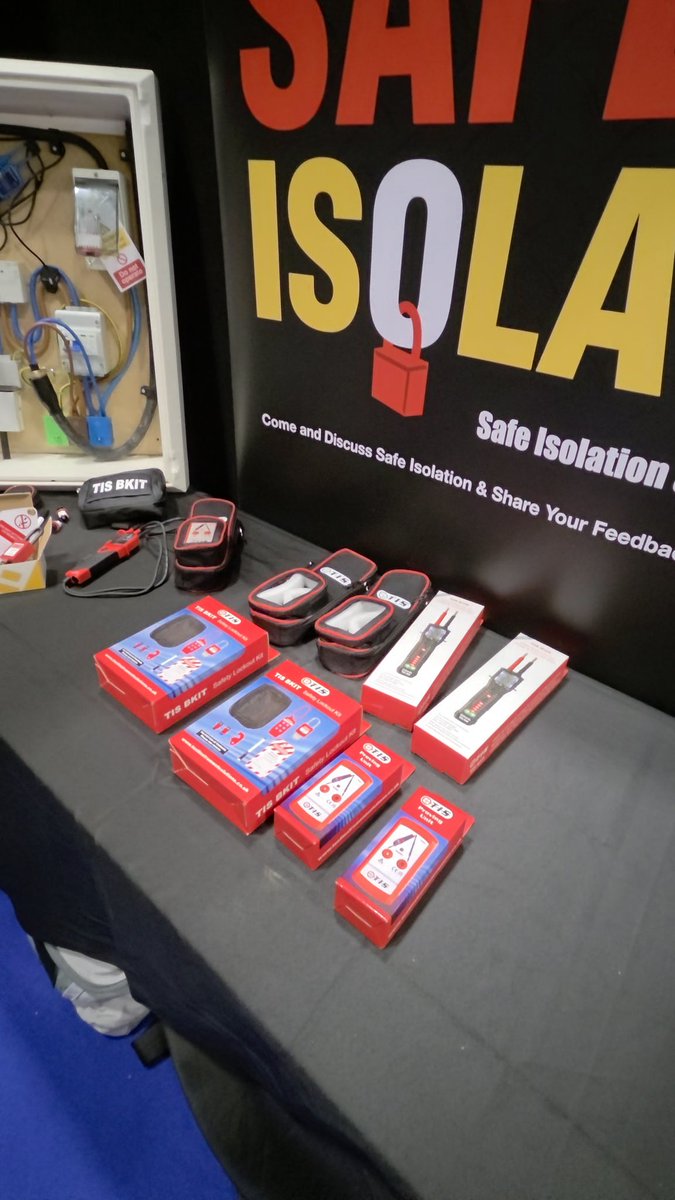
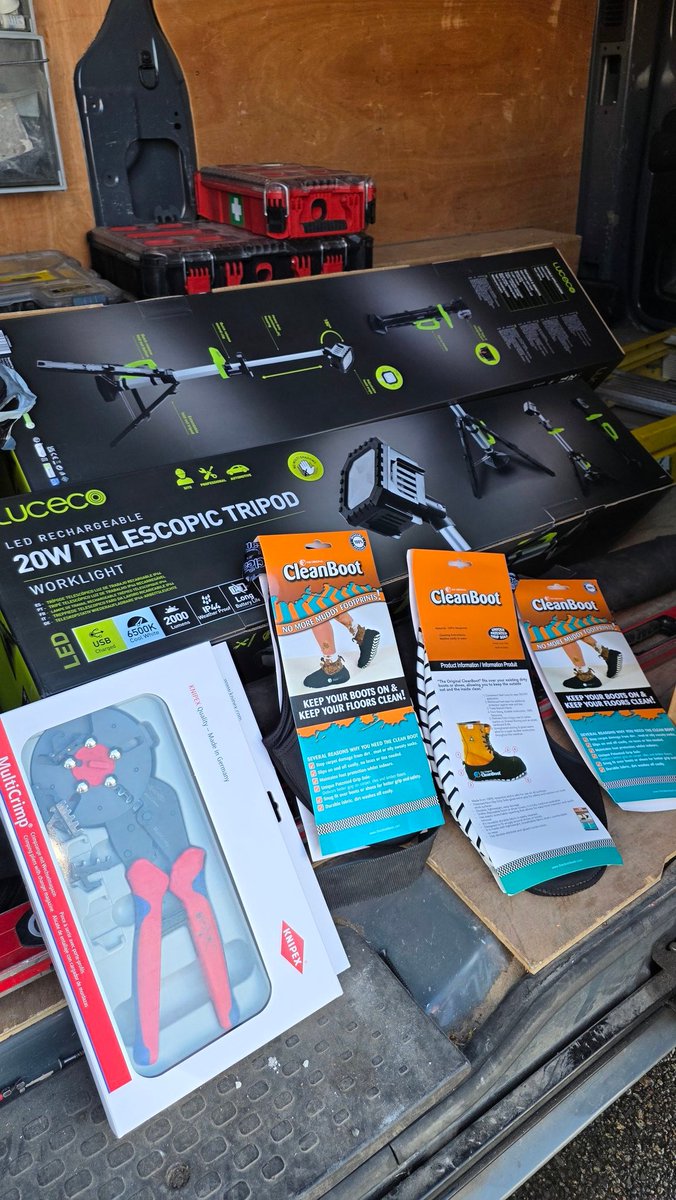
Supporting the @Elexshow with some purchases today. Safe isolation kits as a donation to the stand and safe4september campaign.
If you want to be in with a chance of winning the 2 x safe isolation kits with @Testinstrument 859 voltage indicators tag me in a post with the hash tags #safeisolate and #safe4september
Real world support to others exhibiting and wider industry.
1
3
10
691

Tomorrow’s the day!📍 Join us for Calibration Day at our Shoreham Branch with @Testinstrument, @WISKAUKLtd, and @Contactumltd.
Enjoy product demos, expert advice, and on-site calibration. Don’t miss out! #phaseelectrical #calibrationday #electrician #electricalwholesaler
2
3
78
26 Aug 2025
I found a weird fault through the much maligned Zs test and this isnt the first time I have come across this.
How many main switches do we see drop a phase or RCBOs the same. This could result in situations OCPDs dont always operate when they should.
I appreciate many great trainers do teach and value these methods and its only a few very loud and large providers who would quite like for this to go away.
I do worry the "the industry of things" are endorsing this through over application and fear from work place safety. A hard balance to assess and why that should be left to employers and clients on a case by case basis imho.
Anyway as a nerd for these kind of things I found it very interesting!
Assisted by my trusty @Testinstrument Solutions mft pro. The best in the game! Along with the @SuperRodUK R1R2 link lead.
Longer video coming soon as we found lots of other interesting things!
Short summary is live testing is only as dangerous as the method used by the person doing it. Lets teach them properly. As gatekeepers of safety its what we must and should be doing.
What do you think?
1
4
432
6 Aug 2025
The @knipex_uk PV striper distributed by @Testinstrument in the UK. Relax I bought it and yes its very good!
Will do 2 core PV ultra outer jacket but 4 core is a bit to big.
2
1
4
714
25 Jul 2025
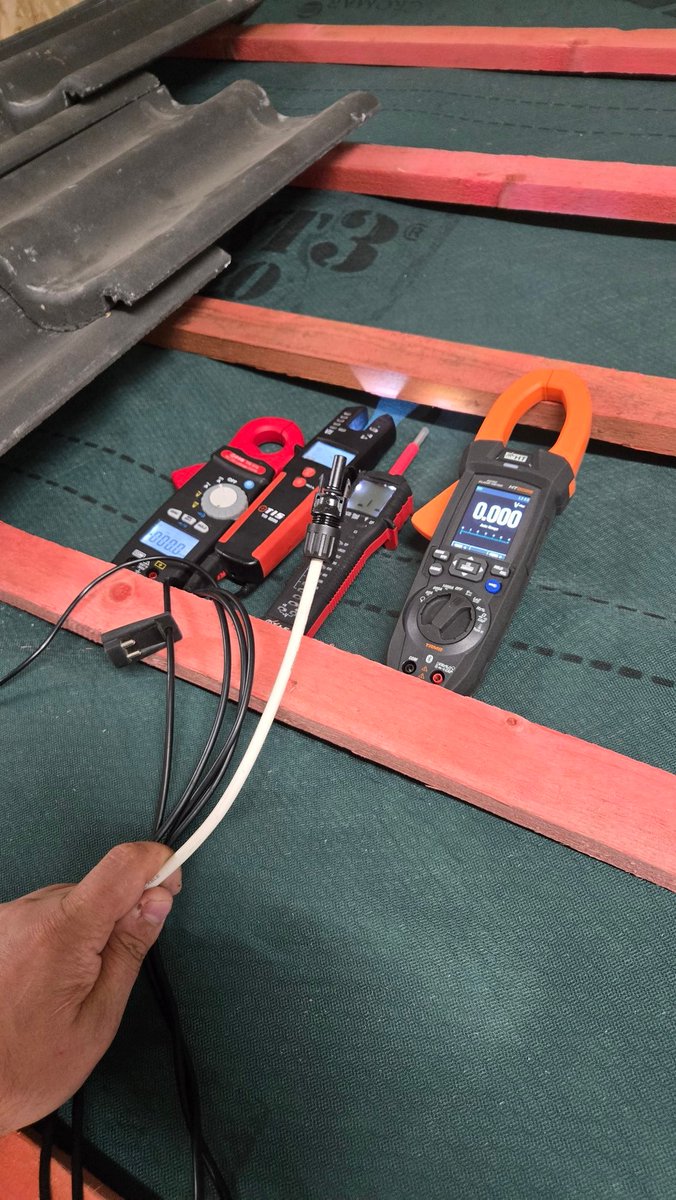
Only the best will do for test equipment at A121 training. @Testinstrument have a range unmatched
1
7
463

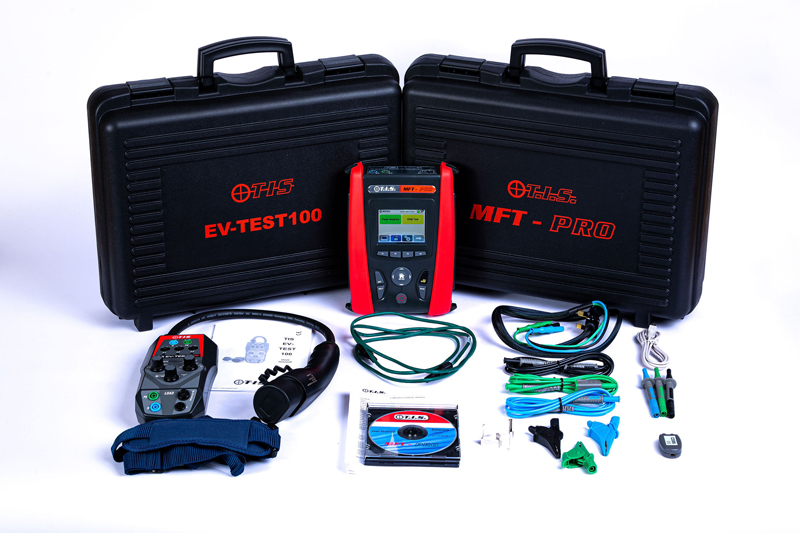
The importance of full testing of EVSE
Find out more here - bit.ly/44lhlLi
@testinstrument #EVSE #testequipment #chargepointtesting #evchargepoints
2
3
235