
I do know that making n day exploits is actually apperently the biggest income gainer for those companies.
I cannot know for sure- but holy shit it smelled like a scam, taking advantage of people in desperate need of an income so they do free labot, for then to wrap the testresult up nicely and forward to european agencies for around 200.000$- paid with the tax money citizens pay.
1
1
272
LOL, the moron who made the video you posted doesn't even know the difference between cycles and cycle threshold... 🤣👍
And I bet you don't know what a false positive PCR testresult is...
1
1
16
195

May 28
If your negative control is positive, you know the test is not ok, will be discarded and the testresult ignored.
So what's t he problem?
1
3
61

May 8
Today we're shipping the first open-core network auditor with a built-in, auditor-grade SOC 2 pre-audit reporter.
NSAuditor AI EE 0.3.1 CE 0.1.29 are live on npm.
📌 The market gap we're closing:
SOC 2 readiness today is split into two camps that don't talk to each other.
GRC platforms (Vanta, Drata, Secureframe) automate the workflow of evidence
collection and auditor handoff — but they have no native vulnerability
scanning. They depend on you to import findings from somewhere else.
Legacy scanners (Tenable, Qualys, Rapid7) produce voluminous CVE reports —
but they don't map findings to TSC controls, don't sign evidence, and don't
speak GRC-platform APIs.
NSAuditor AI EE 0.3.x is the bridge. Deep network and cloud scanning
auditor-mapped findings signed evidence artifacts native push to GRC
platforms — in a single, scriptable CLI workflow.
🔐 What ships in 0.3.x — the full SOC 2 hardening track:
✅ 7 fully covered AICPA Trust Services Criteria 2017 controls
CC6.1 · CC6.2 · CC6.6 · CC6.7 · CC6.8 · CC7.1 · C1.1
(5 partial · 34 explicitly out-of-scope, surfaced in every report)
✅ Cover-page Scope Attestation on every artifact — framework version,
scan window, scope IDs, scanner version, TSA policy lineage.
✅ SHA-256 chain-of-custody — each artifact paired with a .sha256 sidecar,
chain-of-custody envelope binds the bundle.
✅ RFC 3161 trusted timestamping — TSA signing of every evidence artifact,
with cert chain validation, policy-OID negotiation, and X.660 first-arc
constraint enforcement. Real FreeTSA fixtures shipped; openssl ts -verify
integration tested.
✅ Ed25519 cryptographic suppression signing — canonical JSON with RFC 5198
NFC normalization, payload-version-2 framing, 64KiB DoS cap, NFC-key
collision detection, explicit unsupported-type rejection.
✅ Identity verification engine — suppression approvers verified against a
corp identity registry with O(1) lookup and 10k-member perf headroom.
✅ WORM evidence storage — S3 Object Lock COMPLIANCE-mode push with SHA-256
manifest and SEC 17a-4 / FINRA 4511 retention semantics.
✅ Native Vanta GRC connector — TestResult outcome mapping, retry/backoff,
idempotent scan IDs, 1MiB response cap, 180s duration cap, foreign-token
format detection across 18 known non-GRC token prefixes (GitHub, Slack,
AWS, Stripe, GCP, npm). Drata Secureframe on roadmap.
📊 SOC 2 Type II ready:
— Recurring-scan attestation with cadence gap detection and scope-drift
detection (CC8.1 evidence)
— SLA & MTTR engine with per-severity targets, finding-lifecycle tracking,
transient-closure exclusion, semver-aware version-tolerance modes
— Per-approver renewal cadence rolling-quarter trend metric with
governance bands
🎯 Tabletop simulation for CC4.1 CC7.3 monitoring evidence:
A configurable probe-event manifest correlates scanner-emitted control
probes against SIEM detection events. Coverage thresholds presetable
(75/90% for Type II, 85/95% for high-assurance), strict UTC timestamp
enforcement closes a CC7.1/CC7.2 evidence-correlation gap.
📚 Resources:
→ Product home: nsauditor.com/ai/
→ SOC 2 coverage matrix: nsauditor.com/ai/docs/soc2/
#SOC2 #AICPA #Cybersecurity #GRC #Vanta #VulnerabilityManagement
#OpenSource #CloudSecurity #Infosec #DevSecOps #ComplianceAutomation
#RFC3161 #Ed25519 #NSAuditor

2
4
104

Mar 30
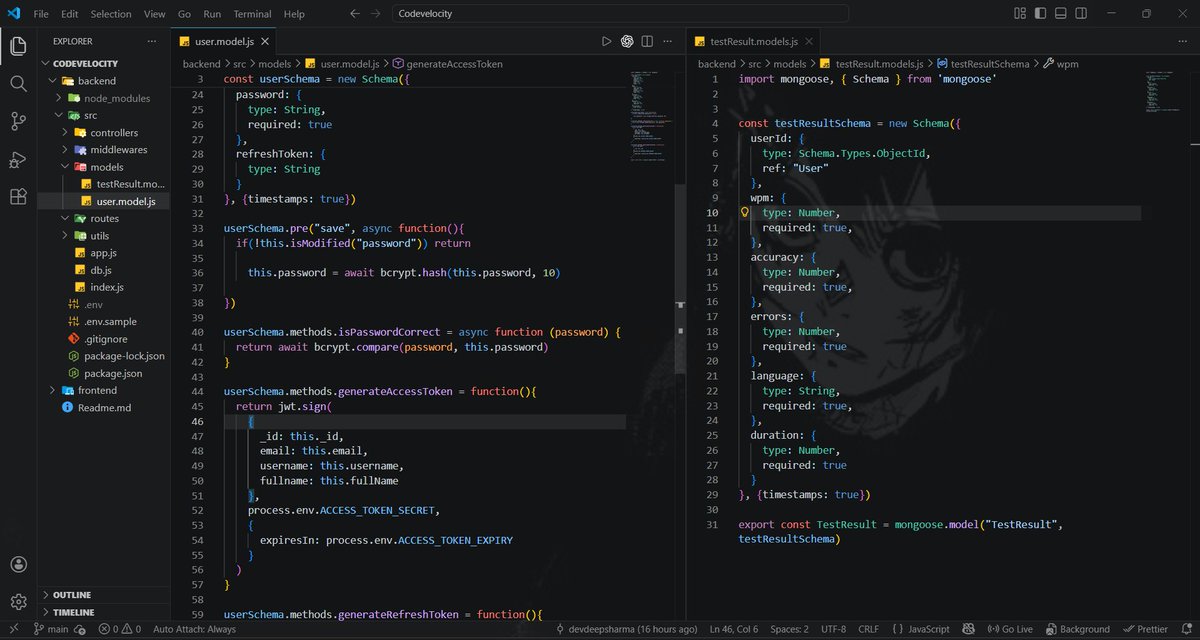
Working on a typing speed test site for programmers.
I have already written 2 schemas, User and TestResult, Will add more if needed.
Today’s aim is to set up some basic routes, middleware, and controllers. Once the basic backend is ready, we’ll move on to the frontend part.
7
48
1,857

Recreating legendary memories Part 7: aftermath of Valentine’s Day 😂 #seasonoflove #fyp #testresult
Voiceover:legendary @osuofia_nkemowoh
2
3
3
40

WEEKLY UPDATE FROM THE REPOS OF NEAR [18-25.12.2025]
The devs are cooking. Here's what shipped this week across the NEAR repositories! 📟
1/ SERIALIZATION FIX - nearcore: GlobalContractIdentifierView
What changed:
• Removed incorrect `serde(untagged)` attribute from GlobalContractIdentifierView
• Maintained backward compatibility for deserialization
• Updated JSON-RPC OpenAPI schema definitions
Why it matters:
This pull request (github.com/near/nearcore/pul…) resolves serialization ambiguity in contract identifiers, ensuring deterministic state initialization and proper API responses.
2/ NETWORK ENUM REFACTOR - nearcore
What changed:
• Applied explicit discriminants to network enums following #13867 pattern
• Removed `_Unused*` variants from `RoutedMessageBody` enum
• Replaced previous implementation from #14797
Why it matters:
This pull request (github.com/near/nearcore/pul…) improves network code maintainability by eliminating unused enum variants and standardizing enum discriminant handling.
3/ CONTINUOUS RELEASE TESTING - nearcore
What changed:
• Added new TestReleaseCandidate scenario for automated release testing
• Parameterized testing with source/destination binaries and protocol versions
• Enhanced forknet_scenario.py with 42 lines of new functionality
• Created test_release_candidate.py with 79 lines of test implementation
Why it matters:
This pull request (github.com/near/nearcore/pul…) automates release candidate validation by testing protocol version upgrades between current and master binaries - improves release reliability without affecting developer workflows.
4/ GLOBAL CONTRACT ID HELPER - near-sdk-rs
What changed:
• Added `env::current_global_contract_id()` method to retrieve global contract identifiers
• Removed previous `AccountContract::into_global()` conversion approach
Why it matters:
This pull request (github.com/near/near-sdk-rs/…) provides a cleaner API for accessing global contract IDs in NEAR smart contracts - simplifies code when working with cross-contract calls.
5/ DOCS CLARIFICATION - near-sdk-rs
What changed:
• Updated store module documentation to clarify LookupSet writes directly to storage on each operation
• Removed misleading comments about deferred writes in LookupSet tests
• Explicitly stated LookupSet as an exception to Drop/flush-based persistence
Why it matters:
This pull request (github.com/near/near-sdk-rs/…) prevents developer confusion about gas costs and storage semantics when using LookupSet collections in smart contracts.
6/ OMNIBRIDGE DOCS - docs: Chain-to-Chain Transaction Flow
What changed:
• Added transaction flow documentation for transfers between non-NEAR chains using NEAR as intermediary
• Described how bridge creates forwarding messages for cross-chain routing
• Explained user perspective as single operation with automatic relayer handling
Why it matters:
This pull request (github.com/near/docs/pull/29…) clarifies how developers can implement cross-chain transfers using NEAR as routing layer - essential for building multi-chain applications.
7/ NEW RELEASE - near-cli-rs v0.23.2
What changed:
• New commands for getting MPC-derived public keys via `account -> get-public-key -> from-mpc`
• New commands for adding MPC-derived access keys via `account -> add-key -> use-mpc-contract`
Why it matters:
This release (github.com/near/near-cli-rs/…) enables CLI interaction with MPC-based key management, expanding secure account access options for developers.
8/ MPC COMMANDS ADDED - near-cli-rs
What changed:
• Added `account -> get-public-key -> from-mpc` command
• Added `account -> add-key -> use-mpc-contract` command
Why it matters:
This pull request (github.com/near/near-cli-rs/…) adds MPC-derived access key management capabilities to the CLI - enabling secure key generation and account access through multi-party computation.
9/ TEMPLATE UPDATE - cargo-near: Replaced Hello World with Auction Example
What changed:
• Replaced greeting contract template with comprehensive auction contract demonstrating state management and payable functions
• Updated dependencies including near-sdk (5.16 → 5.23) and near-workspaces (0.21 → 0.22)
• Migrated integration tests from color-eyre to testresult error handling
• Enhanced README with detailed initialization instructions and platform-specific commands
Why it matters:
This pull request (github.com/near/cargo-near/p…) provides developers with a more practical starting template that teaches key NEAR concepts like promises, state management, and money handling - replacing the overly simplistic Hello World example.
10/ SECURITY FIX - threshold-signatures: EDDSA Zeroization Patch
What changed:
• Fixed improper zeroization of `SigningShare` in EDDSA implementation
• Modified memory cleanup logic in `src/eddsa/sign.rs`
Why it matters:
This pull request (github.com/near/threshold-si…) addresses a security vulnerability by ensuring sensitive cryptographic material is properly erased from memory.
11/ TYPE-SAFE MIGRATION - omni-transaction-rs
What changed:
• Replaced raw U64/U128 types with NearGas and NearToken wrappers for all transaction actions
• Added convenient helper methods like `NearToken::from_near(1)` and `NearGas::from_tgas(100)`
• Updated documentation and README with new type-safe usage examples
• Re-exported NearGas, NearToken, AccountId types from `omni_transaction::near::types` module
Why it matters:
This pull request (github.com/near/omni-transac…) eliminates error-prone yoctoNEAR and gas unit manipulation while maintaining full backward compatibility - developers should update imports to use the new safe types.
Check out the full repositories:
1. github.com/near/nearcore
2. github.com/near/near-sdk-rs
3. github.com/near/docs
4. github.com/near/near-cli-rs
5. github.com/near/cargo-near
6. github.com/near/threshold-si…
7. github.com/near/omni-transac…
Sign up and get the weekly NEAR ecosystem newsletter at:
subscribe.nearweek.com
5
2
33
5,803

15 Nov 2025
You keep missing the point. PCR isn't used as a clinical diagnose, it's used to test for the presence of virus material (=infection). Clinical diagnosis is done by a physician who will interpret the testresult and consider factors like symptoms and history when diagnosing...
2
2
30
15 Nov 2025
PCR diagnoses the presence of specific virus material and the testresult is used for diagnosis so yes, it's a diagnostic test that's used for diagnosis. You do know what "to diagnose" means?
1
2
50
15 Nov 2025
Like I said all along, PCR isn't used to diagnose a disease. It's used to test for presence of virus material (=infection). The testresult is used:
1. By health authorities to take measures to prevent the spread of the virus
2. By physicians for diagnosis in a clinical setting
1
2
40

9 Nov 2025
Diagnosis - B) Paget’s disease of bone
Pathophysiology:
Caused by increased osteoclastic bone resorption, followed by disorganized osteoblastic bone formation → structurally weak bone.
The process occurs in phases:
1. Lytic (osteoclastic) phase
2. Mixed phase
3. Sclerotic (osteoblastic) phase
Common Sites:
Skull → hearing loss (CN VIII compression)
Spine → back pain, kyphosis
Pelvis, femur → bone deformities, fractures
Investigations:
TestResult
- ALP↑↑ (very high)
- Calcium, phosphateNormal
- Bone scanPatchy increased uptake
- X-rayCotton wool skull, bone enlargement, cortical thickening
Treatment:
Bisphosphonates (e.g., alendronate, zoledronate) – inhibit osteoclasts
Calcitonin – second-line
Analgesics – for bone pain
Why not others?
A) OsteoporosisNormal ALP, normal calcium, no bone pain until fracture.
C) Osteomalacia↓ Calcium/phosphate, ↑ ALP, bone pain but no deafness.
D) Hyperparathyroidism↑ Calcium, ↓ phosphate, bone resorption (“salt and pepper skull”).
1
11
1,581
7 Nov 2025
The test doesn't conclude anything. It just tests what it's designed for. It's up to a physician to interpret the testresult and to conclude stuff. So you think physicians massively misdiagnosed here, or are you referring to health authorities that only looked at infections?..
2
50
22 Oct 2025
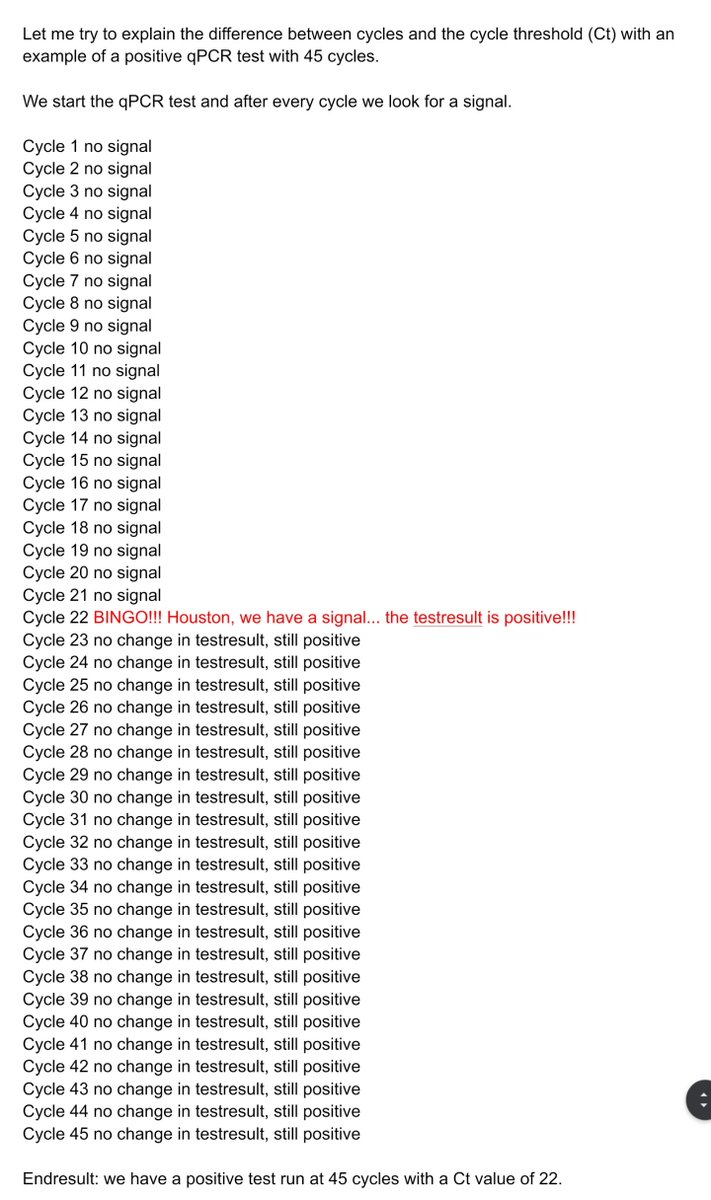
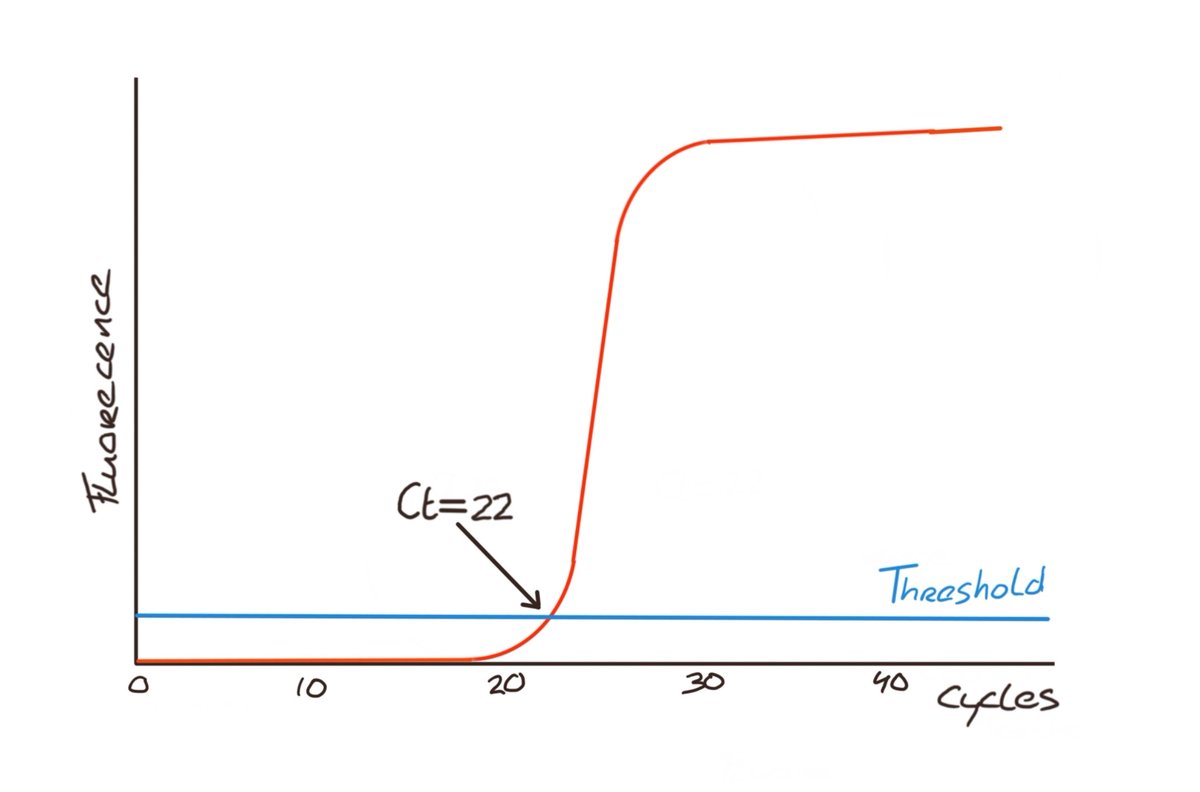
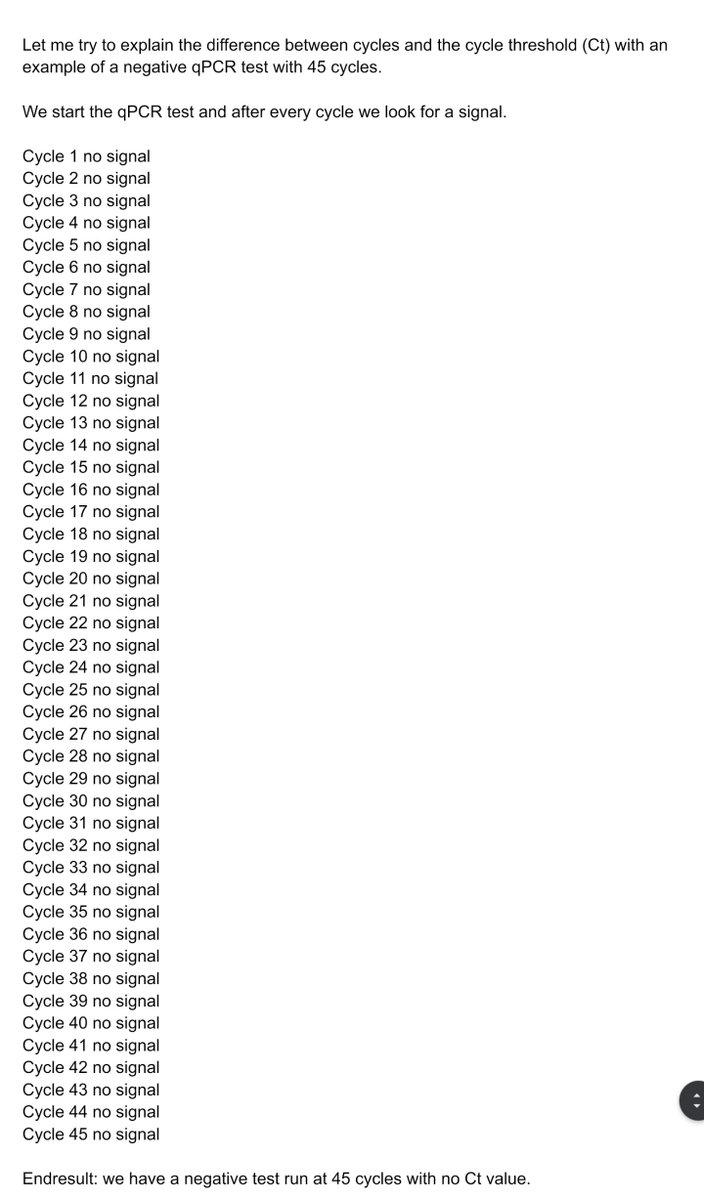
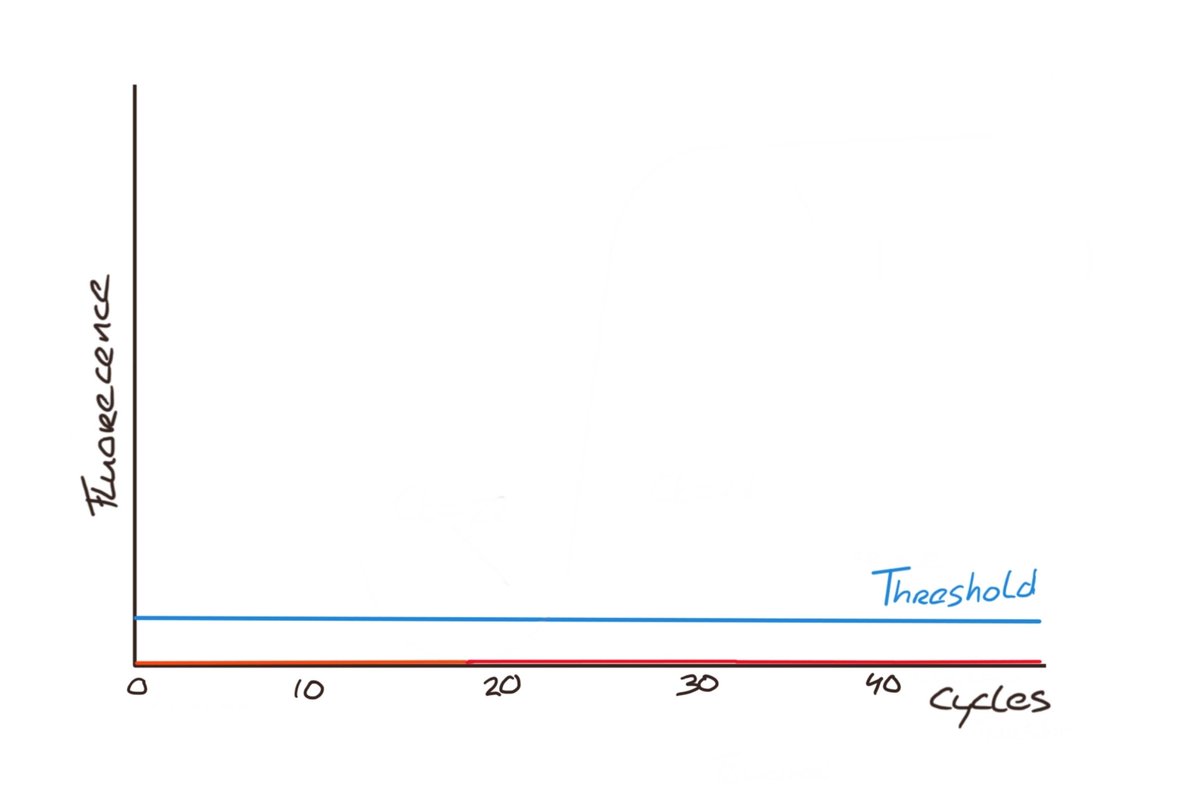
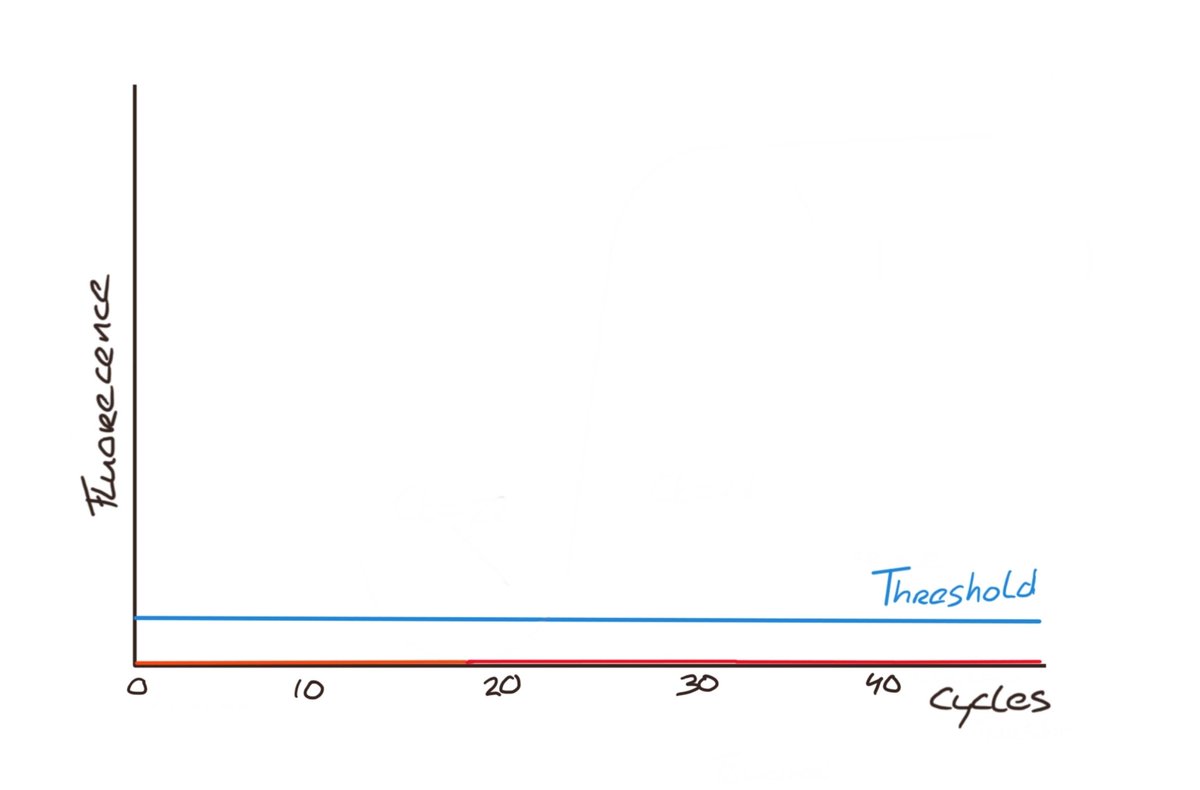
Yes, and that's not related to the number of cycles that's used for the test (provided enough cycles were used to reach Ct). You can have a test run at 45 cycles that has a Ct of 30. The cycles after Ct won't change the testresult.
1
1
39
11 Oct 2025
The case definition is quite clear and clinical diagnosis done by a physician doesn't invalidate the PCR testresult. You're moving g the goalposts.
1
2
43
11 Oct 2025
B.t.w., we've had this conversation on cycles before, extra cycles won't change the testresult...
1
1
14
3 Aug 2025
PCR doesn't diagnose infectiousness or disease. PCR is used to detect virus material (=infection) and in a clinical setting a physician can use the testresult (together with other inputs) for diagnosis.
When used by health authorities (to find cases), only precence is relevant.
1
2
49
6 Jul 2025
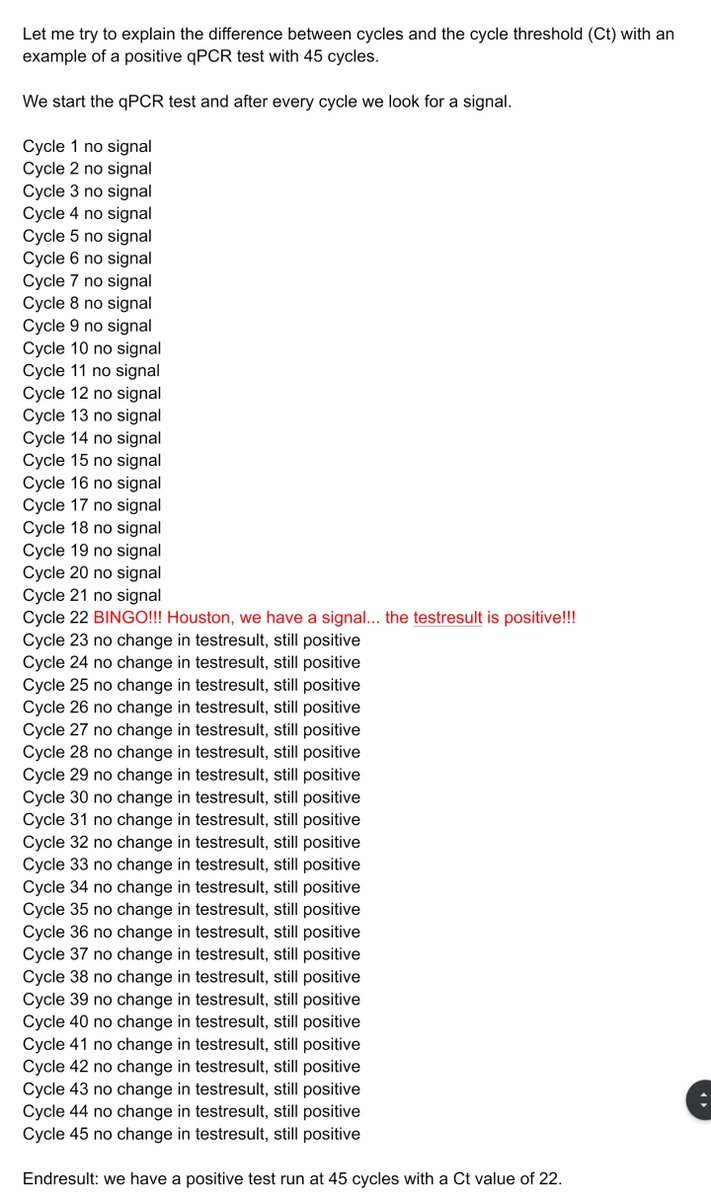
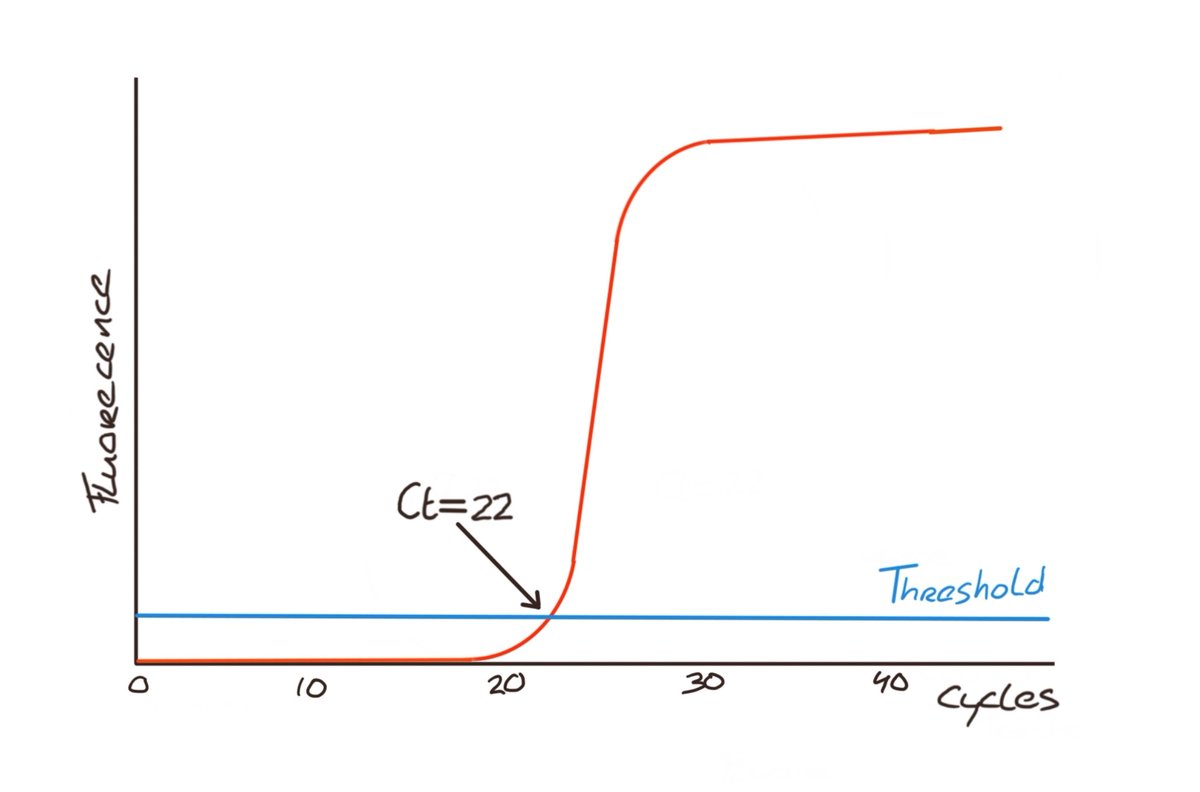
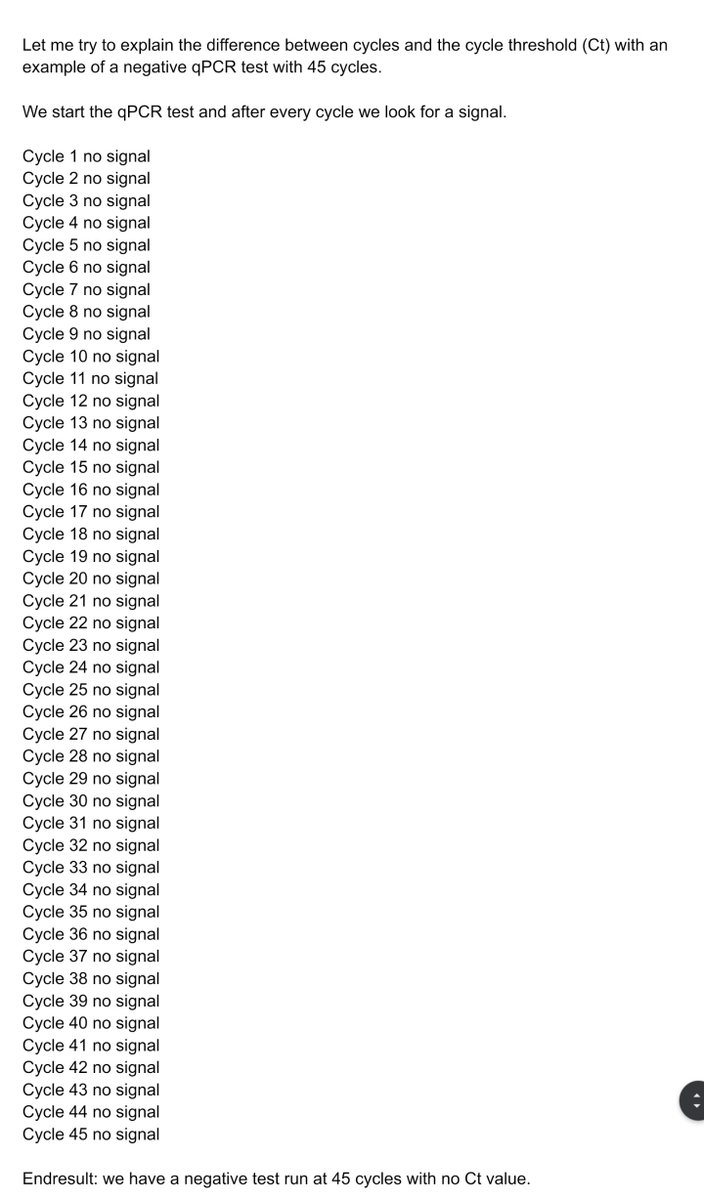
It's quite simple to explain how 40 cycles aren't a problem. PCR is used to detect virus material and for that the target material is amplified to make it measurable. It doesn't matter how much you amplify it after detection because that won't change the testresult.
2
2
130

“You have a New TestResult in MyChart”

4
52
3,179

12 Jun 2025
Case based Learning :Muscle symptoms can persist even after biochemical correction of hypothyroidism
Chief Complaints
Generalized muscle weakness
Muscle cramps and stiffness
Fatigue
Difficulty in climbing stairs and lifting objects
Past Medical History
Hashimoto’s thyroiditis
On levothyroxine 75 mcg daily
Examination Findings
No acute distress
Proximal muscle weakness noted (suggestive of myopathy pattern)
Normal vital signs
Investigations
TestResult.
TSH2.4 mIUL (0.4–4.5 mIU/L)
Free T4-0.8 ng/dL (0.8–1.8 ng/dL)
Low-normal (borderline)
Creatine Kinase (CK)-Elevated[Lab specific]
Suggestive of muscle involvement
Diagnosis
Hypothyroid Myopathy
Subacute presentation with muscle weakness and elevated CK
No evidence of hyper- or overt hypothyroidism biochemically
Currently on appropriate replacement dose
Differential Diagnosis
Polymyositis or dermatomyositis (less likely due to lack of rash or systemic symptoms)
Statin-induced myopathy (if statin used — not mentioned)
Corticosteroid-induced myopathy (not applicable here)
Electrolyte disturbances (to be ruled out if clinical suspicion)
Management Plan
✅ Most Appropriate Next Step:
Continue current dose of levothyroxine and monitor thyroid function
🧠 Rationale:
Patient is clinically euthyroid (TSH 2.4, free T4 borderline low but within range).
Hypothyroid myopathy often lags behind biochemical normalization.
Increasing dose without clinical indication risks iatrogenic hyperthyroidism.
EMG not necessary at this stage; often normal in hypothyroid myopathy.
Steroids are not indicated unless inflammatory myopathy is confirmed.
🔄 Follow-up:
Re-evaluate symptoms in 3–4 weeks
Repeat TSH and free T4 in 4–6 weeks
Consider CK monitoring for improvement
If symptoms persist, consider EMG and neurology referral
Clinical Pearls
🧠 Muscle symptoms can persist even after biochemical correction of hypothyroidism.
📉 EMG can be normal in up to 50% of patients with hypothyroid myopathy.
⚠️ Avoid overtreatment with thyroid hormone unless TSH rises above upper limit or clinical worsening occurs.
✅ Final Recommendation: Continue levothyroxine 75 mcg daily, monitor thyroid profile and symptoms. No immediate need to escalate therapy or perform EMG.
1
6
14
670

25 May 2025
自分のデータを収集し
自分の活動の効率化を考えてくれる
未来的な意味不明なプロンプトww
マルチツール統合型
個人用AIアシスタント構築プロンプト ver0.1
これはほんまに😂おかしい...
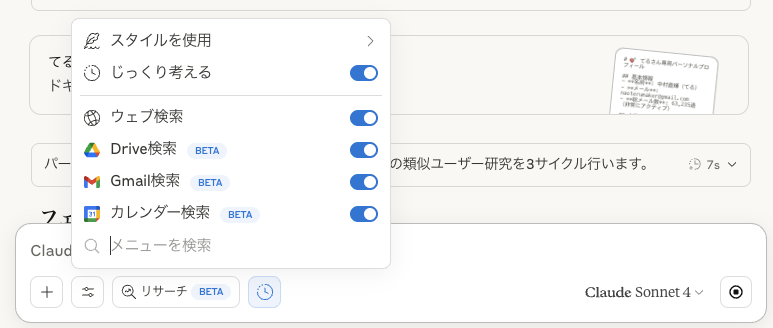
Claude 4 Opus じっくり考えるを押すこと
さらに全部のツールを連携すること画像のように
将来性がたかいのでver0.1
マジでやばい...
----
入力: {目的・用途}
*lang:ja
## フェーズ0: パーソナルコンテキスト収集
<thinking>
ユーザーの仕事・生活パターンを把握し、完全個人化されたAIアシスタントの基盤を構築
</thinking>
**Step 0.1: デジタルライフ分析**
```
ask_user("あなた専用のAIアシスタントを作ります:
1. 主な仕事内容・業界は?
2. よく使うツール・アプリは?
3. 困っていることや自動化したいことは?")
```
**Step 0.2: 行動パターン解析**
```python
# Gmail分析でコミュニケーションパターン把握
read_gmail_profile()
search_gmail_messages(q="is:sent") # 送信メール分析
search_gmail_messages(q="is:important") # 重要メール分析
# カレンダーで時間使用パターン分析
list_gcal_calendars()
list_gcal_events(time_min="2025-05-01T00:00:00 09:00",
time_max="2025-05-25T23:59:59 09:00")
# Drive で作業ファイル分析
google_drive_search(api_query="modifiedTime > '2025-05-01'",
semantic_query="最近の作業ファイル")
repl(code="""
// 行動パターン分析
const emails = {メールデータ};
const calendar = {カレンダーデータ};
const files = {ドライブデータ};
const patterns = analyzeUserBehavior(emails, calendar, files);
console.log('作業時間帯:', patterns.workHours);
console.log('コミュニケーション傾向:', patterns.communication);
console.log('よく使うツール:', patterns.frequentTools);
console.log('ストレスポイント:', patterns.painPoints);
""")
```
**Output:** `personal_profile`(個人の行動・嗜好パターン)
## フェーズ1: 類似ユーザー研究ループ(3回必須)
```python
for research_cycle in range(3):
<thinking>
research_cycle={research_cycle}の調査対象:
0回目: 同業界・同職種のワークフロー
1回目: 効率化事例・ツール活用術
2回目: AI活用成功例・個人最適化手法
</thinking>
if research_cycle == 0:
# 同業界のワークフロー調査
web_search(query=f"{personal_profile.industry} 業務効率化 ツール")
web_search(query=f"{personal_profile.job_type} 一日の流れ ワークフロー")
elif research_cycle == 1:
# 効率化・自動化事例収集
web_search(query=f"個人 業務効率化 成功事例 {personal_profile.pain_points[0]}")
web_search(query=f"時間管理 ツール活用 {personal_profile.work_style}")
else: # research_cycle == 2
# AI・最新ツール活用例
web_search(query="個人向け AI活用 業務改善 2024 2025")
web_search(query=f"ChatGPT Claude 活用法 {personal_profile.industry}")
# 収集データの個人適合性分析
repl(code=f"""
const researchData = {収集結果};
const userProfile = {personal_profile};
const compatibility = analyzeCompatibility(researchData, userProfile);
const applicableIdeas = filterApplicableIdeas(researchData, userProfile);
console.log('サイクル{research_cycle} 適用可能度:', compatibility.score);
console.log('実装可能なアイデア:', applicableIdeas);
""")
artifacts(command="create", type="text/markdown",
id=f"research_cycle_{research_cycle}",
title=f"調査サイクル{research_cycle 1}: {調査テーマ}",
content=f"## 収集情報\n{要約}\n## 個人適合性\n{分析結果}")
```
**Output:** `optimization_ideas[]`(個人に適した改善アイデア集)
## フェーズ2: アシスタント設計・機能設計
<thinking>
収集した情報と個人パターンから、最適なAIアシスタント機能を設計
実装可能性と効果を重視した機能選定
</thinking>
```python
# 機能設計・優先度分析
repl(code=f"""
const userNeeds = {personal_profile.pain_points};
const ideas = {optimization_ideas};
const availableTools = {全ツールリスト};
const assistant = designPersonalAssistant(userNeeds, ideas, availableTools);
console.log('コア機能:', assistant.core_functions);
console.log('自動化対象:', assistant.automation_targets);
console.log('必要ツール組み合わせ:', assistant.tool_combinations);
console.log('実装優先度:', assistant.priority_matrix);
""")
artifacts(command="create", type="text/markdown",
id="assistant_blueprint", title="個人用AIアシスタント設計図",
content=f"""
# {ユーザー名}専用AIアシスタント「{アシスタント名}」
## 基本機能
{コア機能リスト}
## 自動化ワークフロー
{ワークフロー設計}
## ツール連携マップ
{ツール組み合わせ図}
## 段階的実装計画
{優先度別実装順序}
""")
```
**Output:** `assistant_blueprint`(完全設計図)
## フェーズ3: 機能実装ループ(優先度順に5回)
```python
priority_functions = get_priority_functions(assistant_blueprint)
for impl_round in range(5):
current_function = priority_functions[impl_round]
<thinking>
impl_round={impl_round}: {current_function.name}の実装
必要ツール: {current_function.required_tools}
実装方式: {current_function.implementation_type}
</thinking>
# 機能別実装
if current_function.type == "email_automation":
# メール効率化機能
demo_emails = search_gmail_messages(q="is:unread")
repl(code=f"""
const emails = {demo_emails};
const automation = createEmailAutomation(emails, {personal_profile});
console.log('自動分類ルール:', automation.classification);
console.log('テンプレート:', automation.templates);
""")
elif current_function.type == "schedule_optimization":
# スケジュール最適化
events = list_gcal_events(max_results=50)
free_time = find_free_time(calendar_ids=["primary"],
time_min="2025-05-26T00:00:00 09:00",
time_max="2025-06-02T23:59:59 09:00")
repl(code=f"""
const schedule = {events};
const freeSlots = {free_time};
const optimizer = createScheduleOptimizer(schedule, freeSlots, {personal_profile});
console.log('最適化提案:', optimizer.suggestions);
""")
elif current_function.type == "document_intelligence":
# 文書管理AI
documents = google_drive_search(api_query="mimeType='application/vnd.google-apps.document'")
repl(code=f"""
const docs = {documents};
const intelligence = createDocumentAI(docs, {personal_profile});
console.log('自動整理ルール:', intelligence.organization);
console.log('検索最適化:', intelligence.search_enhancement);
""")
elif current_function.type == "research_assistant":
# リサーチ支援AI
sample_query = personal_profile.frequent_research_topics[0]
web_search(query=f"{sample_query} 最新 2025")
repl(code=f"""
const sampleResearch = {検索結果};
const researchAI = createResearchAssistant(sampleResearch, {personal_profile});
console.log('情報収集戦略:', researchAI.strategy);
console.log('分析フレームワーク:', researchAI.analysis);
""")
else: # custom_function
# カスタム機能実装
repl(code=f"""
const customSpec = {current_function};
const implementation = implementCustomFunction(customSpec, {personal_profile});
console.log('実装詳細:', implementation);
""")
# 実装結果をコード化
artifacts(command="create", type="application/vnd.ant.code",
language="javascript", id=f"function_{impl_round}",
title=f"機能{impl_round 1}: {current_function.name}",
content=f"// {current_function.name}の実装\n{実装コード}")
```
**Output:** `implemented_functions[]`(5つの実装済み機能)
## フェーズ4: 統合・インターフェース構築
<thinking>
個別機能を統合し、使いやすいインターフェースを構築
ユーザーの操作習慣に合わせたUI/UX設計
</thinking>
```python
# 機能統合分析
repl(code=f"""
const functions = {implemented_functions};
const userPrefs = {personal_profile.interface_preferences};
const integration = integrateAllFunctions(functions);
const interface = designUserInterface(integration, userPrefs);
console.log('統合アーキテクチャ:', integration.architecture);
console.log('データフロー:', integration.data_flow);
console.log('UI設計:', interface.design);
console.log('操作フロー:', interface.user_flow);
""")
# メインインターフェース実装
artifacts(command="create", type="application/vnd.ant.react",
id="personal_assistant_ui", title=f"{ユーザー名}専用AIアシスタント",
content=f"""
import React, {{ useState, useEffect }} from 'react';
import {{ Calendar, Mail, FileText, Search, Settings }} from 'lucide-react';
export default function PersonalAssistant() {{
// {personal_profile.name}専用AIアシスタント
// 実装された5つの機能を統合したインターフェース
const [activeFunction, setActiveFunction] = useState('dashboard');
const [userContext, setUserContext] = useState({personal_profile});
return (
<div className="min-h-screen bg-gradient-to-br from-blue-50 to-indigo-100">
{{/* ユーザー専用ダッシュボード実装 */}}
{{/* 5つの機能へのアクセス */}}
{{/* パーソナライズされたUI */}}
</div>
);
}}
""")
```
**Output:** `integrated_assistant`(完全統合版アシスタント)
## フェーズ5: 学習・適応機能実装
<thinking>
ユーザーの使用パターンから学習し、継続的に改善される仕組みを構築
フィードバックループとパフォーマンス測定機能
</thinking>
```python
# 学習機能設計
repl(code=f"""
const userBehavior = {personal_profile};
const usage_patterns = analyzeUsagePatterns();
const learning_system = designLearningSystem(userBehavior, usage_patterns);
console.log('学習アルゴリズム:', learning_system.algorithms);
console.log('適応メカニズム:', learning_system.adaptation);
console.log('フィードバック収集:', learning_system.feedback);
""")
# 自己改善機能実装
artifacts(command="create", type="application/vnd.ant.code",
language="javascript", id="learning_engine",
title="自己学習・適応エンジン",
content=f"""
// 個人用AIアシスタント学習エンジン
class PersonalAssistantLearning {{
constructor(userProfile) {{
this.profile = userProfile;
this.behaviorLog = [];
this.preferences = new Map();
this.efficiency_metrics = {{}};
}}
// 使用パターン学習
learnFromUsage(interaction) {{
// {personal_profile.name}の行動パターンを学習
}}
// 個人最適化
optimizeForUser() {{
// 継続的な個人化改善
}}
// 効果測定
measureEffectiveness() {{
// ROI・時間節約・満足度測定
}}
}}
""")
```
**Output:** `adaptive_learning_system`
## フェーズ6: テスト・実証・改善
<thinking>
実際のユーザーデータで動作テストを実施し、効果を測定
改善点を特定し、最終調整を実行
</thinking>
```python
# 実データテスト
test_scenarios = create_test_scenarios(personal_profile)
for scenario in test_scenarios:
# 実際のGmail/Calendar/Driveデータでテスト
if scenario.type == "email_test":
test_emails = search_gmail_messages(q=scenario.query)
test_result = run_email_automation_test(test_emails)
elif scenario.type == "schedule_test":
test_events = list_gcal_events(time_min=scenario.time_range.start)
test_result = run_schedule_optimization_test(test_events)
# 他のテストシナリオ...
repl(code=f"""
const testResult = {test_result};
const performance = measurePerformance(testResult);
console.log('テスト結果:', performance.metrics);
console.log('改善提案:', performance.improvements);
""")
# 最終統合・パッケージング
artifacts(command="create", type="text/markdown",
id="personal_assistant_complete",
title=f"{ユーザー名}専用AIアシスタント完全版",
content=f"""
# 🤖 {ユーザー名}専用AIアシスタント「{アシスタント名}」
## 📊 あなたのプロフィール
{personal_profile要約}
## 🚀 実装済み機能
{5つの機能詳細}
## 🔧 使い方ガイド
{操作手順}
## 📈 効果測定結果
{テスト結果・期待効果}
## 🔄 継続改善計画
{学習・適応機能説明}
## 📝 カスタマイズオプション
{追加設定・調整方法}
""")
```
**Output:** `complete_personal_assistant`(テスト済み完全版)
## 制約・品質保証
- **完全個人化**: ユーザーの実データを基盤とした設計
- **実用性重視**: 理論より実際の効果を優先
- **段階的構築**: 小さく始めて継続的に拡張
- **データプライバシー**: 個人情報の適切な取り扱い
- **効果測定**: 定量的な改善効果の追跡
- **継続学習**: 使用とともに賢くなる仕組み
このプロンプトにより、Claude 4の全ツールを活用した、完全にパーソナライズされた実用的AIアシスタントが構築されます。
25 May 2025

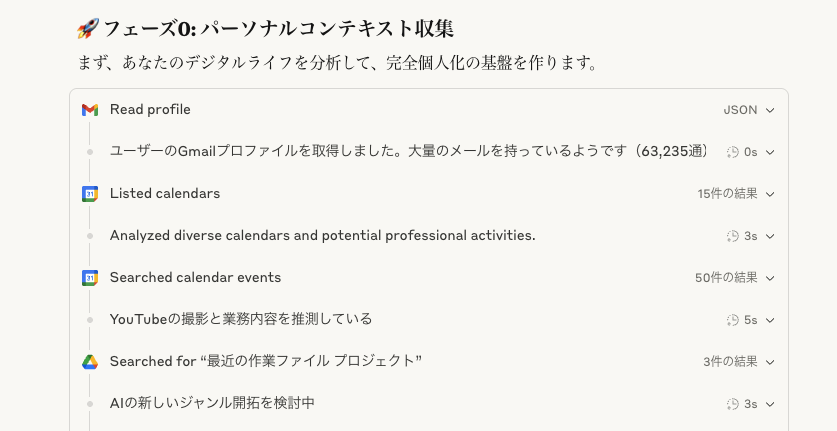
ほれみろ!Claudeで確実にツールの
発火できるのわかったから
パーソナルコンテキストの収集してるぞ
Gmail→カレンダー→Google Driveの確認
35
17,939