
The KJV was based upon the Textus Receptus. Erasmus, the author of the original TR, did not have access to the Codex Sinaiticus and Codex Vaticanus at the time, our two oldest complete copies of Matthew dating to around 325-350AD. The verse is not in either of these old copies.
15

That's Ruckmanism which treats it as superior to the original manuscripts, which I think is as bad using the new versions since it denies perfect preservation of scripture. I reject the validity of the "older" manuscripts since they don't match up with the Textus Receptus.
10

As a young Christian the choices were KJV, RSV, ASV, or NASB. After courses in Koine using the Nestle text I heard nothing but excoriation from the Textus Receptus crowd on textual criticism. It seemed strange that those claiming a love of the Word hated being sure of that Word.
38

SimpleModeling.orgで新しい記事を公開しました。
「Textus Samples: Launcherとインストール」
Textus Samples シリーズを開始しました。
まずは cozy / cncf / textus launcher の役割とインストール方法から。
simplemodeling.org/ja/compon…
1
A new article has been published on SimpleModeling.org:
“Textus Samples: Launchers and Installation"
Starting the Textus Samples series.
The first article covers the roles and installation of the cozy, cncf, and textus launchers.
simplemodeling.org/en/compon…
1

18h
Well...that's not true cause demons aren't real.
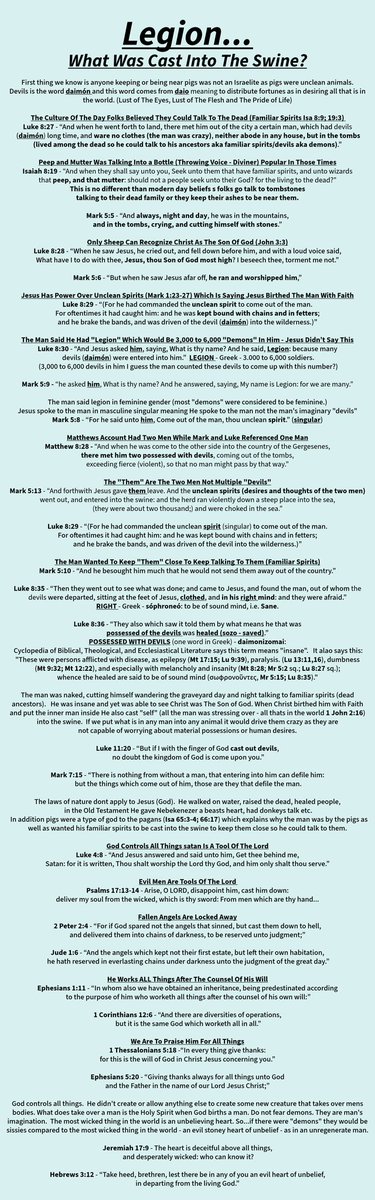
In biblical truth according to Scripture (KJV), the term “demon” is not in the Bible — the word most commonly translated as “devil(s)” comes from the Greek word daimonion, which has a vastly different meaning than what modern theology and tradition teach.
🔹 What Is a Demon?
A “demon” is not a fallen angel, a creature, or some disembodied evil spirit possessing people. The concept of demons as supernatural beings who enter into humans is not found in Scripture, especially not in the Textus Receptus or KJV.
Instead, the Greek word daimonion means:
Daimonion (δαιμόνιον): A distributor of fortunes; the appetite or influence of the flesh. — From root word daio: “to distribute”
This refers to the desire of the carnal man — the outer man, or the unregenerate heart, not a spirit being.
"The heart is deceitful above all things, and desperately wicked: who can know it?" (Jer 17:9)
There is nothing more dangerous in this world than the wicked heart of man. If a demon were real, it would be a sissy compared to the evil potential of a human heart in rebellion against God.
"There is nothing from without a man, that entering into him can defile him: but the things which come out of him, those are they that defile the man." (Mark 7:15)
🔹 The Biblical Explanation
When Christ cast out unclean spirits or devils, He wasn’t casting out invisible spirit creatures, but the unclean desires and lusts of the flesh. Scripture equates an unclean spirit with an unregenerate man.
“And always, night and day, he was in the mountains… crying, and cutting himself with stones.” (Mk 5:5)
This man was not possessed by fallen angels, but rather overwhelmed by the lusts, greed, rage, and agony of the flesh — the very desires distributed by the daimonion nature of man
“So then they that are in the flesh cannot please God.” (Rom 8:8)
“Now the works of the flesh are manifest, which are these; Adultery, fornication, uncleanness…” (Gal 5:19)
These works are what Christ was purging from men — not spirits, but sinful fleshly desires.
🔹 What Went Into the Swine?
In Mark 5, the "legion" cast into the herd of swine was not a horde of invisible beings — it was a representation of the man's many carnal desires and unclean ways. Swine were considered unclean animals, and the story demonstrates the fleshly nature of the man being overcome and driven away.
🔹 Are Demons Real Beings?
No. The Bible never says they are real, personal beings. This belief is imported from paganism and later church traditions, particularly from Catholic doctrine, which absorbed Greek mythology where daimons were lesser gods or spirits.
The things which the Gentiles sacrifice, they sacrifice to devils… (1 Cor 10:20)
The word devils here is daimonion — not real beings, but fleshly corruptions tied to idolatry and sin.
Summary:
Demon (daimonion) = Desires of the flesh, distributor of fortunes, carnal appetites
Not fallen angels or spirit creatures
Unclean spirit = Unregenerate man
Christ cast out the inward man of sin (Rom 7:18)
Root of all evil is the heart of man, not external forces (Jam 1:14–15)
Demons, if real, would still be no match for the vile deceit of man’s own wicked heart (Jeremiah 17:9, Mk 7:15)
So by casting the desires of the flesh into the swine Christ overturned teb laws of nature. Is this shocking? Not when we see the long list of times He overturned the laws of nature before.
Donkey talking in Numbers 22:28-30
Sun standing still in Joshua 10:12-13
Egypt plagues in Exodus 7-12
Red Sea parting in Exodus 14
Manna from sky in Exodus 16
The Flood in Genesis 6-9
Burning Bush in Exodus 3:2
Jordan River parts in Joshua 3-4
Christ walks on water in Matt 14
Lazarus raised in John 11
Healed the sick all over NT
Gave sight to blind
Made crippled to walk
Christ Rose again
We could all add to this list so why is taking the desires of a man and putting them into an animal a crazy thing to grasp? He is God
60

Can you tell me which New Testament U believe in?
Marcion’s Canon.
-Tatian’s Diatesseron.
-Codex Sinaiticus.
-Textus Receptus.
-Codex Vaticanus.
Codex -Alexandrius.
-Codex Bezae.
-Codex Syriac.
Codex -Washingtonesis.
U see, it goes on..so go seek knowledge, don't let them fool U
20

I mean this out of sincere kindness. The KJV was tranlated from the Textus Receptus and it’s preceded by Codex Sinaiticus and Codex Vaticanus. Unfortunately Textus Receptus doesn’t match the older manuscripts. To say the KJV is more accurate than the NASB or ESV is simply not true. If you want to go further back to the roots of the text. Things morph and change through time to fit narratives that certain groups push. The ASV you cited isn’t a popular translation. If you look at an ESV or NASB against the Greek and Hebrew they are closer to the older manuscripts we have access to today. Hope you have a blessed day.
1
29

Depends. Many would say just a faithful translation of the Greek Textus Receptus manuscripts. Other, much more fringe, groups … would actually say that you need the English AV 1611
2
132

The kjv is not a new gospel; it is the preserved Word of God rooted in the original Greek Textus Receptus and Hebrew Masoretic texts, vastly predate Oxford University. True scripture derives its authority from divine inspiration, not human antiquity or institutional tradition.
1
21


Jun 14
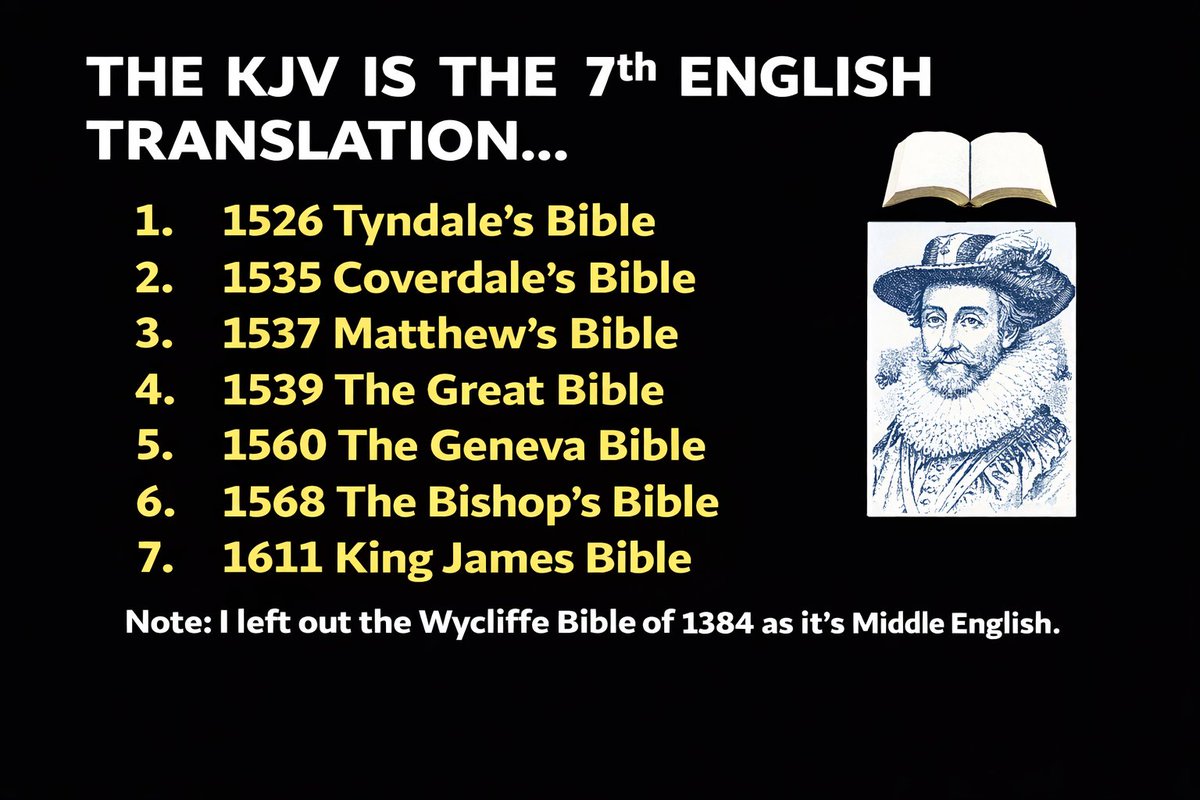
The main English branch of the Bible comes from Moseretic Text OT and the Textus Receptus NT.
The others come from the same text as the Latin Vulgate.
Westcott and Hort's textual criticism started an entirely new English translation tradition.
1
6

Jun 14
What makes you think all other translation are attempts to get people back on the Latin Vulgate?
Ironically, Erasmus had to use Latin for his Textus Receptus and the KJV is based off of that more than most translations.
1
19

In the original Textus Receptus underlying the KJV, the keyword Nees (New) and Palaios (Old) feature structural numeric values that find exact structural equilibrium when multiplied by the number of verses (4).
1
17

The Authorized King James Protestant Bible is the Preserved and True Word of God, translated from Textus Receptus which satan HATES.
The corrupt catholic versions translated from the Vatican's Vaticanus/Siniaticus Manuscripts changed the Bible like NIV, ESV, NLT, CSB, ASV, NASB

17

Jun 13
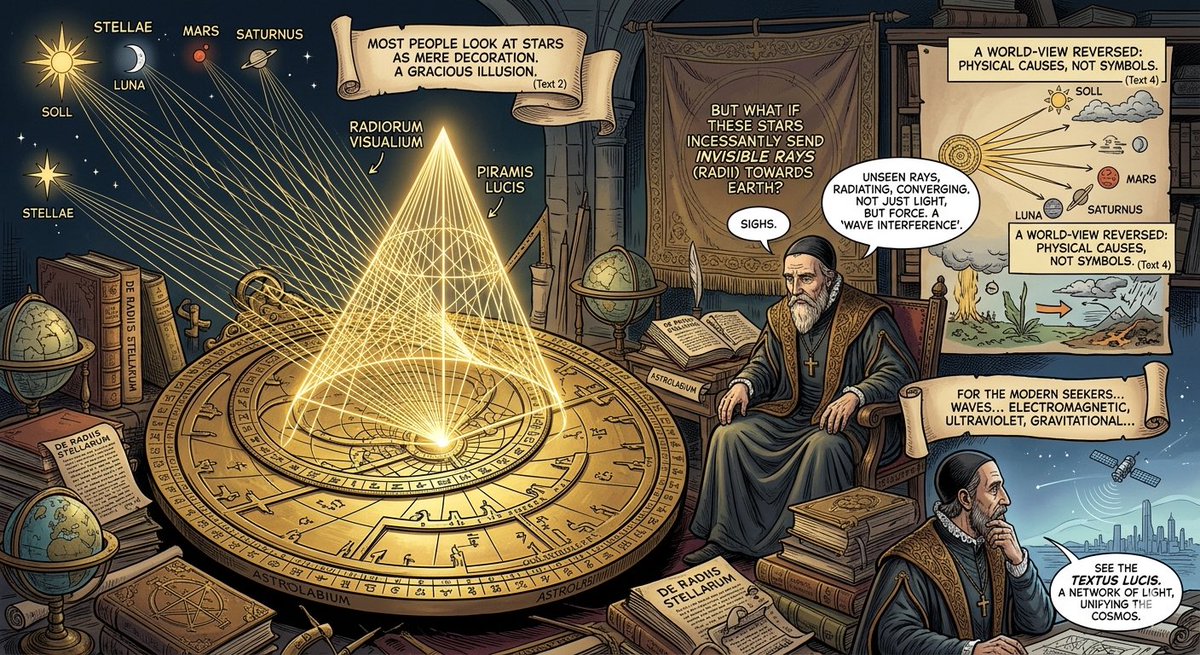
中世・ルネサンス期の書斎。黄金に輝くアストロラーベ(ASTROLABIUM)の上に、幾何学的な「光のピラミッド(PIRAMIS LUCIS)」が立ち上がる。太陽・月・火星・土星から放たれる不可視の光線(RADII)が一点へと収束し、地上の風・波・火山活動をも動かす「力」として顕現する瞬間を、一人の学者が目撃している。床に散乱する書物『DE RADIIS STELLARUM』が示すように、星々は単なる夜の装飾ではない。それらは「光の織物(TEXTUS LUCIS)」——宇宙を貫く幾何学的ネットワークの結節点なのだ。世界観が根底から覆る、その瞬間の図である。
5
24
712

Jun 13
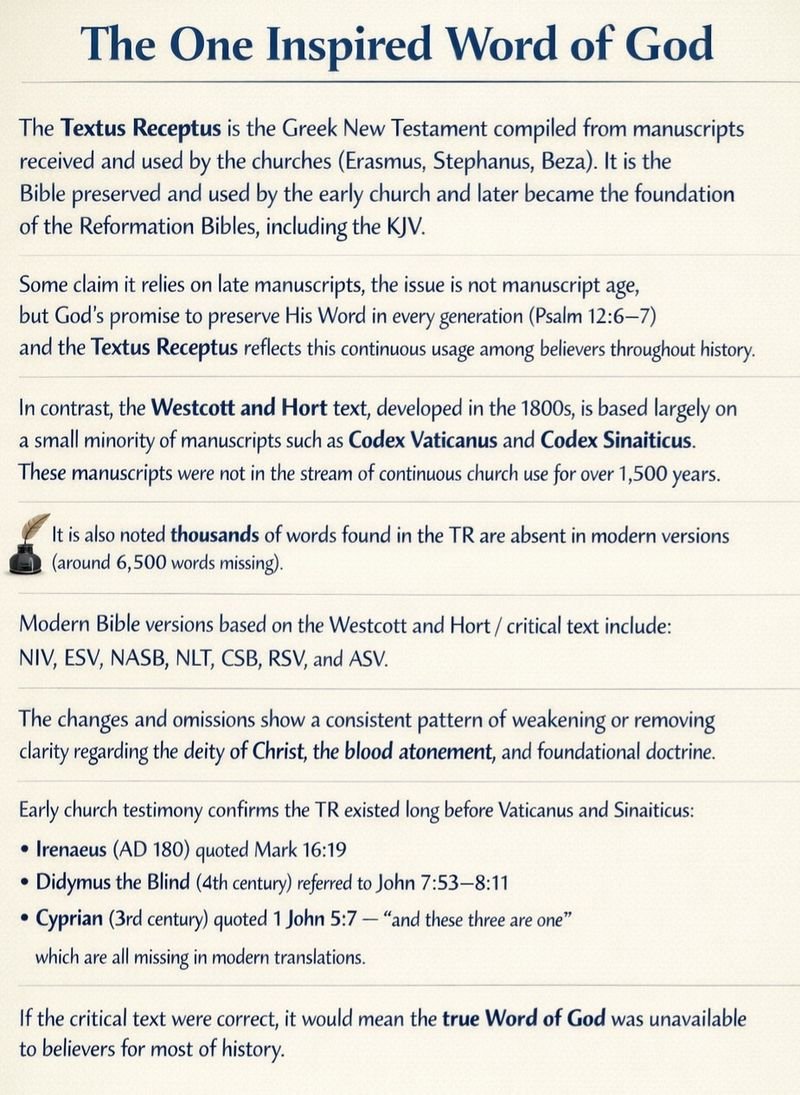
Modern Bibles (NIV, ESV, NASB, CSB, etc.) are based primarily on the Critical Text, which represents less than 1% of manuscripts.
The KJV is based on the Textus Receptus, which aligns with the vast majority of Greek manuscripts, preserving God’s Word as it was handed down through the ages.
"The words of the Lord are pure words... Thou shalt keep them, O Lord, thou shalt preserve them from this generation forever." Psalm 12:6-7 (KJV)
#sin #hell #christmass #saturnalia #70weeksdaniel #demon #baptism #bible
#predestination #definition #cultures #customs #idioms #metaphors #AlfredEdersheim
#axioms
25

Jun 13
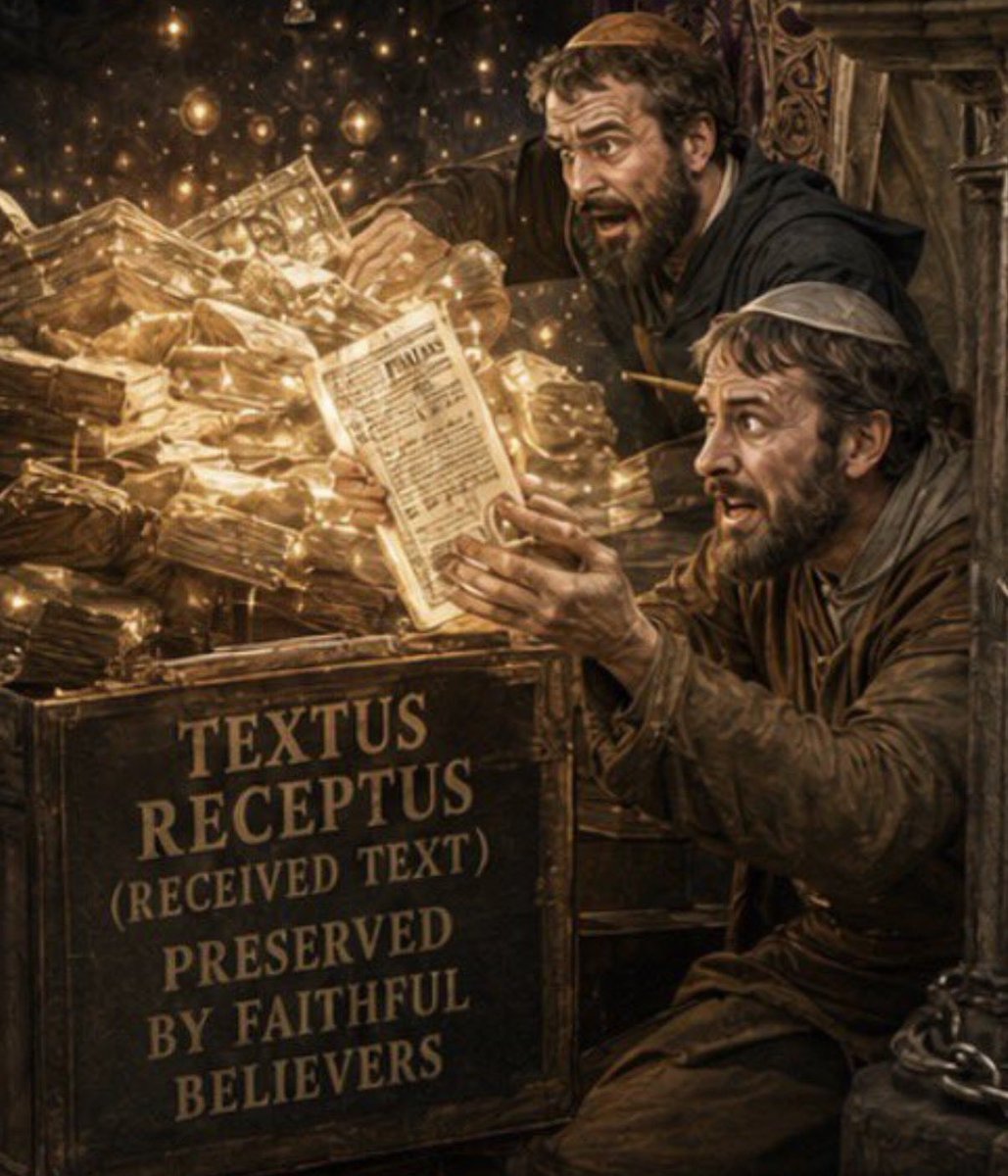
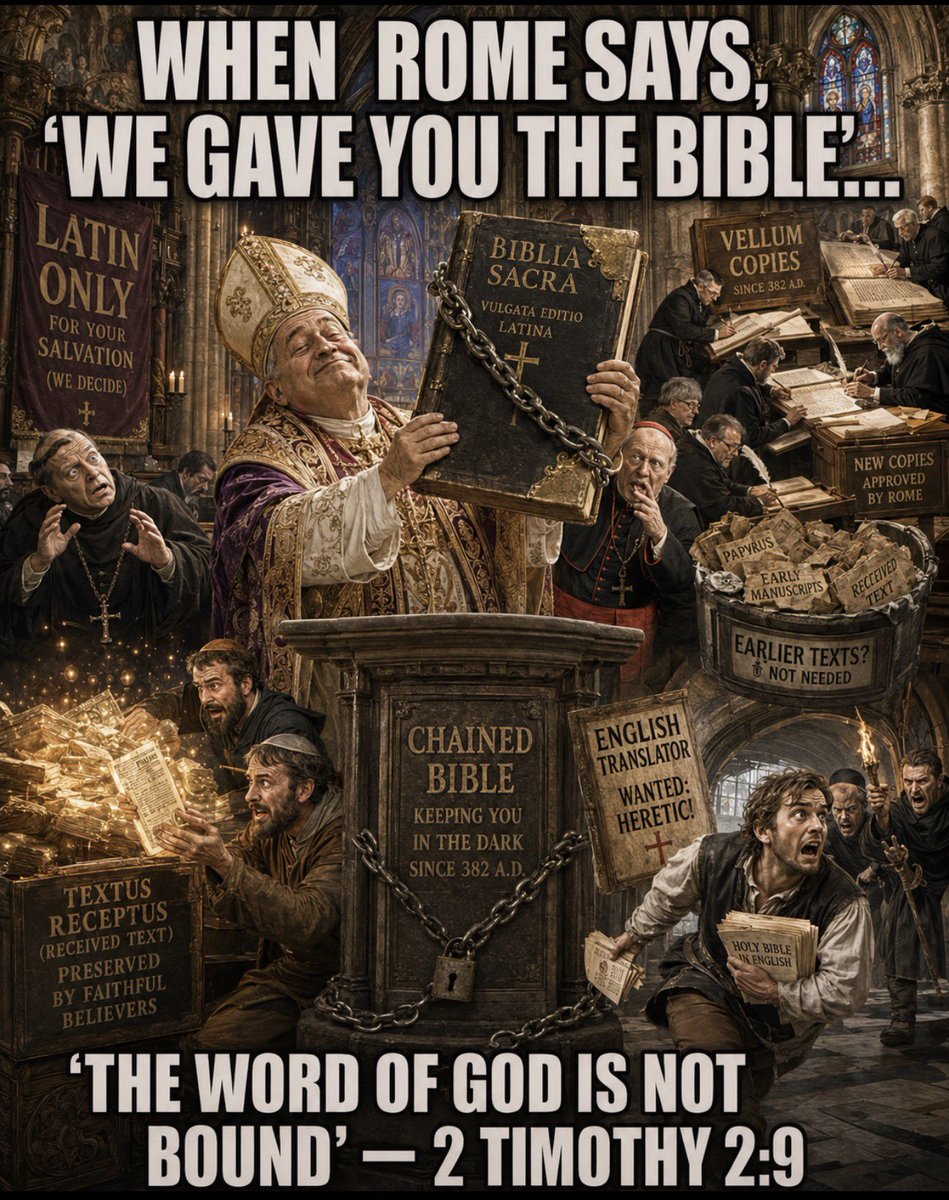
When Protestants treat (and even portray) the Textus Receptus like it’s Joseph Smith finding his gold plates.

1
5
218