From a renovated Airstream to a custom Timbercraft tiny home ✈️🏡 Janis & Glen downsized to live near the water — a great before & after tour: tinyhousetalk.com/airstream-… #tinyhouse #airstream
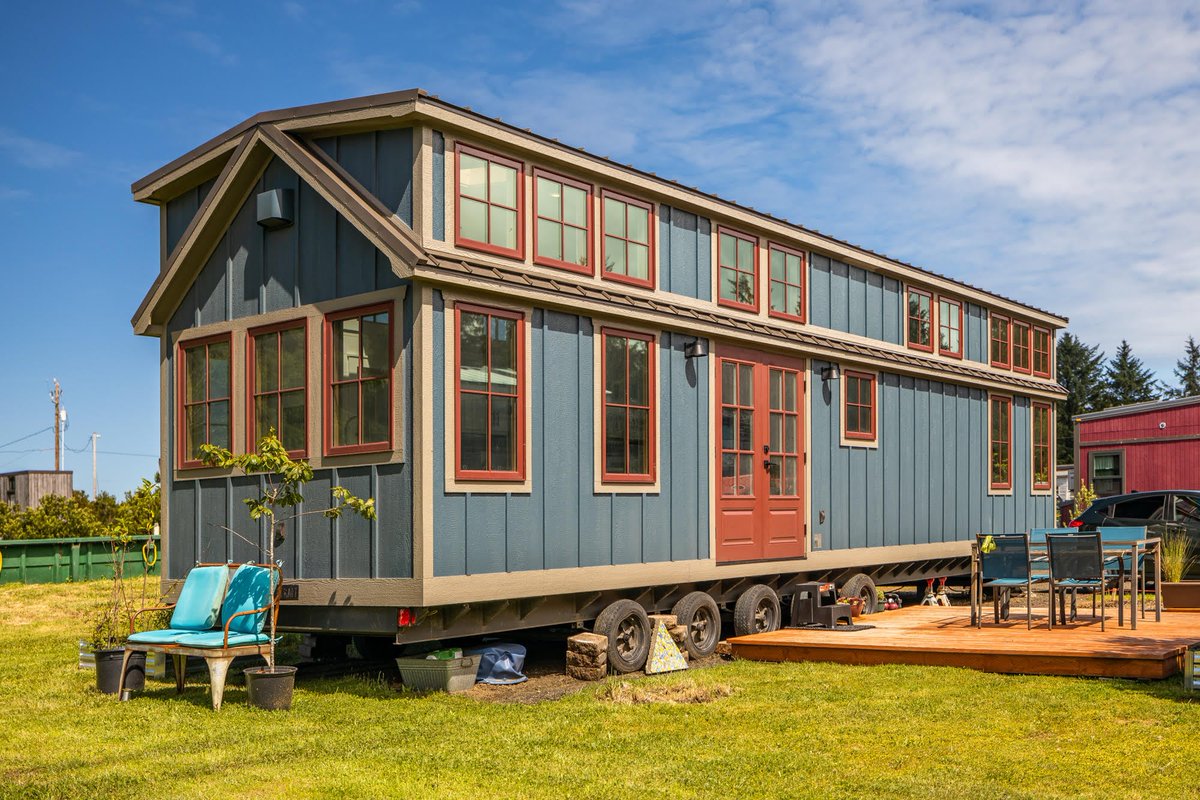
ALT A custom Timbercraft tiny house on wheels that a retired couple upsized to from an Airstream
141

21h
Prompt
REALISM AND FUNCTIONAL LOGIC RULE
Even within highly artistic, stylized, handcrafted, or speculative environments, scenes must maintain believable internal logic and functional realism consistent with Artistic Woodpunk design language, Japanese rural timbercraft influence, environmental conditions, and exterior architectural coherence.
All scene elements operate as part of a unified handcrafted environmental system rather than disconnected decorative objects.
Architectural layouts feel physically navigable and structurally believable. Exterior circulation systems connect logically across elevated aqueducts, suspended bridges, layered terraces, rooftop walkways, timber stair systems, water channels, observation decks, and interconnected tower platforms. Structural systems appear capable of supporting the environment and its immense vertical scale. Wooden engineering systems, carved supports, layered construction, interlocking joinery systems, and handcrafted reinforcement structures feel purposeful and operational.
Decorative carvings, engraved surfaces, ornamental beam systems, layered roof edging, carved lattice systems, and artistic detailing remain integrated into the architecture and infrastructure. Lighting systems are naturally embedded into aqueduct pathways, suspended lantern arrays, bridge systems, elevated residential structures, canal gates, and transport platforms.
Materials respond realistically to mist-filled environmental conditions, water saturation, moss growth, humidity, aging timber, drifting fog, and atmospheric moisture. Environmental effects behave consistently across carved timber surfaces, lacquered beams, stone foundations, rope supports, hanging fabrics, rooftops, and aqueduct infrastructure.
Scale relationships between towers, bridges, terraces, transport systems, canals, elevated neighborhoods, vegetation, and people remain believable. Human interaction with pathways, water systems, rooftop gardens, transport lifts, and circulation infrastructure feels natural and contextually appropriate.
The goal is cinematic realism within the context of Artistic Woodpunk rather than abstract fantasy incoherence.
SCENE
Do not render gears or representations of gears in the scene
A visually rich Artistic Woodpunk exterior environment centered around a colossal suspended timber aqueduct metropolis woven across a misty canyon basin and interpreted through atmospheric cinematic style with influence from Japanese minka inspired handcrafted design traditions and Japanese rural timbercraft craftsmanship language.
The scene emphasizes ornate layered timber aqueducts carrying elevated rivers through the city, interconnected suspended walkways, carved terrace districts, bridge-linked residential platforms, monumental water distribution towers, engraved canal gates, rooftop gardens, and cascading elevated water channels integrated throughout the settlement.
The environment conveys socially vibrant activity through citizens crossing elevated bridges, timber maintenance workers adjusting water gates, lantern-lit river barges navigating suspended canal systems, and merchants operating along aqueduct promenades during lantern-lit evening hours.
ENVIRONMENT
Set within an elevated canyon bridges environment featuring vertically interconnected spatial complexity at a cinematic grand scale.
The environment is shaped through suspended bridge-connected systems and carved load-distribution engineering using layered cedar construction, lacquered timber frameworks, timber-and-stone hybrid construction, exposed timber ribbing, and handcrafted joinery systems influenced by Japanese rural timbercraft architectural language.
Architecture and exterior systems feature bridge-linked buildings, interconnected rooftop districts, elevated observatories, layered timber halls, sweeping layered roofs, extended eave roofs, rain-channel roofing systems, rooftop observation decks, carved rain diverters, elevated entrance bridges, layered timber steps, engraved sliding doors, carved arch windows, terrace-facing openings, bridge-connected balconies, cantilevered decks, exposed timber beams, reinforced bridge anchors, elevated walkway supports, carved retaining structures, observatory towers, hanging lantern spires, and interconnected vertical districts integrated throughout the environment.
Decorative elements are deeply integrated into aqueduct supports, bridge railings, rooftop edges, tower crowns, circulation systems, canal gates, water distribution structures, and civic plazas through layered wood carvings, suspended lantern chains, timber filigree, carved symbolic motifs, layered balcony ornamentation, decorative roof edging, patterned timber layering, ornamental tower crowns, artistic canopy carvings, decorative timber cresting, engraved platform edges, carved structural caps, and intricate handcrafted crestwork.
Vehicles and transport systems include decorative river boats, suspended bridge trams, timber cable lifts, hanging supply gondolas, artisan-crafted transport boats, and elevated cargo platforms integrated naturally into the aqueduct infrastructure.
The environment exists within a mist-filled valley ecological state where river humidity haze, drifting fog, environmental moisture, moss growth, rain-darkened timber, rooftop rain collection systems, and glowing lantern warmth visibly influence the architecture and surrounding landscape.
STYLE
Artistic Woodpunk aesthetic expressed through Japanese minka inspired variation and Japanese rural timbercraft influence with strong emphasis on handcrafted artistry, ornate timber aqueduct engineering, engraved surfaces, layered craftsmanship, lacquered structural systems, and richly embellished exterior worldbuilding.
The visual output emphasizes engraved detailing, layered carving textures, lacquered reflective surfaces, rain-soaked surface richness, and handcrafted surface variation through highly intricate surfaces and visually packed craftsmanship.
The composition follows elevated circulation systems and layered skyline focal priority using architectural rhythm, suspended water channels, cascading bridges, and vertical environmental layering to maintain readability across the environment.
Depth structure ensures strong foreground framing with bridge-connected spatial layering, vertically stacked depth, atmospheric distant recession, and cinematic environmental layering between suspended aqueducts, tower systems, rooftop districts, distant bridges, and drifting fog.
Color strategy emphasizes warm timber tones, lacquered red accents, glowing lantern contrast, atmospheric blue-gray fog tones, reflective rain surfaces, and sunset amber lighting.
The rendering approach is cinematic fantasy rendering with ultra-detailed rendering clarity.
CAMERA
The scene is captured from a sweeping cinematic angle using layered architectural framing that emphasizes suspended aqueduct systems, interconnected bridges, elevated circulation pathways, towering water infrastructure, rooftop terraces, and canyon-spanning environmental depth.
The composition highlights navigable bridge systems, water distribution structures, carved architectural detailing, elevated pathways, lantern-lit aqueduct promenades, and interactions between water engineering systems and surrounding habitation districts.
A layered cinematic motion quality is present through flowing water movement, drifting fog motion, lantern sway movement, hanging fabric motion, rooftop steam, drifting mist, and active bridge circulation.
LIGHTING and MOOD
Illuminated by hanging lantern illumination and reflected water light with layered environmental lighting integrated naturally throughout the suspended aqueduct city.
The lighting exhibits atmospheric lantern glow, reflective wet-surface lighting, glowing atmospheric diffusion, and cinematic ambient lighting that enhances engraved timber surfaces, lacquered structures, drifting fog, rooftop moisture, carved detailing, and layered architectural depth.
Warm lantern amber color temperature establishes a majestic, atmospheric, awe-inspiring mood while drifting fog, river humidity haze, reflective rainwater, glowing lantern diffusion, and cinematic environmental diffusion enhance environmental depth and ambiance.
DESCRIPTION PLAQUE
Position bottom right
Do not render gears or representations of gears in the plaque
Line 1 bold heading max 5 words:
Aqueducts Above The Mist
Line 2 bold:
Artistic Woodpunk
Line 3 description max 30 words:
A colossal suspended timber city where elevated rivers, carved bridges, and lantern-lit aqueducts weave through mist-filled canyon skies.
3
208

May 26
Janis & Glen tried retirement in an Airstream — turned out a little too tiny. So Timbercraft built them this 400 sq ft custom tiny home. There's a sweet spot in small living.
tinyhousetalk.com/airstream-…
#tinyhouse #retirement
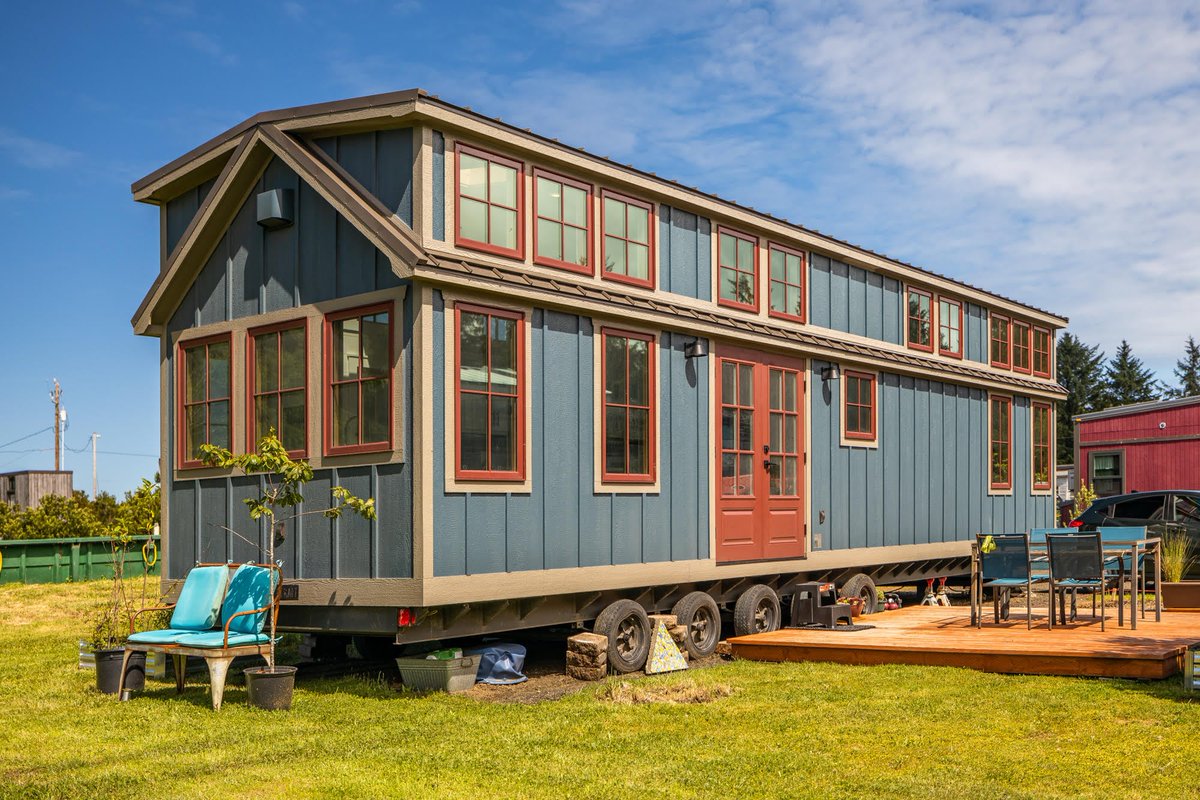
ALT 400 sq ft custom tiny home
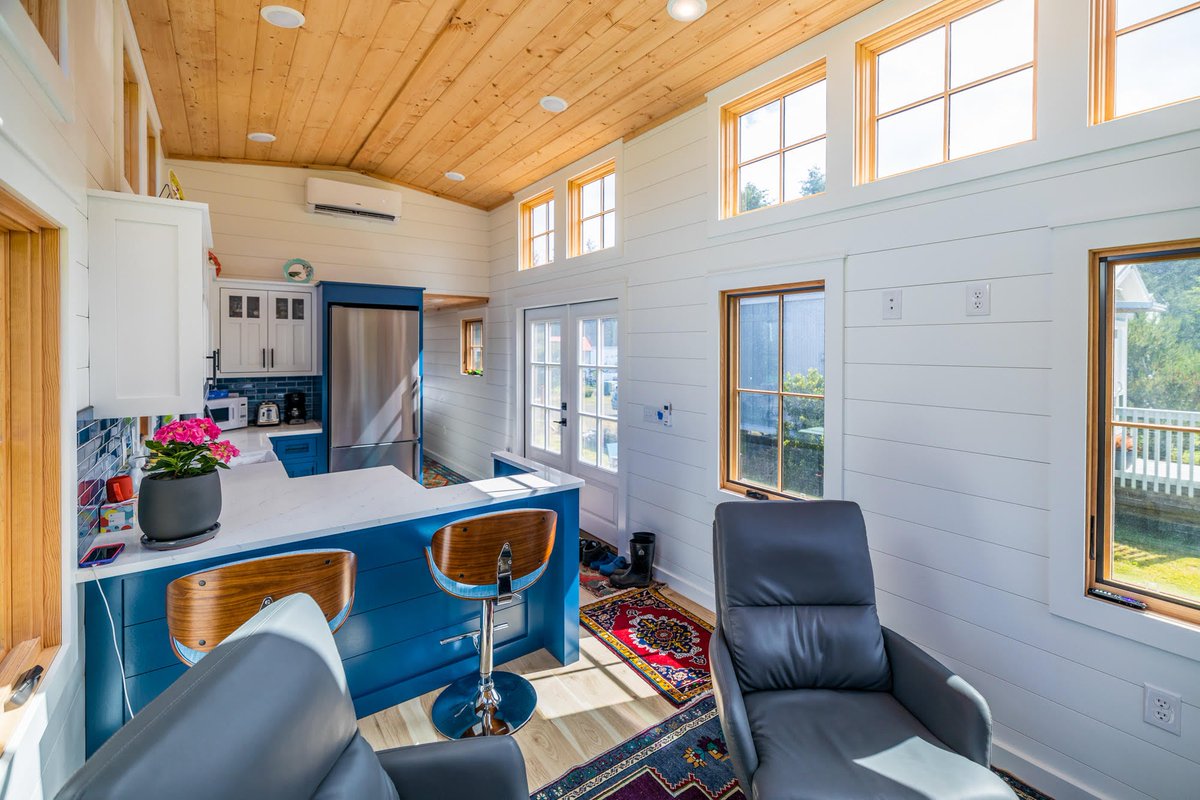
ALT Interior view
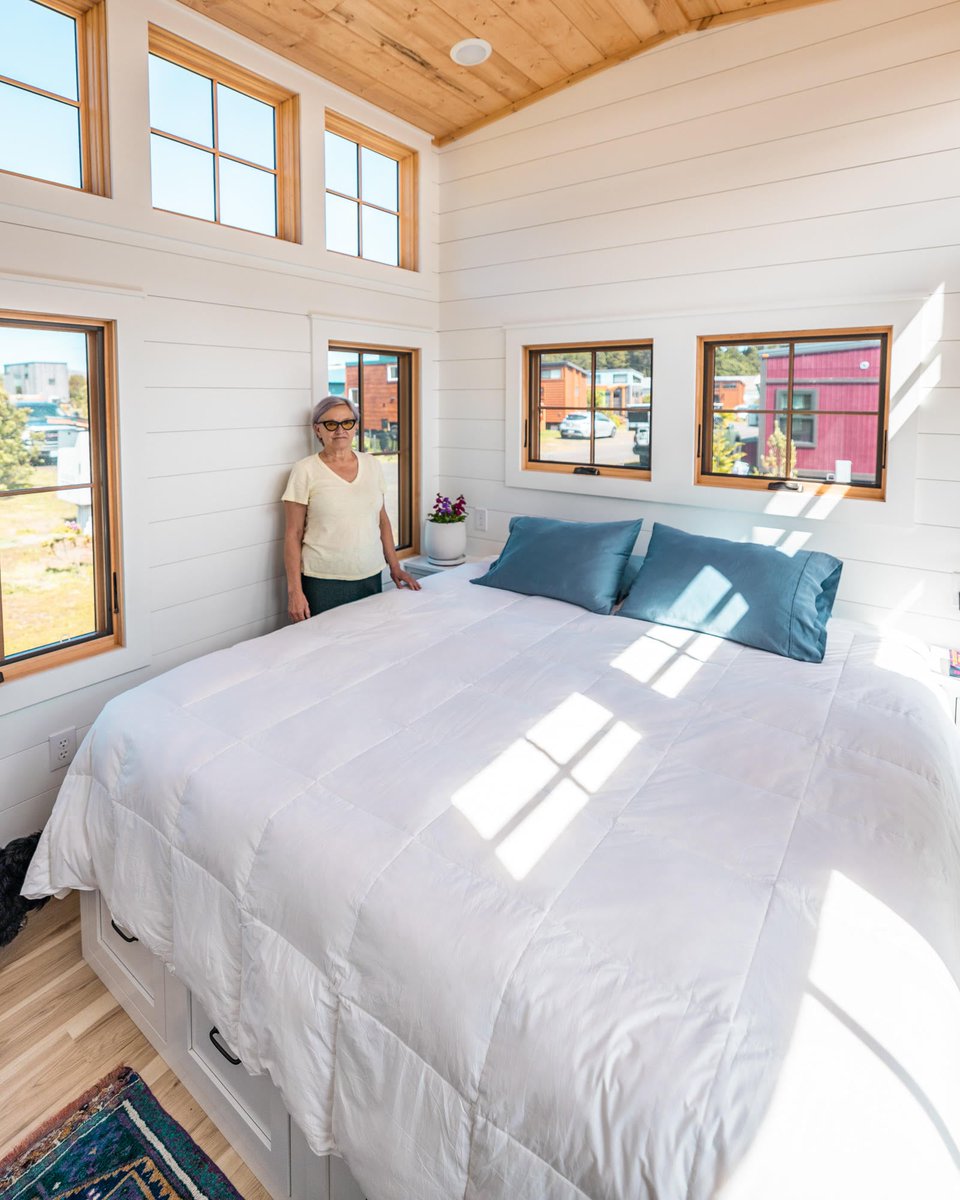
ALT Living space
4
291

May 3
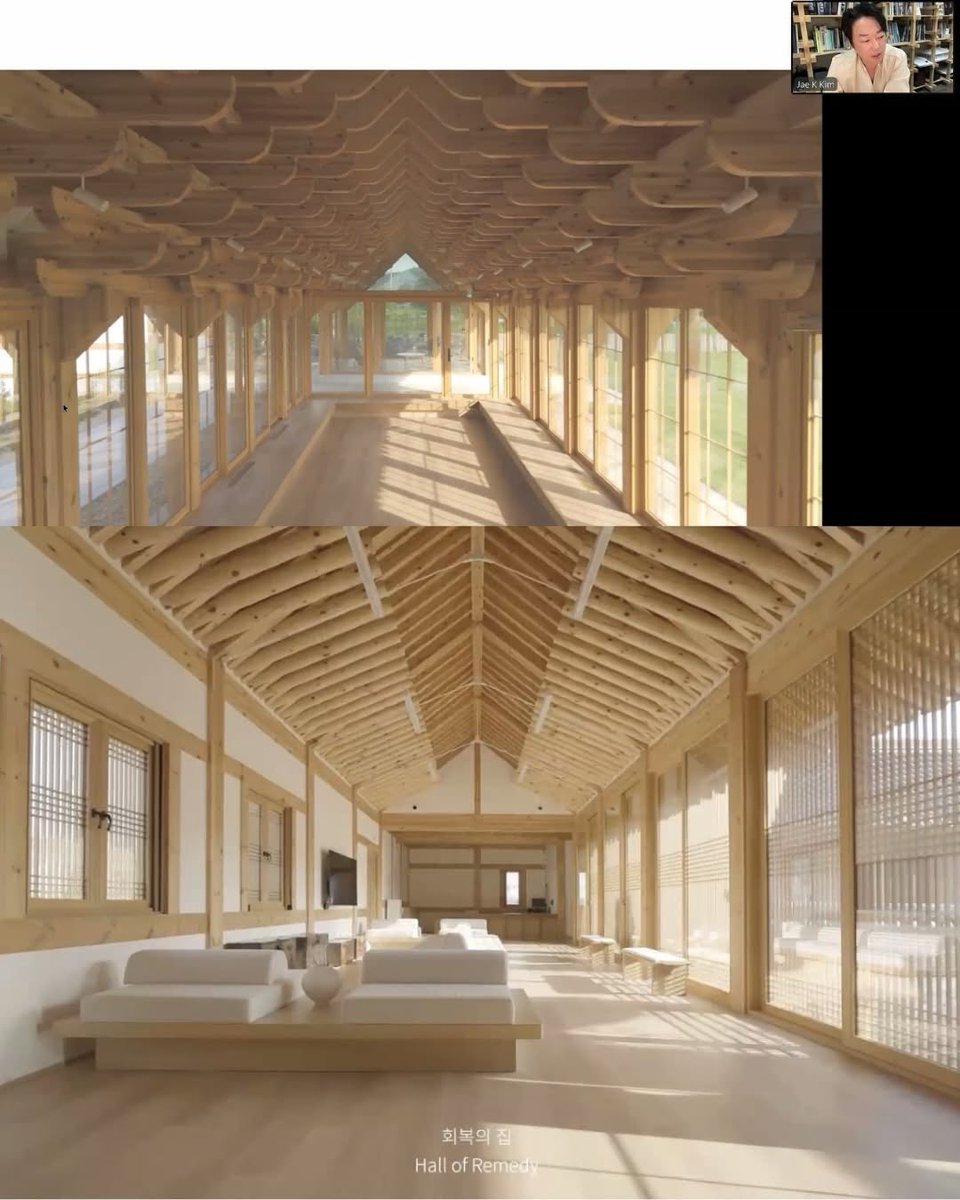
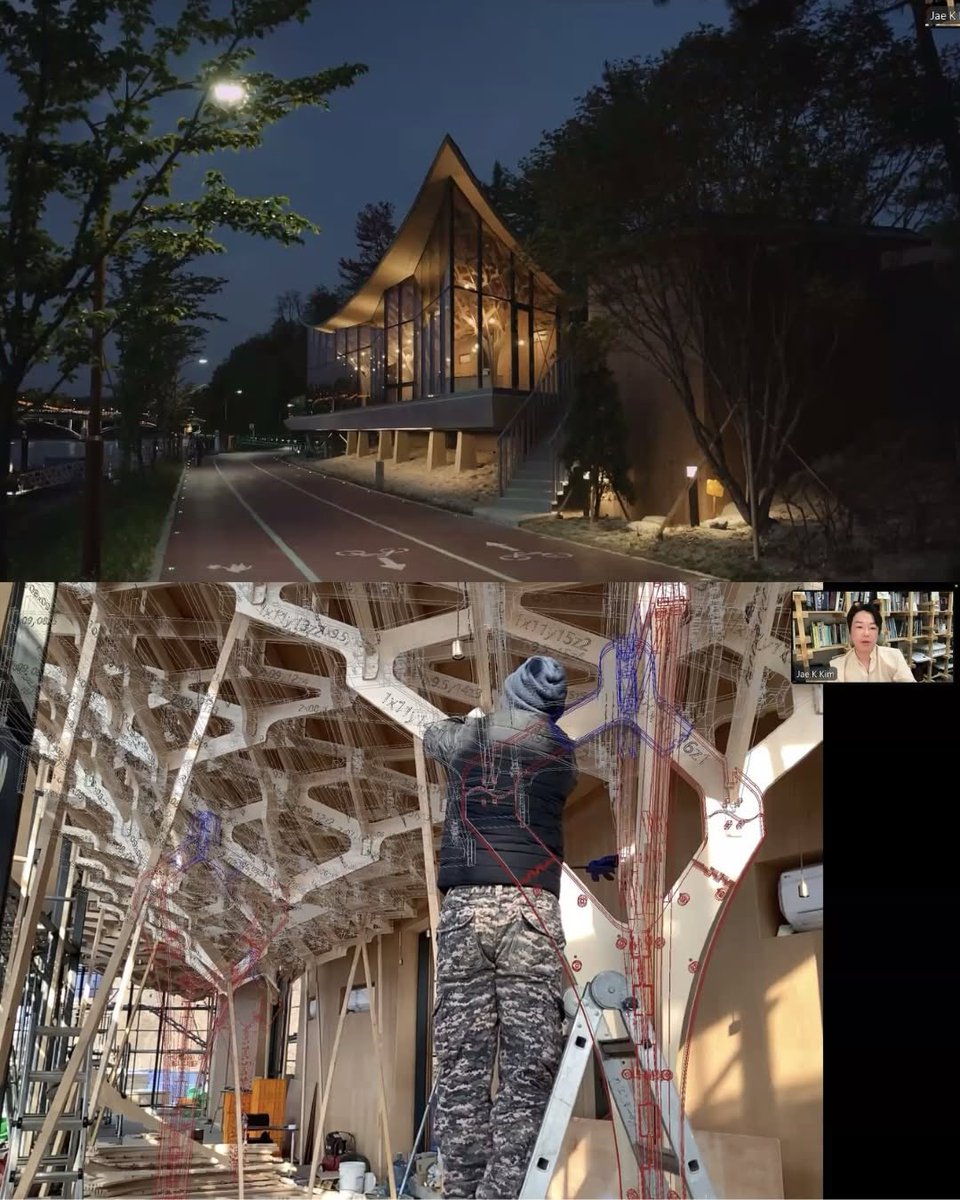
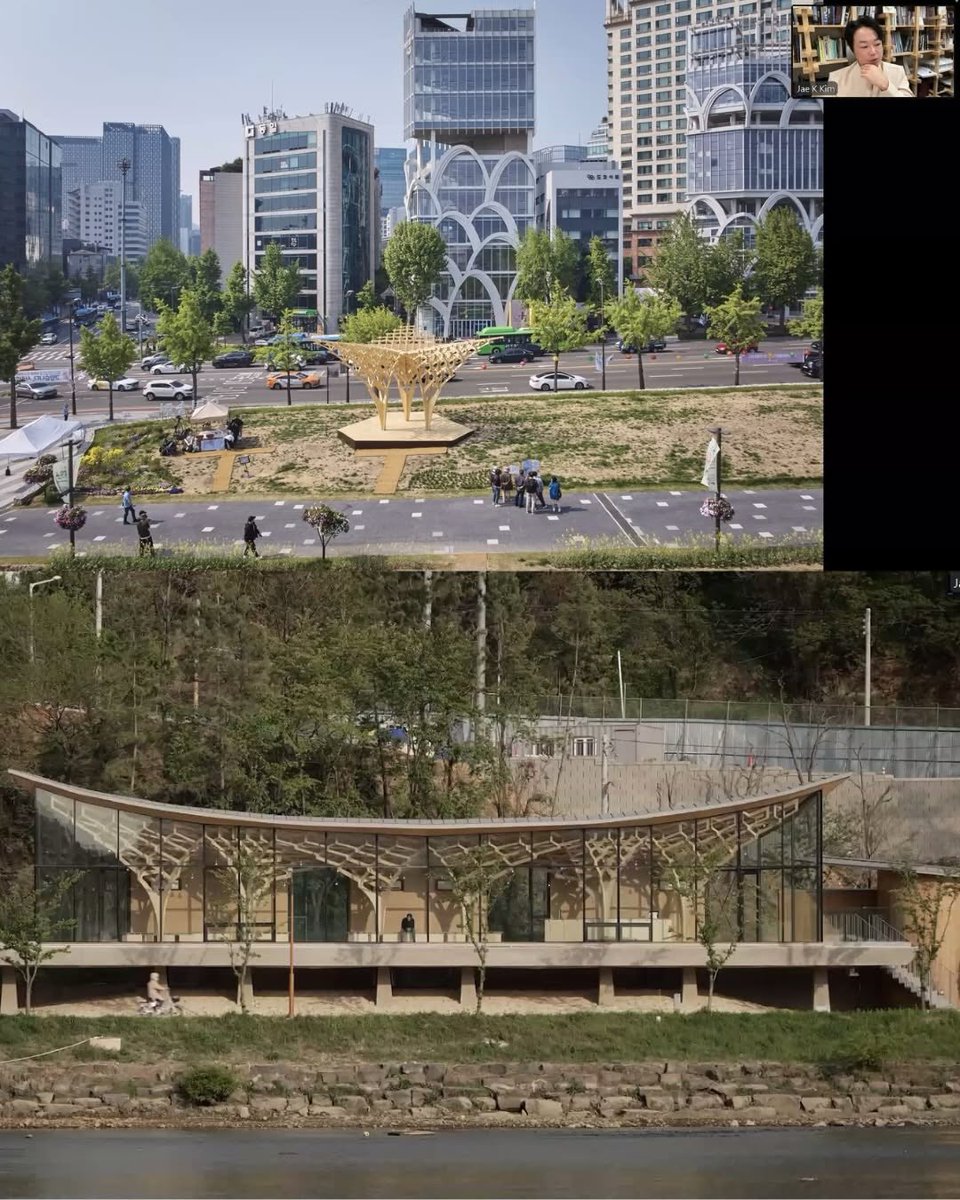
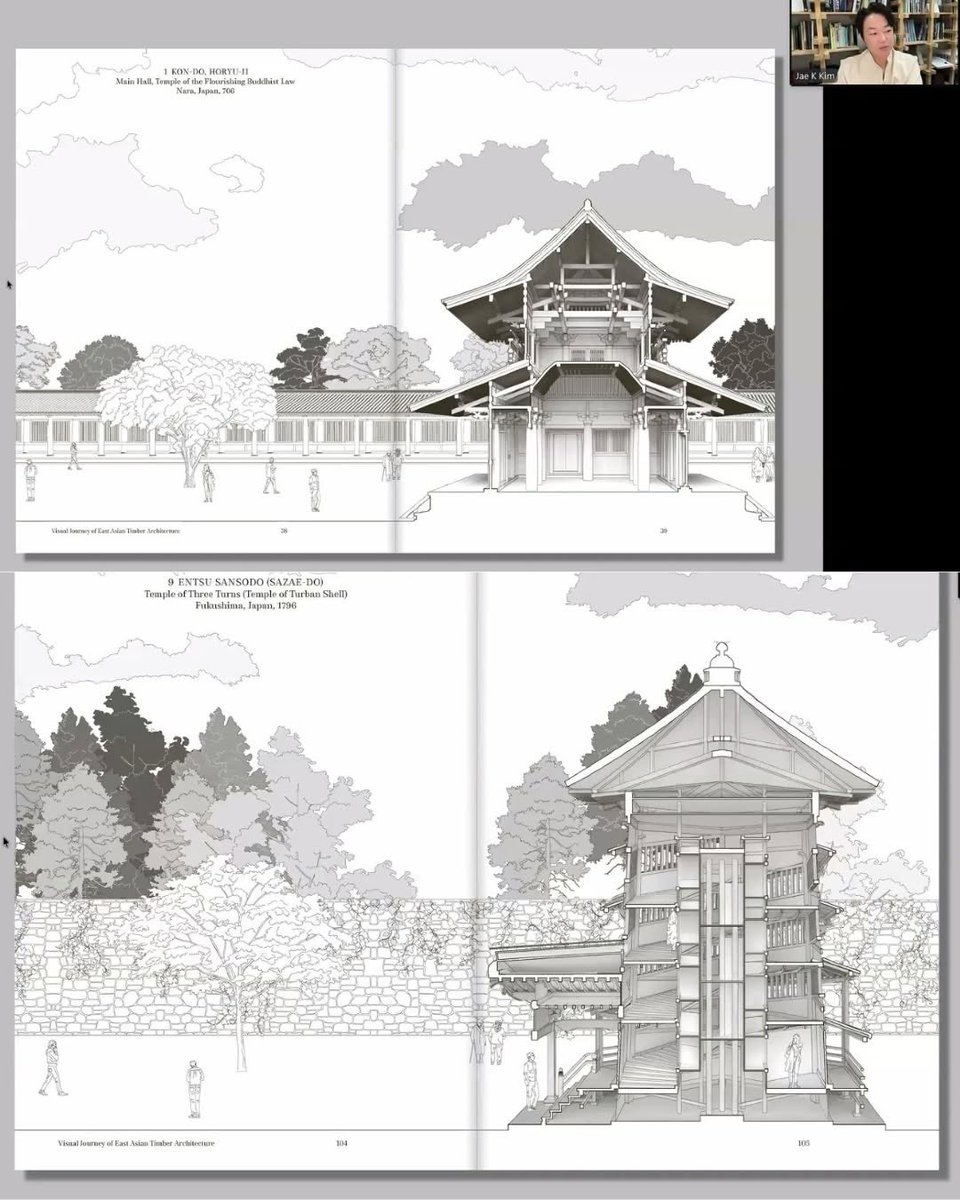
He began by showcasing an intensive study of traditional buildings across Asia, exploring how historic timbercraft traditions, joinery systems, and vernacular construction knowledge can inform contemporary architectural thinking. His presentation revealed how centuries-old building techniques can be reinterpreted through advanced technologies and computational workflows.
Throughout the session, Jae demonstrated how digital tools and fabrication methods can preserve cultural knowledge while opening new possibilities for architectural innovation. His work highlighted a thoughtful balance between technological advancement and respect for traditional craftsmanship.
The session concluded with a Q&A, where he engaged with participants and reflected on how architecture can bridge heritage, material intelligence, and future-focused design.
5
70

Apr 21
“Factory-built homes are the way of the future,” Timbercraft owner Doug Schroeder said. “I think in the next 10 years, you’re going to see a lot more mobile and modular options. Site-built is kind of going to be old-fashioned.” apple.news/AL0KmVvAwRYqxV7Ca….
2
178

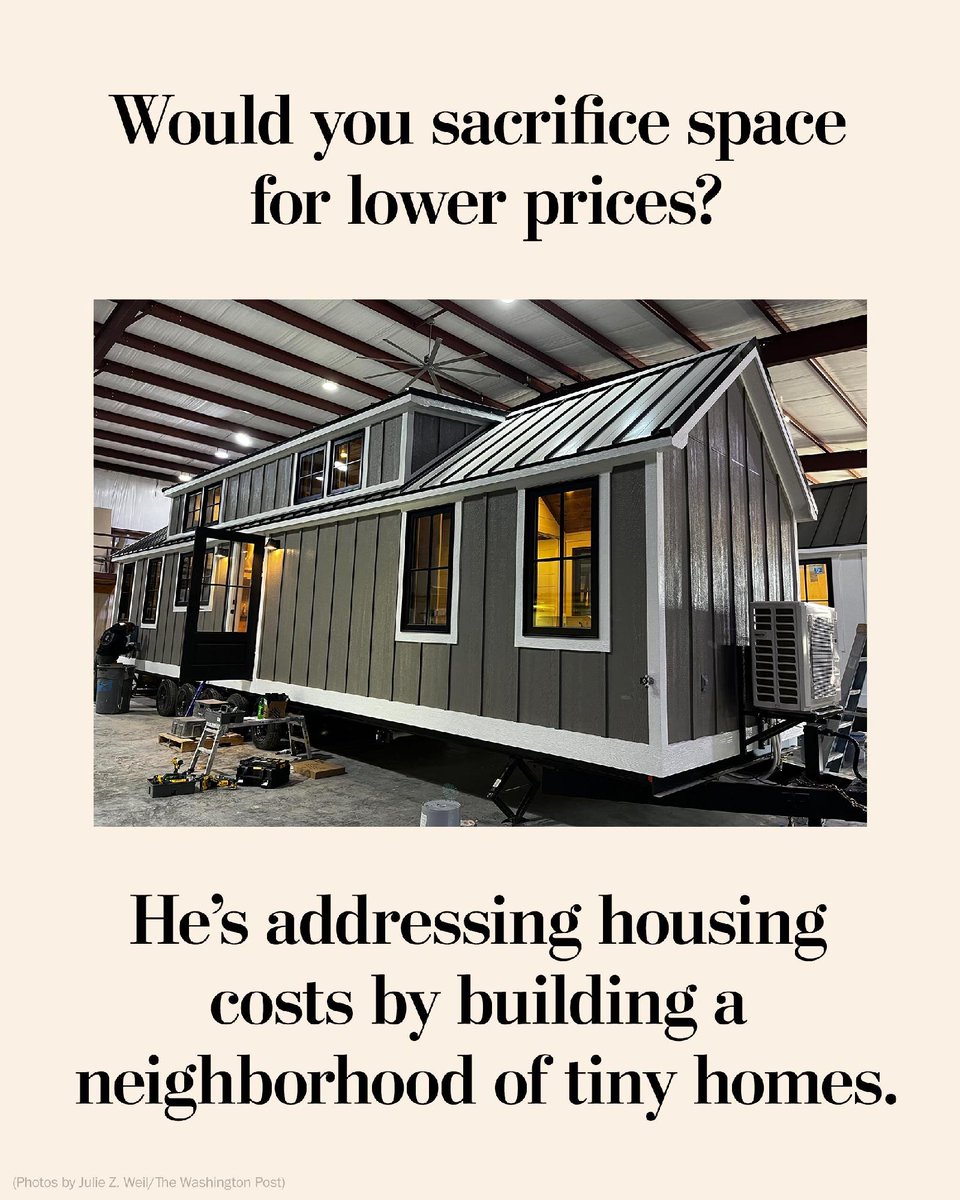
Timbercraft Tiny Homes can finish building a new house every eight days.
Owner Doug Schroeder believes these structures can help address America’s affordable housing shortage. wapo.st/4vHqb1A
5
1
22
21,782
Although they have been trendy for years, tiny homes remain something of a curiosity.
So Timbercraft owner Doug Schroeder is trying a new tactic to help them go mainstream: building not just the house, but the whole neighborhood.
wapo.st/48XZY4V
4
3
13
19,768

Feb 24
Dubai Investment Explained: Opportunities, Growth & Security
दुबई में निवेश: सुरक्षा, रिटर्न और ग्लोबल अवसरों का सही कॉम्बिनेशन
दुबई में नौकरी का बड़ा मौका — Joga Ram Group लेकर आया है सुनहरा रोजगार अवसर
विदेश में नौकरी करने का सपना देख रहे युवाओं के लिए अच्छी खबर है। Joga Ram Group (Dubai) द्वारा संचालित विभिन्न कंपनियों में अलग-अलग पदों पर बड़ी संख्या में भर्ती निकाली गई है। तकनीकी, सेल्स, इंटीरियर, मैन्युफैक्चरिंग, सोशल मीडिया, और हेल्पर कैटेगरी सहित कई पदों पर सीधी भर्ती की जा रही है। योग्य और इच्छुक उम्मीदवार अपने अनुभव और योग्यता के अनुसार आवेदन कर सकते हैं।
कंपनी की ओर से पद के अनुसार आकर्षक वेतन पैकेज तय किया गया है, जिसमें लगभग 1,200 AED से 15,000 AED तक सैलरी दी जाएगी।
कंपनी अनुसार वैकेंसी, पद और सैलरी विवरण
1. Joga Ram General Trading L.L.C
आउटडोर सेल्समैन — 10 पद — 5k–6k AED
2. TimberCraft Wood Manufacturing LLC
वेल्डर हेल्पर — 10 पद — 1k–1.2k AED
3. J R Industries LLC
आउटडोर सेल्स एग्जीक्यूटिव — 2 पद — 3k–4k AED
प्रोजेक्ट इंजीनियर — 1 पद — 5k–7k AED
कारपेंटर (फर्नीचर) — 2 पद — 1.8k–2k AED
जॉइनरी फोरमैन — 5 पद — 2k–2.5k AED
अपहोल्स्ट्री वर्कर — 5 पद — 1.2k–1.8k AED
पॉलिशिंग वर्कर — 20 पद — 1.5k AED
कारपेंटर हेल्पर — 25 पद — 1.2k AED
पेंटर — 25 पद — 1.5k AED
4. J R Interiors Decoration LLC
सीनियर इंटीरियर डिज़ाइनर — 1 पद — 15k AED
एस्टिमेटर — 1 पद — 6k AED
साइट सुपरवाइजर — 1 पद — 15k AED
प्रोक्योरमेंट ऑफिसर — 1 पद — 6k–7k AED
प्रोजेक्ट इंजीनियर — 1 पद — 7k AED
पॉलिशिंग वर्कर — 4 पद — 1.5k AED
मिस्त्री (राजमिस्त्री) — 4 पद — 1.5k AED
पेंटर — 4 पद — 1.2k–1.5k AED
प्लंबर — 1 पद — 1.2k–1.5k AED
एसी टेक्नीशियन — 2 पद — 1.8k AED
लेबर — 5 पद — 1.2k AED
5. J R Interior & Industries
डॉक्यूमेंट कंट्रोलर — 1 पद — 3k–4k AED
स्टोर कोऑर्डिनेटर — 1 पद — 5k–6k AED
6. J R Group
सेल्स एंड मार्केटिंग मैनेजर — 1 पद — 4k AED
कंटेंट क्रिएटर — 1 पद — 4k AED
ऑफिस बॉय / सपोर्ट स्टाफ — 1 पद — 2k AED
📧 Email: hr@jogaram.com
📞 Phone/WhatsApp 971554306016
नोट: आवेदन करने से पहले अपनी योग्यता और अनुभव के अनुसार पद का चयन करें। यह अवसर सीमित पदों के लिए है, इसलिए इच्छुक उम्मीदवार जल्द संपर्क करें।
1
14
713

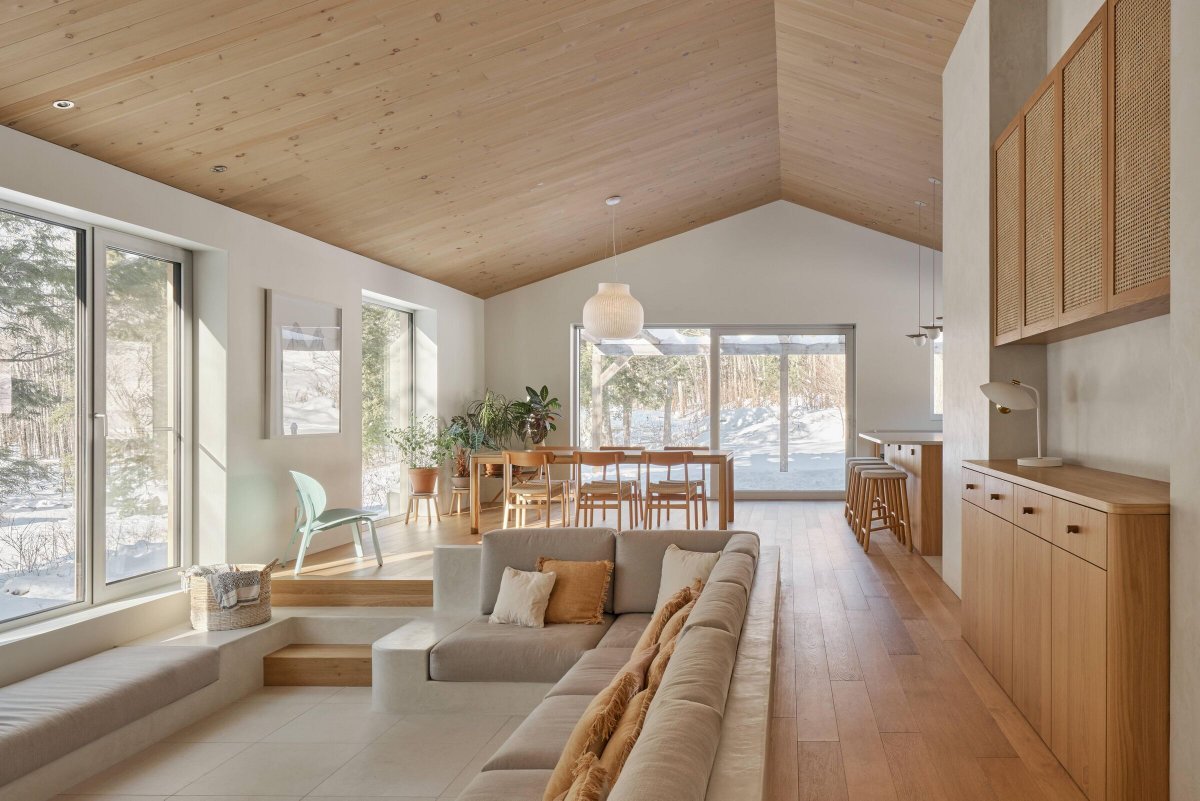
La Nony FAMILI, with Le Local Design, shapes Maison de la Coulée douce as a compact forest dwelling defined by adaptive planning and crafted materiality.
archello.com/project/de-la-c…
#MicrocementInteriors #TimberCraft #AdaptiveHousing
1
4
19
828

Feb 16
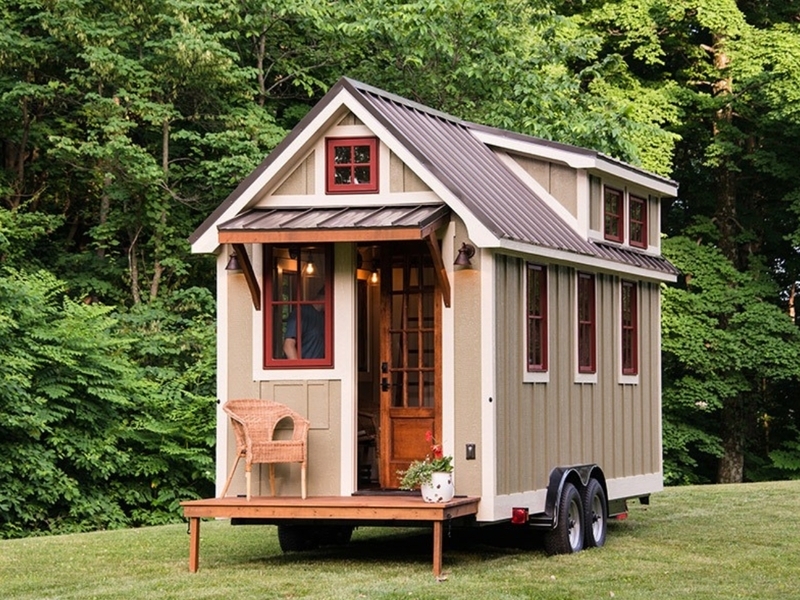
Now Trending: Ynez Tiny Home is a Compact Mobile Residence Designed by Timbercraft Tiny Homes trendhunter.com/trends/ynez
1
245
Feb 16
दुबई में नौकरी का बड़ा मौका — Joga Ram Group लेकर आया है सुनहरा रोजगार अवसर
विदेश में नौकरी करने का सपना देख रहे युवाओं के लिए अच्छी खबर है। Joga Ram Group (Dubai) द्वारा संचालित विभिन्न कंपनियों में अलग-अलग पदों पर बड़ी संख्या में भर्ती निकाली गई है। तकनीकी, सेल्स, इंटीरियर, मैन्युफैक्चरिंग, सोशल मीडिया, और हेल्पर कैटेगरी सहित कई पदों पर सीधी भर्ती की जा रही है। योग्य और इच्छुक उम्मीदवार अपने अनुभव और योग्यता के अनुसार आवेदन कर सकते हैं।
कंपनी की ओर से पद के अनुसार आकर्षक वेतन पैकेज तय किया गया है, जिसमें लगभग 1,200 AED से 15,000 AED तक सैलरी दी जाएगी।
कंपनी अनुसार वैकेंसी, पद और सैलरी विवरण
1. Joga Ram General Trading L.L.C
आउटडोर सेल्समैन — 10 पद — 5k–6k AED
2. TimberCraft Wood Manufacturing LLC
वेल्डर हेल्पर — 10 पद — 1k–1.2k AED
3. J R Industries LLC
आउटडोर सेल्स एग्जीक्यूटिव — 2 पद — 3k–4k AED
प्रोजेक्ट इंजीनियर — 1 पद — 5k–7k AED
कारपेंटर (फर्नीचर) — 2 पद — 1.8k–2k AED
जॉइनरी फोरमैन — 5 पद — 2k–2.5k AED
अपहोल्स्ट्री वर्कर — 5 पद — 1.2k–1.8k AED
पॉलिशिंग वर्कर — 20 पद — 1.5k AED
कारपेंटर हेल्पर — 25 पद — 1.2k AED
पेंटर — 25 पद — 1.5k AED
4. J R Interiors Decoration LLC
सीनियर इंटीरियर डिज़ाइनर — 1 पद — 15k AED
एस्टिमेटर — 1 पद — 6k AED
साइट सुपरवाइजर — 1 पद — 15k AED
प्रोक्योरमेंट ऑफिसर — 1 पद — 6k–7k AED
प्रोजेक्ट इंजीनियर — 1 पद — 7k AED
पॉलिशिंग वर्कर — 4 पद — 1.5k AED
मिस्त्री (राजमिस्त्री) — 4 पद — 1.5k AED
पेंटर — 4 पद — 1.2k–1.5k AED
प्लंबर — 1 पद — 1.2k–1.5k AED
एसी टेक्नीशियन — 2 पद — 1.8k AED
लेबर — 5 पद — 1.2k AED
5. J R Interior & Industries
डॉक्यूमेंट कंट्रोलर — 1 पद — 3k–4k AED
स्टोर कोऑर्डिनेटर — 1 पद — 5k–6k AED
6. J R Group
सेल्स एंड मार्केटिंग मैनेजर — 1 पद — 4k AED
कंटेंट क्रिएटर — 1 पद — 4k AED
ऑफिस बॉय / सपोर्ट स्टाफ — 1 पद — 2k AED
📧 Email: hr@jogaram.com
📞 Phone/WhatsApp 971554306016
नोट: आवेदन करने से पहले अपनी योग्यता और अनुभव के अनुसार पद का चयन करें। यह अवसर सीमित पदों के लिए है, इसलिए इच्छुक उम्मीदवार जल्द संपर्क करें।
1
4
75
3,116

Jan 5
Pergo timbercraft ...I will look at the label for color jn the morning 😴 we didn't finish but almost. Have to cut some pieces around door ways, very tricky...
2
4
27

21 Nov 2025
I think not that many people would think that the Amish are not flourishing. Certainly not people who have opinions you value. The Amish live a life of regular consistent effort, and reap the rewards. Unlike the Amish, I don't think what you are doing can "pioneer a new schema for human flourishing."
Shitposting on X to fund the future while living near the poverty level, performing no animal husbandry, agriculture, or timbercraft of any kind: this is not a sustainable life that a community of men could pursue. I guess it works for you, for now, which is well enough. But as a 'schema for human flourishing?' Come on now.
1
6
231

14 Oct 2025
Redefine interiors with finishes that balance natural charm and contemporary design.
#SustainableDesign #HomeDecor #TimberCraft #InteriorInspiration #NatureInspired #EcoFriendlyLiving #VeneerArtistry #LuxuryInteriors #SharonExotiNatura #SharonPly
2
22
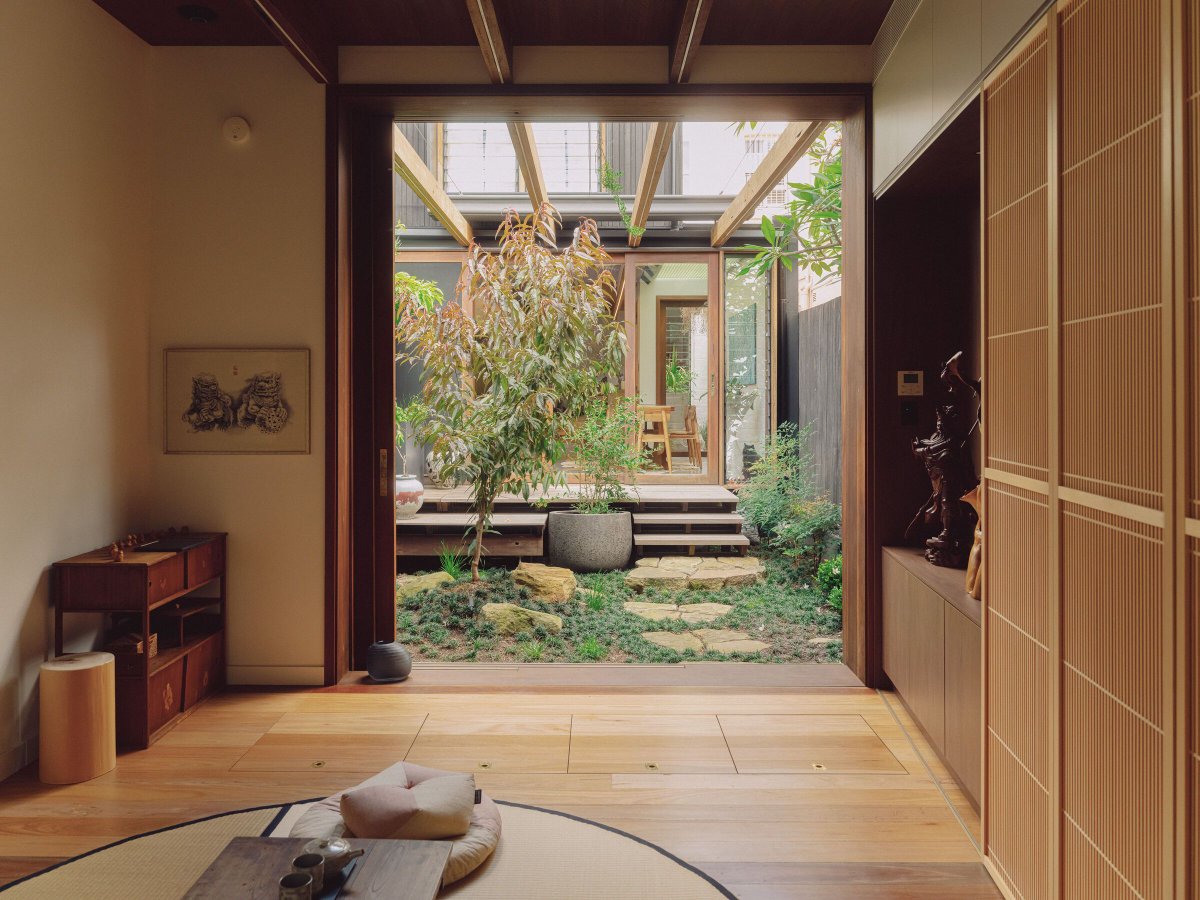
CplusC Architects Builders’ Darling House reimagines a 19th-century Victorian terrace through a dialogue of heritage and Japanese craft.
buff.ly/ydkWdQA
#TimberCraft #HeritageDesign #MaterialNarrative
9
1,006

17 Aug 2025
Hizi mbao za manzese bro, ukinunua kabati tayari Lina Mdudu, Yani kama umenunua dodo, lazima umkute ndani...
Pale clock tower Kuna jamaa wanaitwa timbercraft, hao furniture zao hazina mziki kama hizi za morogoro road..
Kabati usiku Lina mziki wa Bure ni kroookroookrooo
1
84

12 Jul 2025
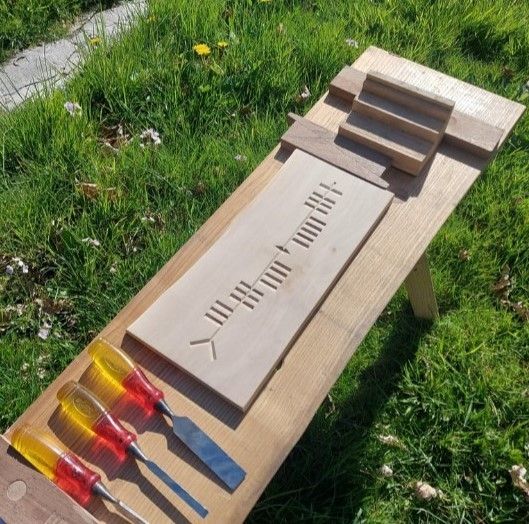
Join us in Bishopstown Library for a special event as part of Munster Fleadh Cheoil - Ogham Carving with Fiach Rua Timbercraft!
⏰ Monday 14 July at 11.30 am
Woodcarving event for adults. Free of charge and booking is essential on Eventbrite.
buff.ly/uP4hPLi
2
95

15 Jan 2025
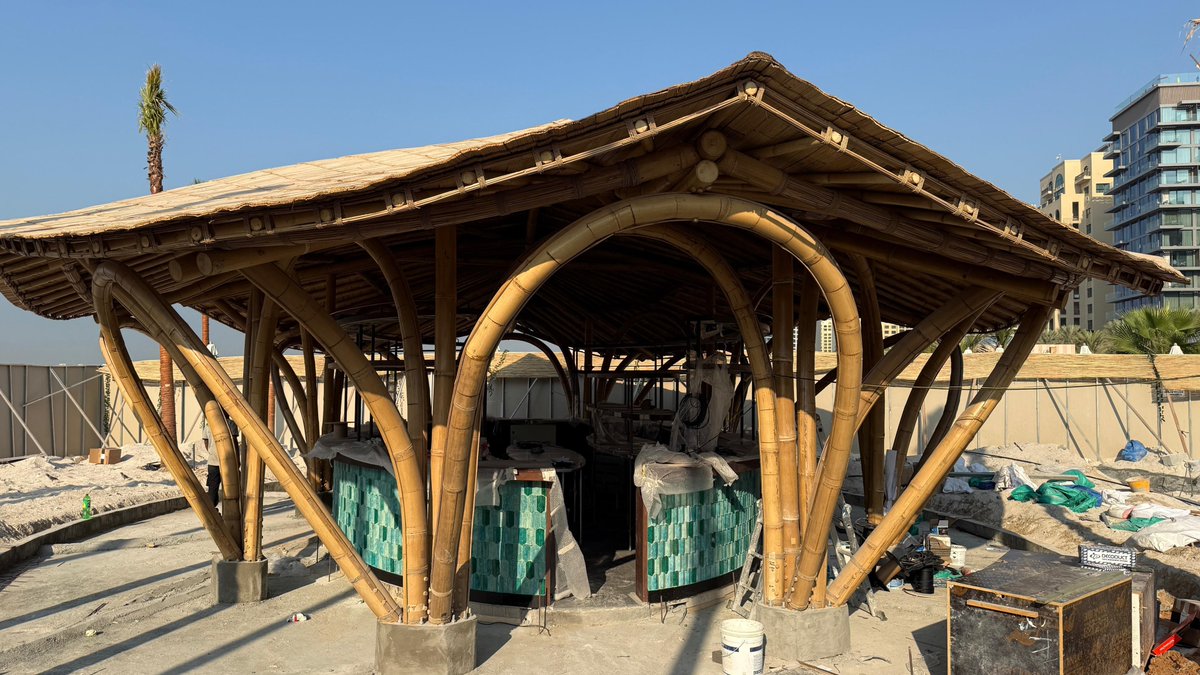
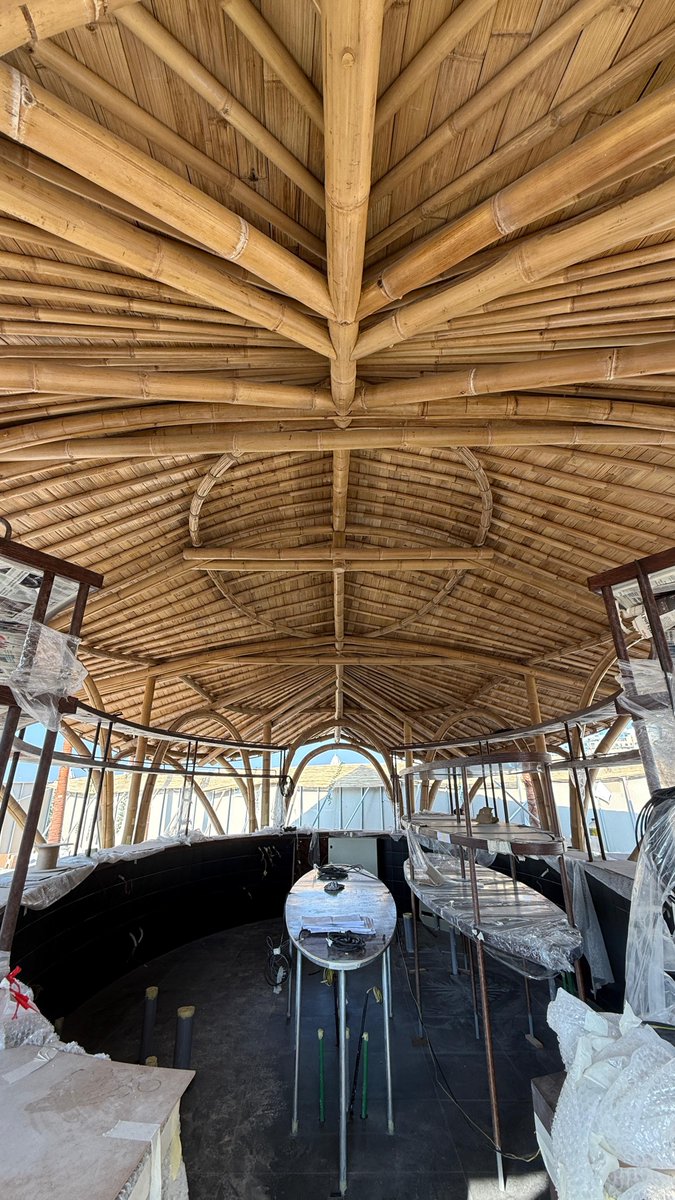
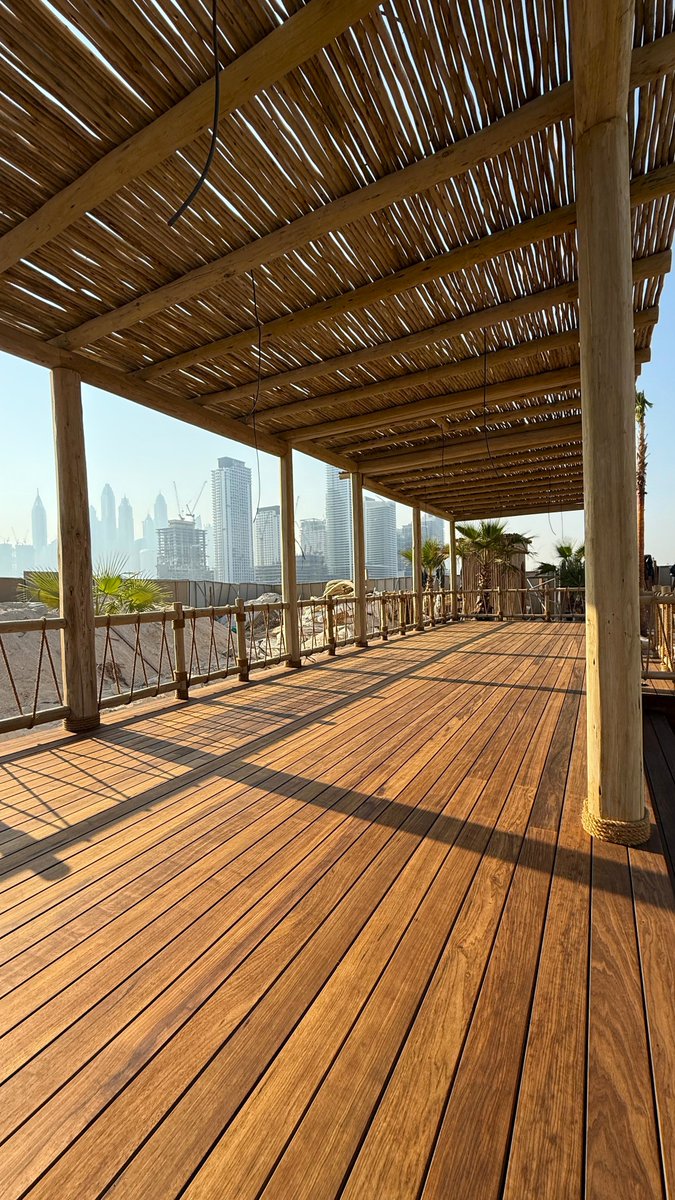
Looking for design inspiration? Check out our latest timber projects for ideas.
Explore now: capereed.com
#OutdoorSpaces #TimberCraft
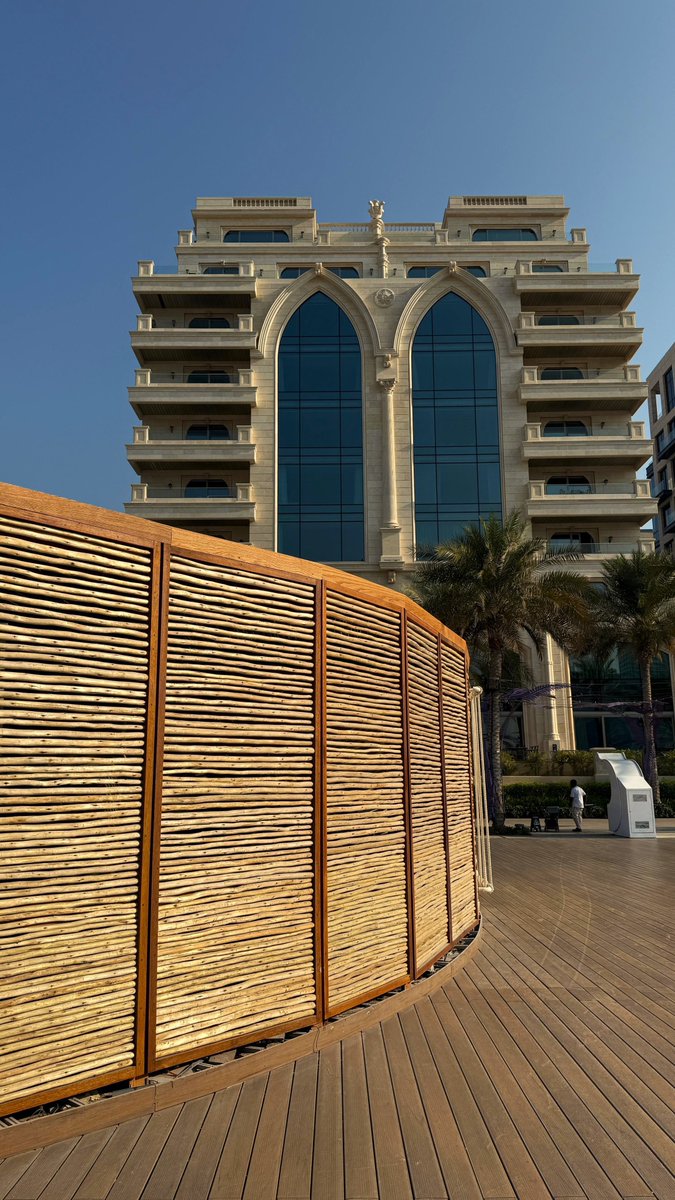
1
3
33

13 Jan 2025
Forge your path in the timber industry with opportunities that let you grow. Wooduwork is the starting point. wooduwork.com/ #TimberCraft #WorkInWood

1
20
11 Jan 2025
From residential to commercial, Cape Reed delivers custom outdoor solutions that impress.
Learn more: capereed.com
#CustomDesigns #TimberCraft
3
14