
It's sad to say @OneStateRp and the staff has failed us as community members @matveilp seriously need to fix the staff within
Condoning
Corruption
Harassment
Abuse of power
And more yet
Been banned timedout muted jailed etc unjustifiably and staff refuse to give a shit
1
18


Nag Error 503 Request Timedout yung ticketmaster. Ano ba yan?
Pinapabili lang naman ako ng kapatid ko ng ticket. Kahit anong refresh hindi na gumagalaw yung ticketmaster. Kahit sa website ng live nation hindi din makabalik. Ano gagawin? 😩
442


Jun 7
We ran many iterations on @resonatehqio's Distributed Async Await to make durable execution dead simple. Despite its simplicity, the protocol hides edge cases.
Here is one.
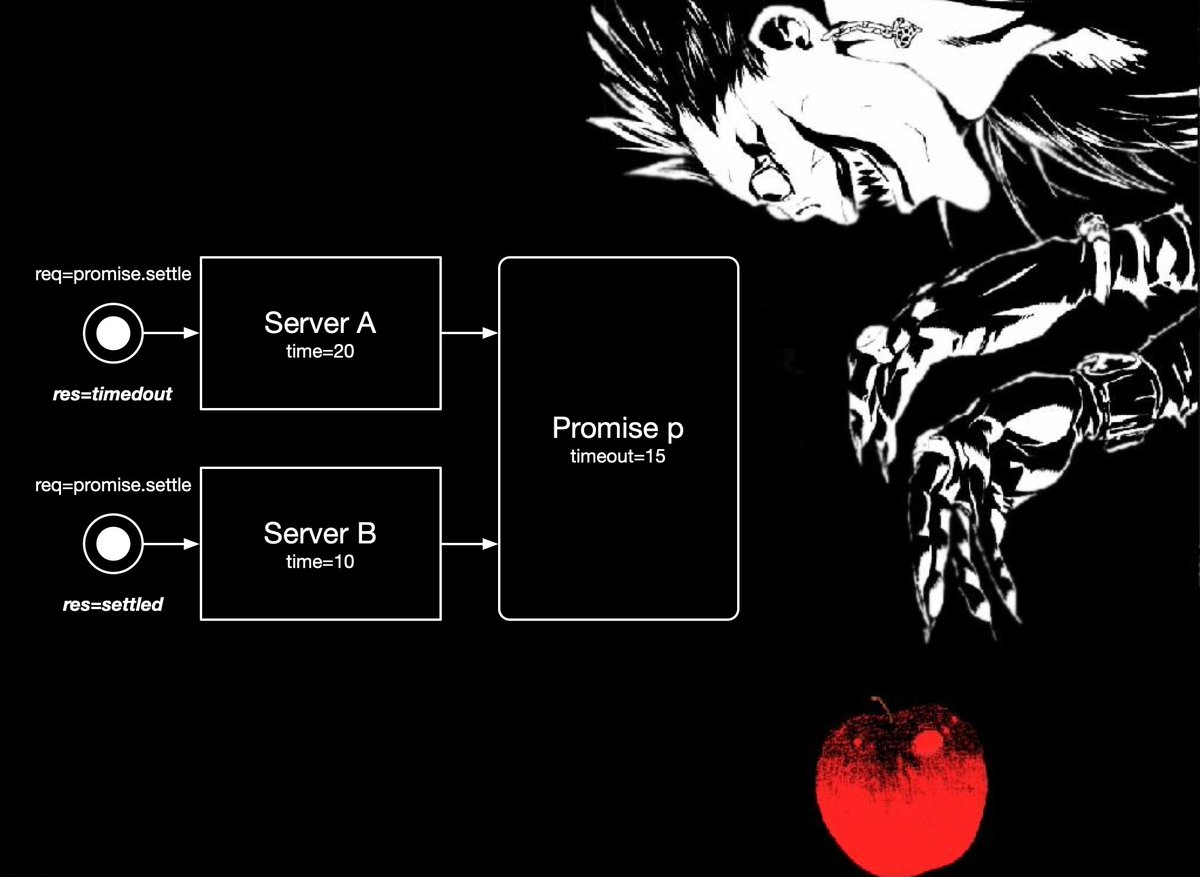
Every promise p has a timeout t. If a request arrives after t but before the server performed a timeout sweep, the request handler must time p out itself.
As an optimization we did this lazily: return a timedout promise to the caller without writing to storage, let the sweep write the promise later.
Single server: No issues. Multi server: Death by clock skew.
Two servers, two clocks. A's clock says t has passed, returns promise timed out. B's clock says t has not passed, settles the promise.
A promise goes from timedout to settled, a violation of promise semantics.
The fix: A handler that witnesses a time-out first must write to storage before returning a timedout promise.
Now the timeout is durable: any other handler reads the settled-as-timed-out state and is fenced from writing, regardless of its own clock.
Jun 7

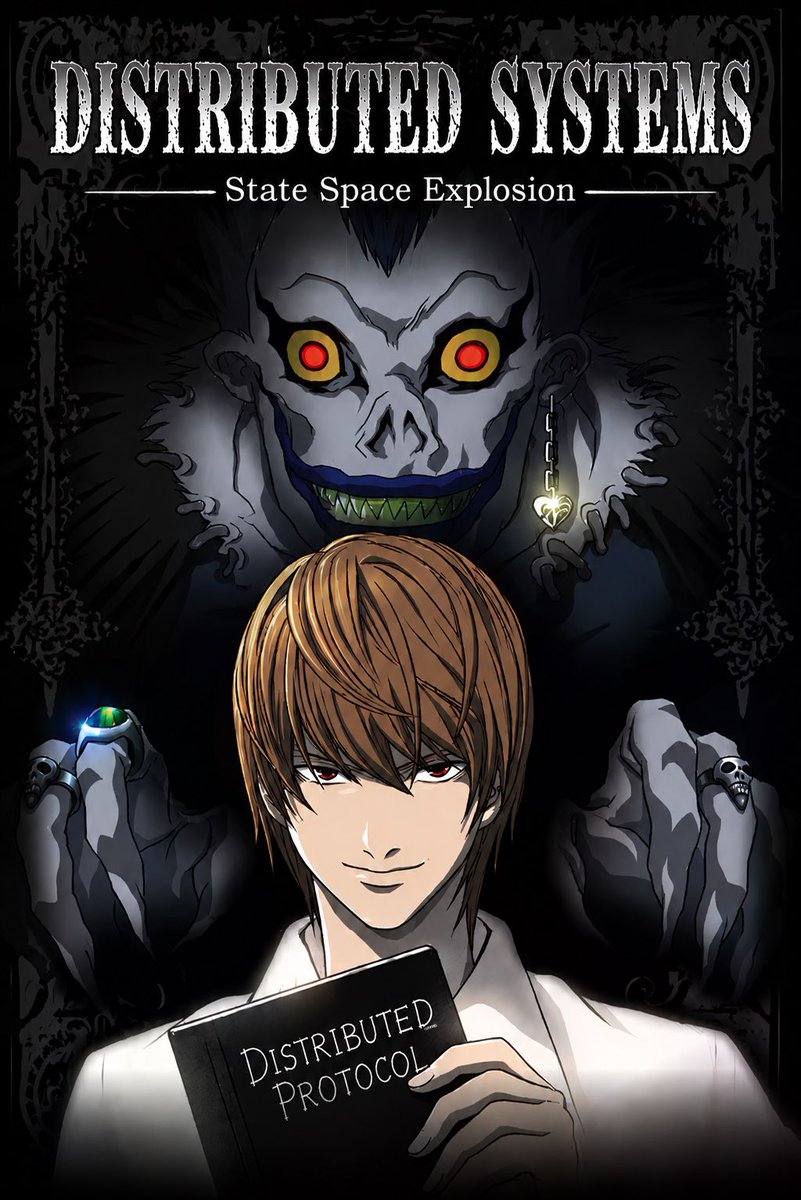
Even the simplest distributed protocols explode into intractable state spaces.
Death by a thousand edge cases 🍎
1
20
4,221

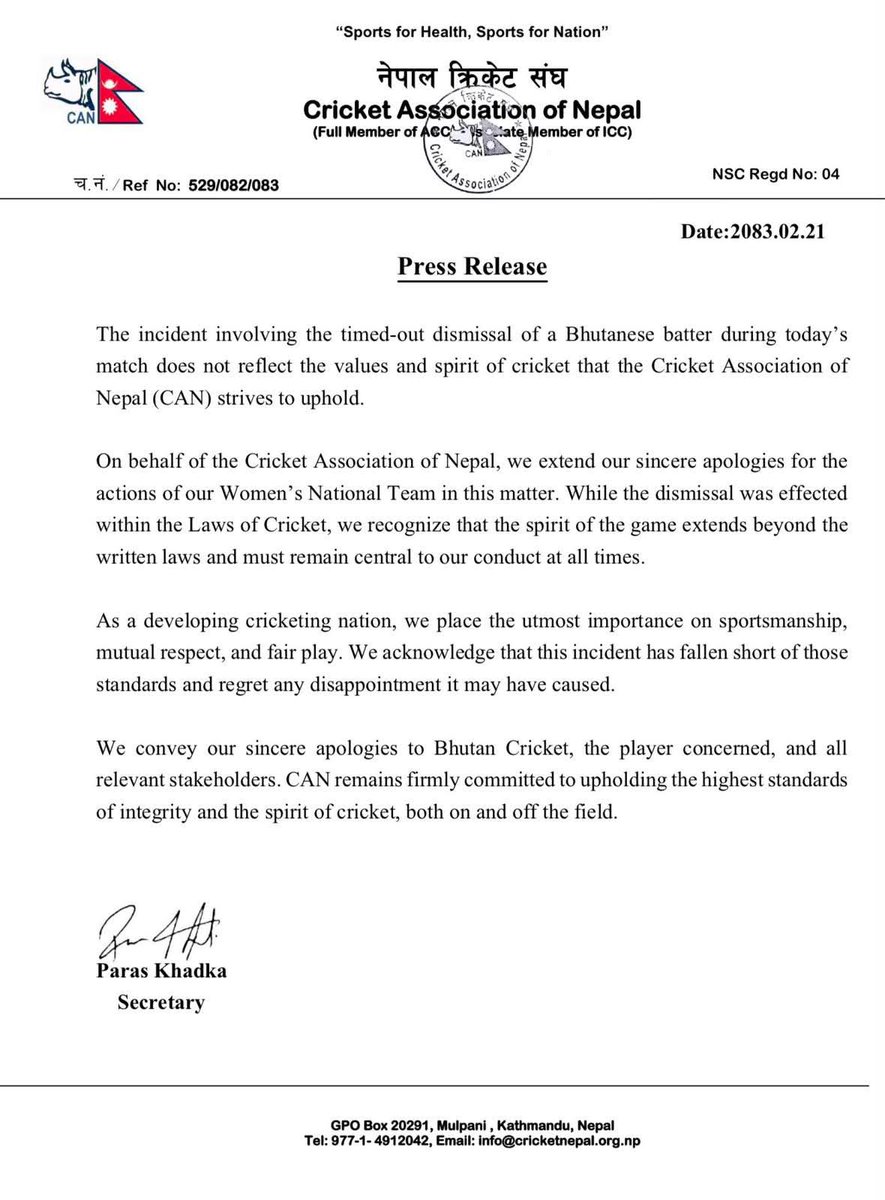
🇳🇵 Cricket Association Nepal has apologized to Bhutan Cricket over the timedout dismissal, calling it mistake and reaffirming its respect for spirit of the game. Massive W for @CricketNep this is how the institute sets benchmark hope this never happen how bad the situation is
2
14
853

Jun 4
खेल भावनाविपरीत मानिने दुर्लभ 'टाइम्ड आउट' गर्ने देशमा नेपाल तेस्रो
#BBCNepali #Timedout #NepalvsBhutan
bbc.in/49FcfvG
11
6,651

May 22
This Freemodel.dev guys timedout and rotated out their keys then brought out paid T1 keys lol
Never seen a carefully orchestrated scam like this
Lured users with free credits and tiers and barely 48hrs rotated the keys out.
Na why I no dey trust free things from China be this smh 🤦♀️
2
3
198


I fear this would get you timedout AT BEST if you tried it today.
2
20
584

I was timedout in the AYN discord server for saying I was gay
1
6
246


Mar 25
(Personal clip)
Yk that iwas suffering in the chat, i was timedout
1
10
121

Mar 20
So @Delta you cancel my flight because your staff timedout and promise to give refunds. Cool. But on what planet is a flight from NYC to DC worth $34? Tell me, quickly!!!!
1
1
3
325


looks like it is a scam. i was timedout twice then kicked out. i got ripped off with $3.. be careful as the metamask transaction will not put a spending cap limit so they might take all your $$
3
103

If I had a nickel for every time someone confessed to me how they found 📖 sensei hot when he put his foot down and timedout a spammer on ⚔️'s chat, I’d have two nickels which isn’t a lot but it’s weird it happened twice 😂🤣
4
3
202
3,220


Feb 18
"You blew the wrong hole."
"You're absolutely right! Let me analyze that."
*analyzing 'sheet music'*
*updating sequence*
//ERROR: TIMEDOUT!/Check Back in 04:400MSTR
11
657