
Mar 29
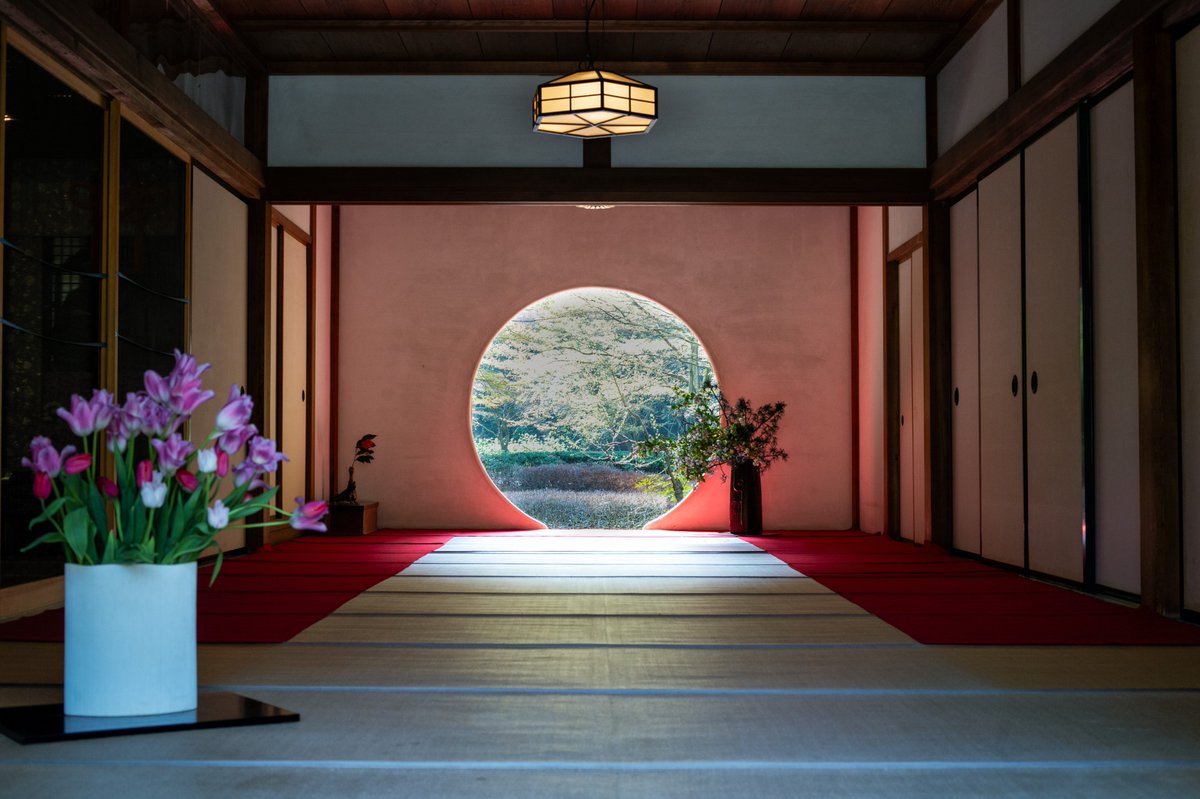
A quiet moment framed by light and silence.
Stepping back into the world with my Nikon D4s and Zeiss Milvus 50mm f/2—there’s a depth and stillness in this scene that feels almost meditative.
Captured at Meigetsu-in, Kamakura.
#Kamakura #Meigetsuin #ZenAesthetic #JapaneseGarden #LightAndShadow #NikonD4s #ZeissMilvus #Milvus50mm #PhotographyLovers #QuietMoments #ThroughTheLens #JapanPhotography #Minimalism #WabiSabi #TimelessScenes
1
5
52

29 Nov 2025
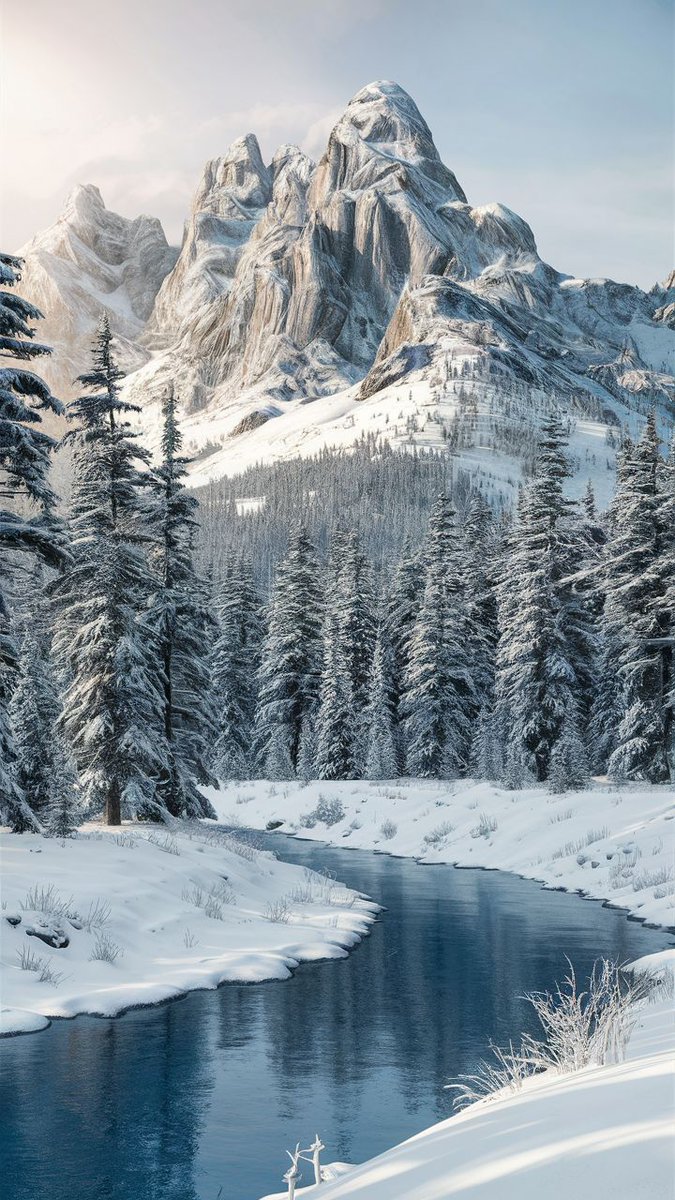
A frozen kingdom of stillness and purity — where mountains stand untouched, forests wear winter like a crown, and the river reflects a world made of silence and wonder. ❄️🏔️✨
#WinterMajesty #FrozenBeauty #MountainDreams #PureNature #SnowyWonderland #TimelessScenes ✨
29 Nov 2025

1
2
61

26 Nov 2025
"مَشية بين شوارع طالعة من زمن تاني…
مباني بتتعب، وأنا بضلّني خفيفة.
في شي بهالهدوء بيشبّه سينما زمان،
وكأني طالعة من لقطة ما خلصت بعد… 🎞️✨"
#OldFilmVibes #VintageStreets #CinematicMoments #TimelessScenes
15
250

17 Jul 2025
Celebrating 45 wonderful years in showbiz 🎬✨ Sharing some of my most unforgettable scenes and quotable quotes from the films that shaped my journey. Thank you for growing with me through every role, every laugh, and every tear. #CarmiAt45 #TimelessScenes #QuotableQuotes
25
611

11 Jun 2025
Cobblestone Alley
·
📷 1/50 sec at f/16, ISO 1250, 50 mm standard 24-50mm —👤 #dan23freedom
#BlackAndWhite #Street #Urban #Germany #GermanStreets #NRW #UrbanHistory #CobblestonePath #BrickArchitecture #OldTownCharm #TimelessScenes #QuietAlley #EuropeanCities #ArchitecturalDetails
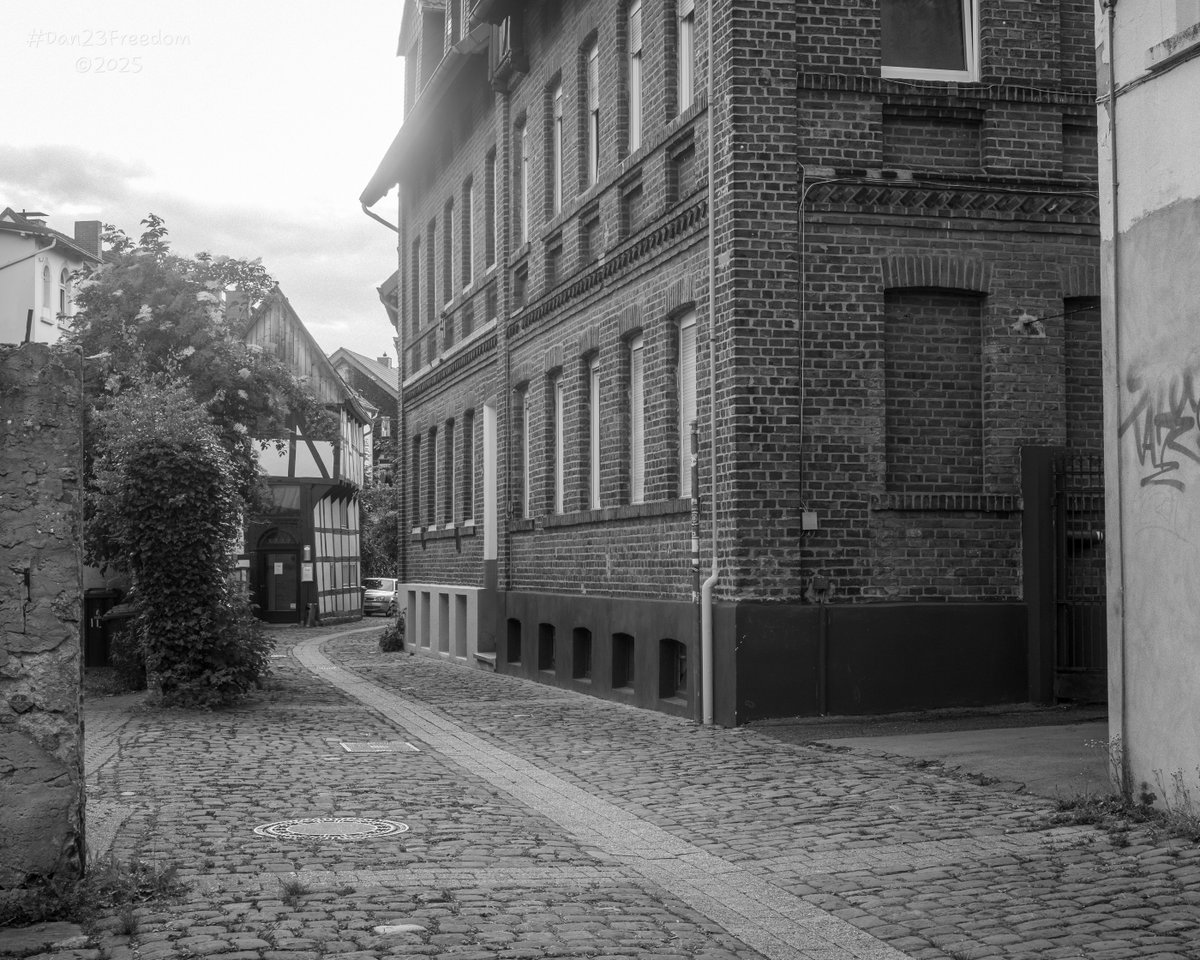
ALT This monochromatic image transports the viewer to a narrow, winding street paved with cobblestones, flanked by an imposing brick building on the right and glimpses of older, timber-framed houses further down the lane on the left.
1
2
88
382

13 Apr 2025
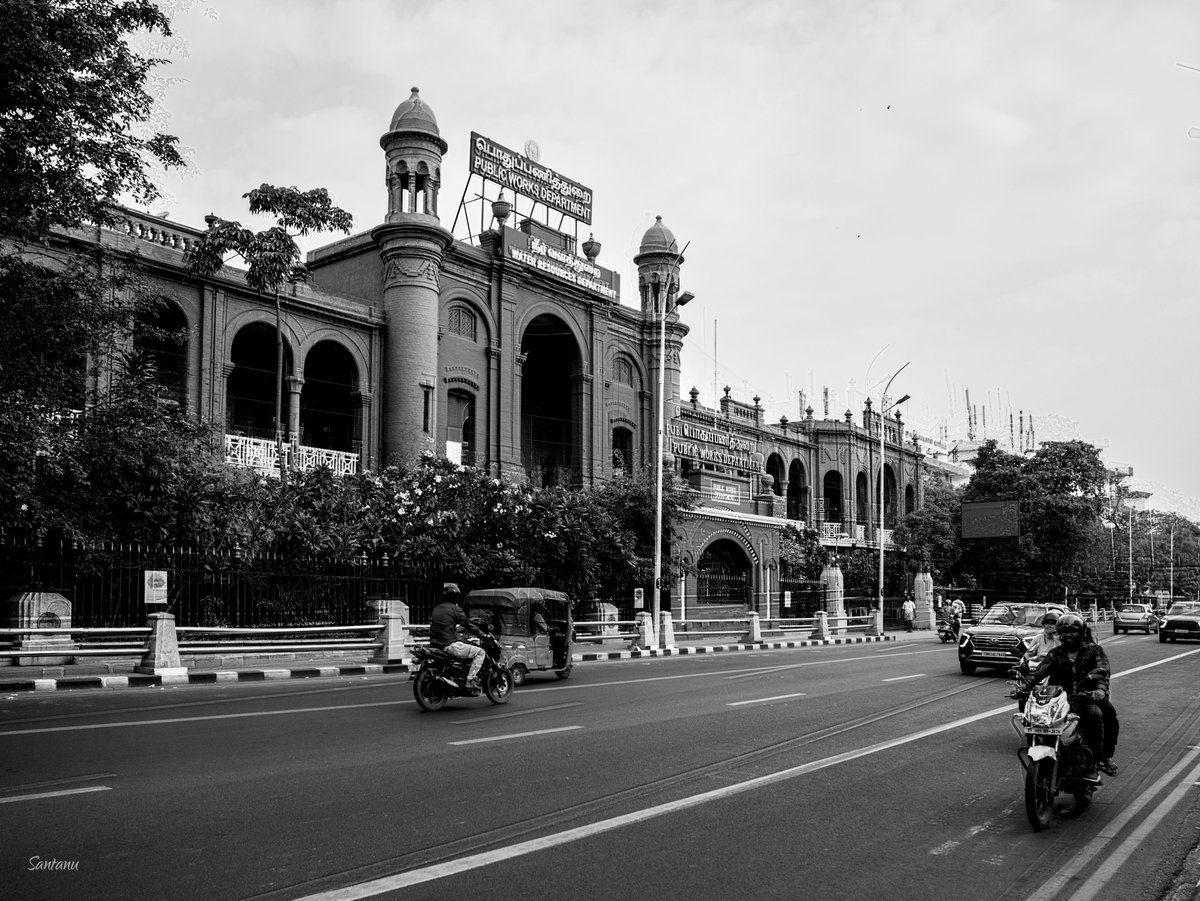
ℂ𝕙𝕖𝕟𝕟𝕒𝕚 𝕚𝕟 𝕘𝕣𝕒𝕪𝕤𝕔𝕒𝕝𝕖: 𝕓𝕖𝕒𝕦𝕥𝕪 𝕓𝕖𝕪𝕠𝕟𝕕 𝕔𝕠𝕝𝕠𝕣.
#ChennaiInMonochrome #BWPhotography #BlackAndWhiteArt #TimelessScenes #MonochromeMoments
Aperture: F2.8 Focal Length: 17 mm Shutter Speed: 1/1250 s ISO Speed Rating: 640 Captured on : 13th April 2025, 6:58:49 AM
Camera : SONY, ZV-E10 Lens Model: E 17-70mm F2.8 B070
"DSC01763"
3
90

Some films entertain, but some moments live in our hearts forever. ✨❤️
#CinematicMemories #UnforgettableMoments #MovieMagic #SouthCinema #FilmLovers #TimelessScenes
#Kalki2898AD #KGFChapter2 #Vikram #ManjummelBoys #siima




2
21
1,480

18 Feb 2025
Looking back 2 years. Neon fades, the city shifts, but some places still whisper their stories.
Venice, CA
Day 4862 of one photograph every day for the rest of my life.
#VeniceCA #StreetPhotography #BlackAndWhitePhotography #UrbanDecay #LeicaM #TimelessScenes #BlackAndWhiteArt

6
373
15 Feb 2025
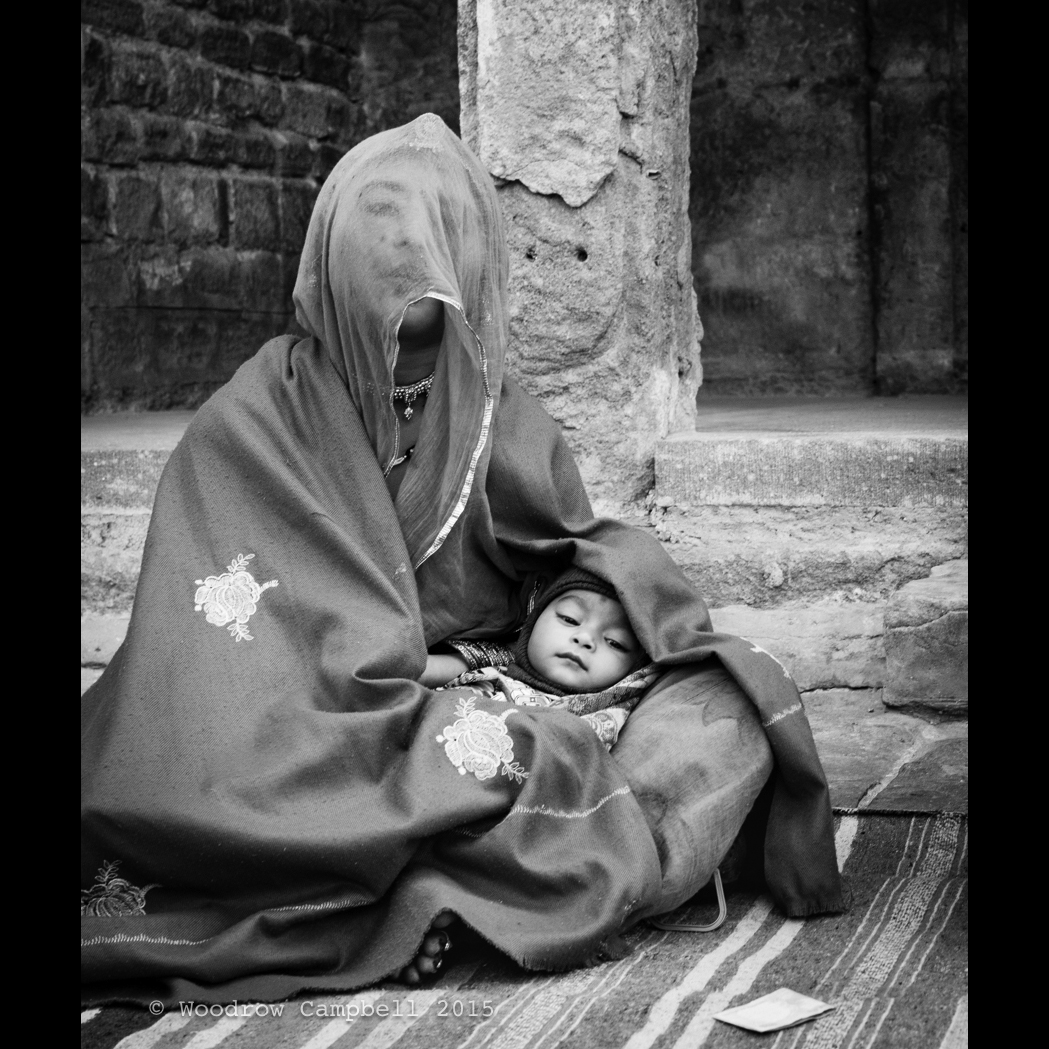
Looking back 10 years to India: A quiet moment wrapped in time. Some stories don’t need words. What do you see in this image?
Day 1939 of one photograph every day for the rest of my life.
#India #StreetPhotography #BlackAndWhitePhotography #TimelessScenes #Monochrome #LeicaM
8
295
14 Feb 2025
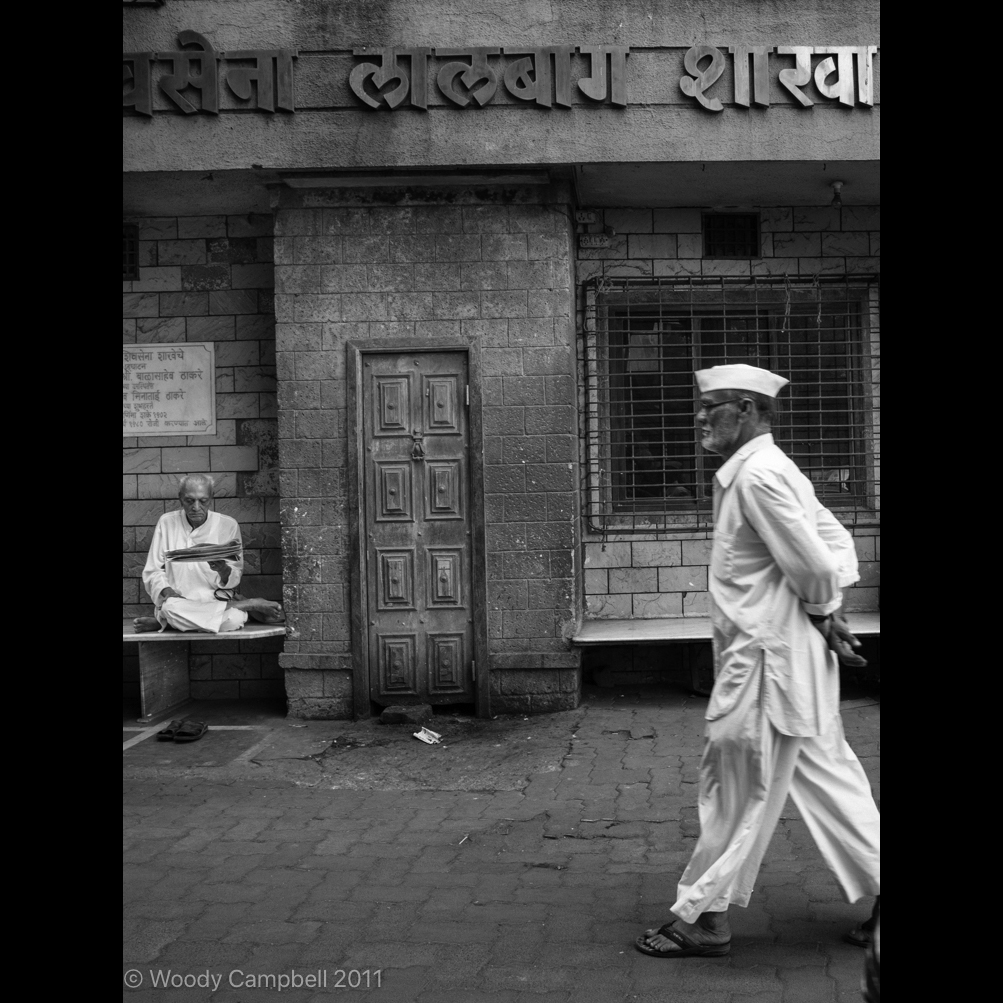
Looking back 10 years. A decade passed yet some streets still feel the same. What’s a place that remains unchanged in your memory?
India
Day 1937 of one photograph every day for the rest of my life.
#India #StreetPhotography #BlackAndWhitePhotography #TimelessScenes #Monochrome
6
311

8 Dec 2024
Market strolls 🌞✨ A walk through vibrant stalls, colorful produce, and the heartbeat of a bustling marketplace frozen in time.
#MarketVibes #LocalAdventures #RetroMarket #NostalgicWanders #TimelessScenes #CulturalColors #VintageShopping #VintageVibes #vntg #thevntgapp

3
51

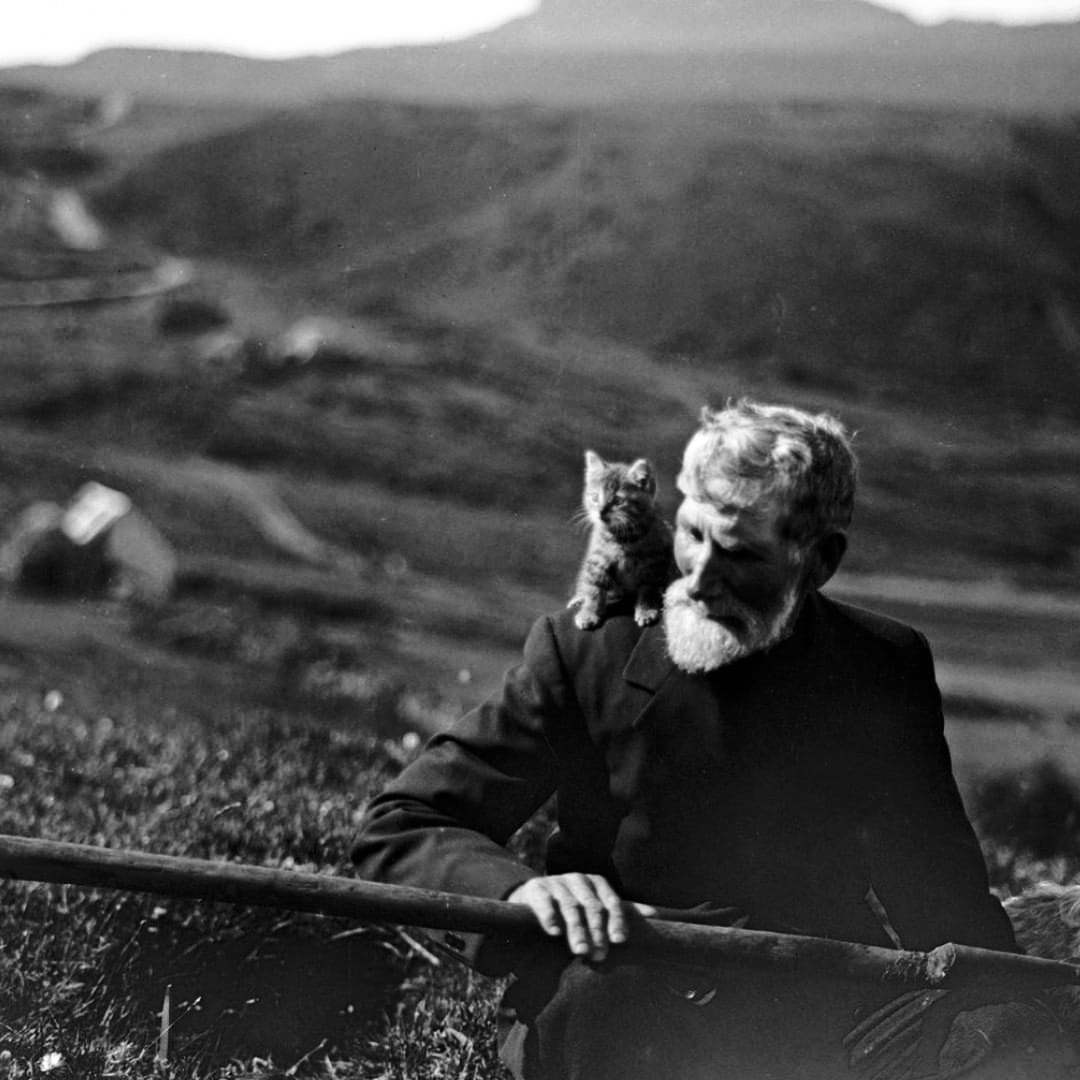
"In the 1920s, Scotland was a land of breathtaking landscapes, rich history, and timeless traditions. It was during this time that Mary Ethel Muir Donaldson, a talented photographer, captured some of the most stunning scenes of the Scottish countryside. Her work not only immortalized the beauty of Scotland but also highlighted the intimate connection between people, animals, and nature. One of her most memorable photos features a beautiful, serene scene in the Scottish highlands, with a cat nestled peacefully in the frame. This simple yet evocative image, taken nearly a century ago, speaks to the quiet moments of life that so often go unnoticed but are deeply cherished.
Mary Ethel Muir Donaldson was one of the many talented but often overlooked female photographers of the early 20th century. Photography, especially in its early days, was a male-dominated field. However, women like Donaldson carved out their own space, capturing images that were not only technically impressive but also emotionally resonant. Donaldson’s work often focused on the natural world, with an eye for the serene and the peaceful. Her photographs of Scotland were more than just landscapes—they captured the essence of life in the countryside, where humans and animals coexisted in harmony with the land.
The 1920s were a period of significant change in Scotland. The aftermath of World War I left much of Europe reeling, and Scotland was no exception. Many Scots had fought in the war, and the impact of their loss weighed heavily on the nation. As urban areas expanded and industrialization continued, the Scottish countryside remained a place of solace, offering a sense of continuity and connection to the past. Donaldson’s photographs of rural Scotland during this time reflect that sense of peace amidst turmoil, focusing on the timeless beauty of nature and the quiet moments of everyday life.
One of her most striking images is that of a solitary cat, sitting calmly in a lush, green meadow. The cat, with its sleek fur and relaxed posture, seems almost at one with its surroundings. Behind it, the rolling hills of the Scottish highlands stretch out in the distance, their rugged beauty softened by the mist that often blankets the landscape. This image, like many of Donaldson’s works, is both simple and profound. It speaks to the enduring bond between humans, animals, and nature—a theme that has always been central to life in rural Scotland.
Cats have long held a special place in Scottish culture. In Celtic mythology, cats were often seen as mysterious and magical creatures, believed to have the ability to protect homes and ward off evil spirits. The Scottish wildcat, known as the Felis silvestris grampia, is a symbol of the country’s untamed wilderness. Though much rarer today, the wildcat was once a common sight in the highlands, and its presence in folklore and art is a testament to its significance in Scottish history. Domestic cats, like the one in Donaldson’s photograph, were valued not only for their companionship but also for their ability to keep homes and farms free of pests.
In rural areas, cats often roamed freely, living both indoors and outdoors as part of the household. They were independent creatures, capable of fending for themselves, yet they were also deeply cherished by the families who cared for them. This dual nature of cats—their independence and their loyalty—mirrors the spirit of the Scottish people, who have long valued both their freedom and their sense of community.
The setting of Donaldson’s photograph—a peaceful meadow in the Scottish highlands—further emphasizes the bond between the natural world and the animals that inhabit it. Scotland’s landscapes are famous for their rugged beauty, with towering mountains, deep lochs, and vast stretches of moorland. These wild, untamed spaces have inspired poets, artists, and photographers for centuries. The highlands, in particular, are a place of solitude and reflection, where one can feel truly connected to the earth and the sky. Donaldson’s choice to photograph a cat in this setting highlights the idea that even in the wildest places, there is room for companionship and peace.
The 1920s were a time of technological advancement in photography, and Donaldson, like many photographers of her era, took advantage of these developments. Cameras were becoming more portable, and film was improving in quality, allowing photographers to capture images with greater clarity and detail. Donaldson’s work stands out for its composition and use of light, as well as her ability to capture the quiet beauty of her subjects. In the case of the cat in the meadow, the soft lighting and gentle shadows create a sense of calm, drawing the viewer into the scene and inviting them to linger there.
Donaldson’s photographs also reflect a broader trend in early 20th-century art, which saw a renewed interest in nature and the pastoral. After the devastation of World War I, many artists and writers turned to the natural world as a source of healing and inspiration. In Scotland, this was especially true, as the country’s landscape had long been a source of national pride and identity. The rugged beauty of the highlands, the tranquility of the lochs, and the simplicity of rural life were celebrated in art, literature, and photography.
Donaldson’s work fits into this tradition, but it also stands out for its focus on the small, intimate moments of life. While many photographers of her time were drawn to grand, sweeping landscapes, Donaldson often turned her lens toward quieter scenes—animals resting in the grass, children playing by a stream, or a solitary figure walking along a country road. These moments, though small, capture the essence of life in rural Scotland, where the pace of life was slower, and the connection to the land was deep.
The cat in Donaldson’s photograph embodies this sense of quiet contentment. It is a reminder that amidst the beauty and grandeur of Scotland’s landscapes, there are also moments of stillness and peace. The cat, like the land itself, is a symbol of resilience and independence, yet also of the comfort that comes from being at home in the world.
Today, Mary Ethel Muir Donaldson’s photographs offer a glimpse into a world that has largely disappeared. The rural Scotland of the 1920s, with its isolated farmhouses, untamed landscapes, and close-knit communities, is a far cry from the modern, urbanized world we live in today. Yet, her images continue to resonate with viewers, reminding us of the timeless beauty of nature and the enduring bond between humans and animals.
In a time when cities are expanding, and green spaces are shrinking, Donaldson’s work feels more relevant than ever. Her photographs encourage us to slow down, to appreciate the small moments of life, and to reconnect with the natural world around us. The cat in the meadow, captured nearly a century ago, still speaks to us today, reminding us of the simple joys of life and the peace that can be found in solitude and nature."
via History Glimpses
#MaryEthelMuirDonaldson #VintagePhotography #Scotland #RuralLife #PhotographyHistory #1920s #CatsOfScotland #HighlandLife #NatureAndPhotography #ClassicPhotography #ScottishHighlands #CatLovers #PhotographyLegends #OldScotland #NaturalBeauty #TimelessScenes #AnimalPhotography #PastAndPresent #Caturday #CaturdayVibes
3
34
520