
3 Oct 2025
Bitcoin is highly divisible, with each BTC broken down into 100 million smaller units called satoshis (often abbreviated as "sats"). This means you can invest in tiny fractions of a Bitcoin—starting from as little as a few dollars or euros—without needing to buy a whole coin, which currently trades for tens of thousands of dollars.
Here's a high-level overview of how to do it safely and legitimately:1. Use Cryptocurrency ExchangesThis is the most straightforward method. Platforms like Coinbase, Binance, Gemini, Kraken, or others allow you to buy any amount of Bitcoin, even fractions as small as 0.000001 BTC (or less, depending on their minimums).
2 sources
Steps:Sign up for an account on a reputable exchange and complete identity verification (KYC) as required by regulations.
Link a payment method, such as a bank account, debit/credit card, or digital wallet.
Deposit funds and place a buy order for the desired amount of BTC (e.g., $50 worth, which would get you a fraction based on the current price).
Store your BTC in the exchange's wallet or transfer it to a personal wallet for better security.
Minimum investments are often low, like $1–$10, making it accessible for small-scale investing.
2. Mobile Apps and BrokeragesApps like Cash App, Robinhood, or PayPal let you buy fractional Bitcoin directly within their platforms, often with user-friendly interfaces for beginners.
Specialized crypto apps like Ka.app support buying fractions using methods such as bank transfers, Apple Pay, Google Pay, or even crypto IBANs.
These often have low entry points and may include features for recurring buys (dollar-cost averaging) to build holdings over time.
3. Bitcoin ATMs or DispensersPhysical Bitcoin ATMs (e.g., from providers like Crypto Dispensers or RockItCoin) allow you to insert cash and buy fractional amounts on the spot.
2 sources
Locate one via apps or websites, scan a QR code for your wallet, and purchase as little as you want. Fees can be higher than online exchanges, so compare options.
4. Peer-to-Peer (P2P) PlatformsServices like LocalBitcoins or Paxful connect you directly with sellers, where you can negotiate and buy small fractions using various payment methods (e.g., cash, transfers).
This can be flexible but requires caution to avoid scams—use escrow features and verify sellers.
5. Indirect Exposure via ETFs or FundsIf you prefer not to hold BTC directly, invest in spot Bitcoin ETFs (e.g., through traditional brokers like Fidelity or Vanguard) that track Bitcoin's price and allow fractional shares.
This provides exposure without managing wallets, but it's not actual ownership of BTC—it's more like a stock tied to its value.
Additional TipsSecurity: Always enable two-factor authentication (2FA) and consider using hardware wallets (e.g., Ledger or Trezor) for long-term storage of your fractions.
Costs and Risks: Be aware of transaction fees, which vary by platform, and Bitcoin's volatility—prices can fluctuate significantly.
Regulations: Check local laws, as crypto investing is regulated differently by country (e.g., taxes on gains).
Start small to learn the process, and research platforms' reputations before committing funds.
2
72

19 May 2017
Thx 4 the RT: @cybersecboardrm @TipsSecurity @h4x0rz_mail @HrJ8dlmv74J7F7m @AnnCavoukian @maynard_phil @mangnese @stevieking9 @Archimedius

3


24 Feb 2015
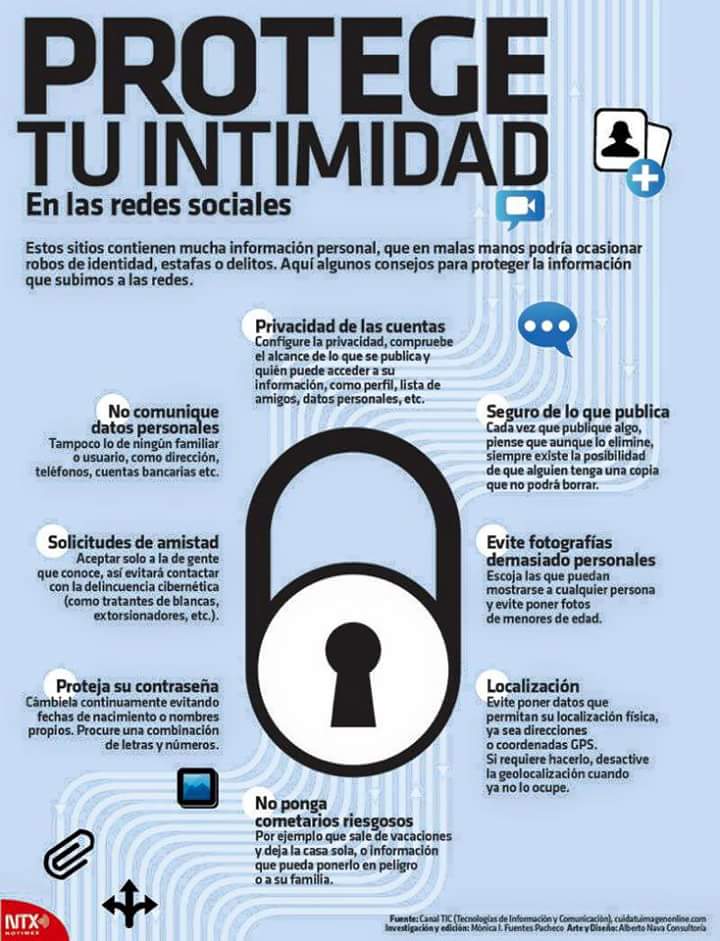
Protégete de los robos de identidad; Tu privacidad. #Infografía #TipsSecurity #Infographic #Security #Tips
3
3

20 Jan 2015
“Cualquiera sabe computación, pero solo un profesional garantiza calidad y compromiso.”
#SecurityTIC #TipsSecurity

3
2

8 Jan 2015
"@helisulbaran: Si una persona te insulta por redes sociales, alcanza su éxito solo si tu le respondes. Bloquealo y olvídalo. #TipsSecurity"
1
2

9 Dec 2014
RT @helisulbaran: "En las redes sociales no todos son lo que dicen ser." #TipsSecurity :)

2
3
8 Dec 2014
Aunque sea parte de la vida de los niños, la tecnología no sustituye lectura de libros o tiempo de juego con padres y hermanos #TipsSecurity
1
3

7 Dec 2014
"@helisulbaran: "Los teléfonos móviles serán inteligentes..." XD #TipsSecurity x.com/helisulbaran/status/54…"
1
2
4

9 Nov 2014
10
4
3 Nov 2014
"@helisulbaran: Este es el enlace oficial de #Twitter para reportar usuarios con conducta abusiva: support.twitter.com/forms/ab… #TipsSecurity"
4
3

27 Aug 2014
"@helisulbaran: ¿Quieres ser hacker? Esta página clases gratuitas: "Retos Hacking". bit.ly/1hVsaSR #TipsSecurity" cc @farciaramirez
24 Aug 2014
"@helisulbaran: Phubbing: acto de Ignorar a la persona que se tiene al frente por revisar el smartphone. #TipsSecurity"
2


22 Jan 2014
@helisulbaran ¡Qué honor! A nuestra vez, gracias a ti por los fabulosos #TipsSecurity que tanto ayudan a protegernos en RRSS

10 Dec 2013
@helisulbaran @MReyesRamon Muchas gracias, Helí y Reyes. ¿A las #TipsSecurity? Buen resto de martes.
1
2