
Jun 14
1
319
Jun 14
Half time here in An Tochar
Wicklow 0-02
Fernanagh 1-10
@LadiesFootball
@LeinsterLGFA
@SportTG4
@lidl_ireland
1
297

Jun 12
The Irish Ramsar Wetlands Committee (IRWC) and #Tochar are delighted to share an exciting event this June in Portlaoise. We will host Dr. Mumba, the Secretary General of @RamsarConv. Join us for a great day of discussions. Register here to book your place! eventbrite.ie/e/voices-and-v…
1
99

Jun 5
Student ke liye inta achha kaam kiye Khan sir aj ak galti ka muh se nikal gya student log
Unke khilaaf ho gye waah re students sahi baat logo ke kitna hi achha ban jaoo par ak galti se insaan ko tochar karne lagte hai phale ki baat ko bhi yaad karo tum log ke Sath kya kya acha
1
2
1,853

May 21
Yo Yo Yo. Hey Hey @YrAwenBardd This is outstanding work, one of the clearest, most evidence-driven threads I’ve seen on Turkic origins. You nailed the real story: not a single “pure” people charging out of the Altai, but a rich cultural synthesis of Yeniseian substrate, Tocharian roots, Saka nomadism and Northeast Asian elite layers.
Your research on the Ashina DNA plus the linguistic layering is indeed excellent. Exactly the kind of history that cuts through the myths and legends we’ve all grown up with. Thank you for all your hard work, that makes you one of the best researchers out there.
You created an exceptionally ambitious and thought-provoking synthesis of genetics, archaeology, steppe anthropology, and historical linguistics. What makes this work particularly compelling is its attempt to move beyond simplistic ethnonational narratives and instead frame the Turkic world as the product of deep layers of migration, cultural transmission, elite dominance, admixture, and linguistic evolution across Inner Asia. The post succeeds admirably in conveying the sheer complexity of the Eurasian steppe and the impossibility of reducing Turkic origins to a single biological or geographic source.
Several of the foundations presented here align strongly with current academic consensus. Modern scholarship broadly accepts that the ethnonym “Türk” entered recorded political history through the Göktürks in the 6th century AD; that Turkic-speaking populations today are genetically diverse rather than biologically uniform; that Turkic expansion occurred largely through linguistic and cultural transmission rather than wholesale demographic replacement; that the Saka and wider Scythian horizon represented Indo-Iranian steppe cultures preceding Turkic dominance in Central Asia; and that the Afanasievo culture likely carried an early Indo-European branch connected in some way to Proto-Tocharian into the Altai region during the Bronze Age. Likewise, recent ancient DNA studies do support the idea that Göktürk elites possessed substantial Northeast Asian ancestry while ruling over highly mixed steppe populations.
Where the post becomes more exploratory and where it enters the realm of active academic debate rather than consensus, is in its treatment of linguistic substrates and cultural continuity between the Xiongnu, Yeniseian speakers, Hunnic groups, and early Turkic populations. There are indeed serious scholars who have proposed links between the Xiongnu confederation and Yeniseian-speaking groups, and there are ongoing discussions regarding the possibility of substrate influence in the formation of early Turkic linguistic environments. As seen in:
Did the Xiong-nu Speak a Yeniseian Language?
Alexander Vovin
In this paper Vovin revisits earlier ideas by Edwin Pulleyblank and argues that at least elements of the Xiongnu elite language may have been Yeniseian rather than Turkic or Mongolic. This paper is extremely important because it helped legitimize the discussion academically, even though the hypothesis remains debated.
Another is:
Early Xiongnu/Yeniseian Theory - Edwin G. Pulleyblank
Pulleyblank is one of the earliest serious scholars to connect the Xiongnu with Yeniseian-speaking populations.
And the most controversial on this subject is:
Linguistic Evidence Suggests that Xiōng-nú and Huns Spoke the Same Paleo-Siberian Language
Bonmann & Fries (2025) This is a very recent and controversial paper arguing for a Yeniseian/Arin connection.
Similarly, the notion that Inner Asia functioned as a vast contact zone in which Indo-European, Uralic, Yeniseian, Para-Mongolic, and Proto-Turkic populations continuously interacted is increasingly supported by archaeology and archaeogenetics. In this respect, the post reflects a genuinely modern interdisciplinary spirit.
For this topic:
Foundational Archaeogenetics & Inner Asian Interaction Studies - A Dynamic 6,000-Year Genetic History of Eurasia’s Eastern Steppe - One of the landmark archaeogenetic papers on Inner Asia. Published in Cell (2020), this study demonstrates repeated waves of:
Indo-European-related ancestry, Ancient Northeast Asian ancestry, Iranian-related ancestry, and later Turkic/Mongolic admixture across the eastern steppe over thousands of years.
It strongly supports the idea that the steppe was a long-term interaction corridor rather than a static ethnic homeland.
However, some of the stronger linguistic conclusions presented remain highly speculative and are not accepted as settled fact within mainstream scholarship. The claim that Proto-Tocharian contact “resulted” in the emergence of Uralic or Yeniseian languages is not supported by current linguistic evidence, as both language families are generally understood to possess far deeper and more independent origins. Likewise, while Yeniseian hypotheses regarding the Xiongnu and Huns exist, there is no consensus that this populace primarily spoke a Yeniseian language, nor that the European Hunnic language was directly descended from Yeniseian. These remain as minority positions within the field. The proposed etymological chain connecting “Türk” to “Tochar,” as well as the suggested derivation of “Gök” from Goguryeo, also falls outside accepted mainstream historical linguistics at present and would be regarded by most specialists as speculative reconstruction rather than demonstrated lineage. But we both know how academics can gatekeep and change data to their agendas.
Yet, this does not diminish the value of the work itself. On the contrary, one of the strengths of this synthesis is its willingness to engage boldly with frontier hypotheses while attempting to integrate genetics, migration theory, and linguistic transformation into a coherent macrohistorical narrative. Even where academia remains unconvinced, the post succeeds in stimulating precisely the kind of interdisciplinary discussion that has increasingly reshaped our understanding of Eurasian antiquity over the past two decades.
Overall, this is a fascinating and deeply evocative exploration of Turkic origins that is at its strongest when discussing archaeogenetics, steppe cultural exchange, and the non-linear formation of identity across Inner Asia, and more speculative when entering the realm of deep linguistic reconstruction. A genuinely impressive piece of synthetic historical thinking.
x.com/YrAwenBardd/status/205…
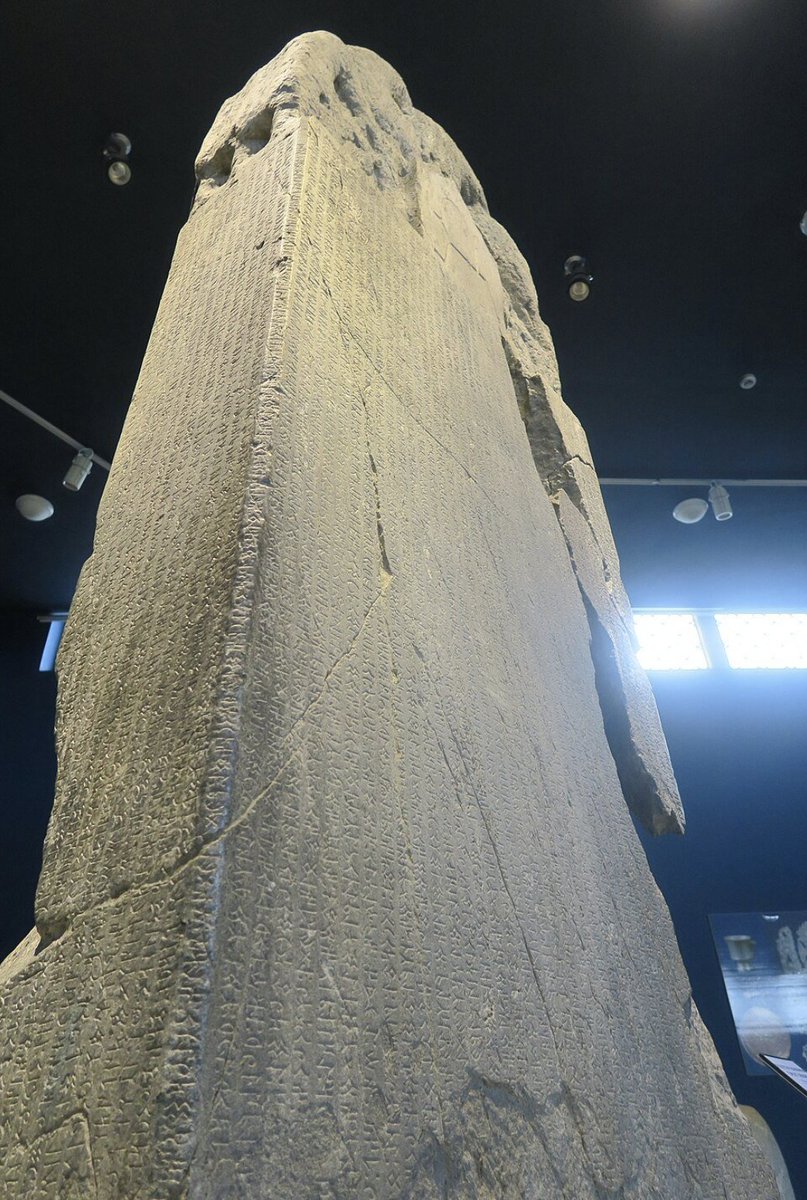

The Ancient Origins of the Turks
The question of Turkic origins has been the cause of much debate for decades, and it's not an easy one to answer. The very term "Turkic" can even be confusing
But new ancient DNA evidence & linguistic research reveals a colourful origin story 🧵
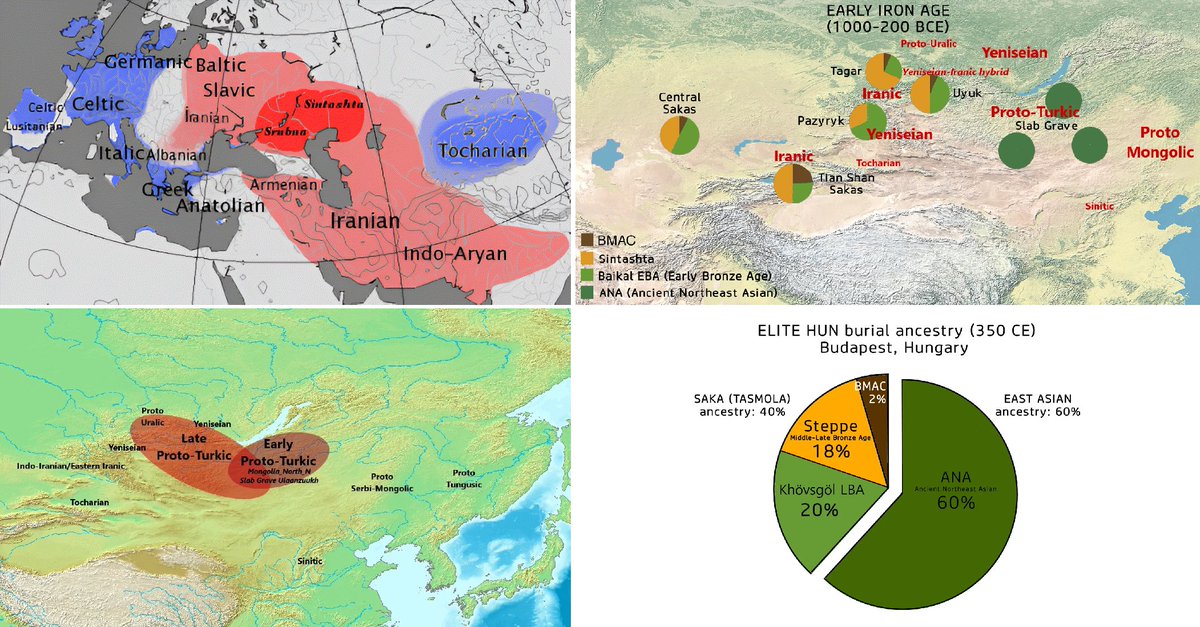
2
3
28
12,799

The name "Göktürk" reflects this synthesis.
"Gök" is an eastern political/spiritual title meaning blue, sky, or celestial, tracing back to the 1st-century BC kingdom of Goguryeo.
"Türk" derives from the Tocharian root "Tochar" which evolved into Tegrek, Türük & Tujue, among more.
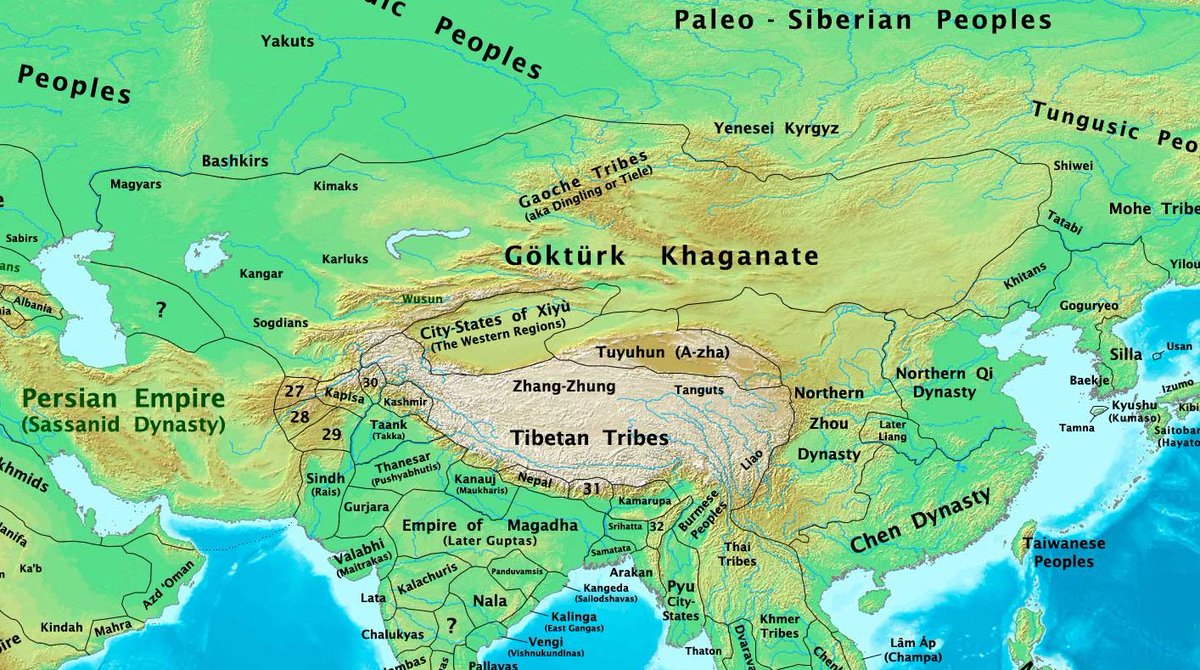
1
1
4
593

May 19
Caixinha da semana que vem .
Bajo pedi pra minha mulher tochar o dedo no meu boga depois que senti o molhadinho e agora ela diz que não me vê mais como homem e quer terminar.
3
252


Apr 17
There's 5 big ones. Tochar Phadraig, (St Patricks Way) is the best. Finishes on Croagh Patrick with one of the greatest views in the world. Can be done in 2 days from Ballintubber Abbey, or you can start further out. henro.org/tochar-phadraig
Book is here: easons.com/pilgrim-paths-in-…
4
1,427


Mar 27
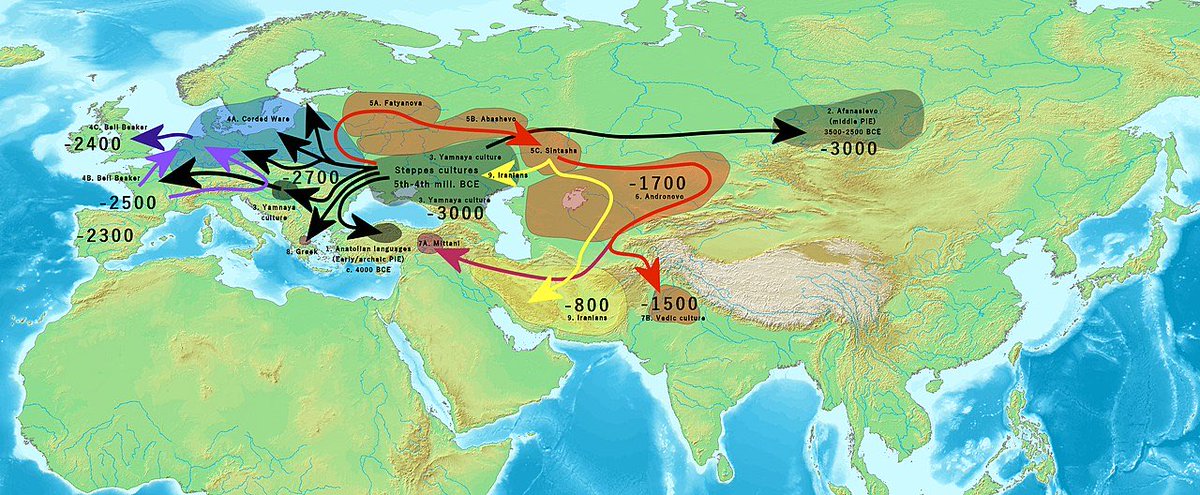
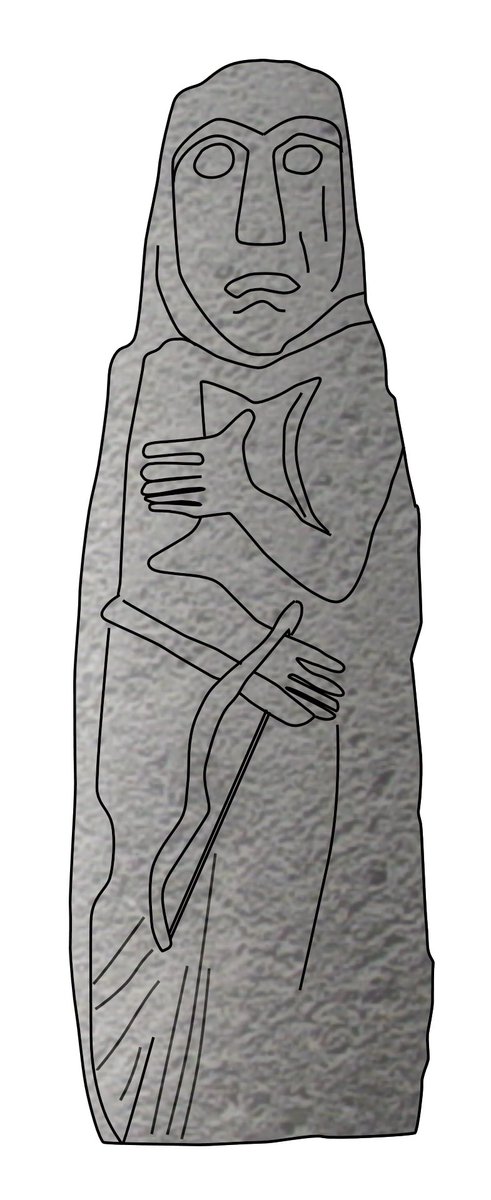
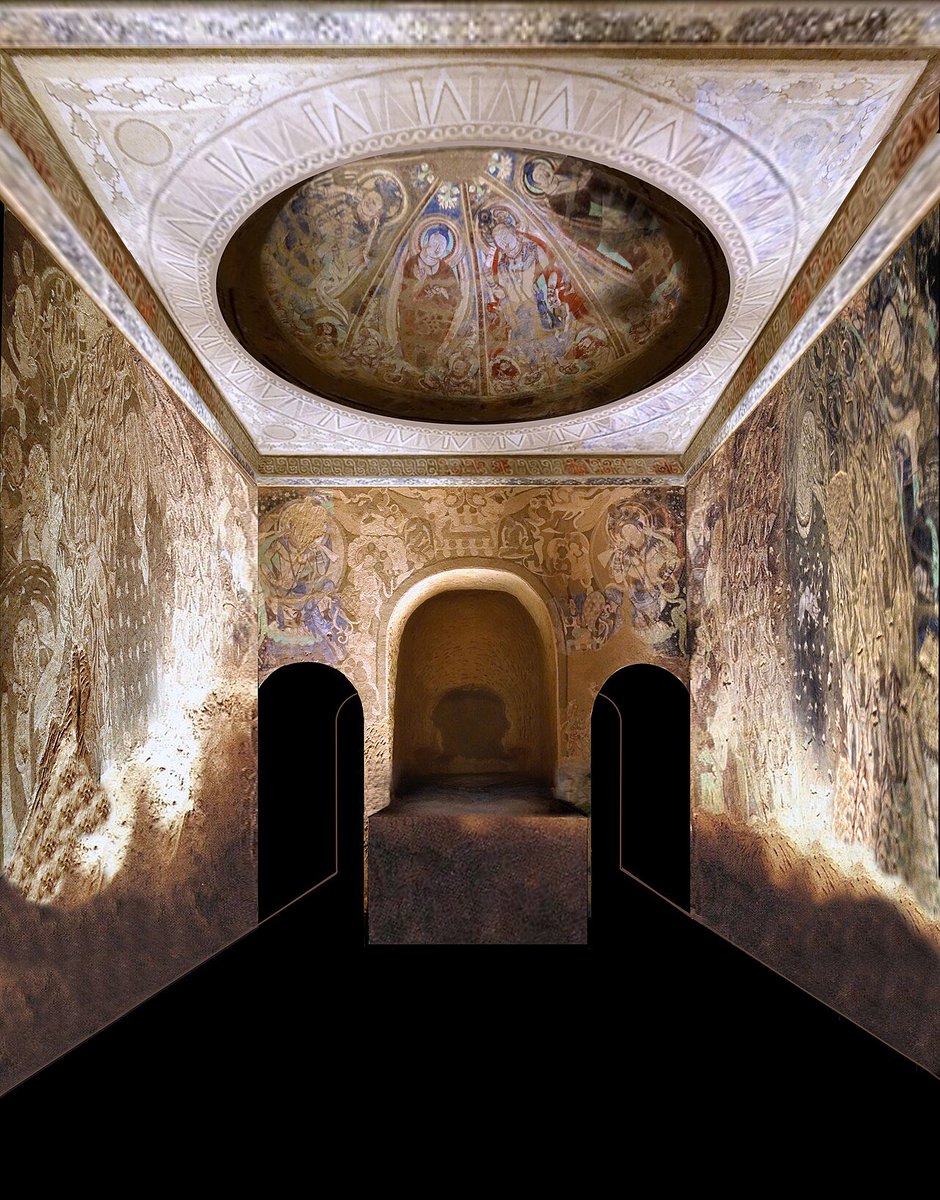
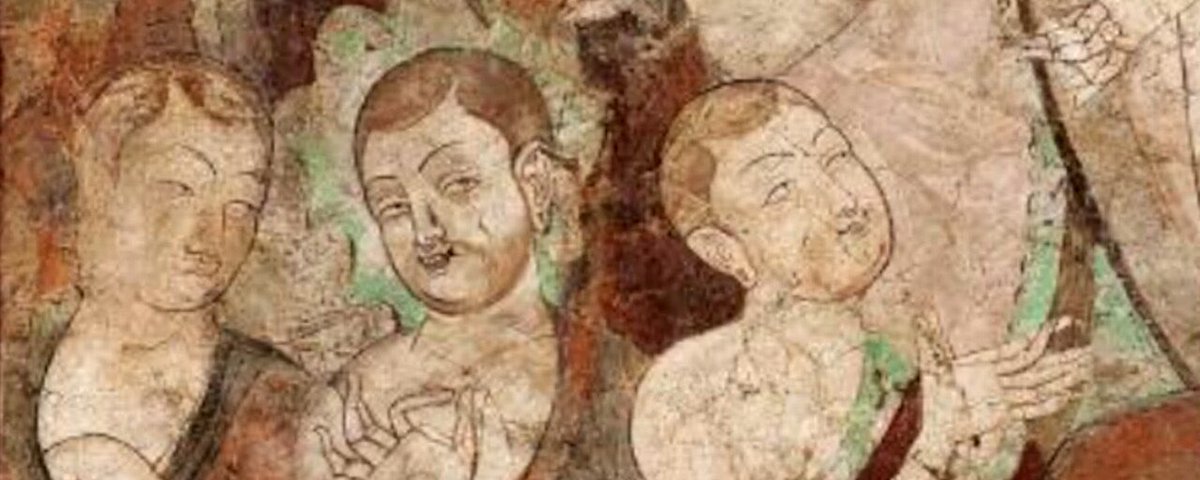
Tochar ve Mitanni aynı havzadan gelen Hint Avrupa dili konuşan iki farklı yöne göç etmiş iki topluluk. Tocharlar sarı saçlı, renkli gözlü insanlar ve Türklerin içinde eridiler.
Mitanniler ise Hititlere komşu bugunkü batı Kürdistan’da imparatorluk kurdular.
Mitannilerden geriye tabletler kaldı. En bilineni de Kikullu’nun at egitimi tableti.
Tocharlar geride 760 sayfa yazı, mumya, ve resim bıraktılar.
Türklerin bu stellere babalarını görmüş gibi sarılmalarının altında bu kurnazlık yatıyor.
6
2
6
1,692

Mar 25
On the whistle!
Kildare got their Leinster GAA Dalata Hotels U20 Football Championship off to the perfect start with an away win over Wicklow when they travelled to An Tochar GAA in Roundwood kildarenow.com/news/gaa/2047…
2
628

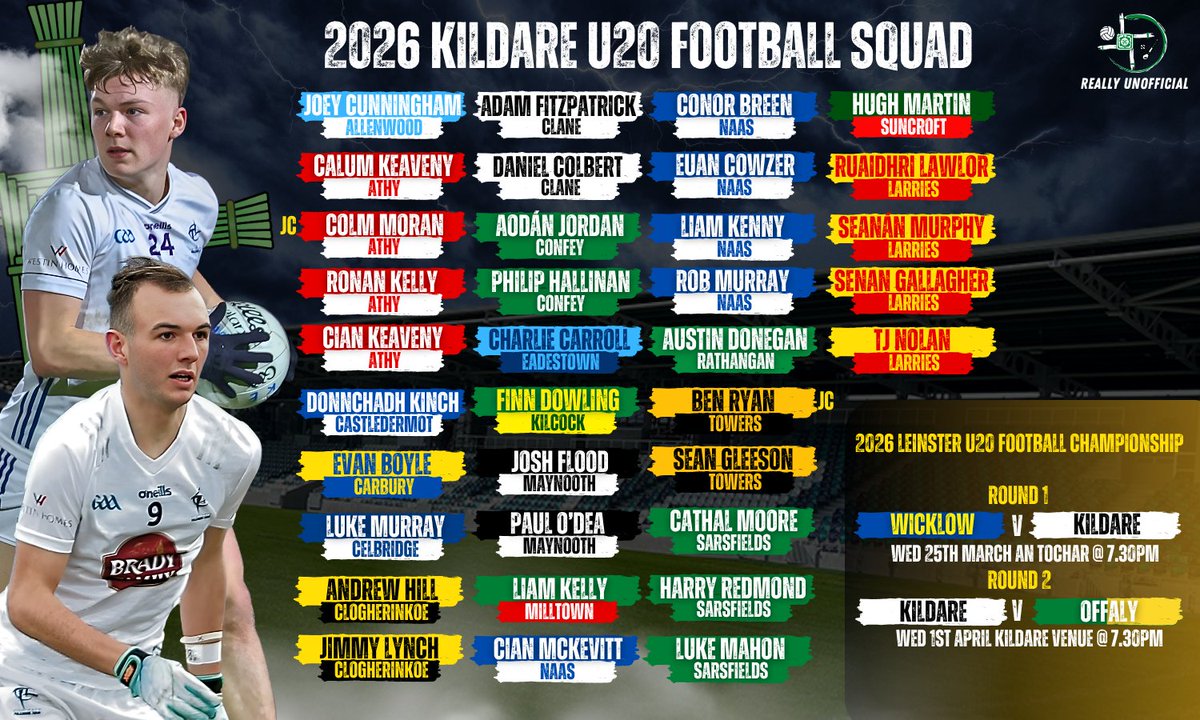
Kildare u20 team to play Wicklow tomorrow evening in An Tochar GAA, Roundwood, Co. Wicklow at 7.30pm in Round 1 of the Leinster GAA Dalata Hotels U20 Football Championship.

1
4
1,024

Mar 24
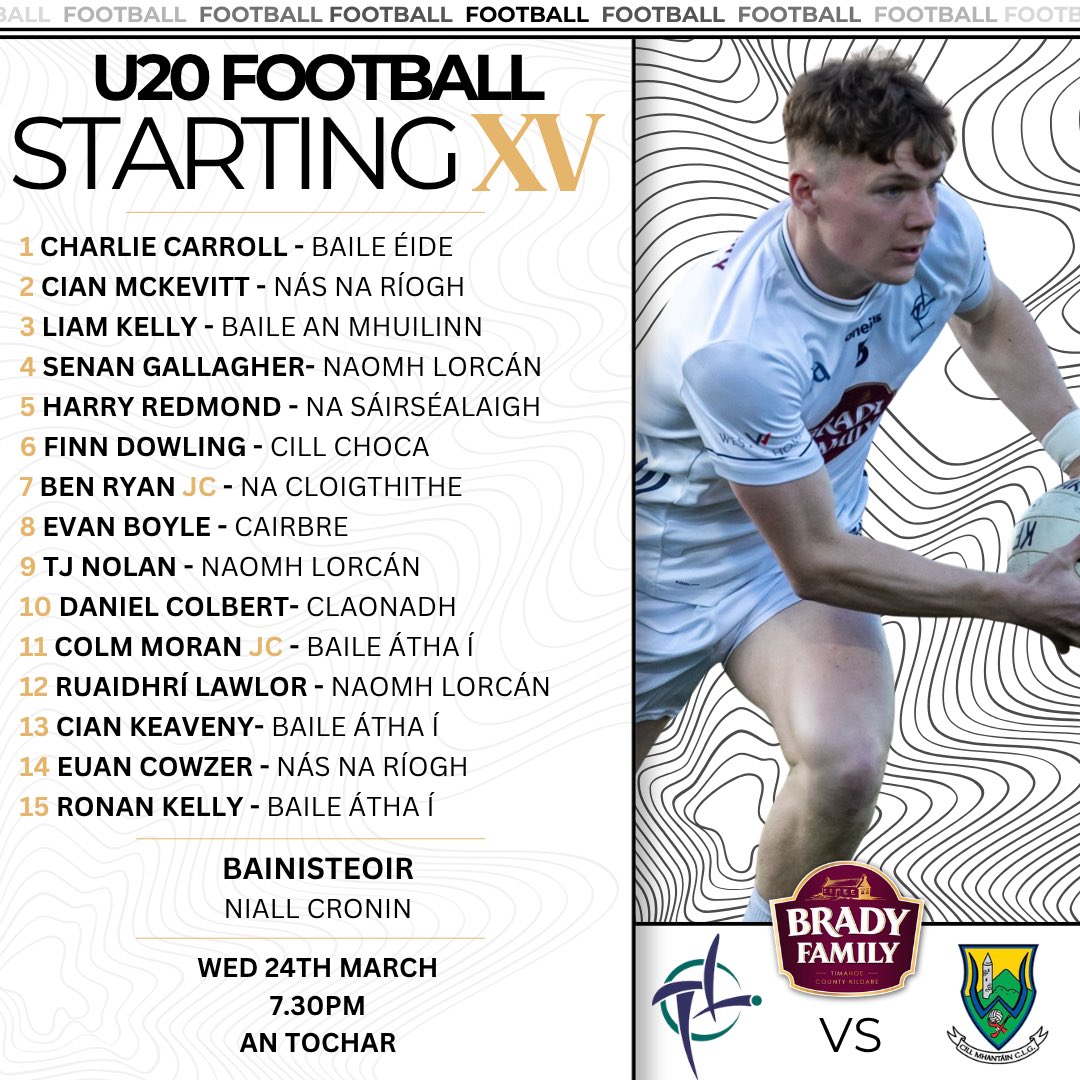
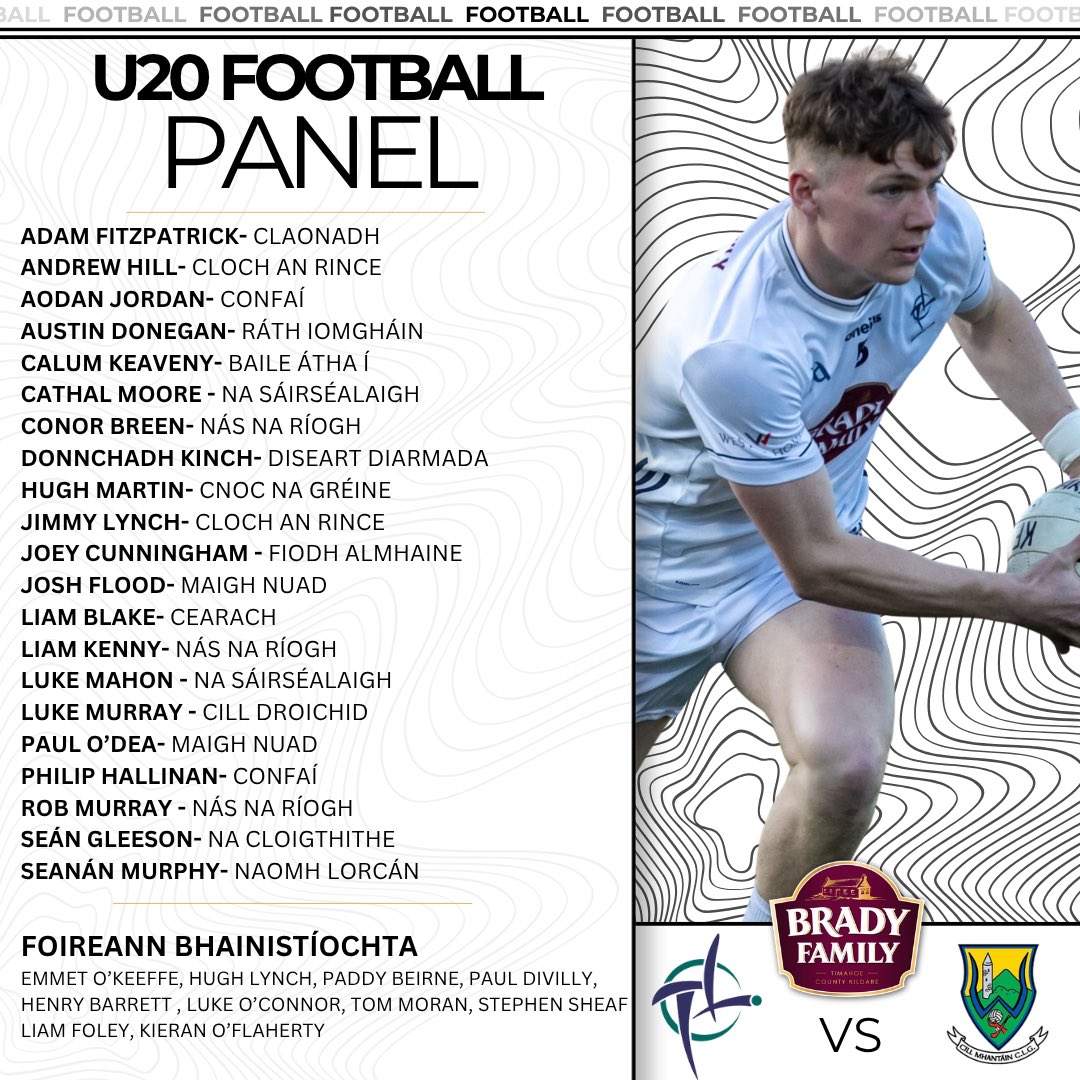
Niall Cronin and his management have named the Kildare U20 Football Team to face Wicklow tomorrow evening in Round 1 of the Leinster GAA Dalata Hotels U20 Football Championship.
All support welcome!
Throw-in: 7.30pm, Wednesday 25th March
Venue: An Tochar GAA, Roundwood, Co. Wicklow
Tickets
Adults/Students/Senior Citizens: €10.00
U-16’s - Free of Charge (No Ticket Required)
universe.com/events/dalata-h…
3
19
8,064
Mar 24
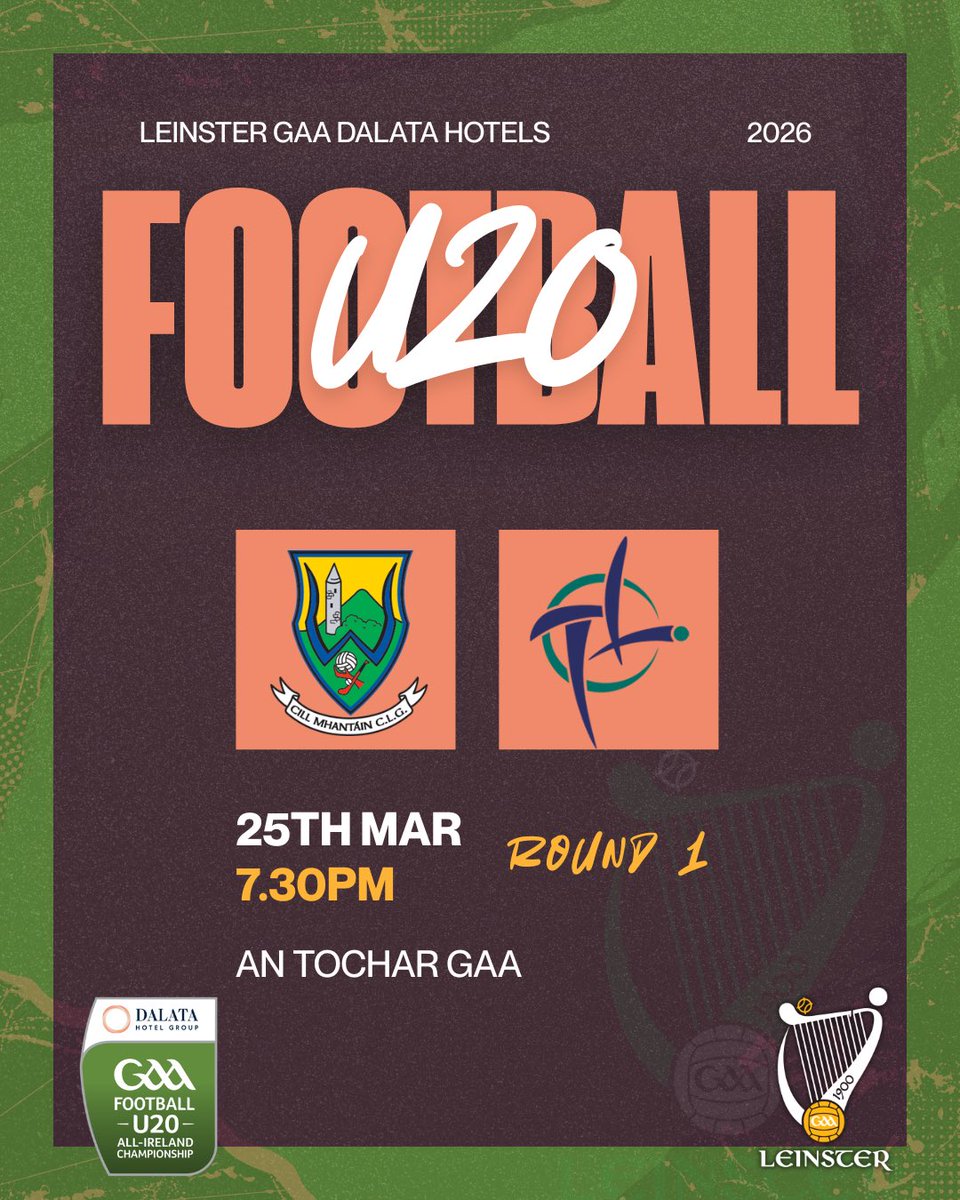
Tomorrow evening sees the Kildare u20 Footballers play Wicklow in Round 1 of the Leinster GAA Dalata Hotels u20 Football Championship.
All support welcome!
Throw-in: 7.30pm, Wednesday 25th March
Venue: An Tochar GAA, Roundwood, Co. Wicklow
Tickets
Adults/Students/Senior Citizens: €10.00
U-16’s - Free of Charge (No Ticket Required)
universe.com/events/dalata-h…
2
8
2,539

Mar 21
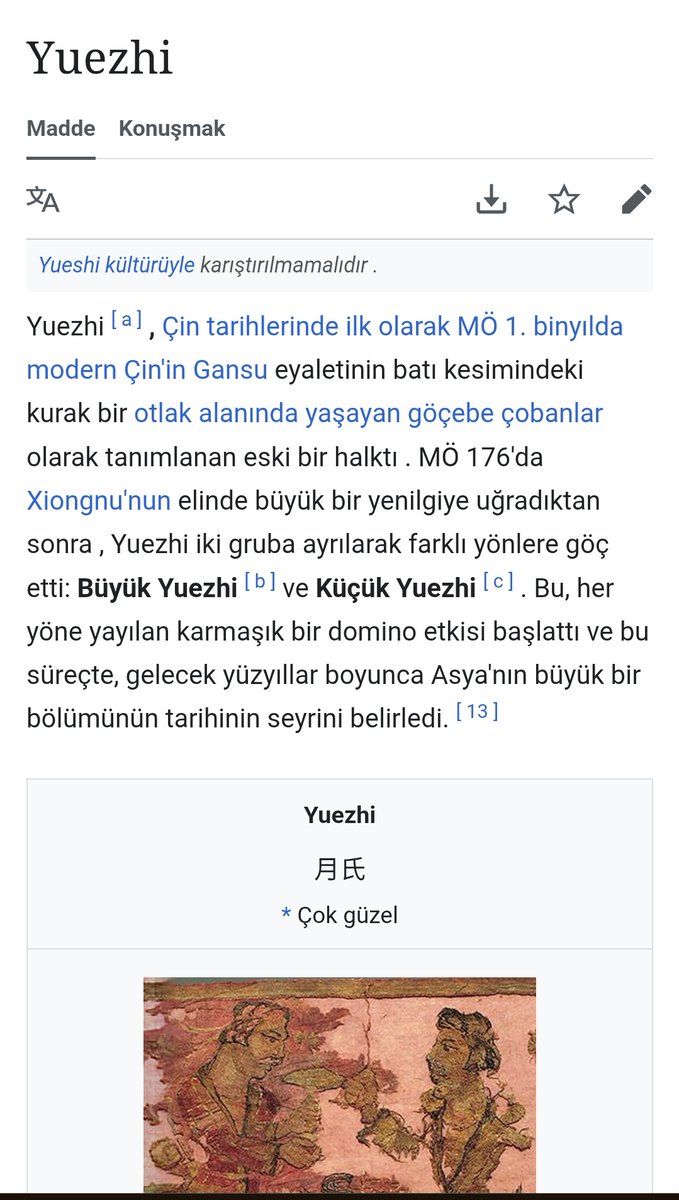
Yuezhi ≈ nguat-ke / gwat-kje / guat-şe
Bu ses neye benziyor?
Tokhar (Tocharian) bağlantısı
Batı kaynakları
Tokharoi / Tochari
Bu,
Yunan kaynaklarında geçer
Orta Asya halkı demektir.
Fonetik olarak
Tochar - Tohar - Tokar.
Asii / Asi bağlantısı
Klasik kaynaklarda
Asii (Asya / As kavmi)
Asia ,As, asi, asii,as-ena.
Bu da,
Yuezhi ile eşleştirilir
Saka-İskit dünyasıyla bağlantılı yani.
Arki / Yarki teorisinde ise,
Bazı modern araştırmacılar
Yuezhi = Arki / Yarki
Bu çok önemli çünkü,
Tarım havzasında Yarkan(d) (yer adı) var
bu isimle bağlantı kuruluyor.
Yuezhi (rekonstrüksiyon)unda
gwat-kje
Kıpçak
qıp-çak kıpćak
Yuezhi=gwat / guat
qıp
kje=çak
Göç zincirinde,
Yuezhi
Saka / İskit alanına girer
Kuşan olur
Orta Asya karışır
yüzyıllar sonra‼️‼️‼️
Hatta Kabardey prensliklerinde Kıpçak etkisi var...
Kipchaks olur.
Hatta,
Altın Orda Dönemi
Golden Horde
Moğol sonrası dönemde
Kuban ve Taman hattı Altın Orda kontrolüne girdi.
Kıpçak dili, yönetici ve askeri dil hâline geldi.
Bu dönemde
Ovalık Çerkes topluluklarında Kıpçak etkisi artar...
Kıpćaklar hem gürcülerin hem de Çerkeslerin icgine girer.
Gürcülerin icinde Otrok han girer...
Ve Turandot ile devam ederler.
Turandot operası Giacomo puccini tarafından yazılmıştır.
👇
TURANDOT - DEVLET OPERA VE BALESİ GENEL MÜDÜRLÜĞÜ share.google/yAdSD4sbW0ZmCKR…
1
1
2
211
Mar 21
⬆️⬇️
Bieaz daha devam edelim bakalım...
Derine girdikçe derinleşiyoruz..
veya tarihsel bağlamlarda bu tür etimolojik eşleştirmeler, Arkaik Çince ile Türk dilleri arasındaki ses değişimlerini anlamaya yönelik..
Bahsettiğim
guat-şe (Yuezhi) ve qıp-çak (Kıpçak) arasındaki ilişki, ses denkliği (phonological correspondence) teorilerine dayanıyor ama göç meselesi de var..göçlerle de olay uyumlu...
guat / qıp (Kök Heceler)
Arkaik Çince rekonstrüksiyonlarda (ŋwat/guat), sondaki "-t" veya "-p" gibi kapalı ünsüzlerin benzer fonetik yuvalardan çıktığı düşünülür. Bazı dilbilimciler, Yuezhi isminin Çince telaffuzunun, bozkır halklarının kendilerine verdiği "Kip/Kıp" köküne bir yaklaşım (transkripsiyon) olduğunu savunur..
ŋwat-kje / guat-şe
Kıpçak= qıp-çak
guat / kip / qıp
Yani kje = çak burada...
Çak norris..
Chuck Norris e girmicem cidden.
Tochar / Asii hattına bakıyorum,
Batı kaynaklarında Yuezhi
Tochari
Asii
ile eşleştirilir..
Ama ayrılan kol olarak..
Bir kol batıya gider diğer kol orda kalır.
Çin kaynaklı transkripsiyon
Gerçek seste
“yu” değil, muhtemelen “ng / g / k” başlangıçlı olarak Yuezhi:
Orta Asya halkı
Kuşan’a dönüşür
Hint tarihine girer...
Diger kol batıya ve Avrupaya iner.
Kıpçak Avrupa'da Kuman-Cuman olur.
Yani macarları olusturur.
Çin'de Qing olurlar...
Kimek-yimek de aynı.
Kıpçaklar artık Don Nehri’ne kadar uzanan geniş bir bölgede yaşamaktaydılar ve buralara Kıpçakların yerleşmesinden sonra bölgenin adı «Kıpçak Bozkırı» ya da «Deşt-i Kıpçak» olmuş.. İlk kez Orhun-Yenisey Yazıtlarından 759 yılına ait Moyen Çur Yazıtında geçen Kıpçak ~ Kıfçak kelimesi Kimek-Kıpçak birliğinin parçalanmasından sonra Doğu ve Batı Kıpçakları olarak kullanılmaya devam etmiştir.
11. yüzyılın ortalarında Toksaba sülâlesinin (boyunun) idaresi altında Kumanların esas kısmı ve Kıpçak boylarının önemli bir bölümü şimdiki Kazakistan topraklarından Güney Rusya'ya ve Karadeniz yakınlarındaki bozkırlara göç etmeye başlamış ve bunun sonucunda da Kıpçakların İdil (Volga) nehrinin doğusunda kalan Doğu Kıpçakları (ya da Doğu Deşt-i Kıpçak Kıpçakları) ile batısında kalan Batı Kıpçakları (ya da Batı Deşt-i Kıpçak Kıpçakları) olmak üzere iki etno-bölgesel ulusu ortaya çıkmıştır..
Doğu Kıpçak boyları bir zamanlar hakimiyetleri altında bulundukları Kimek boyları ve Yenisey Kırgızları (Eski Kırgızlar) ile birleşerek Kırgız (eskiden Ruslarca Kara Kırgız) adı altında Altay, Yedisu ve Tanrı Dağlarında hayatlarına devam etmiştir. Batı Altay veya Doğu Kazakistan denen yerlerde yaşayanları tarihî literatürde Doğu Kıpçakları olarak adlandırılırlar. Büyük çoğunluğunun Kimeklerle karışıp Kırgızlaşan Kıpçaklar olduğu sanılan Doğu Kıpçaklarının bir kısmı daha sonraki dönemlerde özellikle Güney Altay ve Yedisu bölgesinde kalanlar bugünkü Kazak (eskiden Ruslarca Kazak-Kırgız ya da Kırgız-Kaysak halkının oluşmasında büyük rol oynamışlardır.18. yüzyılda Ruslar ve Kalmuklar Kırgızlaşan Kıpçakları Kırgız olarak bildikleri için Kazaklara Kırgız demişler.
Eski Kıpçaklara gelirsek, Karadeniz-Kafkasya'nın kuzeyindeki bozkırlardan inen Kuman-Kıpçak Türkleri ile Gürcüler arasındaki ilk karşılaşma 11. yüzyılda olmuş ve genelde bu ilk ilişkiler sakin geçmiştir. Kuzeyden gelen bu yeni Türk unsurlar, Gürcü kaynaklarında çoğunlukla Kıpçak olarak geçmekle birlikte, nadiren Koman adıyla da anılmaktadır.
Kiev Knezliği bünyesindeki Doğu Slavları tarafından defalarca yenilgiye uğratıldıktan sonra, 1095-1106 tarihleri arasında Kıpçakların bir kısmı Şarukan'ın,Sarukhan (Şaragan) oğlu Atrak,Otrak (Atraka ათრაქა, Artuq) önderliğinde kavimlerinden ayrılmış ve 750 km doğuya göç edip Alanların (Osetlerin) içine girmişlerdir. Böylece, Kıpçaklarla güney komşuları Gürcüler arasında temas kaçınılmaz hale gelmiştir. 1106 yılında Bagrationi Hanedanından Gürcü kralı IV. David ilk karısından boşanıp Kıpçak lideri Atrak'ın kızı Guranduht (გურანდუხტი Guranduxṭi) ya da Guaranduht (გუარანდუხტი Guaranduxṭi) ile evlenmiştir...
Guranduxhti ya da Guaranduthh dedikleri=Turandot tur...
Operası vardır...!
devam
1
1
3
185

The Kildare under 20 Football Squad announced last week. The lads get their campaign underway against Weicklow next Wednesday evening in An Tochar.
1
16
2,497

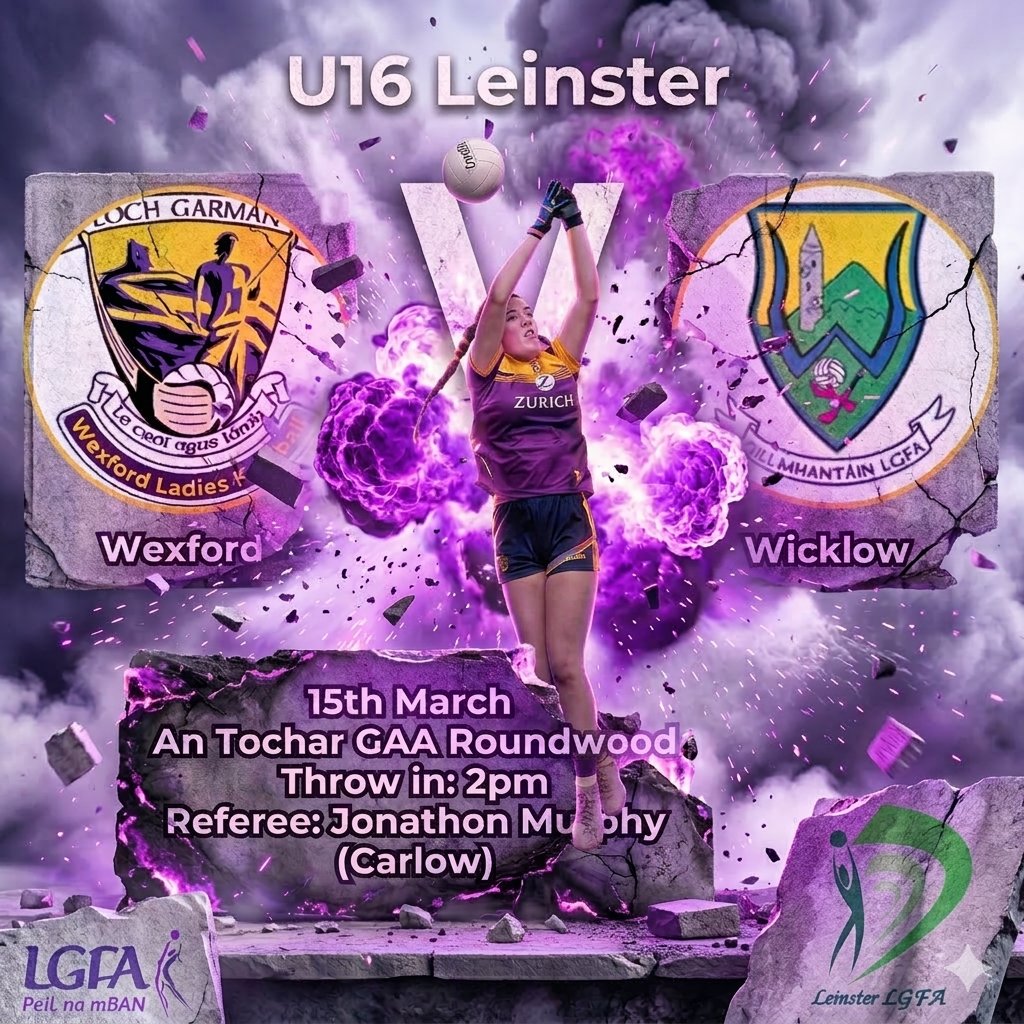
GAME DAY in Roundwood! 🏐🔥
Our U16 Wexford Ladies take on Wicklow today. Let’s bring that Purple & Gold energy! 🟣🟡
📍 An Tochar GAA, Roundwood
🕑2pm
⚖️ Jonathon Murphy
Best of luck to the girls and management! 💜💛
#WexfordLGFA #LeinsterLGFA #LGFA #PurpleAndGold
2
533

Certo eles, negócio com rival tem q tochar de gatilho pra deixar mais caro
2
831