
12 Sep 2023
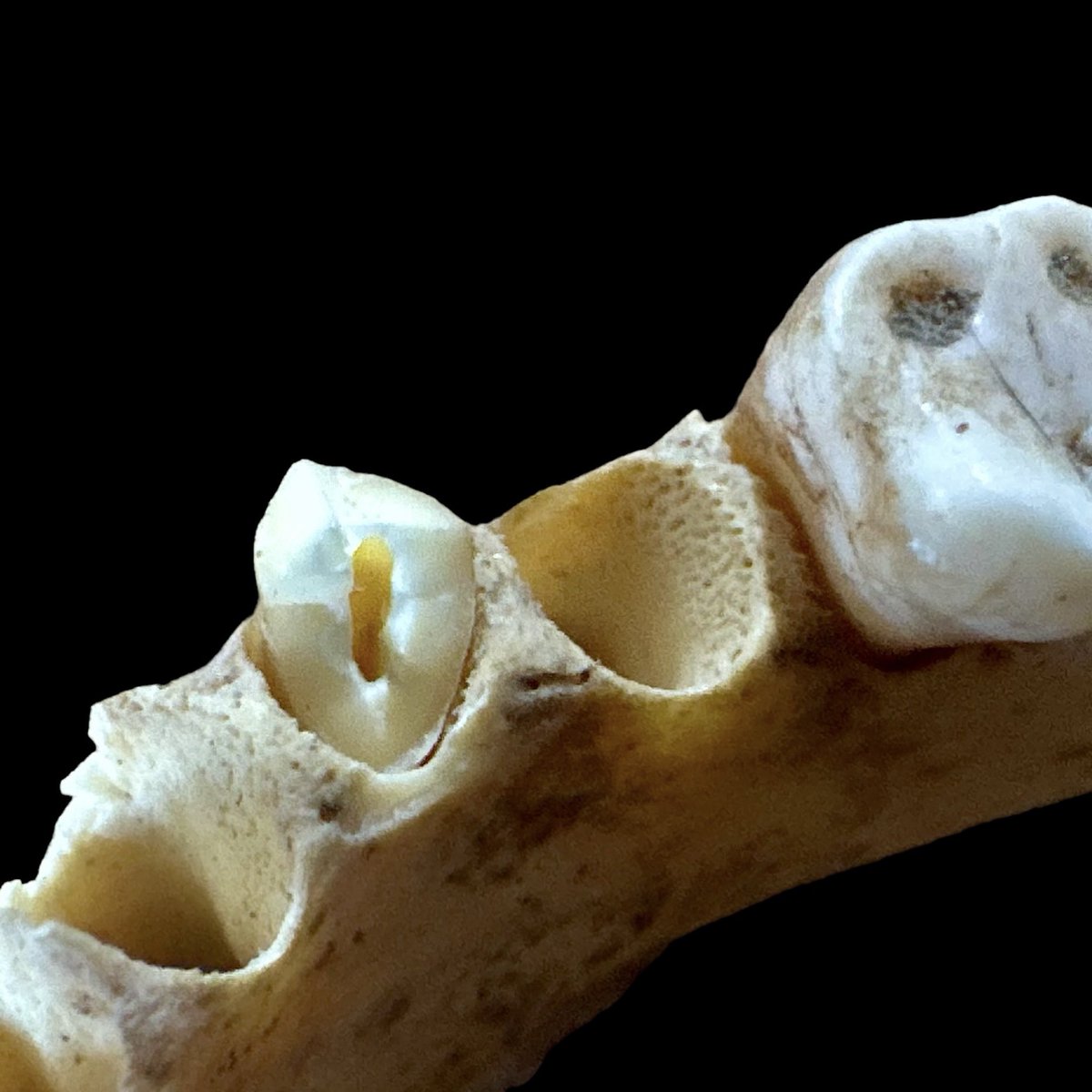
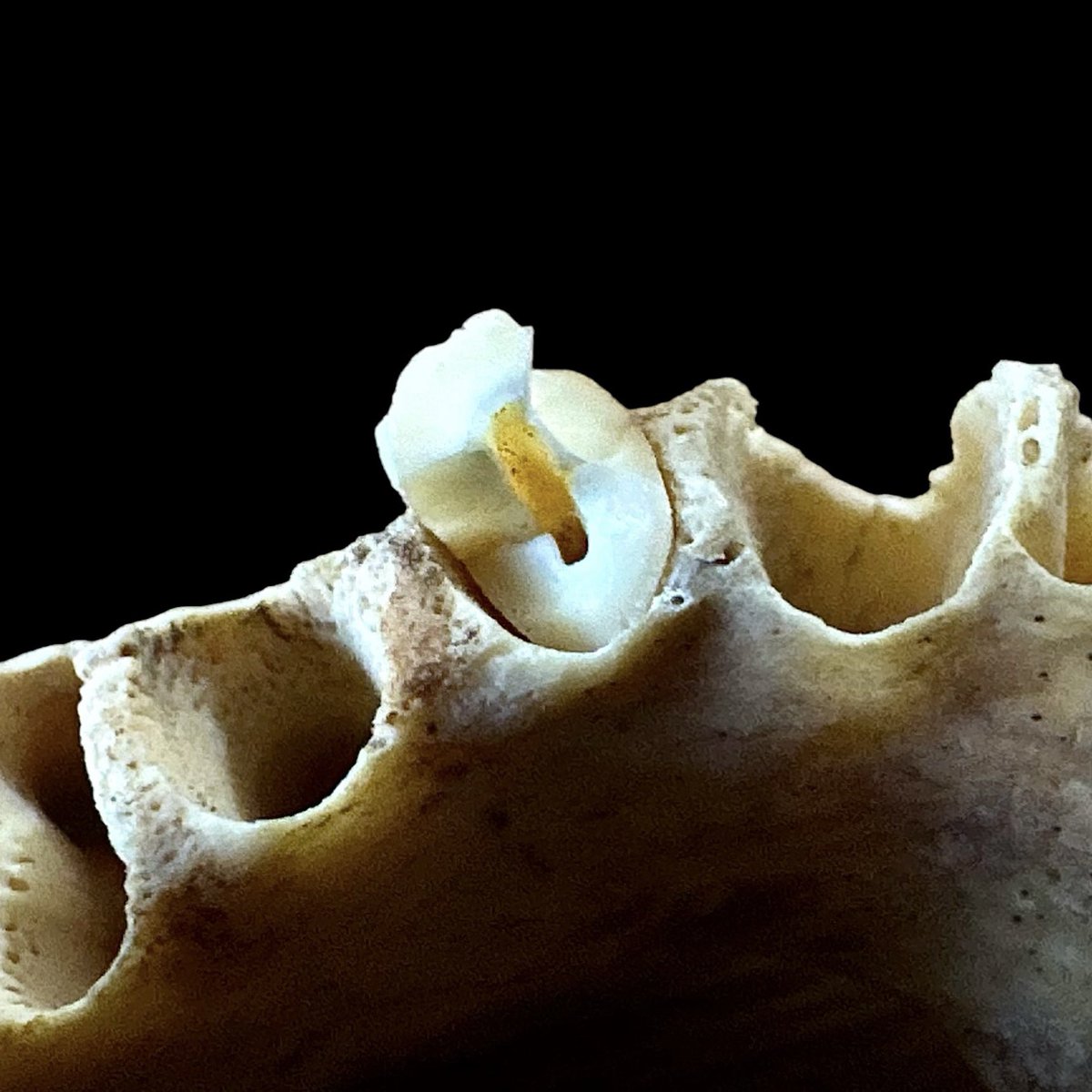
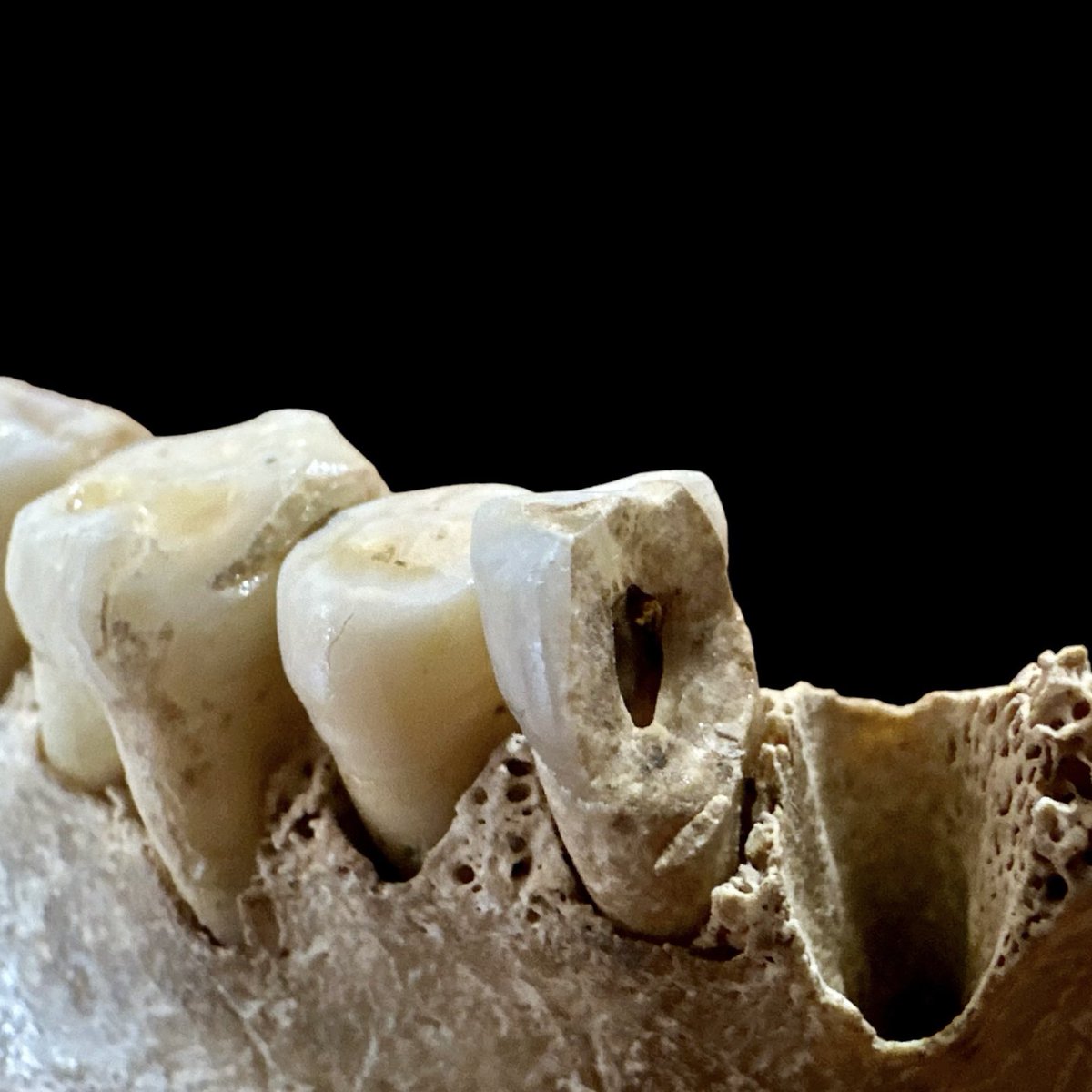
Why Broken Teeth are Commonly Found in Discoveries
There are factors that contribute to the fragility and subsequent breakage of teeth found in archaeological skull specimens:
1. Mineral Interactions**; The long term exchange of minerals, with the surrounding soil can weaken the integrity of teeth making them more fragile (Turner Walker, 2008).
2. Drying Out**; Over time teeth can become dry which makes them brittle and more prone to breaking.
3. Effects of Weather and Erosion**; Environmental conditions can gradually weaken the structure of teeth over extended periods (Hillson, 2005).
4. Microbial Impact**; Bacterial activity can erode teeth although this is more prevalent during the stages of burial.
5. Sampling Methods**; Techniques used for Carbon 14 (C 14) sampling can put stress on fragile teeth leading to fractures.
6. Existing Microscopic Fractures**; Pre existing tiny fractures make teeth susceptible, to breaking during handling or sampling procedures (Turner Walker, 2008).
7. Careful Handling**; Applying force during sampling should be done carefully to avoid causing fractures.
Basically when it comes to digging up artifacts and collecting C 14 samples tooth breakage is a problem influenced by various factors such, as existing conditions and how they are handled.
Reference materials;
Turner Walker, G., 2008 "The decay of bones and teeth caused by chemicals and microbes."
Hillson, S. 2005 "Teeth."
When engaging in the process of Carbon 14 (C 14) dating or any kind of sampling that involves skulls it is crucial to handle them with caution. These delicate teeth are prone to damage, due to mineral changes, desiccation or other factors. Any lack of meticulousness, during the handling process could result in the loss of data points. Additionally it is important to remember that these remains were living individuals. As guardians of these skulls we have a duty to treat them with respect and dignity honoring the life they once represented.
#Archaeology #ToothFragility #MineralExchange #Desiccation #Weathering #Carbon14 #SamplingTechniques #MicrobialActivity #BoneDegradation #ForensicAnthropology
2
91
3,122