Feb 18
🇸🇻 Organizamos actividades con grandes bitcoiners de El Salvador; usamos bitcoin; investigamos; trabajamos un poco más de un año y finalmente, ya está aquí nuestro documental!
Gracias a @OsorioNapoleon, @romanmartinezc, @Evelynlemus2906, @GR_Linares1, @sovmindset, @ronnyavendano_, @CheritoCafe, @investbychrist, @torogozdev y a todos los que participaron en el Financial Freedom Tour y en nuestro documental.
5
7
58
1,978

English version.
Four years after the implementation of the Bitcoin Law in El Salvador 🇸🇻, here is a summary of its history and current status.
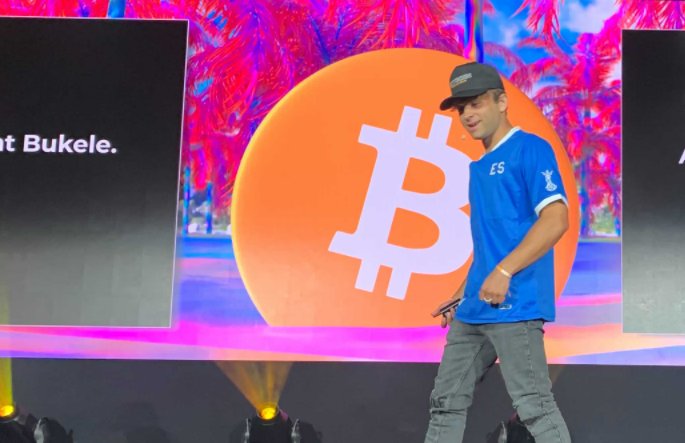
On June 5, 2021, during the “Bitcoin” conference in Miami, President Nayib Bukele announced through a video the intention to make Bitcoin legal tender in the country.
On Wednesday, June 9, 2021, the Bitcoin Law was approved by the ruling party (NI) with a total of 62 votes.
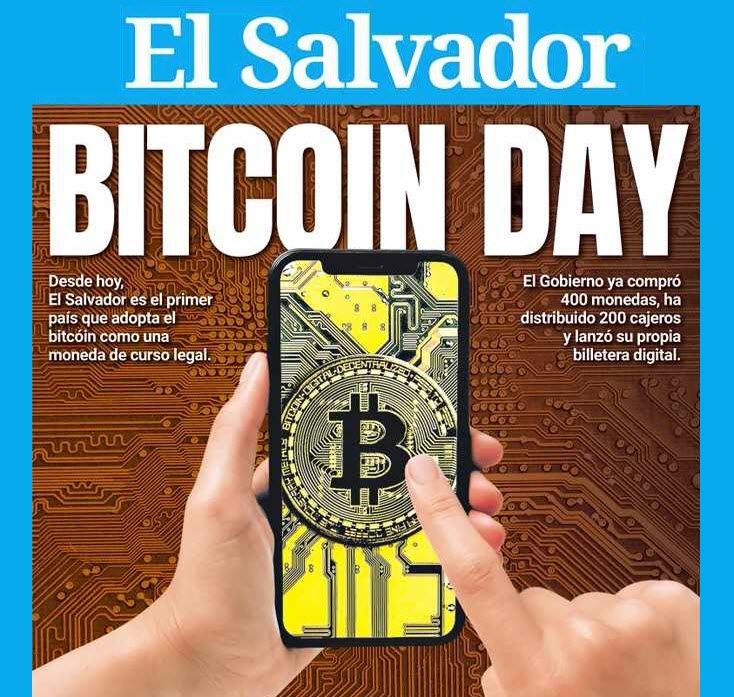
Three months later, on September 7, 2021, the Bitcoin Law officially came into effect in El Salvador.
The launch was a disaster. At midnight, the Chivo Wallet app was released. Those who managed to install it quickly reported multiple issues: registration errors, system crashes, mandatory full KYC, full custodial control, identity theft, and more.
President Bukele himself, not the developers of Chivo, had to come forward to calm users’ frustration. The app went into maintenance several times.
The Chivo Merchants version faced the same problems. Business owners had not been trained, many reported losses from sales and difficulties using the platform.
To this day, the Chivo Wallet has not substantially improved the issues reported since day one.
Other milestones:
Bitcoin City: announced on November 20, 2021, during Bitcoin Week in Mizata, La Libertad. Still pending.
Volcano Bonds: announced the same day along with Bitcoin City. Still pending.
Volcanic Mining: announced on September 28, 2021, when Bukele tweeted about a geothermal mining pilot. Still pending.
Strategic Bitcoin Reserve: never formally announced. In March 2024, Bukele revealed that the country’s holdings had been moved to cold storage, showing a public address with around 5,700 BTC.
Communities:
Bitcoin Beach (El Zonte): pioneer since 2019, origin of the Bitcoin Law, but with limited influence afterward.
Bitcoin Berlin (Berlín, Usulután): small businesses and workshops adopting Bitcoin, showing steady growth.
Educational projects:
Mi Primer Bitcoin (2021–present): NGO offering free Bitcoin diplomas, internationally recognized. @MyFirstBitcoin_
Torogoz Dev: community of Salvadoran developers focused on Bitcoin and Lightning. @torogozdev
Cubo : government-backed project with strong funding and publicity, but with limited results so far.
Economic and social impact:
According to Banco Santander, El Salvador received 3.9 million tourists in 2024, a 22 percent increase compared to 2023.
According to official records, Bitcoin remittances totaled 30.29 million dollars in 2025, just 0.53 percent of total remittances. Bukele had promised the country would save 430 million in commission fees, but the outcome was very different.
Bitcoin Law reform:
On January 29, 2025, the Legislative Assembly approved amendments to the Bitcoin Law. The obligation to accept Bitcoin as a means of payment was removed, and Bitcoin ceased to be legal tender.
The adjustment was a key condition for securing a 1.4 billion dollar loan from the International Monetary Fund (@IMFNews).
Conclusion
After four years there is much to say. For the country, Bitcoin worked as an international branding tool, boosted tourism, and increased Bukele’s global recognition. The cold storage reserve could be seen as a positive step, but it requires traceability and transparency that are not currently in place.
For the general population, the Bitcoin Law did not meet expectations. It did not solve financial exclusion, did not generate mass adoption, and people did not understand the system. Their first experience was negative, which made the process counterproductive.
On the positive side, events like @AdoptingBTC, the emergence of communities, and educational projects have strengthened local Bitcoin culture. Bitcoiners have shown passion for learning and teaching.
Four years have passed without significant glory. The future will determine what Bitcoin truly means for El Salvador.
1
4
17
3,691
A 4 años de haberse implementado la Ley Bitcoin en El Salvador 🇸🇻, comparto resummen de historia y actualidad.
El 5 de junio de 2021, durante la conferencia «Bitcoin» en Miami, el presidente Nayib Bukele anunció, por medio de un vídeo, la intención de convertir a Bitcoin en moneda de curso legal en el país.
El miércoles 9 de junio de 2021, la Ley Bitcoin fue aprobada por la bancada oficialista (NI) con un total de 62 votos.
Tres meses después de su aprobación, el 7 de septiembre de 2021, entró en vigencia la Ley Bitcoin en El Salvador.
Lanzamiento un #desastre, a las 00:00 horas, la aplicación Chivo wallet se lanzó, quienes lograron instalarla comenzaron a reportar múltiples problemas: errores de registro, fallos de funcionamiento, exigencia de KYC completo, custodia 100 %, robo de identidad, etc.
El propio presidente Bukele, y no los desarrolladores de la Chivo, tuvo que salir a dar explicaciones para contener la molestia de los usuarios. La aplicación entró en mantenimiento en varias ocasiones.
La versión Chivo Comercios corrió la misma suerte. Los comerciantes no habían sido capacitados, reportaron pérdidas en ventas y problemas de uso.
La Chivo Wallet nunca mejoró hasta la fecha de forma sustancial los problemas reportados desde el primer día.
Bitcoin City: anunciada el 20 de noviembre de 2021 durante el evento Bitcoin Week en Mizata, La Libertad. En la dulce espera.
Bonos Volcánicos: anunciados el mismo día, junto con la presentación de Bitcoin City. En la ulce espera.
Minería con energía volcánica: anunciada el 28 de septiembre de 2021, cuando Bukele informó en Twitter sobre un piloto de minería con energía geotérmica. En la dulce espera.
Reserva estratégica de Bitcoin: nunca existió ununcio oficial. En marzo de 2024 anunció el traslado de las reservas a cold storage, mostrando una dirección pública con unos 5,700 BTC.
Comunidades:
Bitcoin Beach (El Zonte): pionera desde 2019, origen de la Ley Bitcoin, pero sin mayor influencia posterior.
Bitcoin Berlín (Berlín, Usulután): pequeños comercios y talleres con BTC, con crecimiento sostenido.
Proyectos educativos:
Mi Primer Bitcoin (2021–vigente): ONG que ofrece diplomados gratuitos, reconocida internacionalmente. @MyFirstBitcoin_
Torogoz Dev: comunidad de desarrolladores salvadoreños en Bitcoin y Lightning. @torogozdev
Cubo : proyecto con fuerte apoyo y financiamiento gubernamental, pero con resultados actuales limitados.
Impacto económico y social:
Según un análisis del Banco Santander, El Salvador recibió 3.9 millones de turistas en 2024, un aumento del 22 %
Según registros oficiales, las remesas enviadas en Bitcoin sumaron 30.29 millones de dólares en 2025, apenas el 0.53 % del total de remesas. Bukele había prometido que se ahorrarían 430 millones en comisiones, pero la realidad fue distinta.
Reforma a la Ley Bitcoin:
El 29 de enero de 2025 la Asamblea Legislativa aprobó cambios a la Ley Bitcoin. Se eliminó la obligatoriedad de aceptar Bitcoin como medio de pago, Bitcoin dejó de ser legal tender.
El ajuste fue condición clave para un crédito de 1,400 millones de dólares con el Fondo Monetario Internaciona (@IMFNews)
Conclusión
En cuatro años hay mucho que decir. A nivel de país, Bitcoin sirvió como marca internacional, impulsó el turismo y dio reconocimiento popular al presidente Bukele. La existencia de una reserva en cold storage puede ser positiva, pero requiere trazabilidad y transparencia que hasta ahora no existen.
Para la población en general, la Ley Bitcoin no cumplió las expectativas. No ayudó a resolver la desbancarización, no generó adopción masiva, la gente no entendió el sistema y su primera experiencia fue negativa. Esto resultó contraproducente.
Lo bueno ha sido la organización de eventos como @AdoptingBTC, el surgimiento de comunidades y proyectos educativos, y el esfuerzo de bitcoiners por aprender más y compartir conocimiento.
Han pasado cuatro años sin pena ni gloria. El futuro dirá qué le depara a El Salvador con Bitcoin.
1
11
392

15 Mar 2025
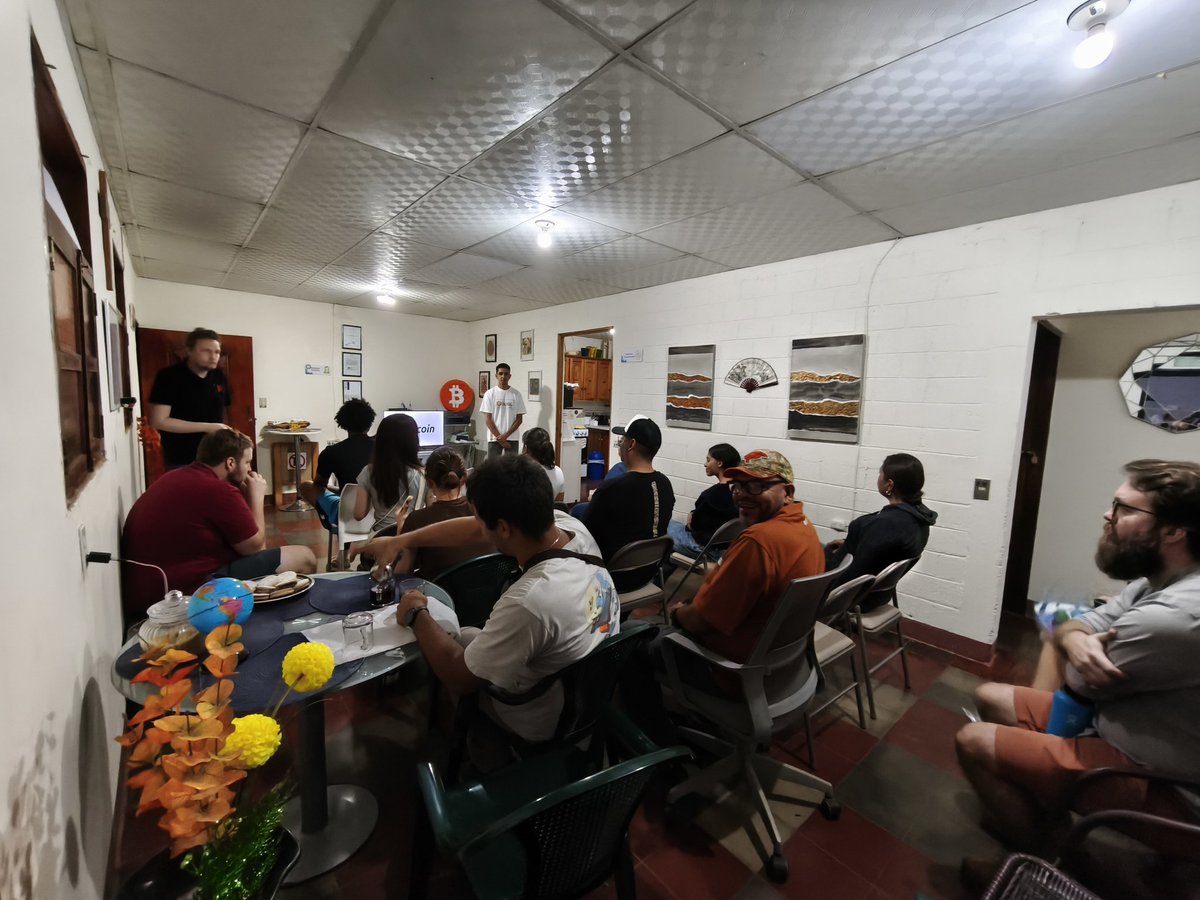
I've been studying and talking about Bitcoin since before Nayib mentioned it in @X (that's not the important think) I didnt give up when I was alone in this. Even leas so now that I've received educational support from @ChaincodeLabs, @cuboplus, @torogozdev.

⚠️ Be careful!!
@mario_floresr is the one who's been working hard orange pilling the town I visited for two weeks!
He's the only one who's been working hard talking with everyone about Bitcoin!
He's the man behind @RutadlasFlores and I'm pretty sure others want the credit now!
1
1
3
172

14 Mar 2025
Bullish on Bitcoin education in El Salvador, part II
In 2021 there were only two orgs, both grassroots, involved with bitcoin education: @Bitcoinbeach & @MyfirstBitcoin_
in 2025 the list is MUCH longer and includes grassroots, corporate funded & government
@Bitcoinbeach, @MyfirstBitcoin_ ,@BitcoinBerlinSV, @comunidadbtc_sv, @LinaSeiche, @bitdriver_sv, @torogozdev, @NodeNationSV, @bitcoinofficesv, @EducacionSV, @tbhs_sv, @Mission21fund, @FcEscuelita, @alegriabitcoin, @Bitcoinpirraya
And YOU--as we are all micro educators
That's tremendous growth in short time
So, as always, F*** the IMF, but the future of bitcoin education is bright in El Salvador
3
12
39
1,616
13 Mar 2025
I remain very bullish on Bitcoin Education in El Salvador
I only see signs of growth
I'm most familiar with @MyfirstBitcoin_ and know they are dramatically increasingly their efforts here in 2025
Grassroots circular economy projects like @Bitcoinbeach, @BitcoinBerlinSV & @comunidadbtc_sv are also expanding thier edu efforts
Even more great work from @LinaSeiche, @bitdriver_sv, @torogozdev, @NodeNationSV, @bitcoinofficesv & @EducacionSV
And YOU--all of us that educate in countless small interactions we have everyday
So, F*** the IMF, but Bitcoin Education moves fwd at speed in El Salvador
6
59
101
3,446

19 Jan 2025
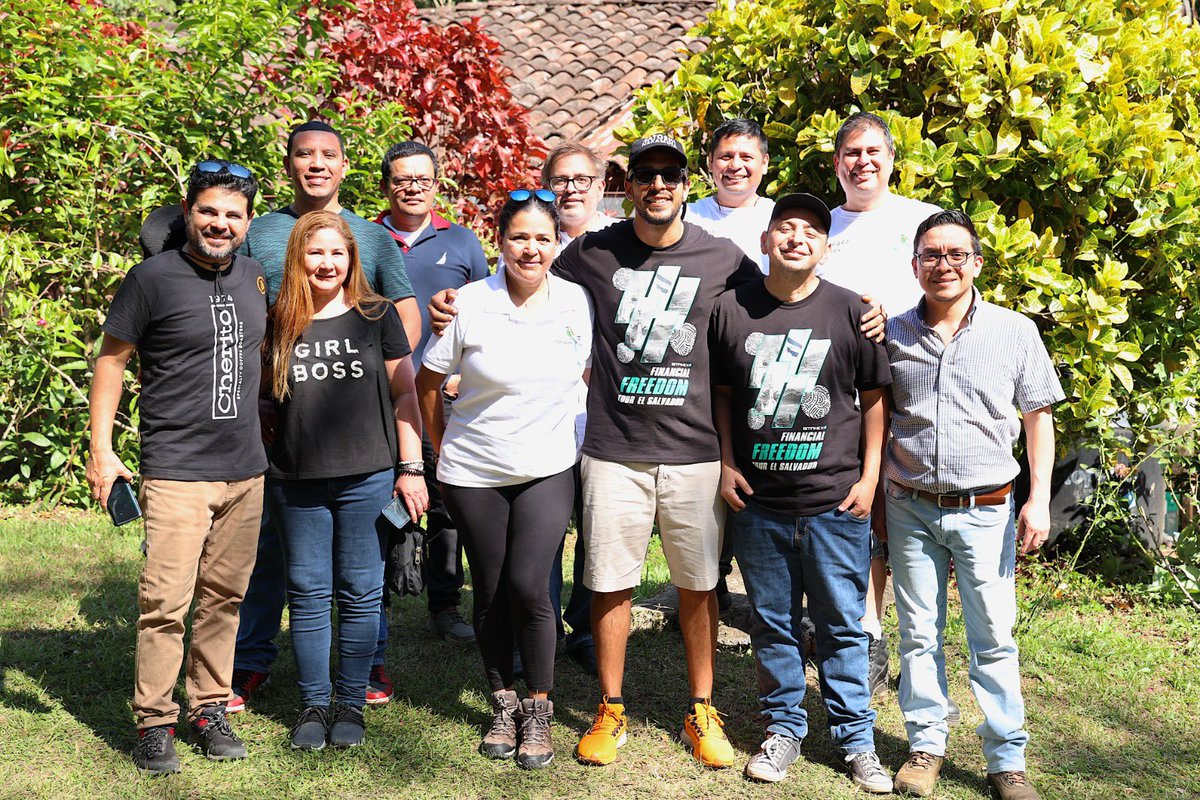
#BitfinexFinancialFreedomTour
#TorogozDev team
#Bitfinex team
#BitDriver team
#CheritoCafé team
☕⚡ 🇸🇻🧡
1
6
26
6,369

19 Jan 2025
@torogozdev ha sido lo mejor que me ha podido pasar, con apoyo de @bitfinex @paoloardoino @criptobastardo soy parte de un programa de clase mundial, con aplicación práctica y liderazgo de lujo. El Salvador tiene ahora profesionales capacitados en @Bitcoin y @Core_LN
19 Jan 2025

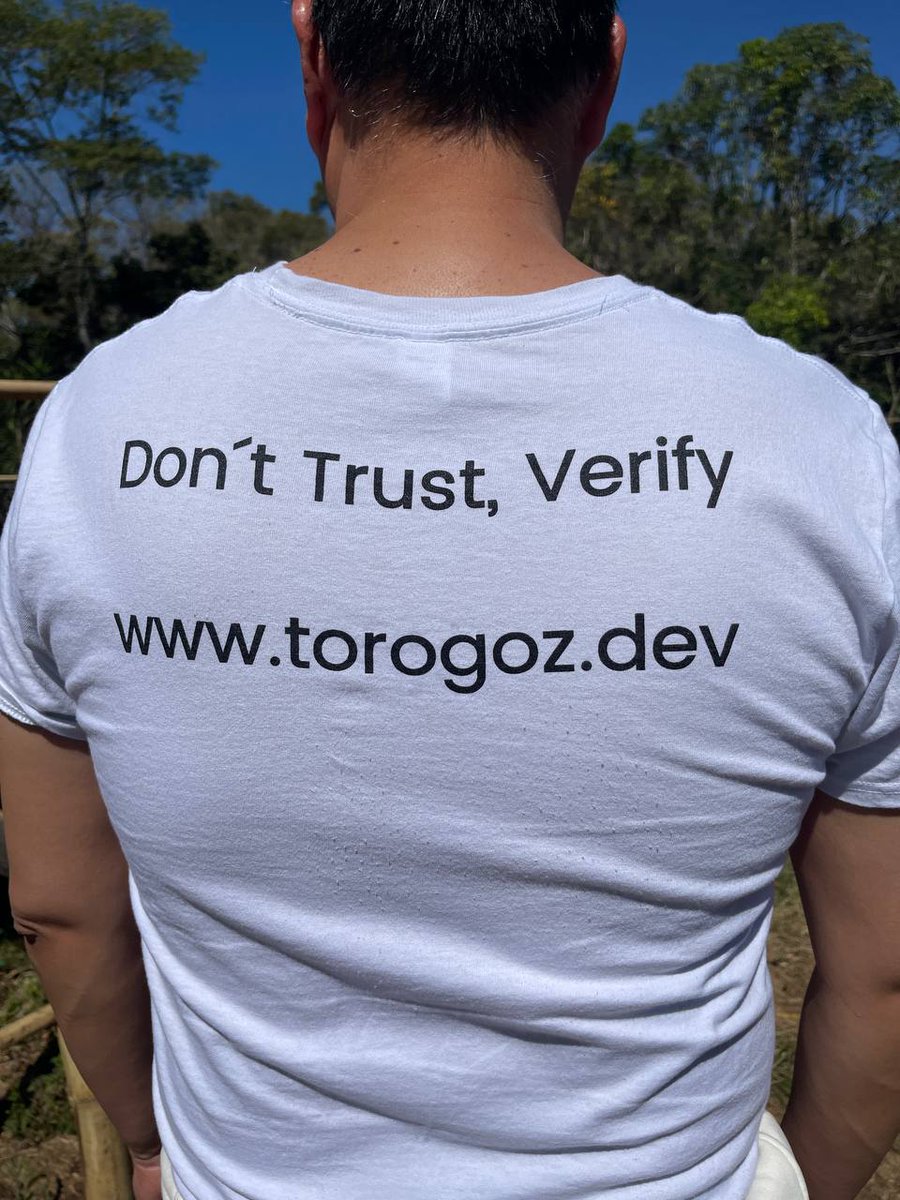
El lema Bitcoin: Don't Trust, Verify.
Lo promovemos en nuestros estudiantes para que sea un slogan de vida.
En #Bitcoin nunca deberías confiar en lo que alguien dice; deberías verificar siempre por tu cuenta.
#Bitcoin #TorogozDev
2
3
209
19 Jan 2025
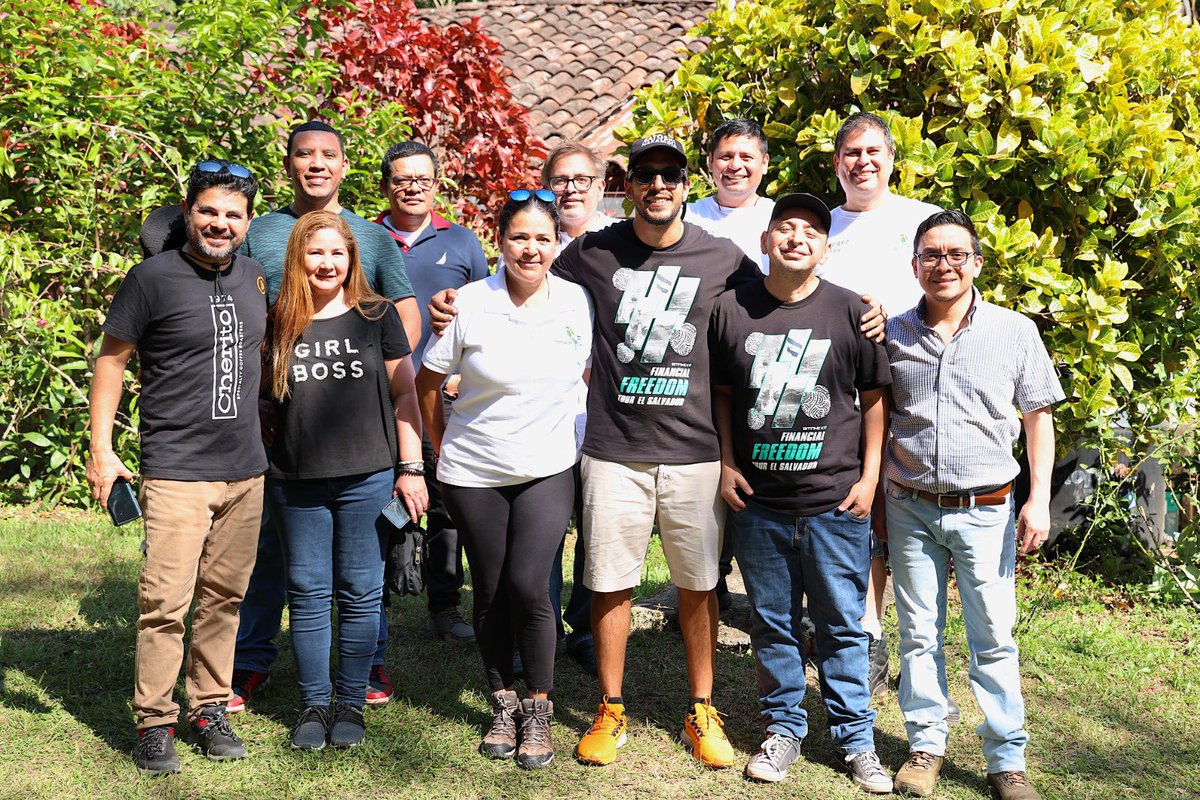
¡El #FinancialFreedomTour de @bitfinex continúa!
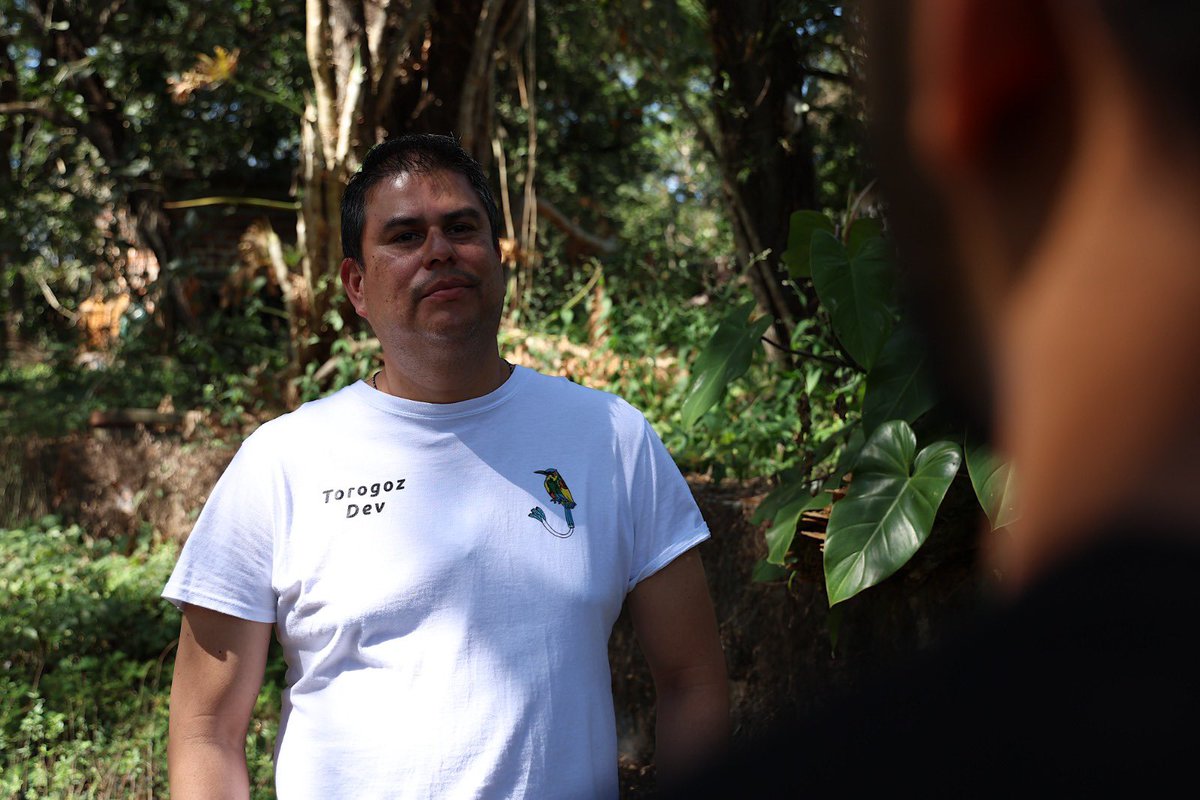
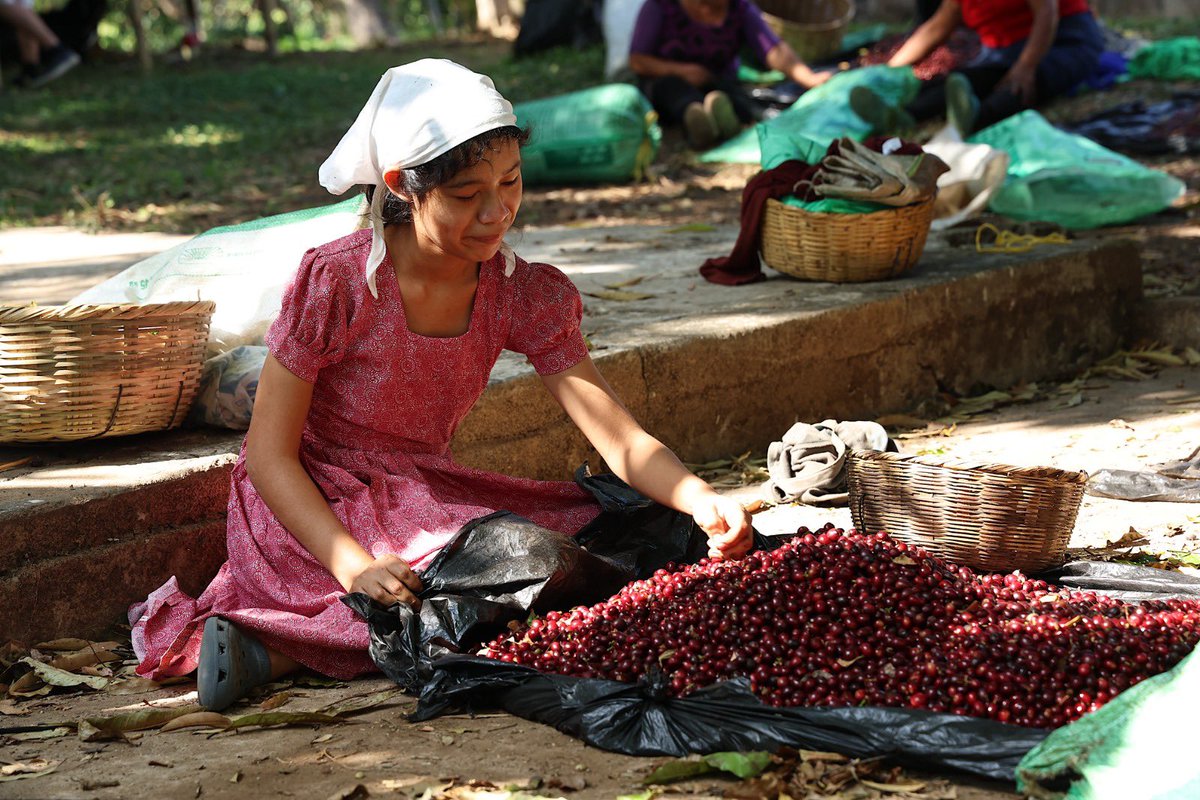
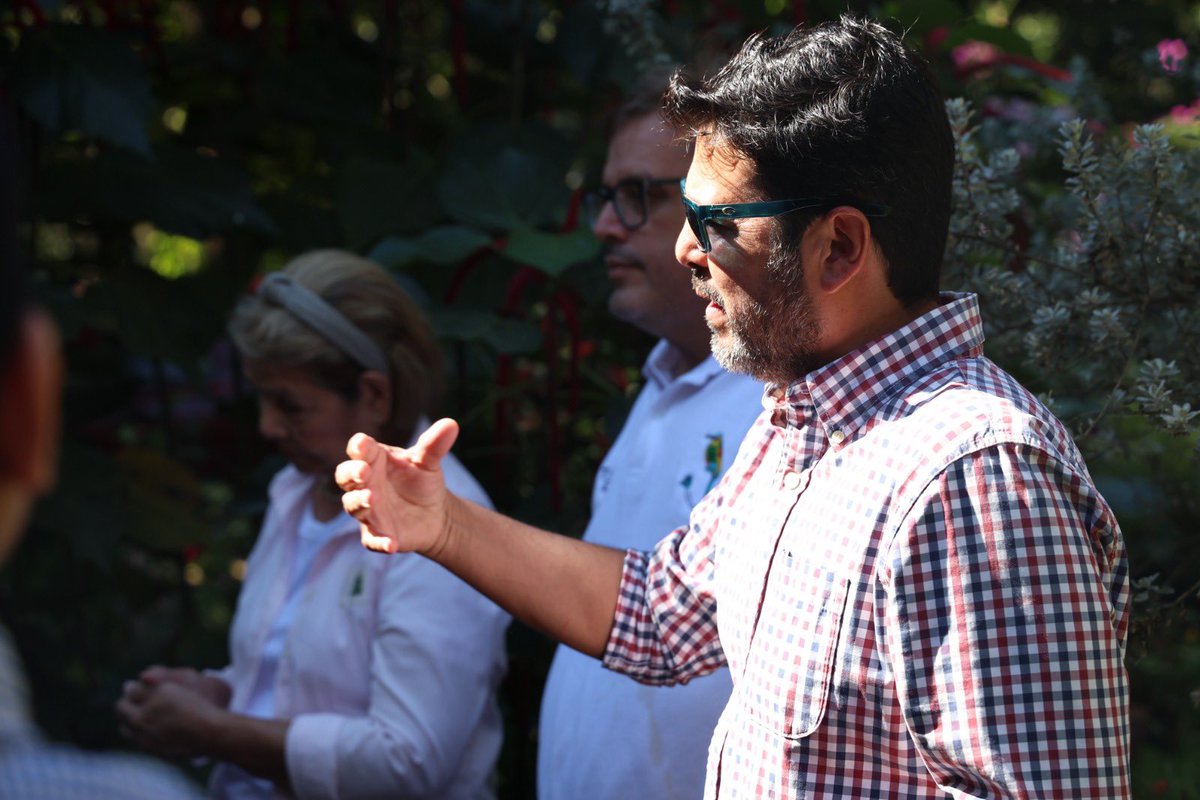
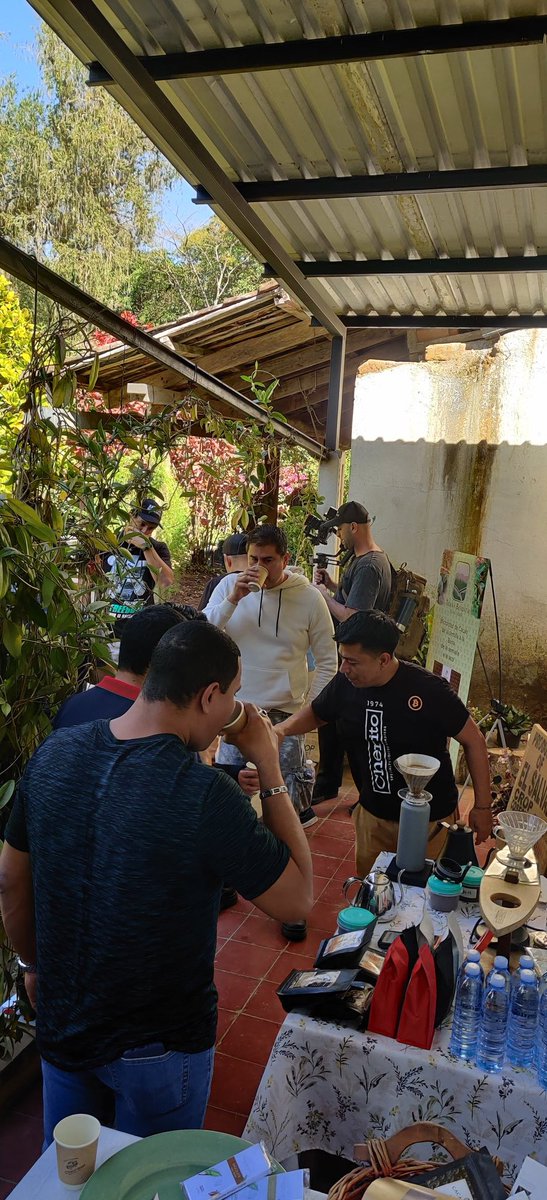
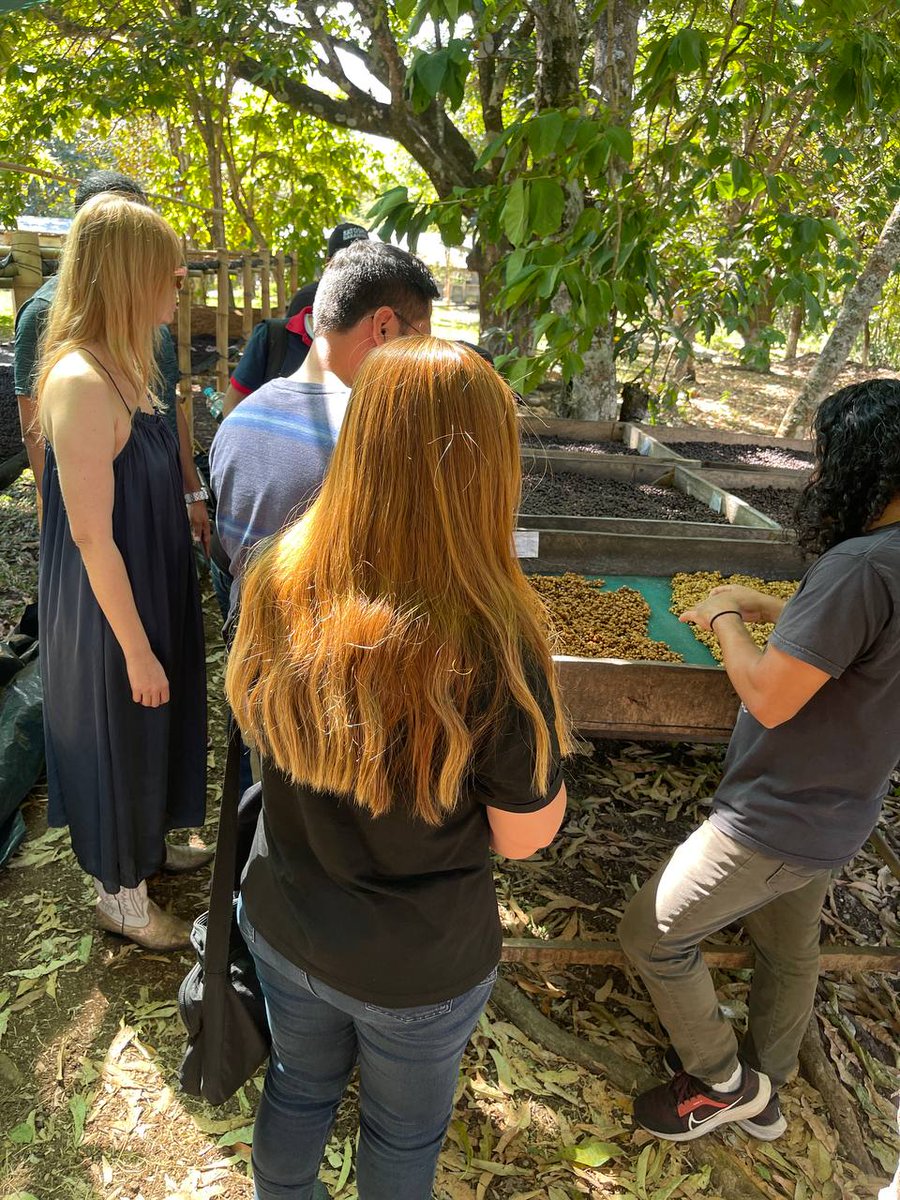
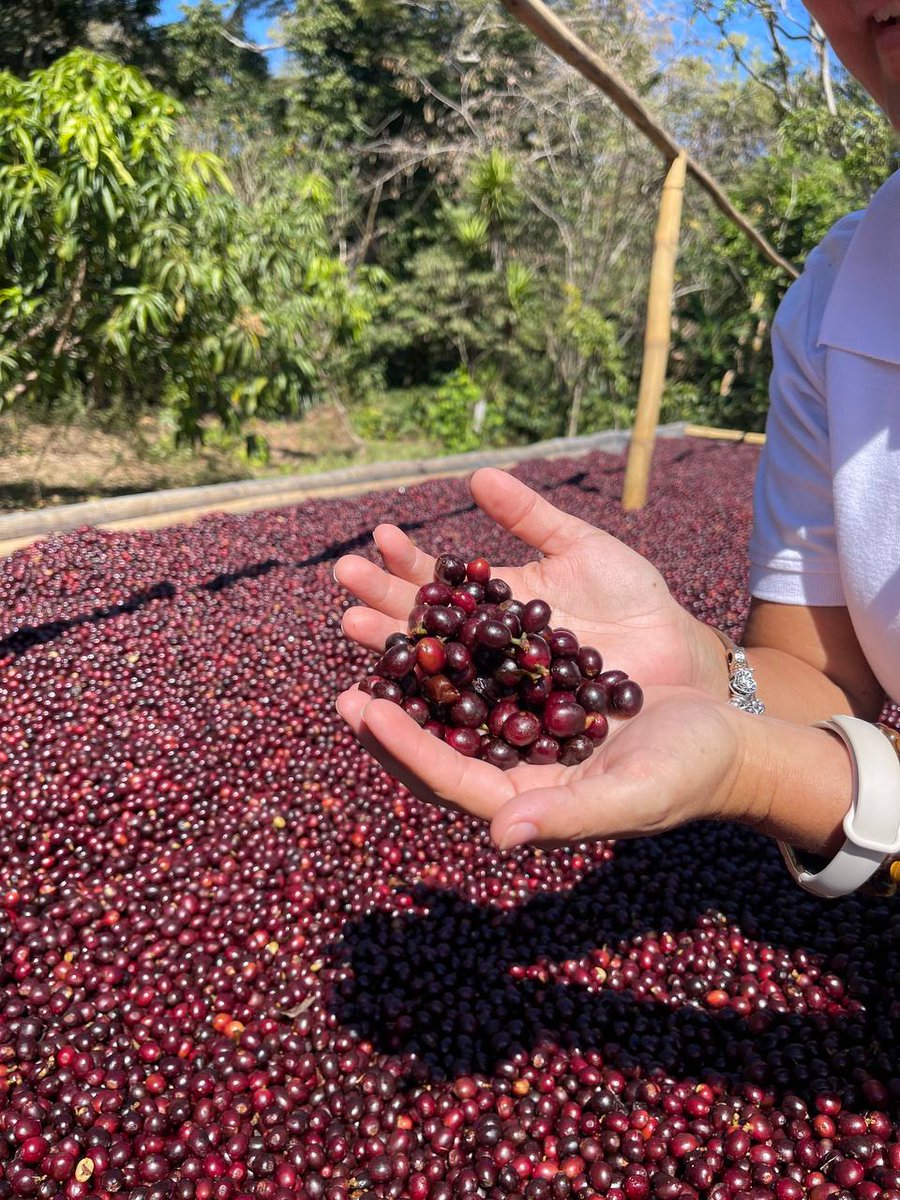
🚙🇸🇻 ☕️Hoy tuvimos un paseo especial con @bitdriver_sv y nuestros amigos de @torogozdev para ir a la finca cafetalera de @CheritoCafe quien nos dió una clase magistral sobre el café salvadoreño, su cultivo orgánico ¡y Bitcoin!
19 Jan 2025
Este día #TorogozDev fue parte del #BitfinexFinancialFreedom con @bitfinex @BitfinexESP @paoloardoino en la finca de @cheritocafe ☕⚡
Torogoz Dev ha creado la pasarela de pago #TorogozPay intregada con Bitcoin y LN para beneficiar proyectos como el de #CheritoCafe 🇸🇻🧡
1
4
15
1,282
Una gran experiencia la vivida por nuestros estudiantes de @torogozdev en la finca de @CheritoCafe
El Salvador tiene mucho potencial, de los mejores productores de café en el mundo.
El Salvador a parte de tener el mejor café, también tiene al mejor dinero, se tiene a #Bitcoin
19 Jan 2025
Este día #TorogozDev fue parte del #BitfinexFinancialFreedom con @bitfinex @BitfinexESP @paoloardoino en la finca de @cheritocafe ☕⚡
Torogoz Dev ha creado la pasarela de pago #TorogozPay intregada con Bitcoin y LN para beneficiar proyectos como el de #CheritoCafe 🇸🇻🧡
2
4
384
19 Jan 2025
Este día #TorogozDev fue parte del #BitfinexFinancialFreedom con @bitfinex @BitfinexESP @paoloardoino en la finca de @cheritocafe ☕⚡
Torogoz Dev ha creado la pasarela de pago #TorogozPay intregada con Bitcoin y LN para beneficiar proyectos como el de #CheritoCafe 🇸🇻🧡
6
6
18
17,256
19 Jan 2025
El lema Bitcoin: Don't Trust, Verify.
Lo promovemos en nuestros estudiantes para que sea un slogan de vida.
En #Bitcoin nunca deberías confiar en lo que alguien dice; deberías verificar siempre por tu cuenta.
#Bitcoin #TorogozDev
2
3
7
359

18 Jan 2025
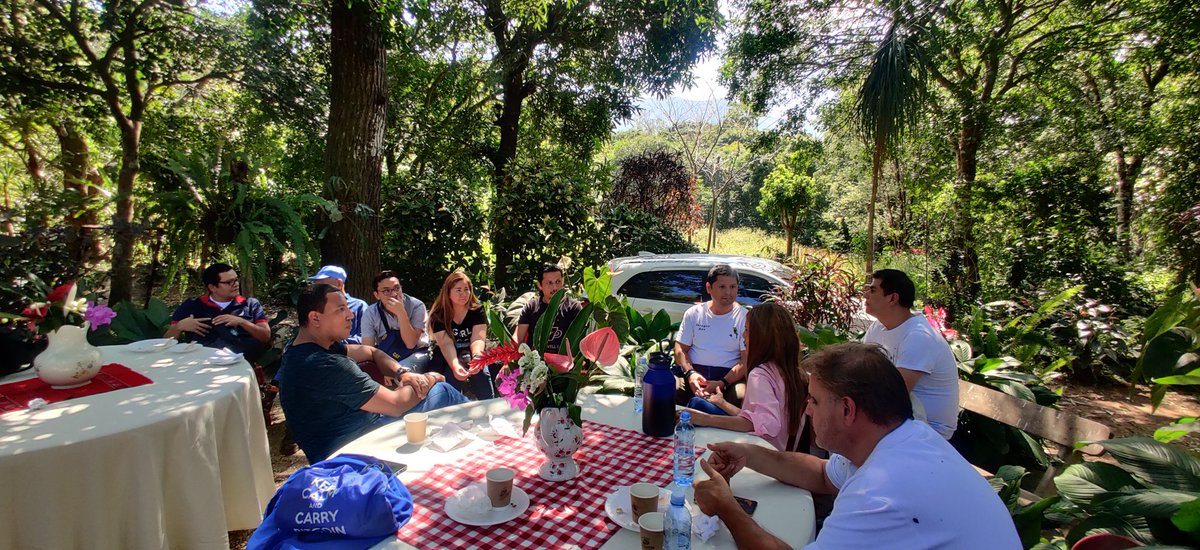
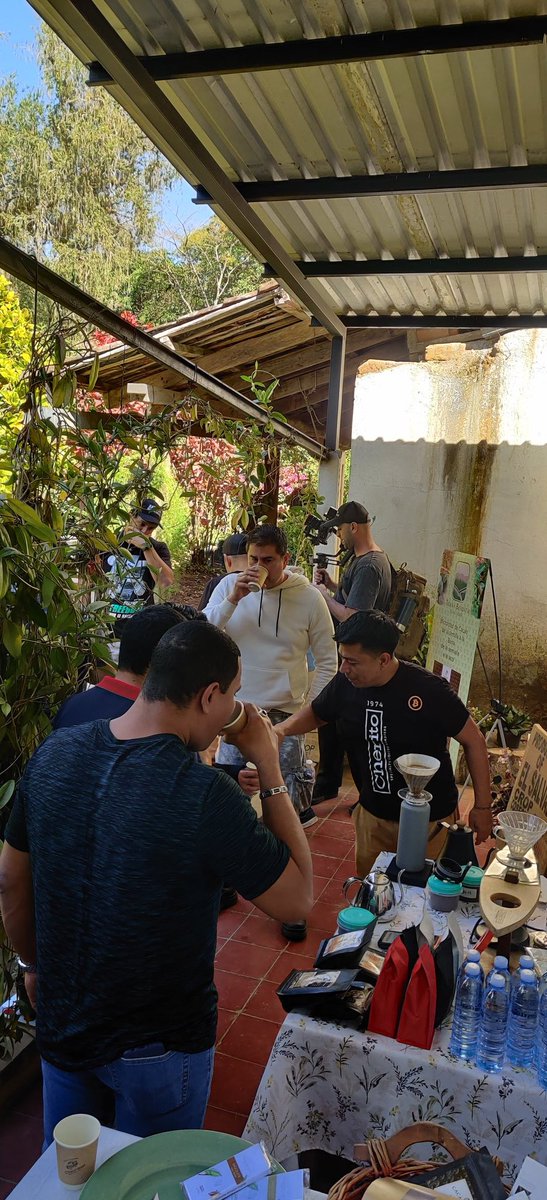
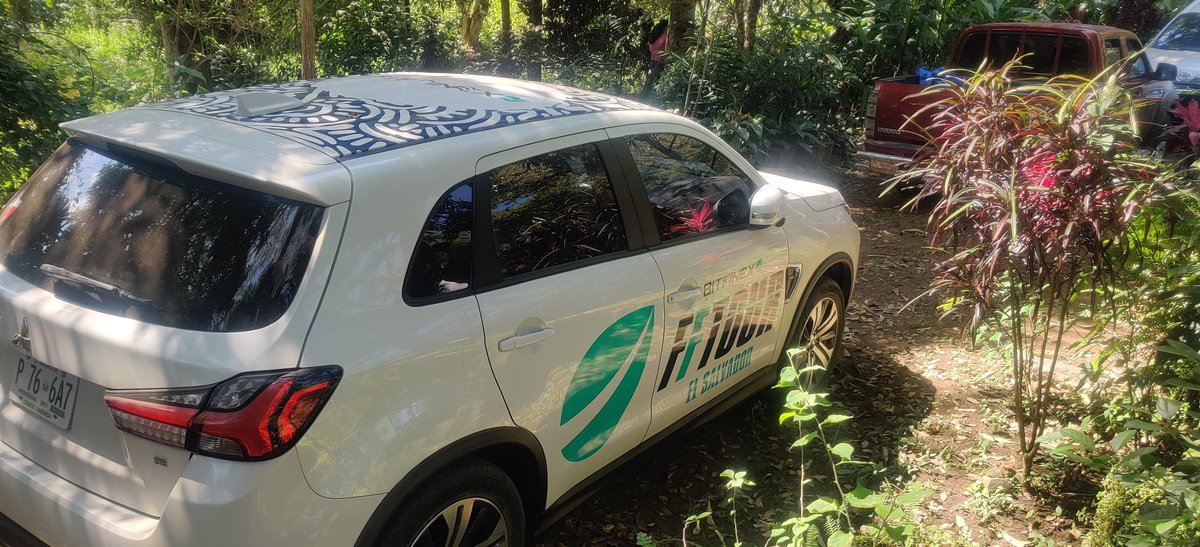
A quick stop on our #BitfinexFinancialFreedom tour with @torogozdev, @criptobastardo and @bitdriver_sv at @cheritocafe! ☕⚡ Seeing how Bitcoin is brewing new economies in El Salvador, from coffee farms to global markets. 🇸🇻🧡 #BitcoinStandard

Visita de campo en Finca Las Veraneras cosecha 2024-2025 de los mejores microlots de #cafedeelsalvador en #bitcoin standard #thereisnosecondbest 🇸🇻😎☕🧡⚡
2
50

18 Jan 2025
Una parada rápida en nuestro tour #BitfinexFinancialFreedom con @torogozdev, @criptobastardo y @bitdriver_sv en @cheritocafe. ☕⚡ Descubriendo cómo Bitcoin está impulsando nuevas economías, desde el café hasta los mercados globales. 🇸🇻🧡 #BitcoinStandard
Visita de campo en Finca Las Veraneras cosecha 2024-2025 de los mejores microlots de #cafedeelsalvador en #bitcoin standard #thereisnosecondbest 🇸🇻😎☕🧡⚡
7
12
903

A quick stop on our #BitfinexFinancialFreedom tour with @torogozdev, @criptobastardo and @bitdriver_sv at @cheritocafe! ☕⚡ Seeing how Bitcoin is brewing new economies in El Salvador, from coffee farms to global markets. 🇸🇻🧡 #BitcoinStandard
Visita de campo en Finca Las Veraneras cosecha 2024-2025 de los mejores microlots de #cafedeelsalvador en #bitcoin standard #thereisnosecondbest 🇸🇻😎☕🧡⚡
8
5
13
10,685
En @torogozdev se ha demostrado con PoW (prueba de trabajo) lo q' se puede hacer
Sin búsqueda de incentivos económicos, donde incluso los co-founder han puesto de su propia bolsa para impulsar el programa
Gracias a @bitfinex por apoyar y patrocinar la fase intensiva #fellowship

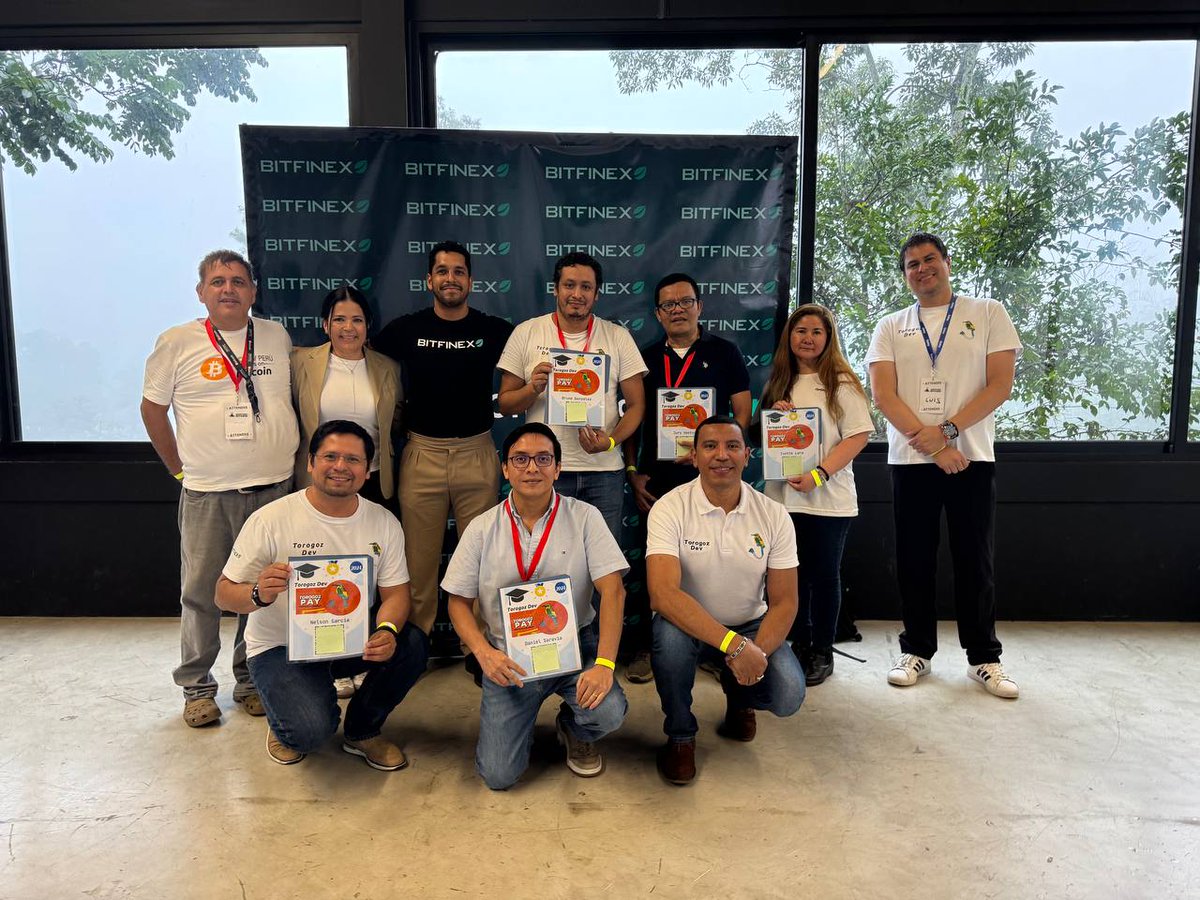
Celebrating the next wave of Lightning developers in Bitcoin Country! 🇸🇻⚡
Congrats to @torogozdev graduates Nelson García, Bruno Gonzalez, Jury Cruz, Daniel Saravia, Luis Escobar, and Ivette Lara.
Together, we’re advancing the #Bitcoin revolution in El Salvador!
1
3
4
603