
♡ and ⟳ if i can run my latest APK on your phone~😵💫🫣
⚠️CAREFUL: it might transform your phone into my personal shrine~💋 t.me/Techdom16
Luminaire (THAC0 Gatekeeper) retweeted

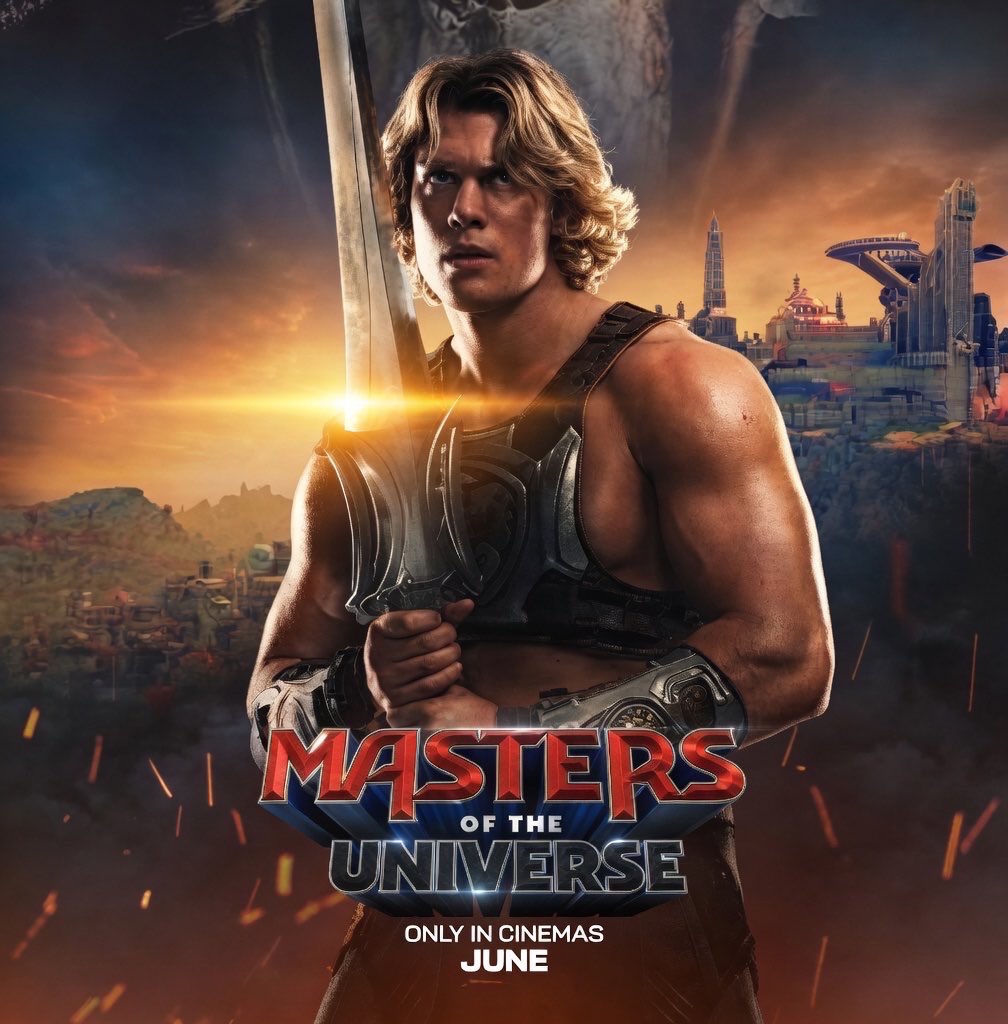
This is genuinely upsetting because this film was great!
Oh well. Looks like it joins the ranks of Furiosa, Transformers One and D&D Honor Among Thieves as “Great Movies That Were Commercial Failures”

MASTERS OF THE UNIVERSE dropped -71% domestically on its second weekend.
With a budget of nearly $200M, it is now tracking to become one of biggest box office bombs of all time.

9
2
40
1,375

 Anime Tweets
Candy Chen retweeted

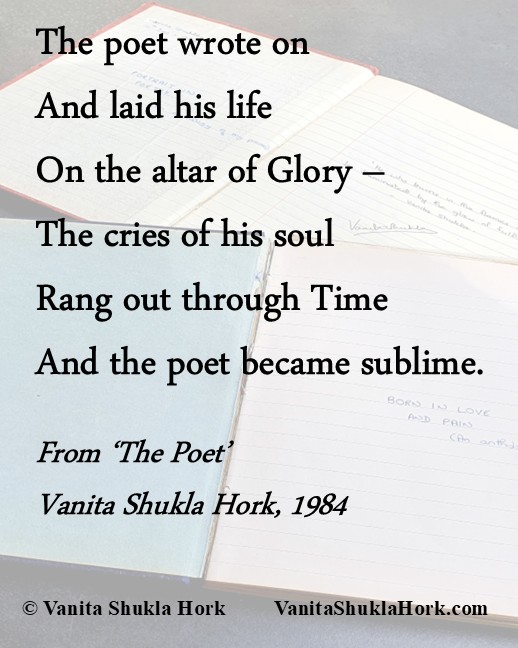
I wrote The #Poet in 1984, age 16. It is a tribute to all #poets, who transform their #pain into #beauty, enriching the lives of others.
Let your #light shine bright ❤️
Read the whole poem in my #blog. Do leave a comment 🙏👇
vanitashuklahork.com/the-poe…
#WritingCommunity #poetry
28
15
980

“Lucid waters and lush mountains are invaluable assets.” 🌿🌏
From rivers and lakes to forests and wetlands, Xi Jinping Thought on Ecological Civilization highlights the importance of harmony between humanity and nature. By advancing integrated conservation and systematic governance of ecosystems, China strives to transform ecological strengths into development opportunities and ensure that a healthy environment benefits all people.
Protecting nature means safeguarding sustainable development for future generations.

「緑の山々と澄んだ水は、かけがえのない財産である。」
この理念は、自然環境の保護と経済発展の両立を目指す中国の生態文明建設の核心です。習近平生態文明思想のもと、人と自然の調和ある共生を推進し、美しい環境を未来世代へ引き継ぐための取り組みが進められています。
豊かな自然を守ることは、持続可能な発展と人々の幸福を支えることにつながります。🌿🌏
1

The popular narrative surrounding tithing often reaches back before the thunders of Mount Sinai to find its footing. Proponents of the mandatory modern tithe routinely point to Jacob’s dramatic night at Bethel as concrete proof that the ten-percent requirement is a timeless, universal law, completely independent of the Mosaic Covenant.
But when we step away from the modern stewardship sermons and actually look at the ink on the pages of Genesis 28, a radically different picture emerges. Jacob’s vow was never an act of unconditional obedience to an established divine ordinance. It was a highly conditional, calculated response to a specific, future-oriented covenant promise from God.
Let’s look at the text. After waking from his vision of the ladder reaching to heaven, Jacob doesn't say, "Because tithing is the eternal law, I will give a tenth." Instead, he strikes a bargain:
"If God will be with me, and will keep me in this way that I go… and I come again to my father’s house in peace… then shall the LORD be my God… and of all that thou shalt give me I will surely give the tenth unto thee." (Genesis 28:20-22)
This vow is inextricably linked to the divine guarantee that preceded it. God had just appeared to Jacob and promised him absolute protection, provision, an ultimate return to his homeland, and,… crucially,… the possession of the land itself: “The land whereon thou liest, to thee will I give it, and to thy seed” (Genesis 28:13).
Here is the fatal flaw in the pro-tithing argument: The biblical record never shows Jacob actually inheriting or possessing that land during his lifetime.
Jacob didn't live as a grand ruler of the Promised Land; he lived and died as a nomadic sojourner. The only piece of the land he ever technically owned was a small plot near Shechem that he had to buy with his own money. Decades later, he didn't die resting on the laurels of the Bethel promise,… he died as an immigrant in Egypt. This is exactly why the author of Hebrews explicitly states that the patriarchs “all died in faith, not having received the promises” (Hebrews 11:13).
Furthermore, there is a glaring, uncomfortable silence in the rest of the Genesis narrative: Scripture never once records Jacob actually paying this vowed tenth to anyone.
There is no record of a priest receiving it. There is no description of an altar ceremony where Jacob counts out his livestock for God. And despite the Old Testament's habit of calling out the patriarchs for their shortcomings, there is absolutely no divine rebuke leveled against Jacob for failing to perform this vow.
Why? Because the vow was entirely conditional, structurally tied to the fulfillment of the covenant promises revealed at Bethel. If the promised inheritance was never fully realized in Jacob’s lifetime, then the conditional obligation of his vow was never triggered.
To rip Jacob's desperate, conditional vow out of its narrative context and transform it into a perpetual, mandatory monetary ordinance for New Testament believers isn't just bad theology, it is a complete distortion of the text. Jacob’s ladder provides no rung for the modern tithing doctrine to stand on.

And given that those 30-50 % are a whole lot more aggressive in their behavior, ambition, motivation, etc to transform civilizations than the no-compulsion Muslims are to live in peace and tolerance with others, it seems the no-compulsion Muslims are fairly irrelevant to the danger of Islam to countries they are immigrating to. I.e. they aren't driven to conquest, but they also aren't driven to defeat Muslim conquest, because they can live in the culture just fine, either way.
1
2

Be scared… I’m a terrible dragon. BHRHAAAAA 🐉✨
I’ll transform you all into shiny little servants at my command…
@ad_argowo_dog
@forfunbangkok
#latex #kink #rubber #dragon #photoshoot #furry #puppy #shiny #latexlife #obedience #petplay #fantasykink

5
29
528
Salina Mendoza retweeted

Jun 13
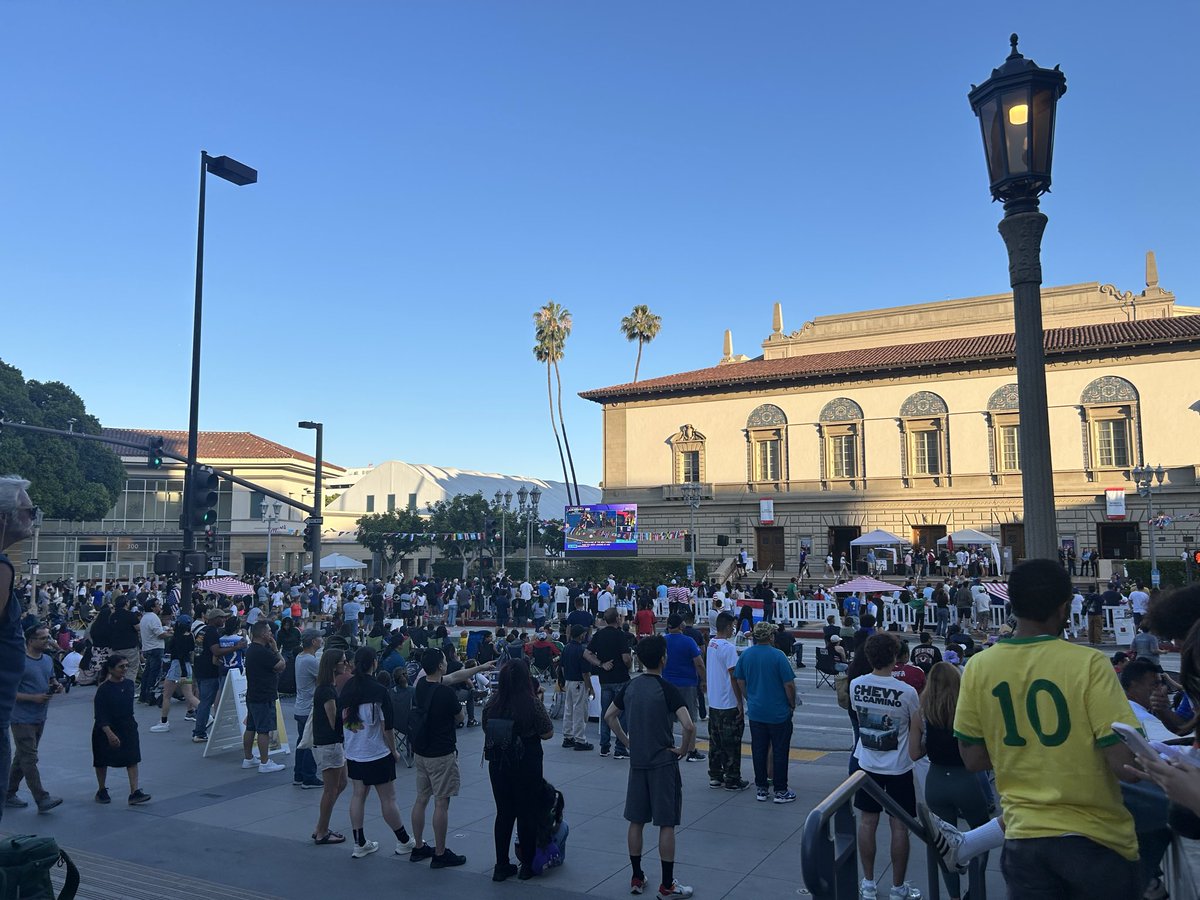
Literally it’s this simple to transform a city
Jun 13

Pasadena should permanently close this section of Green Street to cars and reclaim it as a community plaza.
1
11
131
3,016
BrendaB52🗣 retweeted

🚨 JD VANCE JUST NOW: "What the president has done is created the real space to transform that region cooperation between the Gulf Arab allies and the Israelis, and now hopefully a new era with with the Iranians! This is just a great thing for the American people!"
"I know that they suffered from high gas prices. The president has certainly been very concerned about that fact. But what we're going to be able to do is drive down the cost of energy, not just now, but for the long term, and create a real engine of prosperity in the Middle East where Americans benefit from those lower energy prices, lower gas prices, and we don't have the same risk of chaos that we've had for the last generation."
127
662
2,925
243,839

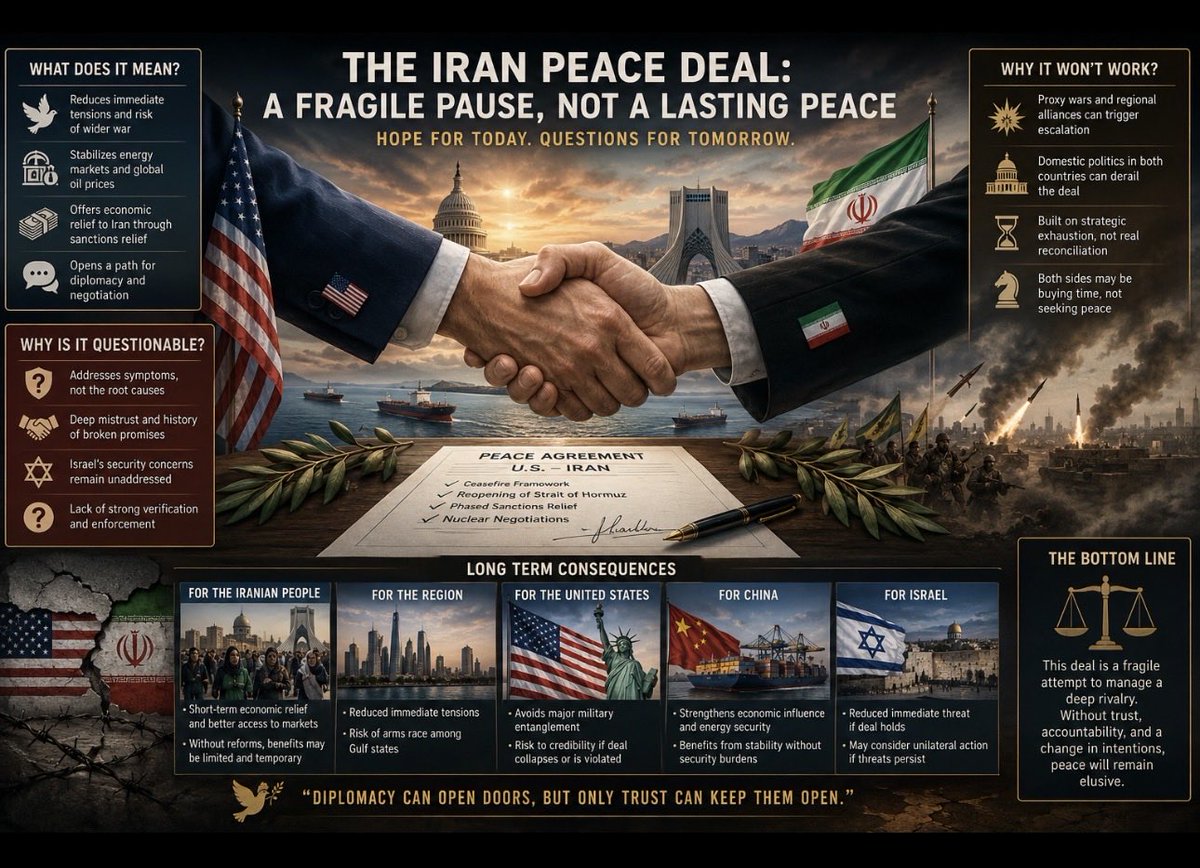
The long-term consequences of this agreement could be profound.
For the Iranian people, a successful implementation could provide short-term economic relief through sanctions reduction, increased foreign investment, and improved access to global markets. However, if structural political and economic reforms do not accompany this relief, ordinary Iranians may experience only temporary improvements while the underlying governance challenges persist.
For the broader Middle East, the deal may reduce immediate military tensions but could encourage a regional arms race. Gulf Arab states may accelerate their own defense modernization efforts if they perceive Iran retaining significant strategic capabilities despite diplomatic concessions.
For the United States, the agreement presents both opportunity and risk. Diplomatically, avoiding another major military commitment in the Middle East would allow Washington to allocate greater resources toward strategic competition in the Indo-Pacific. However, if the agreement collapses or Iran is perceived as violating its terms, American credibility among regional allies could suffer significantly.
China may emerge as one of the major long-term beneficiaries regardless of the deal’s ultimate success. Beijing maintains substantial economic ties with Tehran while simultaneously expanding relationships throughout the Gulf. Analysts increasingly note that China seeks regional stability primarily to protect energy supplies and expand its economic influence rather than assume direct security responsibilities. A stabilized Iran integrated into regional commerce would likely strengthen China’s strategic position throughout the Middle East. (Chatham House)
For Israel, the consequences are perhaps the most uncertain. If the agreement genuinely constrains Iran’s nuclear program and limits regional aggression, Israel benefits from reduced immediate threats. However, if Israel perceives that Iran retains the capability to rapidly resume nuclear advancement or expand proxy operations, Israeli leaders may increasingly rely on unilateral military measures, potentially creating friction with Washington.
Ultimately, this peace agreement should be viewed neither as a definitive breakthrough nor as an inevitable failure. Rather, it represents a fragile attempt to manage an enduring strategic rivalry.
The fundamental question remains whether diplomacy can transform adversarial intentions or merely delay their eventual reemergence. History suggests caution. Sustainable peace requires not only negotiated documents but also a genuine shift in strategic calculations, mutual trust, and political will. At present, those essential ingredients remain in short supply.
6
sivabandla3 retweeted

JD Vance:
If the Iranians comply with this deal, it is going to fundamentally transform the Middle East for the next 50 years.
 Fox News
17
17
89
18,841

Does he want to peace deal at match?
Only Trump can transform a victory into a loss indeed
1
11
Heidi retweeted

@JDVance - "What the president has done is created the real space to transform that region cooperation between the Gulf Arab allies and the Israelis, and now hopefully a new era with with the Iranians! This is just a great thing for the American people!"
"I know that they suffered from high gas prices. The president has certainly been very concerned about that fact. But what we're going to be able to do is drive down the cost of energy, not just now, but for the long term, and create a real engine of prosperity in the Middle East where Americans benefit from those lower energy prices, lower gas prices, and we don't have the same risk of chaos that we've had for the last generation."
11
5
12
1,260

Mariana La Valle retweeted

Con enorme tristeza despedimos a Taty Almeida.
Luchadora incansable por la memoria, la verdad y la justicia, transformó el dolor en compromiso, resistencia y amor. Su fuerza, inteligencia, calidez y enorme humanidad dejaron una huella imborrable en generaciones enteras.
Gracias, Taty, por tu lucha infinita y por el ejemplo que nos dejás. Tu legado seguirá acompañándonos siempre.
Hasta siempre, Taty. 🤍

Con profundo dolor despedimos a Taty Almeida, una luchadora incansable y una de las voces más valientes en la defensa de la Memoria, la Verdad y la Justicia. Su ejemplo, su compromiso y su valentía marcaron para siempre la historia de nuestro país.
Su legado seguirá vivo en cada lucha por una Argentina más justa, democrática y con memoria.
Hasta siempre, Taty.

1
1
4
140
undartaed lor chris retweeted

May 30
Get hands-on with the product innovations, tools, and ideas that will transform every part of your business. Leave with real skills, proven approaches, and the confidence to put them into action immediately.
9
19
246
1,796,250


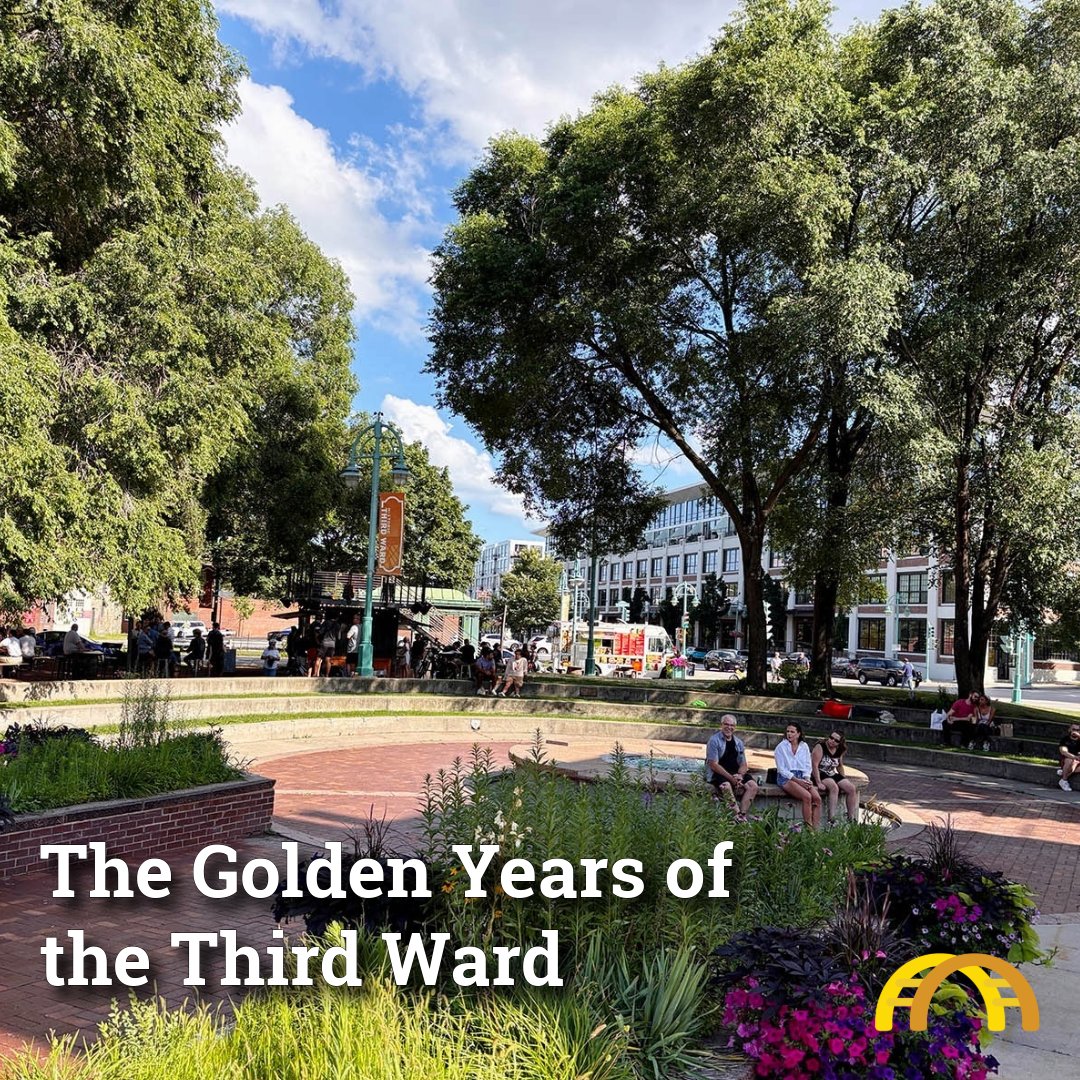
Fifty years ago, a bold vision helped transform one of Milwaukee's most iconic neighborhoods. Bobby Tanzilo takes a look back at the people and projects that shaped the Historic Third Ward.
Read it today on OnMilwaukee:
onmilwaukee.com/articles/his…
119